
In shortSharon, a retired American with Spanish-speaking friends she wanted to talk to properly, spent three consecutive weeks living with three different host teachers: Pilar in Valencia, Mónica in Dosrius near Barcelona, and Carmen in Seville. She arrived with passive Spanish and little confidence. Three weeks later she had rebuilt her grammar, put it to work in a Catalan village and two great cities, and found her voice talking about art, Holy Week and altarpieces in Andalusia.
StudentRetired, USA
Length3 weeks
WhereValencia · Barcelona · Seville
LevelA2, speaking with confidence
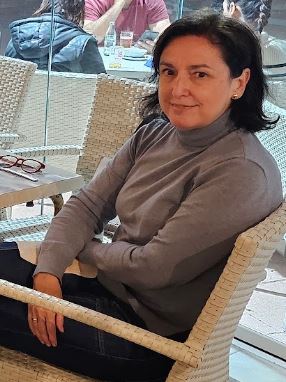
¡Hola! I'm Carmen, a host teacher with the Spanish Homestay Immersion Programme (SHIP) in Seville. Students live in my home and we take the lessons out into the city. I met Sharon on a Sunday in November, and I was the third teacher to open a door for her that autumn. This is her story, as I pieced it together from my colleagues' notes, from Sharon herself over dinner, and from the week we spent together.
Most of my students arrive straight from the airport, jet-lagged and nervous, with a phrasebook and a week ahead of them. Sharon arrived from Barcelona, on her third consecutive week of homestay immersion, having already lived with two of my colleagues. She walked in with two weeks of Spain already inside her: a recovered grammar, a notebook full of excursions, and more confidence than she had started with.
That made my week both easier and more interesting than usual. I was not laying foundations. I was building on someone else's, and then finding out what Sharon actually wanted to talk about.
1Valenciawith Pilar · foundations
2Dosrius, Barcelonawith Mónica · conversation
3Sevillewith Carmen · finding her voice
Why Sharon came to Spain

Sharon is an American citizen, and retired, although "retired" is a poor description of how she spends her time. She takes jazz dancing classes, which keep her moving and let her be creative. She plays tennis and pickleball, and she was the first to tell me, laughing, that she is not very good at either. She plays for the pleasure of it. And she volunteers at a women's homeless shelter, which tells you most of what you need to know about her character: she is interested in other people, and she wants to be useful.
That is also why she came to us. Sharon has Spanish-speaking friends, and she was tired of the gap between the Spanish she once knew and the Spanish she needed to really talk with them. Not exams. Not a certificate. Conversation.
Week one, Valencia: rebuilding the foundations with Pilar
By the time Sharon reached me I had Pilar's notes, and Sharon herself filled in the rest over dinner. Valencia was about recovery rather than beginnings. Sharon had a good deal of passive knowledge and very little confidence in using it, so Pilar went back to the foundations and rebuilt them properly.
In class
The present tense in full: regular, irregular and reflexive verbs and verbs of the gustar type, from the opening units of the Spanish Express Verb Workbook. Expressing likes and preferences, introducing herself and her family, and the functional vocabulary of Holidays I, Units 1 and 2: greetings, farewells, numbers, days of the week. Short written and oral exercises after each explanation, with plenty of repetition.
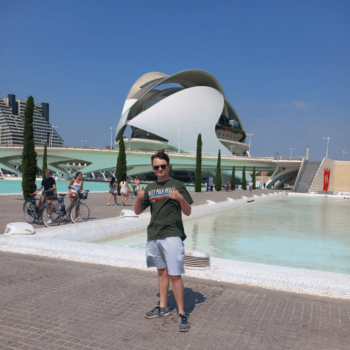
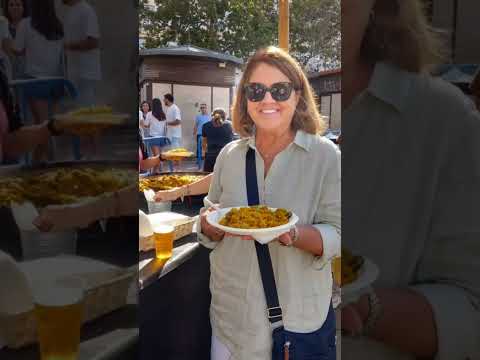
What Sharon talked about, though, was Valencia itself. On her very first day she walked into the Plaza del Ayuntamiento in the middle of the annual paella competition, the city's great culinary event, and tasted the real thing surrounded by the crowd. She went underground into the river caves of San José, which, as any teacher will tell you, is excellent adjective practice.
- Paella competition, Plaza del Ayuntamiento
- Horchata at the Port Saplaya marina
- Caves of San José
- Views from the village of Gilet
- La Lonja · Plaza de la Virgen · Plaza de la Reina
- A proper Spanish supermarket shop
- Light and music show, Colegio Pías

Watch Sharon's Valencia highlight reel
Week two, Dosrius: conversation and ser versus estar with Mónica
From the Valencian coast she went north to Dosrius, a village in the Maresme hills behind Barcelona, and a bilingual corner of Spain. That is a useful thing for a student to discover, because it teaches you that "Spanish" is not one single experience.
In class
Conversation work at A2 level, a dedicated lesson on ser and estar, vocabulary building, and further exercises from the Holidays workbook.
Outside class, the week was full. Girona she liked so much on a free afternoon that she went back for a whole day. And one evening in Barcelona she went to a concert at Fizz Bar to hear her cousin James play guitar and sing. Not many of my students manage Gaudí, tapas and live family music on the same day.
- Ernest Borràs' artistic forest, Dosrius
- Sant Iscle i Santa Victòria · El Comú washhouse · Forn & Fúria bakery
- Casa Batlló and tapas at Txapela
- Argentona: the tram, Puig i Cadafalch's house, Museu del Càntir
- Girona, twice
- Mass, old town, port and beach in Mataró
- Her cousin's concert at Fizz Bar

Watch Sharon's Barcelona highlight reel

Week three, Seville: my week with Sharon
So this is what arrived at my door: a student with good comprehension, a rebuilt present tense, and a lingering shyness about speaking.
In class
We worked with Español en Marcha, Nueva Edición, Level A2. We revisited ser and estar, because nobody ever finishes with ser and estar, and went on to impersonal forms such as se hace and se come, imperatives, and some of the trickier uses of the definite and indefinite articles. We did the vocabulary of the house (aspiradora, sacacorchos) and one of the most useful structures I know for a learner who wants to keep a conversation going: ¿Para qué sirve? Sirve para…

Learning Spanish through art, history and religion
But what truly interested Sharon was art, history and religion in Seville. So I built our lessons around prepared topics and took them out into the city, and she discovered the language through the things she actually wanted to discuss. Her progress that week went well beyond Spanish: she came away with a real feel for Spanish traditions, for Andalusian gastronomy, and above all for the religious life of this city.

Nobody ever finishes with ser and estar.Carmen, host teacher in Seville
Where she finished, and what comes next
By Saturday she had found her voice. Her speaking confidence at the end of the week was not the confidence she came in with, and she has kept it up since through everyday conversation at home with the family. My recommendation to her, and it stands: carry on with the same A2 book we used.
Watch Sharon's Seville highlight reel

What changed for Sharon
Arrived with
- Spanish she "once knew", mostly passive
- Little confidence using it
- A gap between her and her Spanish-speaking friends
→
Left with
- Present tense rebuilt, ser/estar settled
- A2 conversation on the topics she cares about
- Speaking confidence she has kept up at home
- Three regions of Spain, lived rather than visited
Three of us taught Sharon that autumn, and none of us saw the whole thing. Pilar rebuilt her grammar. Mónica put it to work in a Catalan village and a great city. I got the pleasant part: a student who could already hold a conversation, and who wanted to spend it talking about altarpieces and Holy Week.
What I keep coming back to is why she came at all. Sharon did not travel to Spain for a certificate. She came because she has friends she wanted to talk to properly, and three weeks later she could. That is the whole job, really.
If you're thinking about a multi-destination stay
- Three teachers see three different students. Each week starts from the previous teacher's notes, so nothing is repeated and each host builds on the last.
- Order matters. Sharon's route went foundations (Valencia) → conversation (Barcelona) → topics she loved (Seville). Tell us your goal and we will sequence the weeks for it.
- You will meet more than one Spain. Valencian, Catalan and Andalusian life are different experiences, and that contrast is part of the learning.
- Say what you actually want to talk about. Sharon's best week was built around art, history and religion. Yours can be built around anything.
Frequently asked questions
Can I stay with more than one host teacher on the same trip?
Yes. Many adult students book two or three consecutive weeks in different destinations. Each teacher receives notes from the previous one, so the programme continues rather than restarting, and you experience more than one region of Spain.
Is a homestay suitable for retired learners?
Very much so. Retired students are among our most committed learners because they come with a clear personal reason, such as family or friends who speak Spanish. Lessons are one to one and the pace, excursions and topics are set around you.
How much progress can I expect in three weeks at A2?
Sharon arrived with passive knowledge and left holding conversations on the topics she cares about. With three weeks of daily lessons and immersion, A2 learners typically consolidate the present tense, settle ser and estar, and gain the confidence to keep a conversation going.
More student stories
Sharon's journey touched three of our homes. Read what other adult learners found in each, or browse more student stories from across Spain.
Barcelona · adultClosing the Distance to Family in Ecuador: Stacy in Castelldefels
Valencia · adultTraining Spanish Like an Athlete: Zachary's Week in Gilet
Menorca · adultTen Years of Study, One Week of Living the Language: Stacy in Menorca
¿Y tú? One home, or three
A week, two or three, with one host teacher or, like Sharon, with several. We build the course around what you actually want to be able to say. Book a free call and tell us when to pick you up from the airport, port or station.
Spanish immersion for over-50s
Learn Spanish in Valencia
Learn Spanish in Barcelona
Learn Spanish in Seville
Talk to our founder, Mónica Romero · WhatsApp +44 7903 867 894 · monicaromero@spanishexpress.co.uk