


Business meetings in Spain are more than just transactional gatherings – they are influenced by Spanish business culture, social norms, and a unique way of conducting business that every international professional should understand. Whether you’re an executive expanding into the Spanish business environment, a student of international business, or a local entrepreneur, knowing what to expect can significantly impact the success of your meetings.
Cultural nuances from how personal a conversation gets to when decisions are made can significantly impact your outcomes. In fact, doing business internationally “requires an understanding of cultural differences” because processes and expectations can vary significantly between countries.
This guide by Spanish Express draws on authoritative sources to outline the essential aspects of business meetings and etiquette in Spain, providing evidence-based insights into how to make a good impression and build effective business relationships.
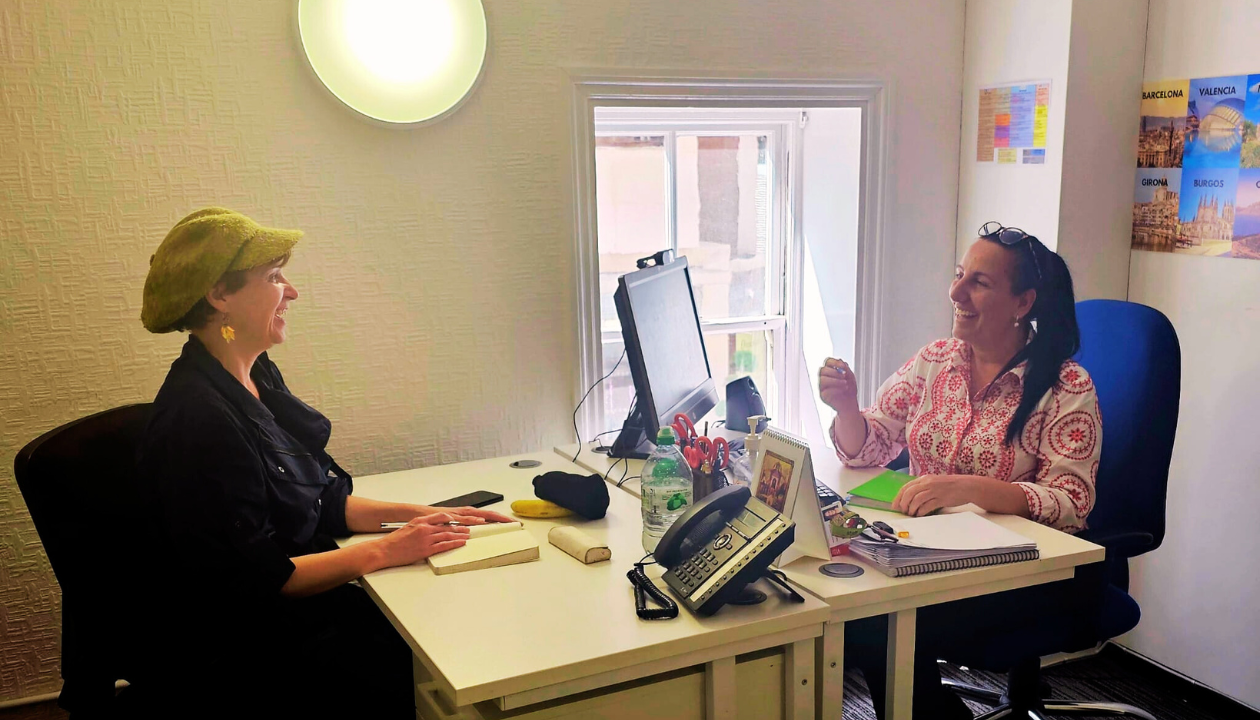
Arranging and Scheduling Meetings: Timing is Everything
In Spain, arranging business meetings requires foresight and careful planning. Spanish professionals often have demanding schedules influenced by unique working hours and personal commitments.
Plan Ahead and Confirm Appointments
It’s considered good practice to schedule meetings well in advance, ideally a week or two beforehand, and always confirm the appointment a few days prior. While emails are commonly used, a follow-up call or message is often appreciated, especially for important meetings and discussions. This respectful approach reflects your understanding of local expectations and helps you build credibility as a professional partner in the Spanish business environment.
Spanish business people highly value personal interaction, which means last-minute changes are not unusual. However, as a guest or external partner, you are expected to honor your commitments and avoid cancelling unless absolutely necessary. Unlike some other countries where last-minute changes might be accepted as part of business flexibility, in Spain, it could be seen as disrespectful or disorganized.

Understand Punctuality and Meeting Times
While Spain has a reputation for a relaxed approach to time, this stereotype does not always hold true in professional settings. Meeting times in Spain are expected to be honored, particularly by international partners. It’s not uncommon for Spanish counterparts to arrive a few minutes late, but they will expect punctuality from you as a sign of professionalism and respect.
In northern regions like Barcelona, punctuality aligns more closely with north European standards, while in other areas, a slight delay may be tolerated. A good rule of thumb is to always arrive on time. It’s better to wait a few minutes than to risk making a poor first impression. According to Forbes, punctuality is a key element in showing respect across global business settings.
The Impact of the Midday Break and Lunch Hours
Spain’s traditional workday structure still reflects the cultural habit of a midday break, historically known as the siesta. While modern urban companies may follow a continuous schedule from 9 AM to 6 PM, in many cases, especially outside large cities, businesses still close for a lunch break around 2 PM to 4 PM.
This means business meetings are rarely scheduled during these hours. Attempting to arrange a meeting during the typical lunch period could be seen as inconsiderate or naive. Even in companies that have adapted to continuous work schedules, many professionals still take their main meal during this time.
According to Expatica, even modern companies in Spain often avoid scheduling any formal business between 2 PM and 4 PM (source). It’s best to plan meetings for late morning (around 10 AM to 1 PM) or later in the afternoon (from 4:30 PM onward), when people are back from their lunch and ready for business.
National Holidays and Business Availability
One of the most significant factors affecting business scheduling in Spain is its calendar of national holidays and public festivals. Spain celebrates numerous holidays, both national and regional, many of which can interrupt regular business activities. If a holiday falls on a Tuesday or Thursday, it’s common for professionals to take a “puente” (bridge), taking the Monday or Friday off to create a long weekend.
August, in particular, is a month when business slows dramatically. Many Spanish companies either reduce their activity or close altogether for several weeks, making it difficult to schedule meetings or secure responses. The winter holiday season from Christmas Eve (December 24th) through Epiphany (January 6th) is another period when business slows or pauses.
Sources like Expatica emphasize the importance of familiarizing oneself with Spain’s public holiday calendar to avoid scheduling conflicts. Planning around these times can save time and prevent misunderstandings with Spanish colleagues.
Flexibility and Cultural Sensitivity
When arranging meetings in Spain, it’s essential to remain flexible and sensitive to local customs. While punctuality and confirmation are crucial, so too is your willingness to adapt to the Spanish business rhythm. Demonstrating cultural awareness by avoiding lunchtime meetings, respecting holiday schedules, and understanding regional variations in work habits shows professionalism and positions you as a considerate and knowledgeable partner.
By understanding these timing nuances and respecting local business etiquette, you enhance your chances of a successful and productive engagement with Spanish companies.
Meeting Etiquette and First Impressions
Greeting and First Contact
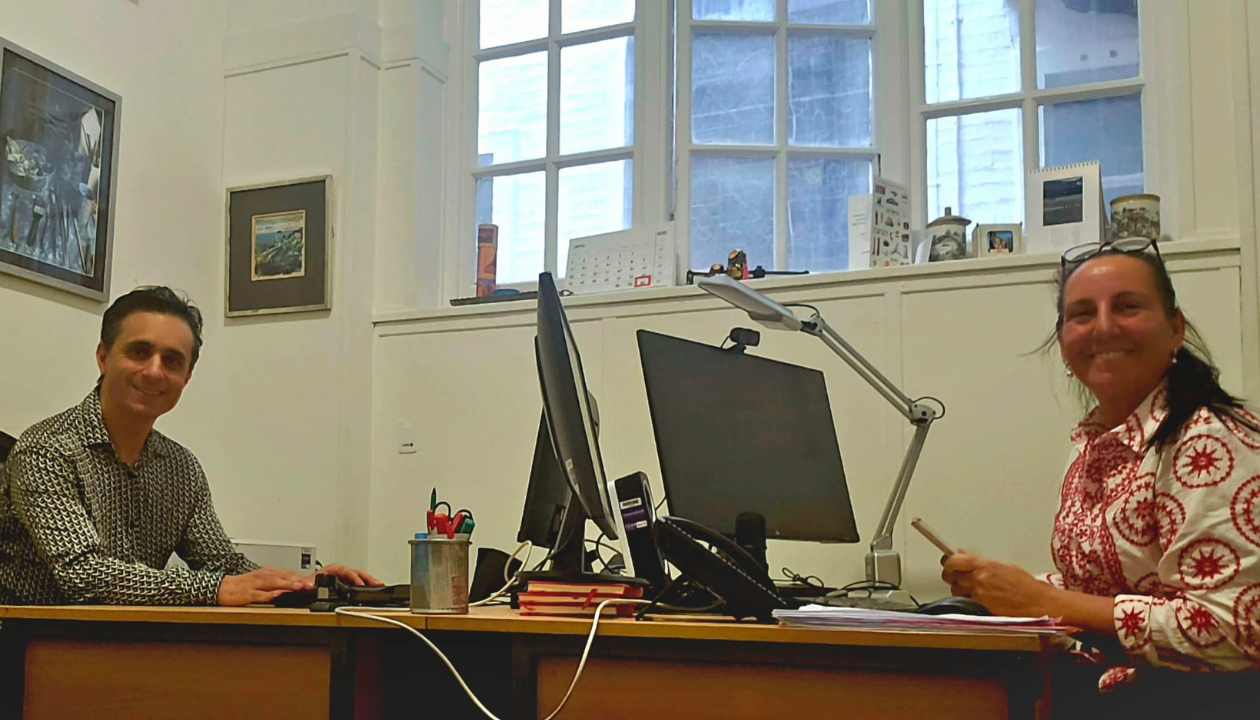
In Spain, the initial greeting at a business meeting is a key moment that sets the tone for the entire interaction. The standard greeting is a firm handshake, accompanied by direct eye contact and a polite verbal exchange. This applies whether you’re meeting a single person or a room full of colleagues. Make sure you greet everyone individually, not just the most senior.
Unlike in social settings, business meetings do not usually involve the traditional Spanish cheek kiss. Even among Spanish people, handshakes remain the professional standard unless you’ve developed a close personal rapport over time. According to Forbes, establishing a respectful physical and verbal greeting leaves a strong first impression in any business environment.
Hierarchy plays a significant role. It’s important to greet the senior management or highest-ranking person present first, and use formal titles such as Señor or Señora, followed by the surname. Spanish professionals typically begin with formal language (using “usted”) until they are invited to use first names or the informal “tú” by their Spanish counterpart.
Exchanging Business Cards and Using Spanish
Business cards are traditionally exchanged at the beginning of the first meeting. A good practice is to have your card printed in Spanish on one side, showing respect for the local language. Hand over your card politely using both hands or ensuring the Spanish side is visible can make a subtle positive difference.
Although many Spanish professionals speak English, fluency isn’t guaranteed, especially outside large international firms. Studies show that less than a third of Spanish managers in top companies speak English fluently. Making an effort to use Spanish, even just a greeting or basic phrases, shows cultural awareness and genuine interest. If language could be a barrier, consider having bilingual documents ready or even arranging for a translator.
Dress Code and Professional Appearance
Appearance holds considerable importance in the Spanish business culture. Spaniards tend to dress stylishly and conservatively in professional settings. Men typically wear suits with ties, and women opt for elegant dresses or suits with tasteful accessories. Overly casual attire may be viewed as unprofessional, especially in formal industries like law, banking, or corporate management.
Even in start-up or tech environments where casual wear is more common, showing up in overly relaxed attire for a first meeting can be seen as a lack of seriousness. As the Harvard Business Review suggests, dressing appropriately is a subtle yet essential part of making a good impression in international business.
The Role of Small Talk and Personal Rapport
Spanish business culture values building rapport before diving into business matters. It’s common even expected, to engage in small talk at the start of a meeting. This could be about the weather, travel, sports (especially football), local culture, or even family.
This period of informal conversation helps to establish trust and comfort. It’s a cultural practice deeply linked to the emphasis on personal relationships in Spanish business. Spending a few minutes on non-business topics is seen not as time-wasting but as an investment in the relationship.
However, it’s advisable to steer clear of controversial topics like politics, especially regional issues, or religion. Safer topics include gastronomy, travel, sports, or positive comments about Spain and its people.
Body Language and Non-Verbal Cues
Body language plays a significant role in Spanish communication. Spaniards are expressive, and gestures often accompany verbal exchanges. Expect close proximity during conversations what might feel like a personal space violation in other countries is standard in Spain.
Direct eye contact is particularly important, as it’s seen as a sign of honesty and engagement. Avoiding eye contact can be perceived as evasiveness or a lack of interest. Friendly touches like a pat on the back or a brief touch on the arm may happen, especially as relationships develop.
Spaniards are also known for animated facial expressions and hand gestures during conversations. As observed in international business etiquette guides, understanding these cues helps foreign professionals navigate interactions without misinterpretation.
Communication Style and Body Language in Spanish Meetings
Expressive Communication and Conversation Dynamics
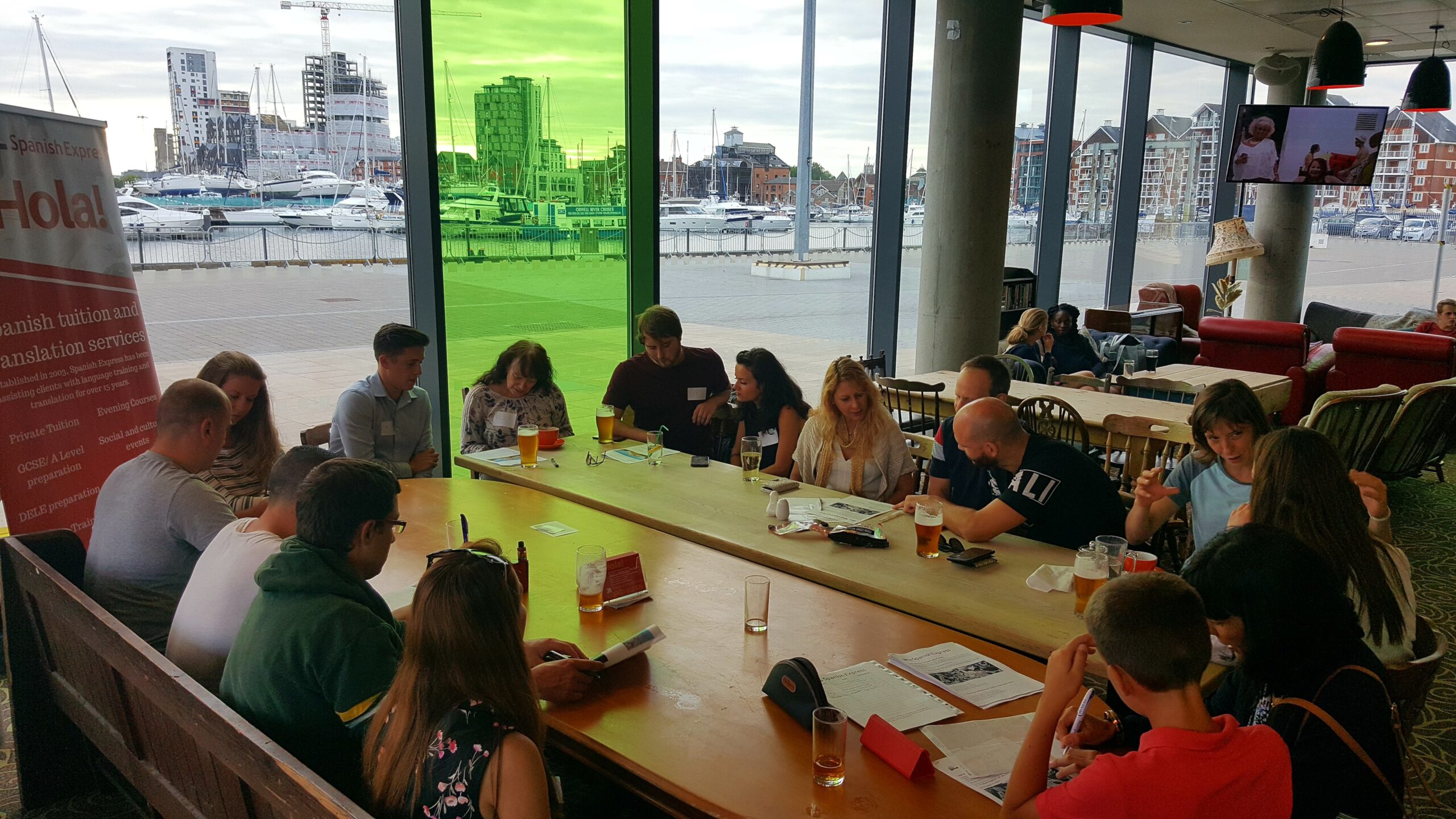
Spanish business culture is known for its lively, expressive communication style. Spaniards often speak openly, using animated language, gestures, and sometimes passionate tones not out of confrontation, but as a natural way of expressing engagement and interest. It’s common for conversations to be energetic, even involving multiple people speaking at once.
This direct yet warm communication style differs from the reserved approach seen in some other countries. Interruptions, for example, are not usually seen as rude in Spain. On the contrary, they can indicate enthusiasm and active participation. This expressiveness means that debates during meetings can be spirited. Raised voices or passionate interjections are common, especially when discussing topics people feel strongly about. However, it’s important to note that such exchanges usually remain professional and do not indicate personal conflict.
Reading Between the Lines and Subtle Communication
Despite their directness, Spaniards are often careful about maintaining harmony and avoiding embarrassment. This means that some communication is subtle, requiring you to read between the lines. Spaniards may avoid saying “no” directly to prevent awkwardness or confrontation. Instead, you might hear phrases like “ya veremos” (we’ll see) or “te llamaré” (I’ll call you), which can sometimes imply a polite refusal.
Understanding these nuances requires attention not just to words, but also to body language, tone, and facial expressions. As HelpGuide highlights, being aware of non-verbal cues is crucial for interpreting the real message in professional interactions.
If you sense ambiguity, it’s appropriate to ask polite, clarifying questions rather than pushing for direct answers. This approach respects the Spanish preference for avoiding open conflict while ensuring mutual understanding.
The Role of Body Language in Building Rapport
Body language in Spain is generally open and expressive. Spaniards tend to stand closer during conversations than people from northern Europe or North America might expect. Touching, such as a friendly pat on the back or a brief touch on the arm, is common and typically signifies camaraderie rather than intrusiveness.
Direct eye contact is particularly valued. Maintaining eye contact signals honesty, interest, and confidence. Avoiding it can create suspicion or suggest disinterest. This mirrors findings in business communication research, which stresses that direct eye contact helps establish trust during meetings.
Gestures from expressive hand movements to animated facial expressions are a natural part of Spanish communication. You may notice people using their hands frequently when making a point, emphasizing statements with physical expression. Such behavior is part of the local culture and should not be mistaken for aggression or lack of professionalism.
Respecting Personal Pride and Face-Saving Culture
Spaniards place a high value on personal pride and professional dignity. It’s important to avoid actions that could embarrass a colleague or client, especially in public settings. Harsh criticism, public correction, or overt challenges in front of others are generally frowned upon.
If you need to address a sensitive issue or give constructive feedback, it’s best done in private. This practice aligns with the Spanish preference for maintaining harmony and protecting personal honor. Keeping this in mind will help you build stronger relationships and avoid unintended offense.
What to Expect Inside the Meeting Room?
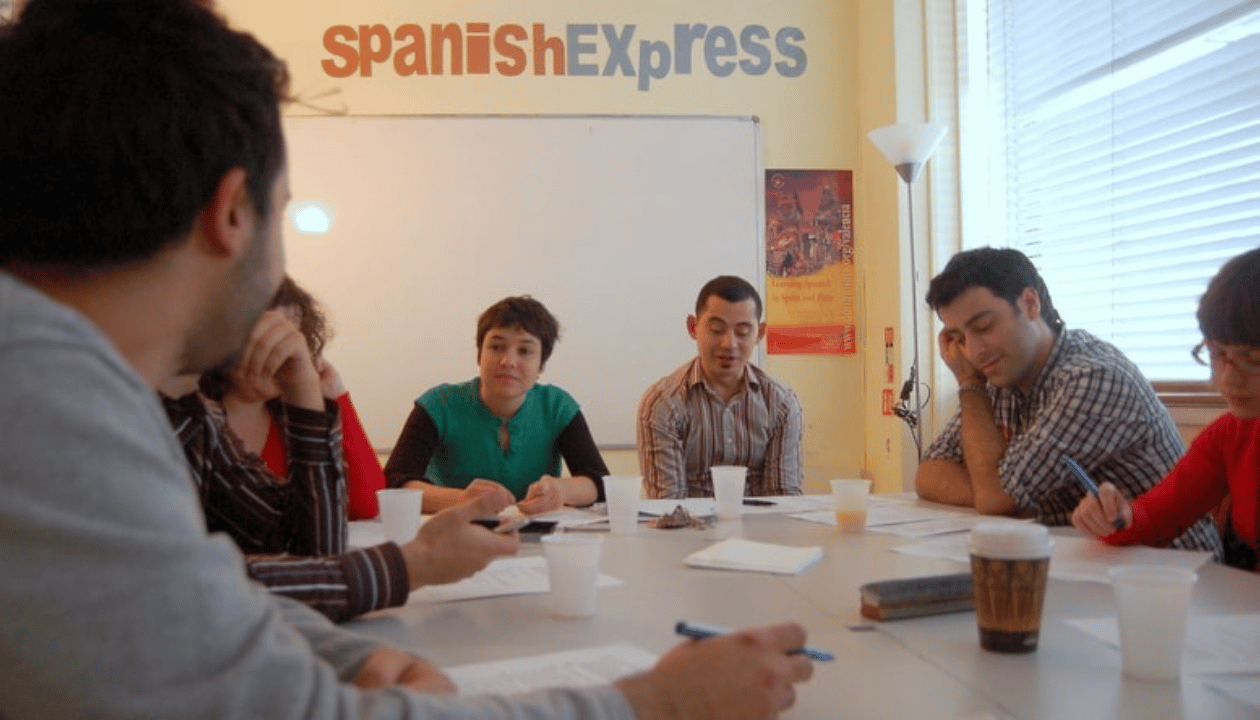
The Purpose and Rhythm of Business Meetings in Spain
Unlike in some other countries, business meetings in Spain often serve a different purpose than reaching immediate decisions. In many cases, meetings are used to exchange information, communicate directives, or brainstorm ideas rather than make final calls. Spanish business culture tends to separate the process of discussion from actual decision-making, which typically happens outside the meeting room, often among senior management after private deliberation.
This traditional approach means that meetings can sometimes appear one-sided, functioning more as briefings than as open discussions. However, with the growing influence of international business practices, some Spanish companies now encourage more participatory formats, especially in multinational settings or among younger teams.
Managing Expectations in Negotiation and Discussion
If you’re entering a meeting with the goal of concluding a deal, you should be prepared for a process that may seem time-consuming by other business standards. The Spanish approach to the negotiation process favors relationship-building over immediate outcomes. Multiple meetings are often required to reach an agreement, especially with Spanish companies, which value long-term partnerships.
Patience is a critical asset. According to negotiation experts, pushing for quick resolutions can easily significantly impact your relationship with Spanish partners. Early meetings often serve as an opportunity for both sides to get to know each other personally before entering formal negotiations. The belief is that trust and mutual understanding must be established before moving to serious business matters.
Agendas, Flexibility, and Time Management
Agendas in Spanish business meetings tend to be more flexible than rigid. While a meeting may start with a proposed outline, it’s common for the discussion to wander, sometimes covering topics in a different order or including spontaneous additions. This flexibility reflects the Spanish preference for open dialogue and relationship-focused interaction.
For this reason, it’s wise not to expect meetings to stick strictly to a timetable. A scheduled one-hour meeting may be extended by another hour if the conversation continues. Trying to save time by rigidly sticking to an agenda could backfire, making you seem inflexible or uninterested in relationship-building.
That said, when a strong chairperson is present, they may gently guide discussions back on track. As a visiting partner, it’s advisable to allow room for conversation while staying mindful of the original objectives.
Group Dynamics and Meeting Flow
Spanish meetings are often lively and can involve multiple participants contributing simultaneously. Spirited debate, overlapping dialogue, and animated discussions are common; this is a reflection of the Spanish culture rather than a lack of professionalism.
In consultative meetings, mainly within international firms or forward-thinking Spanish businesses, you may experience a roundtable style where various colleagues voice their opinions. However, this doesn’t necessarily lead to an on-the-spot final decision. Typically, inputs gathered during the meeting are reviewed later by management, who will then decide privately.
The passion and emotion displayed during discussions are normal and shouldn’t be mistaken for conflict. Even intense exchanges often conclude on a friendly note, reflecting a cultural comfort with open expression and disagreement in a professional context.
After the Meeting: Decisions and Follow-Ups
It’s common in Spain for apparent decisions made during a meeting to be provisional until reviewed by senior management or key stakeholders. Even if your Spanish counterpart seems to agree with you in the room, they may need to consult further before confirming.
Often, the ultimate approval will come after internal discussions, sometimes with individuals you have never met. This process underscores the hierarchical nature of management in many Spanish firms and the importance of patience in conducting business within this environment.
Personal Elements in Business Meetings
One of the defining features of meetings in Spain is the blend of professional discussion with personal interaction. Business people in Spain do not strictly separate personal and professional lives during meetings. Casual conversation, humor, and even discussions about family or personal interests may be interwoven with business topics.
Rather than seeing this as off-topic, understand it as a valuable part of the trust-building process. Engaging sincerely in these conversations demonstrates openness and willingness to form a genuine business relationship, which is often seen as equally important as the formal agreement itself.
Decision-Making and Negotiation: Patience and Persistence Pay Off

Building Trust: The Foundation of Successful Negotiation
Trust and personal rapport are vital components of a successful negotiation in Spain. Business relationships often begin with informal meetings or social interactions designed to get to know each other before entering formal negotiations. Spaniards prefer to work with people they trust and with whom they have established a genuine connection.
Therefore, don’t expect to close a deal after a single meeting. Spanish business people often view negotiation as a process that unfolds over time, sometimes across several conversations and meetings. The emphasis is on building a long-term business relationship, not just closing a transaction. Your willingness to invest time in this process can significantly impact your success.
The Top-Down Decision-Making Process
In Spain, decision-making typically follows a top-down structure. While open discussions may happen during meetings, actual decisions are usually reserved for the senior management or the company’s owners, especially in family businesses, which are widespread across the Spanish market. Even when it seems like an agreement has been reached, it’s common for the final call to rest with the top executives or board members after they’ve deliberated privately.
This approach reflects Spain’s hierarchical management culture, where authority is respected, and decisions often require internal consensus among key stakeholders. Negotiators should be prepared for this multi-step approval process, which can sometimes slow down the finalization of agreements. It’s not unusual for a proposal to be reviewed several times before a final decision is confirmed.
Negotiation Style: Patience Over Pressure
Unlike in some fast-paced business cultures, Spaniards tend to prefer a steady, patient approach to the negotiation process. Hard-selling tactics, high-pressure approaches, or ultimatums are generally frowned upon. Instead, negotiations are often characterized by a desire for fair compromise, mutual understanding, and a respectful tone.
Spanish negotiators appreciate persistence and consistency. Being patient, even if discussions seem slow, and showing steady interest signals professionalism and respect for the process. Attempting to rush a deal may create discomfort and erode trust. According to Forbes, adopting a positive, flexible attitude in negotiations is one of the best ways to foster successful outcomes in cross-cultural business environments.
Information Sharing and Transparency
In Spain, sharing information during negotiations is a gradual process. Spanish companies may be cautious about revealing detailed information until they feel confident about the relationship. This approach isn’t about secrecy but about careful relationship management. They expect the same measured openness from you.
This means you should avoid overwhelming your Spanish counterpart with detailed offers too early. Instead, allow the conversation to evolve naturally, sharing information step by step as mutual trust grows. Offering valuable insights or concessions at the right time can foster goodwill and advance the negotiation.
The Role of Hierarchy in Final Approvals
Even after several successful meetings and apparent agreements, expect that the final decision will often rest with senior executives or company owners. It’s also common for decisions to require consensus among multiple family members or board directors in family businesses.
Sometimes, you may never meet the actual decision-maker, particularly in larger or more traditional firms. This reflects the respect for hierarchy within Spanish companies. Rather than being a sign of delay or reluctance, this is simply the standard business practice in Spain, and it’s important to remain patient during this phase of the negotiation process.
Persistence, Follow-Ups, and the Long Game
Negotiations in Spain often require multiple follow-ups. It’s not unusual for the process to include several meetings, email exchanges, and even social gatherings before a deal is finalized. While this may seem time-consuming to outsiders, it’s viewed in Spain as necessary to establish confidence and shared goals.
Being prepared to stay engaged without showing frustration will earn you respect. Persistent yet polite follow-up communication shows dedication and can help keep the deal moving forward. Conversely, applying pressure or issuing ultimatums is likely to harm the relationship.
Conference Calls and Final Meetings with Senior Management
Even after initial agreements are made, expect a conference call or final in-person meeting with top decision-makers before the agreement is formally concluded. This meeting is often symbolic a way for the highest-ranking stakeholders to personally confirm the relationship and agreement terms. Treat this opportunity with the utmost respect, as it can be the moment that cements a long-term business partnership.
Focus on Long-Term Relationships Over Immediate Results
In Spain, the goal of a negotiation is often more than just closing a deal it’s about forming a stable, ongoing business relationship that benefits both parties. A successful negotiation leaves both sides feeling respected and valued, setting the stage for future cooperation.
By approaching negotiations with patience, respect for hierarchy, and a genuine desire to build trust, you’re far more likely to achieve long-term success in the Spanish market.
Business Meals and Socializing: The “Other” Meetings
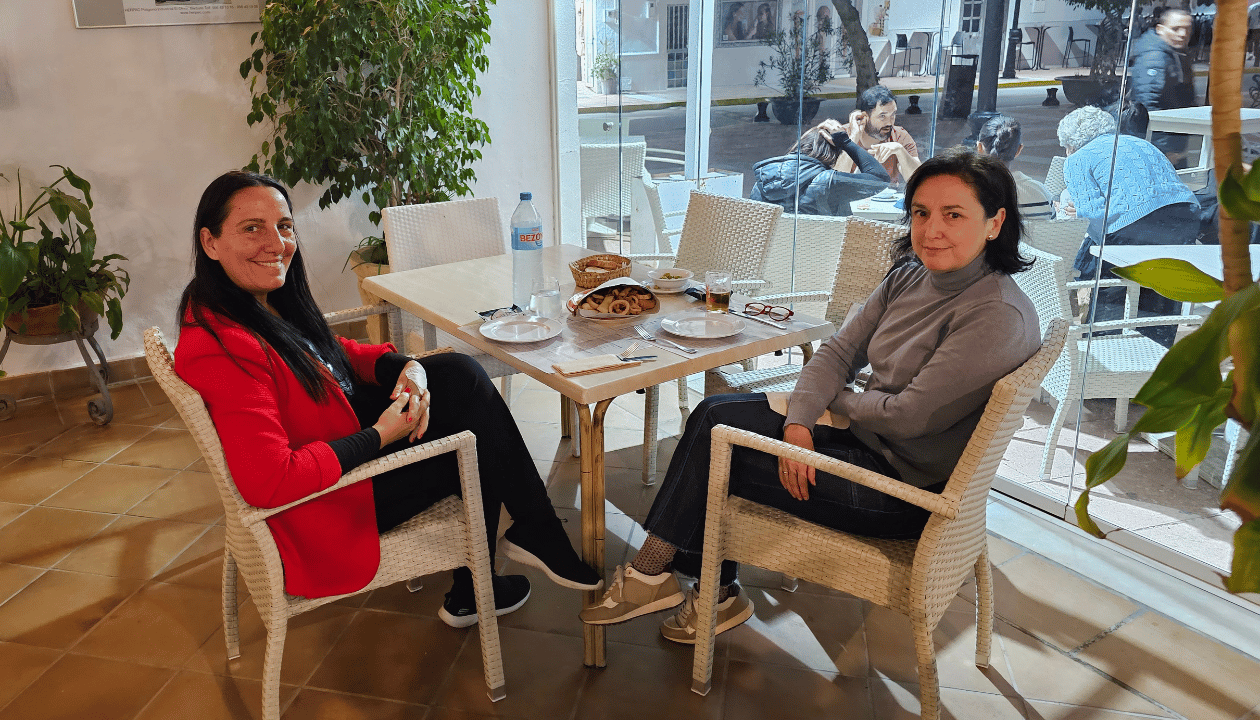
Meals as a Key Part of Business Culture
In Spain, some of the most significant business conversations happen outside the formal meeting room often over long lunches, dinners, or casual social gatherings. Business meals serve as an essential extension of professional interactions, where the focus shifts from formal negotiations to personal connection. Inviting someone to a meal is a gesture of goodwill and interest, often seen as a step toward strengthening a lasting business relationship.
Spanish professionals commonly use these occasions to deepen rapport with their business partners, discussing topics beyond immediate business matters. As noted by Expatica, business in Spain is often conducted over a good meal, with social interaction laying the groundwork for future deals.
Timing and Structure of Business Meals
Lunch, or almuerzo, typically begins around 2 PM and can last two hours or more. Dinner, or cena, usually starts much later often after 9 PM and can extend well into the night. It’s essential to allow plenty of time when invited to a business meal, as rushing is considered impolite.
A distinctive feature of Spanish dining culture is the sobremesa, the time spent conversing at the table after the meal is finished. Far from a formality, this is often when the most meaningful conversations occur, giving all parties a chance to relax, connect, and sometimes discuss business matters more openly. According to the BBC, sobremesa is a cherished Spanish tradition that allows business partners to deepen mutual understanding beyond formal negotiations.
The Role of Small Talk and Personal Conversations
During business meals, small talk is not only acceptable, but also expected. Discussions may cover a wide range of topics, including sports, gastronomy, culture, travel, or personal interests. Spaniards are known for their warmth and openness in such settings, and sharing lighthearted stories or personal anecdotes is encouraged.
However, sensitive topics like politics, religion, or controversial current events are best avoided unless your hosts bring them up first. The aim is to build personal relationships based on trust and mutual respect.
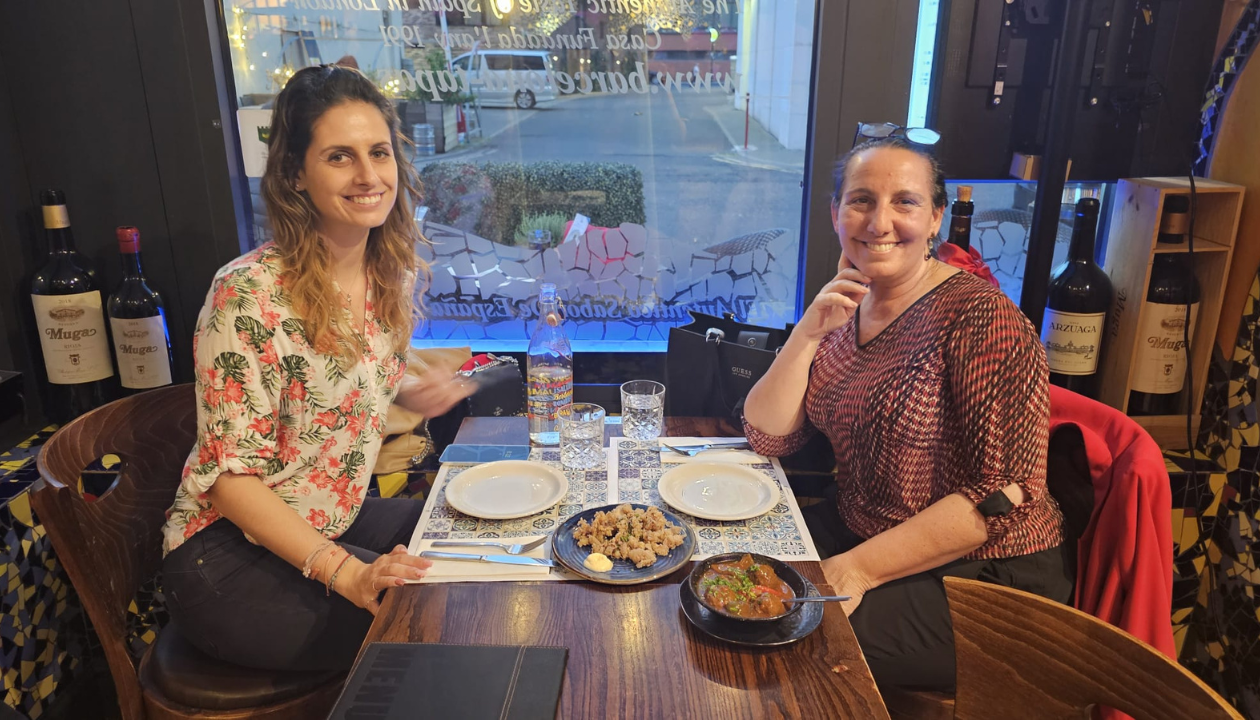
Who Pays and the Etiquette of Hosting
In Spanish business culture, the person who extends the invitation usually pays the bill. If you’re the guest, it’s polite to offer, but generally expected that you allow your host to cover the cost. If you are hosting, you’re expected to pay without making it awkward.
Reciprocity plays a big role in Spanish social etiquette. If your Spanish counterpart hosts you today, it’s good practice to invite them for a meal on the next occasion. This mutual exchange reinforces the relationships and demonstrates a balanced professional rapport.
Tipping is modest in Spain typically around 10%, or simply rounding up the bill. Excessive tipping may seem out of place and isn’t necessary.
Behavior, Body Language, and Cultural Norms at the Table
Body language remains an important part of the interaction during business meals. Spaniards tend to be relaxed, expressive, and sometimes physically demonstrative. You may notice friendly touches or close proximity during the conversation, which reflects their local culture rather than a breach of professional norms.
It’s polite to wait until everyone is served before beginning your meal and to join in when the host says “¡Buen provecho!” the Spanish equivalent of “enjoy your meal.” Eating at a leisurely pace and showing appreciation for the food is valued. Wasting food or eating too quickly may be frowned upon.
Being attentive to your companions, engaging in genuine talk, and participating actively in the conversations will leave a positive impression. A good business meal is as much about connection as it is about cuisine.
Social Events Beyond the Dining Table
Apart from meals, business socializing in Spain may extend to networking events, evening tapas outings, or invitations to cultural activities like football matches or local festivals. These occasions offer further opportunities to cement relationships and often include elements of both professional discussion and personal bonding.
Joining such events even informally can enhance your business relationship. However, maintaining professional behavior and being respectful of cultural norms is key. Excessive drinking or overly casual behavior could damage the trust you’re building.
The Strategic Value of Business Meals
Though these social interactions may seem informal, they often play a crucial role in the overall business process. Many deals are influenced, if not finalized, in these settings. As emphasized by Forbes, understanding cultural practices like business meals can be a game-changer in international business success.
In Spain, sharing food and conversation helps transform business partnerships into trusted, lasting collaborations. Investing time in these moments is far from a waste it’s a strategic move toward a stronger, more resilient business relationship.
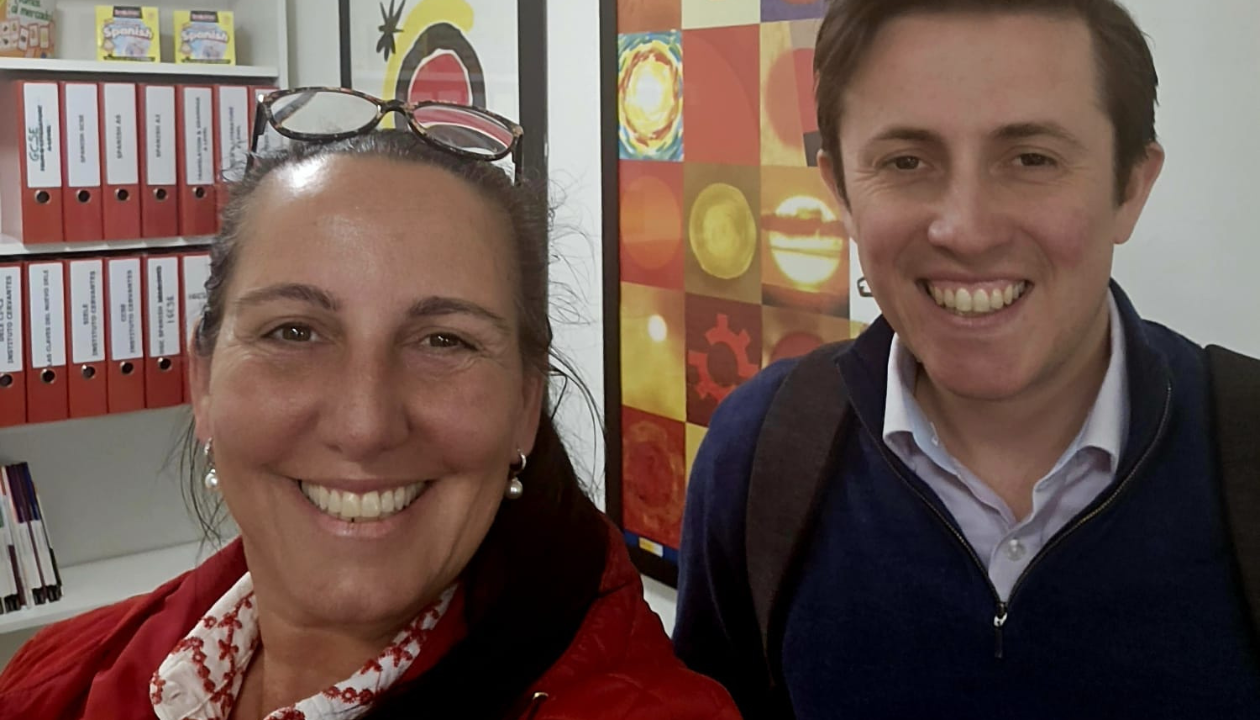
Learn Spanish for Business with Spanish Express
Are you ready to navigate business meetings in Spain with confidence and cultural intelligence? Spanish Express can help you unlock the language, etiquette, and nuances that define success in the Spanish market.
Spanish for Business Professionals
Master the language of negotiations, meetings, and client communication with courses designed specifically for entrepreneurs, executives, and teams doing business in Spain. Learn how to speak effectively at various levels of formality from first introductions to high-stakes deals.
Private Online Spanish Lessons
Receive one-on-one coaching with expert tutors who tailor lessons to your industry, goals, and skill level. Whether you’re preparing for a conference, a critical negotiation, or your first meeting with Spanish colleagues, we ensure you’re prepared for every interaction.
Corporate Training & Team Programs
Equip your entire team with the skills they need to connect with Spanish companies and partners. Our flexible programs online, hybrid, or on-site focus on professional language use, cultural insights, and effective cross-border communication.
SHIP: Spanish Hotel Immersion Program
For professionals and corporate groups, our Spanish Hotel Immersion Program offers a deep dive into language and culture in a comfortable, fully immersive setting. Combine business Spanish learning with real-world practice through guided tours, cultural excursions, and conversations designed to build fluency and confidence in real business contexts.
SHIP: Spanish Homestay Immersion Program
Live with a Spanish teacher and experience everyday Spanish life while perfecting your language skills. This program is ideal for professionals who want authentic cultural immersion while learning the language of business and daily life, an invaluable experience for anyone building long-term business relationships in Spain.

Exam Preparation (DELE, SIELE & More)
Need official certification for your career or company? Our experienced examiners help you prepare for recognized Spanish language tests, giving you the credentials to work or expand in Spanish-speaking markets.

You can explore more real immersion experiences here:
👉 SHIP Stories of Our Previous Students
For personalised guidance and programme details, you can contact our founder directly:
Mónica Romero
Founder and Director, Spanish Express
📞 Phone / WhatsApp: +44 7903 867 894
📧 Email: monicaromero@spanishexpress.co.uk
