

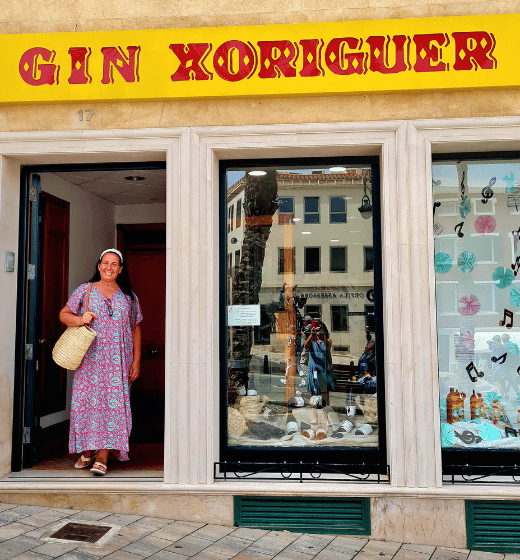
¡Hola! I’m a proud Spaniard and Menorcan globetrotter with Argentinian and French roots. I was born in Menorca, but I’ve lived in the UK for more than half my life, and for a while in Barcelona too. Travel has given me many stories, but Menorca is still the place that feels like home.
What makes this small island special is its rhythm. Quiet, authentic, and alive in every season. It doesn’t matter if it’s spring, summer, autumn, or winter, the island always has something to give.
Menorca is not like Ibiza or Mallorca. It’s calmer. It’s more personal. You can walk its paths, eat its food, sit by the sea, and feel connected. For me, that is the real beauty of this island.
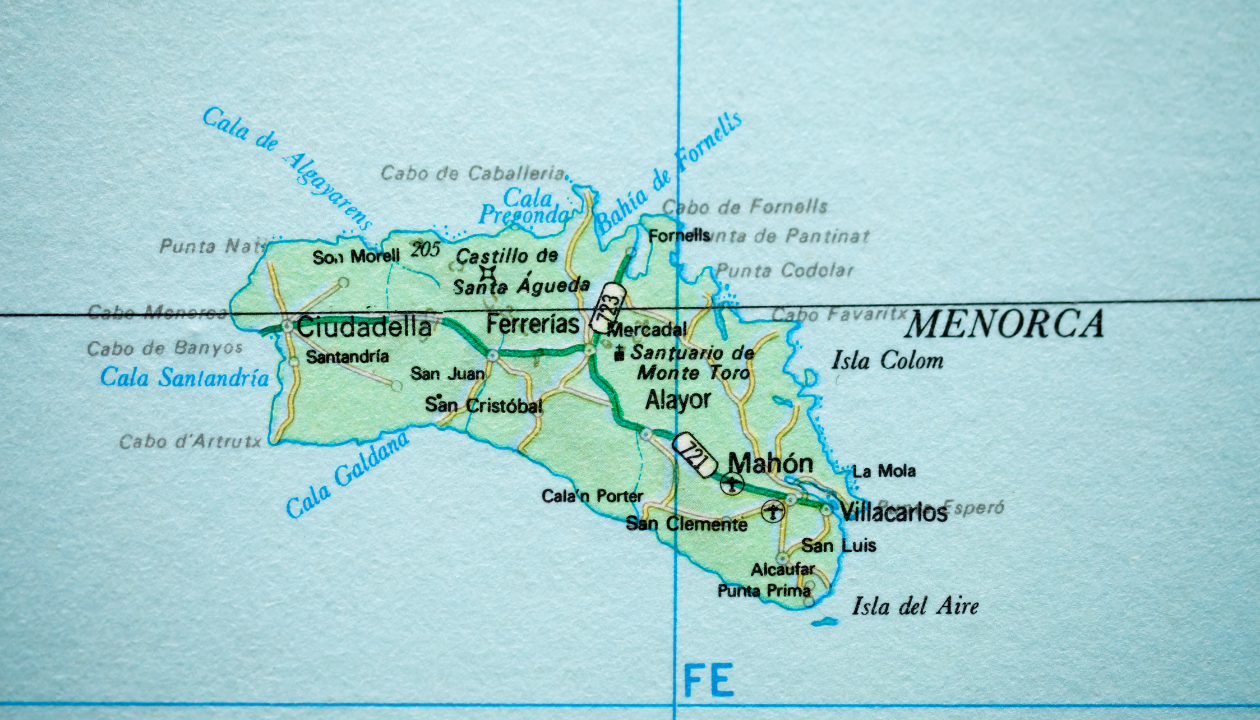
Can I Visit Menorca in Winter?
Many people think Menorca is only for the summer. Sun, beaches, high season. And in winter? They imagine the island is closed, empty, or too quiet. That’s not true.
Winter in Menorca has its own charm. The air is fresh, the sea looks wilder, and the towns feel more intimate. You can walk the Camí de Cavalls without crowds, enjoy cultural tours in Mahón and Ciutadella, and eat hearty dishes in cozy restaurants. Life continues here, just at a slower pace.
So don’t be afraid to visit in winter. Menorca is still here, still beautiful, still welcoming. If you come, you’ll see the island in a different light, and maybe you’ll love it even more.
Now let me get you through the 14 things me and all my SHIP (Spanish Homestay Immersion Program) students really love to do in Menorca.

1. Walk the Legendary Camí de Cavalls
The Camí de Cavalls is a historic 185 km trail that circles the island’s perimeter. Long ago, soldiers on horseback used it to guard the coast. Today, it’s one of Europe’s most beautiful walking routes. It gives you access to hidden beaches and rocky coves that make Menorca such a beautiful island.
Each season feels different.
- In spring and autumn, flowers bloom, and the cooler air makes long hikes perfect.
- In summer, you can walk shorter sections and swim in crystal clear waters at secluded coves.
- In winter, the coast is dramatic, quiet, and free of tourist towns.
You don’t need to walk it all. Just try a few hours near Cala Pregonda, Cala Turqueta, or Binimel·là. They are among the most beautiful beaches on the island and worth visiting at your own pace.
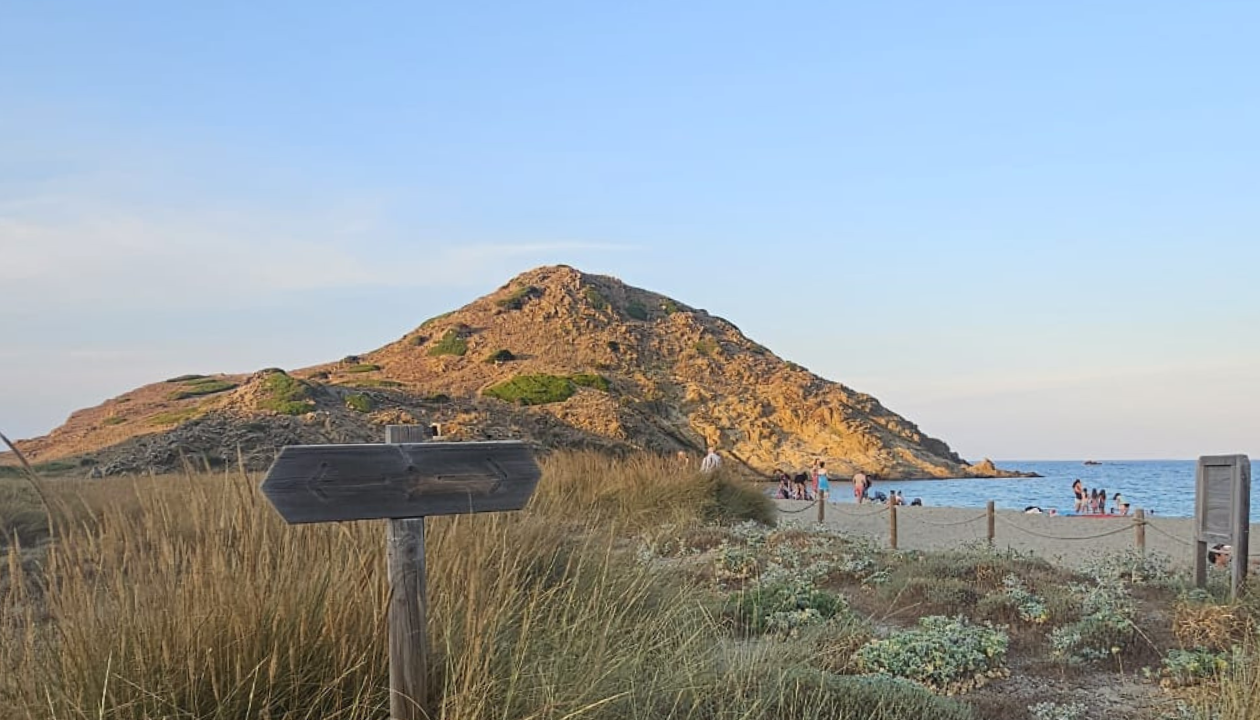
2. Hike and Cycle Through Menorca’s Wild Landscapes
Menorca is a small island, but the trails feel endless. They cross valleys, farmlands, and cliffs, giving you spectacular views at every turn. Hiking keeps you close to nature, while cycling is becoming more and more popular. You’ll find plenty of rental shops offering both road bikes and mountain bikes, making it easy to explore at your own pace.
Two favourite places stand out:
- Monte Toro – the island’s highest point (358 m) with sweeping views across land and sea.
- S’Albufera des Grau Natural Park – a haven for bird watching, hiking, and peaceful moments away from tourist towns.
Every route is different, but all of them let you feel the island’s laid-back atmosphere.
3. Swim and Sunbathe at Menorca’s Beautiful Beaches and Coves
No trip to Menorca is complete without time by the sea. The island is home to more than 100 calas, each with its own charm. Along the south coast, you’ll find some of the most beautiful beaches in the Balearic Islands. Think white sand, crystal clear waters, and hidden spots that feel like your own paradise. Cala Macarella and Cala Turqueta are must-visit favourites, while Son Saura is perfect if you want fewer crowds and a more tranquil setting.
If adventure calls, head to the island’s eastern and northern shores. There you’ll discover rugged coves and secluded gems like Cala Pregonda and Cala Mitjana. Some require a walk, others a boat trip, but all reward you with peaceful surroundings and views that stay with you. Whether you’re looking for the best beaches to spend a lazy afternoon or hoping to find your own favourite places, Menorca’s coastline never disappoints.
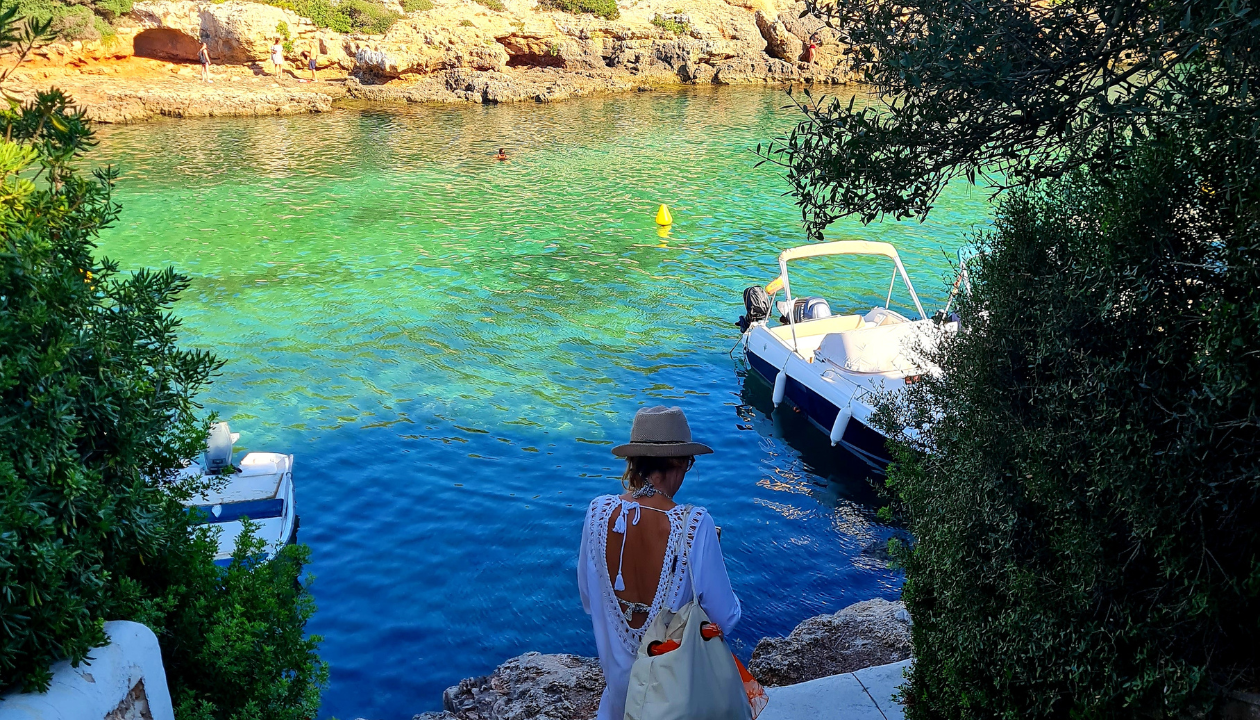
4. Explore Nature Reserves and Iconic Landmarks
Menorca’s beauty isn’t just about beaches. The island is full of natural spaces and landmarks that are worth visiting. Just outside the island’s capital, Mahón, you’ll find S’Albufera des Grau Natural Park. It’s a lesser-visited alternative to the busier tourist towns, and it feels wonderfully peaceful. You can wander through wetlands and woodlands, spot rare birds, and enjoy the laid-back atmosphere that makes this small island so special.
For those who like to move, the legendary Camí de Cavalls is always close by. Encircling the island, it offers ever-changing views of the sea and the landscape. Whether you hike a short section or spend a few hours covering more distance, you’ll see Menorca at your own pace. Exploring these natural landmarks is one of the best things to do in Menorca and a reminder of how diverse this beautiful island really is.
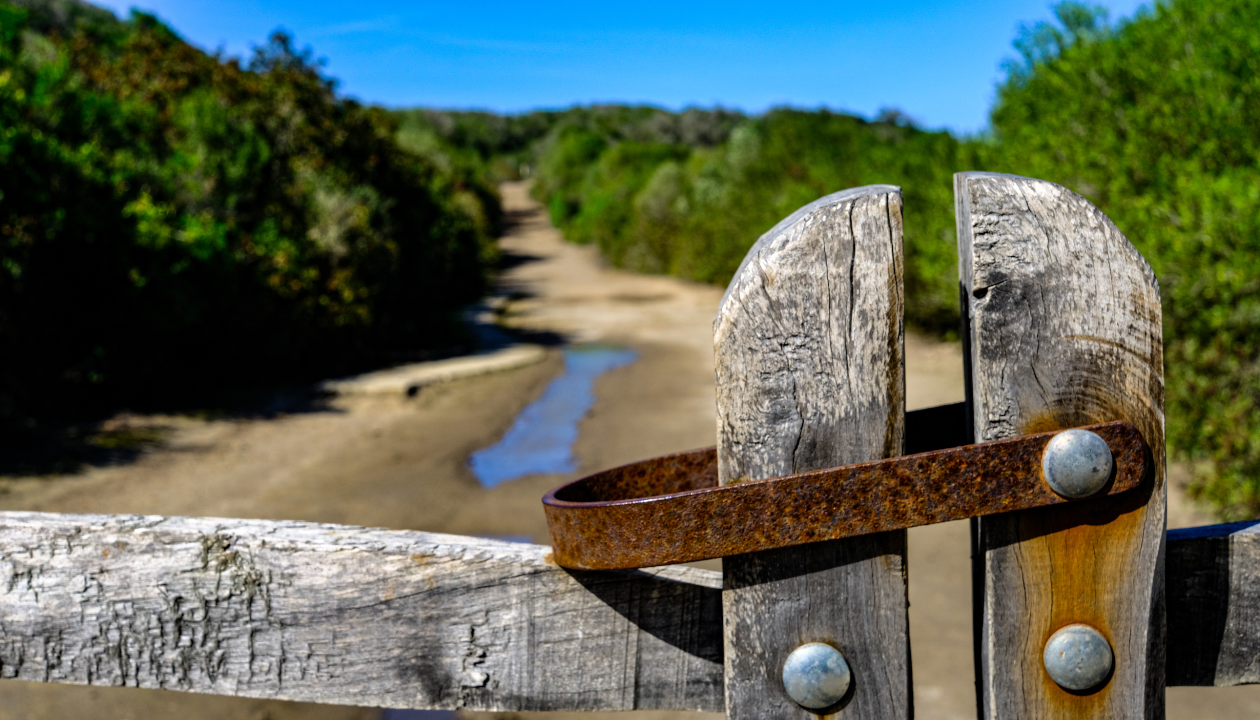
5. Catch Magical Sunsets at Lighthouses and Clifftops
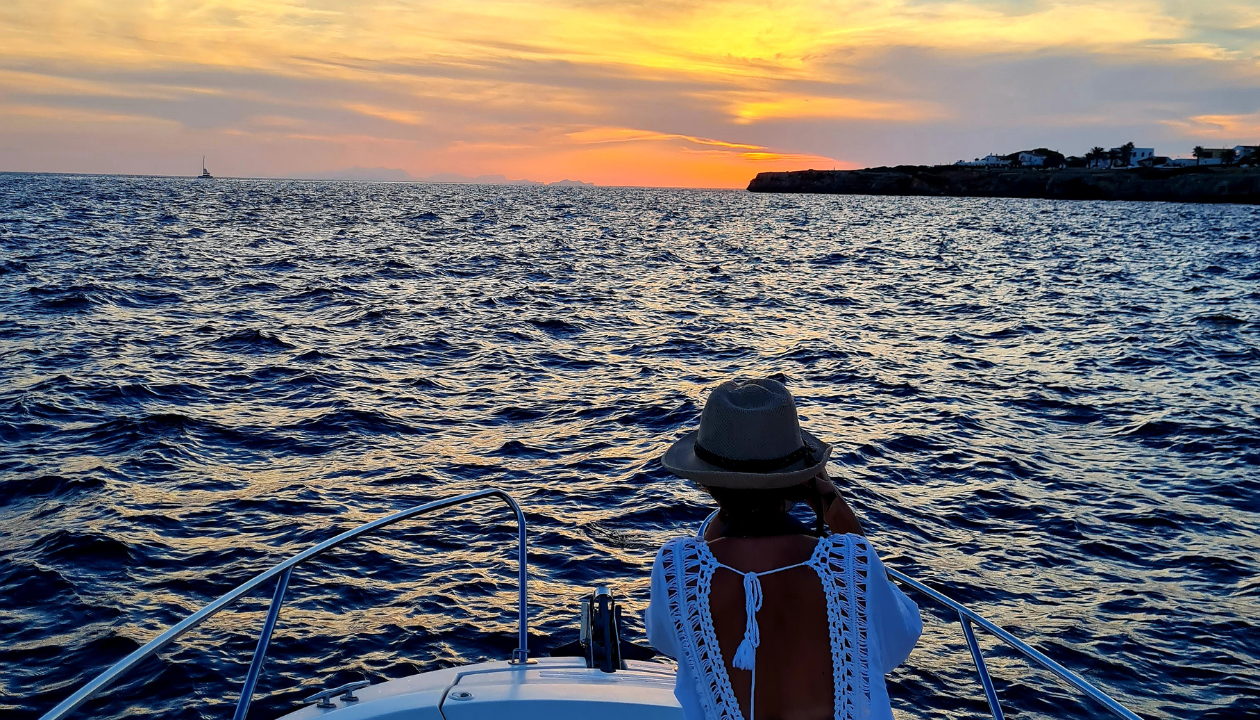
There’s something about a Menorca sunset. It feels slow, golden, and unforgettable. The best places to watch are the lighthouses scattered along the coast. They stand tall against the sea, giving you some of the most beautiful views in the Balearic Islands.
For a special evening, spend a few hours at Cova d’en Xoroi. It’s a cliffside bar where music, cocktails, and the horizon meet. The moment the sun touches the water, you’ll understand why people keep coming back.
Or climb to El Toro, the island’s highest point. From there, you can see the whole island, the sea, and the sky changing colors. It’s quiet, it’s wide, and it makes you stop and breathe. Sunset in Menorca is not just about the view, it’s about the feeling you take with you.
6. Uncover Menorca’s Hidden Gems Off the Beaten Path
Menorca rewards those who wander. Beyond the most beautiful beaches, you’ll find surprises everywhere. Secluded coves, charming restaurants, and towns full of character.
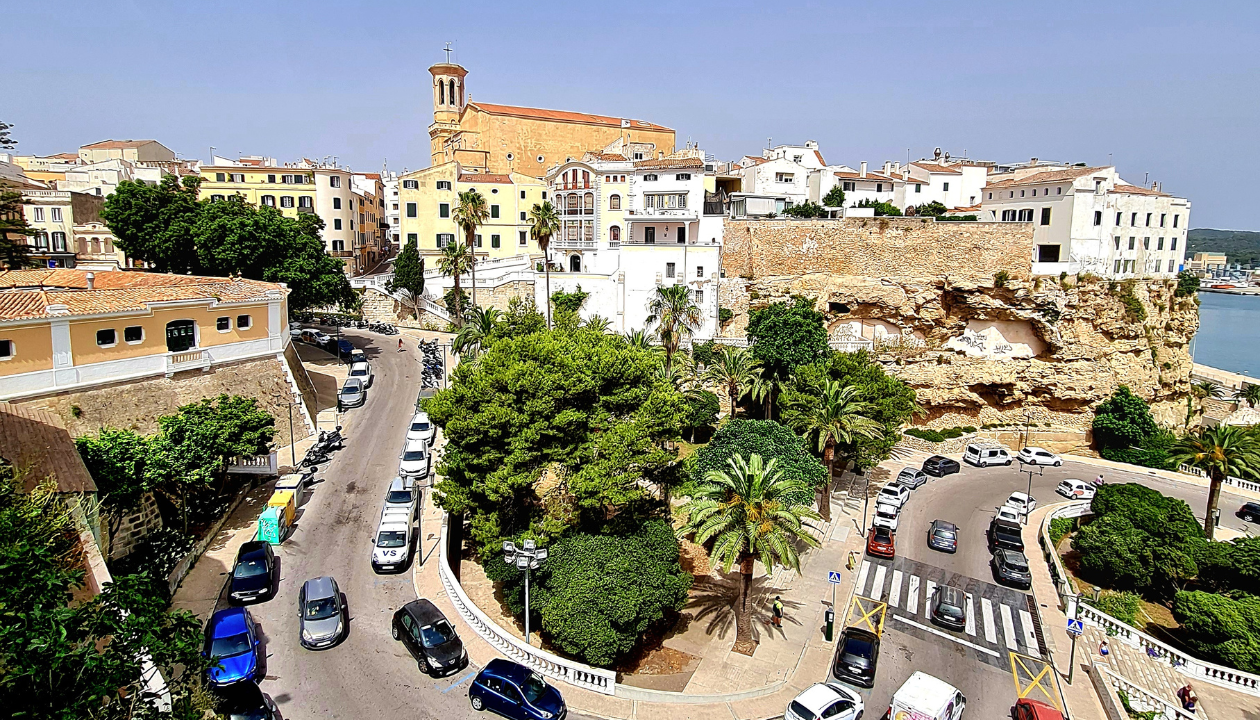
In Ciutadella or Mahón, every corner feels like a discovery. Walk the narrow cobblestone streets, visit the fish market, or stop at a family-run place for local cuisine. These towns are small, but the atmosphere is big.
Adventure also lives outside the towns. Try horseback riding by the coast. Hike through untouched landscapes. Or take a boat trip to reach secluded coves you can’t get to by car.
Menorca’s hidden gems are not just places. They are moments: good food with locals, conversations with strangers, or simply the laid-back atmosphere of a small island.
7. Step Back in Time at Talayotic Monuments
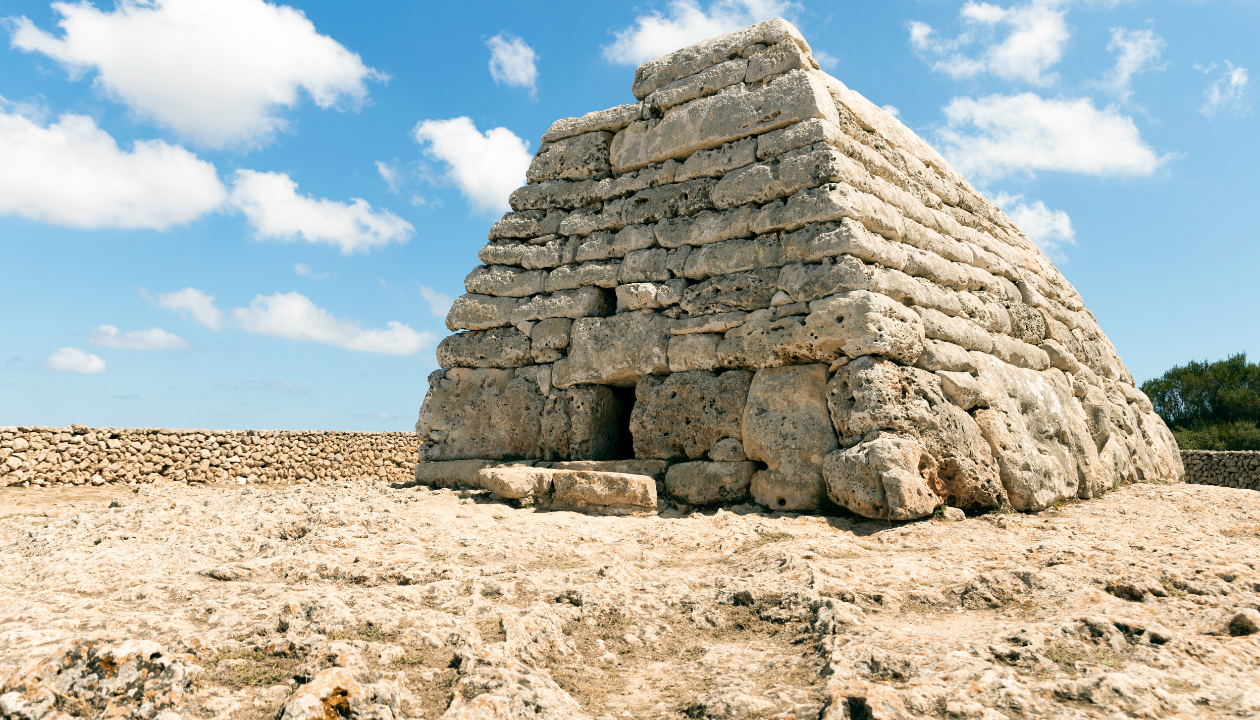
Menorca is not only about sea and sunsets. It’s also a living museum of Mediterranean culture. The Talayotic monuments, dating back to the Bronze Age, are unique to this beautiful island. In 2023, they were declared UNESCO World Heritage Sites.
A few must-visit highlights:
- Naveta d’es Tudons – a mysterious stone tomb, one of the most iconic sites.
- Torre d’en Galmés – one of the largest Talayotic settlements, with ruins of houses and lookout towers.
Walking among these stones is like touching history. They connect you to people who lived here thousands of years ago. Quiet, impressive, and unforgettable.
8. Wander Through Historic Towns and Villages
Every town in Menorca tells a different story. Some are grand, some are simple, but all are worth visiting.
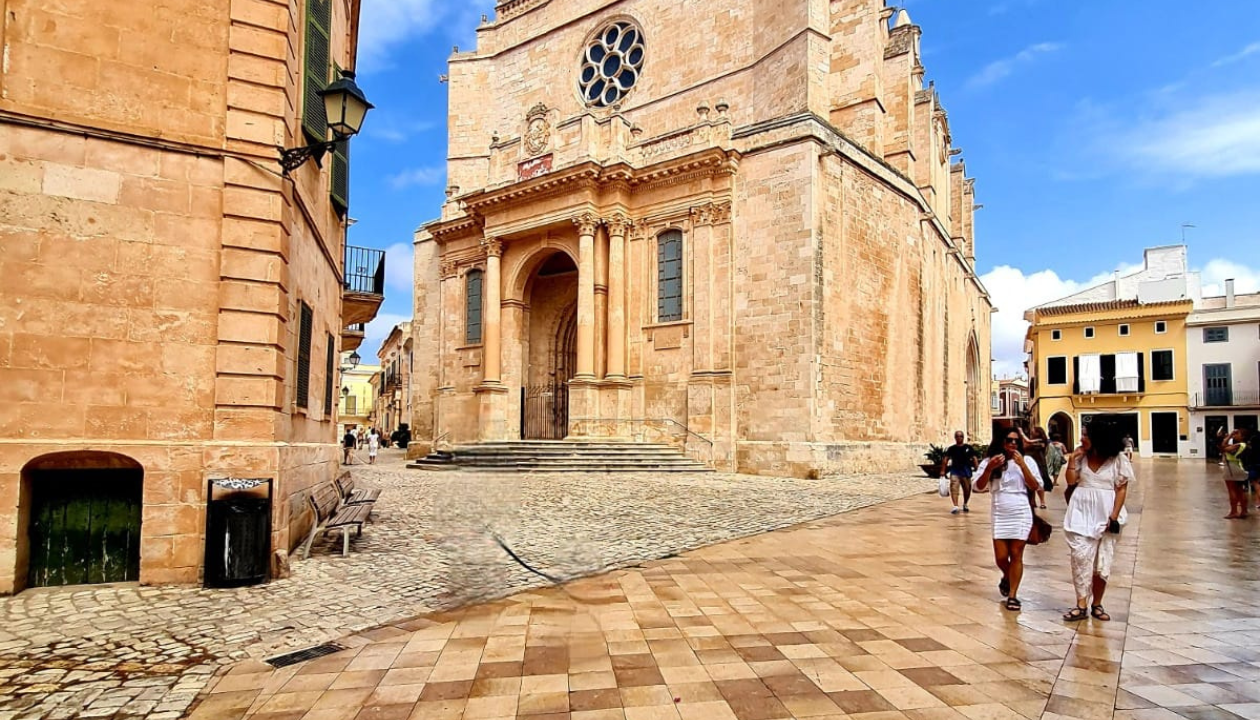
- Ciutadella – a former capital with Gothic churches, palaces, and narrow streets full of life. Stroll through the old town, stop at the fish market, and share tapas in Plaça des Born.
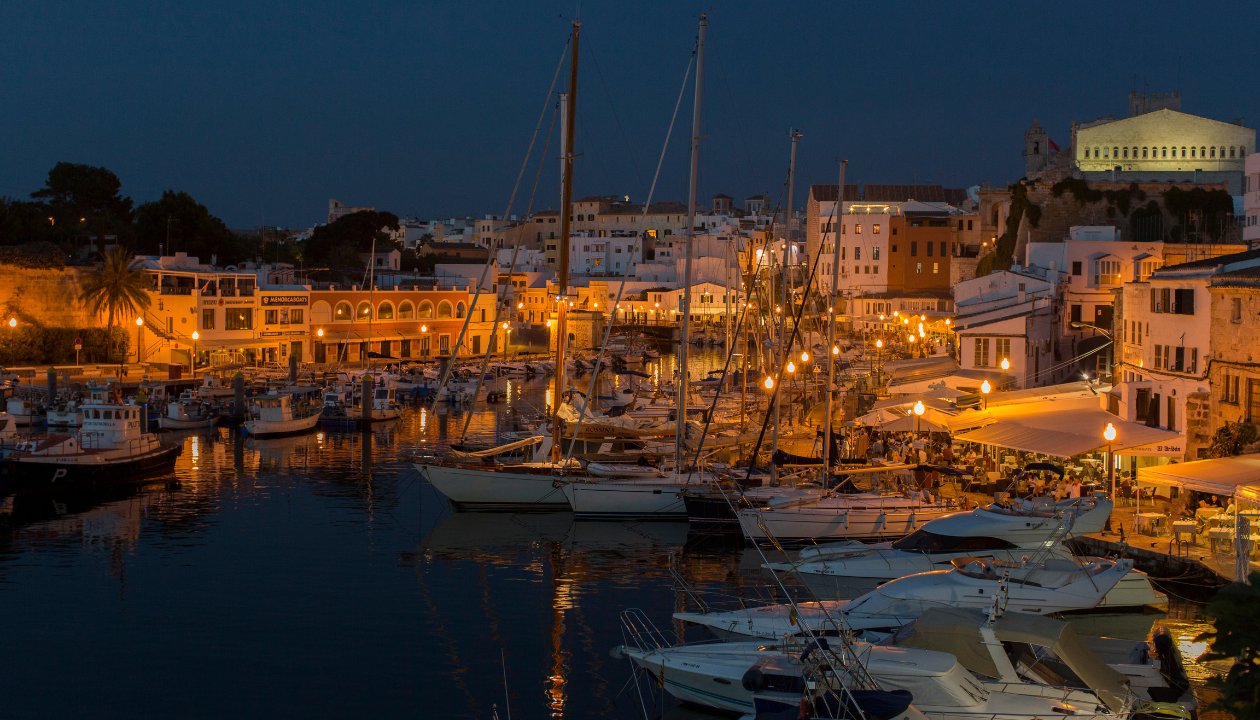
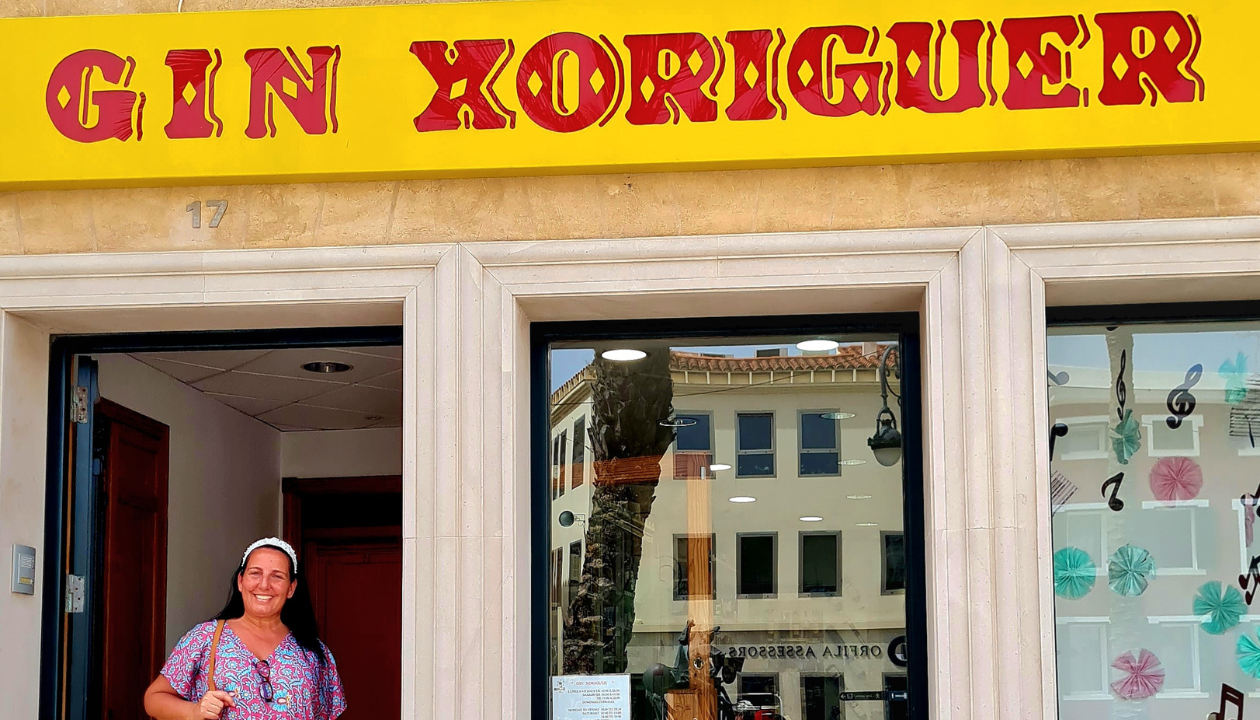
- Mahón (Maó) – the island’s capital, home to one of the largest natural harbors in the world. Don’t miss the Museum of Menorca or a visit to the Gin Xoriguer distillery to taste the famous local gin.
- Es Castell – founded by the British, with Georgian-style houses and a lovely harbor at Cales Fonts. Perfect for an evening walk followed by seaside dinners.
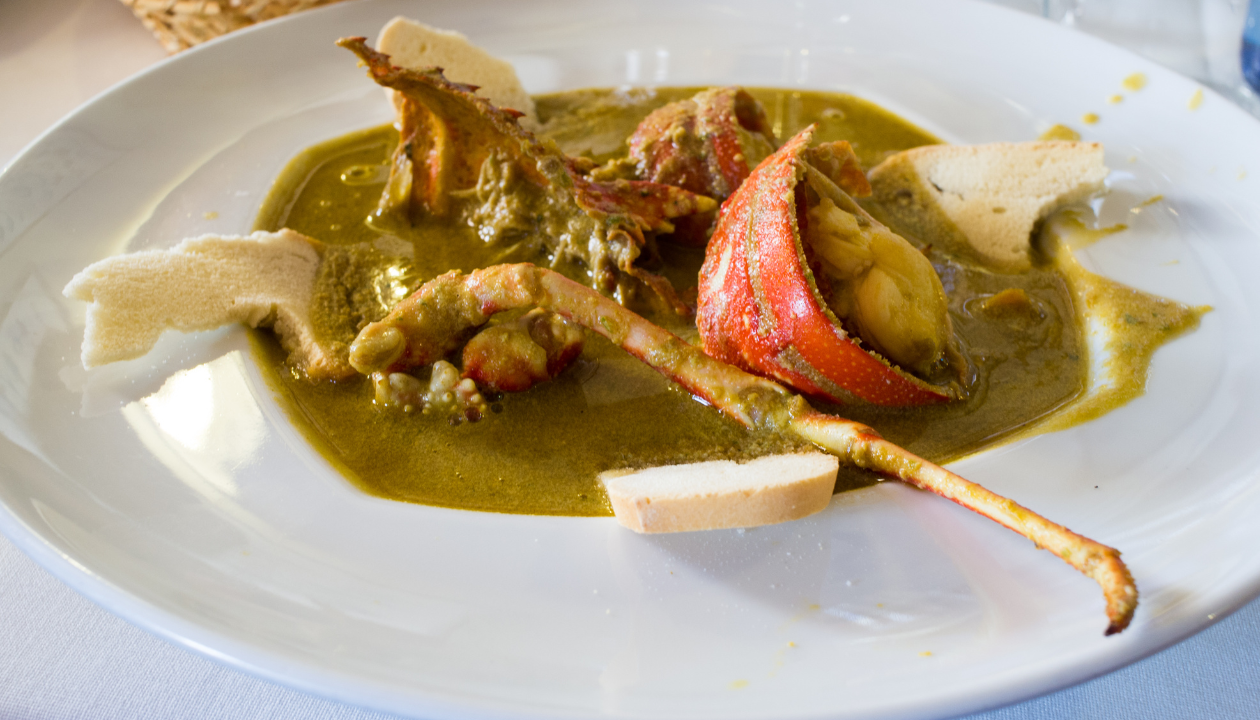
- Fornells – a fishing village known for caldereta de langosta, Menorca’s signature lobster stew.
At night, life feels more intimate. Small bars like Bar es Cau gather locals, music, and culture. These towns are not just stops on a map; they are Menorca’s soul.
9. Taste Menorca’s Most Iconic Dishes
Menorca is a food lover’s paradise. The island blends Mediterranean flavors with its own traditions. Local food is fresh, seasonal, and always full of character.
Must-try dishes include:
- Caldereta de langosta – the famous lobster stew, rich and unforgettable.
- Oliaigua – a rustic tomato-based soup, often served with figs in summer.
- Ensaimada – a sweet, spiral pastry, perfect with coffee.
- Pastissets – shortbread cookies in the shape of a flower with rounded tips.
Dining here is simple but special. Many restaurants highlight good food made from local produce. Menorca’s cuisine is not about fancy plates it’s about flavor, tradition, and the feeling of sharing.
10. Sip Local Wines and Spirits with a View
Wine and spirits are part of Menorca’s story. The island has vineyards like Binifadet, where you can join tours, taste local wines, and enjoy the peaceful surroundings. Pair the wine with cheese or fresh seafood, and you’ll understand why this experience is a must-visit.
Gin also has deep roots here. Gin Xoriguer, distilled in Mahón, reflects the island’s history with British influence. Locals mix it with lemonade to make the refreshing pomada cocktail. It’s simple, it’s light, and it belongs to summer evenings by the sea.
Drinking in Menorca is never just about what’s in the glass. It’s about the setting. A vineyard in the sun. A terrace overlooking the island’s capital. Or a quiet table in a small town, where time feels slower and the moment lasts longer.
11. Shop Local Products and Handcrafted Treasures
Shopping in Menorca is more than souvenirs. It’s about supporting farmers, artisans, and family traditions that keep the island authentic.
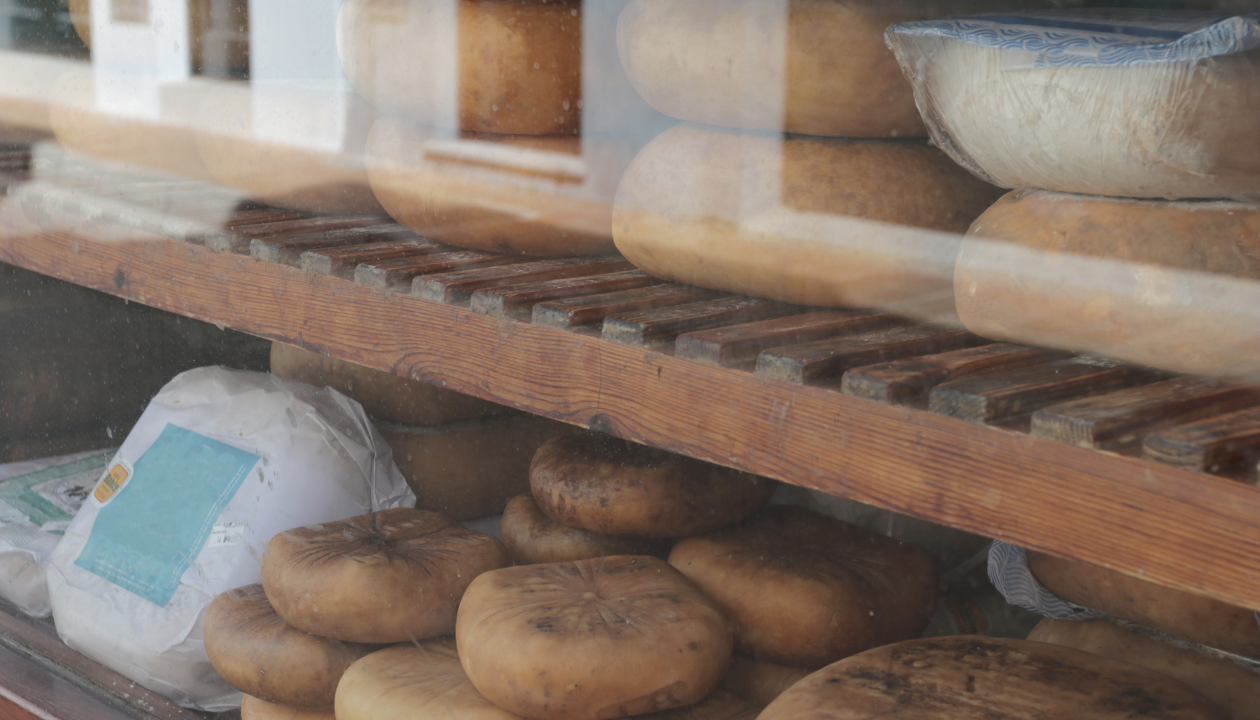
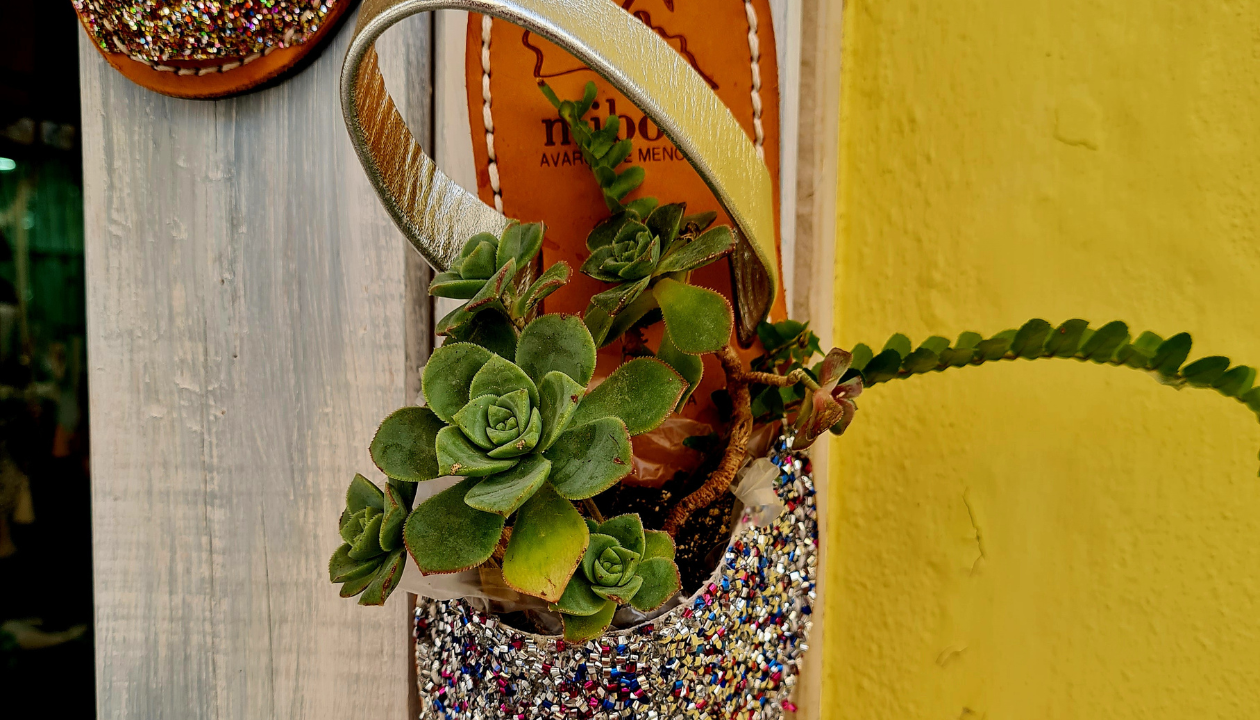
You’ll find Queso de Mahón, a cheese protected by PDO status, on market stalls and in small shops. Olive oil, honey, and cured sausages are also part of daily life here, each with its own rich flavor. Local sandals, called avarcas, are handmade and worn everywhere on the island. Simple, durable, and tied to Menorca’s identity.
The best places to buy these treasures are the markets in Ciutadella and Mahón. Walking through them feels different from browsing in tourist towns. The products are fresh, the people are warm, and everything carries the taste and character of the island.
12. Celebrate Like a Local at Menorca’s Festivals
Festivals in Menorca are not just events. They are energy, tradition, and community. Each one feels alive, full of color, music, and pride.
Some of the most important celebrations are:
- Sant Joan Festival (Ciutadella, June) – the island’s most famous event, with parades, horses, and traditional music filling the narrow streets.
- Mare de Déu de Gràcia (Maó, September) – the island’s capital most famous, with parades, horses, and traditional music filling the narrow streets.
- Sant Antoni (January) – celebrated in Mahón and Ciutadella, it marks the patron saint of Menorca with bonfires, parades, and local food.
- The Day of the Balearic Islands (Día de les Illes Balears) (March)– is a local public holiday on the Balearic Islands, which are part of Spain, on March 1 each year. This date commemorates when the Balearic Islands’ Statute of Autonomy came into effect on March 1, 1983.
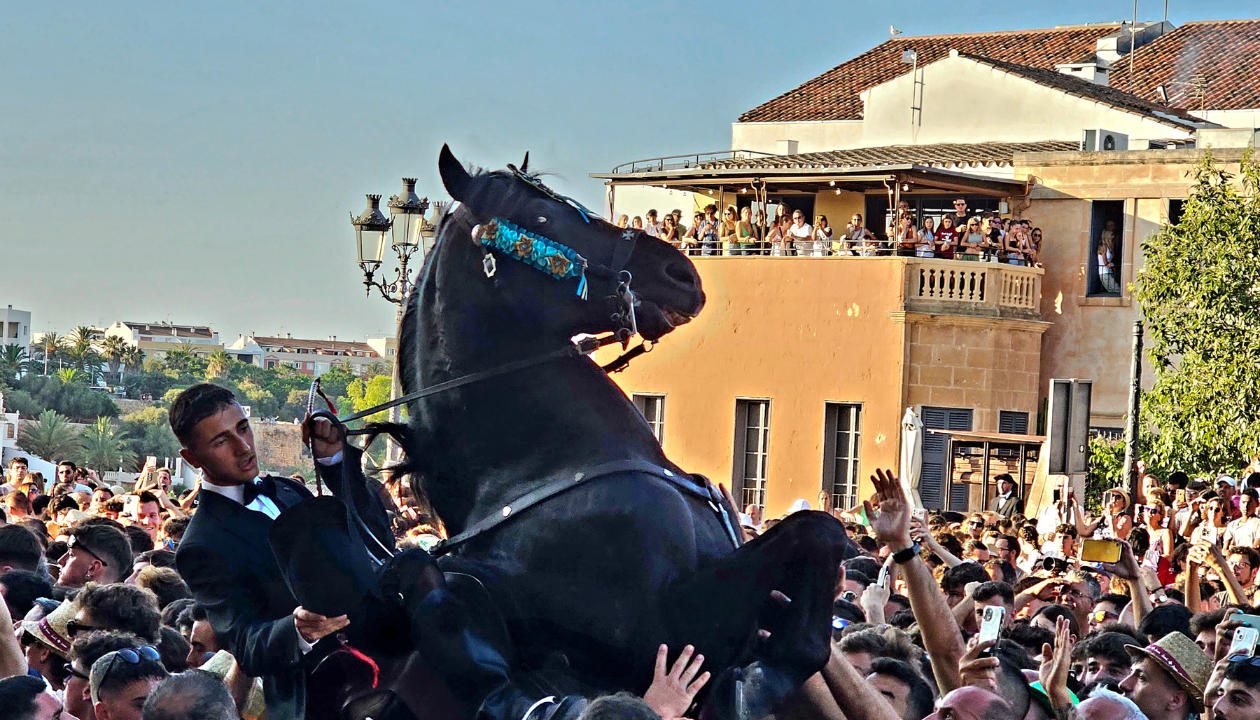
- Horse Festivals (Throughout summer) – unique to Menorca, these celebrations showcase the island’s black Menorquín horses. Riders guide them through the crowd, and the bond between horse and rider becomes the heart of the event.
- Christmas in Menorca (December) – markets, nativity scenes, and a festive charm that makes winter surprisingly magical.
Each festival is different, but together they show Menorca’s deep cultural pride. If you visit during one, join in. It’s the best way to feel part of the island.
13. Travel Sustainably and Support Local Life
Menorca is a UNESCO Biosphere Reserve. That title is not just an award, it is a responsibility. The island protects its nature, its traditions, and its way of life. Visitors are part of that balance.
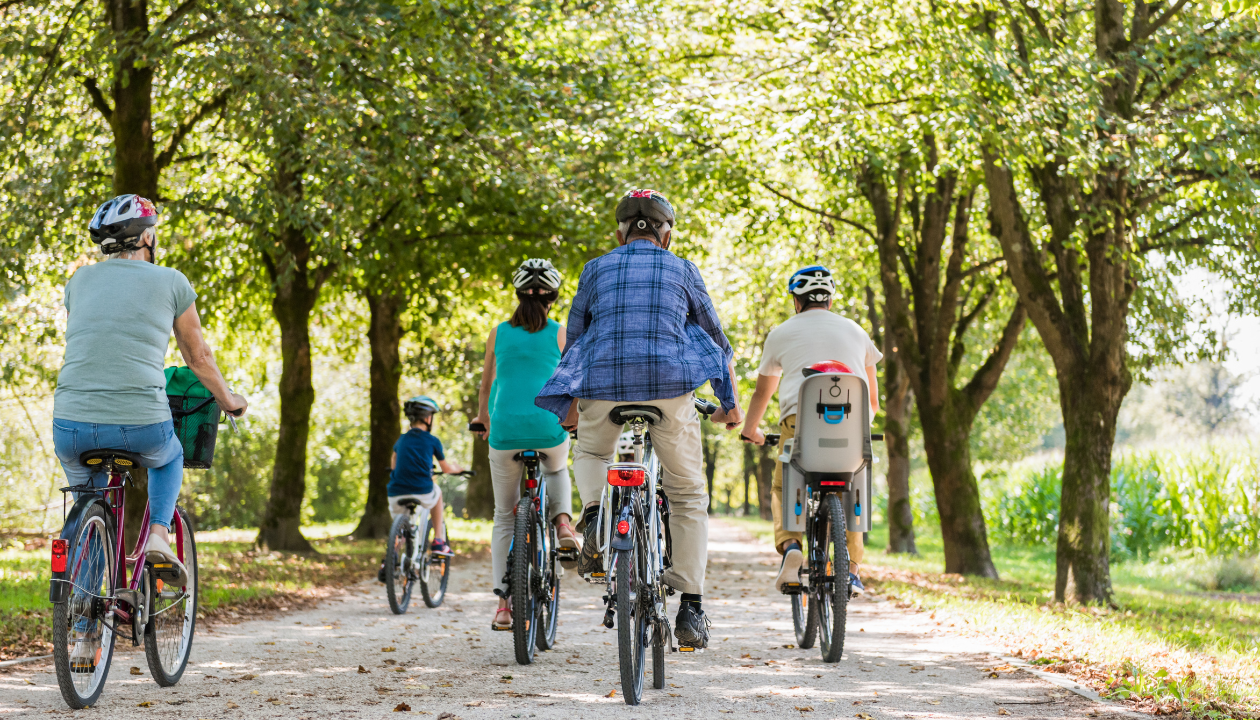
Travel responsibly by keeping it simple: reduce waste, avoid single-use plastics, and choose public transport or cycling when you can. Every small choice helps.
Support local businesses instead of large chains. Eat in charming restaurants that serve local food, buy cheese and honey at markets, and stay in places run by families. These choices keep Menorca’s identity strong.
Respect traditions, especially during festivals. Give space, observe, and enjoy without taking over. Menorca welcomes visitors, but it also values calm and respect.
Traveling this way makes your trip more authentic. And it leaves the island just as beautiful for the next person who comes.
14. Experience Menorca in Every Season
Menorca is often seen as a summer paradise, but the island has a different spirit each season. Every time of year brings something special.
Spring (March – May)
The Camí de Cavalls is lined with blooming flowers, and the mild weather makes walking or visiting Talayotic ruins a pleasure. Beaches are still quiet, offering space and calm before the summer months arrive.
Summer (June – August)
This is the busiest season, but also the most vibrant. The island’s most beautiful beaches, such as Cala Macarella and Cala Turqueta, shine with turquoise waters and soft white sand. Festivals like Sant Joan fill the narrow streets with energy, and boat trips along the south coast are unforgettable.
Autumn (September – October)
The air cools and the light softens. It’s an ideal moment for cycling, photography, and exploring towns without the high season crowds. Vineyards open for the grape harvest, giving you the chance to taste Menorca’s wine where it’s made.
Winter (November – February)
Life slows down, and the island feels peaceful. This is the time for cultural tours in Mahón and Ciutadella, bird watching in S’Albufera des Grau, and enjoying hearty local dishes in cozy restaurants. Winter brings out Menorca’s intimate side, quiet but full of character.
Menorca is a year-round destination. Stay a few nights, explore at your own pace, and you’ll see that the island has many moods, all of them unforgettable.
Checklist Before You Visit Menorca
A few simple tips can make your trip smoother and more enjoyable:
- Book early in high season. Summer is popular, and small hotels or rentals fill up quickly.
- Rent a car if you can. It’s the best way to reach remote beaches, secluded coves, and hidden corners of the island.
- Pack for the outdoors. Comfortable shoes for walking, light clothes for summer, and a jacket if you visit in spring or autumn.
- Respect the island’s nature. Menorca is a Biosphere Reserve, so carry reusable bottles, reduce plastic, and leave no trace.
- Check Menorca travel tips. Knowing ferry and flight options, public transport routes, and local customs will save you time.
- Plan for festivals. If your trip overlaps with a local celebration, it’s worth adjusting your schedule to join in.
- Find a homestay option. Staying with locals gives you an authentic experience, a chance to practice Spanish, and a deeper connection to the culture. Programs like SHIP (Spanish Homestay Immersion Program) are ideal if you want more than just a visit you want to live Menorca like a local.
- Stay a few nights. Menorca is a small island, but taking your time lets you enjoy its laid back atmosphere and discover favourite places at your own pace.
Live Menorca, Don’t Just Visit!
Spending a few days in Menorca is wonderful: the beaches, the food, the small villages, the palaces, the megalithic monuments, the slow rhythm of life. But if you really want to understand the island, you need to live it from the inside.
That’s where SHIP (Spanish Homestay Immersion Program) comes in. It’s not a hotel stay or a standard course. You come into a real home, share meals, practice Spanish every day, and join in local traditions as if you were part of the family.
With SHIP, you can stay in Menorca for one to four weeks, combining Spanish lessons with authentic island life. Mornings might mean class over coffee, afternoons could be hiking the Camí de Cavalls, cooking together, or chatting with neighbors in the plaza.
It’s the kind of experience that goes far beyond a holiday. You don’t just take photos of Menorca, you carry a piece of it with you.
You can explore more real immersion experiences here:
👉 SHIP Stories of Our Previous Students
For personalised guidance and programme details, you can contact our founder directly:
Mónica Romero
Founder and Director, Spanish Express
📞 Phone / WhatsApp: +44 7903 867 894
📧 Email: monicaromero@spanishexpress.co.uk
