
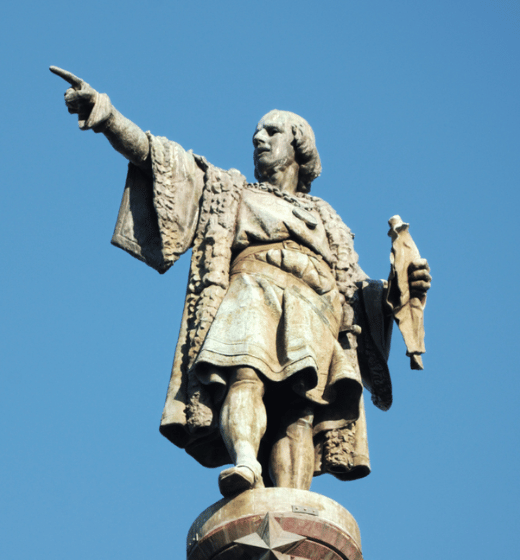
Every year on October 12, Spain bursts into color as parades, flags, and music fill the streets from Madrid to Sevilleand Barcelona. This day, officially known as the National Day of Spain (Fiesta Nacional de España), marks a proud moment a celebration of unity, heritage, and national identity. With the National Day, the unity of the Spanish people is strengthened through official ceremonies and institutional events. These events are attended by representatives of the branches of government, the presidents of Spain’s autonomous communities, and the main institutional leaders, which reinforces the inclusive nature of the celebration. The nation’s celebration is felt intensely in every corner of the country.
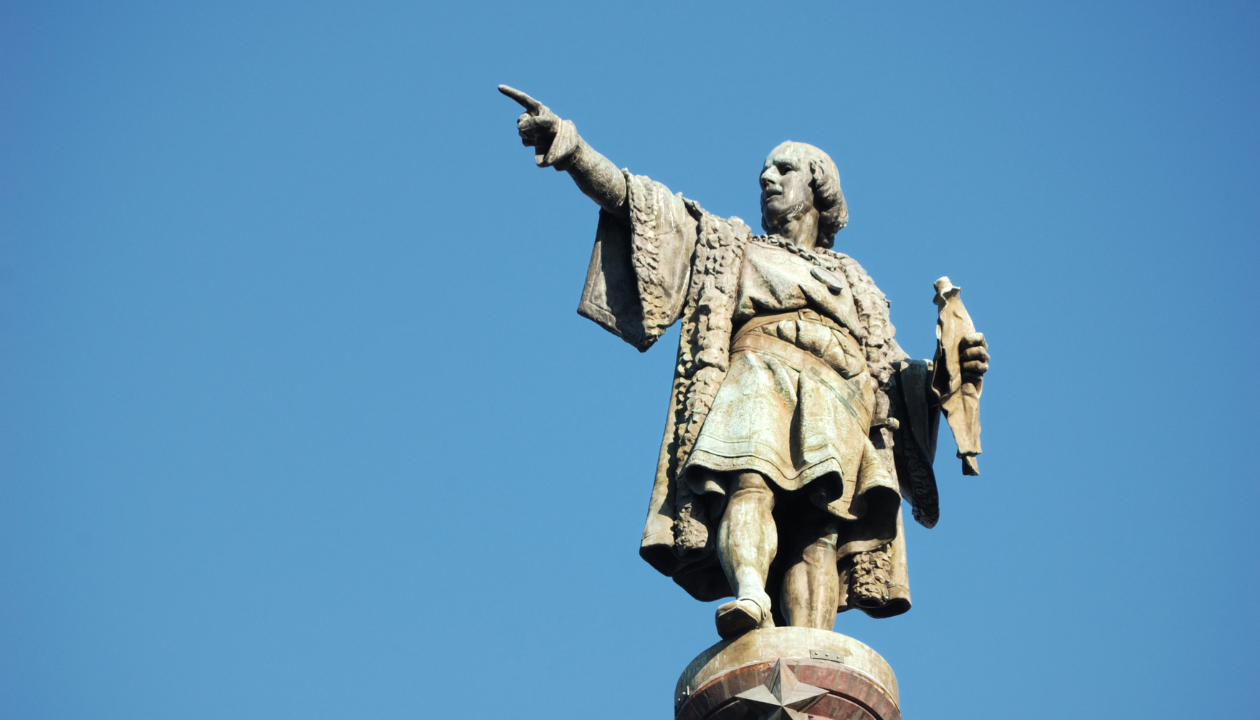
October 12, the date of the national holiday, often referred to as Día de la Hispanidad (Hispanic Day), commemorates the discovery of America by Christopher Columbus (Cristóbal Colón). This occurred in 1492, an event that changed the course of world history and marked the beginning of the unification of the kingdoms of Spain. The historical events of that period give this date its cultural and national significance. Thus, what is commemorated on this day is the beginning of a new stage of cultural influence in the Americas, where Spanish presence expanded and became deeply rooted in the region. Thus, the celebration of this day not only recalls the past but also honors cultural integration and shared heritage.
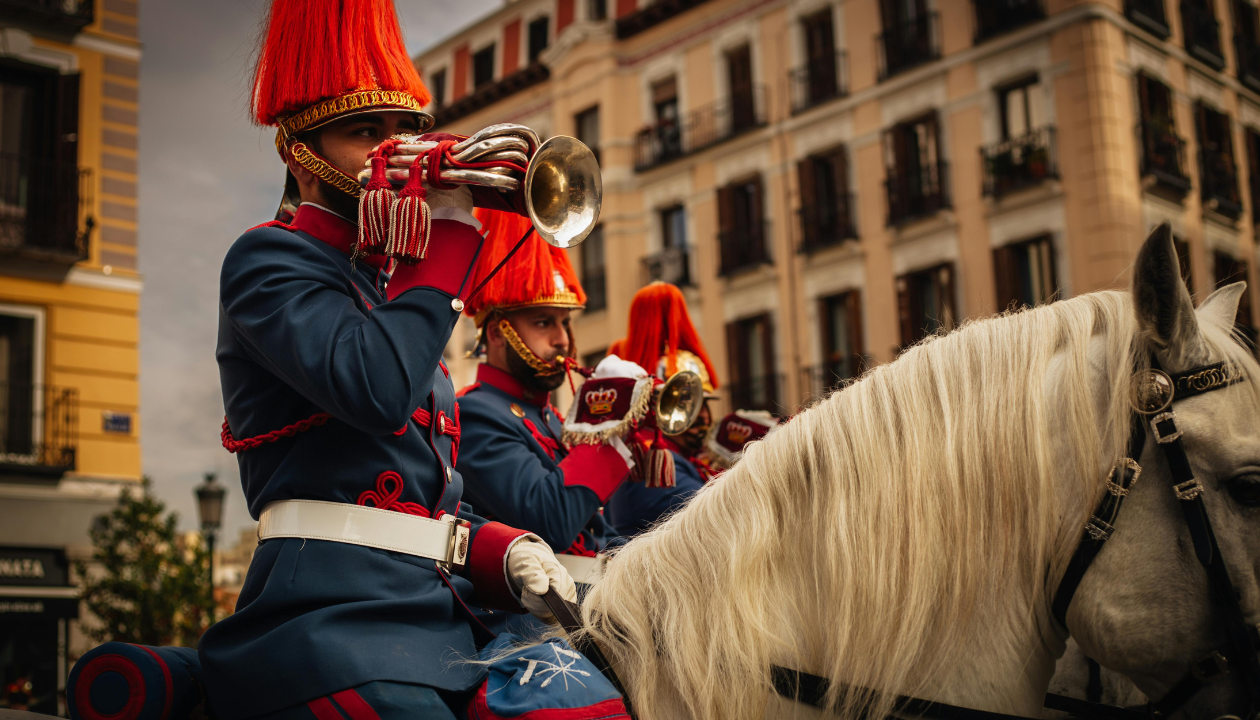
In Madrid, the capital, the heart of the festivities beats strongly. The royal family, the Prime Minister, and representatives of the branches of government attend the grand military parade, where tribute is paid to the Armed Forces and security services. This main event of the National Day and Hispanic Day brings together thousands of people and is broadcast throughout the country. Spain’s National Day is officially designated to commemorate this historic event. Jets paint the Spanish flag across the sky, followed by cheers and music echoing throughout the city.
Across the nation, citizens celebrate in their own way. Some organize traditional fairs; others host concerts and community meals. Together, these moments reflect how Spain’s National Day is much more than a simple commemoration — it represents the country’s unity, cultural identity, and the importance of its institutions and national symbols. And the citizens, protagonists of history, actively take part in the events, reinforcing the symbolism of national unity through official ceremonies and celebrations that transcend generations.
Introduction to the National Day of Spain
Every autumn, as the leaves begin to turn and the air fills with anticipation, Spain prepares for one of its most cherished celebrations: the Día de la Hispanidad, also known as the Fiesta Nacional de España. On the 12th of October, the entire nation comes alive with a sense of unity and pride, as communities from bustling Madrid to the tranquil coasts gather to honor their shared heritage. This is not just a public holiday; it is a day in which Spain (en la que España) reflects on its rich history, vibrant culture, and the enduring ties that connect its people both at home and across the world.
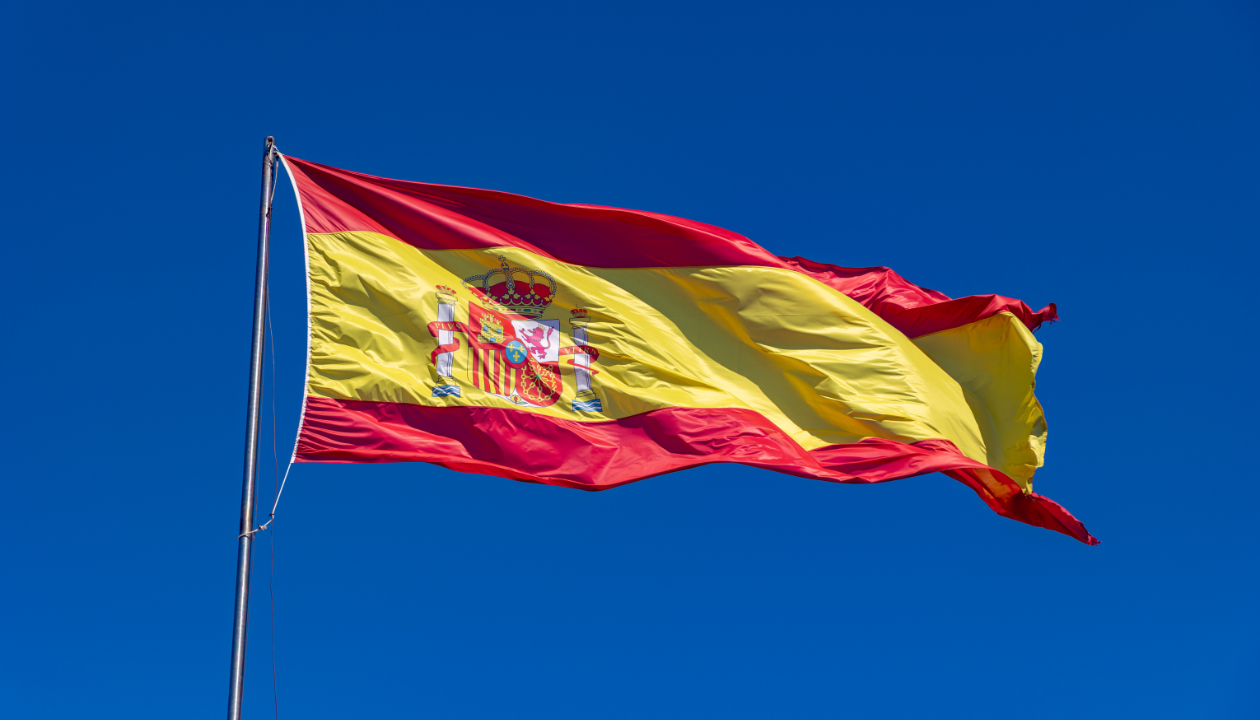
The date chosen for this national day, el 12 de octubre, is steeped in symbolism. It marks a pivotal moment when Spain, at the point of concluding its medieval journey and entering a new era, began a period of linguistic and cultural projection (período de proyección lingüística y cultural) that would shape continents. Today, the Fiesta Nacional de España is celebrated with parades, music, and the proud display of the Spanish flag (la bandera), creating a festive atmosphere where tradition and modernity blend seamlessly.
From the grand military parade in Madrid, where the royal family and the prime minister stand alongside the nation’s representatives, to the lively street fairs and family gatherings in every region, the día de la fiesta is a time when Spain’s spirit shines brightest. It is a day where homage is paid to the past, while looking forward to a future built on unity, diversity, and cultural exchange. Whether you are a local or a visitor, the Fiesta Nacional de España invites everyone to join in the celebration and experience the magic that makes this day truly unforgettable.
When Is the National Day of Spain Celebrated?
When October 12 arrives, Spain celebrates its National Day — a date marked on the official calendar and recognized in el Boletín Oficial del Estado (BOE), in the Official State Gazette (BOE), the holiday is officially established. Because of the historical and cultural significance of this day, it is designated as a National Holiday. This date is reserved throughout the country for commemorative events and official celebrations. The chosen date, October 12 each year, stands out for its importance as a symbol of Spain’s historical and cultural unity and its international influence. The celebration of October 1492 is fundamental to the nation’s identity.Since this day is a public holiday throughout the entire country, it allows workers and families to enjoy commemorative activities and facilitates the organization of official events.
This national holiday marks the moment when Christopher Columbus arrived in the New World in 1492 — an event considered the beginning of Spain’s linguistic and cultural influence across the globe. En España, the official calendar highlights the importance of this day, which is celebrated with institutional and cultural events across the nation. Moreover, in both the labor and education sectors, the day is regulated as a national holiday observed in all autonomous communities. What exactly is commemorated? It is a day dedicated to remembering Spain’s cultural and linguistic expansion, as well as its global influence.
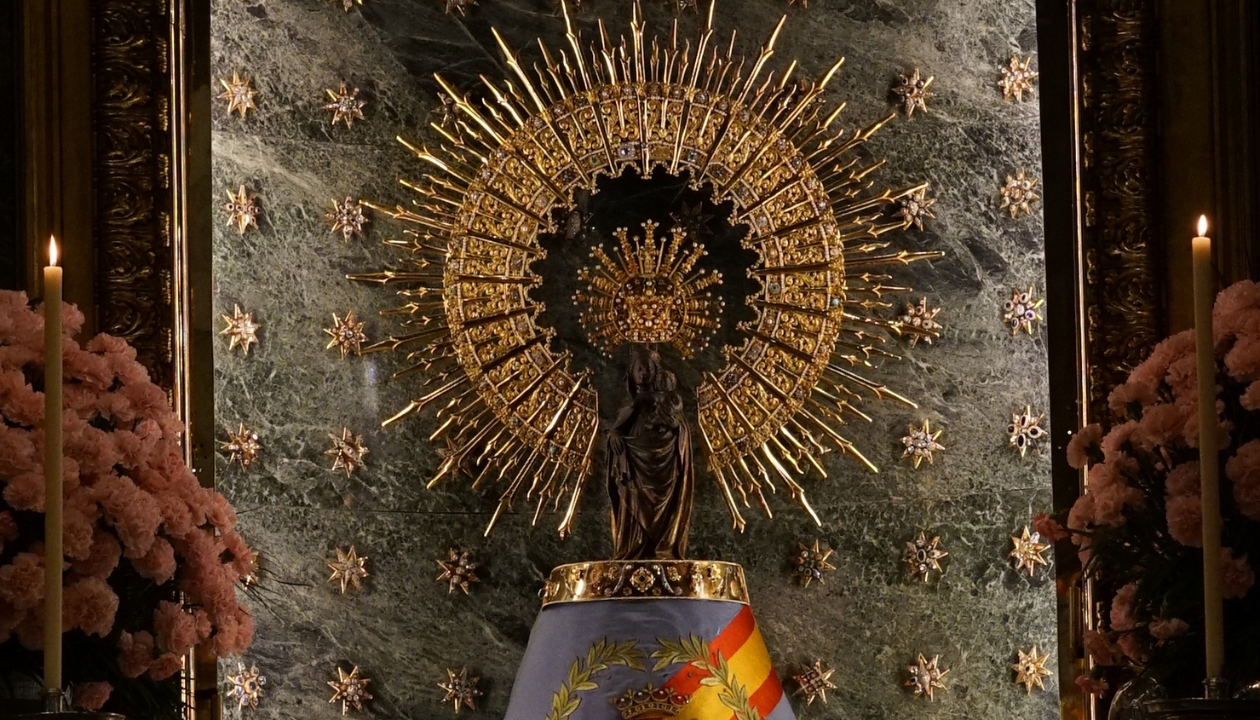
During the celebration, tribute is paid to the national flag and to those who have contributed to Spain’s history. Although the date coincides with the discovery of America, it also holds deep religious significance, as October 12 is the feast of Our Lady of the Pillar (Nuestra Señora del Pilar), the patron saint of Spain, especially venerated in Zaragoza and Extremadura. On this day, the flag waves proudly in town squares, schools, and official buildings — a symbol of the national celebration and of Spain’s unity across all its regions. In the different autonomous communities, the organization of the day may affect workers and families in various ways. Since the holiday is national in nature, most sectors are guaranteed a day off. However, in some regions, there may be specific traditions or local celebrations that influence how the day is observed.
Historical Background — The Story Behind October 12
To understand the meaning of the National Day of Spain (Día de la Hispanidad), we must travel back more than five centuries. On October 12, 1492, Christopher Columbus (Cristóbal Colón) reached the shores of what would later be called the Americas. This occurred during a time when the modern Spanish state was beginning to take shape. Spain was about to complete its long Reconquista, reclaiming territories from Muslim rule and entering a new period of linguistic projection and cultural expansion. At that time, the process of building the Spanish state was nearing completion, marking a fundamental milestone in the nation’s history. It was a period in which the modern state was taking shape and Spain’s cultural and linguistic influence was expanding throughout the Americas.
This monumental voyage marked the discovery of the Americas (descubrimiento de América), a turning point that launched Spain into a golden age of exploration and empire-building. The Spanish Empire soon came to encompass vast territories across the Americas, bringing not only conquest but also art, religion, and architecture that would shape much of the modern Hispanic world. Furthermore, the policy of national unification and cultural integration was reflected in the significance of this event for Spanish identity, especially due to its cultural impact in the Americas and the spread of the Spanish language throughout the continent. Beyond the conquest itself, this event held great historical and cultural importance that transformed the Hispanic world.
However, the National Day of Spain was established to honor this transformative moment in the history de un antiguo poder imperial, de españa en América, que profundamente influyó en la historia global. In recent years, the date has also prompted reflection and dialogue about colonial legacies, diversity, and identity — conversations that are part of Spain’s evolving understanding of its historical role.
From this national holiday emerges a dual legacy: one of discovery and another of introspection. It reminds Spaniards and the Spanish-speaking world that this day of celebration connects not only nations but also shared languages, values, and memories.

Government Support and Holidays
The Día de la Hispanidad, officially recognized as the Fiesta Nacional de España (National Day of Spain), receives strong support from the Spanish government, reflecting its importance as a symbol of national unity and pride. The chosen date, October 12, is not just a historical marker — it represents the moment when Spain, at the point of completing its state-building process, began a new period of linguistic and cultural expansion that extended far beyond Europe’s borders.
In Spain, October 12 is a public holiday, a day when businesses close and families gather to celebrate. Across the country, the Spanish flag (bandera) is proudly displayed, and special ceremonies pay tribute to those who have given their lives for Spain. The heart of la fiesta de la Hispanidad takes place in Madrid, where the main event unfolds in Plaza de Colón, seguido de un homenaje a la bandera y el desfile militar a lo largo del Paseo de la Castellana. Here, the King, members of the royal family, and representatives of the state, including regional presidents, come together to honor the nation’s history and unity. Con el Día de la Hispanidad, se refuerza la identidad cultural y la unidad nacional de España. Además, se inicia un nuevo periodo de proyección lingüística y cultural que marcó la historia moderna del país.
The legal foundation for this celebration was established by Law 18/1987, which officially designated October 12 as Spain’s National Day (Fiesta Nacional de España). Since then, the day has been celebrated with official institutional ceremonies and cultural events throughout the country, strengthening the celebration of national unity. It commemorates not only the discovery of America but also the symbolic meaning of Spain’s cultural integration and global influence.
On the other hand, in the Americas, Día de la Hispanidad is observed under different names, such as Día de la Raza (Day of the Race), Día del Respeto a la Diversidad Cultural (Day of Respect for Cultural Diversity), or Día de la Resistencia Indígena (Day of Indigenous Resistance). These celebrations focus on honoring cultural diversity and indigenous heritage, reflecting the complex and rich legacy of the Spanish presence in the Americas. While the meaning and emphasis may differ, the day continues to serve as a bridge for dialogue, remembrance, and the celebration of linguistic and cultural exchange across continents.
How Spain Celebrates Its Fiesta Nacional de España Today
Every year on October 12, Spain transforms into a stage of national pride and celebration. In Madrid, crowds gather early along the parade route to witness the spectacular military parade that fills the air with excitement and color. This is the centerpiece of the National Day of Spain, where the royal family and the Prime Minister stand beside state officials to honor the nation’s history and unity. La celebración principal tiene lugar en la capital, donde se rinde homenaje a la bandera y a los que dieron su vida por España, con la participación de la familia real y altos cargos del gobierno en solemnes actos oficiales.
The parade begins in the heart of the capital, moving past historic landmarks along the Paseo de la Castellana, where tribute is paid to the armed forces. Overhead, fighter jets paint the sky red and yellow, the colors of the Spanish flag symbolizing patriotism and pride.
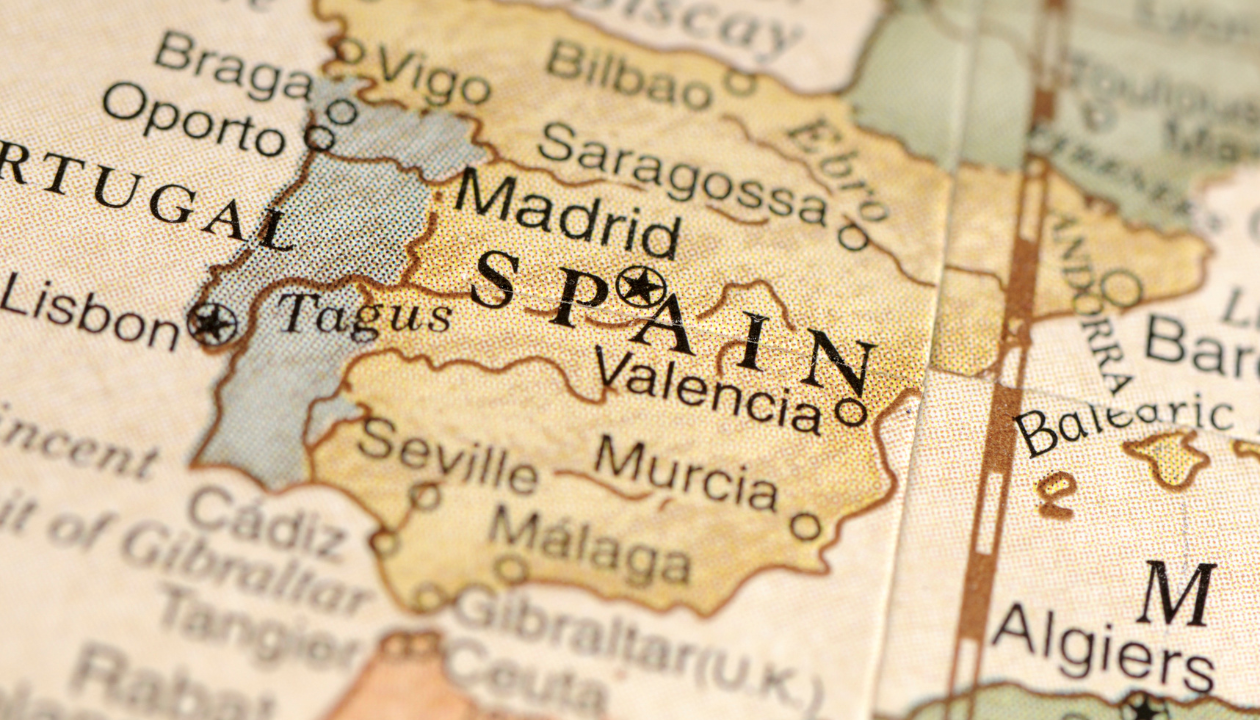
Beyond Madrid, the spirit of celebration spreads across the country. From the flamenco rhythms of Seville to the folk fairs in Extremadura, and from the coastal parades of Valencia and Cádiz to the art exhibitions of Barcelona and Burgos, each region showcases its identity through music, food, and local culture.
By the afternoon, city squares are alive with food stalls, concerts, and family gatherings. Generations come together to share laughter, tapas, and Spanish wine under a sky lit by fireworks. The day often concludes with church services and community ceremonies that blend patriotism with tradition.
While the atmosphere is joyful, the celebration also carries a thoughtful side. It’s one of the few occasions when Spaniards collectively pause to honor both their shared heritage and the cultural diversity that defines their nation today.
Regional Celebrations Across Spain
Although Madrid hosts the most iconic events, the National Day of Spain is celebrated with equal passion across every region and island. Each area adds its own flavor, turning October 12 into a vibrant mosaic of customs and community spirit.
In Barcelona, the day is filled with art exhibitions, concerts, and cultural performances that highlight the city’s creative energy. Museums open their doors for free, giving visitors the chance to explore centuries of history. In contrast, Burgos embraces the medieval past with historical reenactments that honor Spain’s Castilian roots.
On the southern coast, Cádiz bursts into life with music and dancing. Balconies are draped with red and yellow flags, and families gather to enjoy seafood and traditional paella. Meanwhile, the rural villages of Extremadura celebrate with folk dances and local markets, preserving customs passed down for generations.
In Menorca, the island’s relaxed charm defines the day. Horse parades, beach gatherings, and fireworks bring the community together in a joyful island-style celebration. In Seville, the sound of flamenco fills the air as locals gather in plazas to dance and express their Andalusian pride.
Valencia, known for its lively energy, hosts concerts and food fairs where the aroma of paella valenciana fills the streets. The combination of music, food, and family gives the day a festive warmth that perfectly captures the Spanish spirit.
Though each celebration is unique, they all share a common purpose to honor Spain’s history, unity, and cultural richness. Together, these regional festivities remind the world that while Spain stands united under one flag, every province celebrates the National Day in its own proud and distinctive way.
No celebration in Spain is complete without good food, and the National Day of Spain is no exception. Across the country, families and friends gather for lunch, surrounded by music, laughter, and the colors of the Spanish flag flying proudly in every town square.
On October 12, locals come together in plazas, streets, and even along the beaches to share dishes that represent the heart of Spanish culture. The aromas of sizzling seafood and rustic stews fill the air throughout the afternoon, blending perfectly with the rhythms of music and dance.
🍽️ Traditional Foods by Region
Each region celebrates the National Day in its own flavorful way:
- Seville – Tapas, flamenco beats, and local sherry wine served in open-air bars.
- Valencia – Classic paella valenciana cooked outdoors in wide pans, shared by families and friends.
- Cádiz – Fresh seafood such as grilled sardines, fried anchovies, and calamari by the sea.
- Extremadura – Hearty mountain fare including cured ham, aged cheese, olive oil, and homemade bread.
- Burgos – Traditional lamb stew (cordero asado) paired with local wines.
- Menorca – Coastal feasts of lobster, octopus, and shellfish accompanied by island music.
- Barcelona – Modern food festivals blending traditional dishes with avant-garde Catalan cuisine.
🎉 Festive Activities
The National Day of Spain is not only about food — it’s a celebration of joy, unity, and culture. Throughout the country, festivities include:
- Fireworks that light up the night sky above city squares.
- Street concerts featuring folk and flamenco performances.
- Traditional markets offering crafts, local food, and regional specialties.
- Community dances that bring people together through music and movement.
- Church services and parades honoring the nation’s history and faith.
Local councils and volunteers organize cultural events that foster togetherness, creating an atmosphere filled with warmth and celebration.
In recent years, modern cities have started to reinvent how they celebrate. In Barcelona, chefs and artisans collaborate at contemporary food fairs that showcase how Spain’s gastronomy continues to evolve while honoring its traditions.
The night often ends with fireworks, laughter, and dancing that carry on until the early hours, a perfect conclusion to the National Day of Spain.
Historical Debates and Reflection
While many people see the National Day of Spain as a moment of pride and achievement, others view it as an opportunity for reflection. The holiday marks the discovery of the Americas, a turning point in history that brought both progress and controversy.
- Supporters emphasize unity, language, and heritage, highlighting Spain’s cultural influence around the world.
- Critics, on the other hand, focus on the complex legacy of colonial expansion and call for a more inclusive understanding of history.
- Many agree that the day should balance national pride with recognition of diverse perspectives.
Hoy, the debates about Columbus’s legacy remain highly relevant, as contemporary perspectives continue to challenge and reinterpret traditional narratives surrounding this historical event.
Evolving Meaning in Modern Spain
In today’s Spain, the National Day continues to evolve with the times:
- Community leaders use the occasion to promote inclusion, equality, and cultural awareness.
- Educational institutions highlight Spain’s global contributions in language, art, and diplomacy.
- Younger generations see the holiday as a symbol of connection and unity rather than conquest.
Through open discussion and growing awareness, Spaniards are redefining what the National Day of Spain means in the modern era. It now stands as both a celebration and a reflection honoring the country’s history while looking toward a future built on respect, diversity, and shared identity.
Spain and the Spanish-Speaking World
The National Day of Spain, also known as Día de la Hispanidad, connects the country with millions of people around the world who share its language, culture, and traditions. In the United States, a related holiday—Columbus Day—is celebrated on the second Monday of October, highlighting the shared historical significance across nations. What began as a moment of historical pride has evolved into a global celebration of unity, diversity, and identity, one that continues to resonate across Latin America and beyond.
Shared Heritage Across Continents
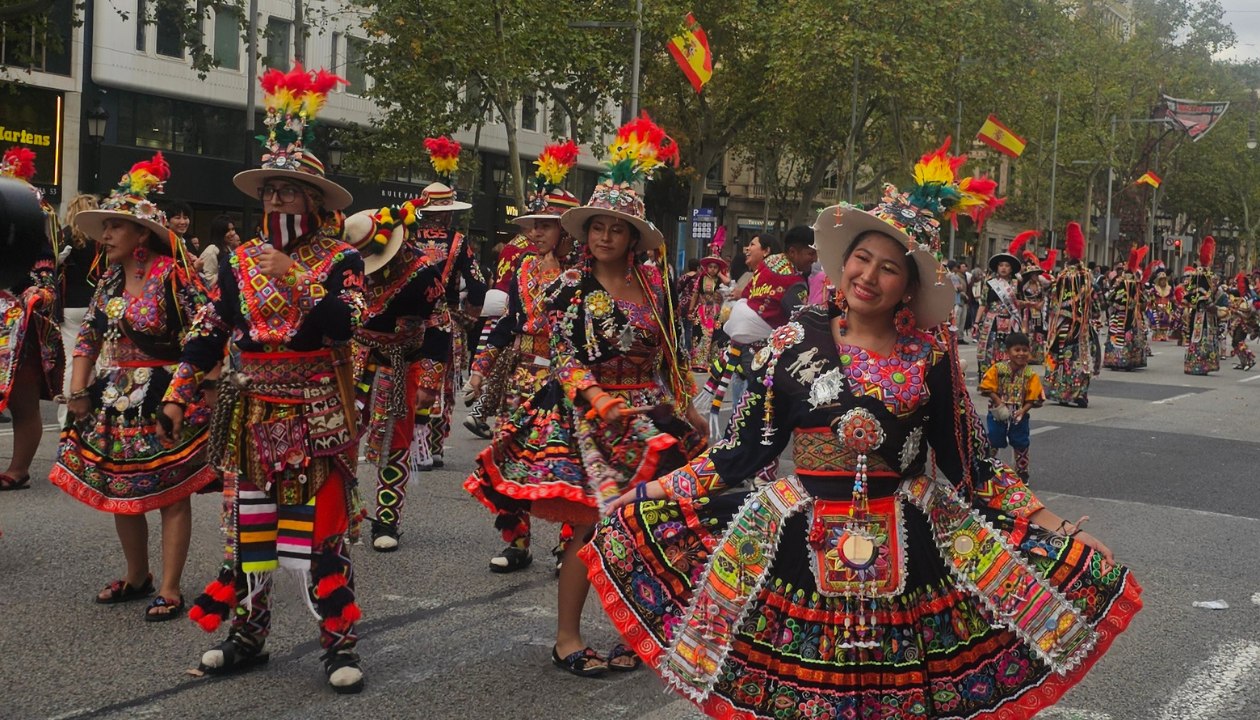
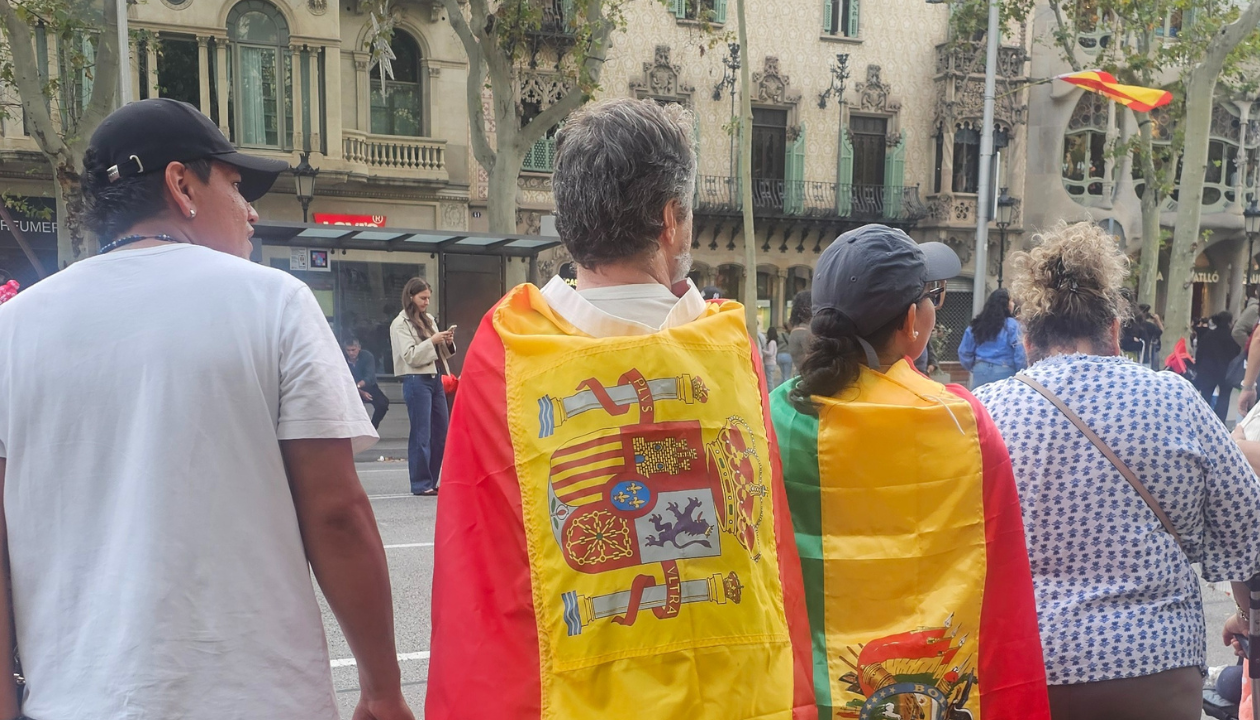
October 12 is commemorated not only in Spain but throughout Latin America. In countries such as Argentina, Mexico, and Colombia, the same date is recognized as Fiesta Nacional or Hispanic Day, celebrating friendship, cultural exchange, and shared history.
Although each nation interprets the day differently, the cultural bond that connects Spanish-speaking countries remains strong, a bridge linking continents through art, language, and a shared past.
These celebrations reflect the deep ties that unite communities across the Spanish-speaking world, a connection that began over five centuries ago. Unlike in the past, when the Spanish Empire focused on expansion, today’s observances emphasize mutual respect, collaboration, and appreciation for shared heritage.
Modern Collaborations and Global Influence
Every year, Spanish embassies around the world host events and receptions that honor cultural exchange and international cooperation. Programs in education, music, and art showcase Spain’s enduring role in promoting creativity and cross-cultural understanding.
Through these modern initiatives, the National Day of Spain serves as more than a remembrance of history it becomes a celebration of partnership and cultural unity. From the plazas of Madrid to the festivals of Buenos Aires, Spain’s influence continues to shine brightly, uniting generations and communities across oceans.
National Day of Spain for Travelers
For anyone visiting Spain, October 12 offers a once-in-a-lifetime chance to experience the nation’s spirit of unity and pride. Whether you stand beneath the clear skies of Madrid, stroll the historic streets of Seville, or join coastal celebrations in Valencia and Cádiz, the National Day of Spain showcases the country’s warmth, beauty, and passion at its finest.
🎆 Best Places to Experience the Celebration
If you’re planning a trip to Spain during the National Day, here are some of the most unforgettable destinations:
- Madrid – Witness the breathtaking military parade and royal ceremony, where government leaders and the Prime Minister honor the armed forces. The parade route runs along the Paseo de la Castellana, creating a spectacular display of national pride and unity.
- Seville – Immerse yourself in a festival of rhythm and emotion, where flamenco music, church bells, and joyful parades fill the air.
- Barcelona – Join locals at cultural fairs, concerts, and art exhibitions celebrating Spanish creativity and tradition.
- Valencia – Enjoy fireworks, open-air dining, and the authentic flavors of paella valenciana, a beloved regional dish.
- Burgos and Extremadura – Discover the heart of Spain’s rural traditions with medieval markets, folk performances, and local cuisine.
- Menorca – Experience a more tranquil celebration with beach gatherings, island performances, and a relaxed coastal atmosphere.
🧭 Tips for Travelers
- Book early: Hotels fill up quickly as the National Day is a public holiday.
- Plan your transport: Roads around the military parade in Madrid may close during the morning hours.
- Blend in: Wear red and yellow — the colors of the Spanish flag — to show your festive spirit.
- Try everything: Share tapas, local wine, and laughter with Spaniards enjoying lunch outdoors.
- Stay for the night: Fireworks and live concerts light up the sky long after sunset.
Future Celebrations and Plans
Looking ahead, the Día de la Hispanidad is set to remain a cornerstone of cultural and national identity both in Spain and across the Spanish-speaking world. Each October 12 marks not only a day of celebration but also an ongoing moment of reflection about the shared history and evolving culture of Spain and the Americas. As each year passes, the holiday begins a renewed period of linguistic and cultural projection — a time to look forward while honoring the past.
In future celebrations, Spain will continue to pay tribute to the flag and to those who have sacrificed for the nation, while also embracing the diversity that defines its modern identity. In the Americas, the focus will remain on celebrating cultural richness and indigenous heritage, ensuring that the Día de la Hispanidad is inclusive and meaningful for all communities.
At the same time, there is a growing commitment to fostering mutual understanding and respect among different cultures and communities. Efforts will continue to preserve and promote the rich cultural heritage of both Spain and the Americas, ensuring that Spain’s National Day (Fiesta Nacional de España) is not only a day of remembrance but also a platform for dialogue and cultural exchange.
Every October, as the Día de la Hispanidad is celebrated, it will serve as a reminder of the enduring ties that unite Spanish-speaking peoples. The Fiesta Nacional de España will remain a day for all to reflect on history, celebrate achievements, and look forward to a future built on respect, diversity, and shared cultural pride. Through ongoing events, educational initiatives, and community gatherings, the spirit of the day will continue to inspire generations in Spain, the Americas, and beyond.
Experience the National Day of Spain Like a Local
There’s no better way to truly understand the National Day of Spain than by living it from the inside, surrounded by locals, sharing their traditions, food, and joy. This October 12, let the sound of flamenco, the taste of paella valenciana, and the pride of the Spanish flag inspire you to go beyond sightseeing and experience authentic Spanish life.
🌍 Join the Spanish Homestay Immersion Program (SHIP)
Celebrate the National Day of Spain the way it’s meant to be through real cultural immersion.
With Spanish Express’ Spanish Homestay Immersion Program (SHIP), you’ll:

- Live with a native Spanish teacher and experience the warmth of local hospitality.
- Participate in cultural events during the National Day, from parades in Madrid to community feasts in Seville and Valencia.
- Learn Spanish naturally, through everyday conversations, traditions, and shared experiences that bring language and culture to life.
✨ Don’t just visit Spain — become part of it.
Spaces for SHIP during the National Day of Spain are limited, so book your spot today and make this October 12 a celebration you’ll remember forever.
You can explore more real immersion experiences here:
👉 SHIP Stories of Our Previous Students
For personalised guidance and programme details, you can contact our founder directly:
Mónica Romero
Founder and Director, Spanish Express
📞 Phone / WhatsApp: +44 7903 867 894
📧 Email: monicaromero@spanishexpress.co.uk