

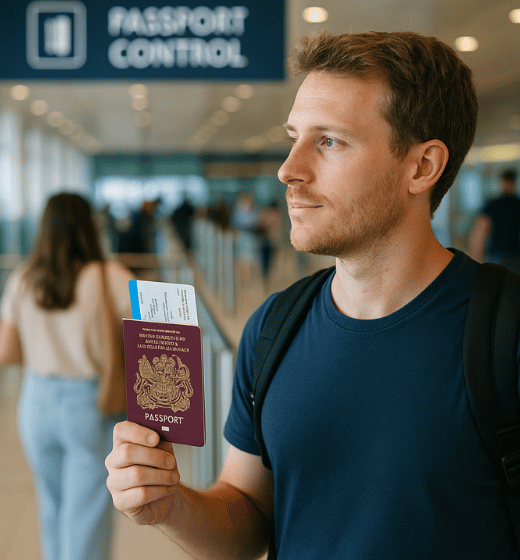
If you’re planning on visiting Spain (or any Schengen area country) as a non-EU visitor, including British nationals since Brexit, you might have heard of the so-called £97 a day rule. In short, Spanish authorities may require that you present proof that you have sufficient financial means to cover your stay. When you enter Spain, the requirements and procedures can vary depending on whether you are an EU, EEA, or third-country national, and you may need to provide specific documentation or authorization to enter Spain. Many travellers assume it’s a myth or only for visa applications, but in fact, it’s a real component of entry requirements.
Here’s why it matters:
- Enforcement at the border: When entering Spain via one of its external borders, border officers may ask you to provide proof of funds. Failing to satisfy them could lead to denied entry.
- Not just a visa thing: Even if you’re from a country that doesn’t need a visa, this rule can still apply to you may be stopped by Spanish authorities and asked for a bank account statement, online bank statements, **credit card accompanied by a credit statement, or bank letters or online bank statements.
- Legal backing: This requirement is derived from the Schengen Borders Code, which allows competent authorities in member states to ask non-EU travellers to prove they have such means to support themselves without relying on social assistance or illicit work.
In this blog post, we’ll walk through what the rule really is (and isn’t), how to prepare, and what to do if challenged. Next, we’ll dive into the legal basis and how Spain implements it in practice.
Legal Basis & Spanish Implementation
So, where does the “£97 a day rule” really come from, is it made up, or grounded in law? Let’s clear that up.
In practice, to meet the entry requirements for Spain, you must be able to provide proof that you have enough money/funds (or the ability to legally obtain such means) so that you won’t be a burden on the state. Spanish authorities may also accept any other resource that demonstrates financial means, such as alternative forms of proof authorized by authorities.
Schengen’s Rule: The General Framework
When non-EU nationals try entering Spain (or any Schengen area country), they’re subject to the Schengen Borders Code (Regulation (EU) 2016/399). That code lays out theentry conditionsall travellers must meet, including having a valid travel document, a justified purpose of stay, and sufficient means of subsistence for both the stay and their return journey.
In practice, to meet the entry requirements for Spain, you must be able to provide proof that you have enough money/funds (or the ability to legally obtain such means) so that you won’t be a burden on the state.
Also, when applying for a Schengen visa, the Visa Code says that an applicant may be refused a visa if they “provide insufficient proof of means for the stay or for the return home.”
So the legal foundation is real, the exact amount is not fixed in the EU code, but defined by each country under the umbrella of the Schengen rules.
How Spain Applies That Rule
Spain is one of the member states that implements the Schengen requirements in its own border rules. When presenting yourself at the Spanish entry, Spanish authorities may ask you to present proof of having sufficient financial means or of the ability to legally obtain such means.
What does “sufficient means” look like in Spain today? According to the Spanish consular conditions:
- For stays of less than 9 days, the minimum daily amount is €118 per person.
- If your stay is 9 days or more, there is a flat requirement of €1,065 (or equivalent in other currency) regardless of the number of days.
- This amount must be proven in acceptable forms: cash, travellers cheques, a credit card accompanied by a bank account statement, or a bank account statement or credit statement.
One important thing: the requirement isn’t automatically enforced in every case. Borderers or competent authorities have discretion, especially if your itinerary, accommodation bookings, and documentation all look solid.
So, while “£97 a day” is often cited in the media (because €118 daily roughly equals that in many conversions), the real Spanish rule is in euros as defined by the Spanish government.
How the Rule Works in Practice, Proof of Sufficient Financial Means and Enforcement
When you’re entering Spain, you won’t usually be stopped and asked to show financial proof, but it can happen, especially for non-EU nationals arriving from third countries outside the European Union. The competent authorities at external borders (airport immigration desks or ferry ports) are responsible for checking that travellers meet all entry and exit requirements.

If asked, you’ll need to present proof of your sufficient means to support your proposed stay. Spain’s local authorities and Spanish officials follow clear guidelines from the Spanish government, and they’ll accept several types of evidence. Here’s what works best:
- A recent bank account statement printed or official PDF versions are best.
- Online bank statements are accepted only if they clearly show your name, balance, and account number.
- A credit card accompanied by a credit statement regarding the card or bank account (showing available credit or limit).
- Bank letters or online bank statements from your financial institution confirming the available balance.
- Traveller’s cheques, if you still use them, yes, they’re still valid proof under Schengen rules.
- Hotel booking confirmation or evidence of paid accommodation, which supports your travel purpose and reduces the amount of funds required.
- Onward ticket or round trip flight confirmation, which reassures border officers that you plan to leave on time.
Remember, the main goal isn’t to penalize visitors but to confirm they have sufficient financial means for their visit. You can also show ownership of assets, for example, if you own property in Spain or another EU country, that can sometimes count as proof of solvency.
How Spanish Authorities Verify Documents and Assess Sufficient Financial Means
Border guards may review your documents briefly. If they need to confirm authenticity, they might contact local authorities or use systems connected to member states’ databases. In rare cases, UK travellers or other non-EU visitors have reported being asked to show paper copies rather than screenshots, so it’s wise to carry printed bank account records or credit statements.
You don’t necessarily need to carry thousands of euros in cash; presenting cash is only one option. Many travellers instead show a credit card accompanied by valid bank letters or online statements proving sufficient balance.
So while some headlines call this the “£97-a-day rule,” in reality, it’s about being able to provide proof that you have enough money to sustain yourself, not about physically holding that cash.
Tips for Travellers, Staying Compliant and Confident at the Border
Even though the £97 a day rule sounds strict, most travellers enter without any issues. The key is being prepared and understanding what Spanish authorities may ask for under the entry and exit requirements.
When travelling, always exercise caution with your food and drinks to prevent sexual assault, never accept items from strangers, as they could be tampered with.
Here’s how to make sure you meet all entry conditions smoothly:

1. Carry the Right Documents, Including Hotel Booking Confirmation
Before visiting Spain, double-check that you have a valid travel document. Your passport should be valid for at least three months beyond your planned departure from the Schengen area. If you drive, you may also need an international driving permit, especially if your license was issued outside the European Union.
Keep printed copies of all relevant travel papers, including your hotel booking confirmation, onward ticket, and travel insurance documents. These items show your proposed stay is legitimate and make it easier to demonstrate that you have sufficient funds and clear travel intentions.
2. Be Ready to Show Proof (Without Stress)
If asked, calmly present proof of your finances, which might mean showing a credit statement regarding your card or bank account, or a printed page from your online bank statements.
When in doubt, bring both a credit card accompanied by an official statement and a bank account statement for the previous month.
Having several forms of evidence reassures the competent authorities that you can cover your stay and return home as planned. You don’t have to rely on presenting cash alone; bank letters, traveller’s cheques, or other certified forms of proof are perfectly valid.
3. Know Spain’s Local Context
Every country applies Schengen rules slightly differently. Spain is not the only country that enforces this financial-proof rule, but it tends to be clearer about its expectations.
The local media in Spain occasionally reports cases of travellers questioned at popular destinations like the Balearic Islands or coastal areas, especially during peak tourist months in the northern hemisphere summer.
You can avoid stress by knowing local laws, respecting customs, and keeping copies of any bank account documents easily accessible, never leave them lying around in hotel lobbies or public spaces.
4. Travel Smart & Stay Safe
Beyond financial proof, local authorities recommend all visitors exercise caution in rural areas, follow travel rules about alcohol consumption, and take note of health risks such as air pollution or serious complications from untreated conditions.
If you need medical treatment or, in rare cases, medical evacuation, having travel insurance is essential — it’s often required by Spanish officials when assessing entry requirements.
Also, keep contact info for local services and the competent authorities handy in case of emergency situations or if your documents are lost or stolen.
Accessing Local Services During Your Stay
When visiting Spain, being prepared goes beyond just meeting entry requirements, it’s also about knowing how to access local services and navigate day-to-day needs during your stay. Spanish authorities and local officials are committed to ensuring a safe and enjoyable experience for all visitors, but as a UK traveller or non-EU national, you’ll need to be ready to present proof of sufficient financial means and comply with local regulations.
Upon arrival, you may be asked by local authorities to show a hotel booking confirmation or other evidence of accommodation, especially if you’re staying in historic districts or popular destinations where accommodation is closely monitored. In many cities, tourist taxes are now in place to help manage mass tourism and support local infrastructure, these are typically collected at your hotel or rental property, so be prepared to pay them upon check-in.
If you plan to drive while in Spain, make sure you have a valid international driving permit and are familiar with local driving laws. Rental cars are a convenient way to explore coastal areas and rural regions, but always carry your valid travel document and be aware of any restrictions, such as limited access to historic areas or rules around alcohol consumption.
Public transportation is widely available and efficient in most Spanish cities, but it’s important to follow local laws and exercise caution, especially in crowded spaces or when travelling late at night. Keep your bank account statement, credit card accompanied by a credit statement, or other proof of sufficient funds handy, as Spanish officials may request these documents at various points, not just at the border, but also when accessing certain local services or in emergency situations.
Health and safety are also key considerations. Spain’s public health system is robust, but as a visitor, you should have travel insurance that covers medical treatment and medical evacuation, just in case. Air pollution can be a concern in some urban areas, so take precautions if you have respiratory conditions. In case of emergency situations, dial 112 for immediate assistance, this number connects you to police, fire, and medical services across Spain.
For longer stays, or if your visit involves study, volunteer work, or other non-gainful activities, you may need to provide additional documentation, such as proof of medical treatment or a residence permit. Always check the latest entry and exit requirements before you travel, and be ready to provide proof of onward travel, such as a confirmed onward ticket, to satisfy Spanish authorities.
Finally, take advantage of local services like tourist information offices, which can provide maps, event details, and support if you encounter any issues. Whether you’re exploring the vibrant streets of Madrid, relaxing on the beaches of the Costa del Sol, or wandering through the historic areas of Barcelona, being informed and prepared will help you make the most of your Spanish adventure. By understanding local laws, keeping your documents organized, and staying aware of your surroundings, you’ll ensure a safe, enjoyable, and stress-free visit to Spain.
Final Takeaways: Understand Your Rights and Responsibilities
By now, it’s clear that the so-called £97 a day rule isn’t a myth but a formal guideline under Schengen area law. It exists to make sure non-EU visitors entering from third countries have sufficient means to support themselves without burdening public resources. While Spain is the only country often highlighted for it in the media, similar rules exist across all member states of the European Union.
If you’re a UK traveller, remember that after Brexit, you’re considered part of the third countries group, which means the rule applies to you just like it does to Americans, Canadians, or Australians. However, having clear proof of your bank account balance, credit statement, and hotel booking confirmation generally ensures smooth entry.

Your Legal Standing and Next Steps
When entering Spain or any of the other EU countries, always be ready to show:
- Your valid travel document (passport).
- Evidence of sufficient financial means for the proposed stay.
- Proof of accommodation (like hotel booking confirmation or if you own property locally).
- Return or onward ticket to prove you’ll leave within the 180 day period allowed in the Schengen area.
If you plan a long-term stay, you might need a residence permit or travel authorization, depending on your nationality and purpose of visit. Each member state has slightly different entry rules, so always check official embassy pages before travelling.
Ready to Experience Spain Without Stress?

Understanding Spain’s entry rules is the first step to a smooth trip, but planning your stay is where the real excitement begins.
At Spanish Express, we don’t just help you learn the language, we help you live it. From immersive homestay programs to cultural experiences across Spain’s most popular destinations, we ensure every traveller enjoys the country confidently, fully prepared, and culturally connected.
🚢 Join our SHIP (Spanish Homestay Immersion Program) where learning meets adventure.
Discover Spain beyond the guidebooks while improving your Spanish in authentic, local settings.
You can explore more real immersion experiences here:
👉 SHIP Stories of Our Previous Students
For personalised guidance and programme details, you can contact our founder directly:
Mónica Romero
Founder and Director, Spanish Express
📞 Phone / WhatsApp: +44 7903 867 894
📧 Email: monicaromero@spanishexpress.co.uk
