


Suppose you stood in a Spanish tapas bar, balancing a glass of Rioja while someone asks, “¿Eres un expatriado o un inmigrante?”. In that case, you’ve probably paused for a second before answering. One word feels sophisticated, almost glamorous; the other, heavier and more political. But in Spain, those two labels can follow the same person through the same streets of Barcelona.
Let’s clear up what they really mean, and why, in 2026, the distinction matters less than ever.
What’s in a Label? Expat or Immigrant

Traditionally, an expat is someone living abroad temporarily, often on a comfortable salary, working remotely, or sent by a company. The word carries a sense of choice, mobility, and privilege.
An immigrant, on the other hand, implies permanence: settling down, integrating, and often facing the whole bureaucracy of starting life over in another country.
Yet under Spanish law, there’s no such romantic separation. Whether you’re a Silicon Valley coder sipping cortados in Valencia or a Colombian nurse working in Seville, the government simply sees you as an extranjero, a foreign resident. Every non-citizen living long-term in Spain, no matter their profession or income, falls under this category.
Why the Expat vs Immigrant Debate Feels Different in 2026
The conversation isn’t new but it’s louder than ever.
Over the past few years, Spain has seen a record rise in international arrivals, from digital nomads chasing sun-soaked Wi-Fi to families seeking affordable living compared to northern Europe. Add in new visa rules, stricter housing laws, and a sharper cost of living, and the question “Am I an expat or an immigrant?” suddenly carries both emotional and legal weight.
The answer, as we’ll see, lies less in language and more in paperwork.
The Practical Side of the Label: Status, Visas & Law Changes
At some point, every foreigner in Spain learns a hard truth: your label doesn’t matter, your visa does.
You can call yourself an expat, immigrant, or even a “temporary adventurer,” but when it comes to the Spanish bureaucracy, only one thing counts what’s stamped in your passport. And in 20256 those stamps come with new rules, higher financial thresholds, and a few welcome updates.
Let’s break them down.
A. The “Expat” Visas: For Remote Workers and the Financially Independent
1. Digital Nomad Visa (DNV): 2026 Update

Spain’s Digital Nomad Visa, introduced in 2023, has become the go-to route for remote professionals, from tech freelancers to online teachers.
As of 2025, applicants must prove a minimum monthly income of around €2,700 (up from €2,334 in 2024) or show savings equivalent to at least six months of income. The visa is initially valid for one year, renewable up to five years.
The real sweetener? The “Beckham Law” still applies, meaning qualified remote workers can pay a reduced tax rate (about 24%) on Spanish income for up to five years. That’s a significant draw for those earning from abroad but living under the Iberian sun.
2. Non-Lucrative Visa (NLV): Financial Proof
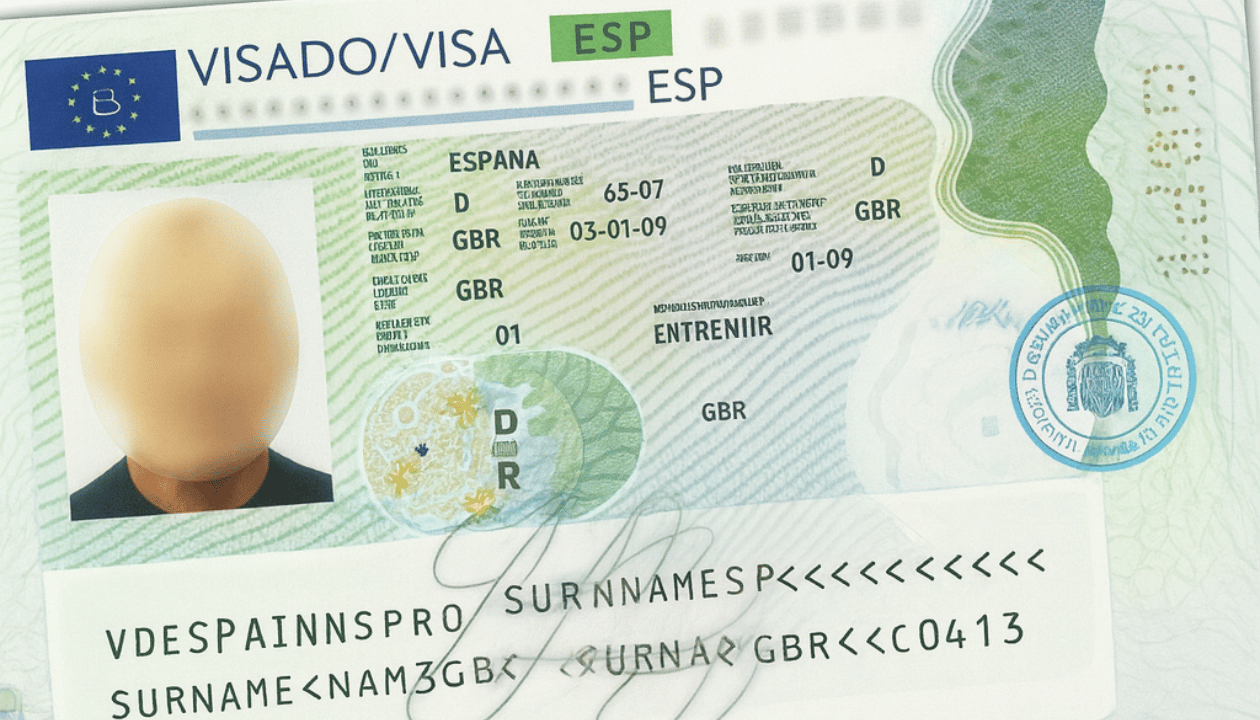
The Non-Lucrative Visa remains the top choice for retirees or remote earners who don’t plan to work locally. The income threshold is 400% of the IPREM (Spanish welfare index), which is €600 per month in 2025, so you must prove at least €2,400/month (€28,800/year) in income or savings.
The catch? Holders cannot legally work for Spanish employers, not even freelance clients within Spain. It’s perfect for those living off savings, pensions, or foreign income, but risky if your financial cushion is thin.
B. The “Immigrant” Visas: For Employment & Long-Term Settlement
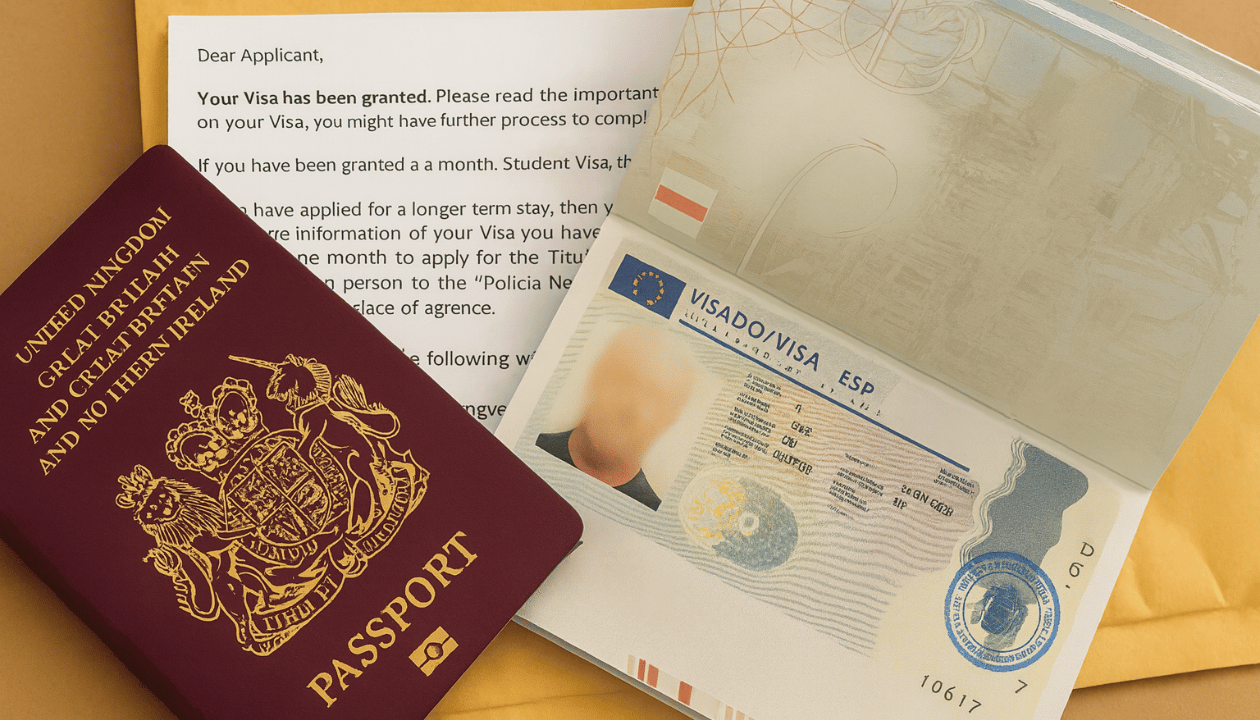
1. Work Visas and In-Demand Sectors
Spain’s labour market has slowly opened more pathways for non-EU workers, especially in healthcare, hospitality, construction, and tech.
The Work Visa process usually requires:
- A job offer from a Spanish employer,
- The role is on Spain’s shortage occupation list, and
- The employer is proving they couldn’t fill the position locally.
While it’s not the fastest route, it’s the most direct way to transition from “visitor” to “resident” especially for those seeking permanence and social benefits.
2. Arraigo (Rooting) Pathways: 2025 Simplifications
The “arraigo” programs for long-term or irregular residents got a major update in 2025. The Spanish government streamlined the process, making it easier for foreigners who’ve lived in Spain for at least two years (even without legal status) to regularize their stay through work, social ties, or training programs.
This reform reflects Spain’s recognition of reality: many who came temporarily have built full lives here.
C. The Golden Visa Exit
The once-popular Golden Visa, which granted residency through property investment of €500,000+, has officially phased out in 2025. The government confirmed it will stop accepting new applications by the end of the year, citing concerns about housing affordability.
If you’re still considering that route, the clock is ticking, and alternatives like the DNV or NLV may soon dominate Spain’s migration landscape.
The Culture Shock: What Moving “Really Means”
So you’ve got your visa. You’ve packed your bags. You’re ready for sangria at sunset and slow Mediterranean mornings.
Then reality hits, in the form of your first “cita previa” (appointment), a missing document, and a government office that only opens from 9:00 to 11:30 on alternate Tuesdays.

The Bureaucracy Reality
No matter your label or income, Spanish bureaucracy is the great equalizer.
You’ll need a NIE (Número de Identificación de Extranjero) to open a bank account, rent a flat, or sign up for healthcare. Once approved, it’s time to apply for your TIE (Tarjeta de Identidad de Extranjero) — your actual residency card.
And then comes the infamous cita previa system — online appointment slots that vanish faster than concert tickets. The trick? Persistence, flexibility, and sometimes a local gestor (agent) who knows how to work the system.
Here’s the silver lining: once you’re in the system, things tend to stabilize. Bureaucracy in Spain is frustrating, yes, but it’s also navigable with patience and good coffee.
Cost of Living vs. Wages
Spain’s beauty often hides a tough economic truth: high living costs and low local wages.
- In Madrid and Barcelona, rent for a one-bedroom apartment easily surpasses €1,200–€1,500 per month, while the average monthly salary hovers around €2,100 before tax.
- It’s why many foreigners rely on remote or foreign income — it’s the only way to enjoy Spanish life without financia AI
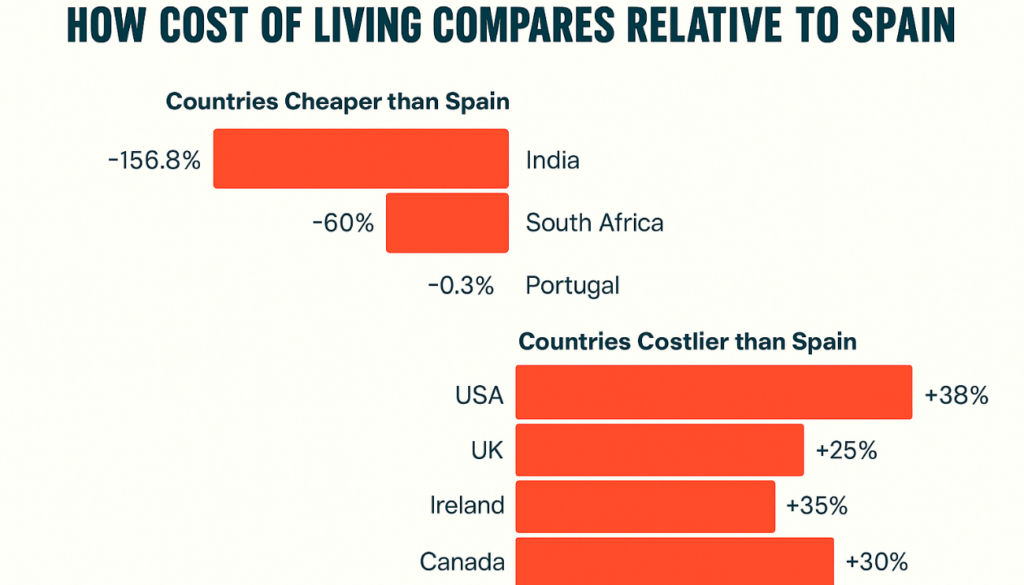
But if you look beyond the big cities, the math changes.
In Valencia, Granada, or Andalusia, rent can drop to €700–€900, and daily life is far more affordable — from groceries to healthcare.
For many, the trade-off between lower wages and a slower pace of life feels worth it.
Integration and Language
Here’s where the emotional side kicks in. Spain is open-hearted, but integration takes effort. Locals genuinely appreciate when foreigners try to speak Spanish, even imperfectly. In smaller towns, it’s essential, not just for paperwork, but for real connection.
The good news? Once you break the ice, Spanish people are famously warm. You’ll get invited to long lunches, local fiestas, and maybe even a family paella.
The bad news? Learning Spanish (or Catalan, if you’re in Barcelona) takes time, and relying too heavily on English-speaking circles can keep you on the outside looking in.
Healthcare and Lifestyle
Few countries strike the balance Spain does: excellent public healthcare and a lifestyle designed for well-being.
The public health system (SNS) is affordable, efficient, and ranked among the best in Europe. Many newcomers also add private coverage, which costs between €50–€120 per month and grants faster access to specialists.
And then there’s the lifestyle itself — the late dinners, long lunches, siestas, and community feel. For many expats-turned-immigrants, that’s the real reason they stay.
As one long-time resident put it, “I came for the weather. I stayed because life here feels human.”
Ready to Go Beyond Paperwork? Learn the Language, Live the Culture
Understanding visas and legal status is only part of the journey. Feeling truly at home in Spain comes when daily life starts to make sense in the language itself — in conversations, small routines, and the way people connect. Learning Spanish in a meaningful, personal way is what turns a stay into real integration, not just residence.
👉 Explore our Spanish Homestay Immersion Programme (SHIP) and experience Spanish as it is lived, spoken, and shared every day

You’ll live with a local host teacher and their family, enjoy daily Spanish lessons, and experience authentic culture through cooking, local events, and guided excursions. It’s more than studying, it’s living the language.
It’s a natural step for anyone who wants confidence, independence, and a deeper connection to life in Spain.
👉 Learn online. Live in Spain. Speak like a local. Explore your next step: [Join the SHIP Experience] or [Book a free consultation for private tuition].
Connect With Our Founder and Director
If you’re considering learning Spanish for life in Spain, cultural integration, or personal growth, our founder is happy to guide you.
Mónica Romero
Founder and Director, Spanish Express
📞 Phone / WhatsApp: +44 7903 867894
📧 Email: monicaromero@spanishexpress.co.uk
