

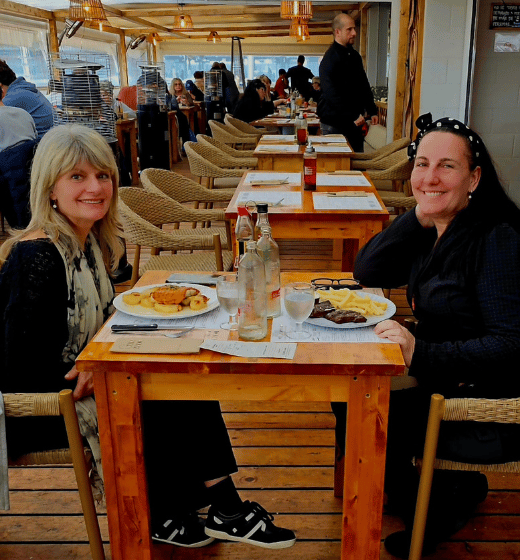
Spanish culture is synonymous with delicious food. From bustling tapas bars in Madrid to seaside paellas in Valencia, there are so many unique culinary experiences to be had here. You may have heard of some of the country’s most famous dishes, but the cultural practices behind the food are less talked about. In this short guide, we look at some of the things to know about the food culture in Spain.
A different pace of life
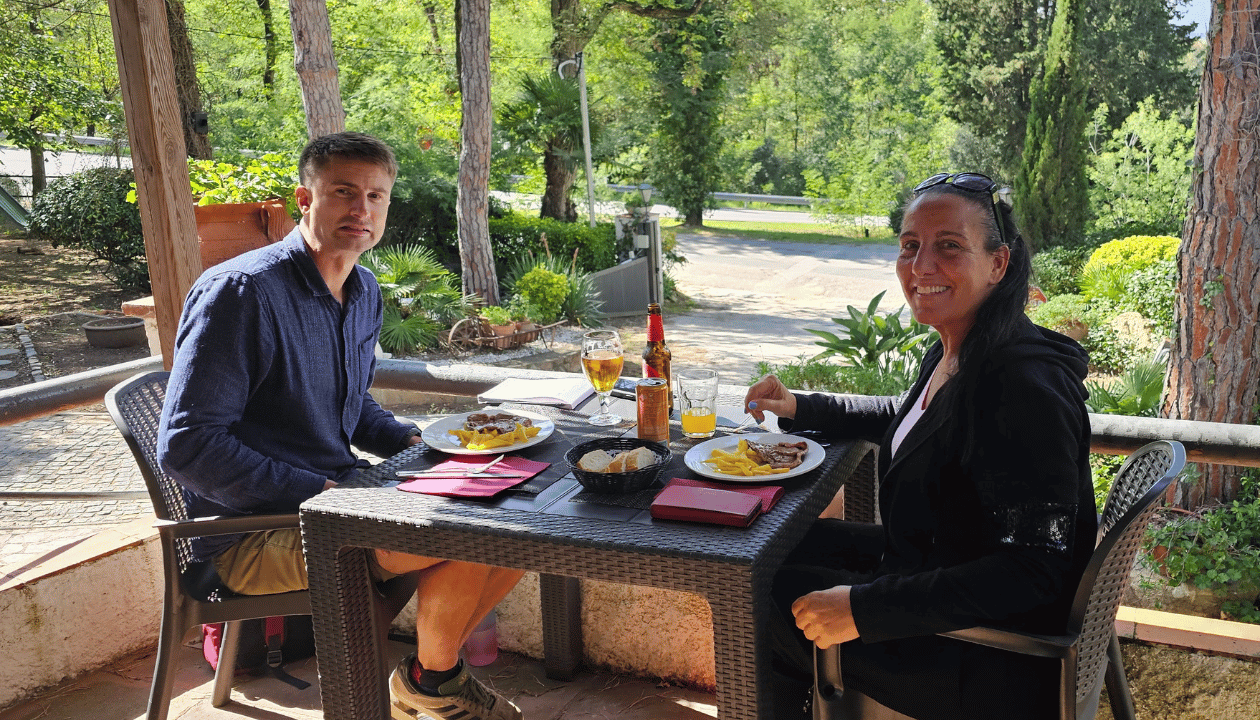
Dining in Spain is about more than just refuelling your body – it also provides an opportunity to connect socially and take the time to simply enjoy the company of your loved ones. In many parts of Spain, lunch is the biggest and most important meal of the day – it’s a leisurely experience that’s rarely rushed, and almost always involves multiple courses. Traditionally, particularly in smaller towns and villages throughout the country, businesses have always closed in the afternoons, to allow time for a siesta and a long lunch.
As lunch is the main meal for many in Spain, smaller snacks are often enjoyed throughout the day, from morning through to late evening. People often eat their last meal of the day late at night – around 10 or 11 p.m. – again reflecting the more laidback way of life here.
Tapas as a social ritual
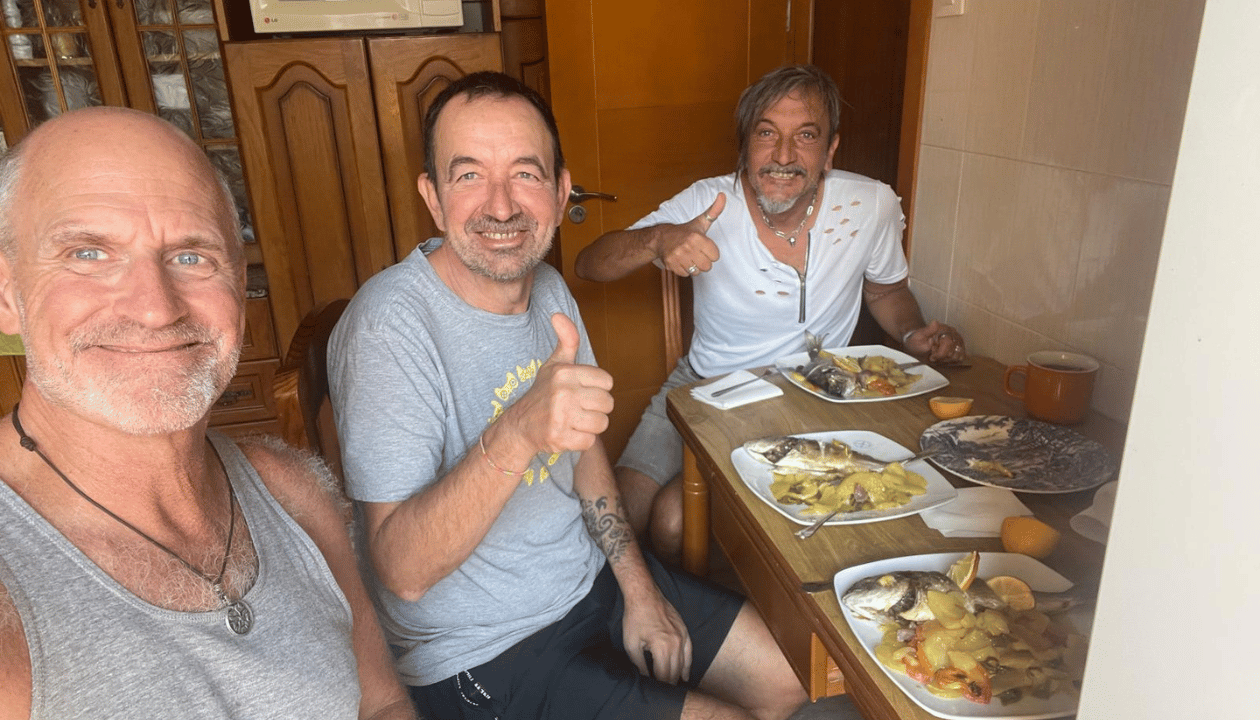
As we’ve discovered, food and socialising are very much intertwined in Spanish culture, and tapas is a big part of this. These small plates are meant to be shared, and enjoyed at a leisurely pace over good conversation. ‘Tapeo’, the practice of tapas hopping, is often enjoyed, whereby locals move from bar to bar, having a bite to eat at each place they stop.
In many places in Spain, complimentary tapas are served with the purchase of a drink. This is tradition in places like Granada and Andalusia, although it shouldn’t always be expected – it’s served at the discretion of the restaurant, as a token of their generosity.
Diverse regional dishes
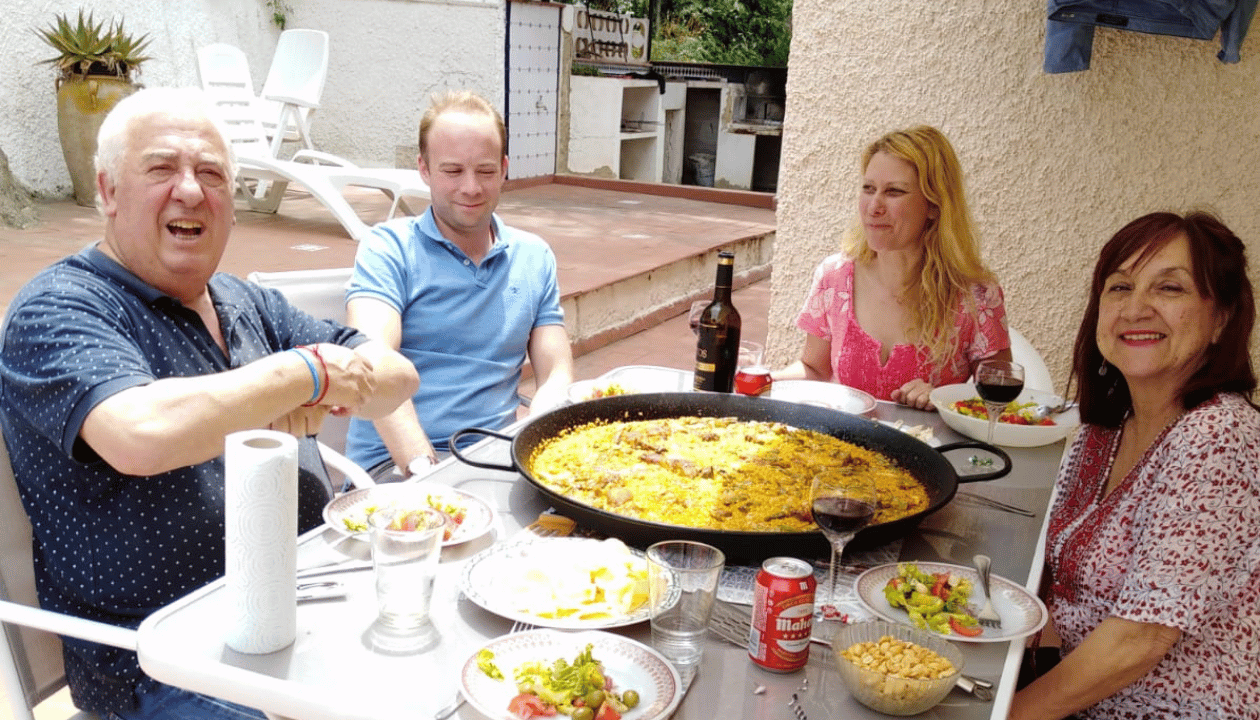
Each region of Spain has its own unique culinary flavours reflective of the culture and local produce:
● Valencia is famous for its paella, which is traditionally made with chicken and rabbit, but today is more commonly enjoyed as a seafood dish.
● Andalusia is known for its cold soups, namely gazpacho and salmorejo, that speak to the region’s hot climate and Moorish roots.
● In the Basque Country you’ll find pintxos, which is similar to tapas but often skewered or served on bread. Of course, basque cheesecake is another favourite from this region that reflects its innovative culinary spirit.
● Thanks to its rugged Atlantic coastline, Galicia is known for its seafood dishes, particularly pulpo a la gallega, a local octopus dish.
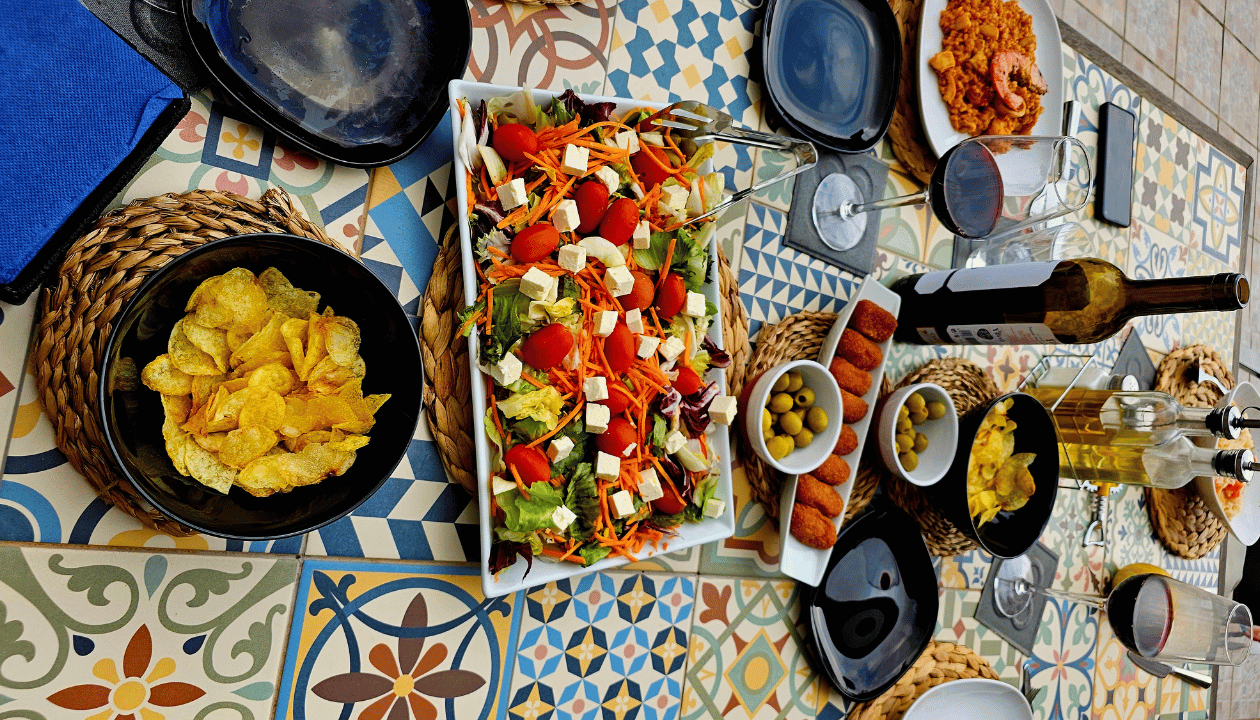
Even within regions, you’ll find that local towns and villages have their own unique flavours and styles of cooking that are reflective of each location’s history, culture, and local identity.
When it comes to experiencing new world cuisines, Spain is a country that has to be on your list. Here, you’ll enjoy more than just the flavours of the delicious food – there’s a whole world of unique culinary rituals and practices to be discovered that’ll change the way you view dining forever.
Author bio: Ellen James
Ellen is an avid explorer who enjoys discovering new tastes and innovative culinary techniques. She shares her top cooking tips on her travel blog, to help likeminded adventurers experiment with new flavours.