

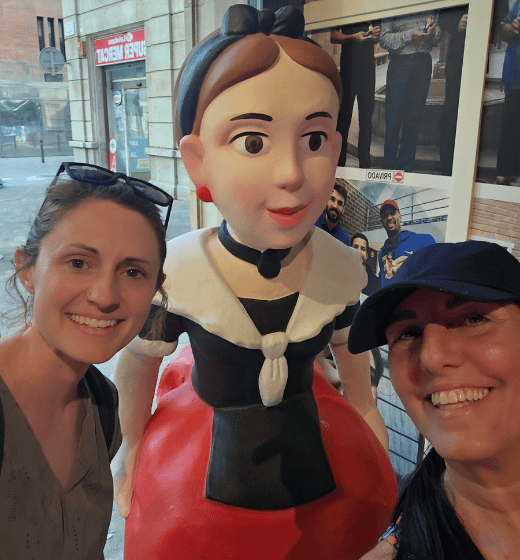
Learning Spanish becomes truly meaningful when language and culture meet in everyday life. During our Spanish Homestay Immersion Program (SHIP), students do more than study grammar or practice conversation. They live in their teacher’s house, share daily routines, and experience traditions that shape real life in Spain. One of the most surprising and memorable experiences we offer during the holiday season is discovering the Caganer tradition in Barcelona and across Catalonia.
This experience introduces students to a centuries-old Catalan Christmas tradition that blends humor, history, symbolism, and community values. Visiting caganer shops and markets allows learners to understand how culture, language, and tradition are deeply connected in the Catalan world.
What Is the Caganer?
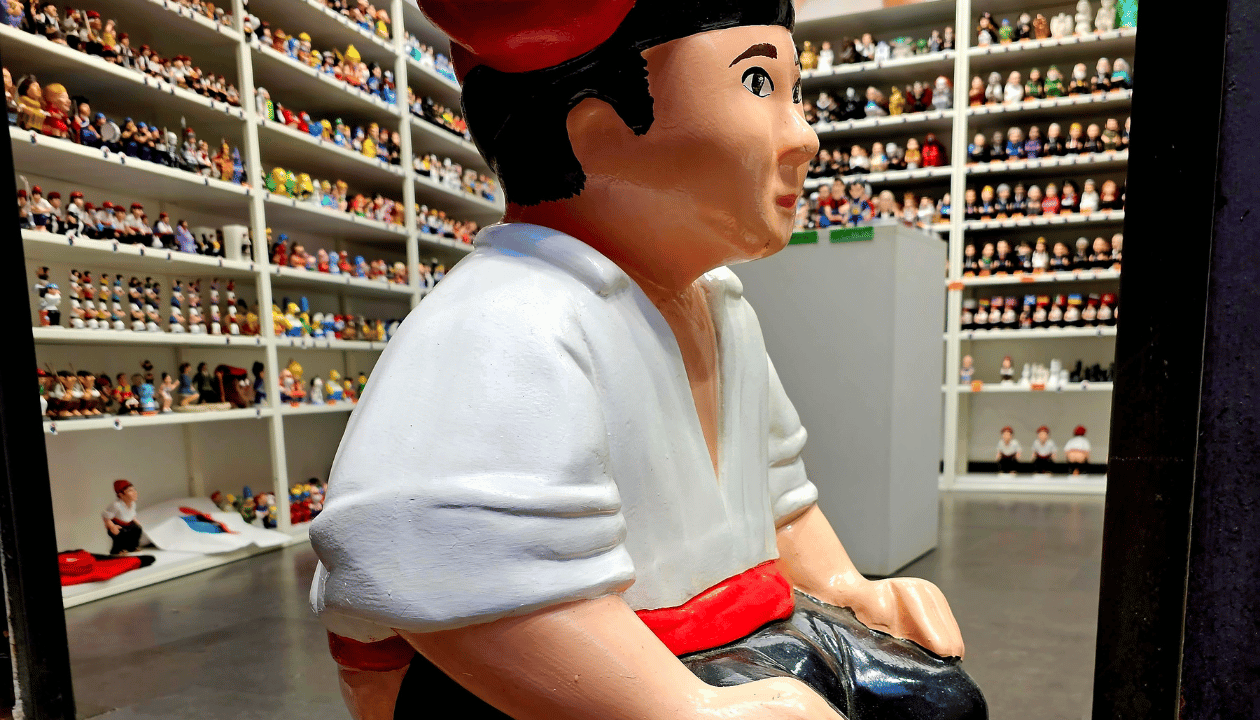
The word Caganer literally means “the one who poops.” While this might sound shocking at first, the Caganer figure is an integral part of the traditional nativity scene found in Catalan nativity scenes across the region. The figurine shows a squatting Catalan man, usually a peasant, with his pants down.
The traditional Caganer appears discreetly in the background of the nativity display, placed far from Mary, Joseph, and the Baby Jesus. This careful hiding adds an element of surprise and fun, especially for children, who enjoy searching for the figure during Christmas time.
Joan Amades, one of the most respected voices in Catalan folklore, described the Caganer as an essential piece of the Catalan nativity, not a joke or decoration added later.
Origins and History of the Caganer Tradition
The history of the caganer dates back to the late 17th century or early 18th century, during the Baroque period. Scholars believe the figure first appeared when rural life strongly influenced religious expression in Catalonia.
In agricultural societies, the act of defecation symbolized fertility. The feces of caganers were viewed as fertilizing the land, representing a promise of prosperity, abundance, and good fortune in the coming year. Far from bringing bad luck, families believed that including a caganer in the nativity helped ensure a successful harvest.
This belief has been passed down through generations, making the aganer tradition a deeply rooted Catalan tradition rather than a modern invention.
Humor, Humanity, and Sacred Balance
The act of defecation within the nativity scene is intentionally funny and earthy. The Caganer serves as a reminder of the natural, unpretentious side of life. It balances the sacred story of Christmas with everyday human reality.
This blending of the divine and the mundane reflects Catalan culture, where humor and realism often accompany spiritual expression. The Caganer symbolizes inclusivity, reinforcing the belief that everyone in the world is fundamentally the same, regardless of status or position.
For families, this tradition turns the nativity into a living story, encouraging curiosity, laughter, and shared storytelling.
The Traditional Caganer Figure
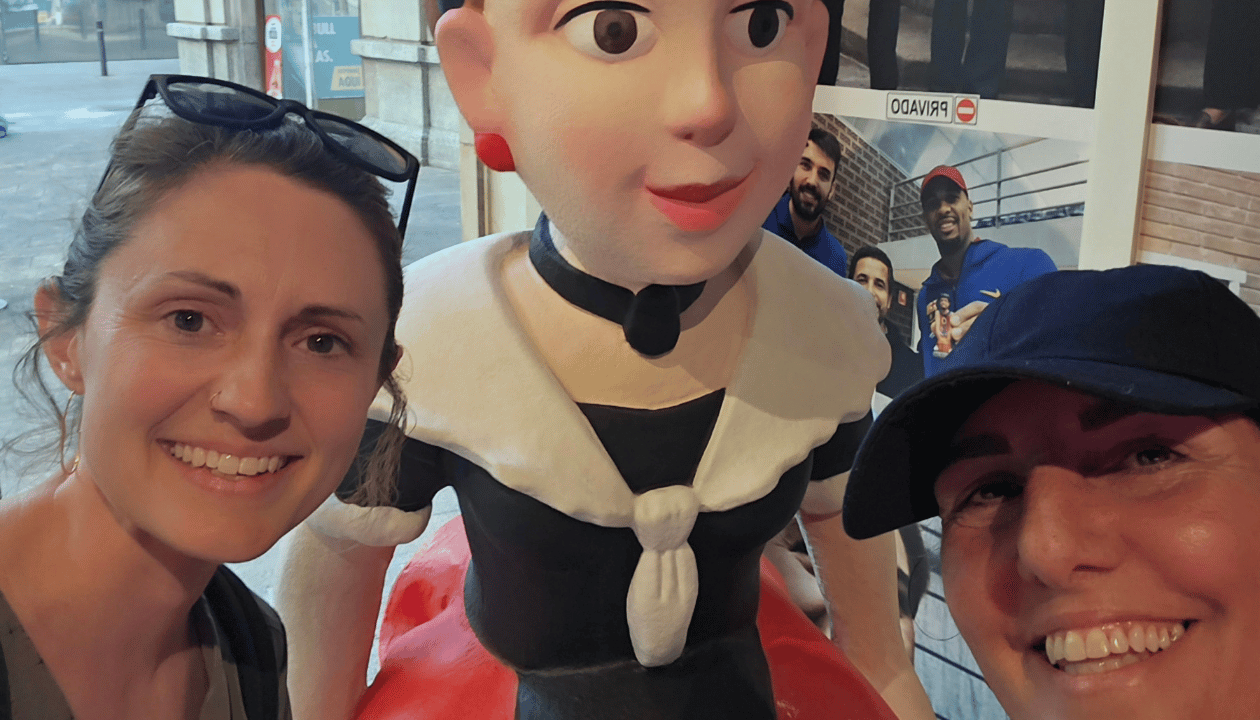
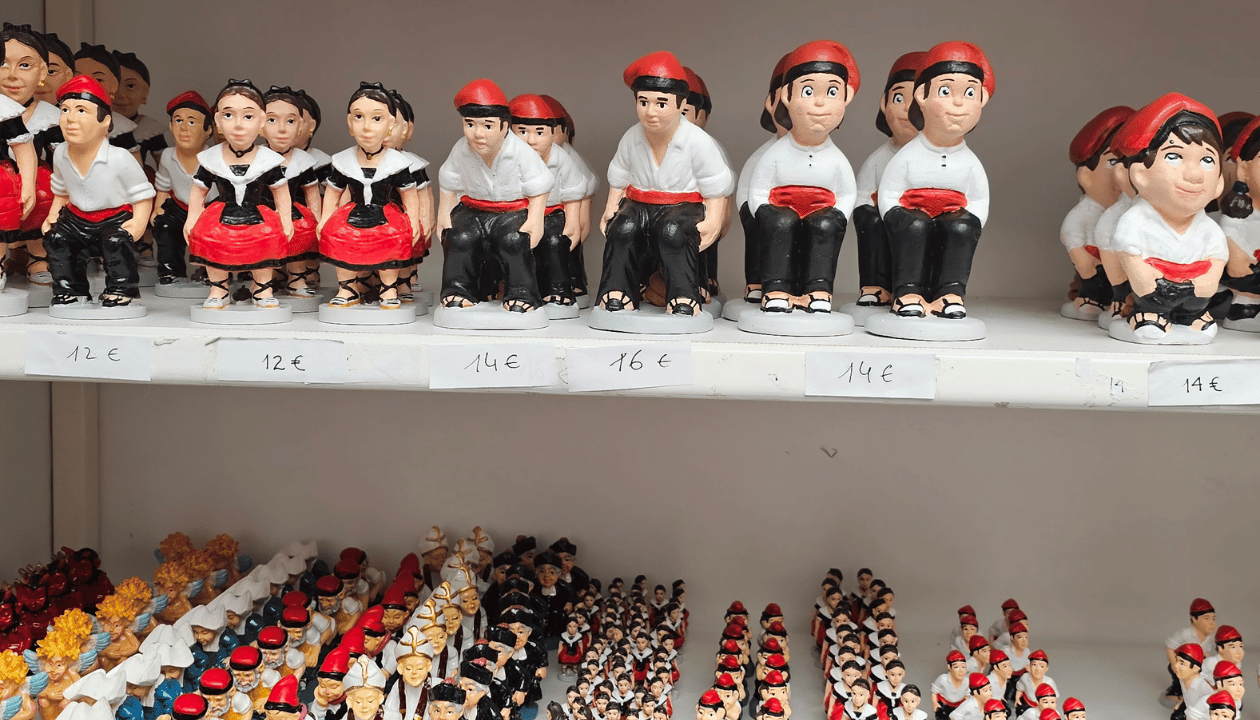
The traditional figure usually wears a white shirt, dark trousers, and a red cap. He represents a rural Catalan peasant, reflecting everyday life rather than idealized religious imagery.
Placed away from the main characters, the Caganer is never positioned near Mary, Joseph, or the shepherds. This respectful distance preserves the sacred focus while allowing space for humor.
The Caganer serves as both a symbol of fertility and a reminder that daily life continues even during holy moments.
Modern Caganers and New Figures
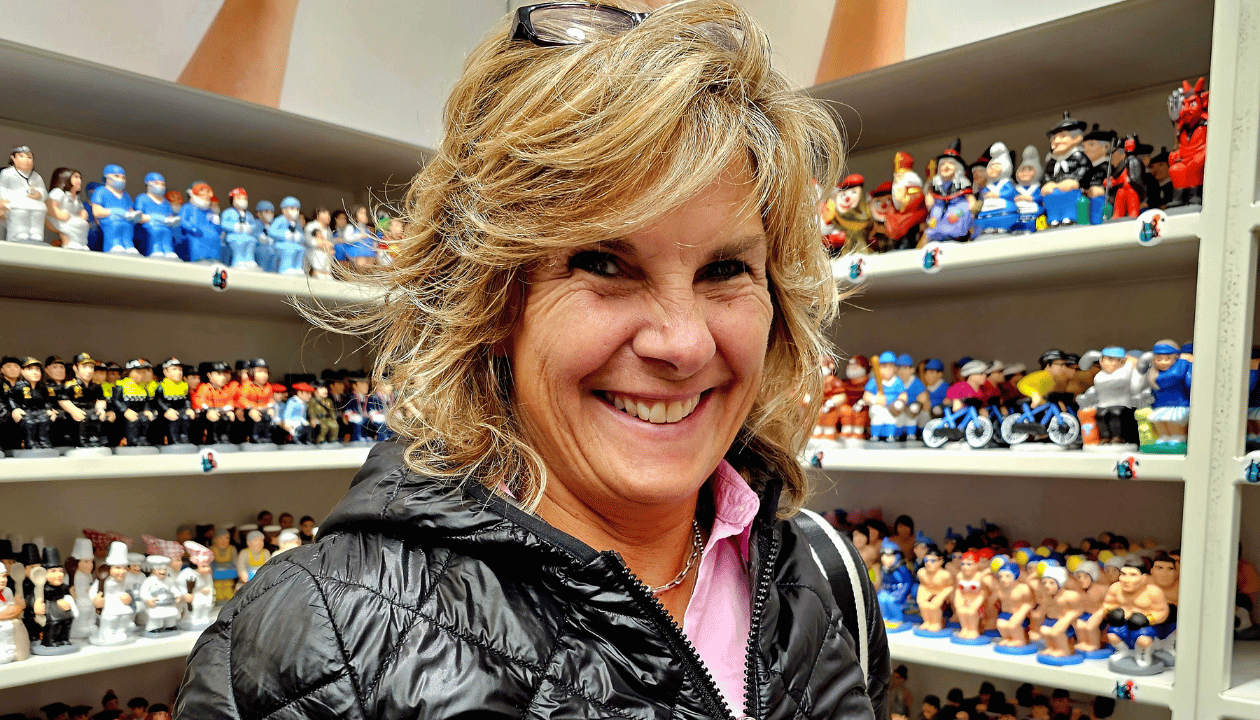
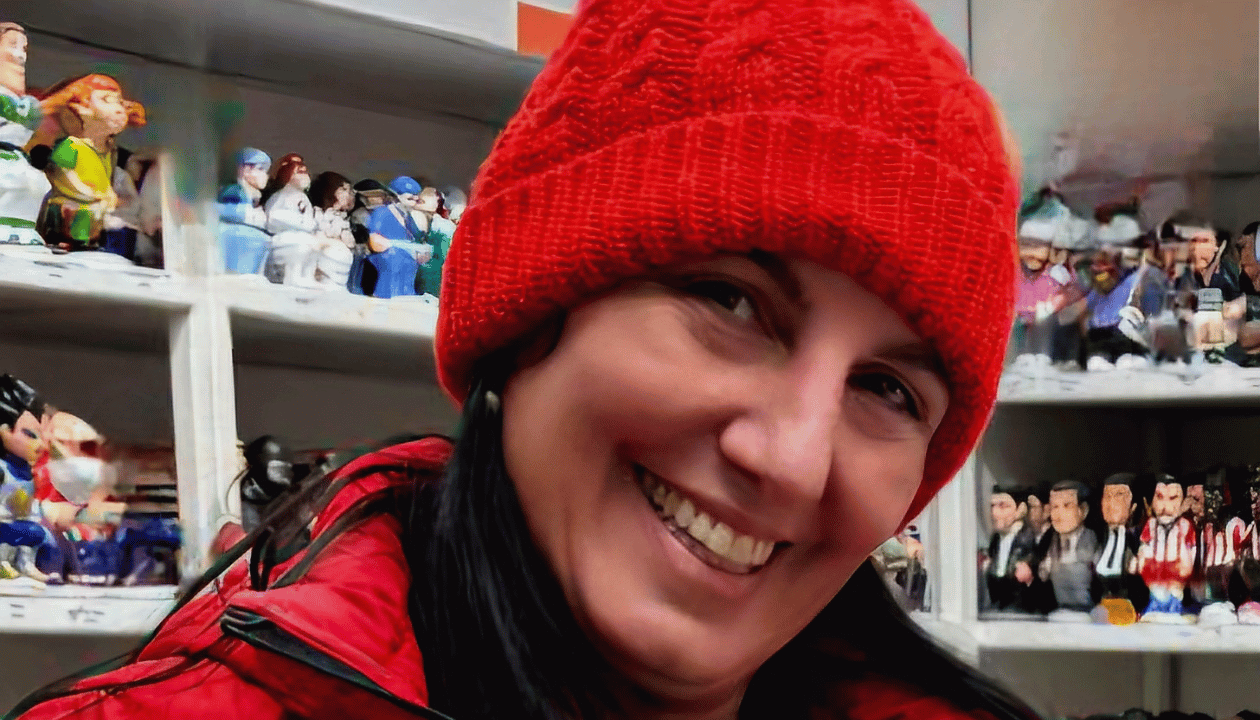
Over time, new figures have expanded the tradition. Today, caganers depict famous people, politicians, athletes, and even fictional characters, showing how the tradition reflects current events.
Modern caganers act as humorous social commentary. They reflect public sentiment, satire, and cultural shifts while remaining tied to the original symbolism of luck and prosperity.
Because of this evolution, many visitors choose to buy their own Caganer as a keepsake or gift, blending tradition with personal meaning.
Caganers in Barcelona: Where to Find Them
The easiest time to find caganers is during the holiday season. In Barcelona, the most famous place is the Fira de Santa Llúcia, located in front of the Cathedral of Santa Eulalia.

Fira de Santa Llúcia showcases hundreds of Caganer designs, from traditional clay figurines to modern porcelain creations.
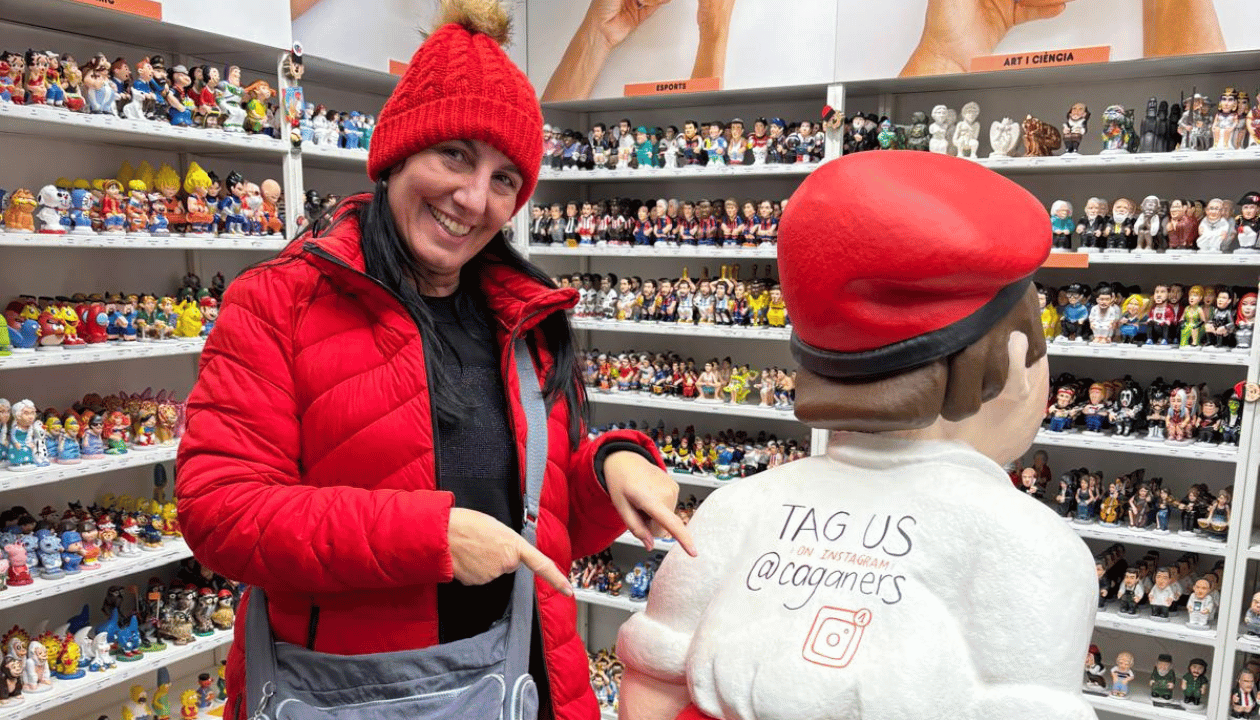
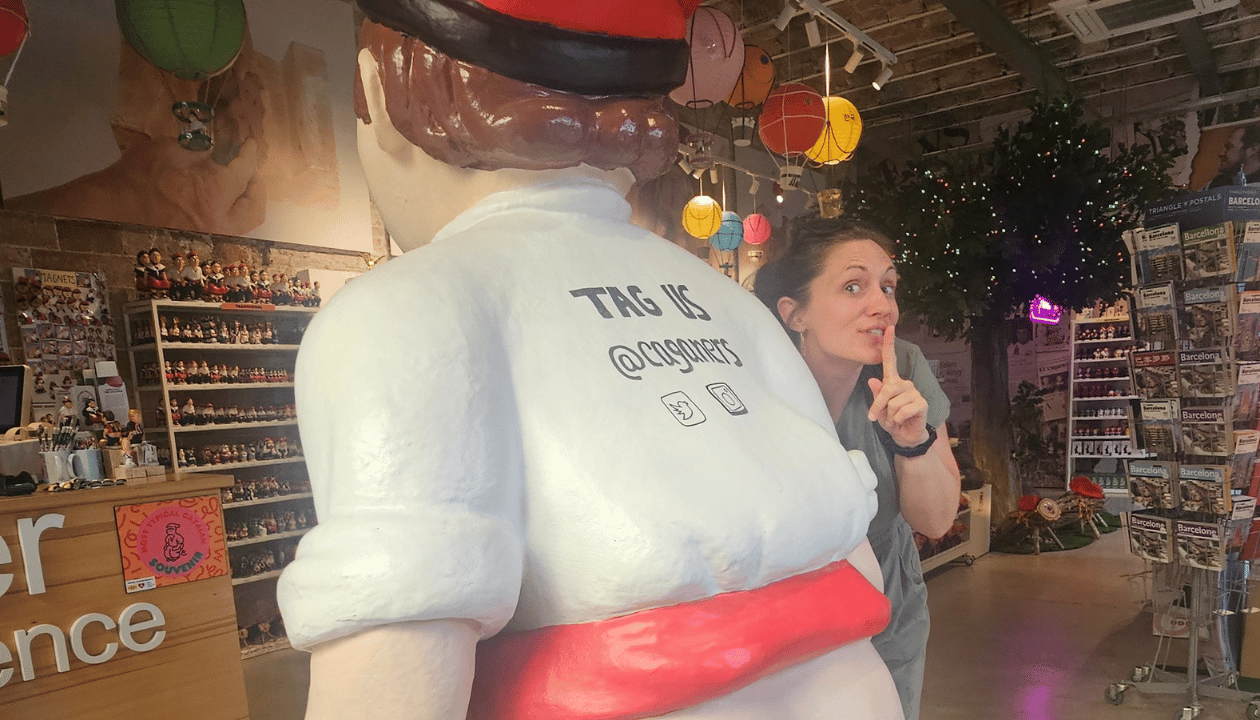
Souvenir shops in the Gothic Quarter and along Las Ramblas sell caganers year-round, allowing visirs to experience this unique Catalan tradition beyond Christmas Eve. The official store, Caganer.com, has several shops across Barcelona and other locations as well. In addition, they offer the Caganer Experience, which is a fun and engaging way to learn more about this iconic tradition.
Caganers, Children, and Family Traditions
One of the most joyful aspects of the caganer tradition is how it involves children. Parents encourage kids to search for the hidden figure in the nativity, turning the scene into an interactive game.
This activity strengthens family bonds and helps pass the tradition to younger generations. It also introduces children to Catalan customs, humor, and symbolism in an accessible way.
Related Catalan Christmas Traditions
The Caganer is part of a broader set of Catalan Christmas celebrations, including Tió de Nadal, also known as Caga Tió.
Tió de Nadal involves children beating a log while singing, encouraging it to “poop” out gifts. Together, these traditions highlight how humor and joy shape Catalan Christmas customs.
Learning Spanish Through Cultural Immersion
During our homestay immersion experience, students explore these traditions alongside their host teachers. Visiting markets, watching explanatory video content, and participating in workshops to paint a figurine help students practice language skills naturally.
They learn vocabulary connected to culture, art, history, and everyday conversation, making the learning experience authentic and memorable.
Why the Caganer Matters Today
The Caganer remains a symbol of Catalan identity. It reflects how tradition adapts while staying meaningful. From its origins in rural life to its modern forms, the caganer tells a story of humor, resilience, and inclusivity.
For visitors to Spain, discovering the caganer is often their first place of deeper cultural understanding beyond textbooks and tourist attractions.
Experience the Caganer With Us
Experiences like the Caganer show that language comes alive when it is learned inside real culture, not only from books. Through the Spanish Homestay Immersion Program (SHIP), students and busy professionals live with their teacher, share daily life, and learn Spanish naturally through traditions, conversations, and everyday routines.

The program is also ideal for executives and business learners who want practical and Business Spanish in a flexible, personalised way.
You can read real stories from professionals and other students who joined SHIP in our dedicated category:
👉 SHIP Student & Professional Experiences
Mónica Romero
Founder and Director, Spanish Express
📞 Phone / WhatsApp: +44 7903 867894
📧 Email: monicaromero@spanishexpress.co.uk
