

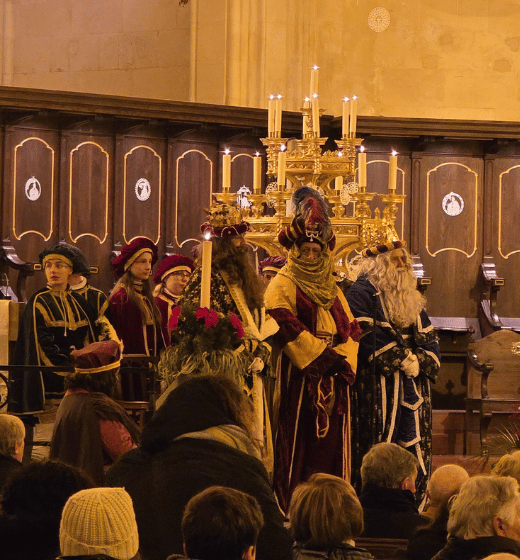
Every year on the evening of January 5th, the historic streets of Ciutadella de Menorca fill with light, music, and excitement during the Three Kings Parade (La Cavalcada de Reis). In December, the festive atmosphere in Menorca begins to build, with holiday preparations, special events, and celebrations leading up to the parade.
On the island of Menorca, the Three Kings arrive by sea in Maó and Es Castell on the afternoon of January 5th, while in Ciutadella, Alaior, Es Mercadal, Ferreries, and Es Migjorn, the Kings make their entrance on horseback or in a carriage before the celebrations in Ciutadella begin. This much-loved celebration marks the arrival of Their Majesties, the Three Kings, and announces the beginning of Epiphany, one of the most important dates in the Spanish festive calendar.
In Ciutadella, this event is more than a parade. It is a living tradition that brings together history, faith, family, and unforgettable memories, especially for children, as the community comes together to celebrate.
Introduction to the Celebration
The celebration of Three Kings’ Day, or Kings’ Day, is one of the most cherished traditions in Spain, and nowhere is its magic felt more deeply than on the island of Menorca. As the holiday season draws to a close, excitement fills the air in anticipation of the arrival of the three wise men—Melchior, Gaspar, and Balthasar—who journey from the East to visit the baby Jesus, bearing gifts of gold, frankincense, and myrrh. This important day is marked by the traditional parade, known locally as the Cabalgata de Reyes, which transforms the city centre into a vibrant stage of color, music, and joy.
As the three kings pass through the streets, the whole family gathers to celebrate, with all the children eagerly waiting to catch a glimpse of the procession. The parade is a highlight of the celebration, as the wise men distribute sweets and collect letters from many children, their faces filled with wonder and excitement. The arrival of the kings is a moment of pure magic, uniting families and friends in a shared sense of joy and anticipation. In the same way that Christmas brings people together, Three Kings Day is a time when the city comes alive with entertainment, laughter, and the spirit of giving. It is a celebration that captures the heart of the island, making it an important day for families to come together, celebrate, and create memories that will last a lifetime.
The Meaning of Epiphany and the Three Kings in Spain
In Spain, Christmas celebrations do not truly end until January 6th, known as Día de Reyes or Three Kings’ Day, which is celebrated throughout the country. This day commemorates the biblical story of the Three Wise Men (los Reyes Magos), who followed a star to Bethlehem to visit the newborn Jesus and offer him gifts.
For many families, this is the most anticipated moment of the festive season. The Three Kings are the primary gift-givers in Spain, and the night of January 5th is especially significant for children as they await their presents. Rather than Santa Claus, it is the Three Kings who traditionally bring presents, making Epiphany a deeply rooted and emotional celebration across the country.
History and Cultural Significance
The celebration of Three Kings Day, or Kings Day, is woven deeply into the fabric of Spanish culture, with roots stretching back to the 4th century. Inspired by the biblical account, the tradition centers on the journey of the Three Wise Men—Melchior, Gaspar, and Balthasar, who followed a shining star across the desert to Bethlehem, bearing gifts of gold, frankincense, and myrrh for the baby Jesus. This story, rich in religious significance, has shaped the way Spain marks the end of the holiday season.
Over the centuries, the arrival of the Three Kings has become the most important day for children across Spain. While Christmas is celebrated, it is on Three Kings Day that children truly feel the excitement and anticipation, as they await the gifts brought by the wise men. The tradition is not only about receiving presents; it is a celebration that brings families together, filling homes with joy, laughter, and the warmth of shared memories. The day is marked by visits to local churches, where the religious roots of the celebration are honored, and by lively gatherings filled with entertainment, music, and traditional food.
For many, the magic of Kings Day lies in its ability to blend faith, family, and festivity. The story of the wise men’s visit to Bethlehem is retold in homes and churches, reminding everyone of the values of generosity and hope. As the most important day of the year for children, Three Kings Day is a cherished tradition that continues to inspire excitement and wonder, making it a highlight of the Spanish holiday season.
Writing Letters to the Three Kings: A Cherished Tradition
In the days leading up to the Three Kings Parade in Ciutadella, both children and not-so-children take part in the beloved tradition of writing a letter to the Three Kings. In these letters, they share their wishes and include a list of the presents they hope to receive.
For children, it is a moment full of imagination and excitement. For adults, it often becomes a nostalgic ritual that reconnects them with their own childhood memories. These letters are usually delivered to the Kings’ pages before the parade or placed in special collection points around the town, building anticipation and adding to the magic of the night.
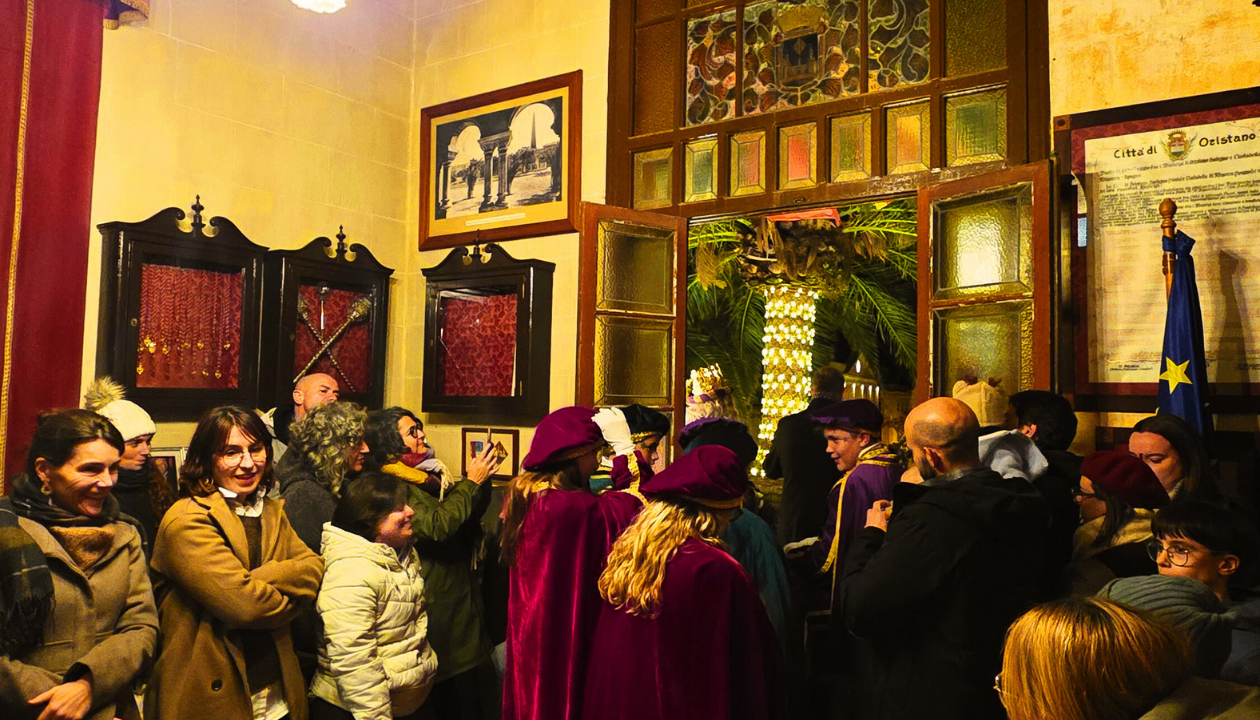
The Three Kings: Who They Are and What They Represent
The Three Kings are known as Melchior, Gaspar, and Balthasar. According to Christian tradition, they were wise men from the East, guided by knowledge, faith, and astronomy. Each King brought a gift with deep symbolic meaning: gold, incense, and myrrh, offerings that reveal the identity and destiny of the child they came to honour.
King Melchior and the Gift of Gold
Melchior, often depicted as the eldest King, represents wisdom and experience. His gift of gold symbolises royalty and power. In ancient times, gold was associated with kings and authority, and by offering it, Melchior recognised Jesus as a king, even though he was born in humble surroundings.
King Gaspar and the Gift of Incense
Gaspar, traditionally portrayed as younger, brings the gift of incense. In the ancient world, incense was widely used in religious rituals, as its rising smoke symbolised prayers reaching the divine. This gift represents divinity and worship, acknowledging Jesus as someone worthy of spiritual reverence.
King Balthasar and the Gift of Myrrh
Balthasar, often depicted as coming from Africa, represents humanity and diversity. His gift, myrrh, was a valuable resin used in perfumes, medicine, and burial preparations. It symbolises mortality, suffering, and sacrifice, highlighting the human destiny that awaited Jesus later in life.
Together, gold, incense, and myrrh represent kingship, divinity, and humanity, forming the core symbolic message of Epiphany.
A Special Welcome at the Ciutadella Town Hall
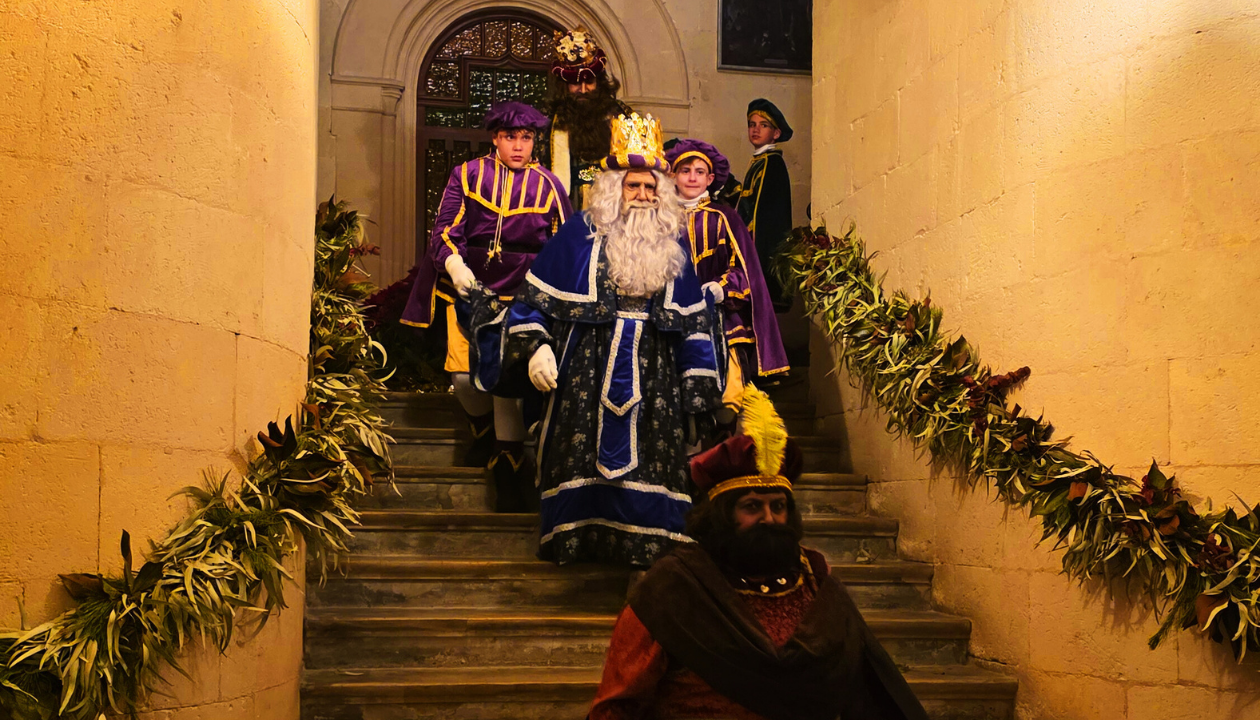
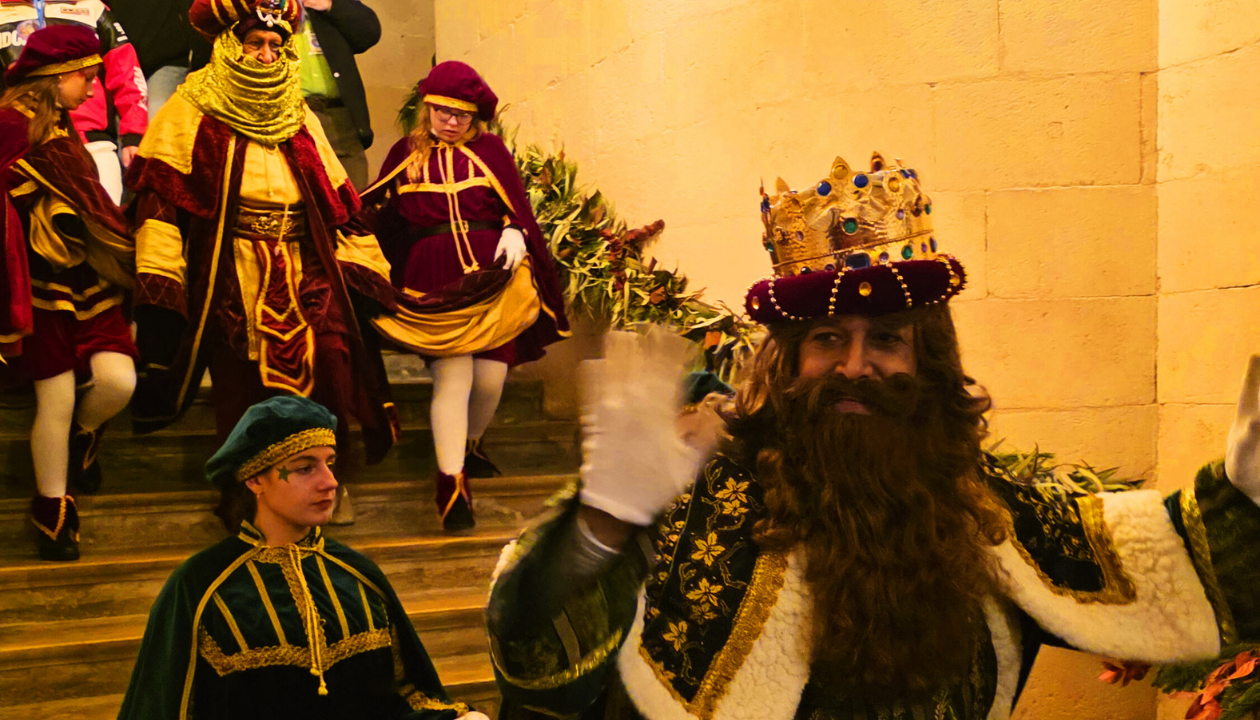
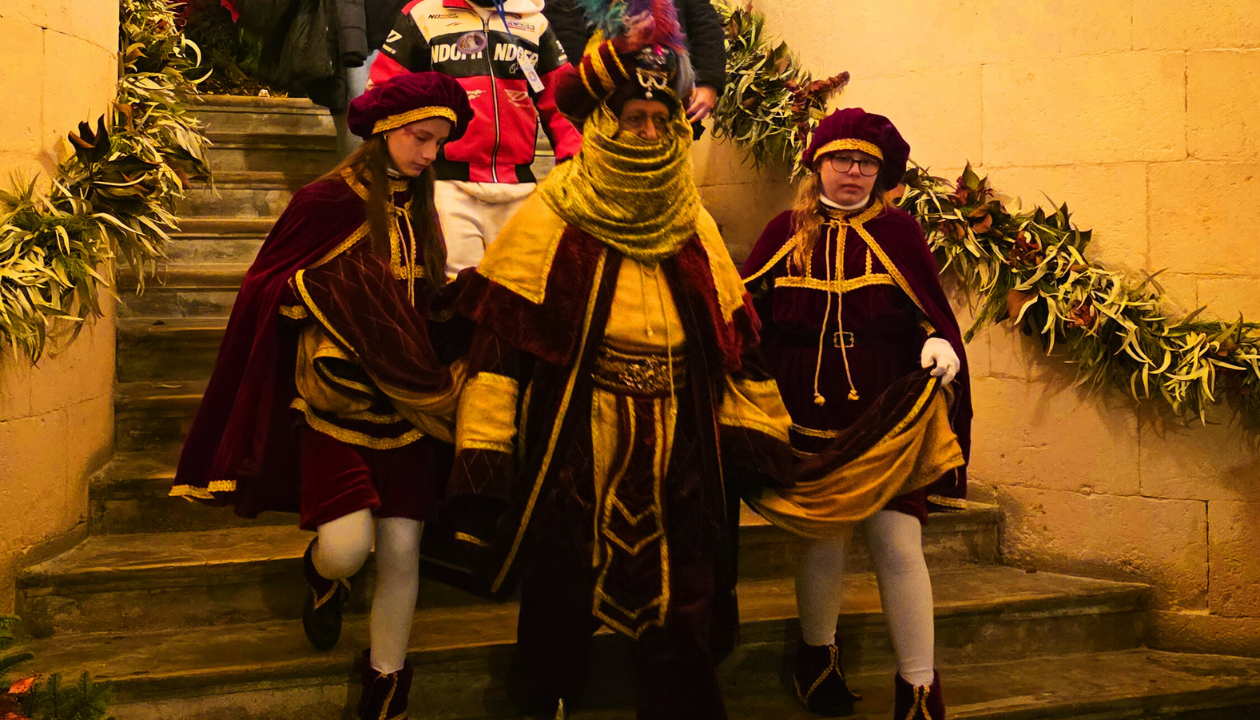
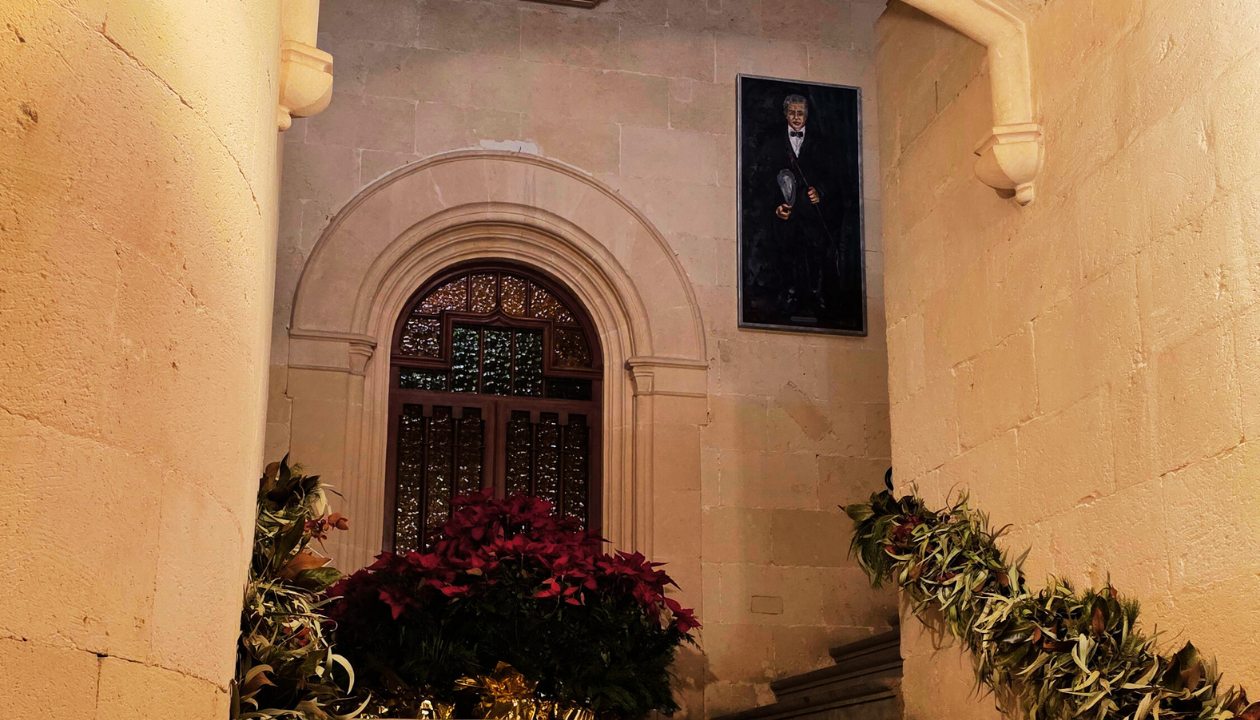
This year’s Three Kings celebration was particularly meaningful for me, as I was invited to the Ajuntament de la Ciutadella to officially welcome Their Majesties, the Three Kings. The Ajuntament de la Ciutadella, located in the iconic Plaça des Born, is one of the town’s most emblematic buildings and a true symbol of its historical importance.
Being part of this official reception offered a unique and privileged perspective on the tradition. At the end of the parade, the Kings are formally welcomed by city officials, who often present them with the symbolic keys to the city. It also brought back beautiful childhood memories of going to the parade with my parents and my brother. For us, it was one of the best days of our lives, a tradition filled with excitement, wonder, and family togetherness that we will always treasure.
The Parade Route and Participants
As dusk falls on January 5th, the city centre of Ciutadella comes alive with the vibrant spectacle of the traditional parade, known as the Cabalgata de Reyes. The Three Kings, accompanied by their loyal pages, camels, and a dazzling array of floats, make their way through the winding streets, greeted by crowds of excited families and all the children who line the usual route. The air is filled with music and laughter, as the wise men wave to the crowds and toss handfuls of sweets to eager hands.
The parade weaves its way past historic landmarks and bustling squares, often culminating at a local church or the town hall, where the Kings are welcomed with cheers and celebration. Many children, dressed in colorful costumes, join the procession, their faces lit up with anticipation and joy. Along the way, the Three Kings collect letters from children, each one filled with hopes and wishes for the coming year.
On the night of January 5th, parades known as Cabalgata de Reyes are held in many Spanish cities, including Madrid and Seville. In Seville, the Three Kings Parade follows a circular route that includes various streets, squares, and avenues.
The magic of the evening lingers long after the last float has passed. As night settles over the town, families return home to continue the celebration, sharing traditional treats and preparing for the morning’s surprises. On the morning of January 6th, children rush to find their shoes filled with gifts from the Three Kings, a moment of pure delight that marks the true beginning of Kings Day. The parade is more than just a procession—it is a celebration of community, tradition, and the enduring magic that fills the streets of Ciutadella every January.
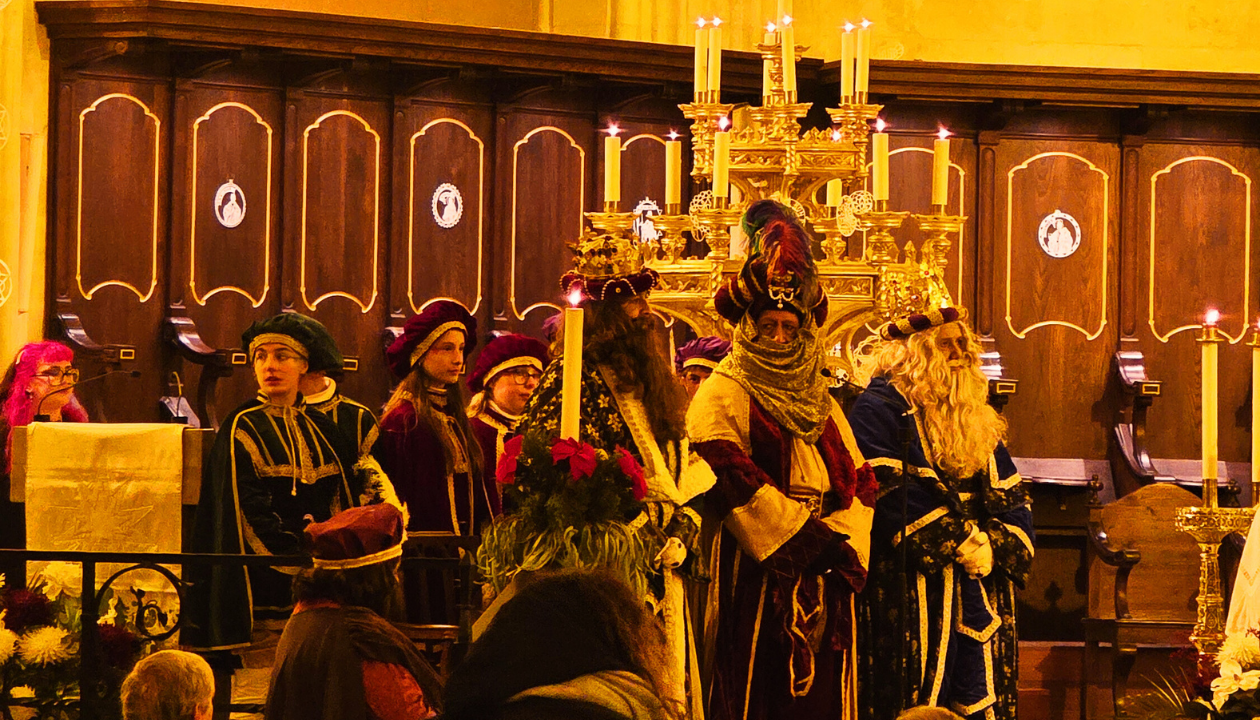
The Three Kings Parade Through the Streets of Ciutadella
As night falls, the Three Kings Parade in Ciutadella begins its highly anticipated tour through the historic centre, traditionally held on the evening of January 5th in many towns and cities. The parade’s route often includes a procession through the main streets, accompanied by music and elaborate floats. The Kings arrive in grand style, often on horseback or in beautifully decorated carriages, accompanied by pages, musicians, and performers in traditional costumes. Families gather to watch the parade featuring elaborate floats, performers, and music on January 5th, attracting large crowds of families and children. The festivities often reach their peak in the early hours, with celebrations and activities continuing late into the night.
The narrow stone streets, illuminated by soft lights and lanterns, create a magical atmosphere. Homes and streets are decorated with traditional ornaments, including the Christmas tree, which is often adorned with figures of the Magi and other festive decorations. Children wave excitedly, trying to catch sweets and sometimes coal tossed by the Kings and their helpers, and watch in awe as the procession passes through the town. During the parade, the Three Kings distribute sweets to children and collect their letters with gift requests.
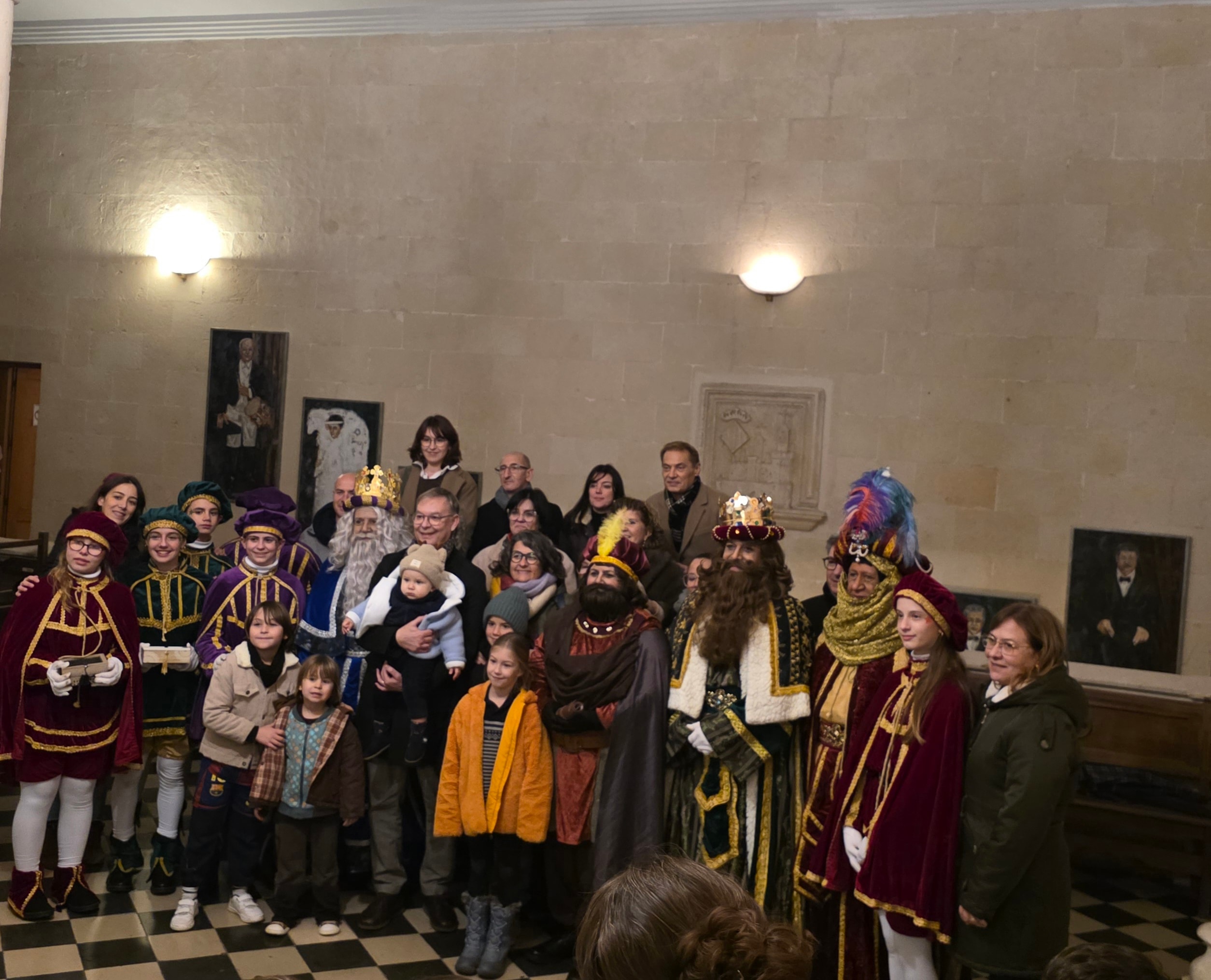
Community Spirit and Living Tradition
One of the most special aspects of the Three Kings Parade in Ciutadella de Menorca is its strong community involvement. Many participants are local residents who volunteer their time to keep this tradition alive year after year. People walk through the town, joining neighbors and friends as they make their way to the festivities.
Although similar parades take place throughout Spain, Ciutadella’s celebration stands out for its intimate scale, historic setting, and family-oriented atmosphere, making it especially memorable. The parade reinforces community bonds as whole villages gather to celebrate together.
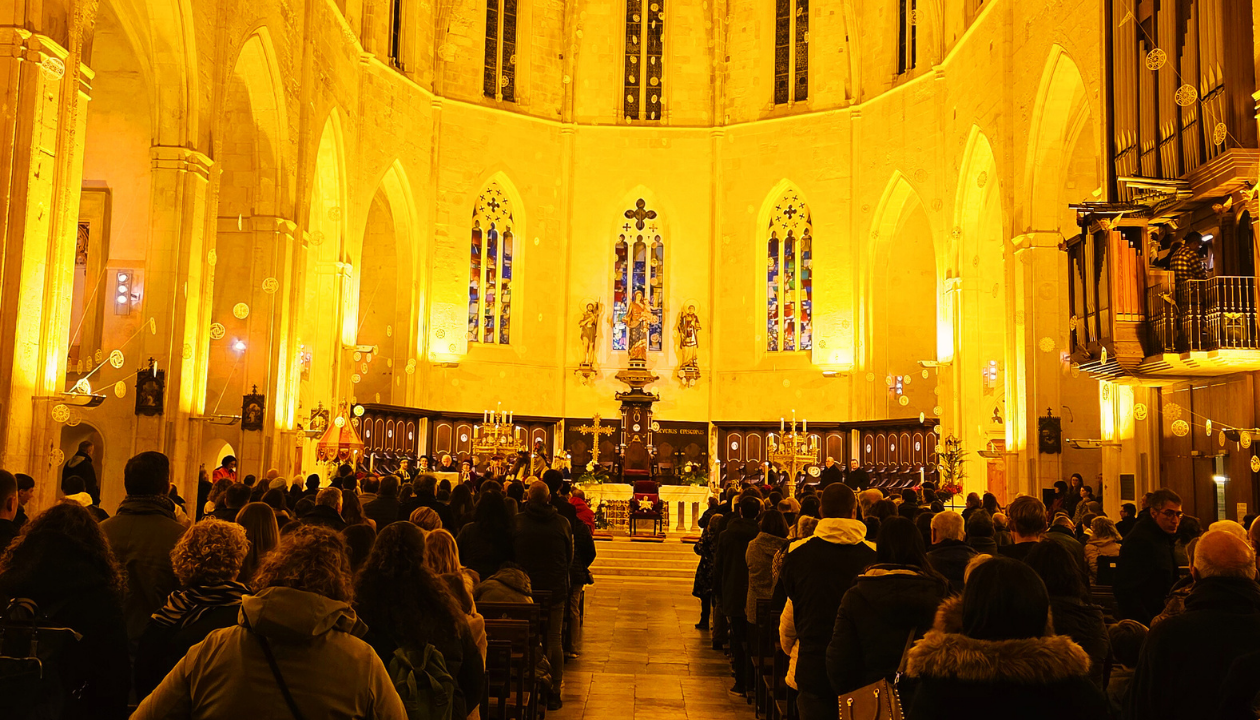
The Magic Continues on Día de Reyes
After the parade, the excitement continues at home. At their house, children in Menorca leave water and milk as drinks, turrón, and other food for the Kings and their camels, along with their shoes placed carefully near the door for the Three Kings to fill with gifts during the night of January 5th. In the morning, children find that the food and drink have been eaten, and discover the gifts left for them, adding to the magic of the tradition.
On the morning of January 6th, children wake up excited to find gifts left by the Three Kings. Families share the traditional Roscón de Reyes, a sweet ring-shaped cake eaten on Three Kings’ Day, often containing a hidden figure and a bean. The day after the parade, children in Menorca celebrate the Feast of Epiphany, receiving gifts from the Three Kings.
A Night That Brings the Magic Back to Life
The Three Kings Parade in Ciutadella de Menorca is much more than a festive event. It is a celebration of tradition, symbolism, and shared memories—one that connects generations and keeps the magic of childhood alive.
From writing letters and waiting for the King’s arrival to the symbolic gifts of gold, incense, and myrrh, and the historic welcome at the Town Hall, every moment of this night is filled with meaning. It is a reminder of the power of tradition and the joy of believing, even if only for one night, in a little bit of magic.
So now the question is: did you write your letter to the Three Kings? ✨
Living the Language Through Tradition and Community
If reading about the Three Kings Parade brought back childhood memories or sparked curiosity, you can experience this tradition in person next year. Celebrating Three Kings Day in Menorca means sharing the streets with local families, watching children’s excitement, listening to stories, and feeling the island come alive through one of its most meaningful nights.
Through the Spanish Homestay Immersion Programme (SHIP) in Menorca, students are invited to take part in local festivals like the Three Kings Parade while living with native host teachers. Language is learned through real moments such as writing letters, attending community events, sharing meals, and talking about traditions as they unfold.

If you would like to join us and experience the next Three Kings Day in Ciutadella while improving your Spanish in a natural and cultural setting, Spanish Express is now taking bookings for upcoming winter immersion stays.
You can contact our Founder and Director, Mónica Romero, for details and availability.
📞 +44 7903 867894
📧 monicaromero@spanishexpress.co.uk
