

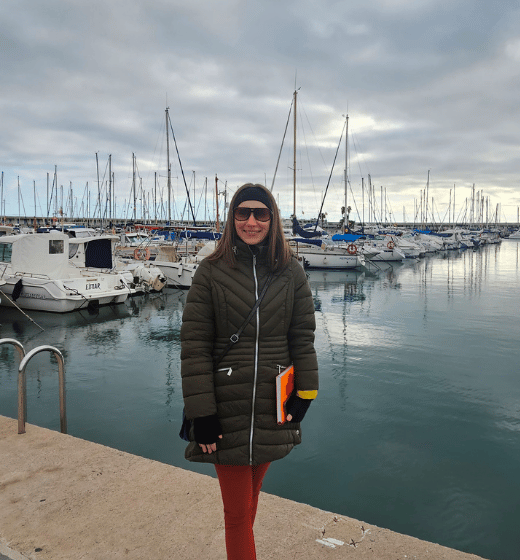
More people than ever want to live in Spain for its sunny climate, strong public services, and relaxed pace, especially compared to other Western European countries. So, all of them are searching for the best city in Spain to live in 2026.
Spain blends modern convenience with rich history, lively neighborhoods, and a daily rhythm built around good food, public spaces, and community.
But here’s the truth: the “best city” depends on your priorities. Some people want big-city job opportunities and a buzzing art scene. Others prefer coastal towns with stunning beaches, a mild climate, and a calm lifestyle. And many want a middle ground: a vibrant city with culture and convenience, but still an affordable cost and a smoother daily routine.

This guide is written for 2026 planning. Let’s start with the best ones.
1) Barcelona — Vibrant City Life, Stunning Architecture, and a Rich Cultural Scene
Barcelona is one of the most recognized Spanish cities on the global stage, and for good reason. It’s known for a vibrant atmosphere, a rich cultural heritage, and a truly rich cultural scene that spans museums, design, fashion, music festivals, and neighborhood traditions.

Why Barcelona can feel like the best city in 2026
Barcelona offers a high-energy version of city life that still keeps you close to the sea. You can live near the city center, explore public spaces and markets, and still reach beautiful beaches in minutes. For many people, that mix alone makes Barcelona the best city for a modern lifestyle in 2026.
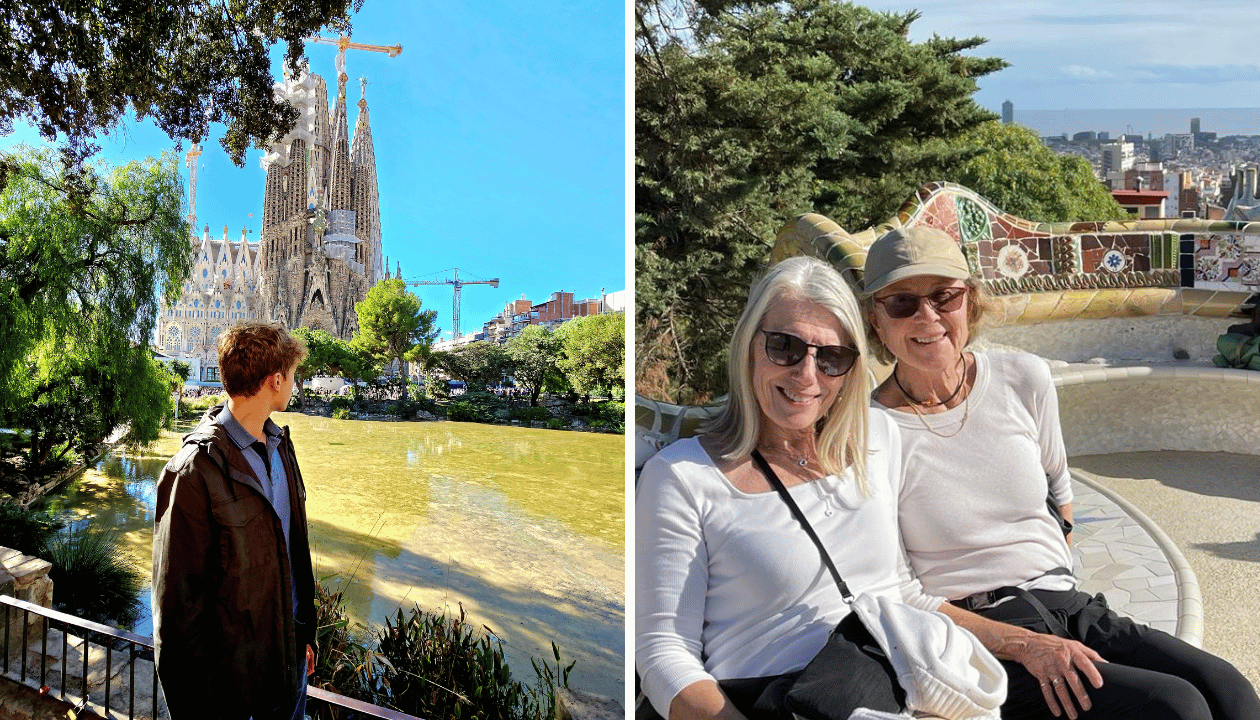
It’s also famous for its stunning architecture. Barcelona is known for Gaudí’s magnificent works, such as La Sagrada Familia and Park Güell, and these landmarks are part of why it’s a popular tourist destination, but locals still enjoy them as part of daily life.
Culture, museums, and the art scene
Barcelona has a strong, vibrant arts scene and a year-round calendar of cultural events. If your idea of a perfect life includes galleries, design, theater, and live music, Barcelona’s vibrant cultural scene makes it hard to beat.
And while Madrid is widely known for world-class museums like the Prado and Reina Sofía (more on that later as a comparison), Barcelona’s mix of modernism, contemporary creativity, and Mediterranean lifestyle is its own unique advantage.
Community and languages
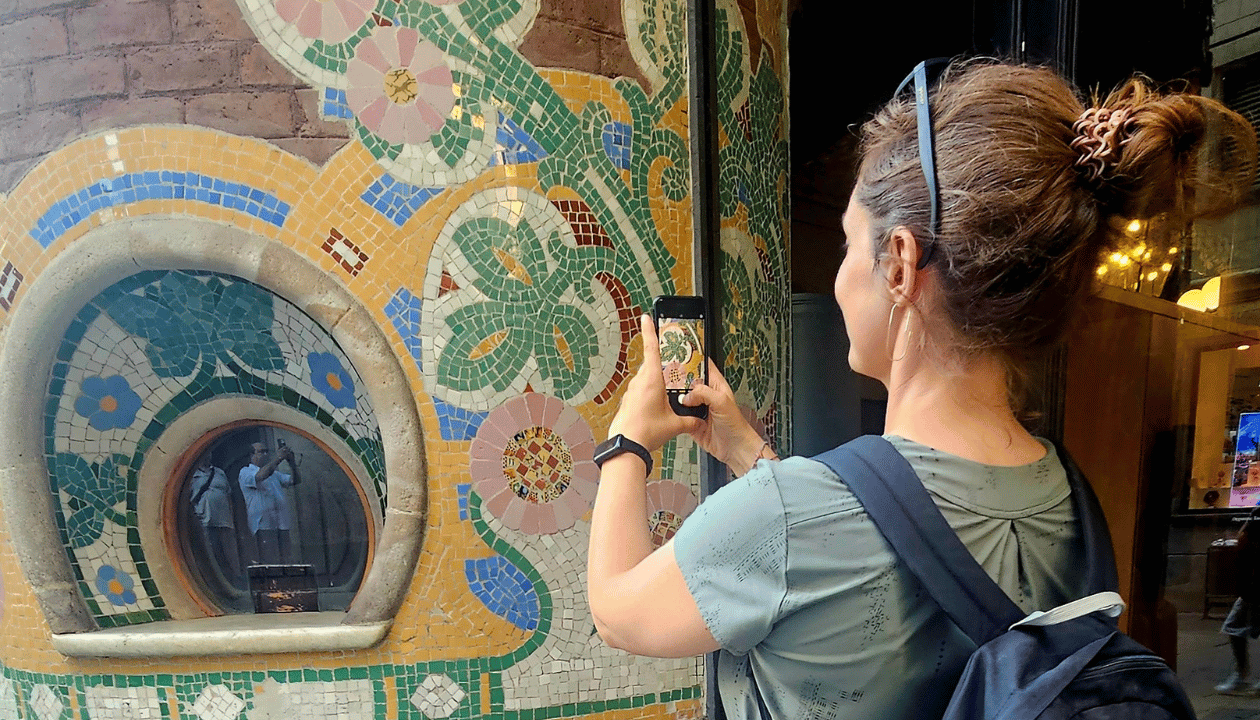
Barcelona has a large expat community, multiple international communities, and a noticeable English-speaking community, which can make relocation easier. Still, you’ll integrate better if you make an effort to speak Spanish (and you may also hear Catalan regularly).
Cost of living and daily reality
Barcelona is exciting, but it’s not the cheapest. Your provided rent benchmark says a one-bedroom apartment in the city center averages around €1,253.91. That’s still often more affordable than comparable hubs in western Europe or other western European countries, but it’s higher than many other Spanish cities.
Barcelona also offers easy access to other regions thanks to high speed trains. If you want to explore widely without owning a car, Barcelona is a strong choice.
Best fit for: people who want big-city energy, a rich cultural scene, an art scene that never sleeps, and modern convenience near the Mediterranean.
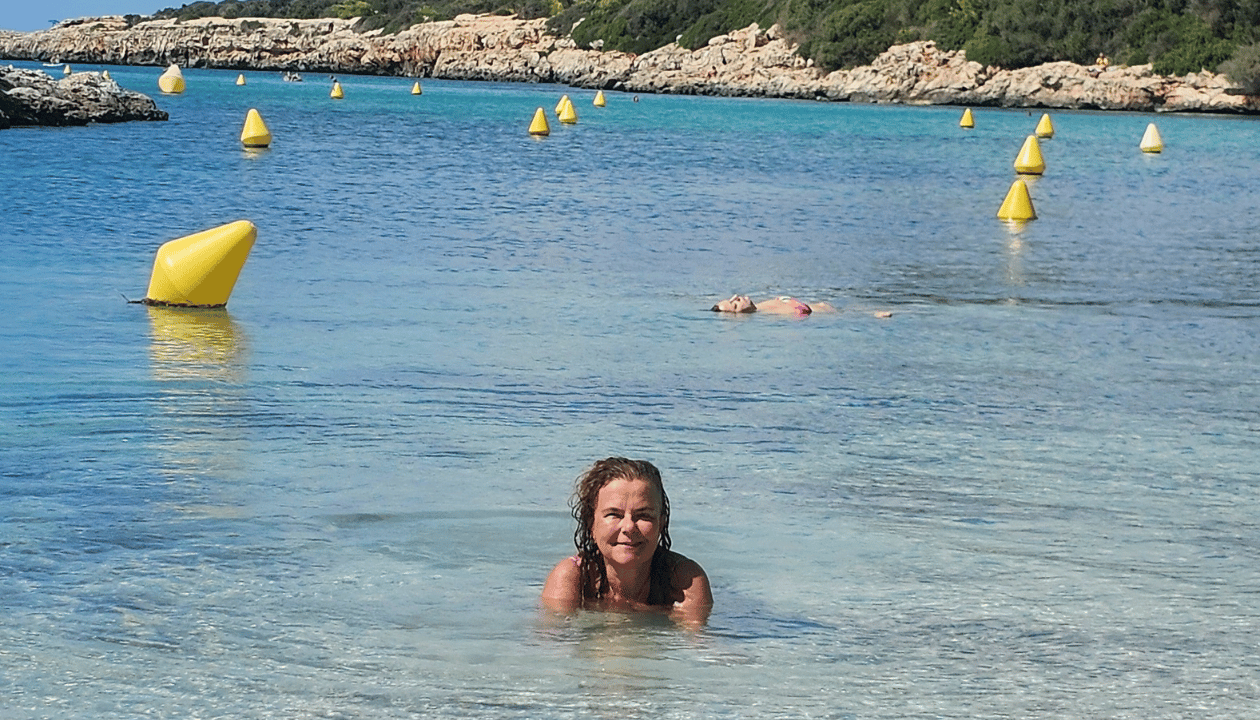
2) Menorca — Stunning Beaches, Slow Living, and the Balearic Islands Lifestyle
If Barcelona is about high-energy city life, Menorca is about breathing room. Located in the Balearic Islands, Menorca is ideal for people who want a calmer pace, nature, and unforgettable coastlines.

A coastal lifestyle built around nature
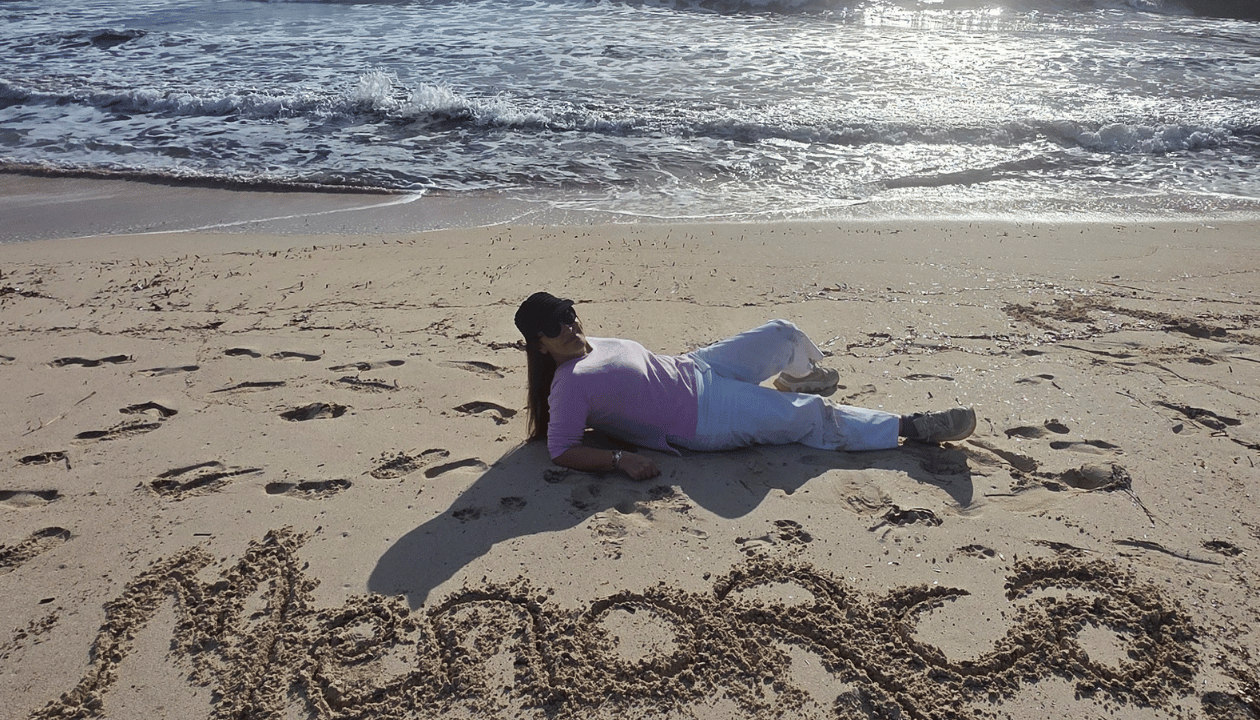
Menorca is famous for stunning beaches and quiet coves that feel far away from the stress of major cities. If you’re drawn to coastal towns and a slower routine, Menorca delivers a relaxed lifestyle that many people associate with the “real” dream of living in Spain.
The island lifestyle can also be a great choice for remote workers, couples, and families who prioritize peace, fresh air, and outdoor time.
Climate and quality of life
Menorca is often described as having a mild climate, and the sea breeze helps during warmer months. If you prefer a calmer environment than big cities with dense traffic, Menorca’s pace can feel like a major upgrade in quality of life.
Reality check: jobs and access
Menorca is not a typical “career city.” For many people, it’s better suited to remote work, tourism-linked work, or lifestyle-first relocation. However, it still benefits from Spain’s overall infrastructure, and you can travel onward to mainland regions when needed.
Best fit for: people who want island calm, beautiful beaches, and an easy-going Mediterranean rhythm in the Balearic Islands.
3) Valencia — The 2026 Favorite for Balance, Affordability, and Modern Living
Valencia is repeatedly described as one of the most desirable places for 2026 because it blends modern infrastructure, lifestyle, and affordability. Facts clearly state that Valencia combines big-city amenities with lower costs and a more relaxed pace than Madrid and Barcelona, making it a favorable choice in 2026.

Why Valencia stands out in 2026
Valencia sits on the Mediterranean coast, and it’s a rare mix of beach access + real city infrastructure. It offers:
- A strong, walkable daily routine
- A growing innovation economy
- Mediterranean beaches
- Plenty of public spaces and green areas
Valencia is also recognized as the Green Capital of Europe 2024, and your facts note that this recognition boosts its appeal for sustainable living. The city’s green spaces and beach access are a big part of why people love the lifestyle.

Modern culture and historic soul
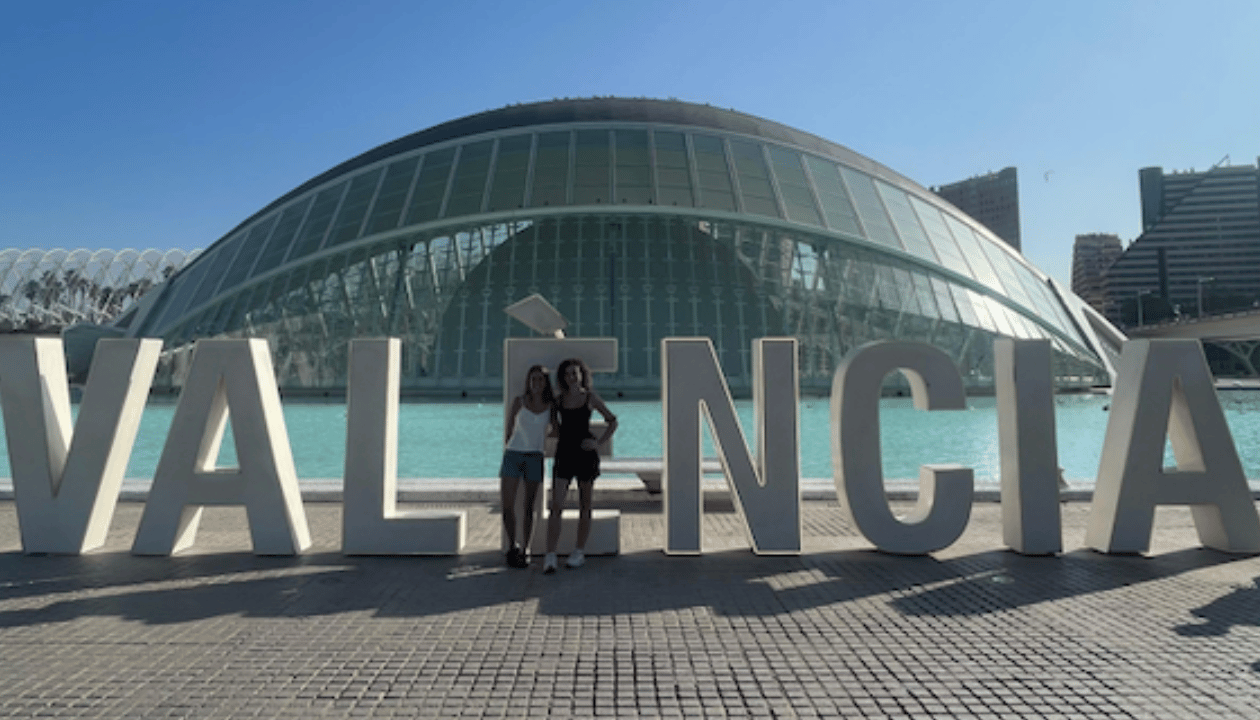
Valencia is filled with century-old monuments and has a vibrant cultural scene. But it also feels forward-looking, especially with the famous City of Arts and Sciences, a cultural complex with multiple attractions that has become one of Valencia’s modern symbols.
Valencia also has its own Valencian language, adding cultural depth for people who enjoy local identity and tradition.
Student life and a university city feel
Valencia can feel like a university city, thanks to its major universities and vibrant student community. That student energy contributes to its lively atmosphere, cultural events, and social scene.
Cost of living and rent benchmark
Valencia is known for an affordable cost compared with some major cities. Your rent benchmark says a one-bedroom apartment in the city center averages around €1,062.65, noticeably lower than Barcelona and Madrid.
Tech hub momentum (without overpromising)
Málaga and Valencia are transforming into significant innovation and tech hubs, drawing young talent with job opportunities. Valencia benefits from that trend while keeping a calmer feel than the largest cities.
Best fit for: people who want a modern, beach-connected city with affordability, green space, and 2026-ready infrastructure.
4) Cádiz — A Port City in Southern Spain with a Welcoming Atmosphere
Cádiz is a gem in southern Spain, known for coastal charm, sunshine, and daily life shaped by the sea. It’s a historic port city, and it’s ideal if you want a smaller-scale lifestyle while still enjoying culture and community.
Coastal living and beautiful beaches
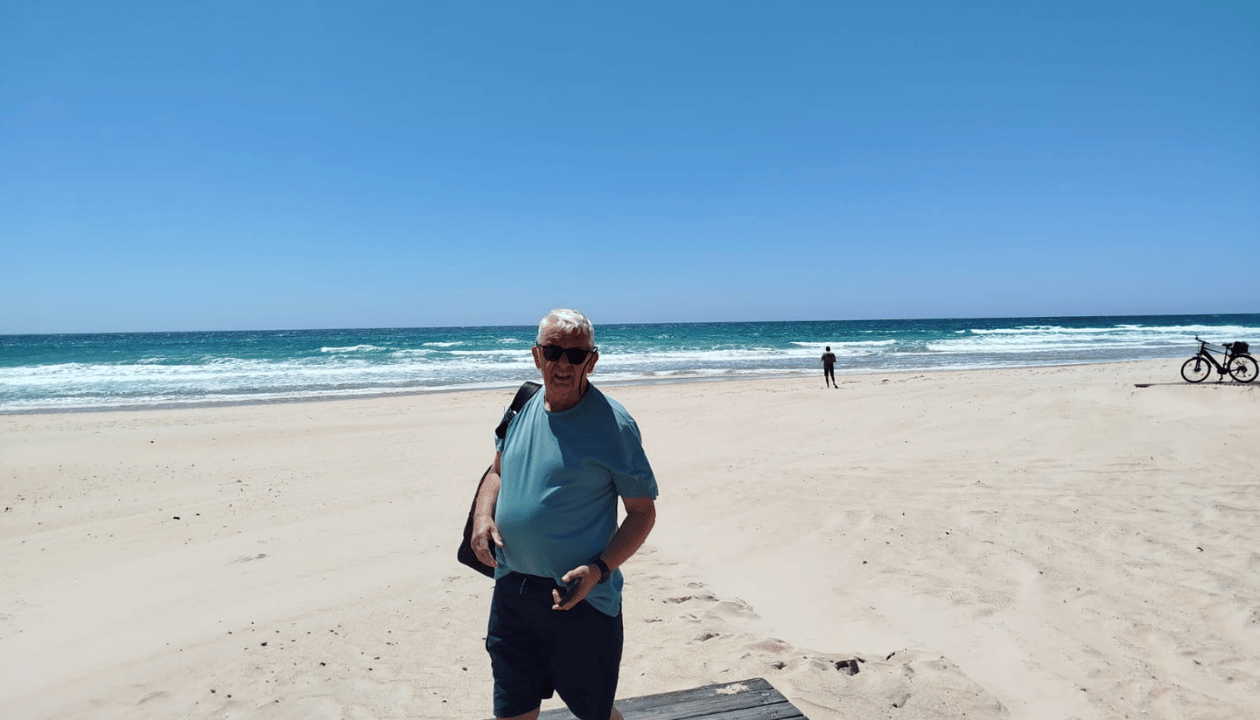
Cádiz is all about the coast. It offers beautiful beaches, sea views, and a slower pace that supports a truly relaxed lifestyle. Many people looking at Spain in 2026 want more sunlight and more time outdoors, and Cadiz fits that desire naturally.
Culture, rhythm, and community
This is the kind of place where you can become a regular at your local café, walk through town daily, and feel part of your neighborhood. If your priority is belonging and comfort, Cádiz can provide a welcoming atmosphere and a sense of ease.
Heat and seasonal reality
Cádiz can bring hot summers, as is common in much of southern Spain. For some people, that warm climate is the whole point. For others, it’s something to plan around (midday breaks, better-insulated housing, and a routine that respects summer heat).
Best fit for: coastal living lovers, people who want a friendly pace, and anyone who wants southern Spain without the scale of a major city.

5) Burgos — Northern Spain’s Walkable City with Rich History
If you want a calmer life with a strong tradition, Burgos offers a grounded experience in northern Spain. It’s not a flashy expat hotspot, and that’s exactly why many people love it.
Rich history and a slower lifestyle
Burgos is tied strongly to Spain’s rich history, and it’s a city where daily life can feel practical and peaceful. It’s also often experienced as a walkable city, with a layout that supports simple routines, walking to cafés, errands, and the center without relying on a car.
Community, affordability, and liveability
Compared with many major cities, Burgos can feel more affordable and less hectic. For people who want quiet, low-stress routines, this kind of city can be the “hidden best city” for their personal needs.
And while it’s not a coastal town, it offers a different kind of quality of life, less tourism pressure, fewer crowds, and more “local Spain.”
Best fit for: people who prefer northern Spain’s calm, a walkable routine, and a historic setting over nightlife and constant buzz.

6) Sevilla — Stunning Moorish Architecture, Vibrant Culture, and Relaxed City Life
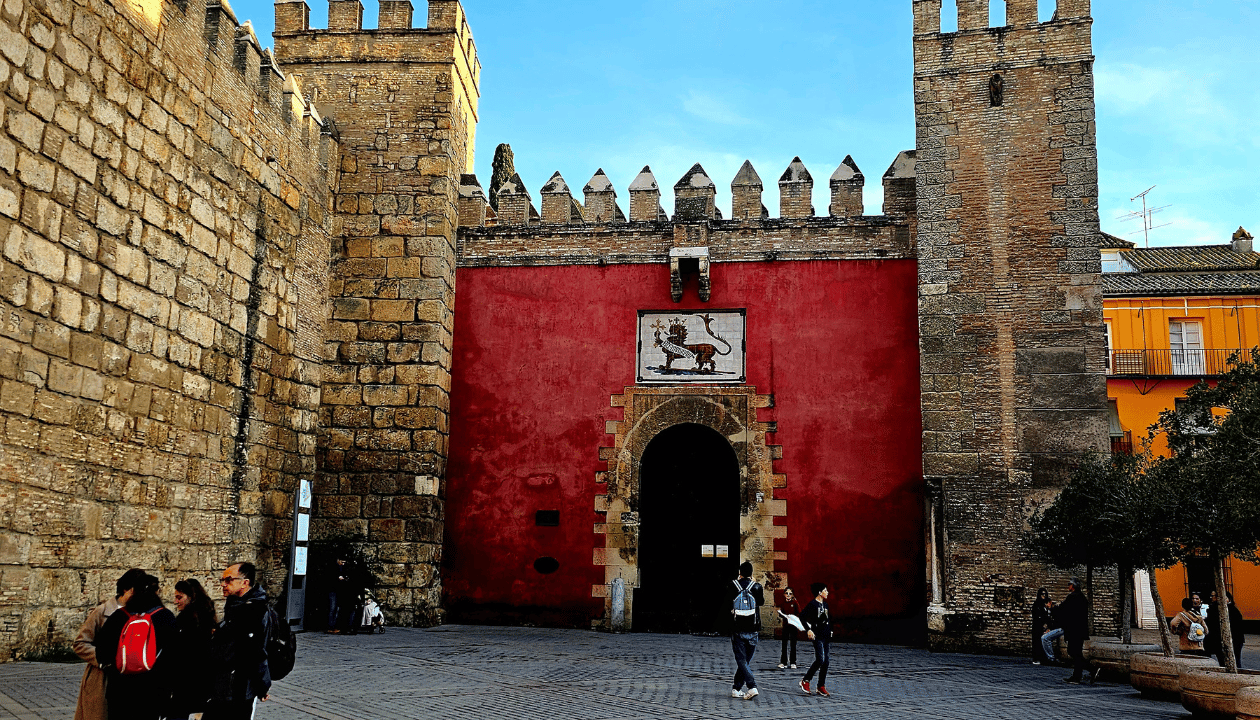
Sevilla is one of Spain’s most iconic cities, and your facts describe it perfectly: Seville is a city where rich history, stunning Moorish architecture, and a relaxed lifestyle blend seamlessly.

What makes Sevilla special
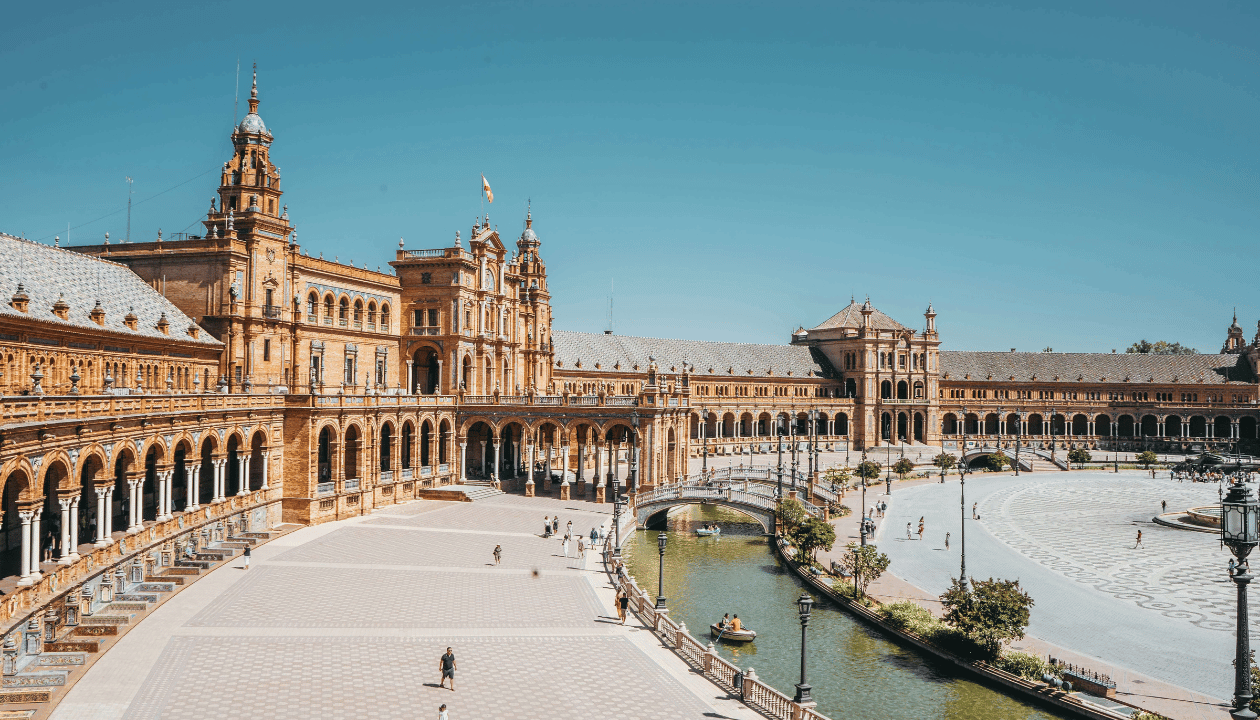
Sevilla is known for its stunning Moorish architecture, including the Alcázar and the semi-circular Plaza de España. It’s also one of the places most associated with Spain’s vibrant culture, especially flamenco traditions and festivals.
Spain is known for its vibrant culture, including flamenco and bullfighting in Seville. Whether you personally love bullfighting or not, Sevilla remains the most walkable city in 2025.
Cost of living and property value
Sevilla stands out as one of the more affordable cities among major urban centers. Your rent benchmark says a one-bedroom apartment in the city center averages around €883.33.
You also provided a strong property fact: Seville is considered one of the cheapest major cities to buy property in Spain, with property prices 40% less than in Barcelona. That matters a lot for families or long-term planners.
Climate: sunshine, but plan for heat
Sevilla offers a warm climate and a high-energy cultural calendar, but it also has hot summers. Many residents adapt with smart routines (late dinners, shaded streets, midday breaks).
Best fit for: people who want southern Spain’s soul, architecture, and vibrant culture, without paying Barcelona-level costs.
7) Cáceres — UNESCO Beauty, Cobblestone Streets, and Central Spain Charm
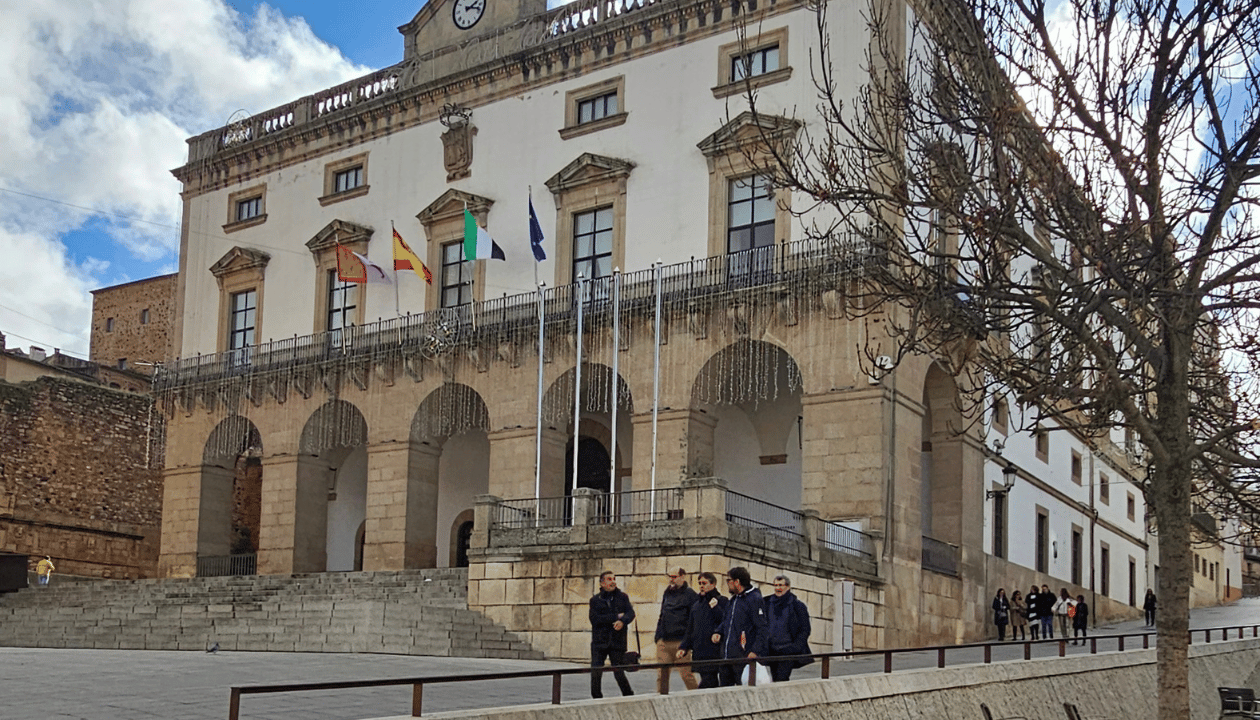
Cáceres is one of Spain’s most atmospheric historic towns, and it often surprises people who assume Spain is only about coastal living or major cities.

A UNESCO World Heritage site feel
Cáceres is widely associated with an old town so preserved that walking through it can feel like stepping into another era. This is the perfect place to highlight the keyword UNESCO World Heritage site and the sensory details people love: cobblestone streets, stone plazas, and dramatic medieval architecture.
Cáceres represents the depth of Spain’s heritage, and it’s a strong option for anyone looking at central Spain for affordability and authenticity.
Lifestyle and affordability
If your priority is peace, history, and an affordable daily routine, Cáceres can be a smart choice. It’s not a party city; it’s a place where the environment itself is the main cultural attraction.
Best fit for: people who want historic beauty, affordability, and a slower lifestyle in central Spain.
How to Choose the Best City in Spain to Live in 2026
Now that you’ve seen the top list in your exact order, here’s how to decide what “best” means for you.
If you want a vibrant city and major opportunities
- Barcelona offers a global-level cultural scene, strong city life, and international communities.
- Valencia offers a similar “big city” feel but with more affordability and a calmer rhythm.
If you want beaches, calm, and a slower pace
- Menorca is ideal for island life and stunning beaches.
- Cádiz gives coastal living in southern Spain with local warmth.
If you want history, walkability, and peace
- Burgos offers northern Spain calm and a walkable lifestyle.
- Cáceres offers UNESCO-level historic atmosphere and cobblestone streets.
If you want culture with affordability
- Sevilla brings rich history, iconic architecture, and vibrant culture with relatively affordable living costs.
Other Cities You May Consider
Here are brief comparisons people often make when planning to live in Spain, without positioning these cities as better than your selected destinations. These are included because they’re part of common research patterns and because your required facts mention them.
Madrid (Spain’s largest city) — careers and museums, but higher cost
Madrid is Spain’s largest city and a major hub for tech, finance, and culture. Your facts state that Madrid offers strong career opportunities in tech, finance, and culture, and that it’s a cultural and economic hub offering an unparalleled quality of life.
Madrid is also home to world-class museums, including the Prado and Reina Sofía, showcasing important art pieces.
However, facts also note challenges: high costs and urban pollution. Your rent benchmark says a one-bedroom in the city center averages €1,357.19, which is higher than Barcelona, Valencia, Sevilla, and Málaga.
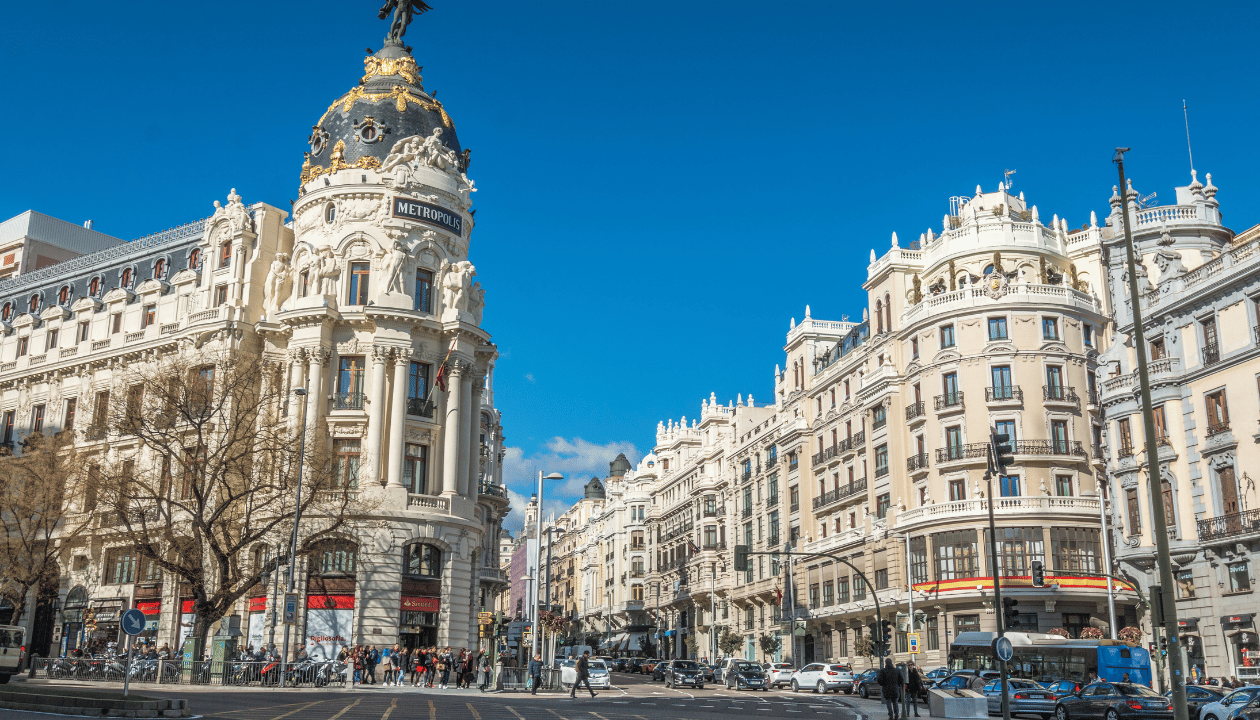
Note: If someone wants Madrid’s career scale but a more relaxed daily life and better affordability, Valencia often becomes the practical alternative in 2026.
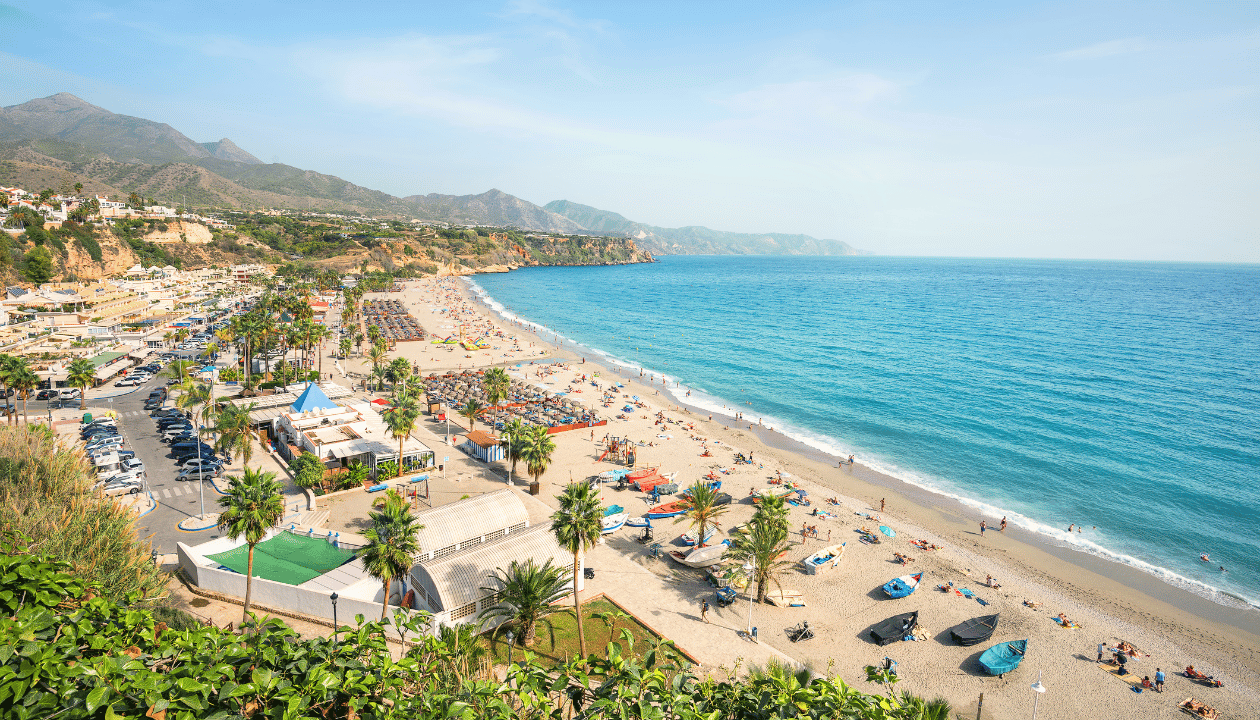
Málaga and the Costa del Sol — sunshine and a tech hub trend
Málaga is emerging as a tech hub, attracting individuals seeking lifestyle and career growth on the Costa del Sol. It’s known for excellent climate, stunning beaches, warm climate, and high quality of life, and it’s the birthplace of Pablo Picasso with a dedicated museum.
Also, Málaga and Valencia are becoming significant innovation and tech hubs, attracting young talent with job opportunities.
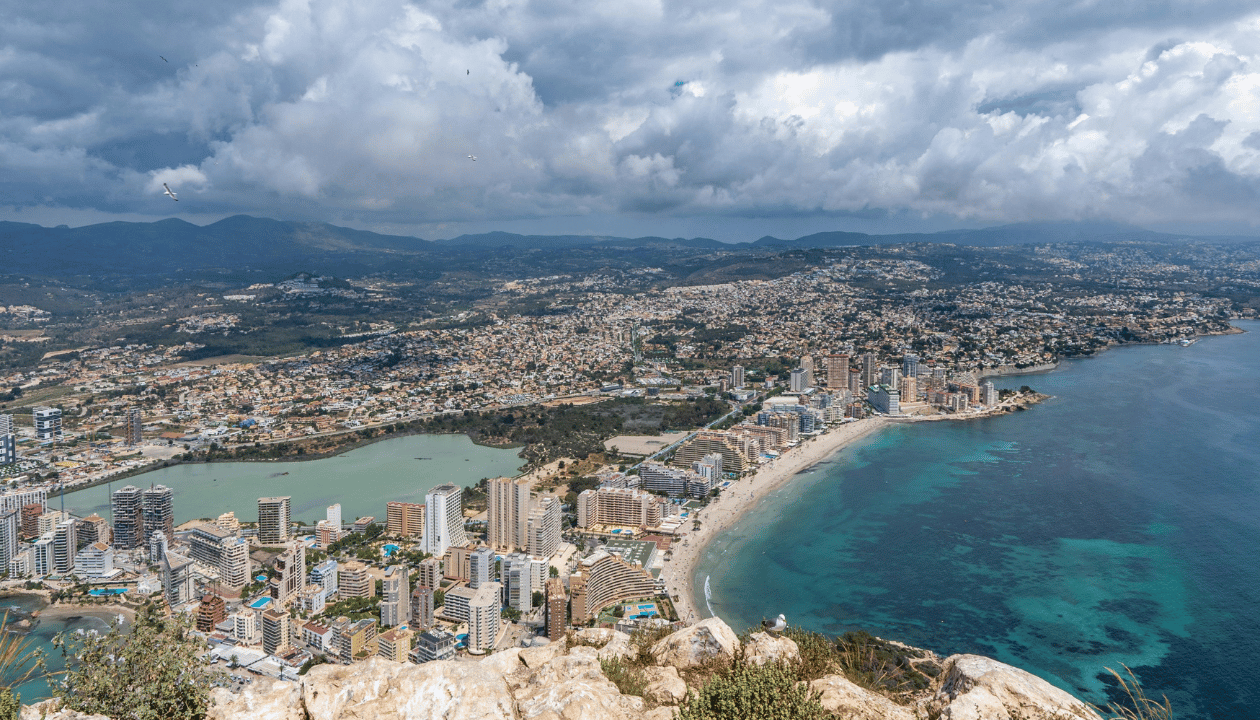
Alicante and the Costa Blanca — affordability and expat communities
Alicante is known for its friendly locals and thriving expat communities, and it offers an affordable cost of living compared to other Spanish cities. Alicante also links naturally to the keyword Costa Blanca.
But if you’re drawn to coastal affordability and expat support, Cadiz and Valencia can be strong alternatives on your list. Cadiz for southern port-city calm, Valencia for modern city living with beach access.
San Sebastián and the Basque Country — premium quality-of-life reputation
San Sebastian leads for premium quality of life focused on health, safety, and food, despite higher costs, and that it’s renowned for exceptional healthcare, low pollution, safety, and world-class gastronomy.
Granada, Bilbao, Córdoba, Salamanca, Pamplona, Ponferrada — common research mentions
- Granada: rich history, stunning landscapes, vibrant student community, stunning architecture; famous for the Alhambra, a UNESCO World Heritage Site showcasing Moorish architecture
- Bilbao: transformation attracting expats, professionals, and families; known for the Guggenheim Museum designed by Frank Gehry; vibrant cultural and art scene with exhibitions and festivals
- Córdoba: home to the mezquita, one of the most iconic buildings in the world; a significant historical site
- Salamanca: historic university, vibrant student life
- Pamplona: Running of the Bulls festival
- Ponferrada: appeal for shorter commutes, walkable areas, and less traffic; low cost of living and a top pick for value (especially retirees and remote workers)
Cost of Living in Spain: 2026 Reality (and Why It Beats Much of Western Europe)
One reason so many people want to live in Spain is simple: the numbers often work better than in western European countries. Facts state that the cost of living in Spain is generally lower than in other Western European countries.
City-center rent benchmarks (one-bedroom)
Here are your provided averages. This section includes comparison cities because your facts include them, but it does not rank them as better than your list.
- Madrid (city center): €1,357.19
- Barcelona (city center): €1,253.91
- Valencia (city center): €1,062.65
- Málaga (city center): €940.00
- Sevilla (city center): €883.33
- Granada (city center): €750.00
This supports why Valencia is often considered highly desirable for 2026 due to its balance of lifestyle, affordability, and modern amenities, and why Sevilla remains a favorite among affordable major cities.
Cities such as Alicante, Sevilla, and Valencia provide a significantly lower cost of living compared to other major European cities, attracting expats and families.
Healthcare and Insurance: What Expats Should Know
Spain is known for strong public services and healthcare, and your facts state: Spain ranks high for safety, public services, and quality healthcare, with some cities offering top-tier medical facilities.
That said, many newcomers, especially non-EU residents, choose private health insurance to complement public coverage or meet residency requirements. Your facts clearly state:
- Spain has a good public healthcare system, but private insurance may be necessary for expats.
This is part of planning a smooth transition, especially if you’re relocating with family or want faster access to specialists.
Visas for Living in Spain in 2026: The Essentials
If you’re not from the EU, obtaining a visa is a major step. Your facts say: Obtaining a visa is a critical step for non-EU citizens moving to Spain.
Here are the main pathways mentioned in your facts:
Spanish visa options commonly used
- Non-Lucrative Visa: allows non-EU nationals to live in Spain without working
- Golden Visa: available for those who invest in Spain and want residency
- Student Visa: essential for international students looking to study in Spain (especially in places that feel like a university city)
Because many people move to Spain for lifestyle, retirement, remote work arrangements, or study, these visas come up frequently in relocation plans.
Language and Integration: How to Feel at Home Faster
Even in places with an English-speaking community, learning Spanish makes life easier. Many expats recommend learning Spanish to better integrate into local communities.
If you want a smoother experience:
- Aim to speak Spanish in daily situations (markets, neighbors, admin tasks)
- Join local groups and communities
- Use local public spaces regularly (plazas, parks, markets)
- Expats often find it beneficial to join local Facebook groups for support and information.
That’s especially useful for housing tips, paperwork support, and meeting international residents.
Transportation and Easy Access: High-Speed Trains and Connectivity
Spain’s connectivity can be a huge advantage. Cities like Barcelona and Valencia are well connected via high-speed trains, which supports weekend travel and broader access to work opportunities.
For many people, strong transportation links are part of “best city” decision-making because easy access to other cities and regions can compensate for not living in the biggest hub.
Climate and Lifestyle: What 2026 Movers Should Expect
Spain’s climate is a major draw, but it varies:
- Southern Spain cities (like Sevilla and Cadiz) can have hot summers and a warm climate
- Mediterranean coast locations (like Valencia and Menorca) offer sea-influenced comfort and beach life
For many, that sunny weather enables a more active, outdoor lifestyle and better day-to-day quality of life.
Experience the Best City in Spain Before You Move: Join Our Spanish Homestay Immersion Program 🇪🇸
Choosing the best city in Spain to live in 2026 is a big decision, and no blog, no matter how detailed, can fully replace real-life experience.
Every city feels different once you’re walking its streets, shopping at local markets, speaking with residents, and living a daily Spanish life.
That’s exactly why our Spanish Homestay Immersion Program (SHIP) exists.

Instead of guessing which city is right for you, this program allows you to experience Spain from the inside, living with a local host teacher not a host family, practicing Spanish daily, and immersing yourself in authentic culture, traditions, and routines.
Why a Spanish Homestay Immersion Makes the Decision Easier
Whether you’re drawn to:
- the vibrant city life and rich cultural scene of Barcelona
- the Mediterranean beaches and balanced lifestyle of Valencia
- the southern Spain warmth and historic charm of Sevilla or Cadiz
- the walkable streets and calm pace of Burgos or Caceres
- the stunning beaches and relaxed island rhythm of Menorca
You’ll gain:
- Real exposure to Spanish culture, not just surface-level travel experiences
- Daily opportunities to speak Spanish in natural situations
- Insight into local routines, cost of living, and lifestyle expectations
- A smoother transition if you plan to live in Spain long term
Perfect for Future Residents, Students, and Lifestyle Movers
Our Spanish Homestay Immersion Program is ideal if you:
- Are planning a long-term move to Spain in 2026
- Want to test a city before applying for a Spanish visa
- Want cultural confidence before relocating to a new country
Instead of choosing blindly, you’ll return home with clarity knowing which Spanish city truly fits your priorities, personality, and lifestyle goals.
Take the First Step Toward Living in Spain With Confidence
If you’re serious about finding the best city in Spain to live in 2026, the smartest step isn’t more research; it’s real immersion.
👉 Explore our Spanish Homestay Immersion Program (SHIP) and experience Spain the way locals live it.
It’s the most authentic way to turn your dream of living in Spain into a confident, informed reality.
Get in Touch With Our Founder
If you have questions about living in Spain, choosing the right city, or exploring our Spanish Homestay Immersion Program, our founder is happy to help.
Mónica Romero
Founder and Director, Spanish Express
📞 Phone / WhatsApp: +44 7903 867894
📧 Email: monicaromero@spanishexpress.co.uk
