

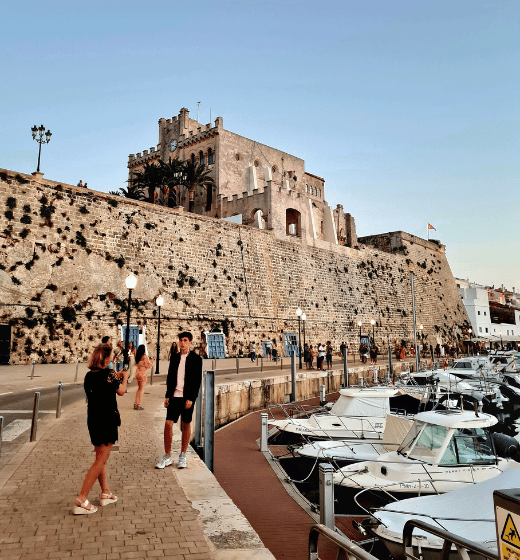
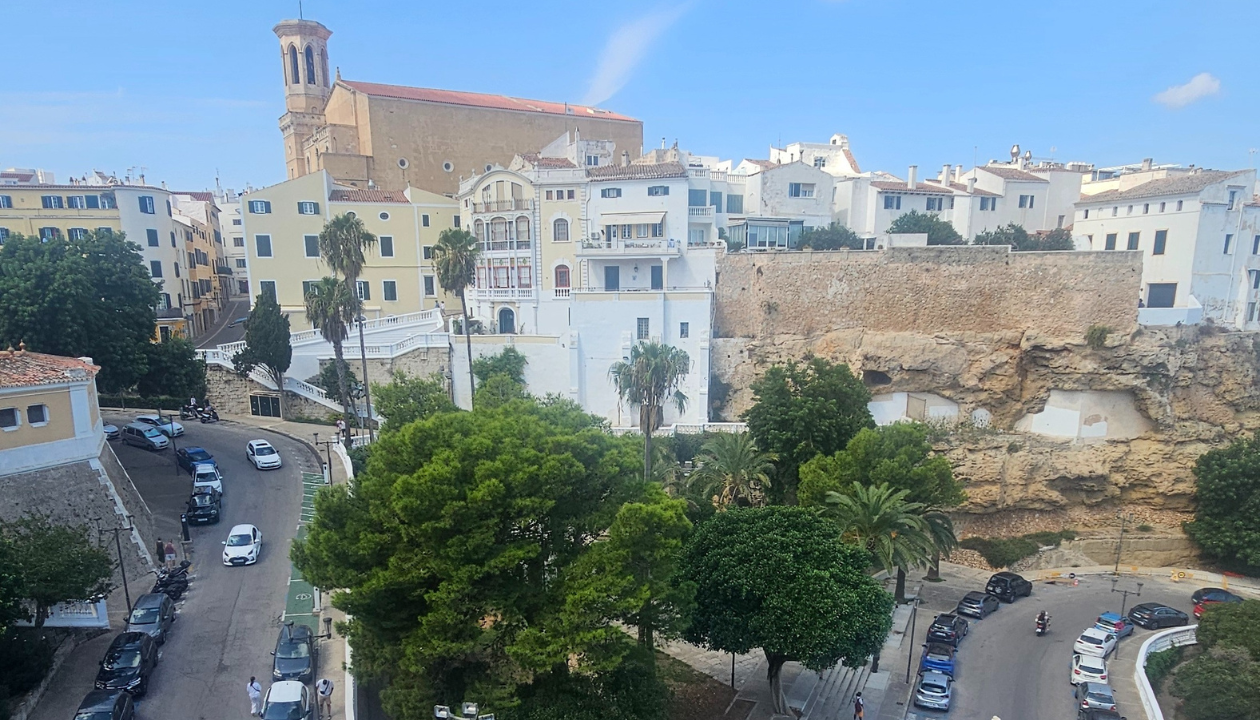
Nestled on the western end of Menorca, Ciutadella de Menorca is a city where history and Mediterranean charm meet at every turn. The city’s historic quarter is a labyrinth of narrow streets, lined with elegant sandstone buildings and shaded squares that whisper stories of Roman, Arab, and Christian rule.
As you wander through Ciutadella, you’ll encounter architectural gems like the Cathedral, the stately Town Hall, and the iconic Castell de Sant Nicolau, each reflecting a different chapter in the city’s rich past.
The blend of cultures and eras is visible everywhere, from the medieval streets to the noble mansions, making Ciutadella a living museum and a vibrant community all at once. Whether you’re drawn by the city’s history, its lively atmosphere, or its beautiful setting, Ciutadella offers an authentic taste of Menorcan life.
History, Culture, and Learning Spanish Through Immersion
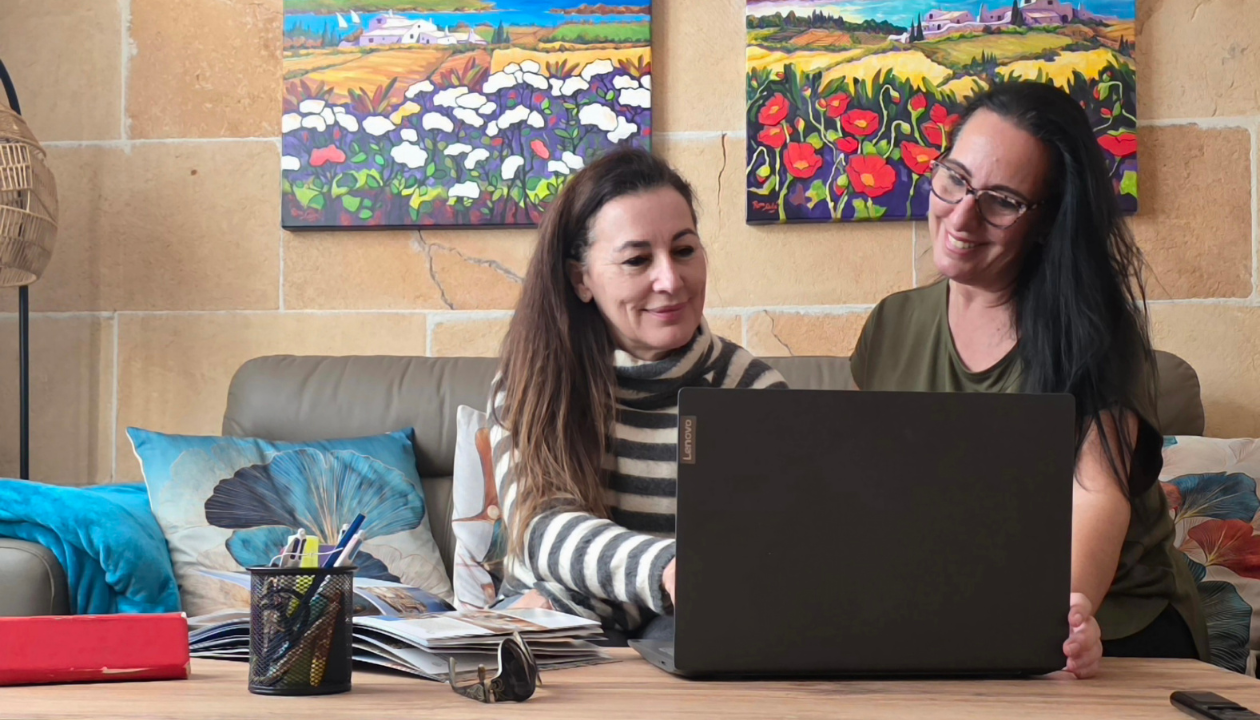
Choosing where to learn Spanish is about more than classrooms and textbooks. It’s about feeling connected to the place, the people, and the language you hear every day. For students in our Spanish Homestay Immersion Programme (SHIP), Ciutadella de Menorca offers exactly that.
Ciutadella is not only one of the most beautiful towns in Spain, but also a place where history, tradition, and everyday life come together naturally. As my hometown, it is a place I know deeply—its streets, its rhythms, and the small details that make it ideal for students who want to live and study Spanish in their teacher’s home in Spain.
In this article, you’ll discover the history of Ciutadella de Menorca and the main places students experience during their stay, helping you understand why this town is such a special setting for true Spanish immersion.
Prehistoric Menorca and the Talayotic Legacy
The history of Ciutadella begins long before the town itself existed. Menorca is famous for its prehistoric Talayotic culture, which dates back thousands of years. Across the island, including areas near Ciutadella, you can still find remarkable stone monuments such as talayots, taulas, and navetas.
Ciutadella is home to several archaeological sites, including Talaiotic structures that date back to 2000 B.C., making it a significant archaeological site for understanding the island’s ancient past.
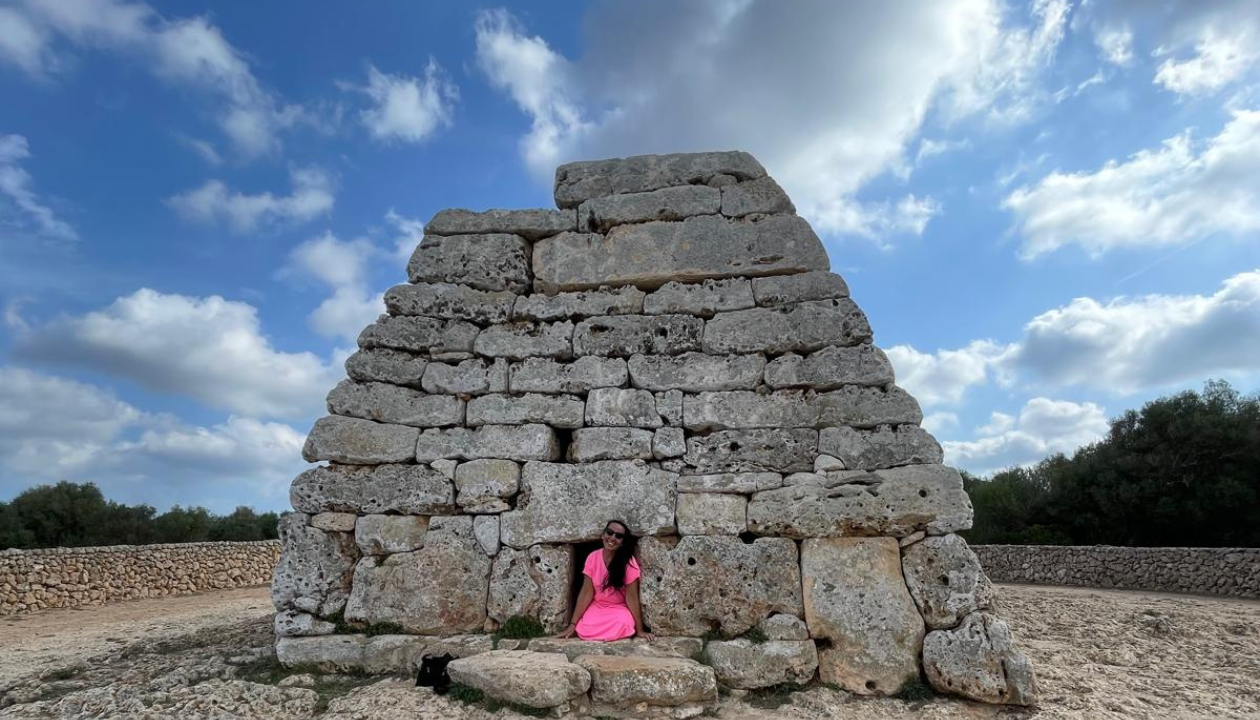
These structures reveal that Menorca was already home to organized communities during the Bronze Age. One of the most important prehistoric monuments on the island, the Naveta des Tudons, is located just outside Ciutadella. This ancient funerary monument highlights how deeply rooted Menorca’s human presence is and sets the foundation for understanding Ciutadella as part of a much older story.
Roman and Byzantine Influence
Following the prehistoric period, Menorca became part of the Roman world. The Romans introduced new systems of agriculture, trade, and administration, integrating the island into the wider Mediterranean network. Although Ciutadella does not preserve large Roman ruins, the influence of this period contributed to the island’s long-standing strategic importance.
A significant archaeological discovery near Ciutadella includes a roman figurine, highlighting the tangible remains of the Roman era and underscoring the region’s ancient history and cultural heritage.
Later, Byzantine control brought religious and cultural changes, reinforcing Christianity and maintaining Menorca’s role as a valuable Mediterranean outpost.
Muslim Rule and Medieval Transformation
During the Middle Ages, Menorca came under Arab rule. This period influenced agricultural techniques, water management, and settlement patterns. The island was relatively autonomous for a time, but its strategic location made it vulnerable to conquest.
During Moorish rule, the city was known as Medina Minurka and flourished under their governance.
The medieval era came to a dramatic turning point in 1287, when Menorca was conquered by the Crown of Aragon. After this event, Ciutadella emerged as the main administrative, religious, and political center of the island. For centuries, it functioned as Menorca’s capital in all but name.
During Arab rule, a High Mosque stood in Ciutadella, serving as a significant religious and architectural landmark. The mosque’s minaret was later preserved and repurposed as a bell tower, highlighting its importance in the city’s medieval development.
Ciutadella Under the Crown of Aragon
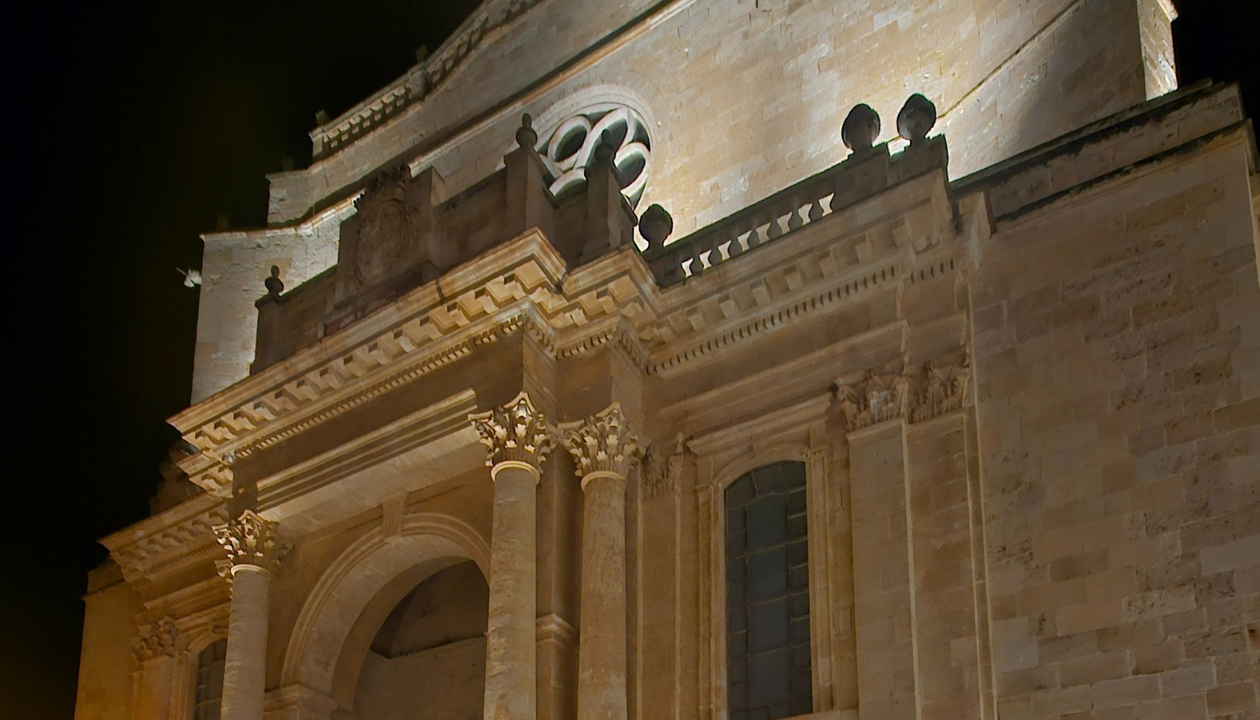
Under Christian rule, Ciutadella developed into a noble town. Churches, convents, and palaces were built using local sandstone, giving the town its distinctive golden appearance. King Alfonso III played a significant role in the construction of the cathedral and the city’s medieval development. The Cathedral of Menorca was built in the 14th century on the site of a former mosque, and it exemplifies Catalan Gothic architecture, symbolizing the shift in power and faith.
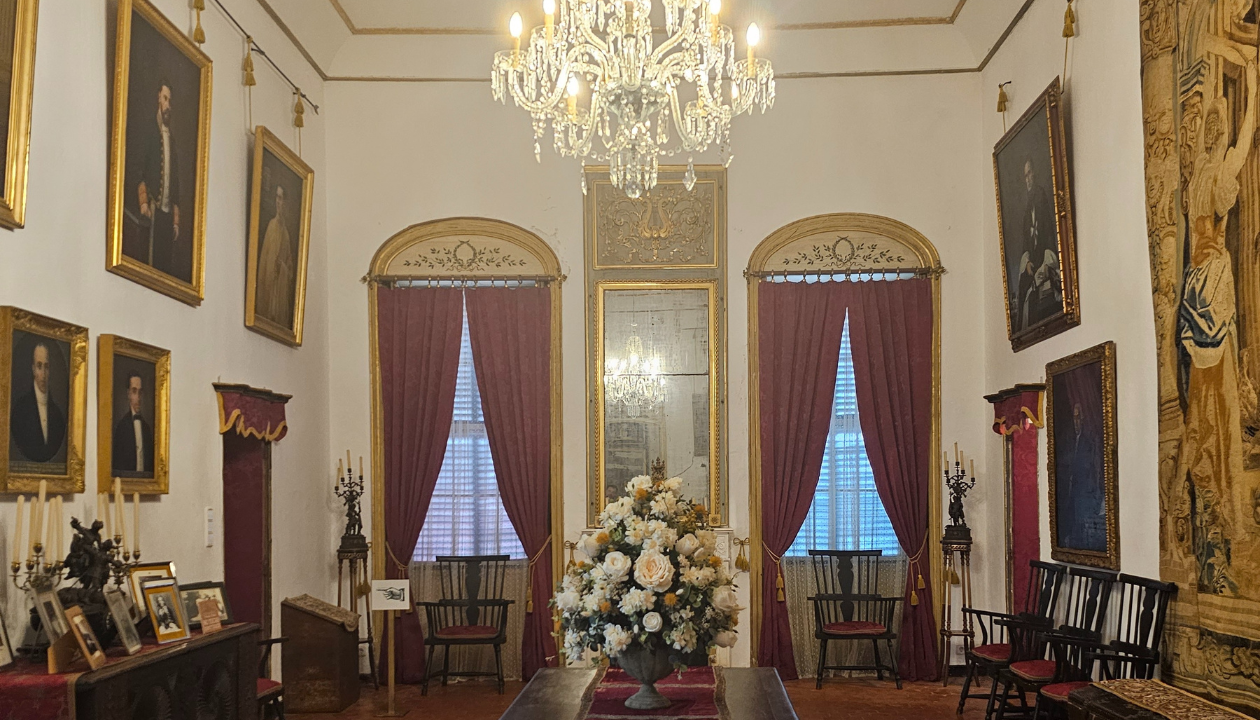
During this time, Ciutadella became home to noble families whose influence can still be seen in the elegant mansions and coats of arms scattered throughout the old town. These noble streets are one of the defining features of Ciutadella today. Many of Ciutadella’s elegant palaces and churches, such as the Església dels Socors and Palace of Saura, were built in the 17th century, reflecting Baroque and Neo-Classical styles that shaped the city’s cultural and religious heritage.
The Ottoman Attack of 1558
One of the most tragic moments in Ciutadella’s history occurred in 1558, when the town was attacked by Ottoman forces. The assault devastated Ciutadella, leading to widespread destruction and the enslavement of many residents. This event left a lasting mark on the collective memory of the town.
As a result, Ciutadella reinforced its defenses, and coastal fortifications were strengthened to protect against future attacks. The sense of vulnerability, paired with resilience, became part of the town’s identity.
British, French, and Spanish Rule
In later centuries, Menorca became a strategic prize in European conflicts. Control of the island shifted between British, French, and Spanish powers. Although the British established their administrative capital in Maó, Ciutadella retained its cultural, religious, and aristocratic importance.
Eventually, Menorca became permanently Spanish, but these periods of foreign rule added further layers to the island’s complex identity.
Maritime History: The Port and Harbor
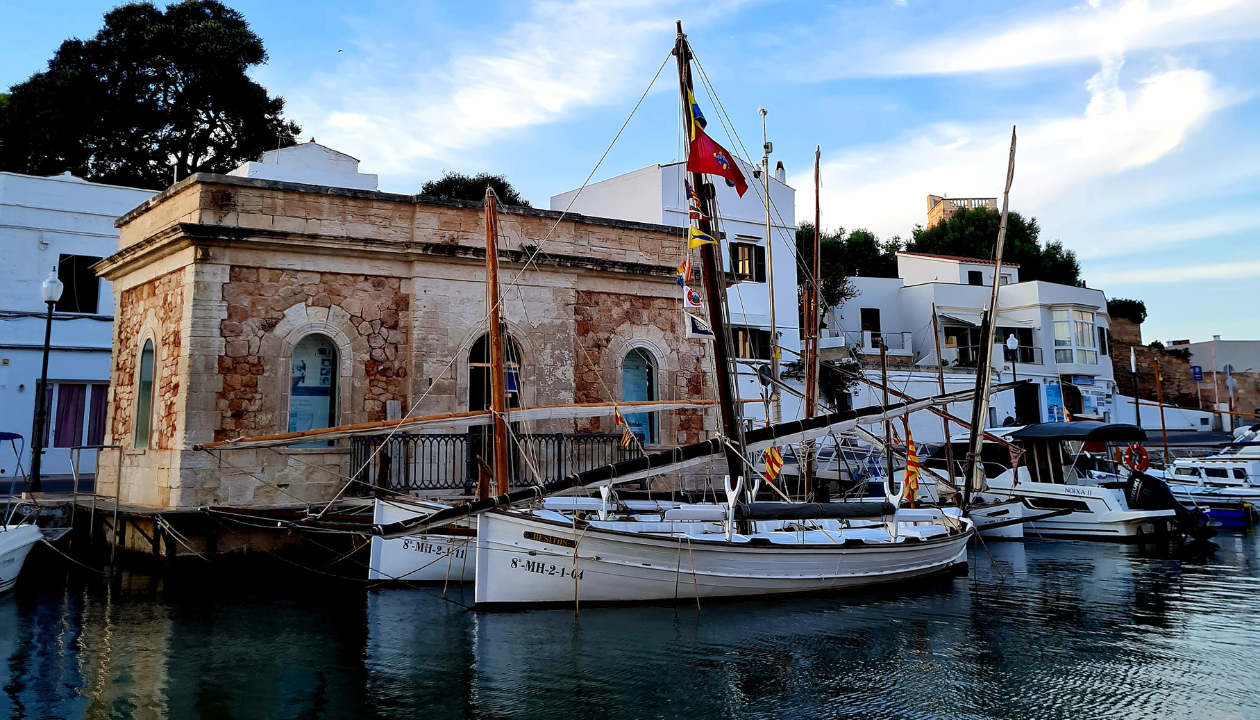
The port of Ciutadella has long been the city’s gateway to the sea, shaping its identity as a maritime and commercial hub. Today, the harbor is a lively promenade where fishing boats and luxury yachts share the water, and visitors can soak up the island’s relaxed pace. Along the waterfront, you’ll find upscale boutiques, inviting bars, and seafood restaurants serving the freshest local catch.
The port is also the starting point for boat trips to some of Menorca’s most beautiful beaches, including Cala en Bosc and Cala Blanca—both perfect for a day of sunbathing or water sports. These pretty coves, with their clear waters and soft sand, are just a short walk or drive from the city center, making them ideal for a quick escape or a leisurely afternoon. The transformation of old port buildings into stylish venues is a testament to Ciutadella’s ability to honor its past while embracing the present, offering visitors a unique blend of history, leisure, and island style.
Ciutadella Today: Tradition and Continuity
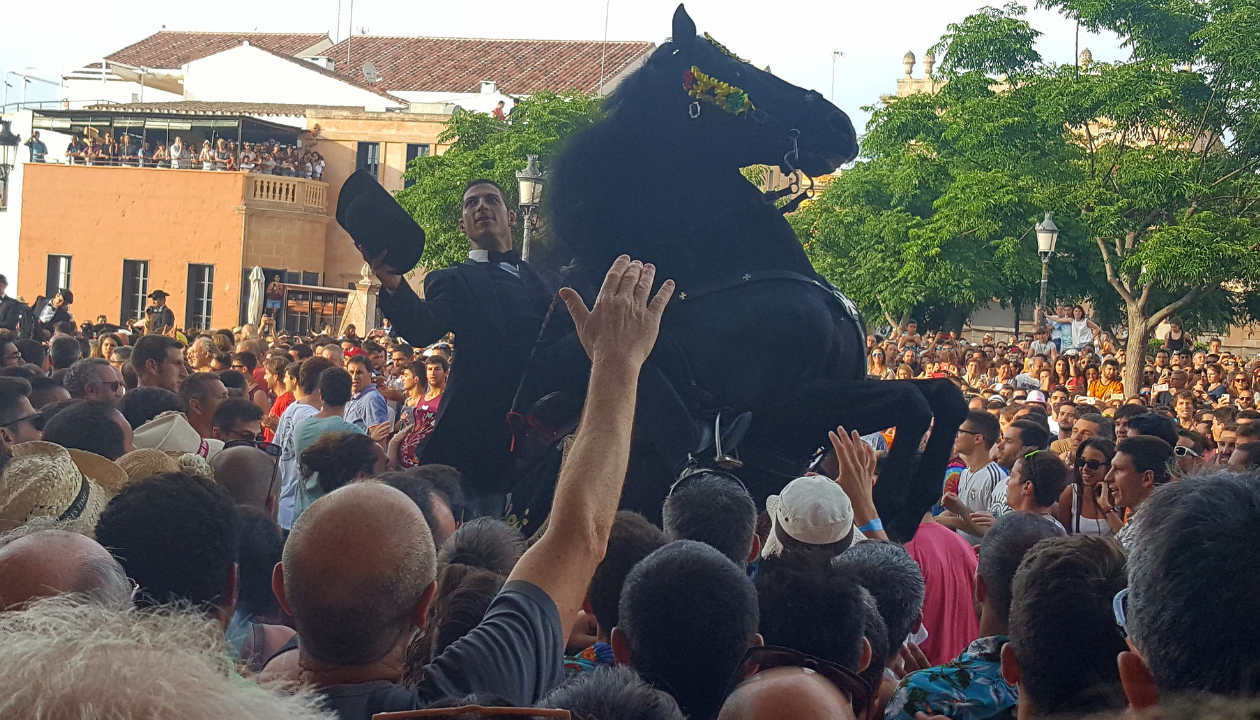
Modern Ciutadella is a living town, not an open-air museum. While tourism plays an important role, local traditions remain strong. One of the most famous examples is the Sant Joan festival, held every June, which transforms the town through rituals involving horses, music, and centuries-old customs.
Despite modern changes, Ciutadella has preserved its historical character. Walking through the old town today feels like moving through time, where everyday life continues among ancient stones.
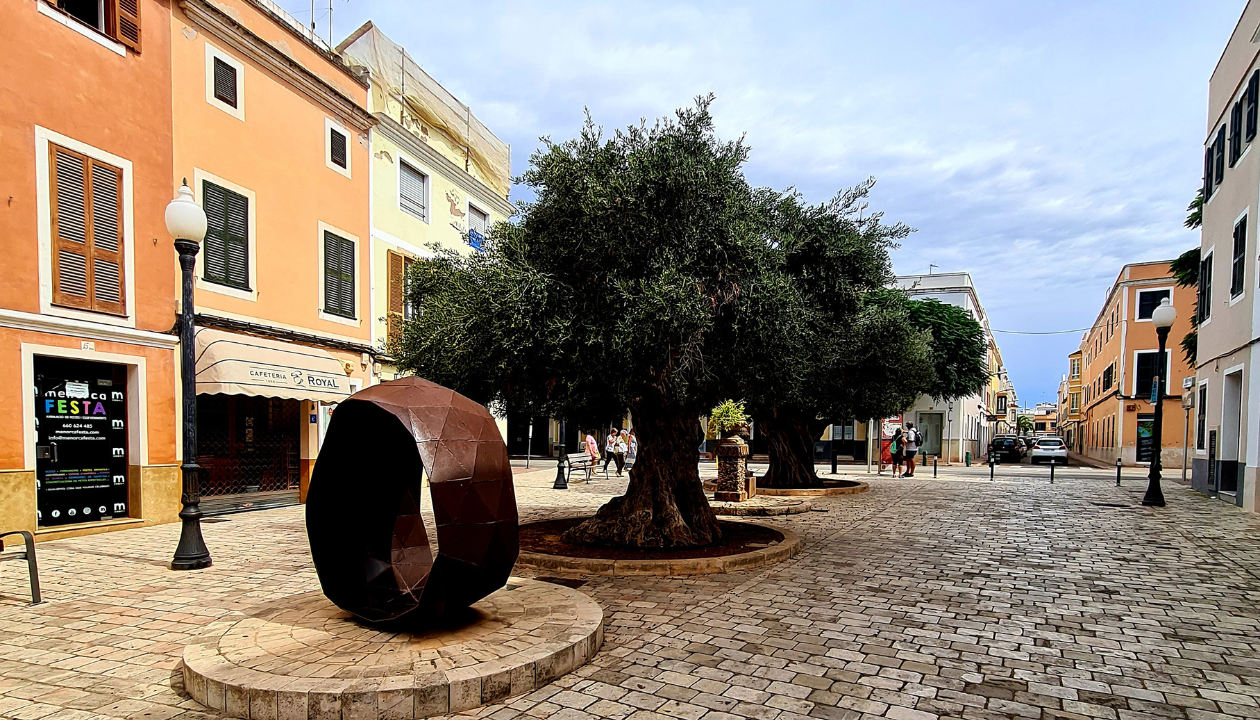
Top Places to Visit in Ciutadella de Menorca
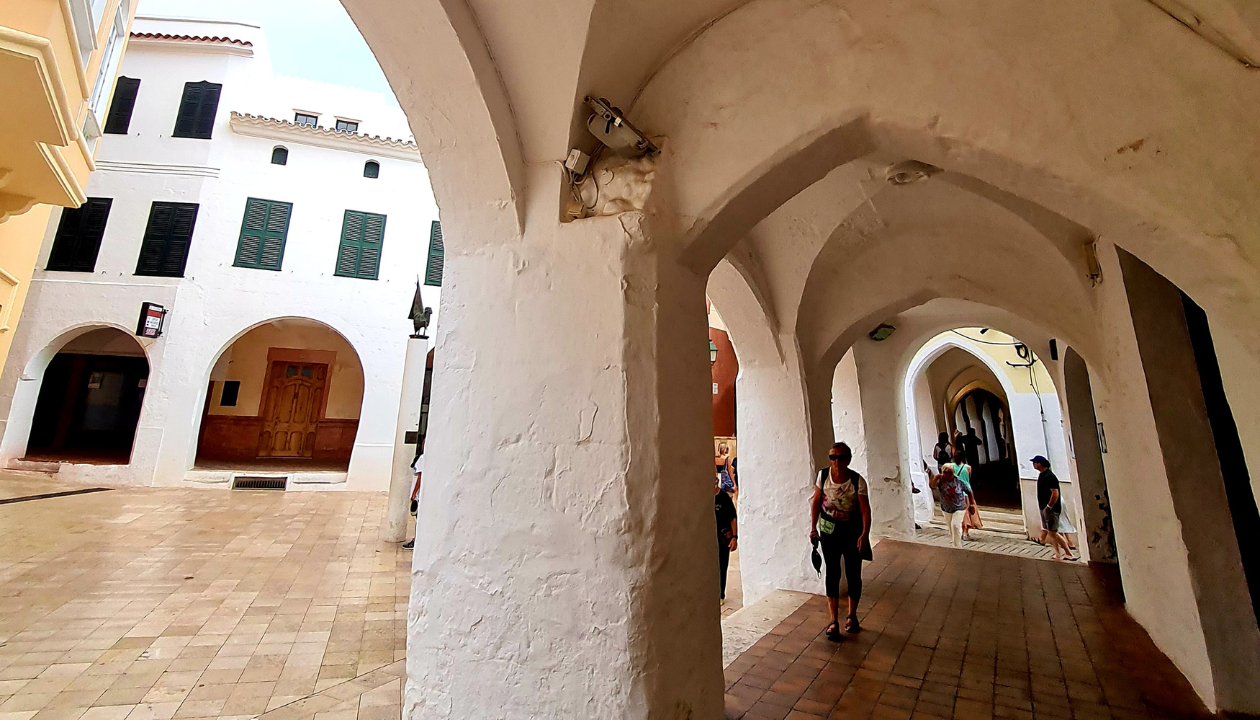
Exploring the Old Town of Ciutadella de Menorca
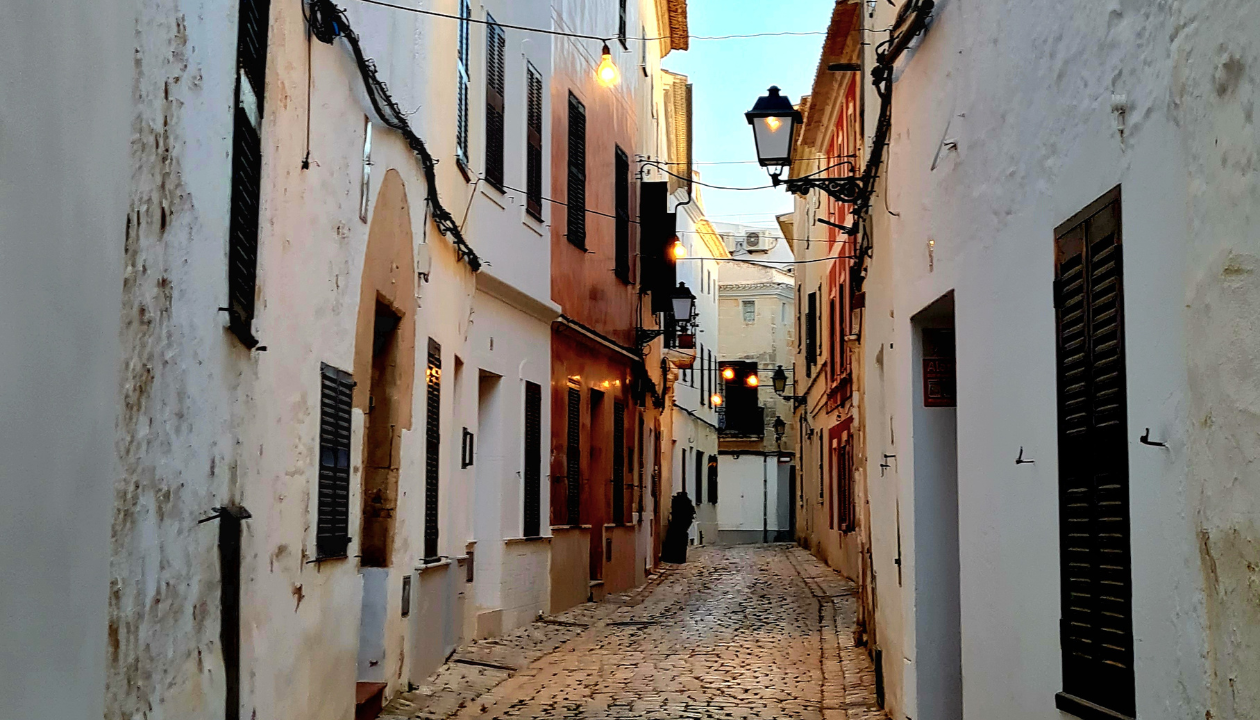
The Ciutadella old town, also known as the historic centre, is the heart of Ciutadella and the best place to begin your visit. Narrow cobbled streets wind between sandstone buildings, opening unexpectedly into quiet squares. This area is ideal for slow exploration, allowing you to notice architectural details, hidden courtyards, and local life unfolding naturally.
Ciutadella’s old town features narrow streets, squares, notable sites like the Plaça des Born, and hidden courtyards. The old town is still partly enclosed by the old walls and bastions built in the 16th and 17th centuries, which once protected the city and now serve as historical landmarks and popular viewing points.
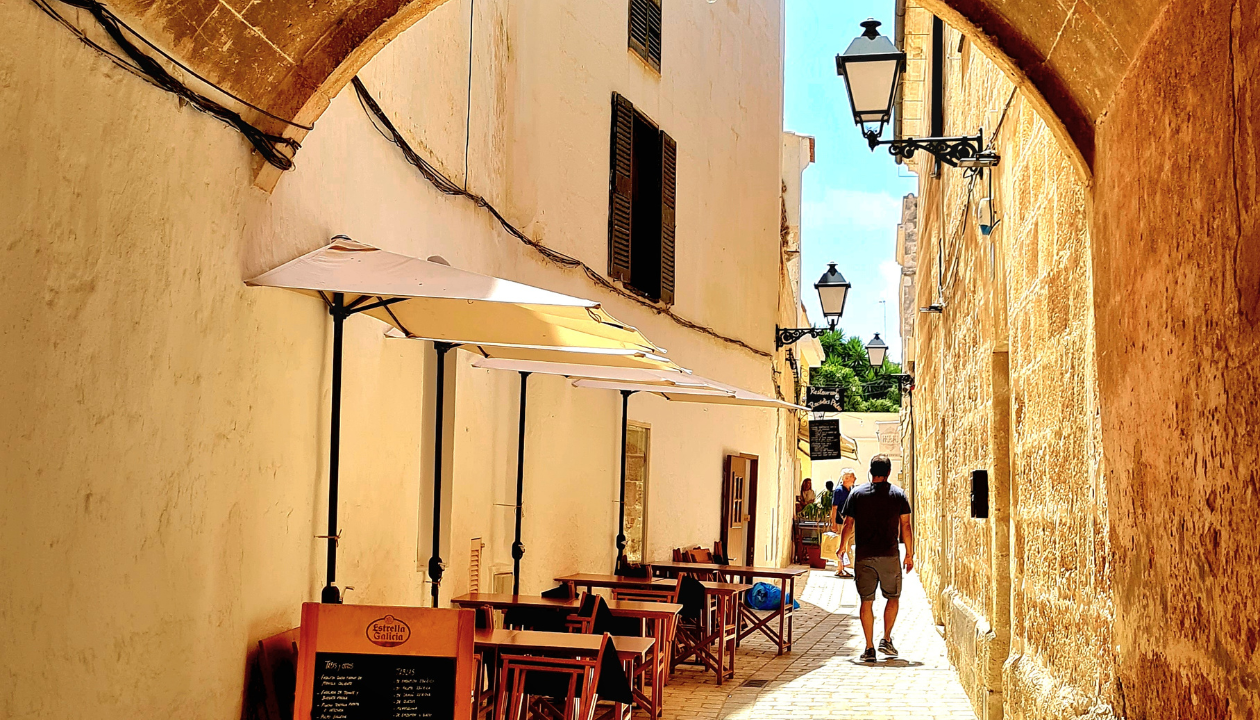
Unlike larger cities, Ciutadella’s old town feels intimate and authentic, especially in the early morning or evening. Ciutadella’s historic centre is characterized by narrow streets lined with charming shops, bars, and restaurants.
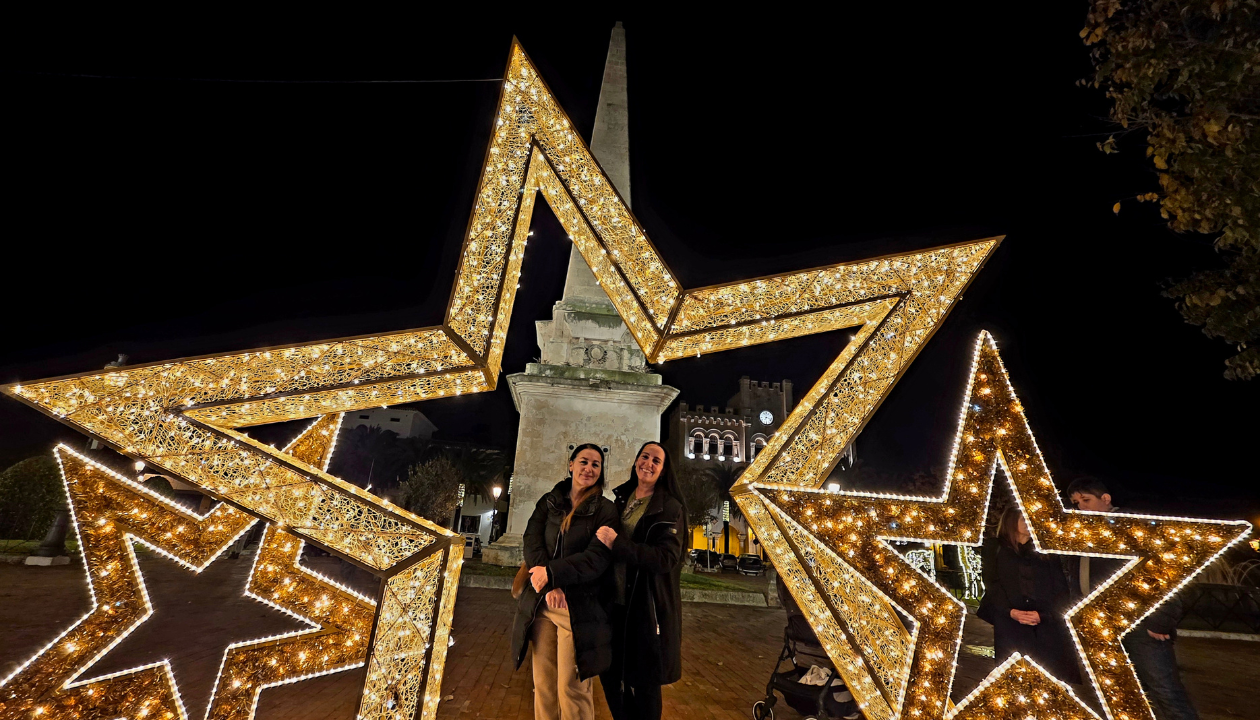
Plaça des Born
Plaça des Born, known as the old parade ground and central parade ground of Ciutadella, is one of the most important and symbolic squares in the city. It has long been the center of civic life and remains a natural meeting point today. Plaça d’es Born is a vibrant municipal and cultural space, hosting markets, celebrations, and social activities throughout the year. Surrounded by historic buildings, the square reflects Ciutadella’s former political importance and noble character.
The main square of Ciutadella, Plaça des Born, hosts a regular street market on Fridays and Saturdays.
From here, you can easily access many of the town’s main streets and monuments.
The main taxi rank in Ciutadella is located at Plaça des Born, making it a convenient spot for transportation.
The Cathedral of Santa Maria
The Cathedral of Menorca, also known as Santa Maria de Ciutadella, is one of the town’s most significant landmarks. Built in Gothic style, it dominates the historic center and represents Ciutadella’s role as the island’s religious capital.
Inside, the cathedral offers a calm and contemplative atmosphere, while its exterior blends harmoniously with the surrounding architecture.
Noble Palaces and Aristocratic Architecture
One of the most distinctive aspects of Ciutadella is its collection of noble palaces. These historic homes, built by aristocratic families, feature grand entrances, inner courtyards, and ornate stonework. Can Saura, a notable mansion built in 1675, is open for visitors year-round and showcases the architectural and cultural significance of the city. Casa Olivar is another grand and well-preserved mansion that provides insights into local aristocratic life and traditions.
Even when they are not open to the public, simply walking past these buildings gives insight into Ciutadella’s social history and long-standing sense of prestige.
Ciutadella also offers a variety of accommodation options, including boutique hotels, guesthouses, and Airbnbs, primarily located in the historic center.
The Old Port (Port Antic)
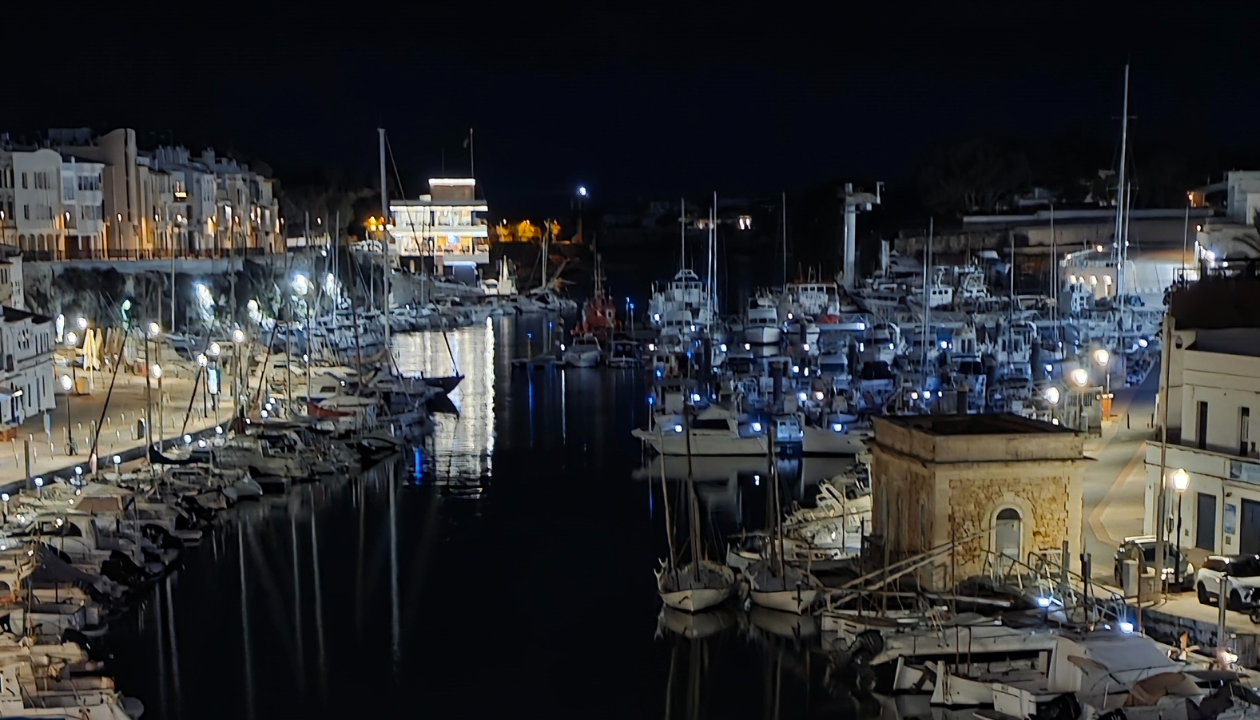
The old port of Ciutadella is a natural inlet that has played a key role in the town’s development. Today, it is one of the most atmospheric areas to visit, lined with restaurants, small boats, and waterfront terraces. Nearby, the fish market serves as a vibrant local marketplace, showcasing fresh seafood in a historical setting and attracting both locals and tourists.
In the evening, the port becomes especially lively, offering one of the best settings in town for dining and relaxed walks. The port of Ciutadella is lined with restaurants offering seafood and local dishes, creating a vibrant dining atmosphere.
The port is also the starting point for boat trips, allowing visitors to explore the coastline and beaches of Menorca, including options for group excursions, private charters, and self-driven rentals.
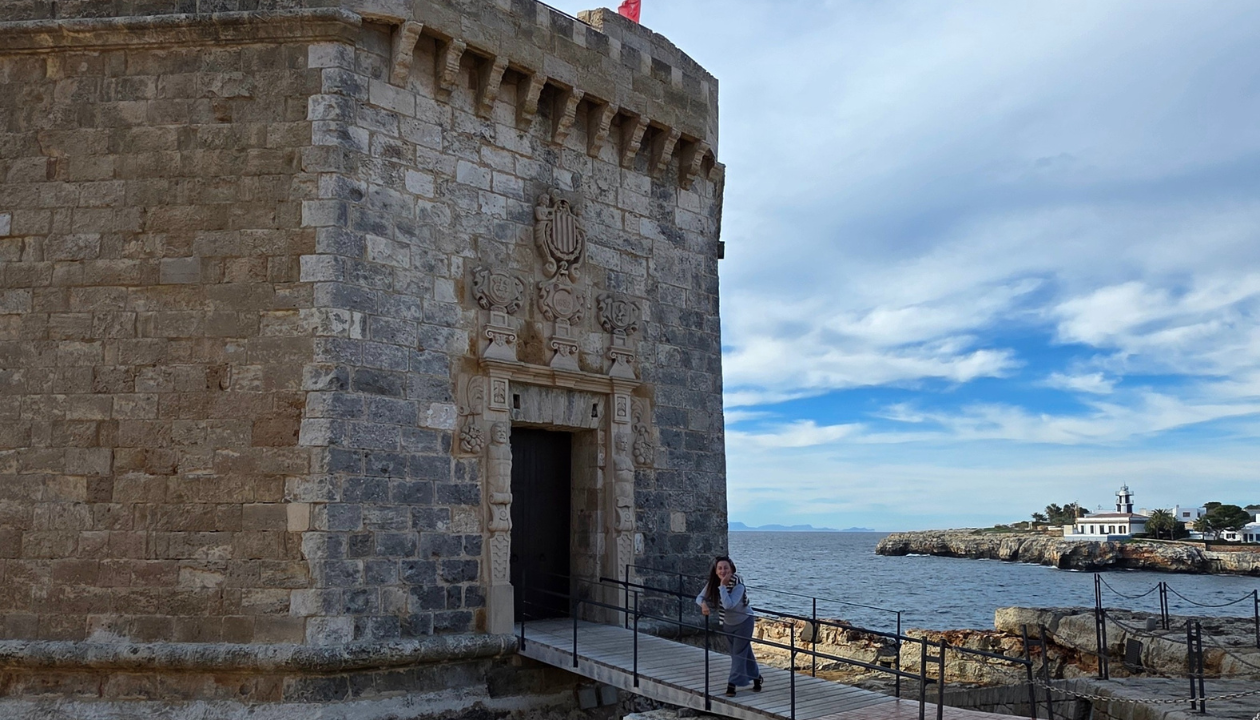
Castell de Sant Nicolau
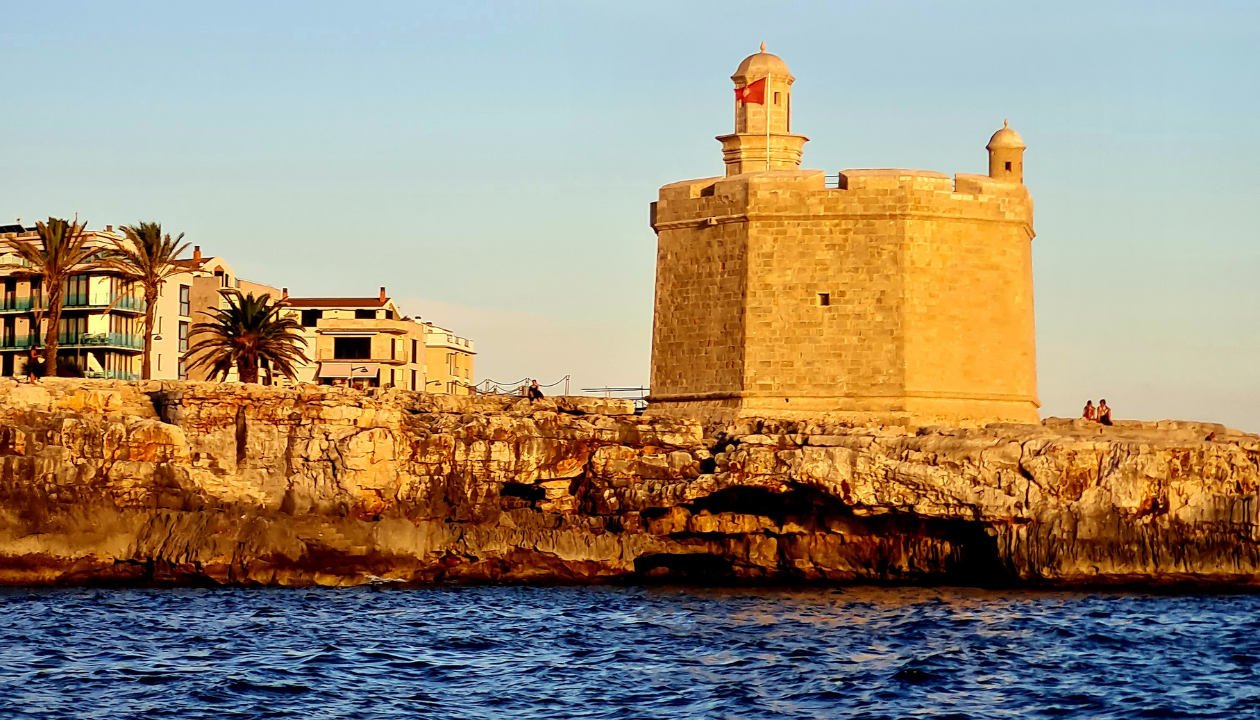
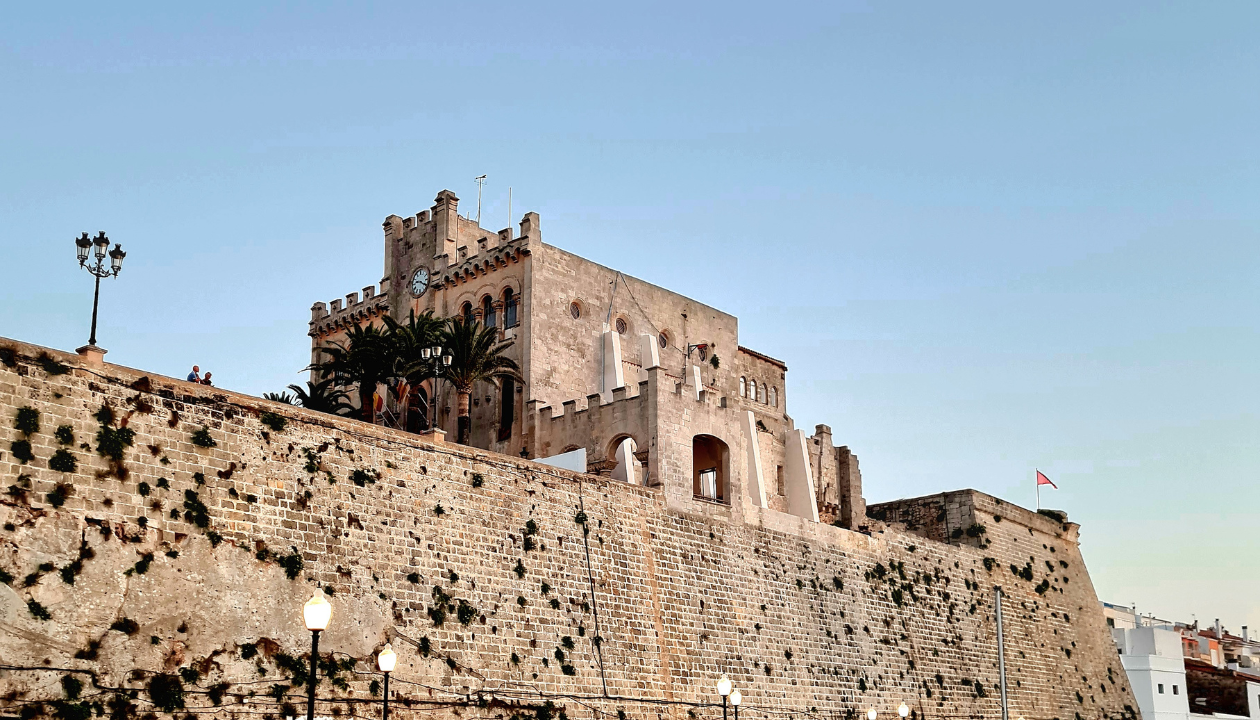
Located near the entrance to the port, Castell de Sant Nicolau is a small coastal fortress built to defend Ciutadella from maritime attacks. It is a reminder of the town’s vulnerable past and its efforts to protect itself.
The area around the fortress serves as a well-known viewing point, popular for its panoramic sea views and beautiful sunsets.
Bishop’s Palace
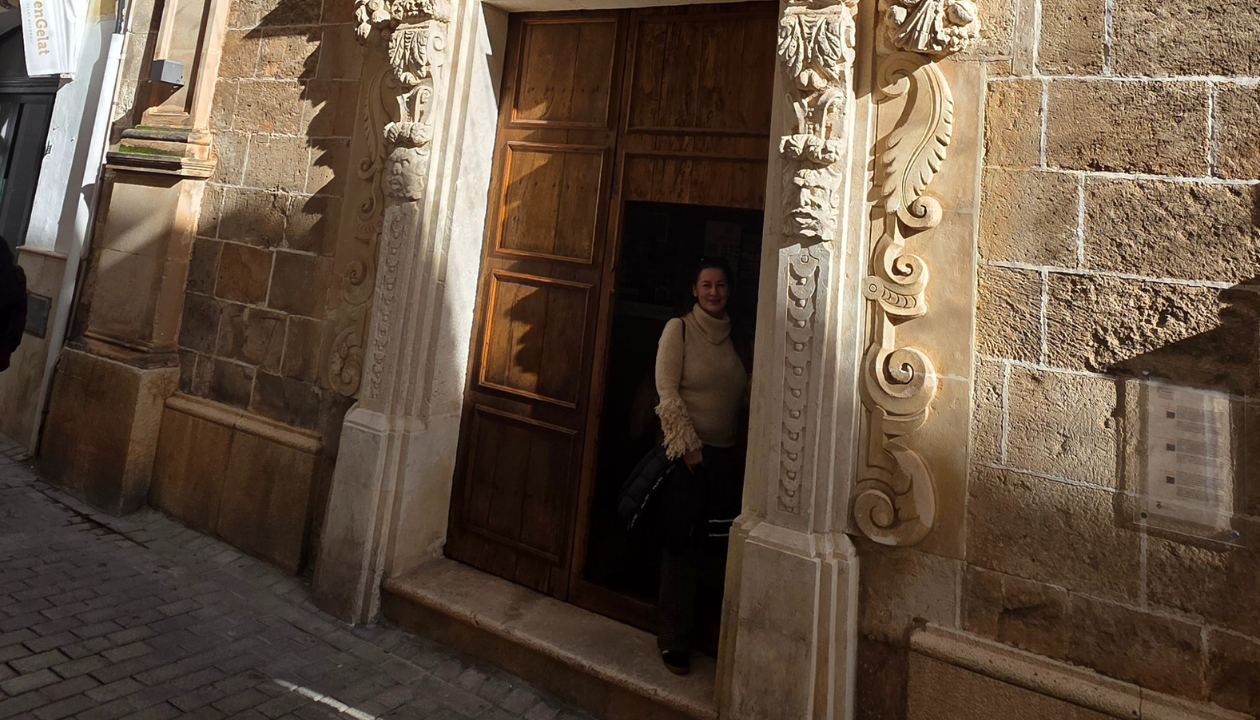
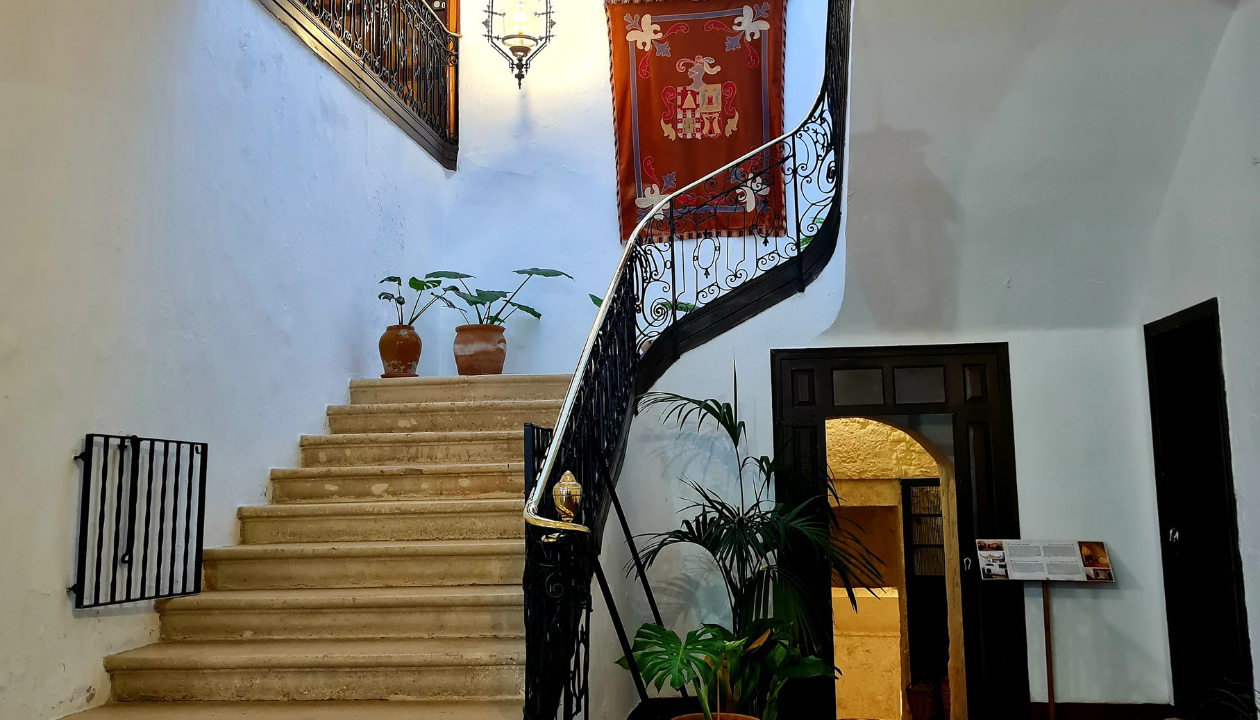
Tucked within the historic quarter of Ciutadella de Menorca, the Bishop’s Palace stands as a striking symbol of the city’s layered past and enduring importance as an administrative centre. Built in the 19th century, this elegant building reflects the transition from Arab rule to Christian rule, serving as the heart of the Catholic Church’s presence on the island. Its stately façade and tranquil courtyard invite visitors to step back in time and experience the city’s spiritual and cultural heritage firsthand.
Inside, the palace reveals a harmonious blend of medieval and modern influences, with arched corridors, sunlit galleries, and intricate details that echo the noble streets of the old town. The courtyard, open to the public, offers a peaceful retreat just a short walk from the lively plaça de la Llibertat and the bustling fish market, where you can sample the freshest local produce. As you explore, you’ll encounter fascinating exhibits—including a roman figurine unearthed at a nearby archaeological site—that bring to life the many eras that have shaped Ciutadella remains.
The Bishop’s Palace is more than just an architectural gem; it’s a living testament to the city’s role as a religious and administrative centre during centuries of Christian rule. Its proximity to the cathedral, the Diocesan Museum, and the Castell de Sant Nicolau makes it an essential stop for anyone eager to understand all this history woven into the fabric of Ciutadella. After your visit, wander the narrow streets lined with upscale boutiques and charming cafés, or take a leisurely stroll to the old port for a sunset boat trip along the coast.
Whether you’re drawn by the allure of beautiful beaches in nearby Cala’n Bosch, the vibrant street life of the city, or the rich tapestry of the Balearic Islands’ past, the Bishop’s Palace offers a unique window into the soul of Ciutadella. It’s a place where history, culture, and daily life converge—making every visit a memorable chapter in your own Menorcan adventure.
Local Markets and Food Culture
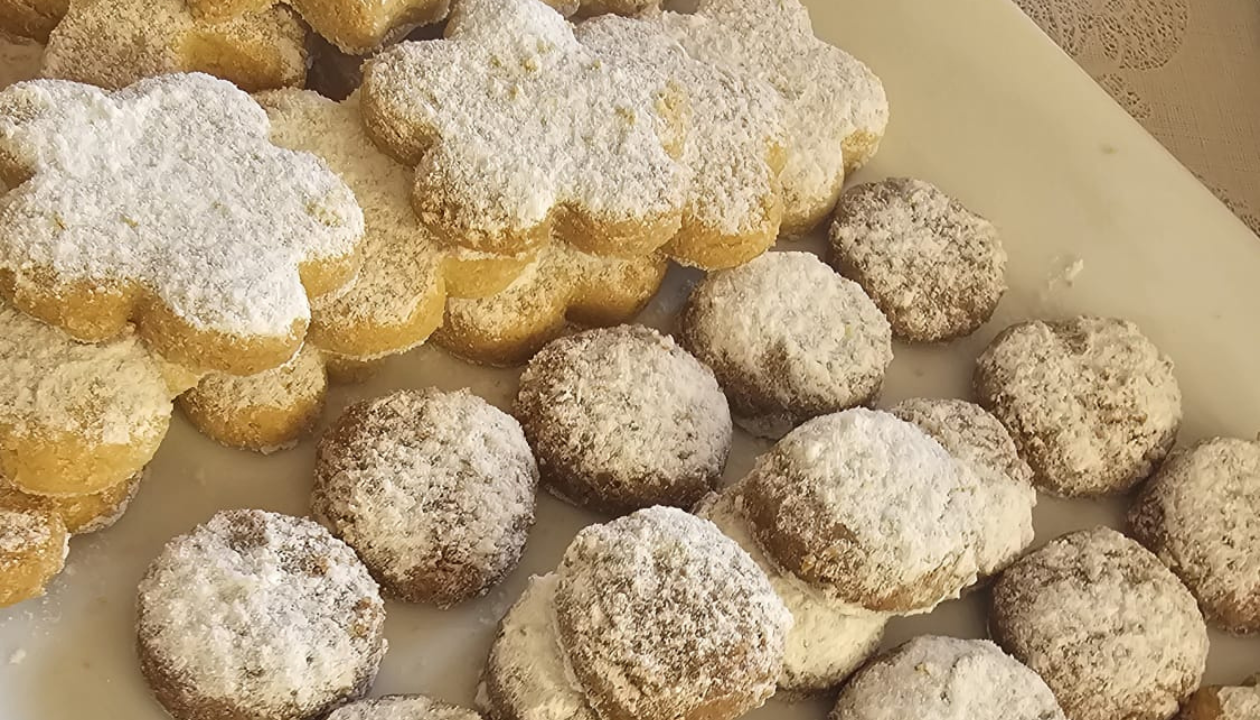
To understand Ciutadella, you must experience its food culture. Local markets and bakeries showcase Menorcan products such as cheese, pastries, and seasonal produce. Food here reflects the island’s rural traditions and Mediterranean influences. The Mercat Municipal de Ciutadella is a vibrant market where locals gather to buy fresh produce and fish, and it is a great place to sample local ingredients and local produce.
Stopping at a market or small café is also an excellent way to observe everyday life and interact with locals. Ciutadella hosts various markets, including a craft market in the summer high season, and the evening craft market operates from 10 pm to midnight, offering local artisanal goods and entertainment. Ciutadella’s culinary scene features traditional dishes like lobster caldereta, which is commonly found in local restaurants.
The best time to visit Ciutadella is in the evening when the city comes alive after the afternoon siesta.
Historic Sites and Monuments
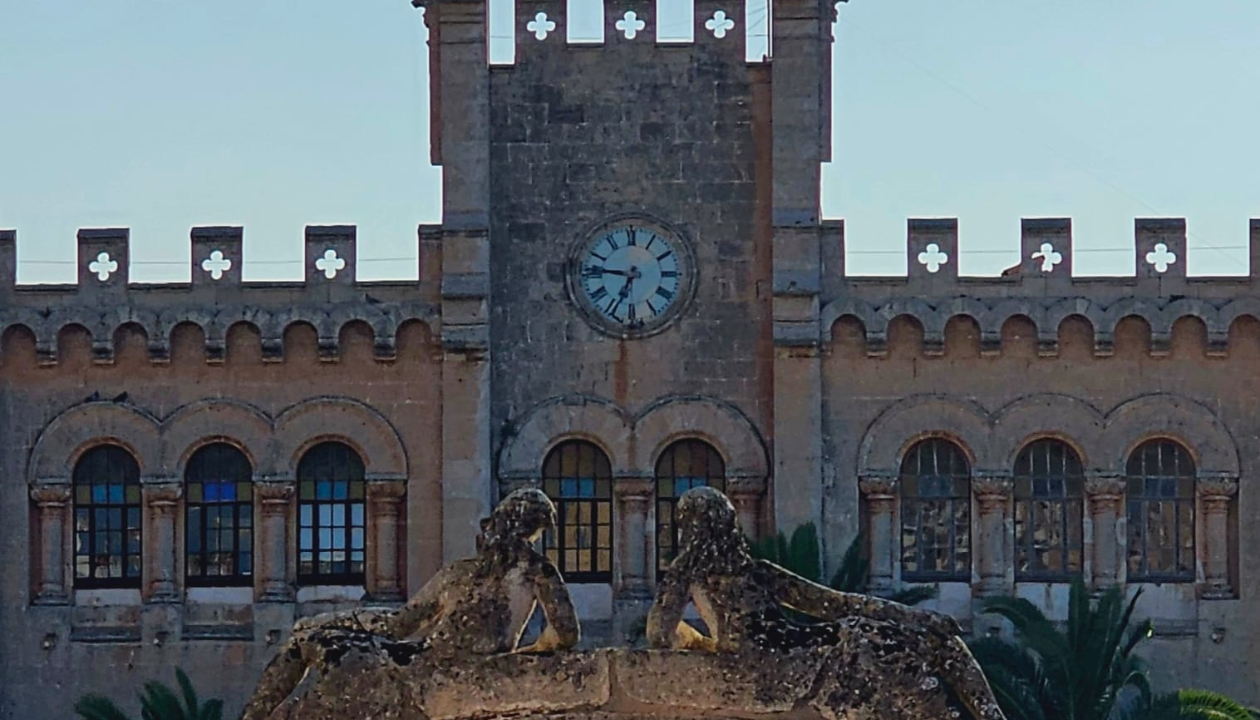
Ciutadella is a treasure trove of historic sites, each telling a story of the city’s evolution through the centuries. The Cathedral, built on the site of the old mosque during the era of Christian rule, stands as a striking example of Gothic architecture and spiritual heritage. Nearby, the city hall, dating from the 19th century, serves as a focal point for local events and civic activities, highlighting its historical significance and central role in the community as it overlooks the bustling Plaça des Born.
For panoramic views of the port and coastline, head to the Castell de Sant Nicolau, a sturdy watchtower that once guarded the city against seaborne threats. Culture lovers will appreciate the Diocesan Museum, housed in the former bishop’s palace courtyard, a historic and picturesque space. The Bishop’s Palace courtyard is a peaceful spot that visitors can access for free. Here, artifacts and artworks reveal the depth of Ciutadella’s history. Exploring these landmarks offers a fascinating journey through time, connecting visitors with the city’s enduring spirit and architectural beauty.
Places to Visit Near Ciutadella
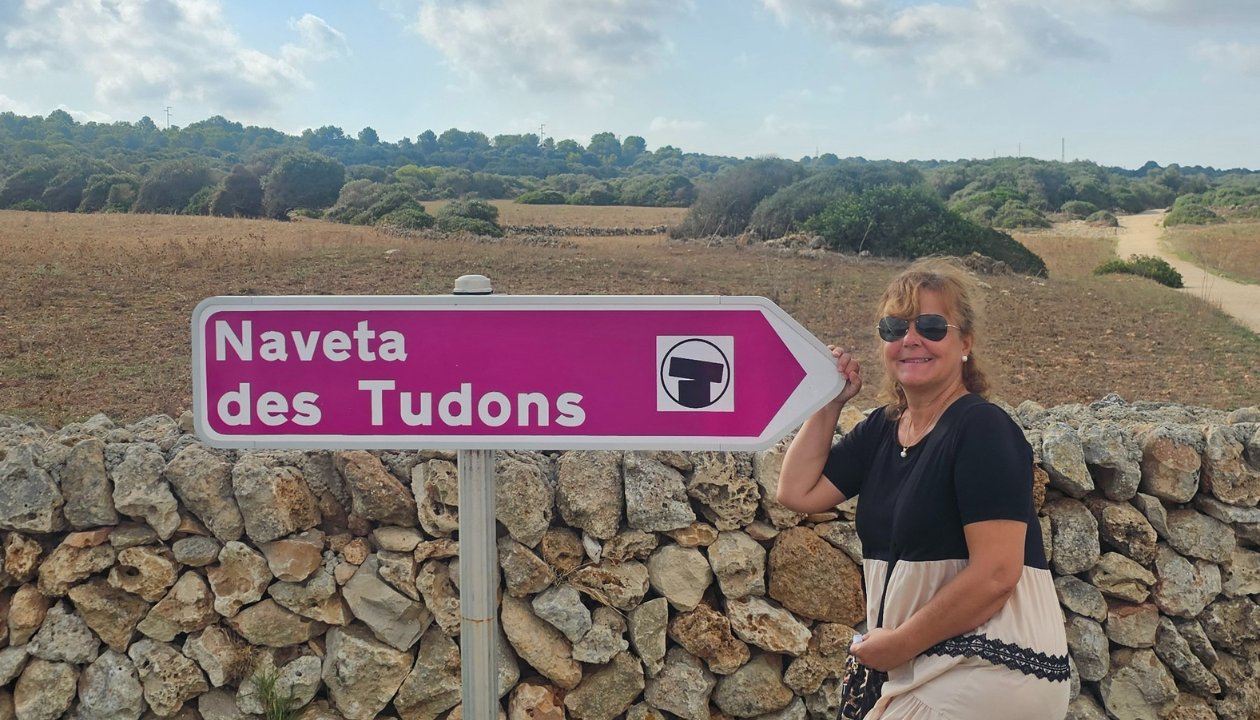
Naveta des Tudons
Just outside Ciutadella lies Naveta des Tudons, one of Menorca’s most important prehistoric monuments. This ancient burial structure offers a powerful connection to the island’s earliest inhabitants and is essential for understanding Menorca’s deep history.
Southern Beaches and Coves
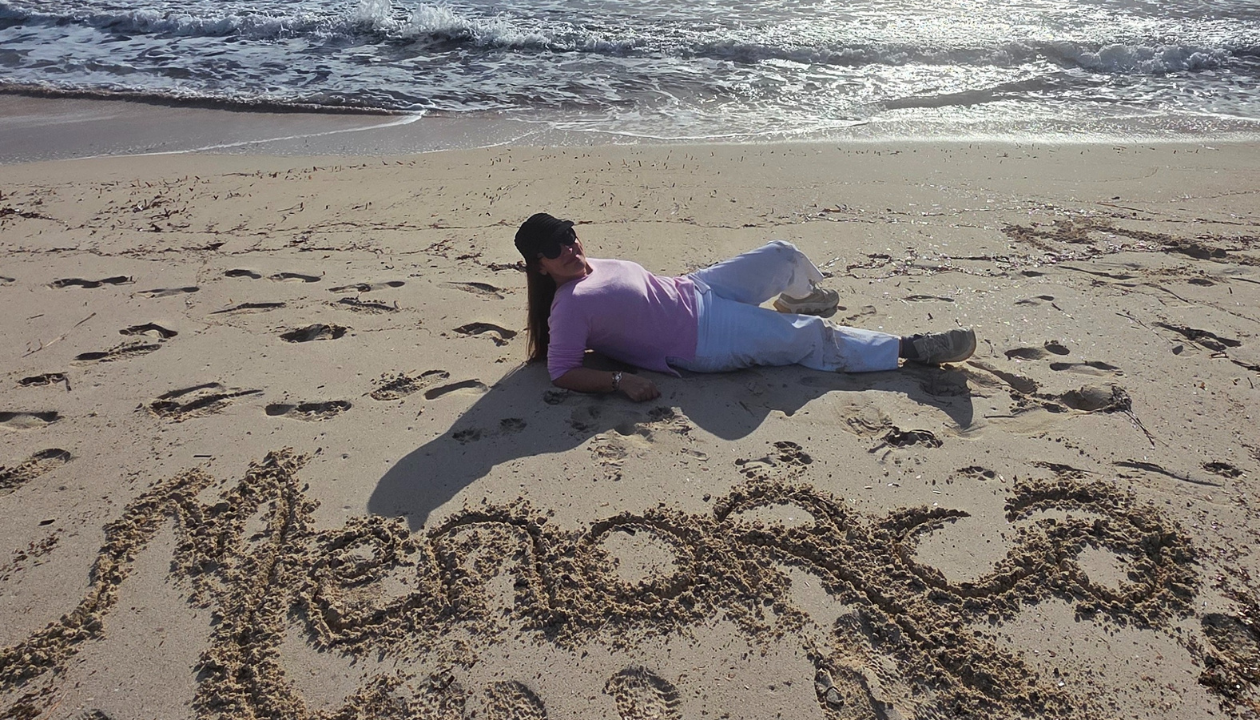
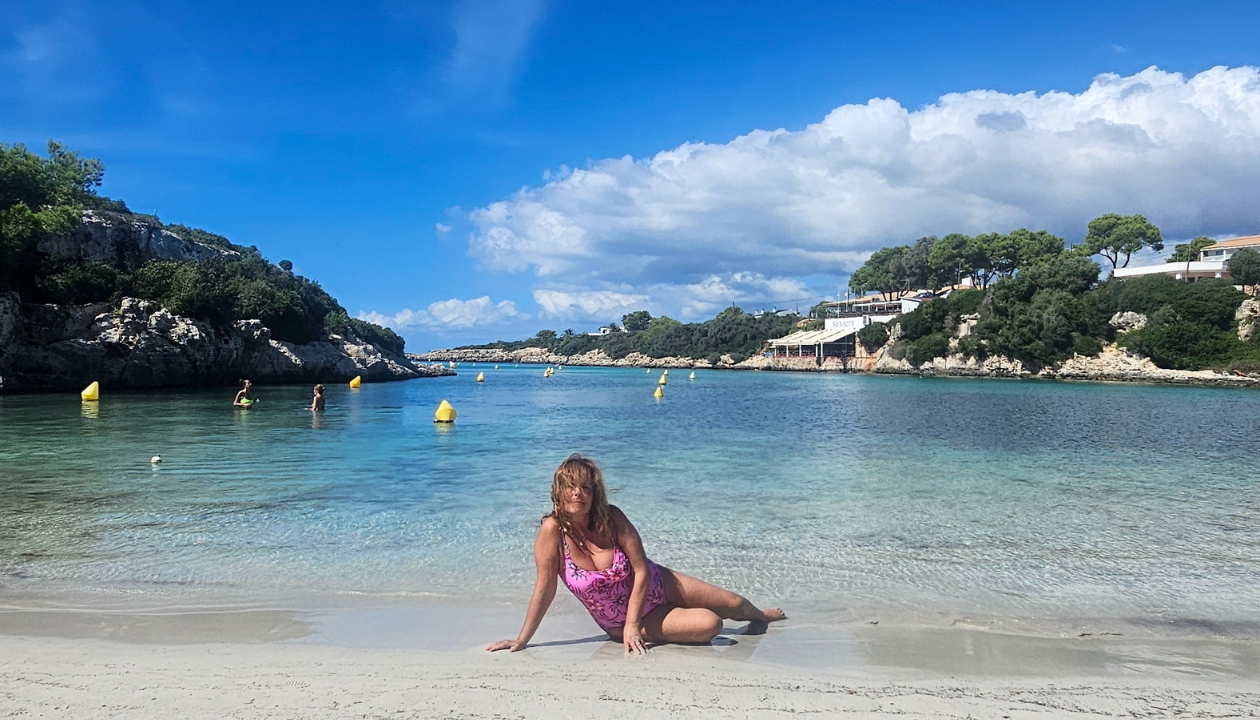
Ciutadella provides easy access to some of Menorca’s most famous southern beaches. Areas such as Cala’n Bosch and Son Xoriguer offer calm waters and sandy shores, ideal for swimming and relaxing. Cala Turqueta and Cala Macarelleta are two of the most beautiful, idyllic beaches accessible from Ciutadella. Cala Macarelleta, in particular, is a remote, pristine beach ideal for swimming and snorkeling.
Many nearby coves can be reached by car or walking paths, allowing visitors to choose between popular beaches and more secluded spots. There is also a small sandy beach with shallow water and gravelly sand nearby, suitable for quick swims.
The public bus network from Ciutadella to nearby beaches is excellent, with regular departures and clear routes.
Northern Coast and Cala Morell
For a different landscape, the northern coast near Ciutadella offers rugged cliffs and dramatic scenery. Cala Morell, with its rock-cut tombs and unique setting, is particularly worth visiting.
This side of the island feels wilder and provides a striking contrast to the gentle southern beaches.

Experiencing Ciutadella Like a Local
To truly enjoy Ciutadella, it’s important to slow down. The town is best experienced on foot, without rushing from one attraction to another. Long lunches, evening walks, and unplanned moments are part of the rhythm of life here. Key locations like Plaça Nova and Plaça del Pins are perfect for strolling, socializing, and enjoying the local cafes and restaurants, making them essential stops in the heart of Ciutadella.
Rather than focusing only on landmarks, take time to sit in a square, walk along the port at dusk, or explore streets without a map. This is how Ciutadella reveals its character.
Parking in Ciutadella is generally free, but most streets are too narrow for cars, so visitors need to park in designated lots and walk to their accommodations.
Local Culture and Festivals: The Sant Joan Festival
The heartbeat of Ciutadella is found in its vibrant local culture, best experienced during the legendary Sant Joan Festival. Every June, the historic quarter comes alive with the sound of horses’ hooves, traditional music, and the joyful buzz of social events that draw crowds from across the island and beyond. The festival is a highlight of the year, blending centuries-old rituals with modern celebration, and offering a unique window into the city’s soul.
Beyond Sant Joan, Ciutadella’s streets are animated by evening craft markets, street art, and the daily rhythm of life in the old town. Local markets, such as those in Plaça de la Llibertat, showcase the best of Menorcan produce and ingredients, while the city’s restaurants serve up dishes rooted in tradition. Whether you’re sampling local cuisine, browsing artisan stalls, or simply soaking up the atmosphere, Ciutadella’s cultural scene is as rich and inviting as its history.
Why Ciutadella Leaves a Lasting Impression
Ciutadella de Menorca is not defined by a single era or attraction. Instead, it is the result of many layers of history, from prehistoric settlements to noble architecture and living traditions. Its beauty lies in its balance between past and present, elegance and simplicity, sea and stone.
Ciutadella remains a city where the preserved old town, historic buildings, and enduring sites retain its past charm and character, showcasing its historical and architectural significance.
For visitors, Ciutadella offers more than sightseeing. It offers a sense of continuity and belonging. And for those of us who call it home, it remains a place where history is not only remembered, but lived every day.
Learning Spanish Through Daily Life in Ciutadella
What makes Ciutadella especially suitable for language immersion is its scale and pace. It is large enough to offer variety, yet small enough to feel safe and familiar. Students quickly recognize faces, places, and routines, which helps reduce anxiety and encourages communication in Spanish.
Students and visitors can also join a guided tour of historical sites in Ciutadella to enhance their understanding and engagement with the city’s heritage.
Living in your teacher’s home means that learning continues beyond lessons. Meals, shopping, walks, and family conversations all become part of the language experience. Instead of switching back to English, students remain immersed in Spanish throughout the day.
This environment allows students to improve not only their grammar, but also their listening skills, pronunciation, and cultural understanding.
Why Ciutadella Is the Perfect Place to Learn Spanish Through Immersion
Ciutadella de Menorca offers students far more than a language course. It offers an environment where Spanish is lived, heard, and practiced every day. Its history, walkable streets, welcoming atmosphere, and strong sense of community make it an ideal setting for immersion learning.
For students in the Spanish Homestay Immersion Programme, Ciutadella becomes a temporary home—a place where learning Spanish feels natural, meaningful, and personal. Living and studying Spanish in your teacher’s home allows language learning to extend beyond lessons and into everyday life.
It is this combination of culture, connection, and continuity that makes Ciutadella such a powerful place to learn Spanish in Spain.
For full details on how to reach Ciutadella, including transportation options, note that the city is approximately 28 miles from Mahón Airport, with a travel time of just under an hour.
Transportation around the island
Getting to and around Ciutadella de Menorca is easy, thanks to regular buses and well-maintained roads connecting the city to other towns on the island, including Mahón, Cala Galdana, and the best beaches along the coast. The city itself is compact and walkable, making it a great location for exploring on foot.
Accommodation options in Ciutadella range from boutique hotels in the historic quarter to family-run guesthouses and modern apartments, many offering outdoor pools and views of the old city. Whether you’re looking for good value or a touch of luxury, you’ll find something to suit your style and budget.
Staying in Ciutadella puts you at the heart of the Balearic Islands, with easy access to beautiful beaches, archaeological sites, and the vibrant life of the city. For a truly immersive experience, consider a day trip to nearby coves like Cala en Brut, Cala Santandria, or Cala Macarella, all easily reached from your base in Ciutadella. With its welcoming atmosphere, rich history, and excellent connections, Ciutadella de Menorca is your best bet for an unforgettable island getaway.
Take the First Step Toward Experiencing Ciutadella Like a Local
If you want to truly understand Ciutadella, the best step isn’t reading more history; it’s living the town through daily life, real conversations, and local routines where Spanish is naturally used all day.
👉 Explore our Spanish Homestay Immersion Program (SHIP) and experience Ciutadella from the inside while living with a native host teacher.

It’s the most authentic way to connect with the place, the culture, and the language in a calm, personal setting.
Get in Touch With Our Founder
If you have questions about learning Spanish in Ciutadella, staying in Menorca, or exploring our Spanish Homestay Immersion Program (SHIP), our founder is happy to help.
Mónica Romero
Founder and Director, Spanish Express
📞 Phone / WhatsApp: +44 7903 867894
📧 Email: monicaromero@spanishexpress.co.uk
