

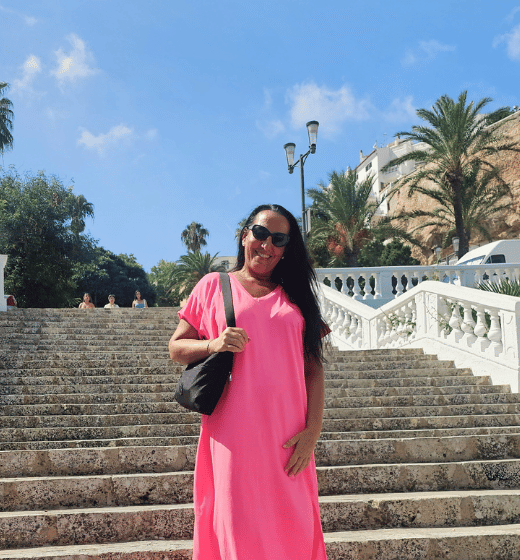
Mahón, also known as Maó, is the capital of Menorca and its second largest city, a picturesque capital that perfectly combines the island’s history, maritime heritage, and vibrant local life. Located on the eastern coast of the island, this small city in Spain forms part of the Balearic Islands and stands proudly beside one of the largest natural port areas in the world.
For students and travellers alike, visiting Mahón offers an authentic introduction to Menorca’s character. From rocky outcrops overlooking turquoise waters to lively markets, historic centre streets, and waterfront promenades, Mahón is a town where the past and present meet in everyday life.
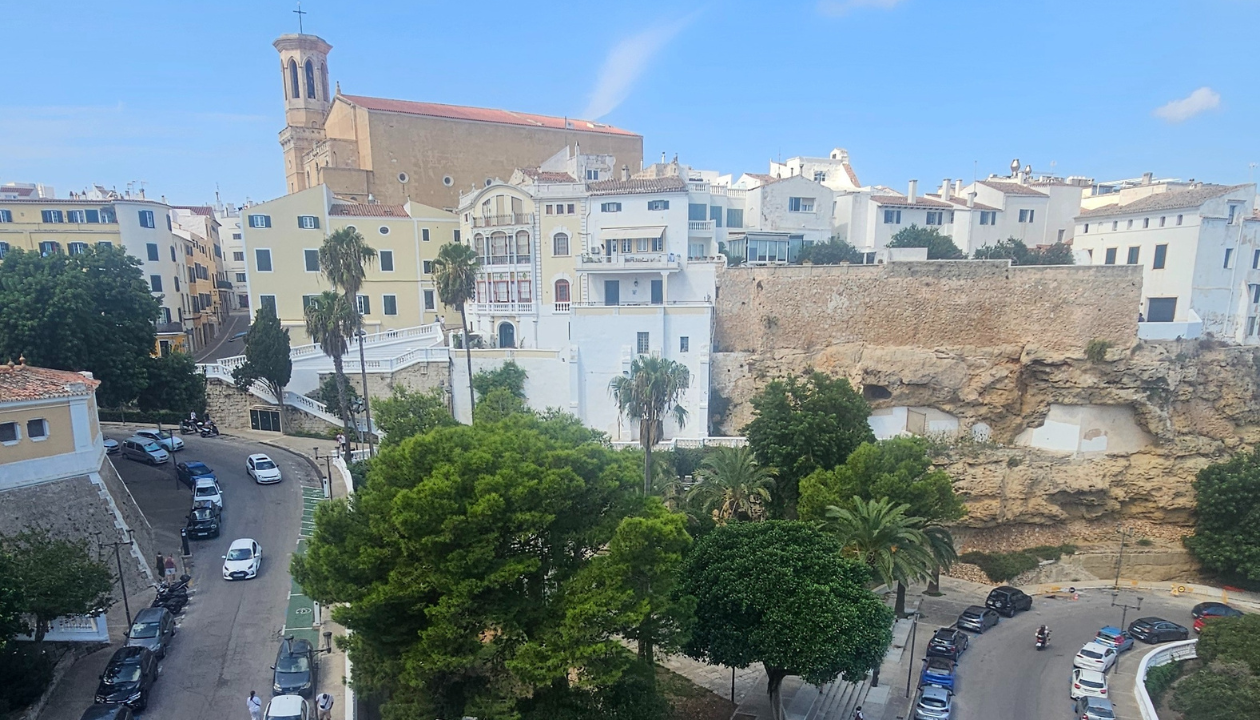
Mahón and Menorca: An Island with Deep Roots
Menorca is part of the Balearic Islands in the western Mediterranean and is recognised as a UNESCO Biosphere Reserve, protecting its landscapes, olive groves, pine forests, and traditional rural life. Nature lovers are drawn to the island’s mix of rugged coastline, turquoise waters, and peaceful countryside.
Mahón was traditionally founded by Carthaginian General Mago Barca around 205 BC. Over centuries, the city was shaped by Romans, Moors, and later European powers, creating a layered cultural identity. Today, the city’s population stands at approximately 29,000 people, giving it the atmosphere of a small city while still functioning as an administrative and cultural capital.
Mahón became the capital of Menorca in 1722 during the period of British occupation, after the city was captured by British forces in 1708. This moment was pivotal in shaping the modern town, leaving behind a visible British legacy and strong English heritage that can still be seen in architecture, town planning, and even local traditions.
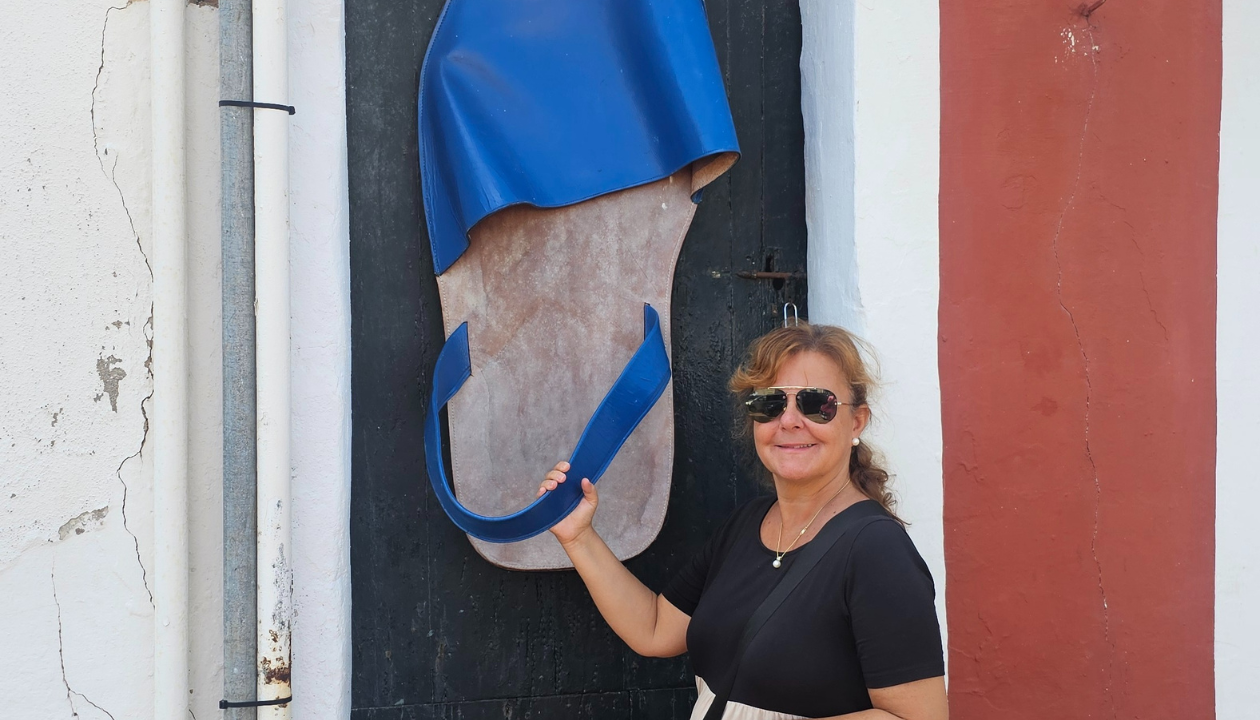
Mahon Harbour Changed the City’s Destiny
Mahón’s most defining feature is its extraordinary natural harbour, stretching for several kilometres and often described as one of the longest natural harbours in the world. Known locally as Port de Maó, this deep, sheltered inlet made the city a strategic naval base and a hub of local trade for centuries.
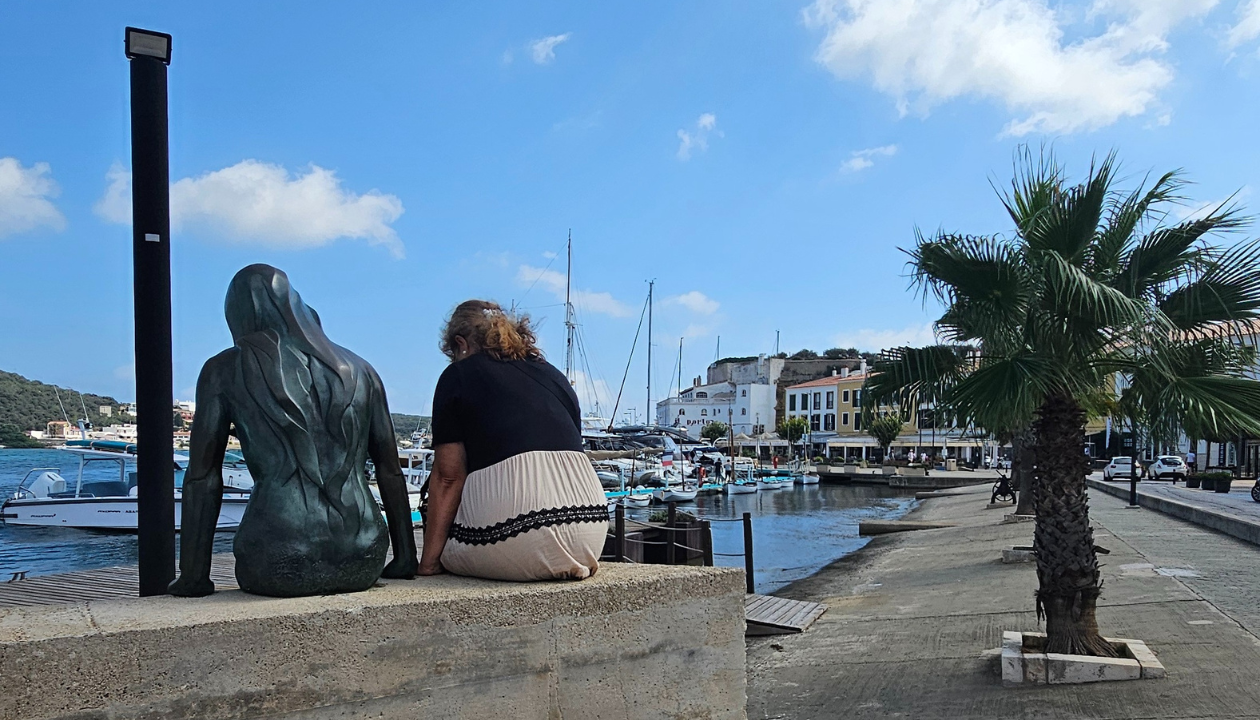
The Mahon harbour remains the heart of the city today. Its waterfront is lined with bars, restaurants, and marinas, creating a lively social atmosphere. A scenic walk along Moll de Ponent reveals panoramic views across the harbour, while Mahon boat tours and harbour cruises allow visitors to appreciate the scale of this remarkable natural feature.
A popular boat trip from the port takes visitors to Isla del Rey, home to the Hauser & Wirth Menorca contemporary art centre. The island blends historic naval buildings with exhibitions by national and international artists, making it an unexpected cultural highlight.
British Legacy and Architectural Character
Mahón’s streets reflect its complex history. The old town is filled with 18th-century buildings influenced by Georgian design, a lasting reminder of British rule. Tall townhouses, sash windows, and symmetrical facades coexist with Mediterranean balconies and stone stairways.
One of the city’s architectural jewels is the Teatro Principal de Maó, built in 1829 and recognised as the oldest opera house in Spain. This historic venue continues to host concerts, theatre, and live music, contributing to Mahón’s vibrant cultural calendar.
The historic centre also features several important churches, including the Santa María Church in Mahón, which houses one of the largest pipe organs in Spain, built in 1810. Nearby, Carmen Church Mahón adds to the city’s religious and architectural heritage.
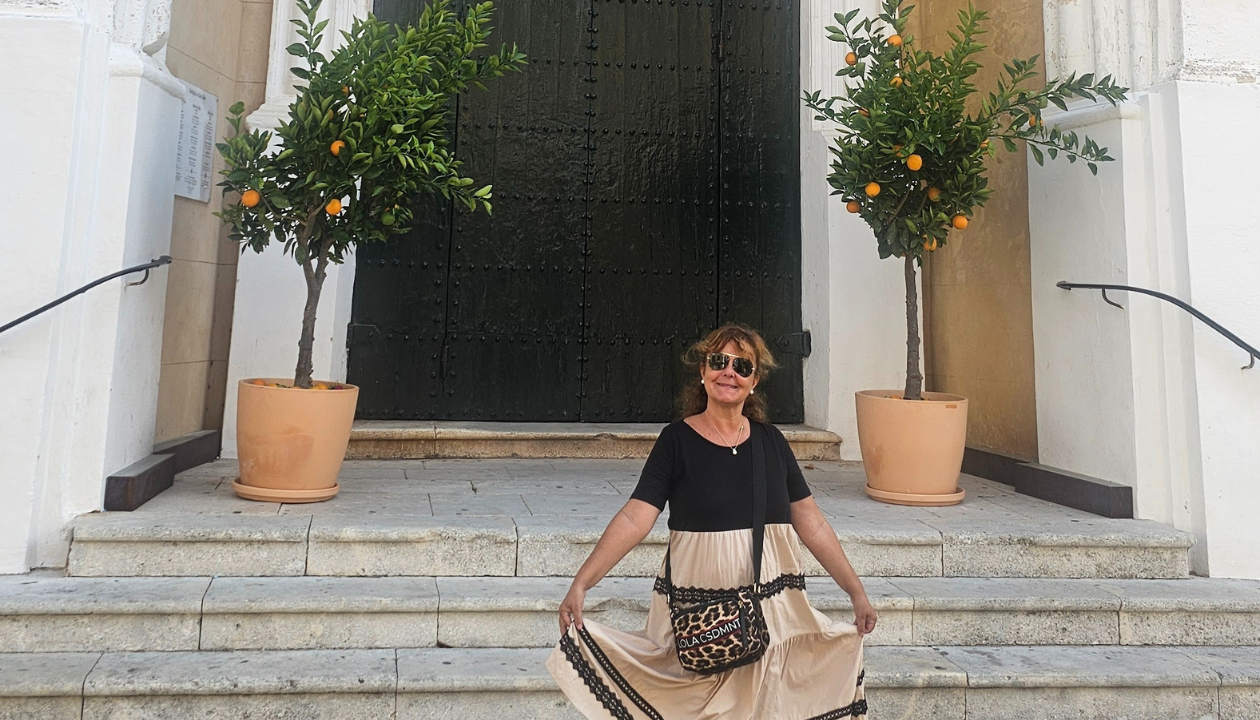
Exploring the Historic Center on Foot
Mahón’s historic centre is compact and ideal for a short walk. Wandering through the old town reveals narrow streets, stone staircases, and small squares that serve as a natural meeting point for locals.
Key locations include Plaça de la Constitució, where the town hall stands, and Plaza de España Mahón, another central gathering space. These areas connect seamlessly to shopping streets, cafés, and viewpoints overlooking the harbour.
A stroll through the historic center offers countless opportunities to pause at a pastry shop, browse local boutiques, or simply enjoy the atmosphere of a town that balances tradition and modern life.
Markets, Food, and Local Products
Food is a major part of Mahón’s identity. The city is known for its vibrant markets and strong connection to local cuisine, based on fresh seafood, cheese, and seasonal produce made from local ingredients.
The Mercat des Peix Mahón, also called the Mercat de Peix, is both a fish market and a gastronomic market, where visitors can sample tapas made from freshly caught fish. Another essential stop is Mercat des Claustre Mahón, famous for Menorcan cheese, cured meats, crafts, and other local products.
Mahón is also celebrated as the birthplace of mayonnaise, believed to have originated here, further strengthening the city’s reputation in the world of food.
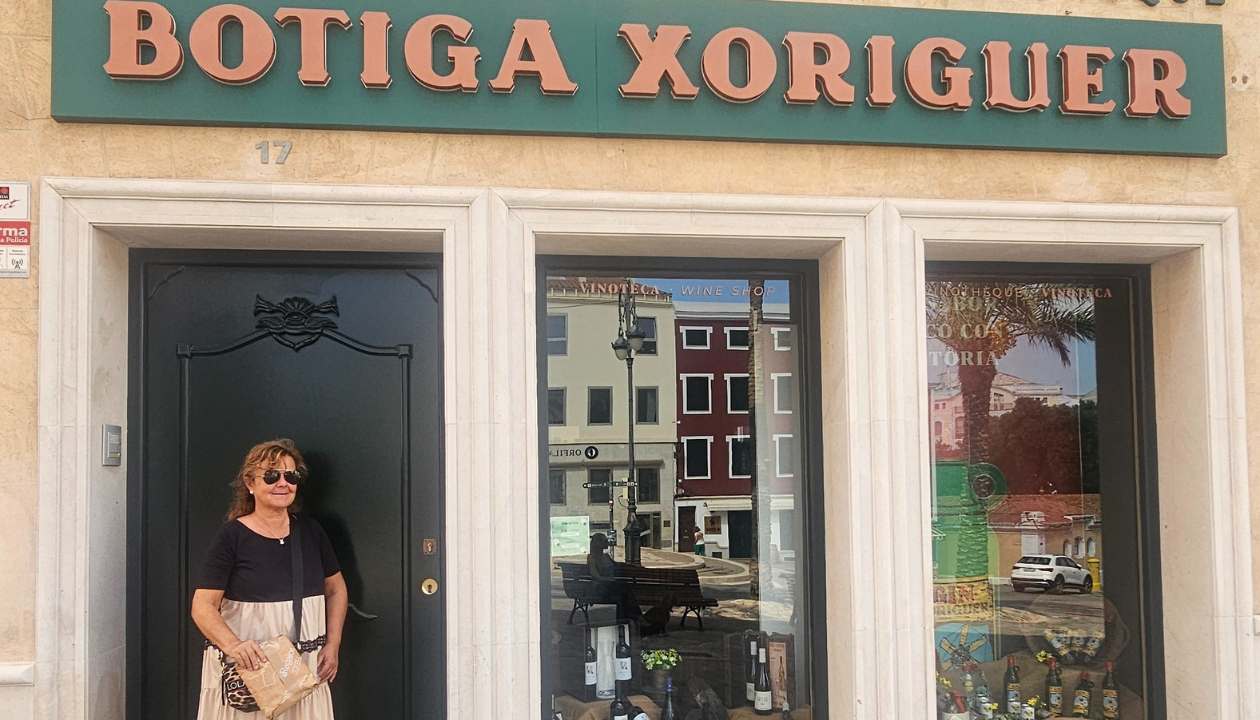
Gin Xoriguer and Menorca’s Oldest Gin Tradition
One of Mahón’s most iconic products is its local gin. The city is home to the famous Gin Xoriguer distillery, which produces Gin de Maó, often considered Menorca’s oldest gin. The spirit has a distinctive Mediterranean character and reflects the island’s long tradition of distillation.
Many visitors enjoy free tastings at local shops or distillery outlets, discovering how this traditional gin has become part of Menorca’s cultural identity.
Beyond the City: Easy Day Trips
Mahón’s location makes it an excellent base for a day trip around the island. The picturesque harbour town of Es Castell lies just a short distance away and offers beautiful sunrise views. Nature lovers can explore beaches along the south coast, while those seeking a larger urban contrast can visit Palma de Mallorca by ferry or flight.
Arriving on the island is easy via Menorca Airport, located a short drive from Mahón.
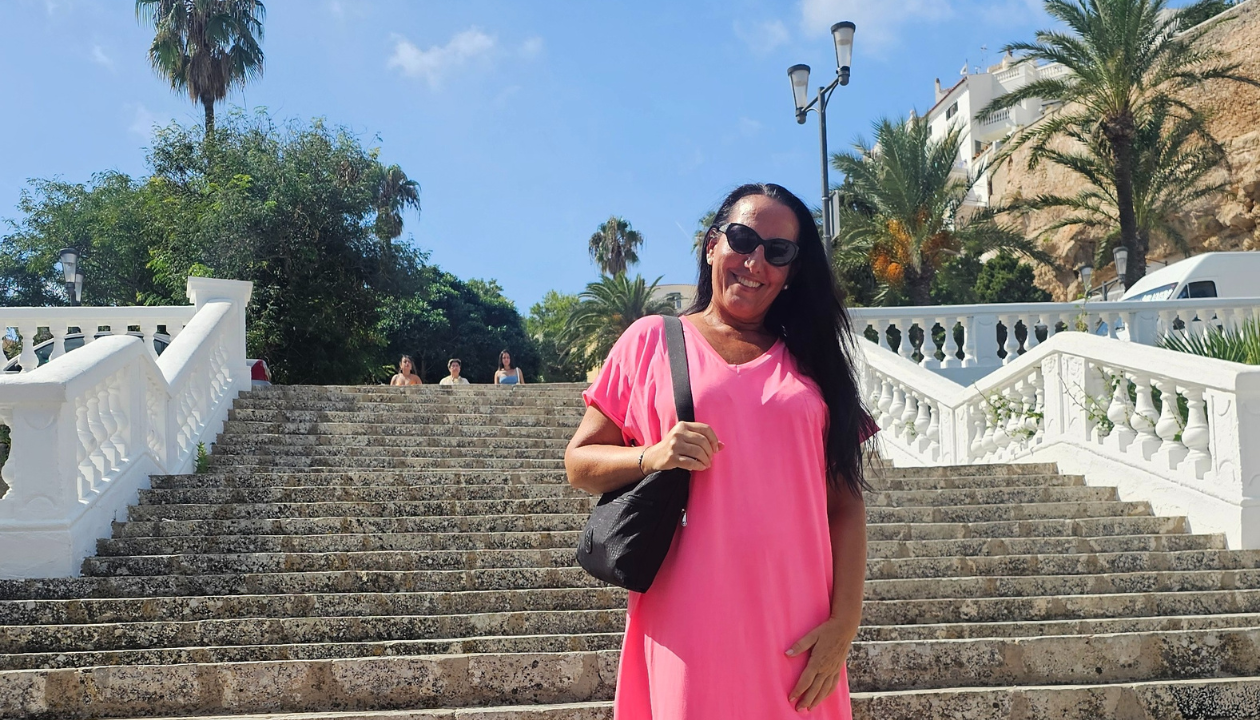
Capital of Menorca Feels Personal
What makes Mahón special is its ability to feel both important and intimate. It is undeniably the capital, yet it remains a welcoming town where everyday life unfolds at a relaxed pace. Families with small children, artists, shopkeepers, and visitors share the same streets, markets, and cafés.
Mahón’s blend of history, harbour views, food culture, and artistic life creates a city that is rich in experiences without being overwhelming.
Why Visit Mahón in the Balearic Islands?
Whether you are interested in history, food, architecture, or simply enjoying a walk through a charming old town, Mahón offers something meaningful. Its status as the capital of Menorca, its extraordinary harbour, and its living traditions make it one of the most rewarding places to visit in the Balearic Islands.
Experiencing Mahón becomes even richer through the Spanish Homestay Immersion Programme (SHIP), where language learning blends with everyday island life. Sharing meals, conversations, and local routines with a host teacher allows visitors to connect with Menorca far beyond the surface, turning cultural discovery into real communication.

From prehistoric times to British occupation, from rocky outcrops above the sea to bustling markets below, Mahón tells the story of an island shaped by the world, yet deeply rooted in its own identity — a story best understood not only by seeing it, but by living it.
You can explore more real immersion experiences here:
👉 SHIP Stories of Our Previous Students
For personalised guidance and programme details, you can contact our founder directly:
Mónica Romero
Founder and Director, Spanish Express
📞 Phone / WhatsApp: +44 7903 867 894
📧 Email: monicaromero@spanishexpress.co.uk
