

They always ask me how to travel from Barcelona to Valencia.
Sometimes it’s students who’ve just arrived at Barcelona Sants train station, their heads full of questions and bags full of dreams. Sometimes it’s travelers sitting at my kitchen table, halfway through their trip, wondering what’s next. And sometimes it’s me, looking for a change of air and preparing to visit la Terreta, as we fondly call Valencia.
Over time, I’ve taken every route possible. I’ve compared journey times, seen how ticket prices vary depending on the season, and found that the experience always depends on what you need: speed, comfort, or a bit of the Spanish countryside.
This isn’t a guide. It’s just what I know. If you were with me now, maybe over coffee in the main concourse at Sants Station, this is what I’d tell you before you start your own train journey.

The Train: My First Choice
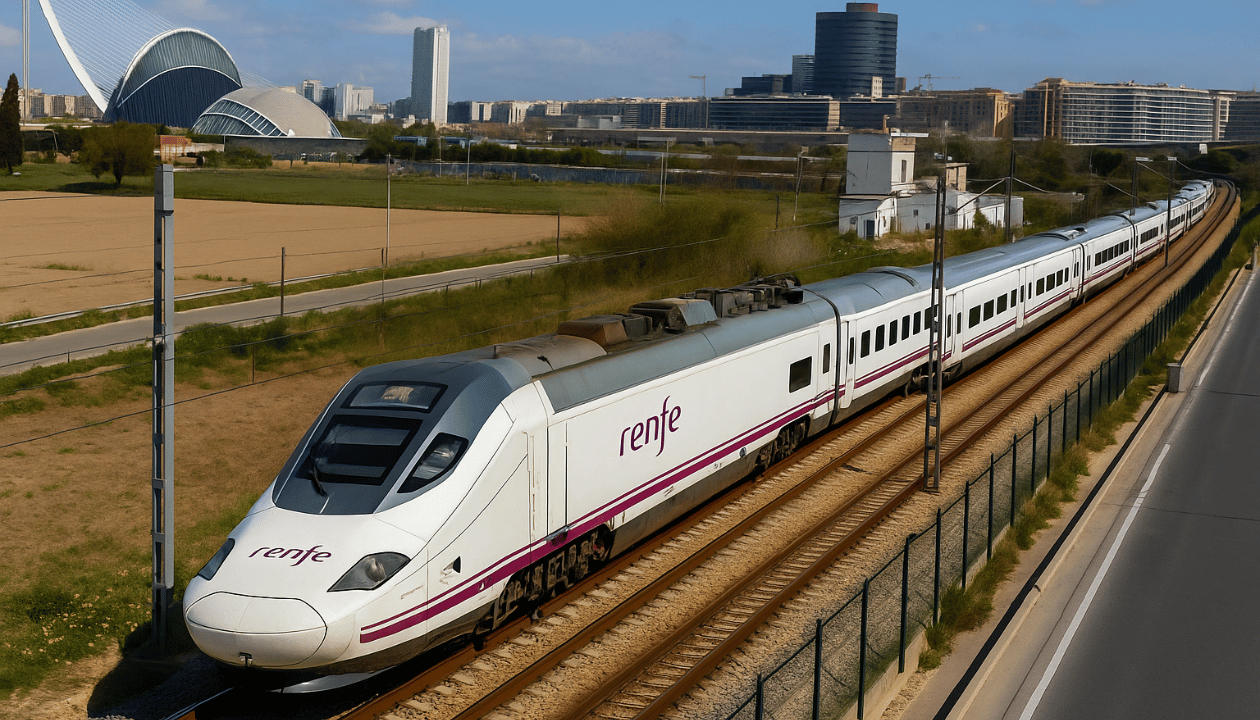
Most of the time, I take the train from Barcelona to Valencia. It’s calm, reliable, and leaves me with enough energy to start teaching or simply enjoy the city. The views of the Spanish countryside always remind me how beautiful this stretch of Spain really is.
Two High-Speed Trains, One Easy Journey
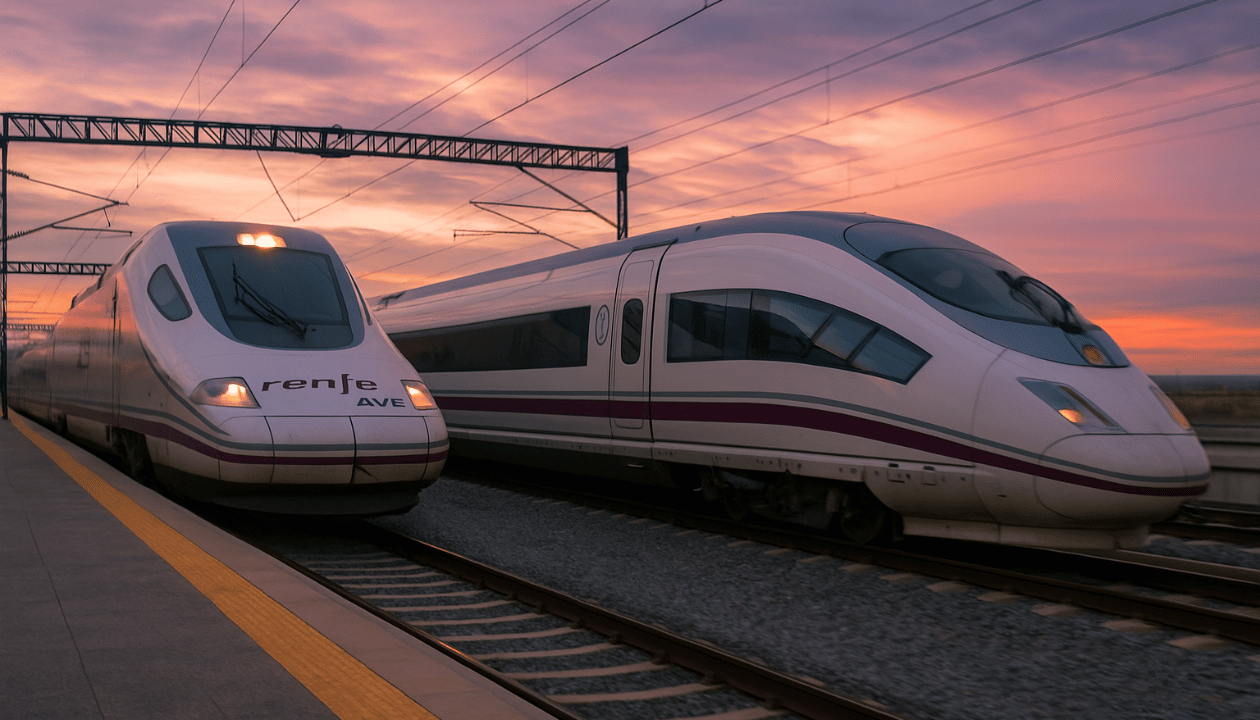
There are two main high-speed train services operated by Renfe:
- Euromed: The fastest and most frequent, great for comfort and time
- Talgo: Slightly slower, but still efficient and well-equipped
Both depart from Barcelona Sants station and arrive at València Joaquín Sorolla, which operates from 05:45 to 00:00 (source), helpful if you’re arriving late or leaving early.
Train Schedules and Travel Time
- The first train usually departs at 07:15
- There are up to 10 daily departures, depending on the weekday
- The average journey time is just under 3 hours, with some services even faster (source)
- I always check the Valencia train times before heading out, it’s a small step that saves a lot of guesswork
Booking Tips and Prices
You can book train tickets online or in person at the main concourse in Barcelona Sants. I always book in advance, not just for comfort, but because popular trains often sell out.
- Train tickets usually start from €15, though they can rise depending on time and class (source)
- I use Renfe’s official site or Trainline to secure seats ahead of time
- If you’re looking for cheap train tickets, early booking is essential, especially during busy seasons
- Fares vary depending on the date and how early you purchase
What to Expect Onboard
Every train journey offers:
- Comfortable seating, even in standard class
- Air conditioning and well-kept restrooms
- Power sockets at most seats, I use them to prep for lessons or charge my phone
- Optional first class with more legroom and sometimes light snacks
- Easy access to dining options, like café cars or food trolleys
Trains run directly from the city centre to the city centre, which means no airport transfers, no shuttle buses, and no extra steps. For me, it’s the most balanced and comfortable way to travel between Barcelona and Valencia, one I return to again and again.
Flying: Quick in the Air, Slow on the Ground
Flying from Barcelona to Valencia takes about one hour, but once you add airport transfers, check-in, and boarding, the journey time usually stretches to around three hours.
I use this option only when I’m already at Barcelona Airport or need to connect to something at Valencia Airport. Otherwise, it’s not my first choice. Flights don’t depart from the city center, and connections to public transport can vary depending on the metro lines and terminal.
Most flights are operated by major carriers, and while they’re quick in the air, they often require more planning. If I have luggage or need flexibility, I prefer the train companies that offer direct routes between cities.
Flying does have its place, but for day-to-day travel within Spain, I find other options more practical. I usually save flights for longer journeys, or when the timing leaves no other choice.

Bus Travel: Steady and Simple
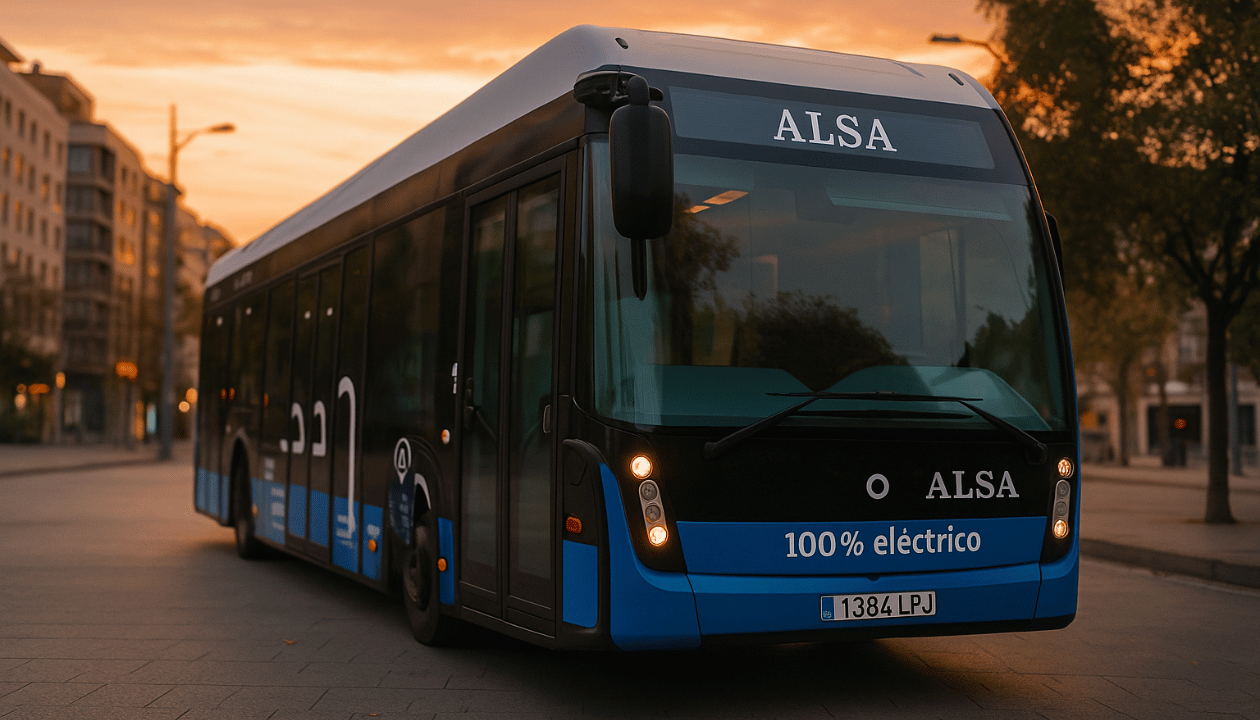
When I want to take things slowly, I sometimes travel by bus from Barcelona to Valencia. It’s a longer trip, usually about 4 to 4.5 hours, and it follows a peaceful route along the coast.
The major bus operators offer frequent departures from the city, and many services run late into the evening, ideal if you need a flexible schedule. I often recommend this option for travellers who enjoy the road and want to see more of the landscape between cities.
The buses are comfortable, with free WiFi, reclining seats, and generous space for passengers and their luggage. Some people even use them for a day trip, especially if they’re already staying close to Sants Station or Estació Sants.
You don’t need to navigate any transfers. The buses arrive right in the city centre, making it easy to continue your journey through Valencia by train or on foot.
Driving: Freedom Between Two Cities
Driving from Barcelona to Valencia takes about three and a half hours, depending on traffic and where your journey starts. The most direct path follows the routes along the AP-7, a scenic motorway that runs near the coast and past small towns that many travellers overlook.
I like to take this route when I want flexibility, to stop in La Terreta, visit a friend, or explore the coastline at my own pace. You can make stops in Valencia from Barcelona or extend the ride into a longer adventure.
What I enjoy most is arriving directly at my destination, especially when I’m not staying near train stations. And if you’re planning return journeys, driving gives you complete control over your schedule.
While the train is faster, there’s something special about the open road. For those who enjoy the drive itself, it’s a rewarding and comfortable option.
Rideshare: Shared Stories on the Road
When I don’t want to drive but still want car comfort, I use BlaBlaCar. It’s a ridesharing app where you can book a seat in someone’s car heading to Valencia. The trip usually takes 3.5 to 4 hours, and most rides cost around 20 to 25 euros.
Pick-up spots vary, but they’re often near Sants Station or other metro stops. I’ve shared rides with students, teachers, and once with a baker who insisted I try her homemade bizcocho.
It’s more eco-friendly than driving alone, and you often end up chatting in Spanish the whole way. Just make sure to check the driver’s ratings and agree on the drop-off point before you go.
For me, it’s a nice mix of connection and convenience, especially when the train is full or I want to travel off-schedule.
What’s Next: Travel That’s Almost Science Fiction
Lately, people talk about the future of travel like it’s already here. In Valencia, they’re building test tracks for the hyperloop, a train that could someday take us there in under 30 minutes. It’s not ready yet, but it’s coming.
Electric vehicles are growing too. Many students now rent EVs to drive between cities, with charging stations all along the AP-7. And in Barcelona, I’ve seen autonomous minibuses being tested downtown, small, quiet, and driverless.
These aren’t just ideas anymore. They’re moving into real life, slowly but surely. I keep an eye on them, curious to see how travel will change in the next few years.
But for now, I still prefer the train. No hype, no wires. Just a seat, a window, and Spain unfolding right outside.
What I Recommend (And What I Actually Do)
If you asked me right now, I’d say take the train. It’s fast, smooth, and lets you relax without thinking about parking or check-in times. Most days, that’s what I choose.
But if you want to stop in Tarragona, or you’re travelling with a friend, driving makes sense too. It gives you freedom. If you’re on a tight budget, the bus or BlaBlaCar are both solid, comfortable options.
I fly only when I have to. It’s not just the emissions, it’s the waiting, the luggage rules, the feeling of rushing.
Whatever you choose, think about how you want to feel when you arrive. Rested? Inspired? With sand in your shoes or a full notebook?
The journey between Barcelona and Valencia is beautiful in itself. Sometimes, how you get there shapes what you find.
Travel with Purpose
Some of our best SHIP weeks happen in Valencia. I go there with students during our incentive trips, and each time I see how the city opens people up. Language becomes lighter. Conversations feel easier.
If you’re thinking of visiting both cities, why not learn Spanish as you go? Start your journey in Barcelona, stay with me or one of our teachers, then continue south to Valencia for a new rhythm and new voices.
With the Spanish Homestay Immersion Programme (SHIP), it’s not just about transport. It’s about connection. You stay in real homes, eat local food, and speak Spanish from breakfast to bedtime, not in a classroom, but in life.

So if your heart is set on seeing more of Spain and your Spanish, come stay with us. I’ll help you pack light. And I’ll make sure you take the right train.
You can explore more real immersion experiences here:
👉 SHIP Stories of Our Previous Students
For personalised guidance and programme details, you can contact our founder directly:
Mónica Romero
Founder and Director, Spanish Express
📞 Phone / WhatsApp: +44 7903 867 894
📧 Email: monicaromero@spanishexpress.co.uk
How long is the fast train from Barcelona to Valencia?
The high-speed train takes approximately 2 hours and 55 minutes on average. Euromed and Talgo services are the fastest options.
Is Valencia a good day trip from Barcelona?
It’s possible, but rushed. Since the journey is nearly 3 hours each way, a day trip would give you limited time in Valencia. An overnight stay is more relaxed.
How do I get from Barcelona to Valencia?
You can travel by high-speed train, long-distance bus, flight, rideshare, or car. Trains are the fastest and most comfortable public transport option.
How much does a train cost from Barcelona to Valencia?
Tickets typically start from €15, but can rise significantly depending on timing, class, and availability. Booking in advance helps.
Is the train from Barcelona to Valencia scenic?
Yes, the route offers lovely views of the Spanish countryside, Mediterranean coast, and farmlands, especially between Tarragona and Castellón.
Is there a fast train between Barcelona and Valencia?
Yes, Renfe operates fast trains like Euromed and Talgo between the two cities with journey times under 3 hours.
Is it cheaper to buy train tickets in advance in Spain?
Yes, Renfe offers lower fares for advance bookings. Last-minute tickets are often significantly more expensive.
