

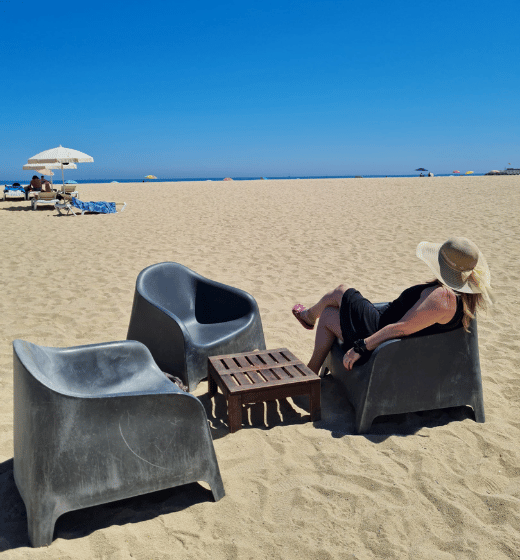
Hi there, I’m Mónica, the founder and a host teacher at Spanish Express. If you’ve found your way here, you’re probably curious about the Maresme Coast (also known as the scenic Costa Maresme, a coastal region in Catalonia famous for its natural beauty, outdoor activities, and proximity to Barcelona) — or maybe you’re already dreaming of its beautiful beaches. Let me tell you why it’s one of my favourite spots in Catalonia.
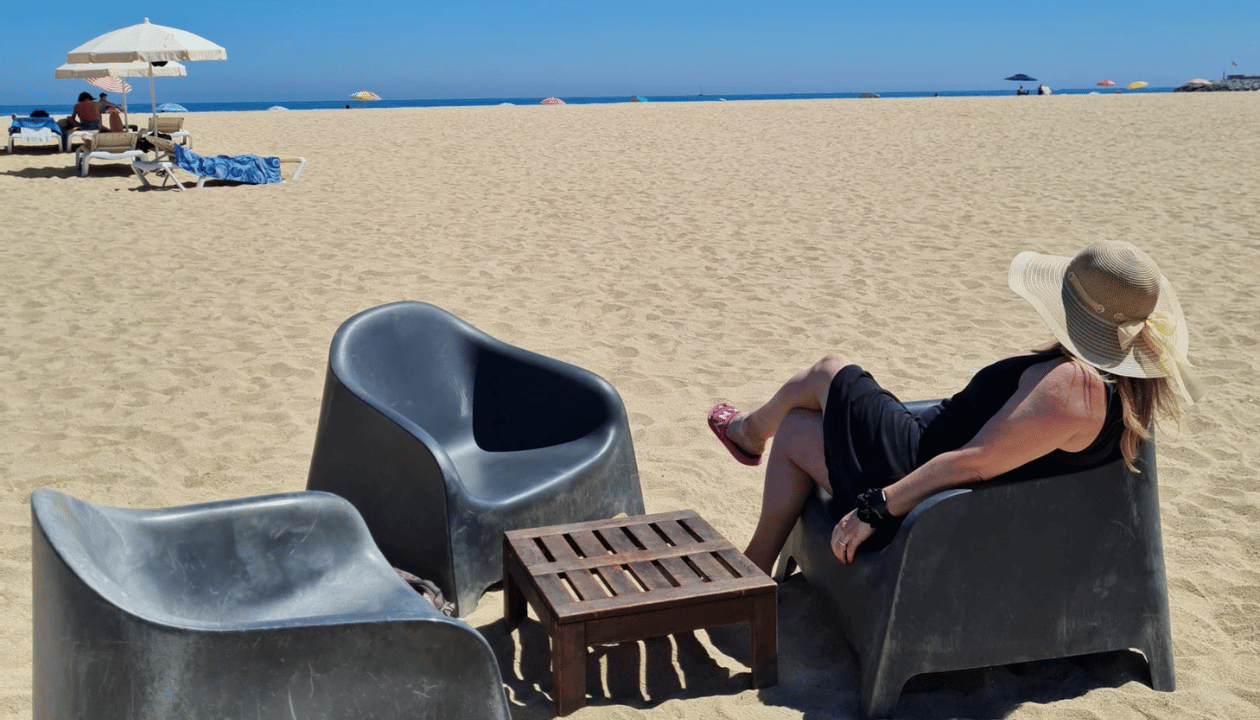
Through our Spanish Homestay Immersion Program (SHIP), you can stay with me and other host teachers across Spain for 1 to 4 weeks. You’ll live and study Spanish in your teacher’s home while exploring Spain’s diverse regions, including the Maresme Coast. Each destination offers its own unique blend of Spanish culture, gastronomy, history, and, of course, beautiful beaches. In this guide, I’ll take you through seven towns along the coast, each offering its own slice of what makes Maresme so special.
By staying with me, you’ll dive into local life, discover hidden gems, and make lasting memories while learning Spanish in an immersive setting. Ready to explore and live like a local?
Discovering the Geography and Climate of Costa del Maresme
Nestled in the northeast of Spain, the Costa del Maresme is a captivating stretch of coastline that runs from the vibrant city of Barcelona all the way to the scenic Costa Brava. This region is renowned for its beautiful beaches, a mix of golden sandy stretches and wild rocky coves, all set against the sparkling backdrop of the Mediterranean Sea. Whether you’re looking to unwind on a sandy beach, dive into water sports, or simply wander through charming fishing villages, the Maresme coast offers something for every type of traveler.

The geography of Costa del Maresme is wonderfully diverse. Along the shoreline, you’ll discover a series of picturesque seaside towns and cities, each with its own unique character. From the tranquil fishing villages of Sant Pol de Mar and Arenys de Mar to the lively resort atmosphere of Malgrat de Mar and the historic streets of Canet de Mar, there’s a perfect spot for everyone. The region is also dotted with natural parks, such as those near Vilassar de Mar and Premià de Dalt, where you can explore lush landscapes and enjoy panoramic views of the coast.
One of the best things about the Maresme coast is how easily accessible it is. The train line that hugs the shoreline makes it a breeze to hop from one town to the next, with stations conveniently located near many of the most popular beaches, like Ocata Beach in El Masnou and Musclera Beach near Caldes d’Estrac. Just a short ride from Plaça Catalunya in Barcelona, you can find yourself soaking up the sun on a quiet beach or exploring a bustling local market in no time.
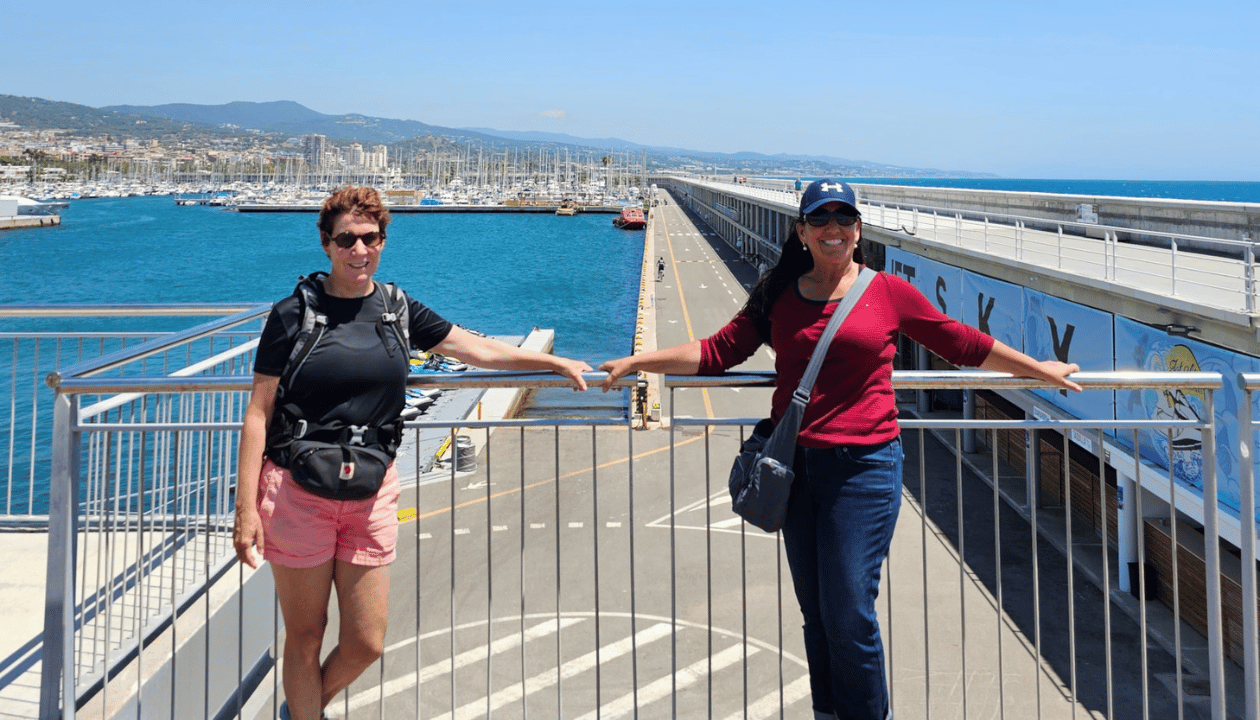
The climate here is typically Mediterranean, with warm, sunny summers and mild winters—perfect for spending long days at the beach or enjoying outdoor activities year-round. The mild climate also means that the region is alive with festivals, live music, and open-air events throughout the summer, giving visitors a chance to experience local traditions and the vibrant community spirit that defines the Costa del Maresme.
Beyond the beaches, the region is rich in history and culture. You can visit fascinating museums, stroll through historic town centers, or sample fresh seafood and Catalan cuisine at one of the many seaside restaurants and bars. Whether you’re staying in a luxury hotel in Malgrat de Mar, a boutique guesthouse in Arenys de Mar, or a cozy inn in a small fishing village, you’ll find a warm welcome and plenty of local flavor.
The Costa del Maresme is also an ideal base for exploring the wider region. With Barcelona and its iconic sights like Park Güell and the Gothic Quarter just a short train ride away, and the wild beauty of the Costa Brava within easy reach, you can enjoy the best of both worlds—city excitement and coastal relaxation.
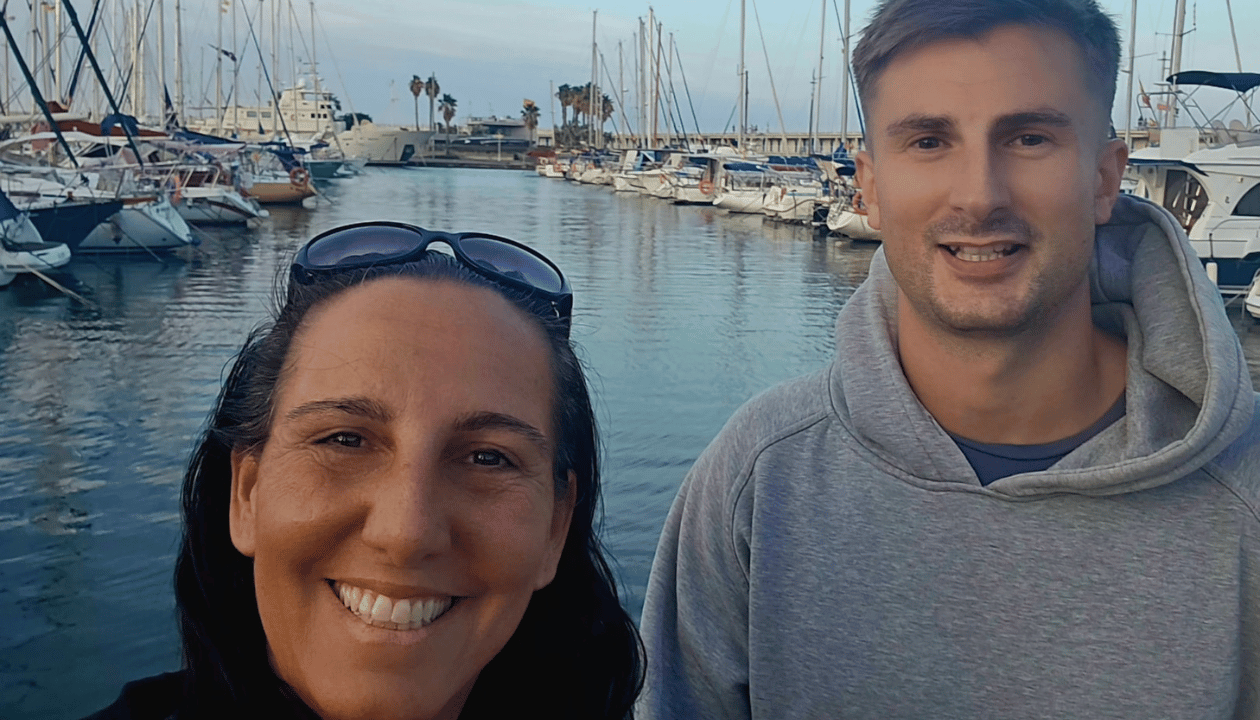
So, whether you’re planning to spend your days basking in the sun on a sandy beach, exploring the rich history of local towns, or discovering the natural beauty of the region’s parks and shoreline, Costa del Maresme is a destination that truly has it all. With its beautiful beaches, mild climate, and authentic local traditions, it’s the perfect place to experience the best of Spain’s coastal lifestyle. Start planning your visit today and discover why so many travelers fall in love with the Maresme coast!
Argentona: Quiet Charm with Easy Access to the Coast
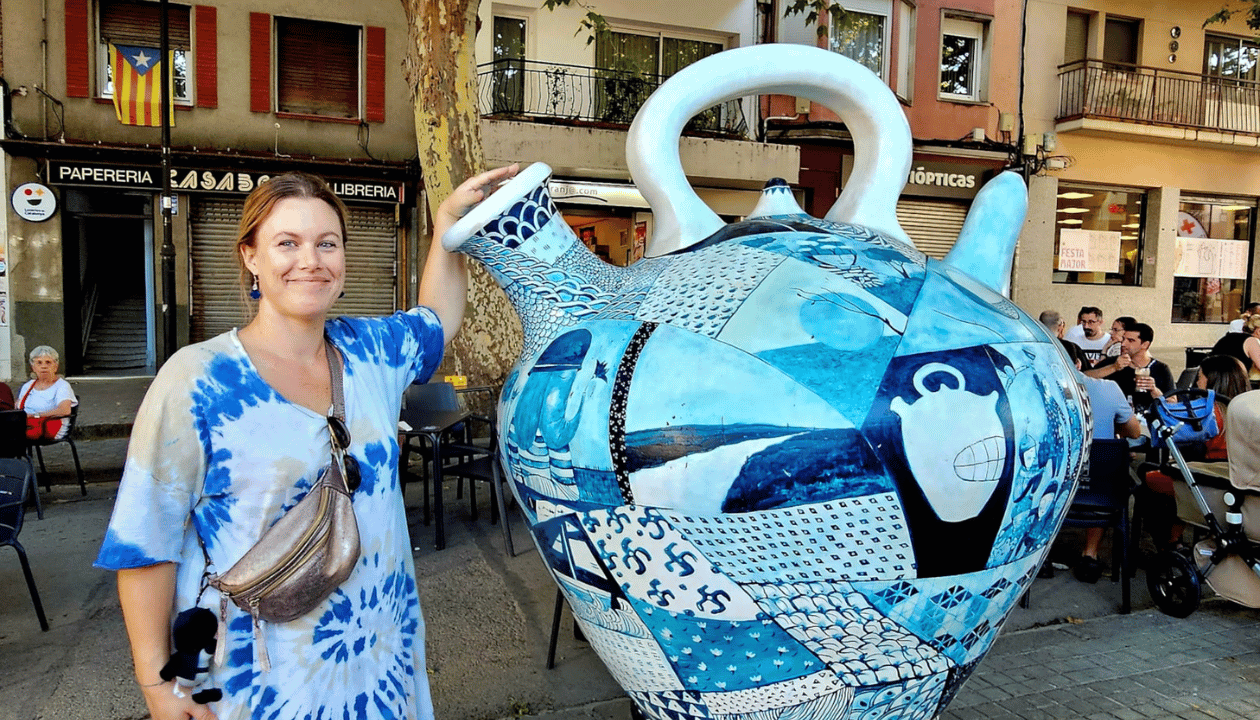
Argentona is a peaceful small town that offers more than just calm streets and local cafes. With its unique charm and cultural attractions, Argentona stands out among the region’s inland destinations. While it doesn’t have its own beach, it’s perfectly located for those who want to enjoy both village life and the Mediterranean coast.
Just 10 minutes away by car, Sant Simó Beach in Mataró is a family-friendly spot. It’s quieter than other beaches in the region, making it ideal for a relaxing day. There’s easy parking, and before you hit the sand, you’ll find a small garden area that’s perfect for kids to stretch their legs. The beachfront restaurant is a nice spot to grab a meal or a cold drink, especially after a swim in the calm waters.
For a more secluded experience, the beach at La Musclera in Vilassar de Mar is only a short drive from Argentona. This beach offers a more natural atmosphere, with fewer crowds and a peaceful environment perfect for a low-key day in the sun.
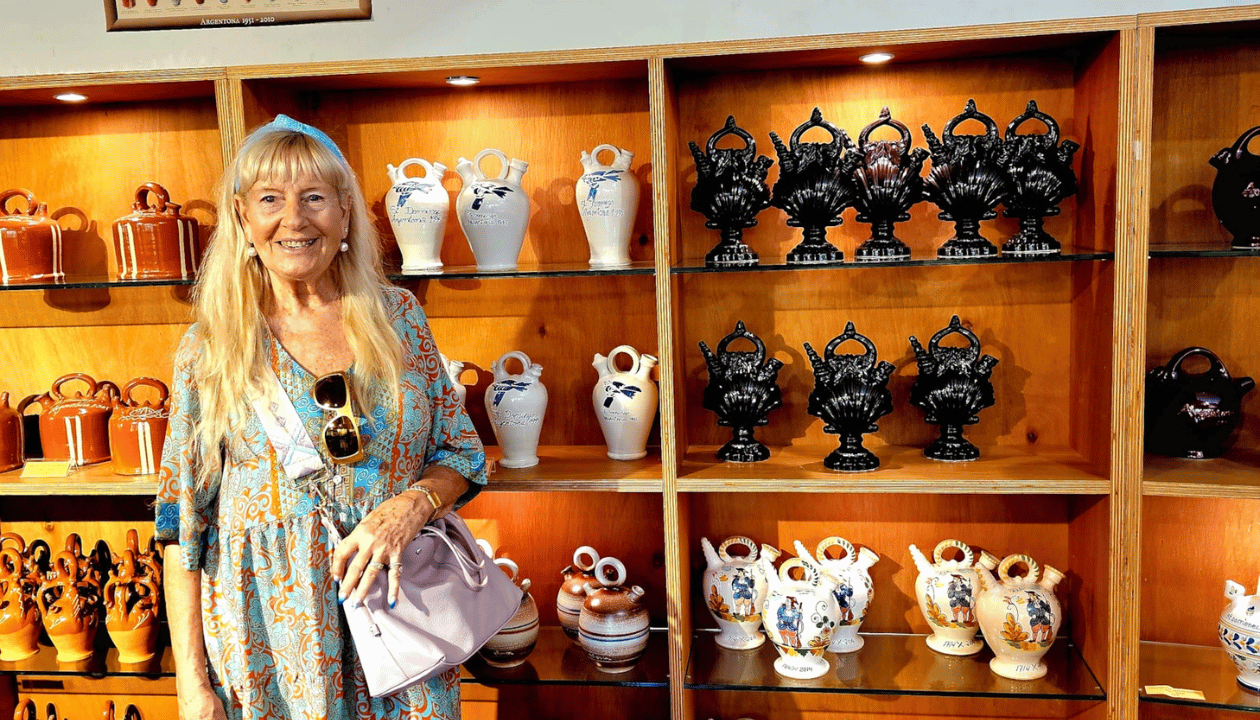
I could also highlight the Museu del Càntir, which is one of the most important museums in Europe dedicated to traditional ceramic water jugs. This museum showcases the historical significance of ceramics in the region, featuring an extensive collection of over 3,000 pieces from all over the world. It’s an ideal spot for visitors who are interested in local history and craftsmanship.
Additionally, Argentona is known for its annual Càntir Festival, a vibrant celebration of the town’s ceramic heritage. During this event, the streets come alive with ceramic exhibitions, workshops, and performances, giving visitors a deeper insight into the town’s culture and traditions.
For nature lovers, Parc de la Serralada Litoral, located just a short drive away, offers plenty of hiking trails with beautiful views of the surrounding countryside and coastline. It’s a fantastic spot for anyone who enjoys outdoor activities and wants to explore the natural beauty of the area.
If you’re keen on exploring historical landmarks, La Torre de les Hores is a lovely spot to visit in Argentona. This clock tower, dating back to the 18th century, is a symbol of the town and offers a glimpse into its past.
Lastly, the town has a charming old town area with narrow, winding streets and traditional Catalan architecture, making it perfect for leisurely strolls.
The great thing about staying in Argentona is that you get to enjoy its local traditions and rich history while being so close to several stunning Maresme beaches. Whether you’re looking for a calm day by the sea or a quick getaway to a more vibrant coastal scene, you’ve got options just around the corner.
Cabrera de Mar: A Calm Escape with Plenty of Seaside Charm
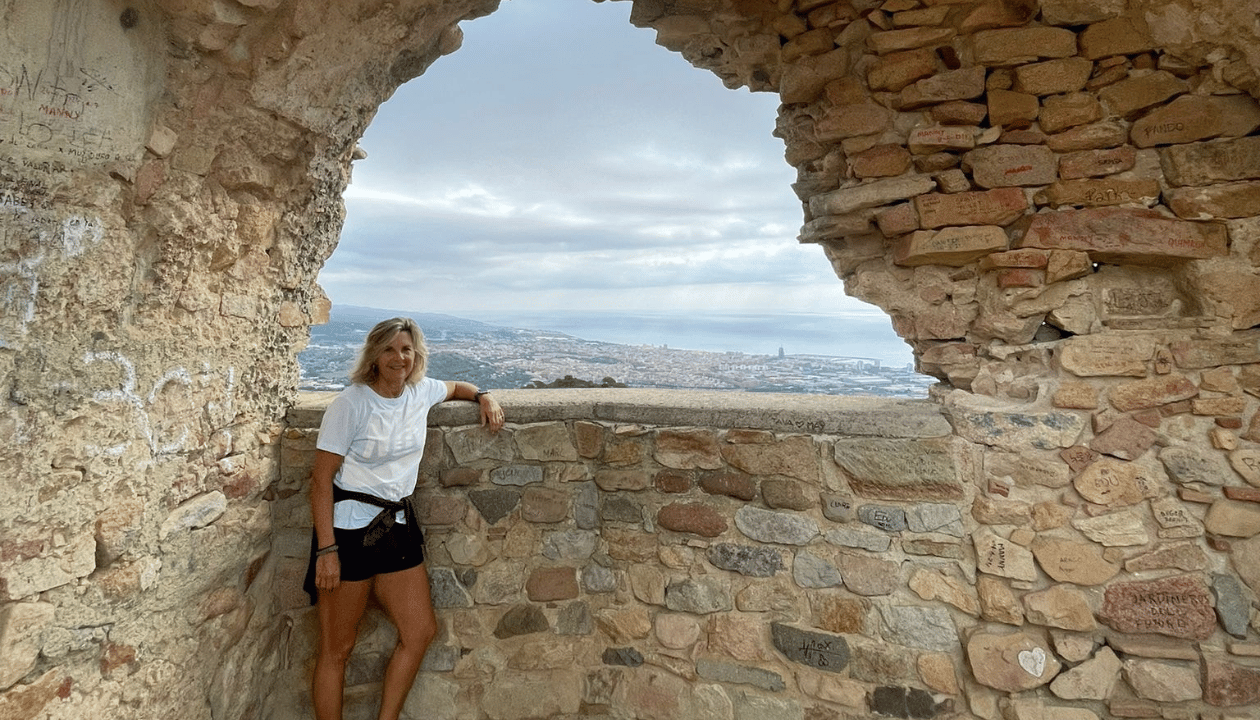
Cabrera de Mar is one of the most beloved coastal towns in the region. Known for its rich history and laid-back atmosphere, it boasts a 1.2 kilometers long golden-sand beach that stretches along the Maresme coast. This beach forms a continuous stretch with Mataró and Vilassar de Mar, offering plenty of space for visitors to spread out and enjoy the sunshine.
During the summer months, Cabrera de Mar Beach gets lively but never overcrowded. With lifeguards on duty, beach showers, and public toilets, it has everything you need for a comfortable day at the beach. For those looking for a bite to eat, you’ll find chiringuitos (beach bars) and even full-service restaurants just a short walk from the shore. The area is also equipped with water sports opportunities like sailing, windsurfing, and a club náutico (yacht club), making it a great spot for active beach lovers.
The beach is easily accessible, with a car park right next to the sand. This means you can drive straight to the beach, unload your things, and be at the water in no time.
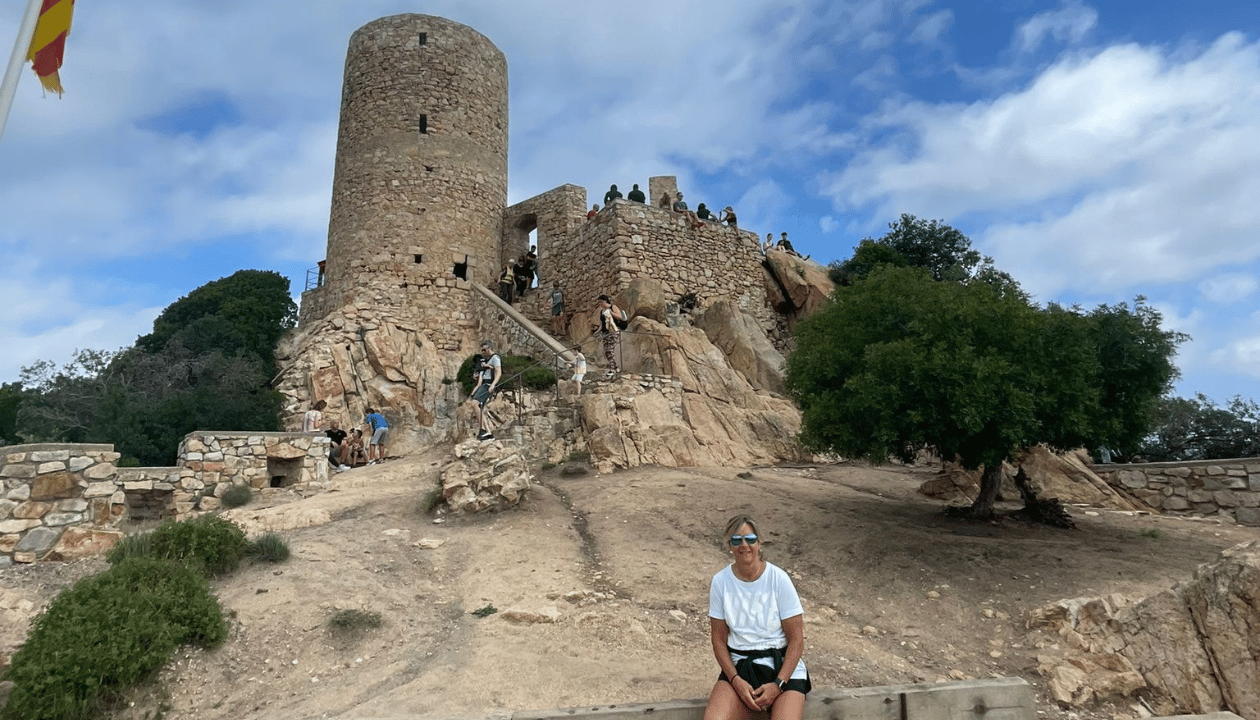
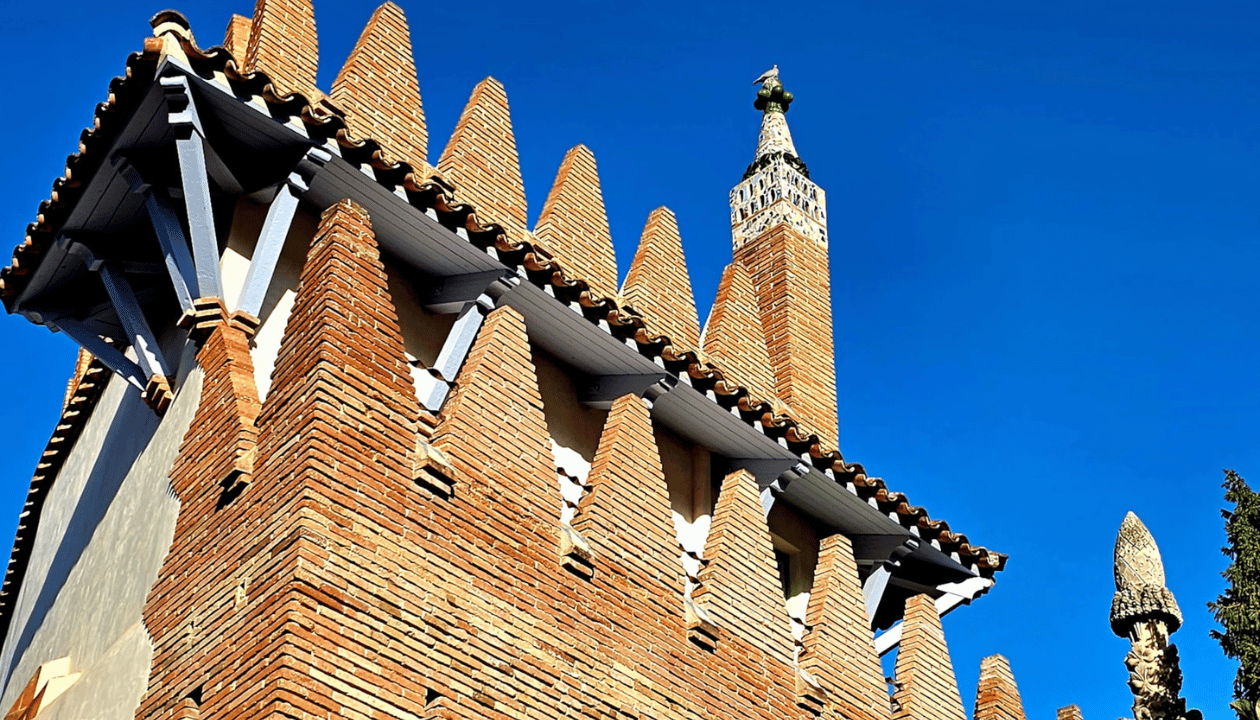
If you fancy a Medieval Gem Overlooking the Maresme Coast, look no further than Castell de Burriac. Perched atop the rugged Burriac Hill, standing at 401 meters above sea level, this fortress is a living testament to Catalonia’s rich medieval heritage. Situated between the charming towns of Cabrera de Mar and Argentona, Castell de Burriac offers stunning panoramic views of the Mediterranean coastline, the Montseny mountains, and the vast Maresme plain, making it a must-see for history lovers and nature enthusiasts alike.
Whether you’re lounging on the beach or exploring the historical ruins of the Burriac Castle that overlook the town, Cabrera de Mar offers a bit of everything.
Cabrils: Gastronomy, Hills, and Quick Access to the Beach
Cabrils isn’t exactly a beach town, but it’s a perfect spot if you want to escape the hustle of the coast without being far from it. Located just 3 km inland, Cabrils offers stunning views of the surrounding natural parks and green hills. This town is most famous for its gastronomy — it’s home to some of the best restaurants in the Maresme region, serving up traditional Catalan dishes and fresh local ingredients.
While there’s no beach in Cabrils, Vilassar de Mar and Cabrera de Mar are both just a short 5–10 minute drive away, offering easy access to the sandy beaches and clear waters of the Maresme coast. Whether you prefer the calmer vibe of Cabrera de Mar or the lively atmosphere of Vilassar de Mar, the beaches are close enough for a quick trip after enjoying a leisurely morning in the hills.
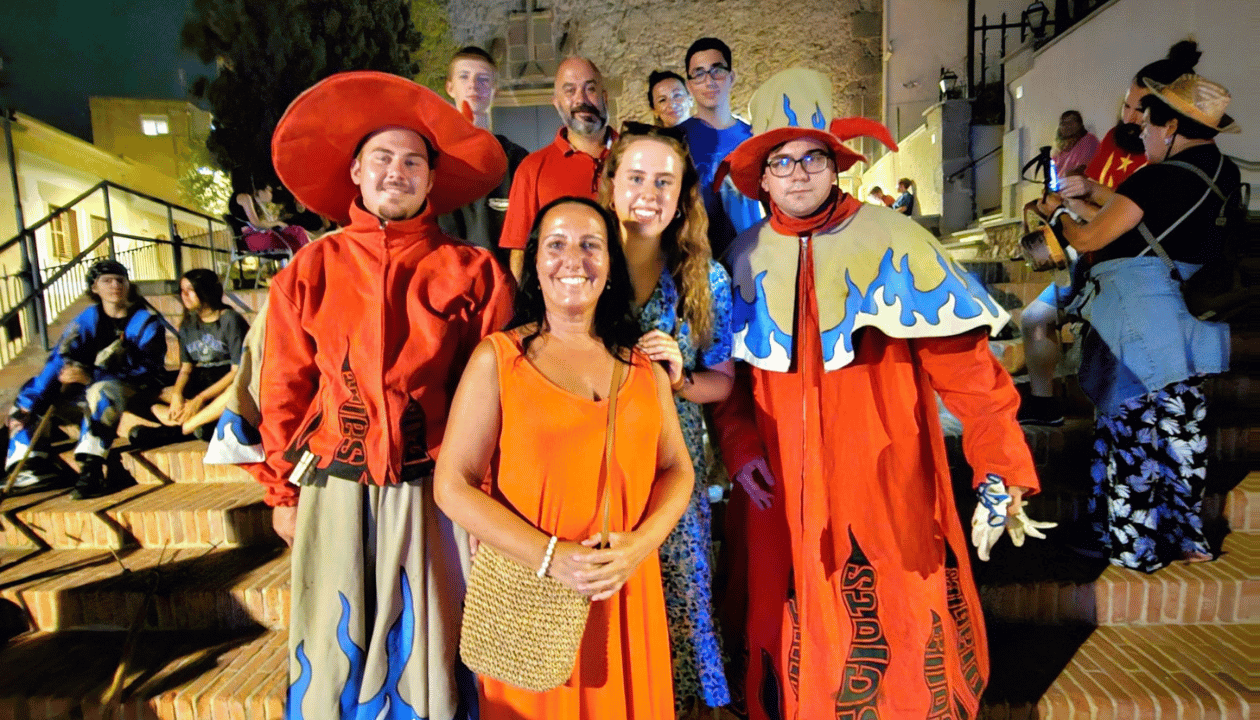
The Festa Major de Santa Helena in Cabrils is one of the most anticipated celebrations in the Maresme region. Every year, between August 16th and 19th, the town transforms into a vibrant scene filled with music, tradition, and fun for all ages. The festivities kick off with the Crida a la Festa Major and a surprise proclamation in Plaça de l’Església, followed by parades with giants and drummers. One of the most exciting moments is the Correfoc, where both locals and visitors enjoy the magical combination of fire and music.
Additionally, the Gastronomic Showcase presents a selection of local dishes, along with workshops for children. Families can enjoy performances such as “La Motxilla de l’Ada” or “La Cuina del Futur,” while adults can dance to bands like Les que faltaband or El Ventilador. The celebration culminates with the Xtrem Race in the Horts de Santa Creu and the award ceremony for the Santa Penya contest, adding a fun and competitive element to the event. With its mix of traditional and modern activities, the Festa Major de Santa Helena is a must-attend for anyone looking to experience the festive spirit of Cabrils.
Cabrils is also easily reachable by train, making it a great option for those who want to explore the coast without staying right on the beach. At the end of the day, you can return to the cool hillside air, enjoy a relaxing dinner at one of the town’s famed restaurants, and unwind in a peaceful environment.

Calella: The Resort Town with It All
Calella is one of the most popular beach destinations on the Maresme Coast. It’s a bustling resort town known for its long sandy beaches and vibrant atmosphere. Calella offers a wide range of hotels, from premium beachfront properties to family-friendly options, all featuring excellent locations, quality service, and amenities to suit every type of traveler. Platja Gran de Calella is the main beach here, stretching about 1.5 km and offering ample space for visitors, even in peak summer. It’s a family-friendly beach with all the amenities you need — from showers and toilets to accessible boardwalks for strollers and wheelchairs.
The beach is lined with a seafront promenade, which is perfect for a stroll or bike ride. You’ll find plenty of restaurants, bars, and beach clubs, where you can grab a meal, a drink, or just relax and people-watch. If you’re into water sports, Calella’s beach has paddleboarding, windsurfing, and even kayaking. For those who prefer to stay on land, the beach also has beach volleyball courts and areas for soccer.
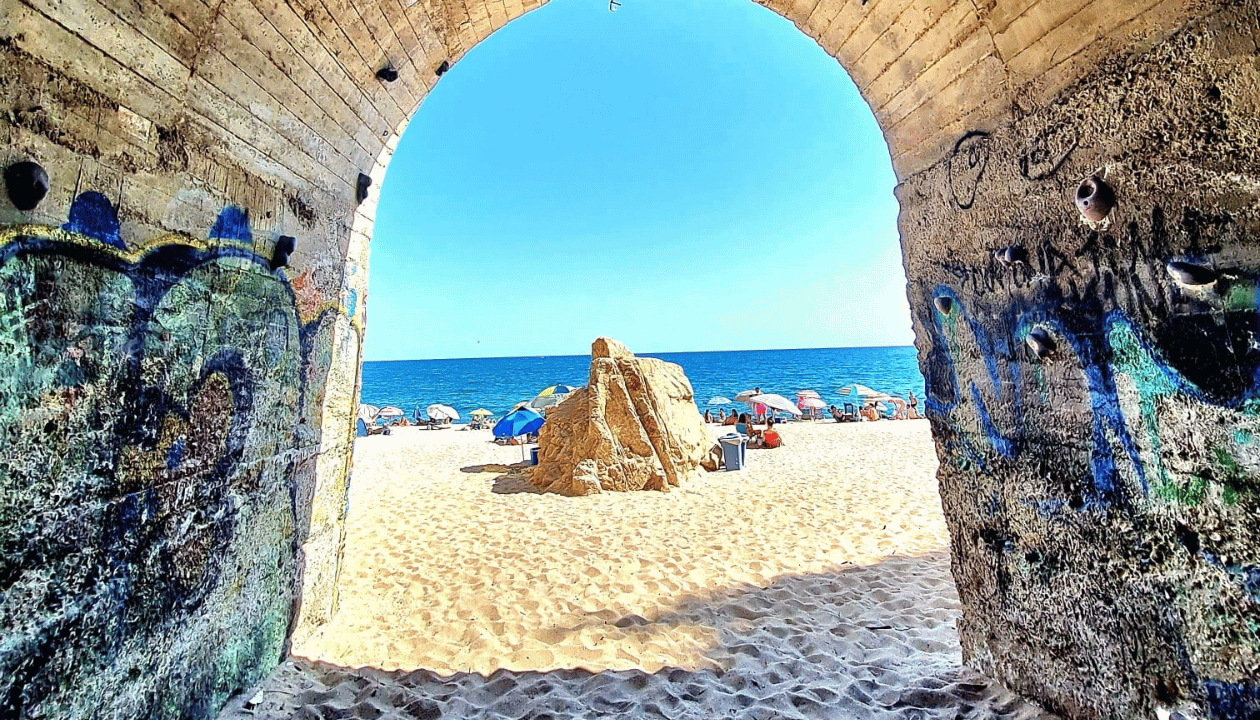
Just south of Platja Gran lies Platja de Garbí, a slightly quieter spot that still offers all the amenities you need, including a Blue Flag certification. If you’re looking for a more peaceful day at the beach, Garbí is a great alternative.
Calella isn’t just about the beach — it has a lively cultural scene too. The town hosts seasonal events, like live music, open-air cinema, and festivals, especially in the summer months. You can explore the old town, enjoy a sunset walk along the promenade, or visit local markets to pick up souvenirs. Whether you’re seeking active fun or just a relaxing beach day, Calella has it all.
One of its most iconic landmarks is the Calella Lighthouse, which has been guiding ships along the coast since 1859. Perched on a hill, it offers stunning panoramic views of the Mediterranean Sea and the town below. The lighthouse is not only a functional maritime beacon but also a symbol of the town’s deep connection to the sea and its maritime heritage.
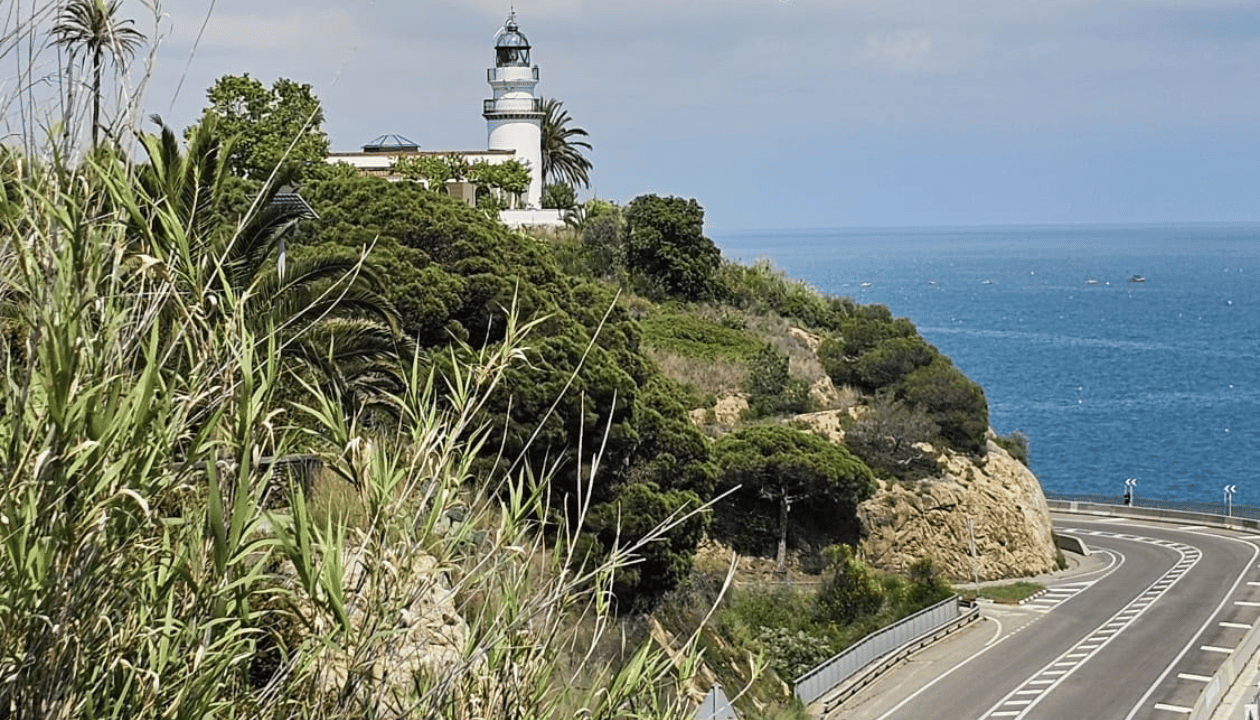
In addition to the lighthouse, Calella is famous for its long, golden beaches, making it a popular destination for both locals and tourists looking for sun and relaxation. The town’s Old Town is another highlight, with narrow streets, traditional architecture, and charming shops and cafes that invite visitors to explore at their own pace.
Whether you’re admiring the view from the lighthouse or enjoying the relaxed coastal vibe, Calella is a must-visit spot on the Maresme Coast.
Dosrius: Nature, Peace, and Easy Access to the Coast
Dosrius is a hidden gem, tucked away in the Montnegre-Corredor natural park. It’s a perfect choice if you want to combine a nature-filled escape with easy access to the Maresme coast. The town itself doesn’t have a beach, but it’s just a short drive from the shoreline, about 15–20 minutes to the nearest beaches in Mataró or Arenys de Mar.
In Dosrius, you’ll find tranquility. The area is surrounded by forests and hiking trails, making it ideal for outdoor activities like hiking, mountain biking, or simply enjoying the peaceful atmosphere of the countryside. If you’re in the mood for a beach day, just hop in the car or take a quick bus ride to Mataró. The beaches there are well-equipped and great for families.
Many families and visitors who stay in Dosrius enjoy the quiet mornings or afternoons spent hiking, followed by a quick trip to the coast to cool off in the Mediterranean Sea. The town offers the best of both worlds — the calm of the hills with the beach just around the corner.
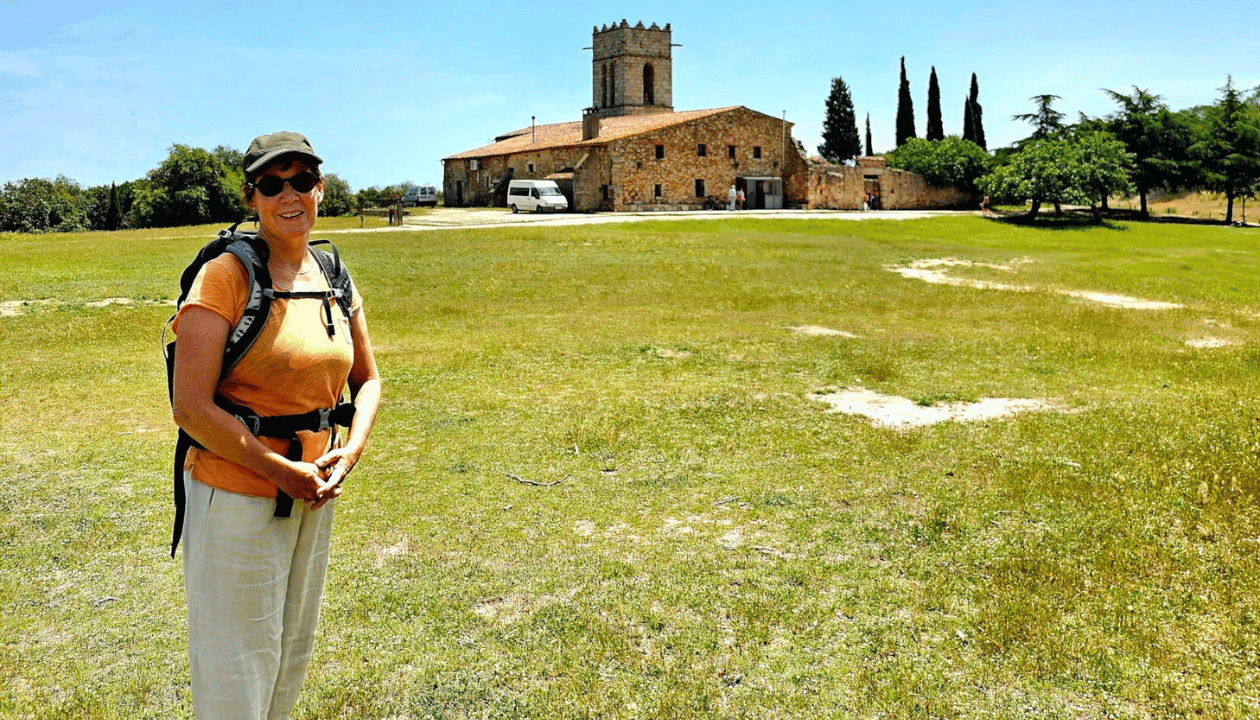
Montnegre-Corredor Natural Park is a protected natural area located in the Catalan Coastal Range, spanning approximately 15,000 hectares across the Maresme and Vallès Oriental regions. Characterized by its dense Mediterranean forests, the park is predominantly covered by holm oak, cork oak, and pine forests, with elevations ranging from 200 to 760 meters. This diverse landscape supports a rich array of flora and fauna, including over 1,000 plant species and various wildlife such as wild boar, roe deer, and numerous bird species.
The park also boasts significant cultural heritage, featuring ancient dolmens, Iberian settlements, and medieval churches and hermitages. Notably, the Santuari del Corredor, a 16th-century Gothic-style sanctuary dedicated to the Virgin of the Help, stands at the highest point of the Corredor massif and is a popular pilgrimage site. In 2021, Montnegre-Corredor was designated as Spain’s first Urban Quiet Park, highlighting its exceptional tranquility and ecological value. With its well-marked trails, panoramic vistas, and serene environment, the park offers an ideal setting for hiking, wildlife observation, and cultural exploration.
Parc del Montnegre i el Corredor was officially designated as Spain’s first Urban Quiet Park by Quiet Parks International on October 9, 2021. This recognition highlights the park’s exceptional tranquility and its role in preserving natural soundscapes amidst urban environments.
Mataró: The Vibrant Heart of Maresme
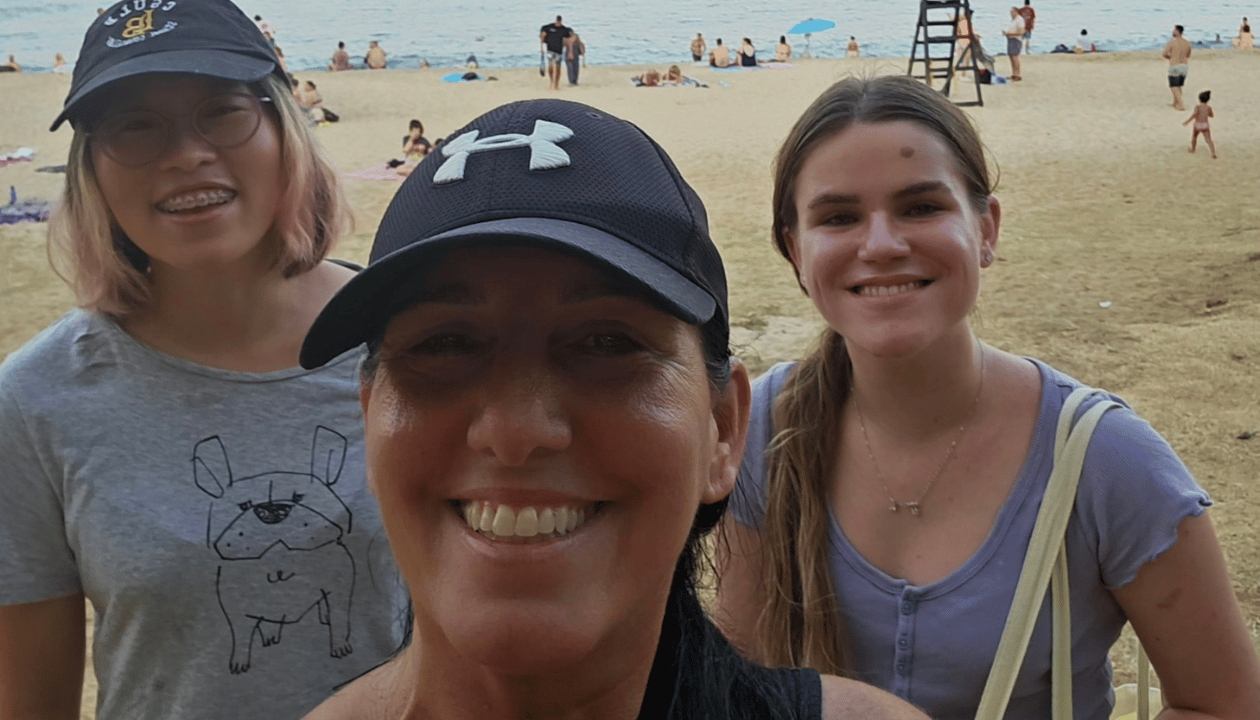
Mataró is the capital of the Maresme county, an administrative region that encompasses both vibrant coastal towns and scenic inland areas. It perfectly blends urban life with the coast. With 2.2 km of coastline, Mataró has a variety of beaches to suit all tastes. Whether you want to be in the heart of the action or find a quieter spot, Mataró has it all.
The most popular beach is Platja del Varador. Located near the train station and historic center, it’s the busiest beach in the area. With restaurants, beach bars, and a long promenade, it’s perfect for those who enjoy a lively, social atmosphere. In the summer, you’ll see beach volleyball courts set up and locals enjoying their favorite water sports. The beach is well-equipped, with lifeguards, showers, and foot-wash stations.

If you’re looking for a quieter vibe, Platja del Callao is just a short walk away. This beach has been recently regenerated and offers a calmer experience with fewer crowds. It’s perfect for families or anyone wanting to enjoy a peaceful day by the Mediterranean Sea.
For those who prefer a more nature-filled experience, Platja de Sant Simó is a hidden gem. Located further northeast, this beach is more secluded and often less crowded. With its peaceful setting and gentle surf, it’s ideal for relaxation and enjoying the natural surroundings.
Mataró’s water quality has earned it Blue Flag status for its two main beaches, Varador and Callao, which means that the town takes cleanliness and safety seriously.
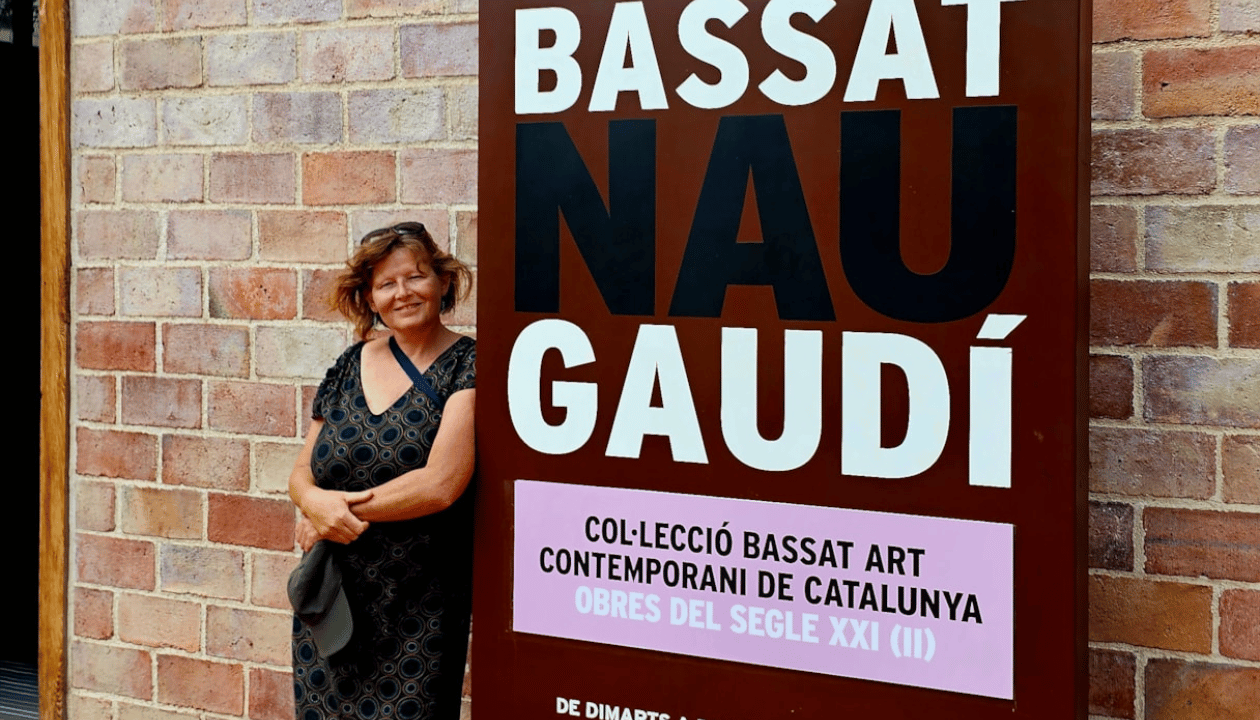
For art lovers, among its architectural gems is the Nau Gaudí, the first building designed by Antoni Gaudí between 1878 and 1883 for the Mataró Workers’ Cooperative. This cotton-bleaching warehouse is significant for its innovative use of parabolic arches, marking the beginning of Gaudí’s distinctive architectural style. Since 2010, it has housed the Bassat Collection, a renowned collection of Catalan contemporary art.
Another masterpiece is the Casa Coll i Regàs, designed by architect Josep Puig i Cadafalch in 1898 for textile magnate Joaquim Coll i Regàs. This modernist townhouse showcases intricate decorative elements, including Montjuïc stone sculptures by Eusebi Arnau and wrought ironwork inspired by textile machinery, reflecting the owner’s industrial background .
In the heart of Mataró stands the Basílica de Santa Maria, a church with origins dating back to 1008 AD. The current structure, completed in 1685, combines Gothic, Baroque, and Neoclassical architectural styles. Notably, its Capella dels Dolors is a prime example of Catalan Baroque, adorned with works by artist Antoni Viladomat.
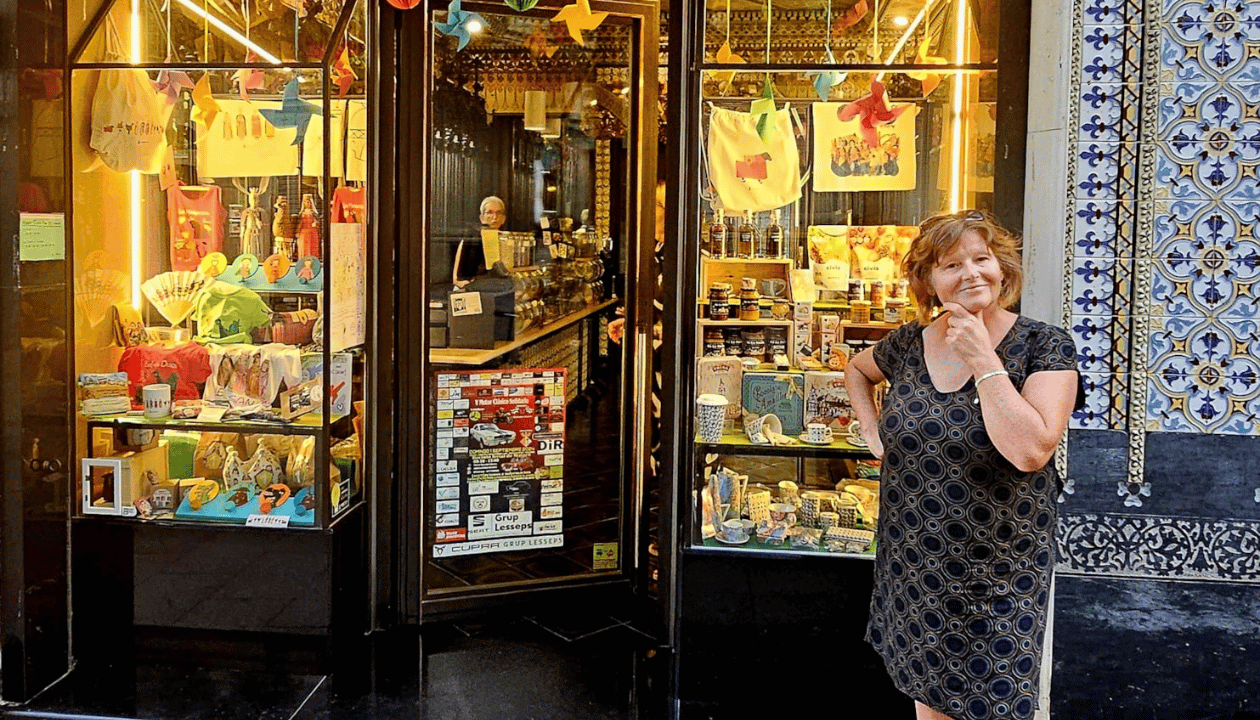
For those interested in local shopping, La Constanza is a boutique in Mataró offering a curated selection of fashion and accessories. While specific details about the store’s offerings are limited, it is known for providing quality products that reflect the town’s sophisticated style.
Together, these sites offer a glimpse into Mataró’s artistic evolution, from Gaudí’s early experiments to the refined elegance of modernist architecture and the enduring spiritual heritage of its historic basilica.
The train line makes it easy to get around, so you can visit different beaches and still enjoy everything Mataró has to offer. Whether you want culture, local food, or a day on the sand, Mataró is the place to be.
Premià de Mar: A Relaxed Beach Retreat with Local Charm
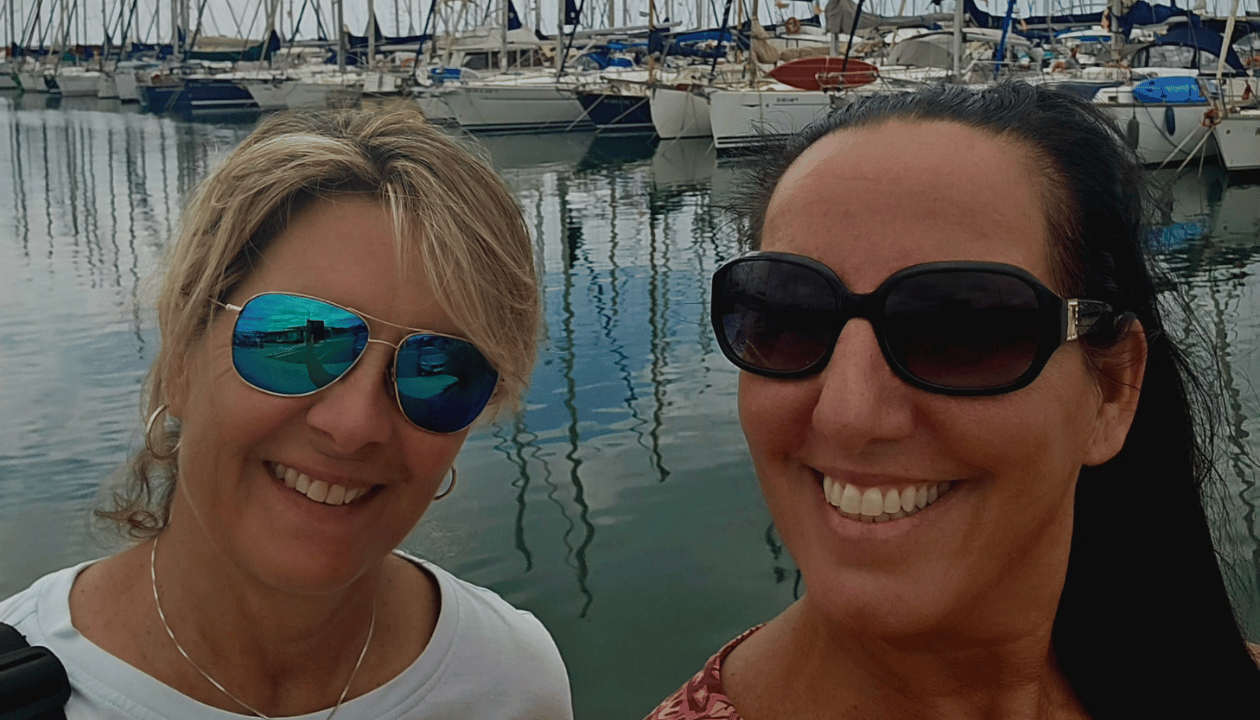
Premià de Mar is a charming coastal town that offers a more laid-back, local vibe compared to the larger beach resorts in the Maresme region. It’s a place where families and locals come to enjoy the beach without the overwhelming crowds. The main beach is divided into two sections: Platja de Llevant (on the eastern side of the marina) and Platja de Ponent (on the western side, sometimes referred to as Bellamar). Together, they stretch for about 600–700 meters, offering a clean, family-friendly environment with calm waters perfect for swimming.
Platja de Llevant merges with Vilassar de Mar’s beach, and it’s the longer of the two. The beach is equipped with public restrooms, showers, and lifeguard services, ensuring a safe and comfortable experience. Visitors can enjoy the view of the marina on one side and the dunes and Parc de la Duna on the other. The dune park helps preserve the natural landscape and gives the beach a more wild, untouched feel.
Platja de Ponent (or Bellamar) has a more relaxed atmosphere, making it a favorite spot for those looking to escape the hustle and bustle. It’s perfect for a peaceful day at the beach, with sand and gentle surf ideal for families with young children.
A standout feature of Premià de Mar’s beach is its pet-friendly area. Since 2021, the town has designated a section of the beach for dogs, allowing pet owners to enjoy the seaside with their furry friends. This dog-friendly zone is well-equipped with waste bags, doggy showers, and ample space for dogs to run and play.
Even if you’re not visiting with a pet, Premià de Mar has plenty to offer. The beach is a short walk from the town center, where you’ll find a selection of restaurants and cafes, many of them serving fresh seafood and local specialties. The relaxed vibe of the town extends to its beach events, such as open-air cinema nights and the annual Festa Major with its lively fireworks display.
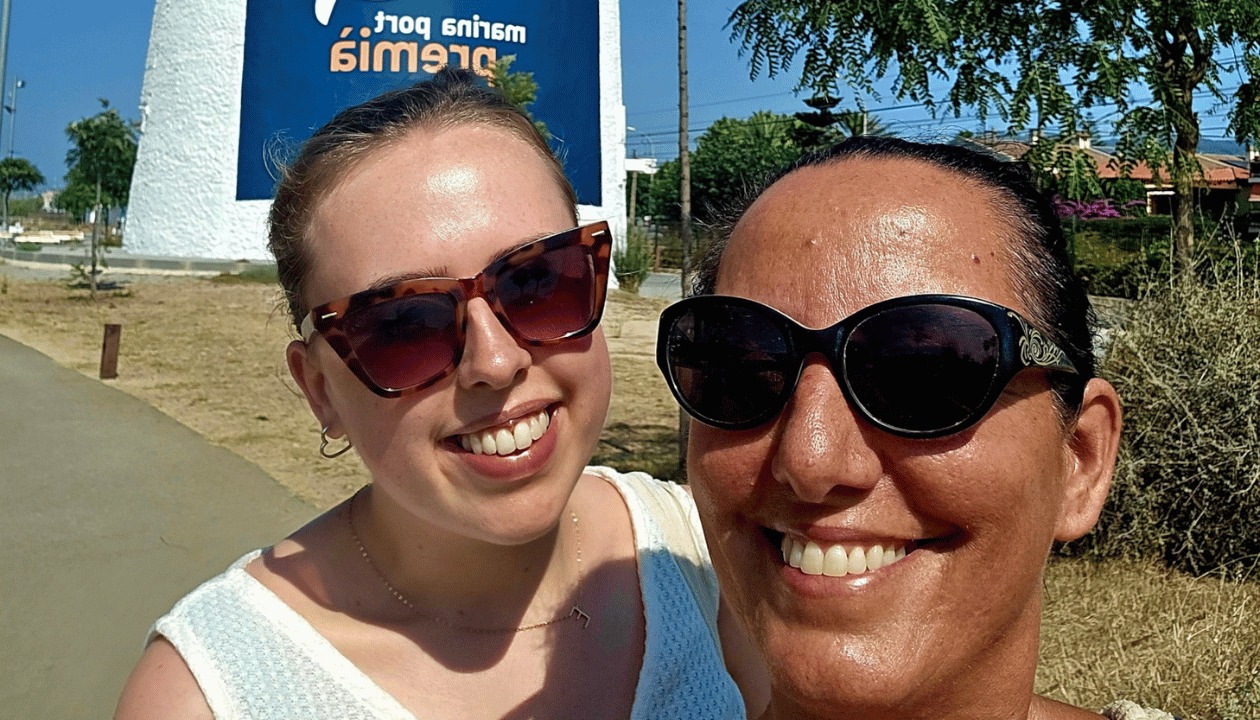
The lighthouse in Premià de Mar, known as the Antic Far de Premià, is situated within the Marina Port Premià, offering a unique maritime ambiance. This lighthouse, originally built to guide ships along the Catalan coast, now serves as a picturesque landmark at the marina’s entrance. Its location provides visitors with scenic views of the Mediterranean and the surrounding harbor. The marina itself is a modern facility featuring 554 moorings for vessels ranging from 9 to 30 meters, ensuring safe and easy docking
Adjacent to the marina, the commercial area boasts a diverse selection of dining options, catering to various tastes. Notable establishments include Bruxtal, renowned for its tapas and steak tartare, Koi Asian Restaurant offering Japanese cuisine, and La Briza, known for Mediterranean dishes. Whether you’re seeking a casual bite or a fine dining experience, the marina’s restaurants provide a delightful culinary journey with views of the sea and yachts.
For those seeking a more authentic beach experience with a local touch, Premià de Mar is the perfect spot. It’s a place where the beach feels like home, offering everything you need for a day in the sun without the crowds.
Ready to Explore the Maresme Coast? Stay with Me in Spain!
Now that you’ve discovered the beauty of the Maresme Coast, why not come and experience it for yourself? With Spanish Express, you can stay with me or one of our amazing host teachers across Spain for 1 to 4 weeks as part of our Spanish Homestay Immersion Program (SHIP).

Whether you choose to stay in Barcelona, Valencia, Burgos, Extremadura, Sevilla, or Cádiz, you’ll live and study Spanish in your teacher’s home while exploring Spain’s culture, gastronomy, and beautiful beaches. From the peaceful shores of Sant Simó to the lively vibe of Calella, SHIP allows you to immerse yourself in Spanish life while improving your language skills.
If you’re ready to immerse yourself in Spanish culture, enjoy the Mediterranean lifestyle, and explore the coast, I’d love to host you. Get in touch today to book your stay, and let’s start planning your next unforgettable adventure!

You can explore more real immersion experiences here:
👉 SHIP Stories of Our Previous Students
For personalised guidance and programme details, you can contact our founder directly:
Mónica Romero
Founder and Director, Spanish Express
📞 Phone / WhatsApp: +44 7903 867 894
📧 Email: monicaromero@spanishexpress.co.uk
1. What are the best beaches near Argentona?
Argentona doesn’t have its own beach, but it’s perfectly located near several excellent options. You can visit Sant Simó Beach in Mataró, known for its peaceful atmosphere, or head to Cabrera de Mar Beach, which is just 15 minutes away and offers a calm, relaxing environment.
2. What is special about the beaches in Malgrat de Mar?
Malgrat de Mar Beach is a popular destination on the Maresme Coast, known for its long sandy shores and easy accessibility. It’s an excellent option for families, with beach bars, restaurants, and water sports available. It’s a bit busier but offers all the amenities for a perfect beach day.
3. How do I get to Ocata Beach in El Masnou from Barcelona?
Ocata Beach in El Masnou is easy to reach by train from Barcelona. From the shore, visitors can enjoy scenic views of Barcelona’s skyline in the distance. It’s a great beach for those looking for a quieter spot, with soft golden sands, clear waters, and plenty of space to relax. El Masnou itself is a charming town, offering a pleasant atmosphere and access to some lovely coastal views.
4. Are there any dog-friendly beaches on the Maresme Coast?
Yes! Premià de Mar offers a pet-friendly beach zone where your furry friends can enjoy the sand and sea. This section of the beach is equipped with doggy showers and waste bags, making it a convenient choice for pet owners.
5. What can I do in Canet de Mar besides lounging on the beach?
Canet de Mar is more than just a beach destination. While its sandy beaches are a major draw, the town also has a rich history. Explore its modernist architecture, visit the local museum, or take a stroll through the town’s charming streets. It’s a fantastic mix of relaxation and culture.
6. How far is Pineda de Mar from Barcelona?
Pineda de Mar is just an hour’s train ride from Barcelona along the R1 line. This beach town is perfect for a quick getaway, with wide, sandy beaches and calm waters. It’s quieter than the larger tourist destinations, making it ideal for a peaceful day on the Maresme Coast.
7. Is there any local history to explore in the Maresme Coast?
Yes! Along the Maresme Coast, you’ll find towns with rich history, like Cabrera de Mar and Vilassar de Mar. Cabrera de Mar is known for the Burriac Castle, which overlooks the town and provides sweeping views of the coastline. Vilassar de Mar also has its fishing villages, where you can experience traditional Catalan culture and visit small, charming museums.
8. How easy is it to travel between beaches along the Costa del Maresme?
The Costa del Maresme is well-connected by the train line, making it easy to hop between towns like Mataró, Calella, and Vilassar de Mar. If you’re staying in one of these towns, you can explore multiple beaches in a single day, each offering a different experience — from busy, sandy beaches to more secluded spots like La Musclera.
9. What makes Malgrat de Mar a good beach destination?
Malgrat de Mar offers a large sandy beach, restaurants, and plenty of beach bars, making it a popular choice for tourists. It’s also great for those interested in water sports, with areas designated for windsurfing and kayaking.
10. How can I enjoy a peaceful beach day away from the crowds on the Maresme Coast?
For a quieter day, head to La Musclera Beach in Vilassar de Mar. This less crowded beach offers a more peaceful atmosphere and is perfect for anyone looking to relax by the sea without the hustle and bustle of more popular spots.
11. How far is Sant Pol de Mar from the Maresme Coast, and is it worth visiting?
Sant Pol de Mar is a beautiful coastal town located just a short drive from the Maresme Coast. It’s an excellent option for those looking to escape the more crowded beaches and enjoy a peaceful day by the sea. Situated on the Costa Brava, it offers scenic beaches, charming streets, and a relaxed atmosphere, making it a perfect spot for a day trip or a quiet getaway.
