

As a Spanish host teacher and founder of Spanish Express living in Barcelona, I always hear the same question from my students: “Where should I go in Spain that isn’t packed with tourists?”
I understand the feeling. Some of the best places here aren’t in big guidebooks or busy tourist areas.
They’re in quiet towns, along hidden corners of the Mediterranean Sea, or in places where the local community still moves at its own pace. Over the years, I’ve taken many Spanish Homestay Immersion Programme (SHIP) students to places most tourists never hear about. These aren’t just day trips.
If you’re planning your next trip and want to see a side of Spain that most visitors miss, I’ve put together nine places that still feel authentic. A few are close to major cities, Barcelonaor Valencia, and others are far from the usual tourist routes. But each one shows you something real about this country I call home.
1. Relax on Costa Brava’s Stunning Beaches
Costa Brava has always been one of my favourite places to show students. It’s quieter than the busy beaches around Barcelona, but still full of life. The views, the small towns, and the clean coastline make it a standout among Spain’s many coastal destinations. Some parts are lively, others untouched. That mix makes it ideal for learning and living the language simultaneously.

I brought Eleanor, one of my SHIP students, to Platja Gran in Tossa de Mar. She was curious about how Costa Brava compared to the Costa del Maresme. From the beach, we could see the old medieval walls, a view she didn’t expect. Later, we walked to Cala Pola, a small cove with turquoise water and no crowds. It gave her a completely different picture of Spain’s natural beauty.
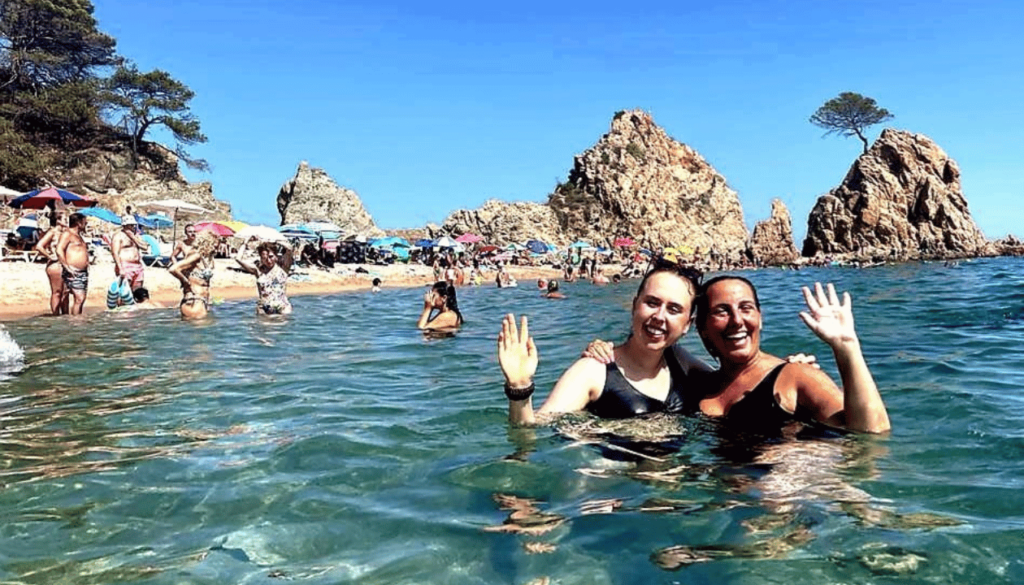
Beaches like these are well cared for by local authorities, and they’re easy to reach without a rental car. Still, I always remind students to stay aware and take only what they need, especially when visiting smaller coves.
2. Celebrate Three Kings Day with Locals
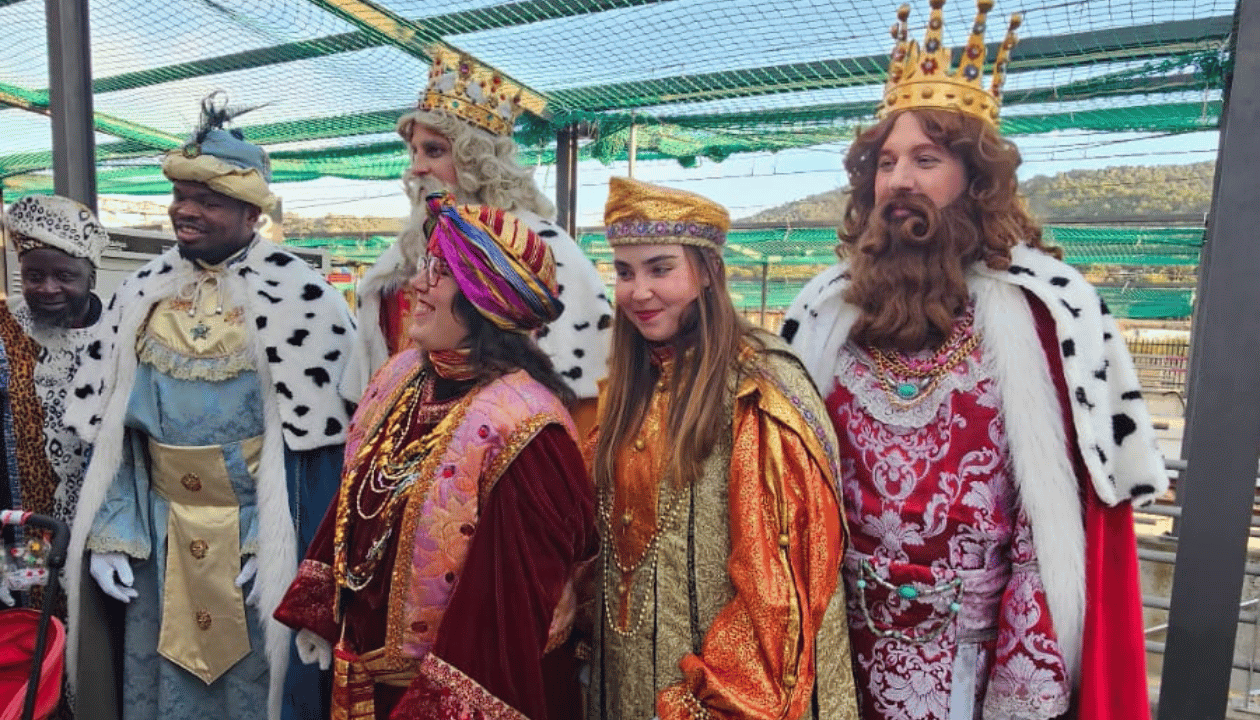
Three Kings Day is a key part of the SHIP calendar. I always take students out to see the parade in our town—it’s one of the best ways to see local culture in action. People fill the streets, and students get to practise Spanish in real settings: ordering churros, asking about the route, or chatting with families nearby.
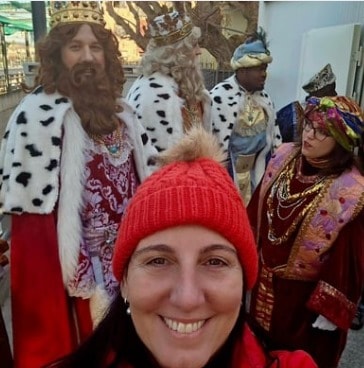
During the event, I make sure everyone knows where to meet, and we keep our phones charged in case of changes. Local police often block off certain streets, and emergency services are present throughout the parade. It’s safe and well-organised, but I always remind students to carry only what they need and keep emergency contact numbers saved.
While some prefer big parades in places like Madrid or Seville, I’ve found that smaller towns give students better chances to connect. Events like these help them see the language as part of real life, not just something in a lesson.
3. Stroll Down Barcelona’s Famous La Rambla
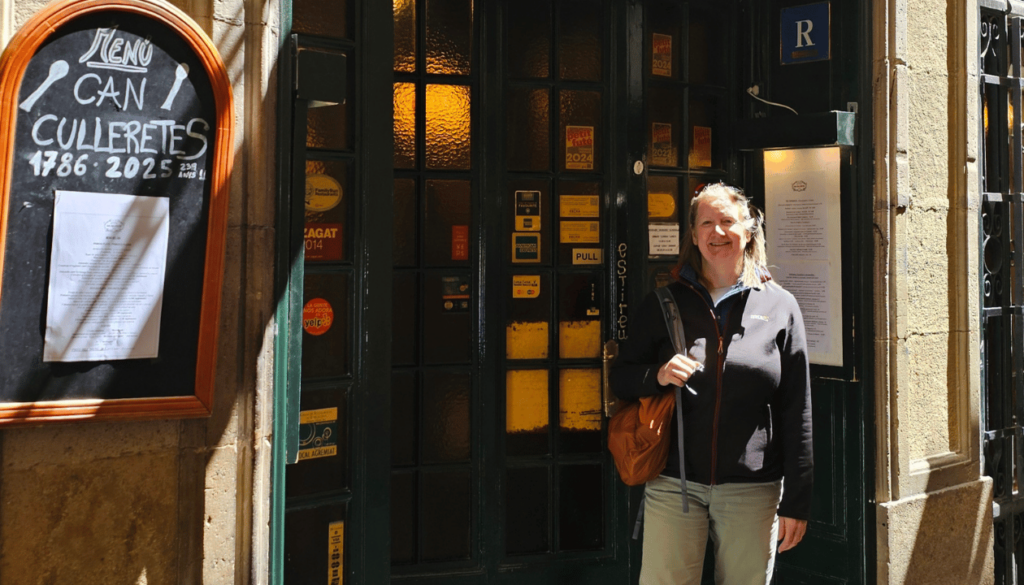
Las Ramblas always offers more than just sightseeing—it’s where language comes alive. When I took Rionathere, we treated the whole city centre as a lesson in real-world Spanish. She asked for directions, explored Plaça Reial, and spoke confidently with vendors in La Boquería. Every stop gave her a chance to speak naturally. The best stop, Can Culleretes, the oldest restaurant in Barcelona.
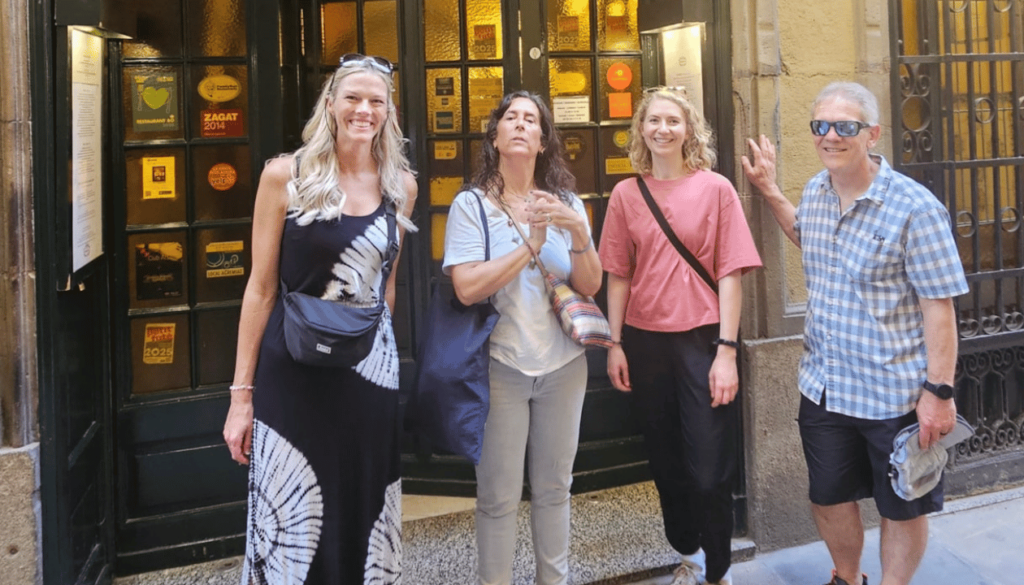
Laura, another SHIP student, loved the rhythm of city life. From Passeig de Gràcia to the Gothic Quarter, she used every interaction from browsing shops to chatting in cafés as a chance to practise. Barcelona’s public transport made it easy for her to explore new spots each day.
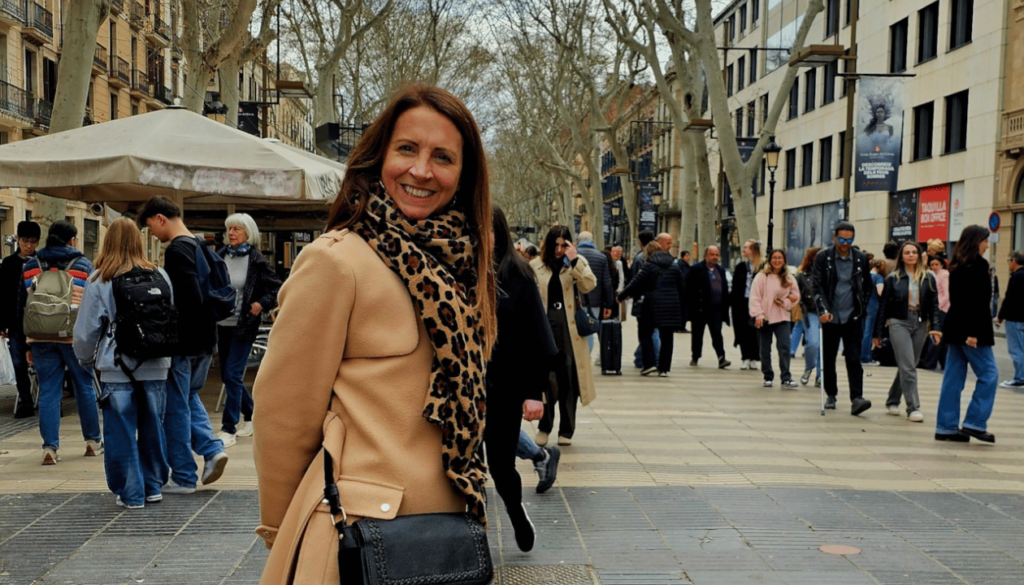
Elaine joined us during her SHIP and learned quickly how spontaneous city life can be. A change in plans taught her to adapt fast. It also showed her the importance of staying alert in crowded tourist destinations, where carrying valuables loosely can become a serious problem.
4. Discover Hidden Gems Along the Spanish Coastline
While Barcelona was the heart of her stay, Laurawanted to see the quieter side of Catalonia too. We explored small towns like Dosriusand Argentona, places that don’t appear in tourist guides but offer real insight into Spanish life. From the calm streets to small shops and cafés, every setting gave her space to practise and reflect.
Jessica and Paolaalso joined us on a trip through the Maresme region. In Dosrius, they enjoyed the natural beauty and slower pace, while Mataróoffered lively plazas and seaside views. Local events gave them the chance to interact with residents, learn new expressions, and experience the rhythm of small-town life.
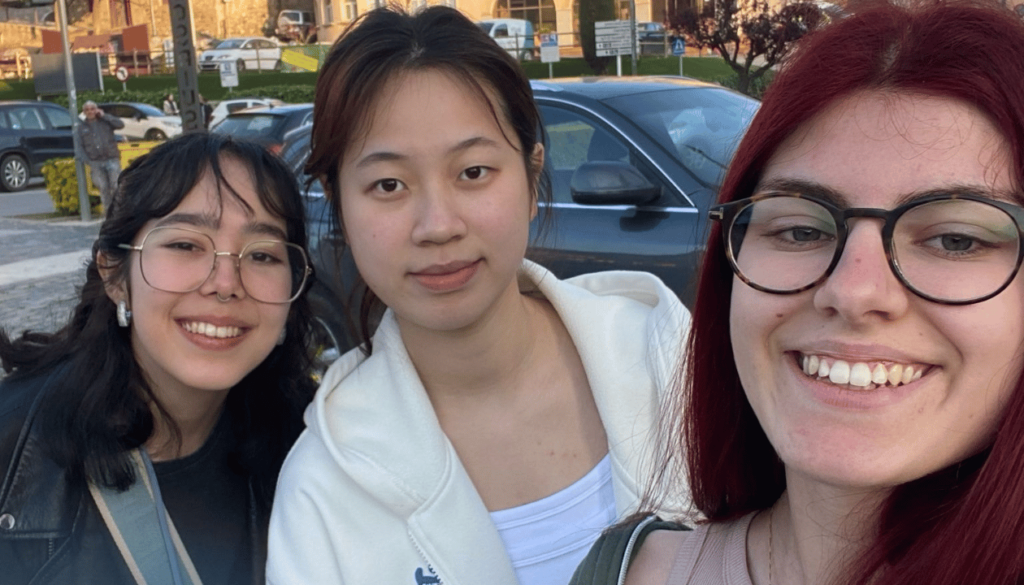
These coastal towns may not appear on lists of popular destinations, but they show a more personal side of the tourism industry. I always tell students that real language learning happens in places where life moves slowly, and conversations last longer.
5. Experience World Paella Day in Spain
World Paella Day is more than just a celebration of food—it’s a full cultural experience, especially in Valencia. SHIP students join Pilar, one of our wonderful host teachers in the region, where they get to enjoy local traditions in real homes, not just restaurants.
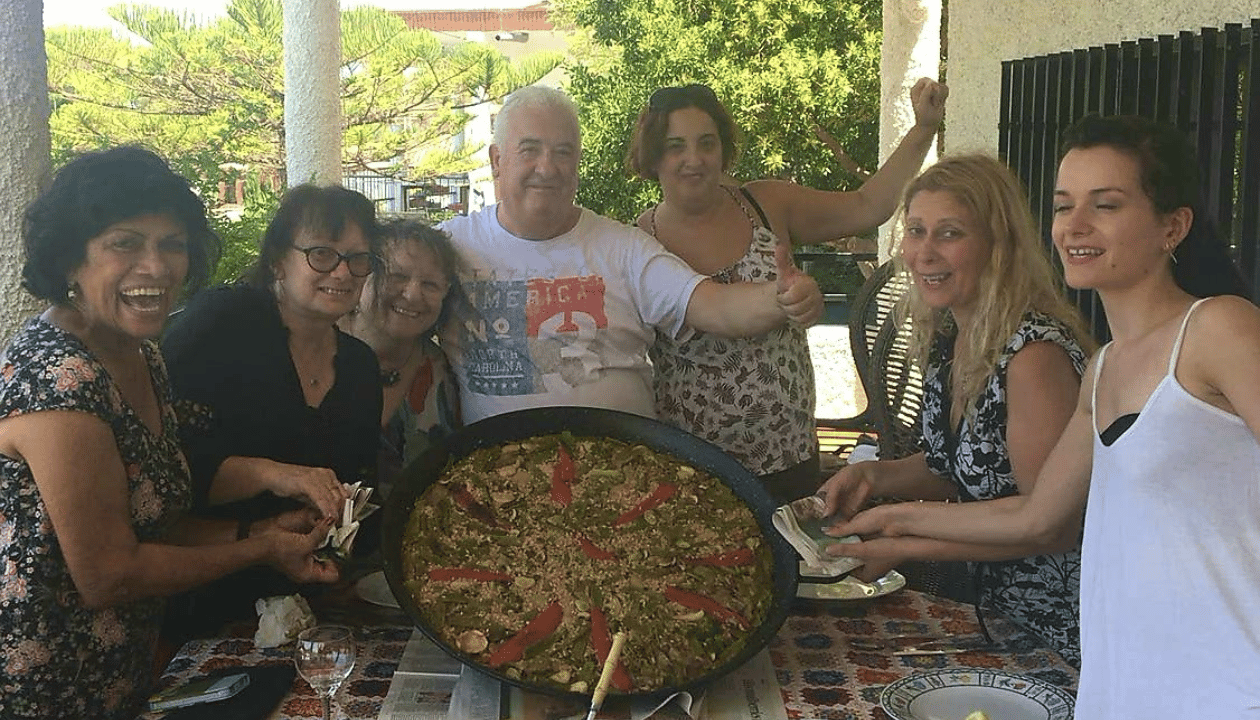
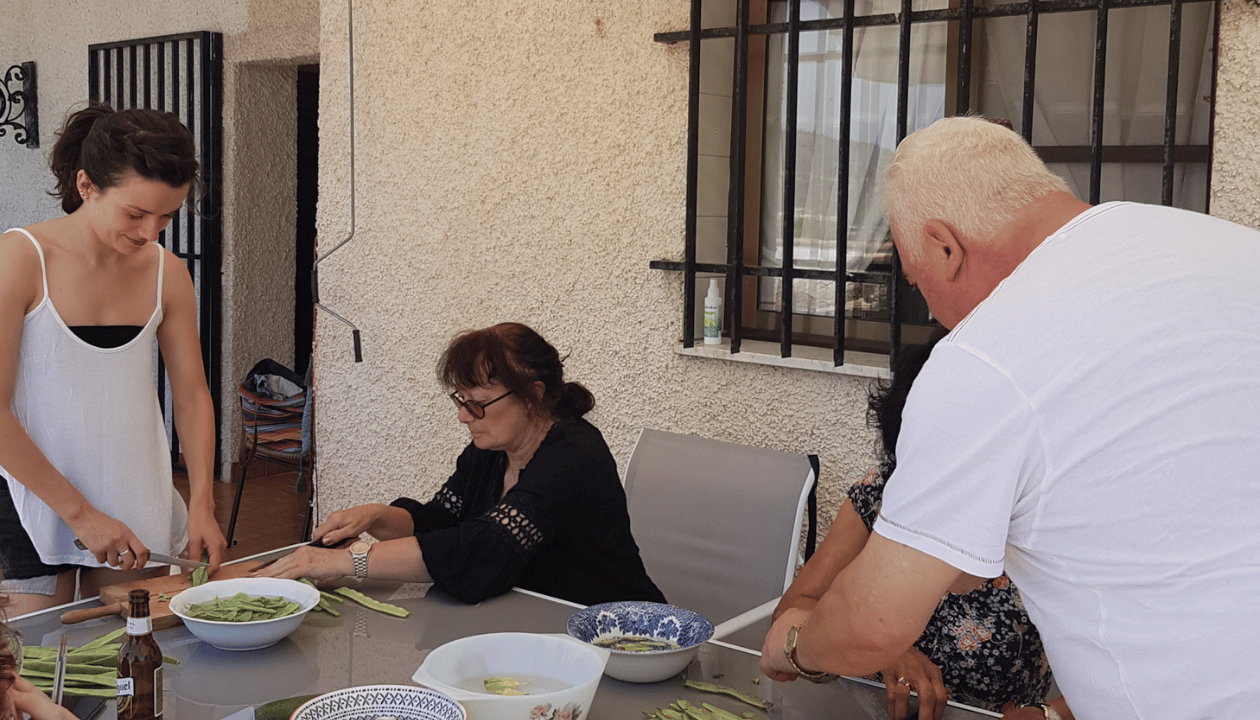
This year, Jacqueline and Azura joined Pilar for an afternoon of learning and cooking. After their morning Spanish sessions, they helped prepare a classic meat paella. As they stirred the rice and learned new words, Pilar’s friends shared stories from Valencian history that left them both amazed. Sitting outside together, it felt like more than just a meal; it was a full immersion into culture.
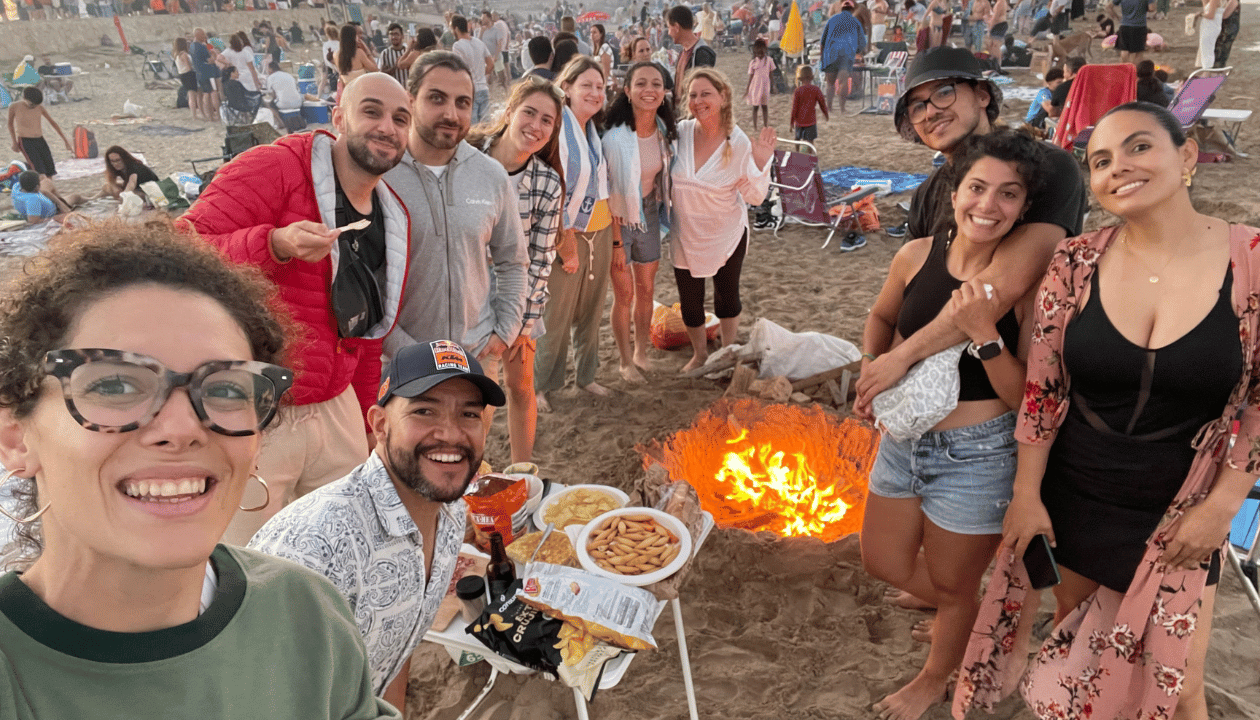
Thila, Renee, and Adelina also had their turn in Pilar’s kitchen. Guided by a local chef, they picked up cooking terms in Spanish while making traditional paella from scratch. The kitchen became their classroom, and every step brought them closer to the heart of regional life in Spain.
I always remind our students to stay safe during these local events and take care of their personal belongings, especially during busy October festivals when citizens and travelers come together in large numbers.
6. Walk the Legendary Camino de Santiago
Burgos is one of the most special places along the Camino de Santiago, and we’re lucky to have two wonderful host teachers there, Alberto and Marisol. Their home sits right along the pilgrimage route, making it the perfect place for students to experience the Camino while practising Spanish every day.
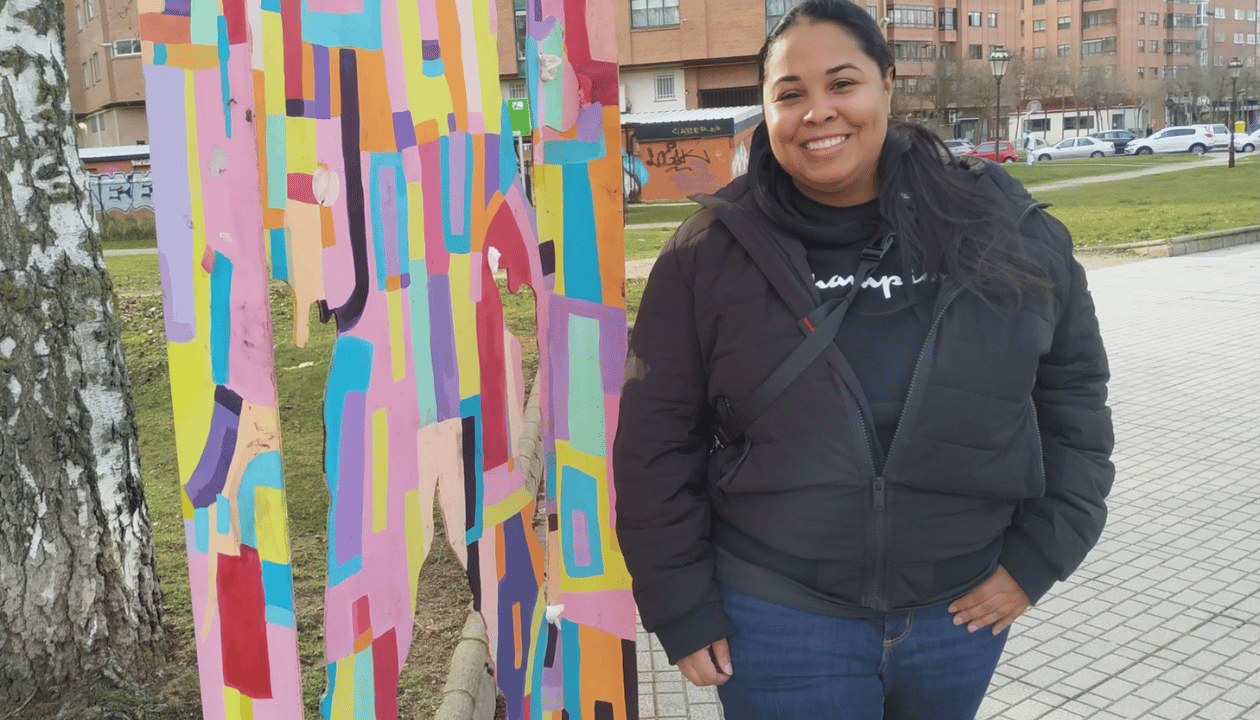
Ashley spent a full week with them, guided by both teachers through lessons and local activities. From the quiet streets to the Grand Cathedral, one of Spain’s UNESCO World Heritage Sites, she learned how Spanish is used in everyday life across different settings.
I also remember walking a short stretch of the Camino with Donald, who stayed nearby. As we passed ancient gates and followed the scallop shell markers, he practised describing the landmarks and asked questions about local traditions. The walk gave him a deeper sense of Spanish culture and its connection to history, far from the noise of major European cities.
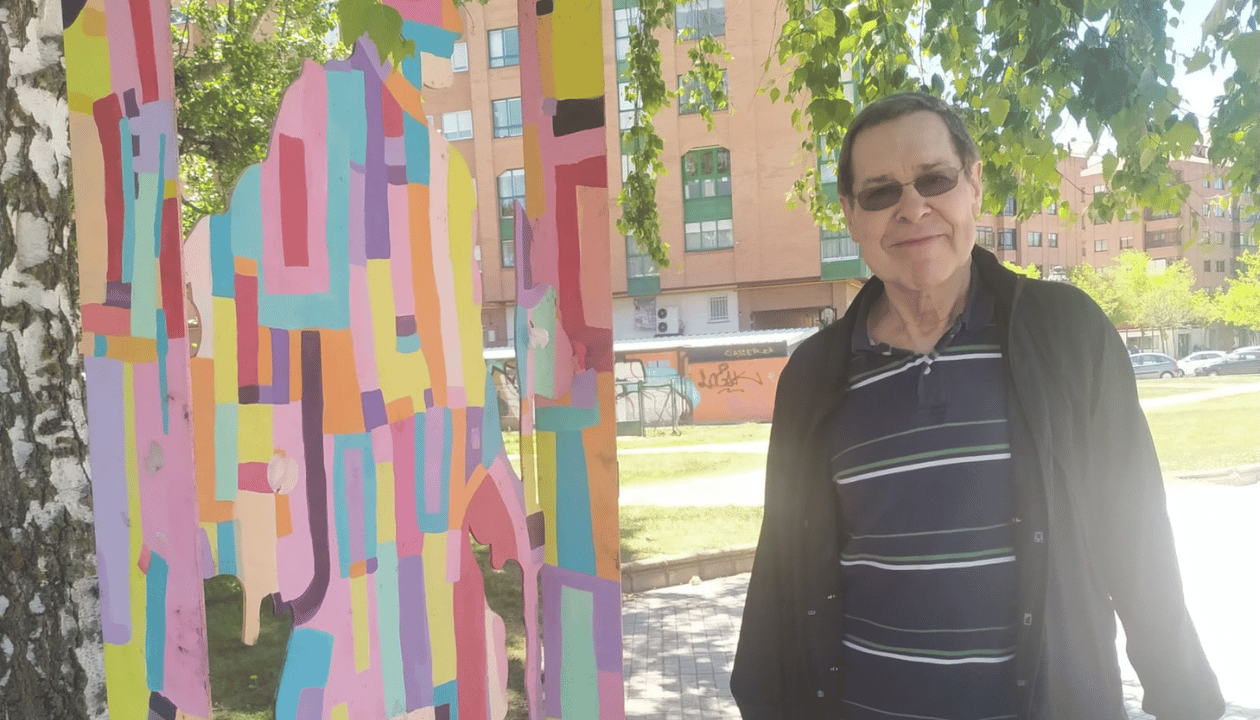
7. Explore the City of Arts and Sciences
In Valencia, Pilar, our SHIP host teacher, loves to take students beyond the usual lessons. One of the places she often visits with them is the City of Arts and Sciences, a space that brings together creativity, culture, and modern life.
Dana explored the Ágora with Pilar and came back with new vocabulary and a notebook full of expressions. An interactive mirror exhibition helped her describe what she saw in real time, reinforcing key structures through fun, spontaneous conversations. Inside the galleries, Dana and Pilar discussed works by Picasso and other European artists proving that language learning doesn’t have to stay in the classroom.
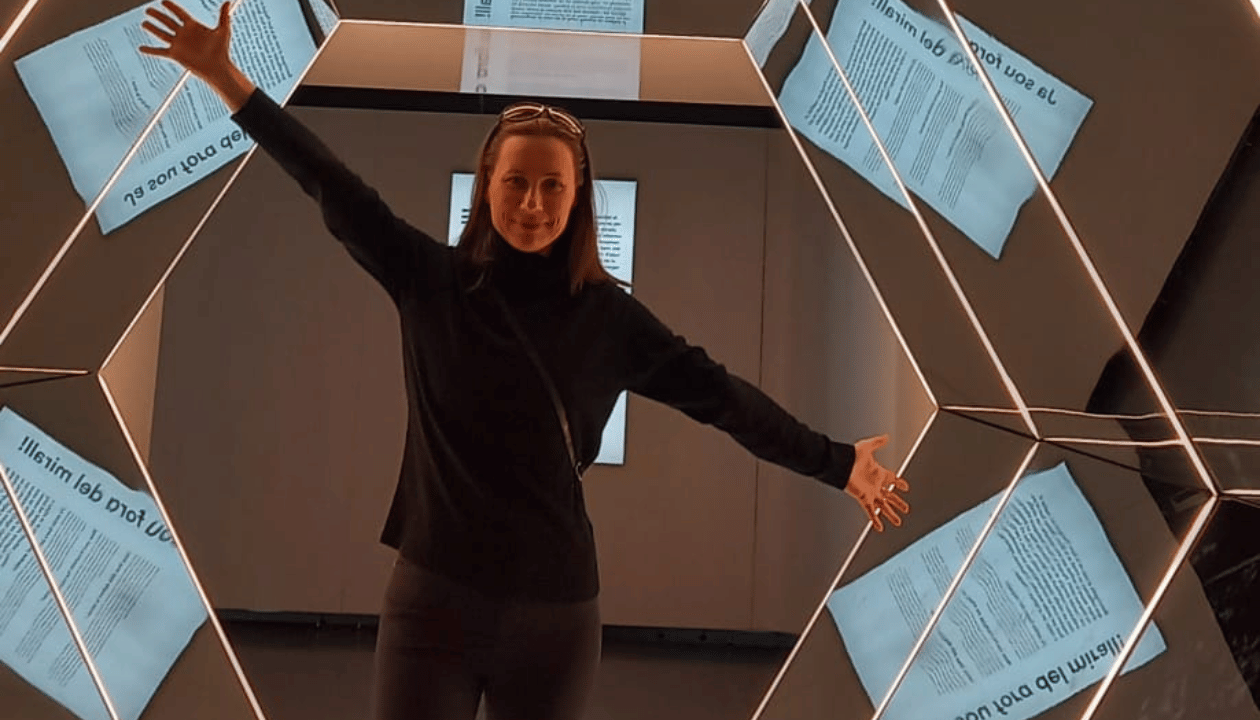
Brian also spent a day at the complex, especially drawn to the architecture and design. As he moved through the exhibits, we practised everyday Spanish in context, using new terms and phrases tied to what he loved most.
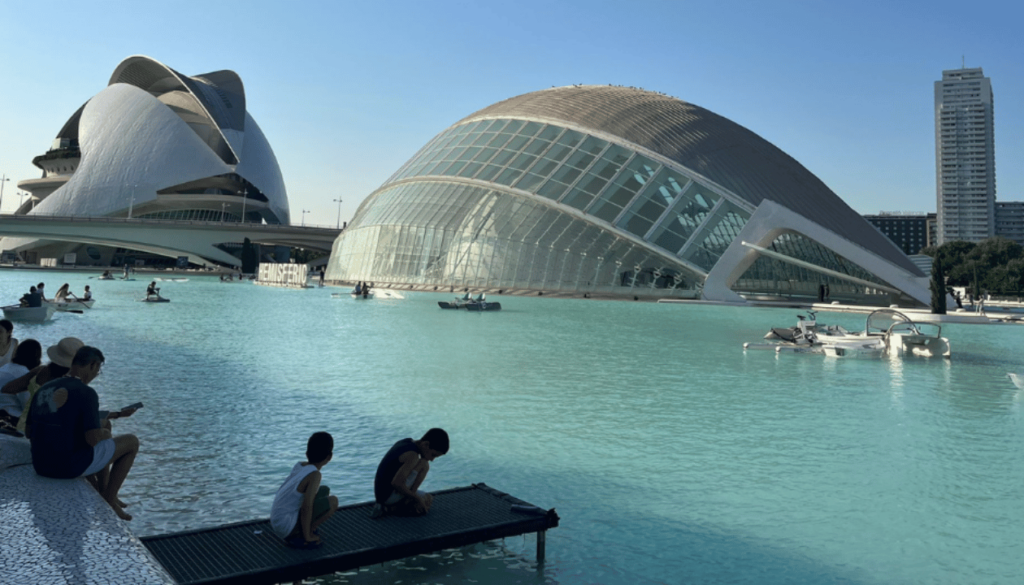
Valencia hosts major events throughout the year, so I always remind our students to exercise caution when exploring crowded areas.
8. Unwind Along the Costa del Maresme
The Costa del Maresme is where I welcome many of my SHIP students. It’s peaceful, close to Barcelona, and perfect for learning without the pressure of big tourist crowds. When Jessica and Paola arrived, they settled right into daily life at my home. We spoke Spanish over breakfast, during lessons, and even while walking Rumba and Samba, my two golden retrievers, who kept them smiling throughout the week.
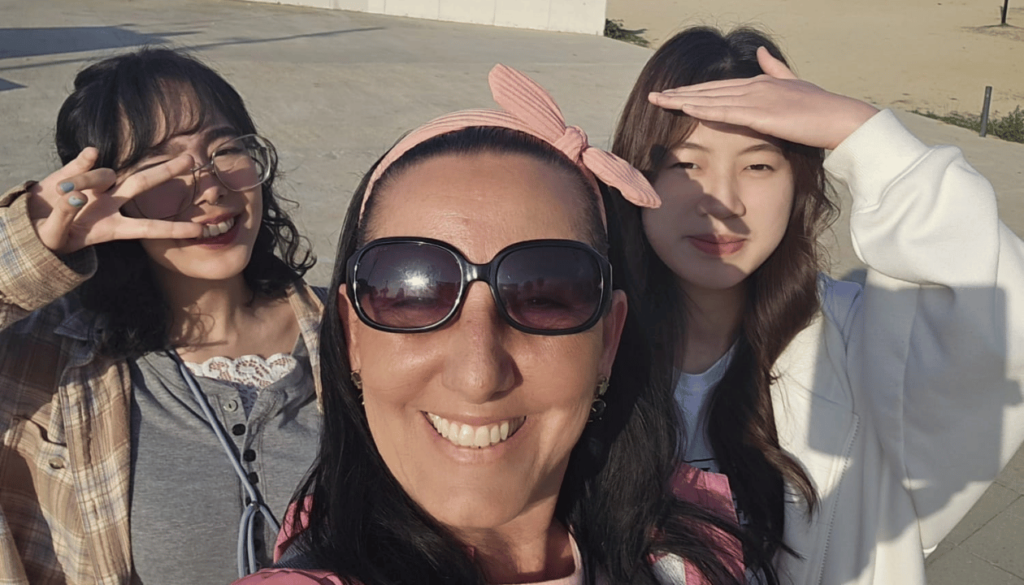
Susan joined us for a week full of cultural activities. We walked through the Art Forest in Dosrius, visited the Jug Museum in Argentona with my mum, and explored Mataró’s old town together. These places aren’t tourist hotspots—they’re part of real Spanish life in rural areas. Each outing gave her new vocabulary and insight into the world outside the textbooks.
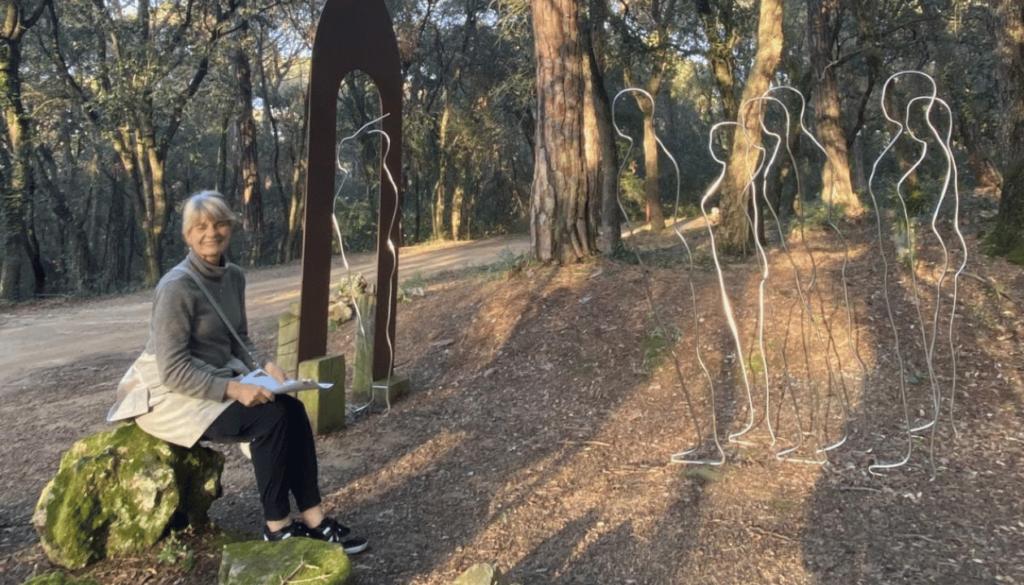
I always remind students that while the Balearic Islands or Canary Islands get most of the attention, small coastal towns like these are where Spain’s true rhythm lives. It’s slower, warmer, and full of hidden treasures, perfect for language immersion and personal growth.
9. Join the Fun of Spanish Halloween Traditions
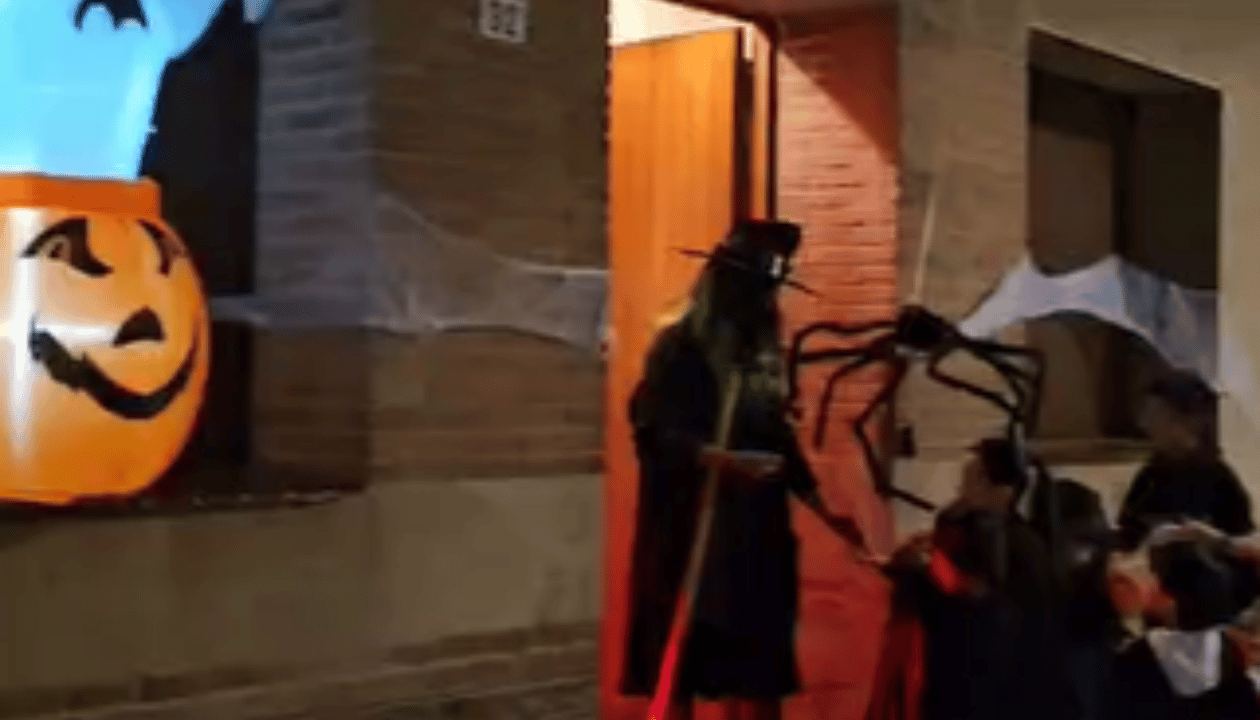
In Barcelona, I like to take SHIP students to local Halloween events. It’s a great opportunity to practice Spanish while learning about how we celebrate here. Instead of just costumes, we also talk about traditions linked to All Saints’ Day.
Last October, we walked through decorated streets near Park Güell and stopped at small outdoor cafés. The students asked questions, ordered food, and spoke with locals in simple, real-life Spanish.
Crowds have grown in recent years, so I always remind students to stay alert. Spanish authorities often update rules for public events, and knowing emergency numbers is important. These safety steps matter when you’re far from home.
Ready to See a Different Side of Spain with Spanish Express?
Exploring Spain’s hidden towns, quiet beaches, and authentic local traditions becomes far more meaningful when you experience them through the language and culture of the people who live there.
With the Spanish Homestay Immersion Programme (SHIP), you don’t just travel—you live in your teacher’s home, practise Spanish in everyday situations, and discover places that most tourists never see. From coastal villages and cultural festivals to historic cities like Barcelona, Valencia, and Burgos, every moment becomes part of your learning journey.

You can also explore more travel and cultural stories here:
👉 SHIP Stories of Our Previous Students
From language learning to cultural discovery, Spanish Express helps you experience the real rhythm of Spain while building confidence in Spanish.
For personalised guidance and programme details, contact our founder directly:
Mónica Romero
Founder & Director, Spanish Express
📞 Phone / WhatsApp: +44 7903 867 894
📧 Email: monicaromero@spanishexpress.co.uk
1. What makes Spain such a unique tourist destination?
Spain is a top tourist destination with diverse offerings. From major events to quieter locales, it caters to all types of travelers. Whether you’re looking to explore rural areas, small towns, or enjoy the bustling vibe of Spanish cities, there’s a perfect blend of culture, history, and natural beauty to be found.
2. Can you recommend hidden gems along the Balearic Islands for a quieter experience?
The Balearic Islands are often crowded with tourists, but hidden spots offer a more relaxed experience. Visiting smaller coastal towns in these islands will help you escape the crowds, where you can immerse yourself in authentic local life and enjoy the beautiful beaches away from the tourist rush.
3. How can I travel safely and avoid problems in Spain?
While Spain is generally safe for tourists, exercise caution in busy areas like public transport or tourist areas. It’s important to stay aware of your surroundings, especially when visiting major cities or events. Keep personal belongings close, and be sure to have emergency contact numbers saved in case you need assistance from local police or emergency services.
4. What is the best way to travel around Spain, and do I need a rental car?
For most parts of Spain, you can easily rely on public transport to explore cities and coastal areas. Rental cars are useful for reaching more remote rural areas or visiting towns like Dosrius and Argentona. However, in larger cities such as Barcelona and Madrid, public transport is often more efficient.
5. Are there any international events I should plan my trip around?
Spain hosts numerous international events throughout the year, such as the famous Running of the Bulls and World Paella Day in Valencia. These events allow you to connect with both locals and travelers. However, visiting smaller events in small towns often offers a more authentic and immersive experience.
6. How can I experience Spain’s food culture during World Paella Day?
For a true cultural experience, World Paella Day in Valencia offers a wonderful opportunity to dive into Spanish cuisine. Whether you’re cooking paella in a local’s kitchen or sampling it at a street festival, you’ll get a deeper understanding of Spanish food traditions and cooking vocabulary.
7. What should I know about the Costa Brava and Costa del Maresme for a quiet coastal retreat?
Both Costa Brava and Costa del Maresme are peaceful coastal destinations that offer much more than the crowded beaches of Canary Islands or the Balearic Islands. You’ll find hidden gems in small towns, ideal for immersing yourself in local culture, away from the typical tourist areas.
8. How do I stay safe while enjoying Spanish Halloween traditions?
Spain celebrates Halloween differently than other countries. Spanish authorities and local police are present during events, ensuring public safety. As crowds grow during celebrations, exercise caution by keeping personal belongings secure and following any guidelines set by local officials.
9. How do the local authorities handle public safety during events in Spain?
Local authorities are very organized during major international events like festivals. For example, in Barcelona and Madrid, emergency services are always present during parades, festivals, or gatherings. Spanish authorities work closely with local police to ensure safety, especially in crowded spots like public transport stations and tourist areas.
10. How can I explore the Maresme region beyond its famous tourist spots?
Maresme is home to charming towns like Dosrius and Argentona, which offer a more personal side of Spain. These small towns are perfect for practicing Spanish, where daily interactions with the local community can help you feel more connected to the culture. Although public transport is available, having a rental car can be useful for exploring the region’s hidden spots.
11. How do local media report on major events in Spain, and how can I stay informed?
Local media in Spain play a key role in keeping both residents and visitors updated on events, from cruise ships docking at popular ports to Santiago de Compostela’s pilgrimage celebrations. Whether you’re in a bustling city or a quieter town, checking local news outlets can give you valuable information about public safety, such as possible medical evacuation protocols during large gatherings. Keeping an eye on local media ensures that you stay informed about any changes in your travel plans.
12. Are there any Spanish islands worth visiting besides Mallorca and Ibiza?
Beyond the more famous Balearic Islands like Mallorca and Ibiza, there are many hidden gems waiting to be discovered. Islands such as Menorca and Formentera offer a quieter escape, often overlooked by tourists. Whether you’re wandering through outdoor cafes in smaller towns or exploring the peaceful waters away from cruise ships, these islands offer an authentic experience. Property owners in these quieter areas often provide unique stays, perfect for travelers seeking peace and a deeper connection to Spanish culture. You’ll find that other Balearic Islands offer an experience that feels more like Spain’s hidden side.
