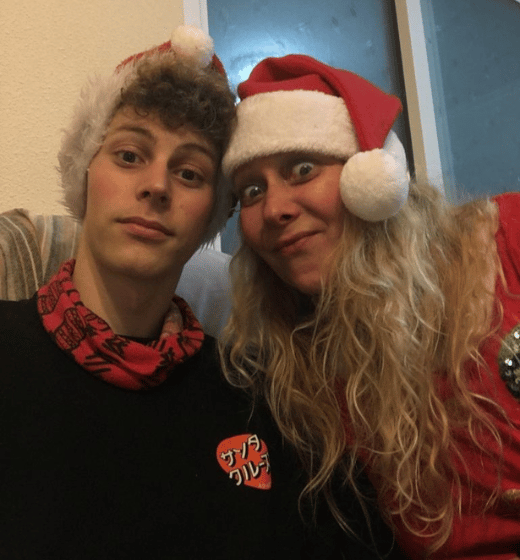
Hola, I’m Pilar—your host teacher in the Valencia area. Every December, I watch Valencia transform. The city becomes filled with decorations, glowing trees, and those unmistakable lights that turn ordinary streets into something quietly magical.
And here’s what I love most: Christmas in Valencia doesn’t need a white Christmas to feel special. The air can be warm for the festive spirit, the terraces still tempt you, and the festive atmosphere arrives early and stays with us through January.
If you’re planning to visit during the Christmas season (and the wider holiday season), let me guide you, like I would guide my own students, through the best experiences across the city centre, with every essential detail in one place.
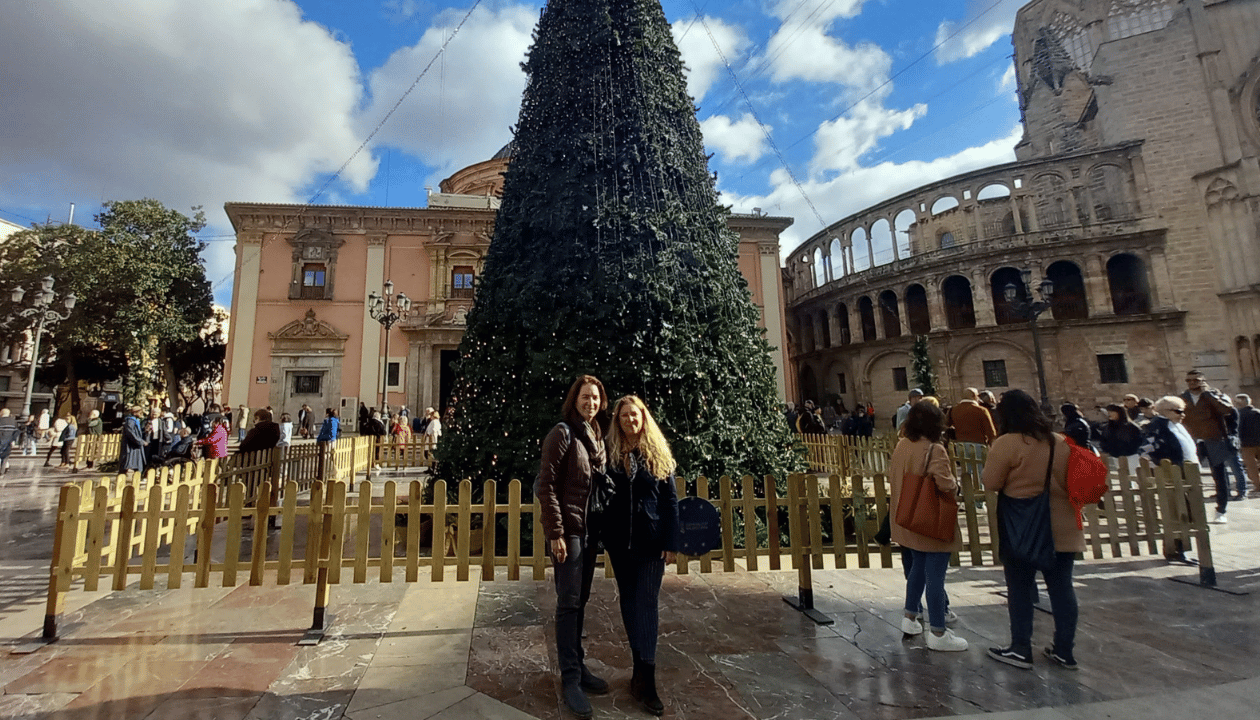
Christmas spirit in Valencia: what it feels like (and why it’s different)
The Christmas spirit here is not only about shopping or a single event. It’s the way locals slow down to look at the lights, the way families meet in plazas, and the way the city keeps its everyday rhythm while adding extra joy.
You’ll notice it in the small things:
- The smell of roasted chestnuts in the evening
- The sound of music drifting through busy streets
- The little stalls selling sweets
- The way people greet each other in Spanish with that brighter, kinder tone we use at Christmas time
This is the perfect place to feel a Mediterranean winter at its best in Spain.
Christmas lights in Valencia 2025–2026: where to go and what to look for
For many visitors, the first big “wow” moment is the Christmas lights. In Valencia, they switch on for a long stretch—from late November through early January—so you have plenty of nights to enjoy them.
Plaza del Ayuntamiento: the city’s main Christmas stage
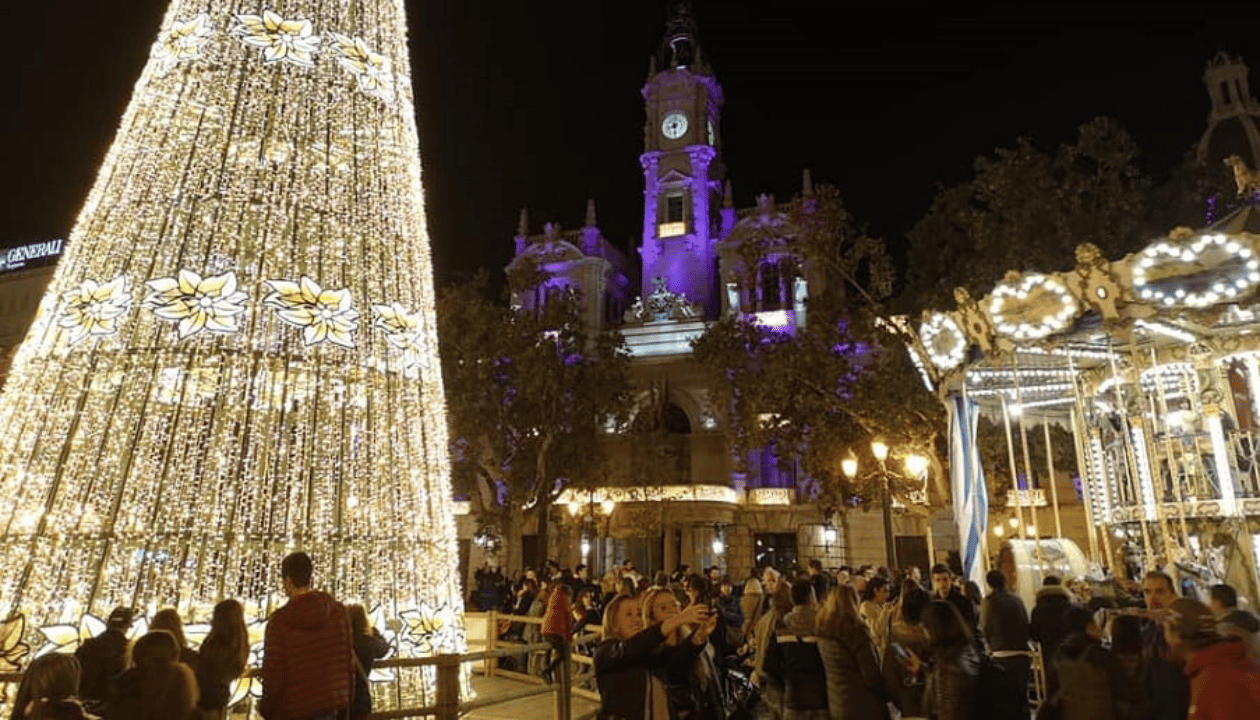
Start at Plaza del Ayuntamiento. This square is the heart of the season, where the big tree rises above the crowd, and the whole space feels like a celebration.
You’ll hear people calling it the city hall square because the Town Hall building dominates the view. It’s also where the lights feel most “official,” and where you’ll usually see the biggest concentration of twinkling lights. This city hall opens for people to fully enjoy the festive spirit of Christmas.
The city centre streets: walk and let the lights guide you
From there, I always suggest a slow walk through the city centre streets. You don’t need a strict plan—just let the arches, decorations, and glowing corners guide you.
A good route naturally pulls you toward the Gran Vía and the historic core. The city simply feels filled with light.
Christmas markets: what you’ll find and how to enjoy them like a local
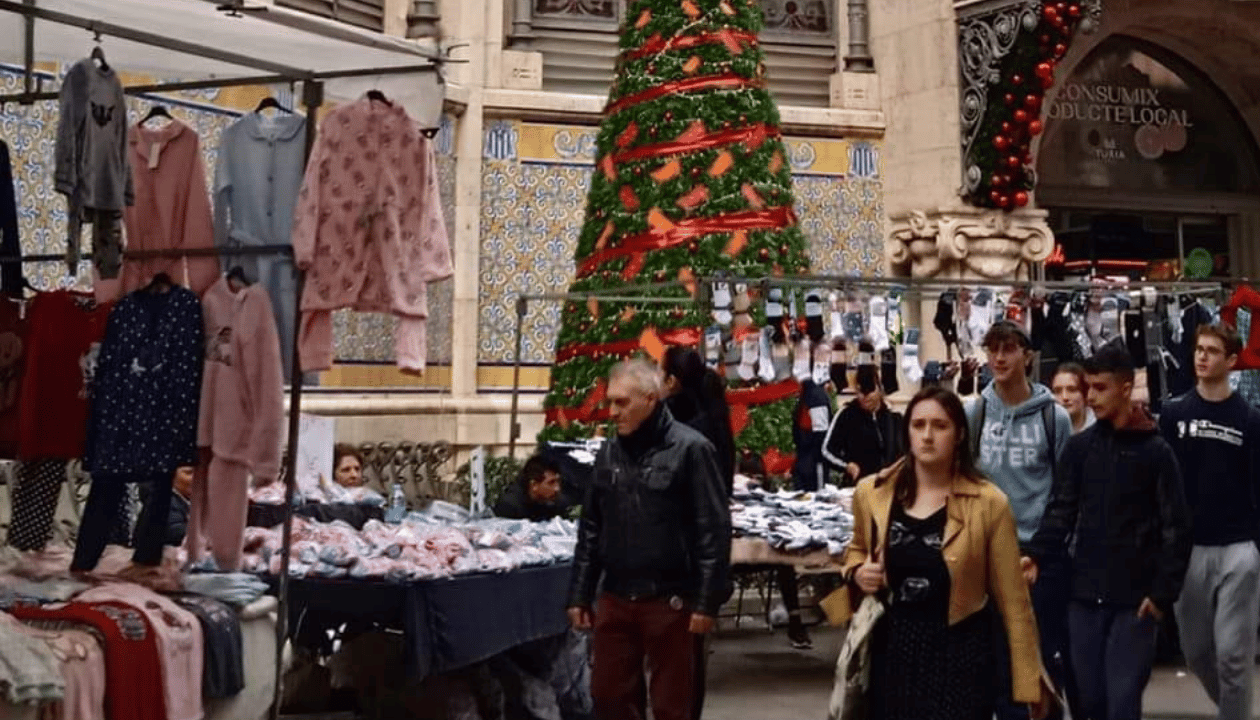
If you ask me what makes the season feel alive in Valencia, I’ll say: the lights… and the Christmas markets.
These markets are where you browse slowly, smell the sweets, and find gifts that feel personal—ceramics, handmade ornaments, local treats, and little surprises you can’t buy back home.
Plaza de la Reina: a classic stop for festive browsing
One of my favourite places for a market atmosphere is Plaza de la Reina. It sits right in the historic heart, and it’s the type of place where you can shop, snack, and then step into a tradition (like the nativity route) in the same walk.
Central Market area: the traditional outdoor stalls
Around the Central Market zone, you’ll often find stalls that lean more traditional—decorations, toys, seasonal foods, and little “classic Christmas” items that locals recognise instantly.
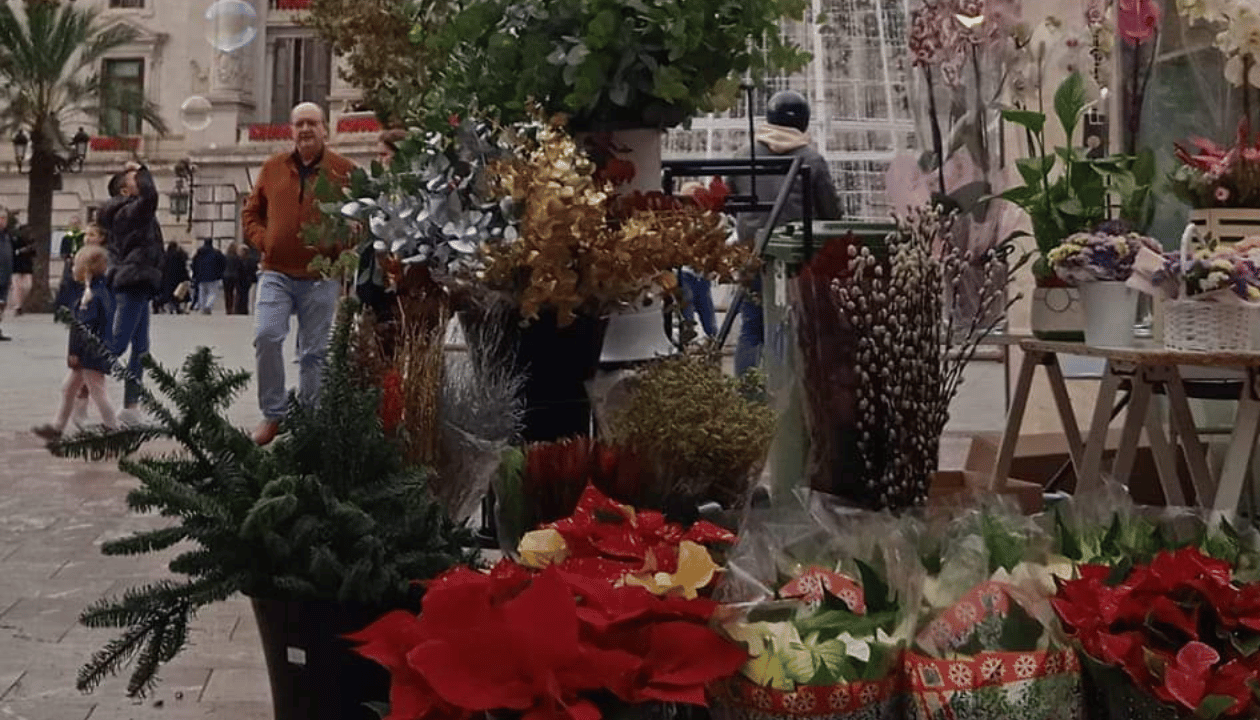
What to eat while you browse
Don’t miss:
- roasted chestnuts
- turrón and other sweets
- warm snacks that make the night feel cozy
This is where the season becomes sensory. Lights above, warm paper cones in your hands, and laughter in the streets.
Nativity scenes in Valencia: the most important tradition to understand
Now let’s talk about my favourite keyword of all: nativity scenes.
In Valencia, we take them seriously—in homes, churches, museums, and public squares. This tradition is more than decoration; it’s part of how we tell the story of the season, from the baby Jesus in the manger to the many characters that make each scene unique.
The nativity route: a beautiful way to explore the city
During the season, you’ll find a full route of nativity scenes. Some are small and detailed; others are monumental.
A highlight is seeing public displays where you can step close, take photos, and truly notice the craftsmanship. Some installations offer free entry, which makes it easy to include even on a simple stroll.
Family plans: ice rink, ice skating, circus, and lots of fun
Valencia does Christmas for children very well. And honestly, even adults become kids again here.
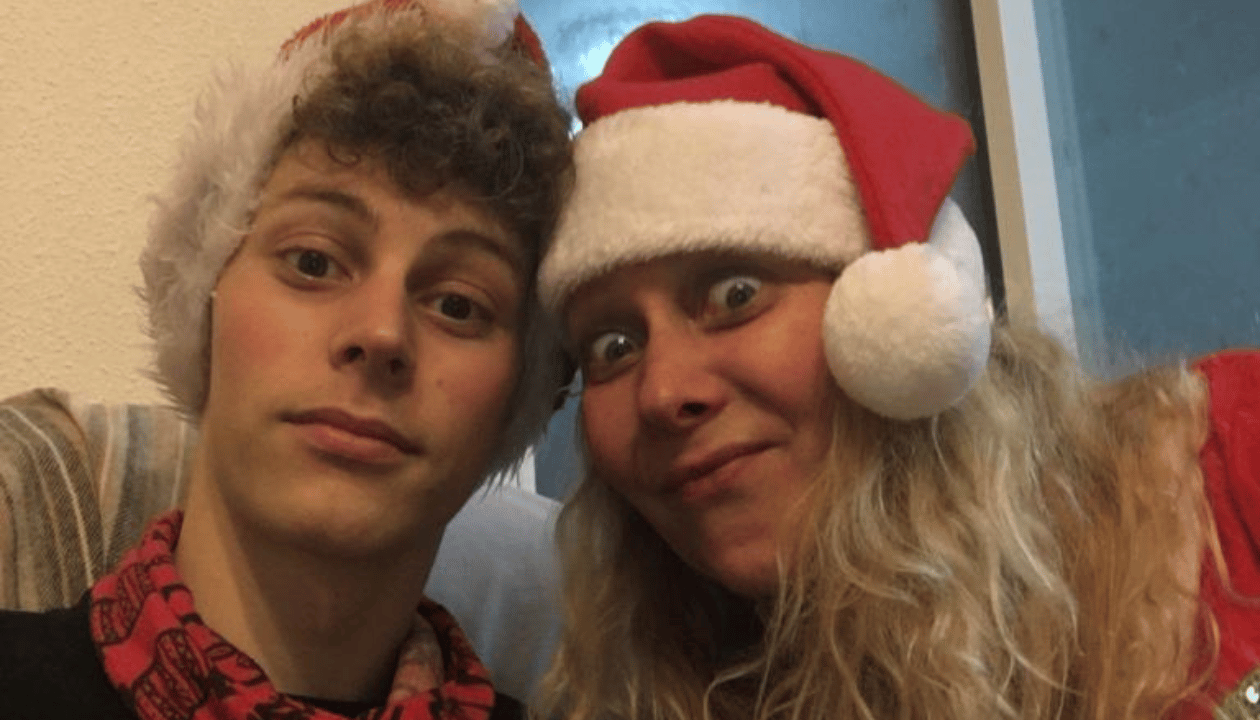
Ice rink + ice skating in Plaza del Ayuntamiento
One of the most iconic sights is the ice rink near Plaza del Ayuntamiento. Skating in the middle of a palm-lined city feels wonderfully surreal. If you’re coming with kids, this is always a highlight.
Even if you don’t skate, watching the ice skating sessions with the lights around you is pure seasonal happiness.
Gran Circo season (including Gran Circo Wonderland)
The circus is a big part of our Christmas calendar. You’ll see posters and families arriving dressed up, holding hands, excited for the show.
Two phrases you’ll hear often:
- gran circo
- Gran Circo Wonderland
If you’re traveling with children, this is one of the easiest ways to create unforgettable memories—especially on a weekend night when the city feels most alive.
Fairs and rides: classic holiday energy
Valencia also hosts Christmas fairs with rides, attractions, snacks, and that playful energy that makes the season feel like a festival.
Christmas Eve in Valencia: dinner, family, and midnight mass
Christmas Eve is deeply family-focused here. Most Valencians spend the night at home, and the city can become quieter later in the evening.
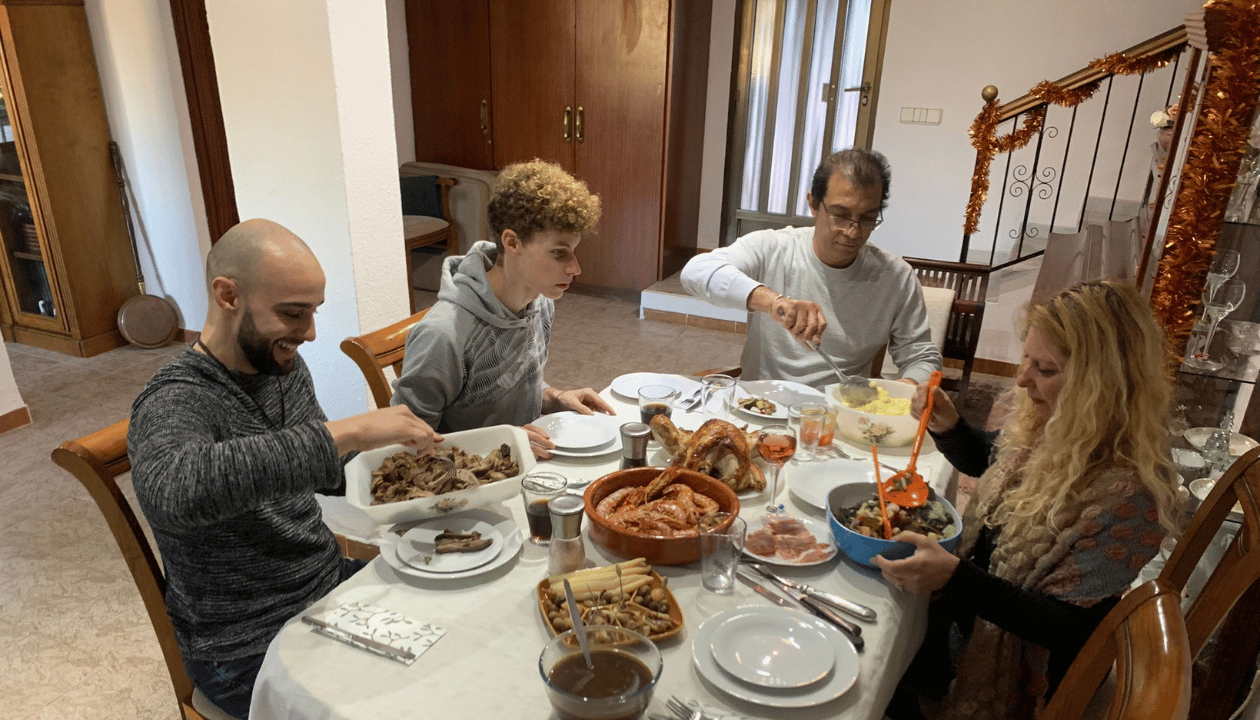
The heart of the night: dinner
The big moment is dinner—long, relaxed, and full of conversation. Families gather, food appears in waves, and the night becomes an experience in itself.
Midnight mass: a powerful tradition
After dinner, many people attend midnight mass (Misa del Gallo). You’ll find churches across the city holding services around midnight, and it’s one of the most moving traditions of the season—quiet, candlelit, and full of music.
Christmas Day in Valencia: lunch culture and special menus
Christmas Day feels calmer. Many shops close, families rest, and the centre has a slower rhythm.
But one thing stays busy: restaurants.
In Valencia, the main meal is often lunch, and on December 25, many families celebrate at home, yet many people also go out. That’s why many restaurants offer a special menu and get booked early.
If you want to eat out on Christmas Day, plan. The city may feel calm, but restaurants can be full.
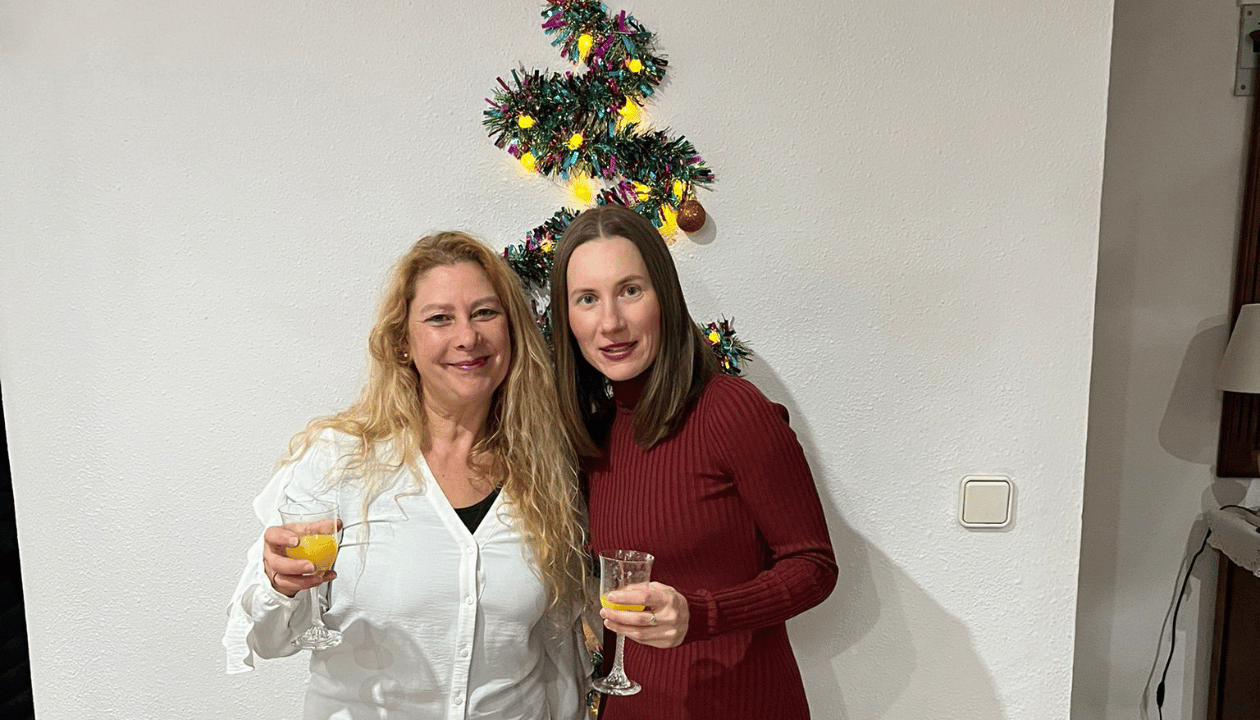
New Year’s Eve in Valencia: grapes at midnight to bring good luck
Now we move to New Year’s Eve. In Valencia (like the rest of Spain), the tradition is clear:
At midnight, we eat 12 grapes—one with each bell chime—to bring good luck for the year ahead. It’s quick, chaotic, funny, and absolutely part of our culture.
This is the bridge between the old and the new—between December and January, between family meals and nights out, between the final days of the season and the last grand celebration still to come.
You’ll see people dressed up, heading out late, and the night stretching long. Valencia knows how to celebrate.
And yes—some people still call it year’s eve in conversation, especially when they’re planning the night’s timing.
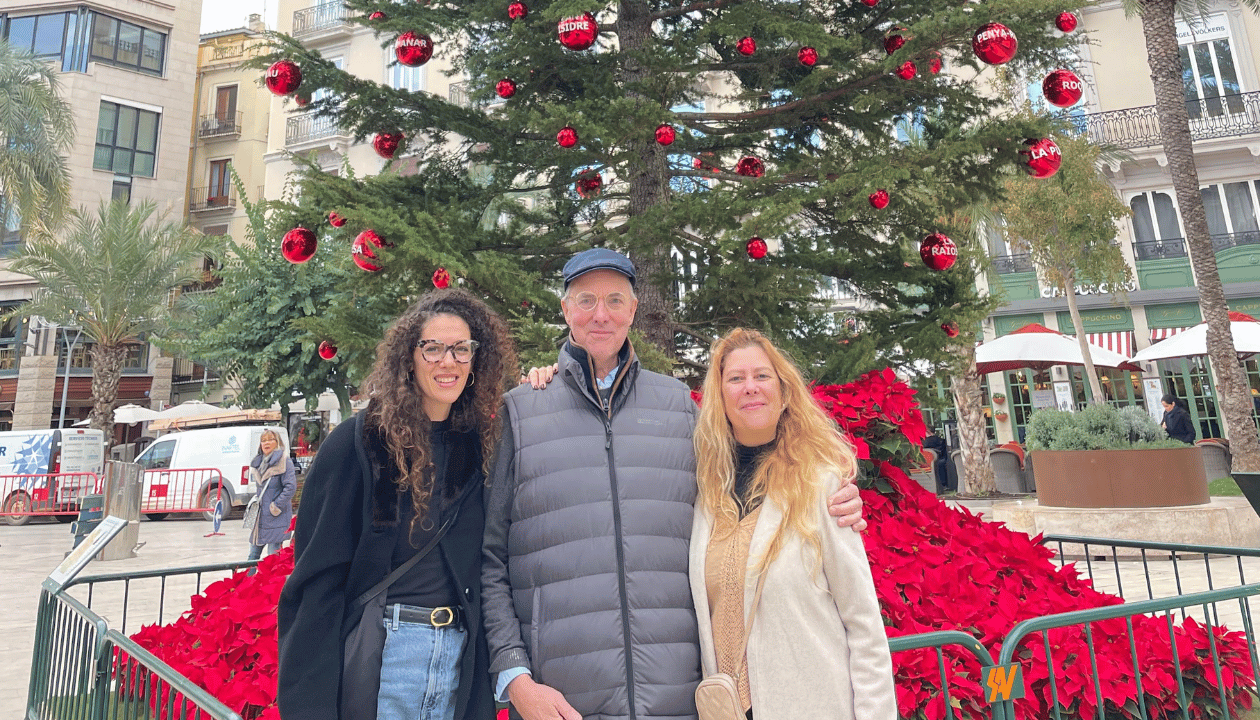
Three Kings: the grand finale of Christmas in Valencia
In Valencia, Christmas doesn’t end on the 25th. For many families, the most exciting day is still ahead: the three kings.
The parade and the magic for kids
The kings arrive, the city fills again, and children watch with shining eyes as sweets fly through the air. It’s one of the most loved events of the season, and it brings the city together.
This is the moment when Christmas feels like a storybook—lights, music, costumes, and pure joy.
Practical notes from a host teacher: what to remember
A few things I tell every visitor:
- Valencia is filled with plans, so choose what fits your pace.
- The city is safe and walkable in the centre, but keep normal awareness in crowded areas.
- If you’re going out on Christmas Eve or Christmas Day, book ahead—again, many restaurants fill fast.
- Bring comfortable shoes. You’ll want to walk more than you expect.
- Keep a little space in your bag for small gifts, sweets, and market finds.
A small note from my house: how to experience this season more deeply
If you want more than sightseeing, Christmas in Valencia is the perfect time to learn Spanish through real life.
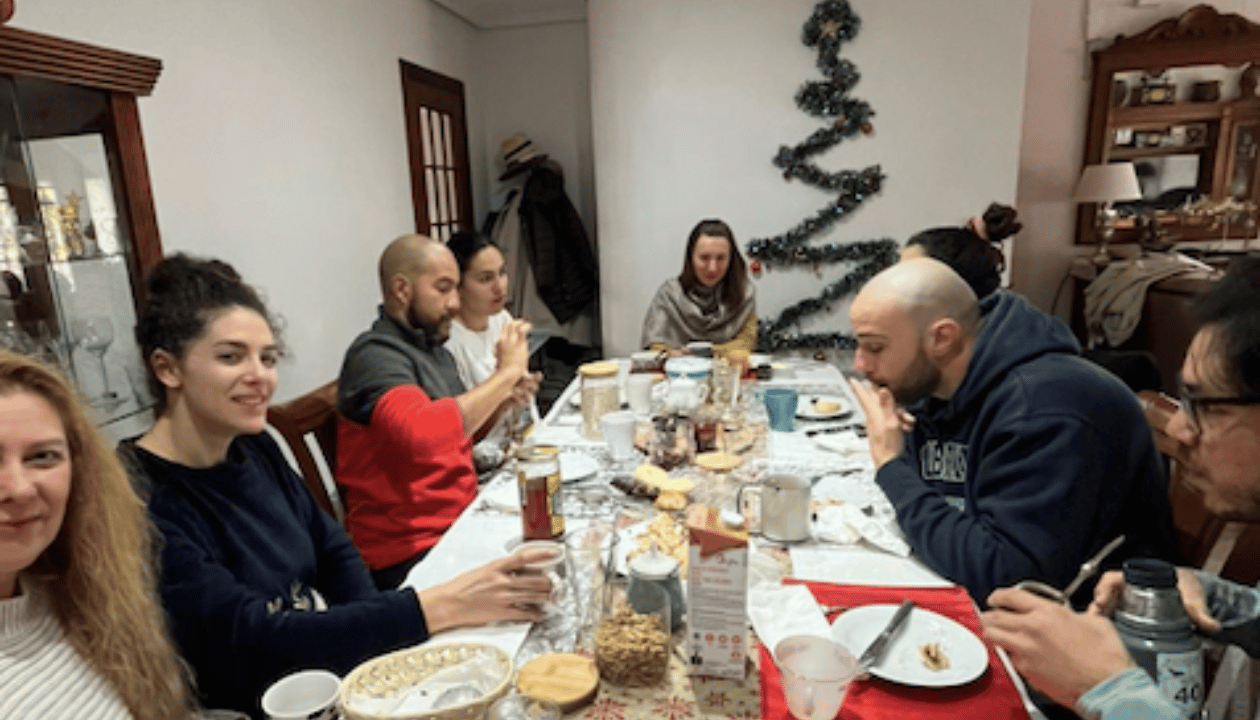
Spanish Homestay Immersion Program (SHIP) means you live in your teacher’s home, not a student residence. You share daily routines, meals, and conversation, and your Spanish practice happens naturally throughout the day. Lessons are personalised, and the culture is part of the learning.
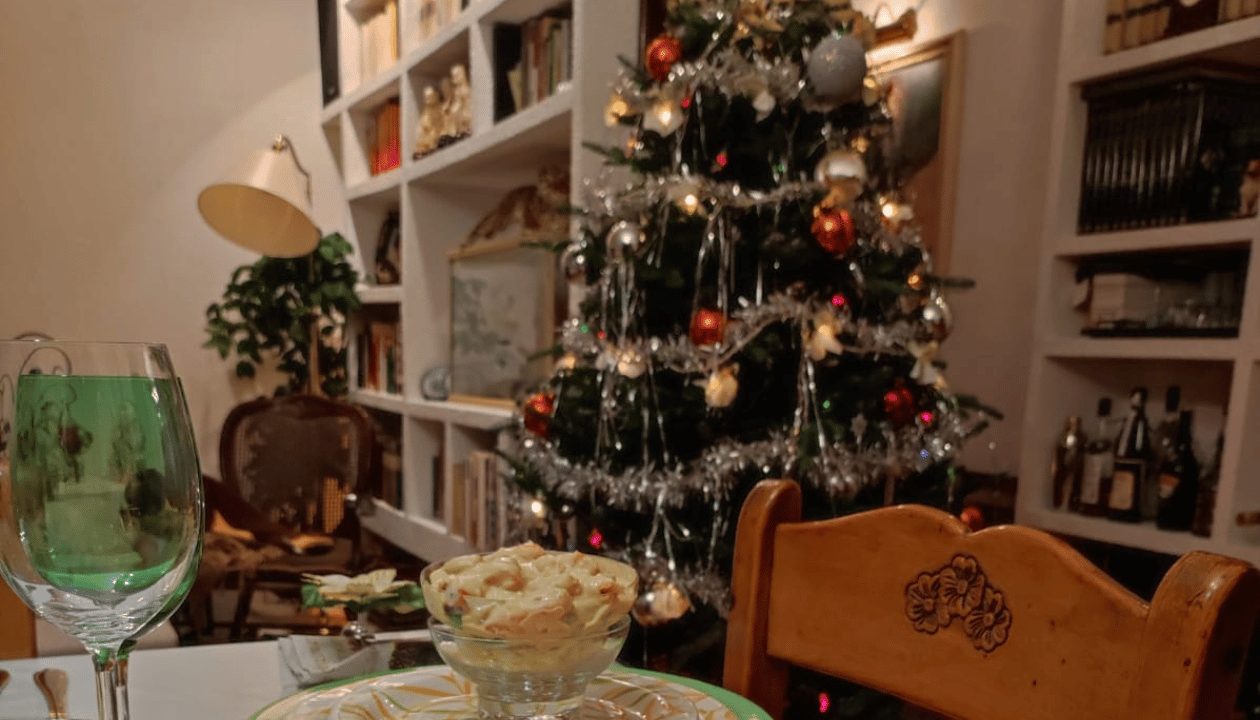
During the Christmas season, that looks like:
- Building confidence because Spanish is used in daily life, not only in class
- Walking the city centre lights together and learning the words you actually hear in the streets
- Visiting Christmas markets and practising real shopping and food conversations
- Exploring nativity scenes and understanding the traditions locals truly value
- Experiencing the rhythm of Christmas Eve, Christmas Day, New Year’s Eve grapes, and Three Kings with local context

If you want to read more real stories from students who experienced SHIP in Spain, you can explore here:
👉 SHIP Student Stories
Get in touch
Mónica Romero
Founder and Director, Spanish Express
📞 +44 7903 867894
✉️ monicaromero@spanishexpress.co.uk