

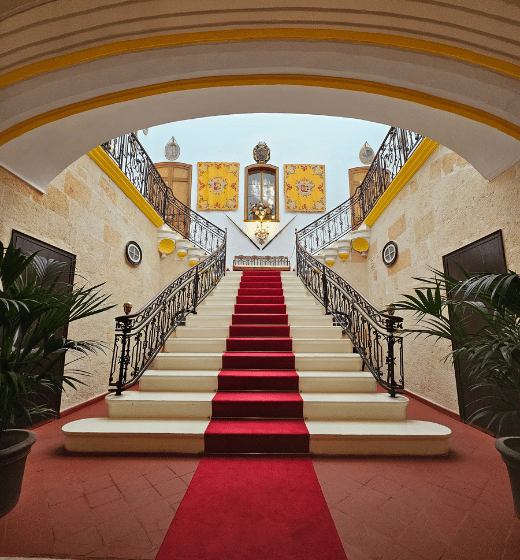
The Palace of the County of Torre-saura, in Menorca, is a historic gem built in 1839. Known for its neoclassical design and its role in Menorca’s history, this magnificent mansion offers visitors a window into the island’s past. The palace’s façade features an enigmatic veiled face, a romantic symbol of hospitality that adds to its mysterious charm and cultural significance. In this article, we explore its architectural beauty, historical significance, and practical visiting information.
Introduction to Menorca
Menorca, a jewel among the Balearic Islands, is a destination where natural splendor meets a tapestry of rich history and vibrant tradition. Located in the heart of the Mediterranean Sea, this enchanting island invites visitors to explore its pristine beaches, crystal-clear coves, and rolling countryside. Menorca’s capital, Mahon (Maó), stands as a testament to the island’s historical significance, with its elegant architecture, bustling harbor, and a lively blend of Mediterranean and Spanish influences.
Menorca’s culture is shaped by diverse historical influences, including the Phoenicians, Romans, Moors, and Europeans, and is defined by the preservation of ancient sites, arts, and local traditions that create its unique cultural identity.
For those eager to delve into the island’s past, the Museu de Menorca offers a fascinating journey from prehistoric times through to the present day, showcasing artifacts that reveal the depth of Menorca’s cultural heritage. Whether you’re wandering through ancient sites, savoring local cuisine, or simply relaxing by the sea, Menorca offers a unique blend of tradition and luxury. Its tranquil atmosphere, combined with a wealth of leisure activities and historical sites, makes it an ideal destination for anyone looking to experience the authentic spirit of Spain. Exploring Menorca is not just a visit—it’s an immersion into a world where history, culture, and natural beauty are woven together on this remarkable Mediterranean island.
Menorca’s Cultural Significance
Menorca, one of the most captivating of the Balearic Islands, is a living tapestry of civilizations that have shaped its unique identity over millennia. Its enviable position in the heart of the Mediterranean Sea has made it a crossroads for Phoenicians, Romans, British, and other cultures, each leaving an indelible mark on the island’s culture and heritage. This rich history is reflected in the island’s remarkable array of archaeological sites, historical buildings, and vibrant traditions.
A visit to the Museu de Menorca in the island’s capital offers a fascinating insight into Menorca’s journey from prehistoric times to the present. The museum’s extensive collection of everyday objects, ancient artifacts, and interactive exhibits provides a comprehensive understanding of the island’s cultural evolution. Here, visitors can explore the stories behind Menorca’s most treasured sites, including the beautiful mansion of Torre-saura, whose architectural grandeur and historical throne room—prepared for Queen Isabella II’s stay—stand as a testament to the island’s enduring legacy.
Menorca’s architectural heritage is further showcased in its palaces, churches, and stately homes, each echoing the island’s storied past. Whether wandering through the historical streets of Mahon, admiring the neoclassical elegance of Torre-saura, or delving into the island’s British influences, visitors are invited to discover a cultural landscape as diverse as the Mediterranean itself. Exploring Menorca is not just about visiting historical sites—it’s about immersing yourself in a living heritage that continues to shape the island’s vibrant present.
Key Takeaways
- The Palace of the County of Torre-saura, established in 1839, is renowned for its neoclassical architecture and rich historical significance in Menorca.
- Torre-saura features exquisite interiors, including a throne room designed for Queen Isabella II, highlighting the luxury and craftsmanship of the 19th century.
- Visitors to Torre-saura can explore nearby attractions in Ciutadella de Menorca, enhancing their understanding of the island’s cultural heritage.
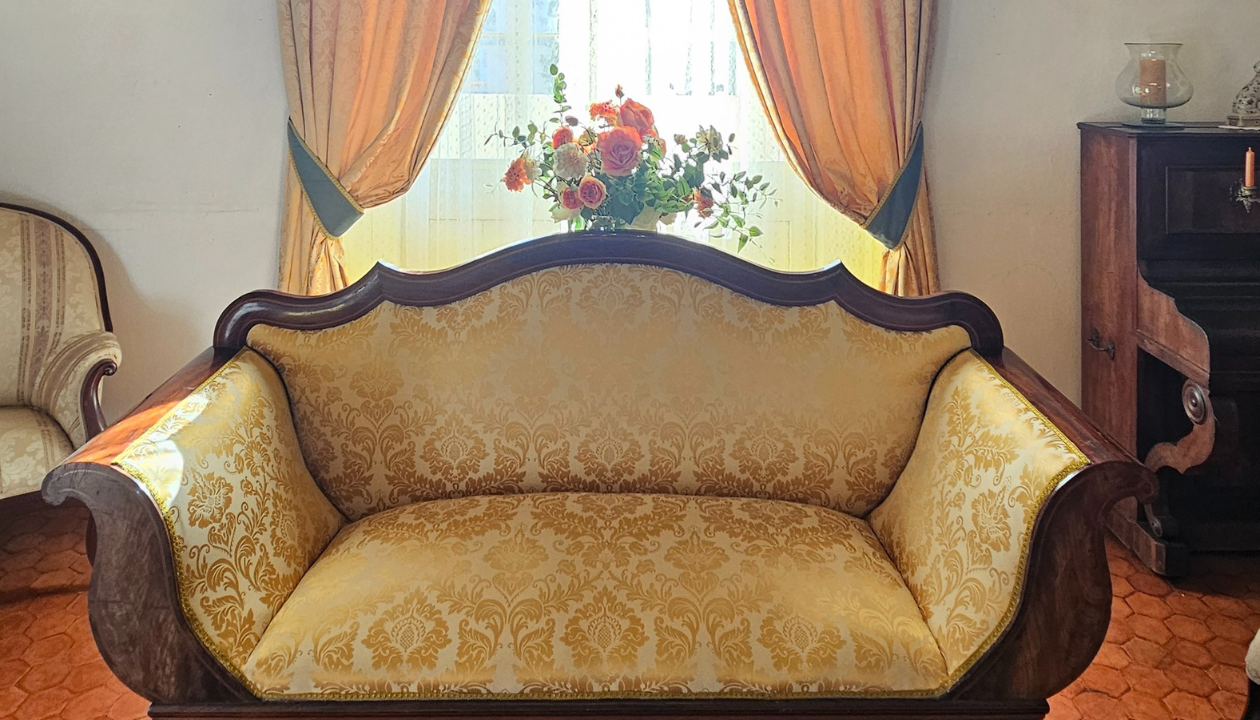
The Palace of the County of Torre-saura: A Historical Gem
The Palace of the County of Torre-saura, established in 1839, is a historical gem that seamlessly integrates parts of the older Quart house. Its neoclassical façade, recognized for its architectural significance, sets it apart as one of Menorca’s most beautiful mansions. This beautiful mansion, adorned with the count’s coat of arms and romantic symbols of hospitality, reflects the grandeur and sophistication of its era.
The Olives family’s history has been intricately woven into Torre-saura for over 177 years. Archduke Ludwig Salvator of Austria, a notable historical figure, praised this famous mansion as the most beautiful mansion on Menorca, underscoring its enduring charm and elegance. The count’s coat of arms and other decorative elements, some of which are intricately carved, highlight the palace’s historical and architectural significance.
The rich history of Torre-saura extends beyond its walls, contributing to Menorca’s cultural heritage. Exploring this magnificent palace reveals the stories and traditions that have shaped the island’s identity. From its neoclassical façade to its intricate decorations, Torre-saura embodies Menorca’s cultural richness and historical importance.
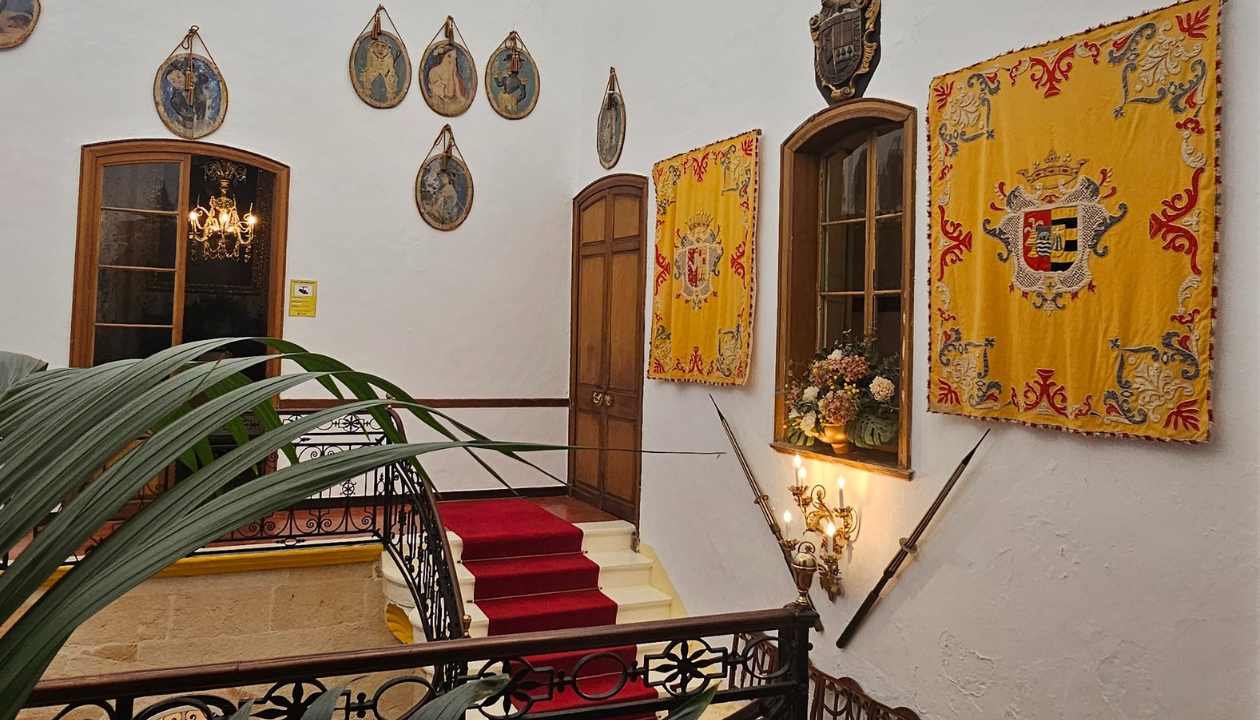
Architectural Marvels of Torre-saura
Completed in 1893, Torre-saura’s architectural splendor showcases a refined neoclassical style that is both grand and elegant. The palace was constructed using traditional techniques that reflect the era’s architectural standards. The prominent façade features two expansive Italian-style loggias, adding a touch of Mediterranean flair. These intricately detailed loggias highlight the palace’s architectural prominence.
The palace’s strategic location overlooking Plaça des Born enhances its architectural significance. The grand carriage entrance, adorned with the Olives family coat of arms and flanked by winged chimeras, adds to its majestic aura. It serves not only as a functional part of the building but also as a symbol of the family’s wealth and capital, which remains a fascinating insight located in the middle of the bronze age evident.
The Carrer Mayor side of the palace features a simpler yet equally elegant façade, marked by great symmetry. This balance between grandeur and simplicity is a hallmark of Torre-saura’s neoclassical style. Baroque architectural elements, with their elaborate and decorative style, further enhance the palace’s aesthetic appeal. Each architectural element tells a story of artistic excellence and historical significance, much like a wall that holds the stories of its time.
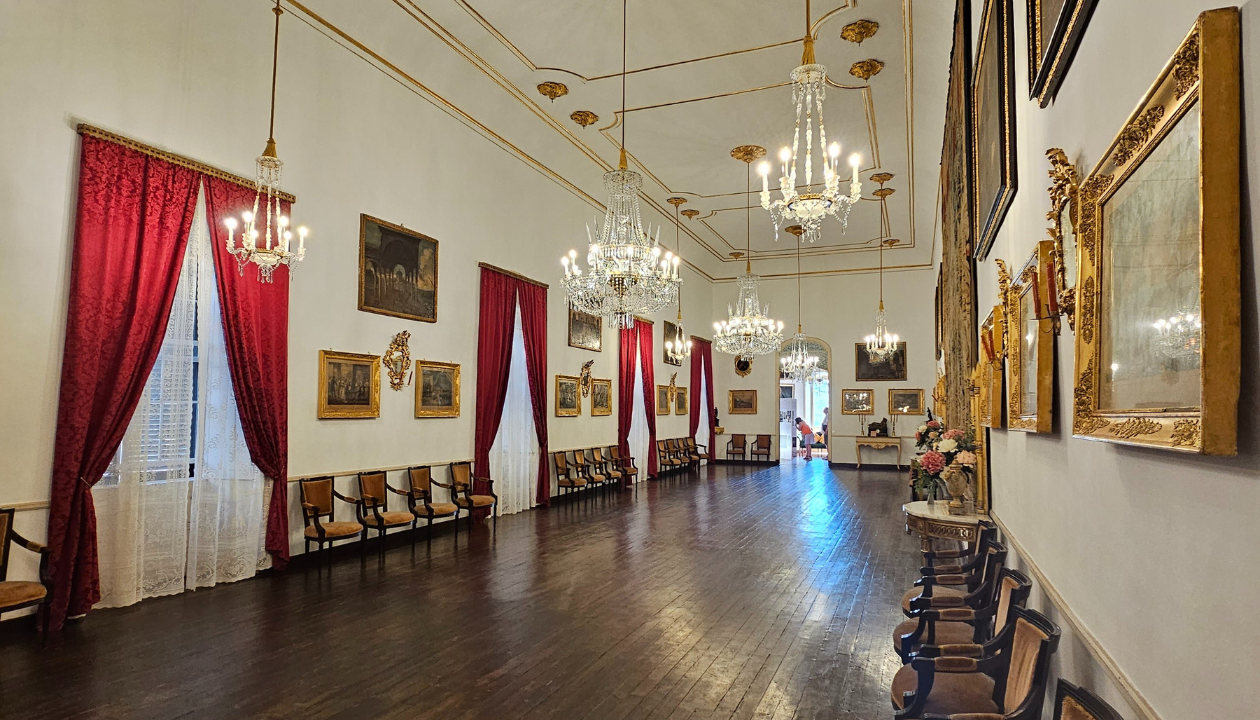
The Throne Room and Other Majestic Interiors
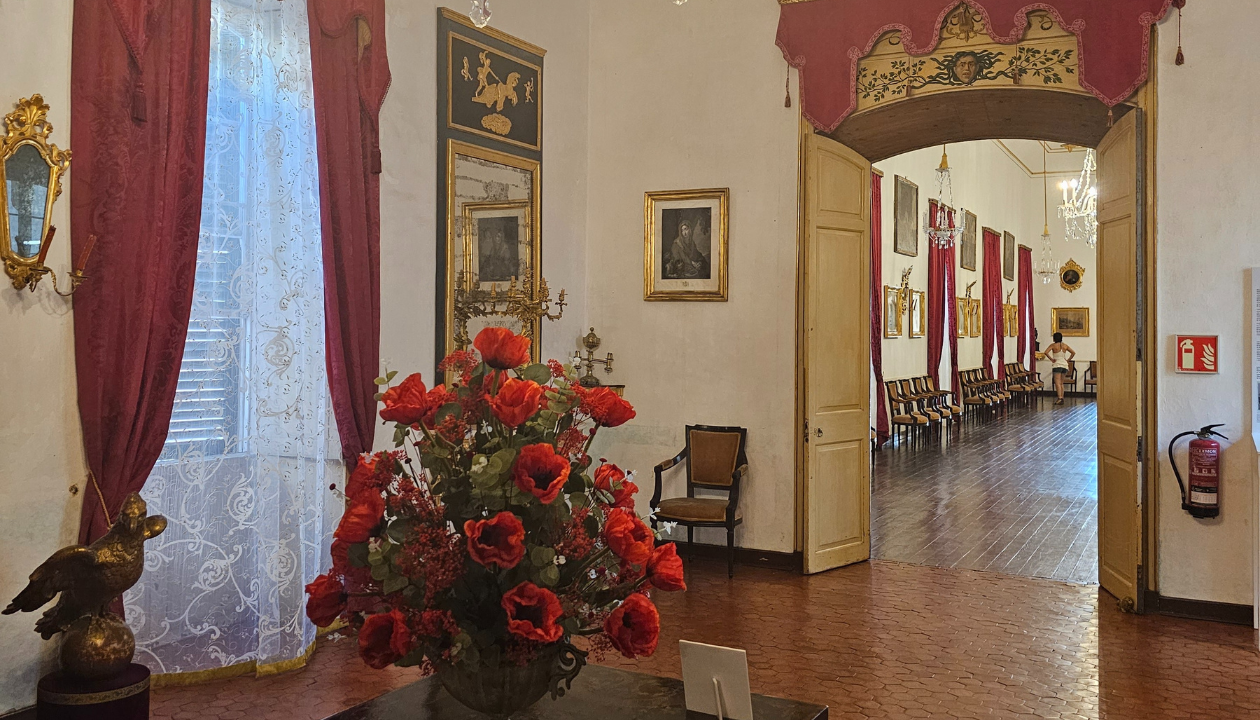
Entering Torre-saura transports you to an era of opulence and grandeur. The throne room, notably designed for Queen Isabella II’s visit, showcases the palace’s luxurious interiors. Adorned with elaborate decor, grand arches, and opulent furnishings, it highlights the wealth and status of its historical inhabitants.
Rich textiles, intricate woodwork, and ornate frescoes are prominent features in the throne room, showcasing exceptional craftsmanship. Large windows bathe the room in natural light, enhancing the vivid colors and intricate details of its interior design. Each element of the throne room exemplifies the luxury taste and wealth of the palace’s original occupants, leaving a lasting impression on visitors.
The Natural Beauty of Torre-saura
Nestled in the heart of Ciutadella de Menorca, the Palace of the County of Torre-saura is surrounded by some of the island’s most captivating natural and historical wonders. This beautiful mansion, often celebrated as the most beautiful mansion on the island, is perfectly situated with the shimmering Mediterranean Sea as its backdrop, offering visitors breathtaking views and a serene atmosphere.
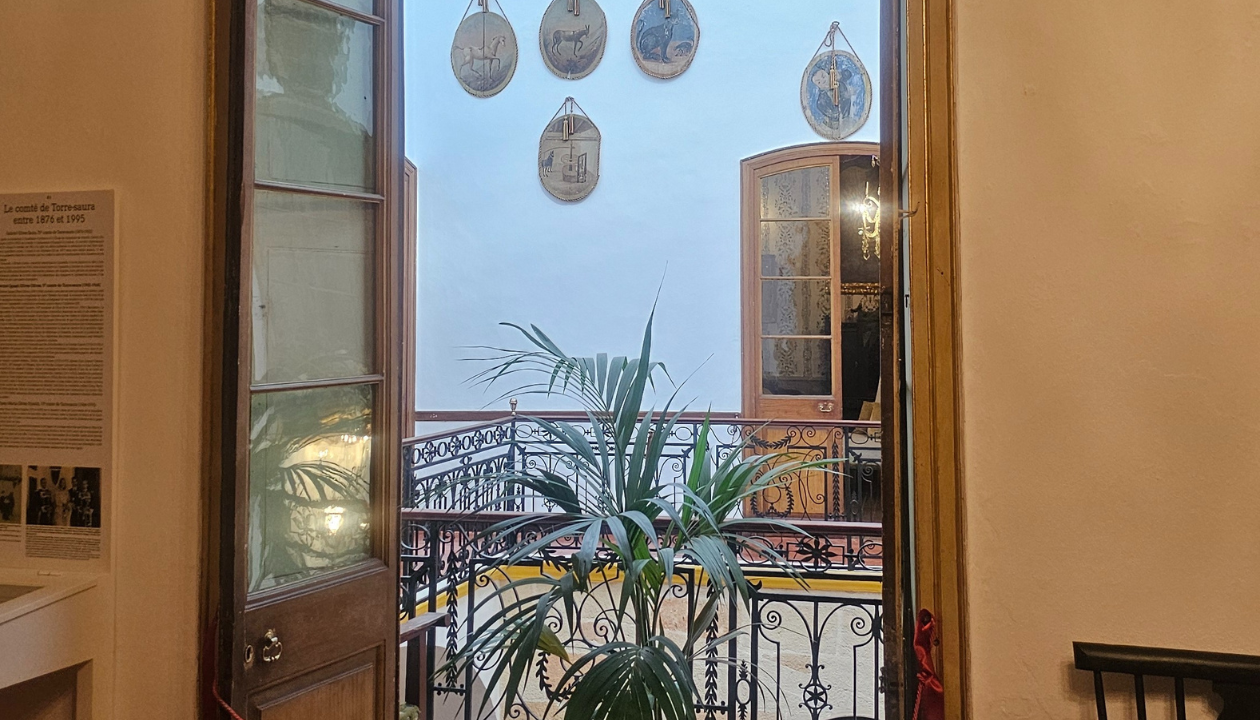
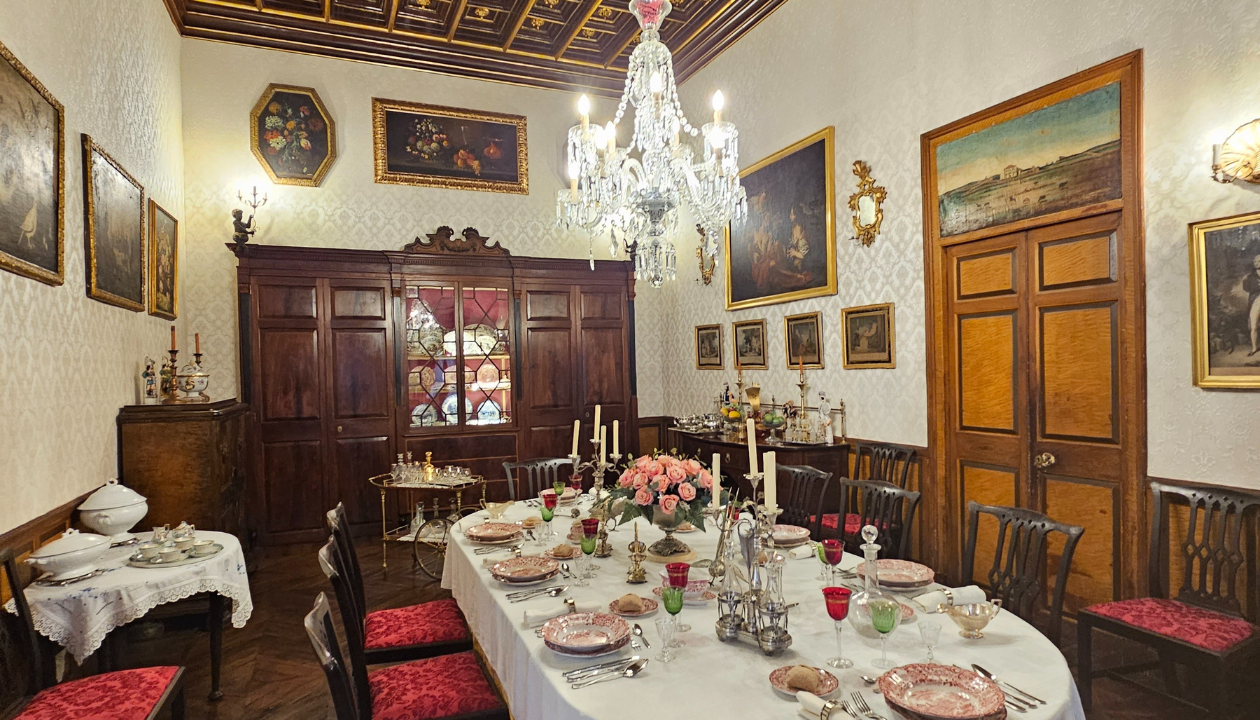
The architectural elegance of Torre-saura extends beyond its grand façade, with beautifully manicured terraces and gardens that invite exploration. Inside, the palace houses a remarkable collection of everyday objects and artistic treasures, each telling the story of the Olives family and their enduring connection to Menorca’s cultural heritage. As you wander through the palace and its surroundings, you’ll discover a harmonious blend of history, architecture, and natural beauty—making Torre-saura and its environs a must-visit destination for anyone exploring the rich heritage of de Menorca.
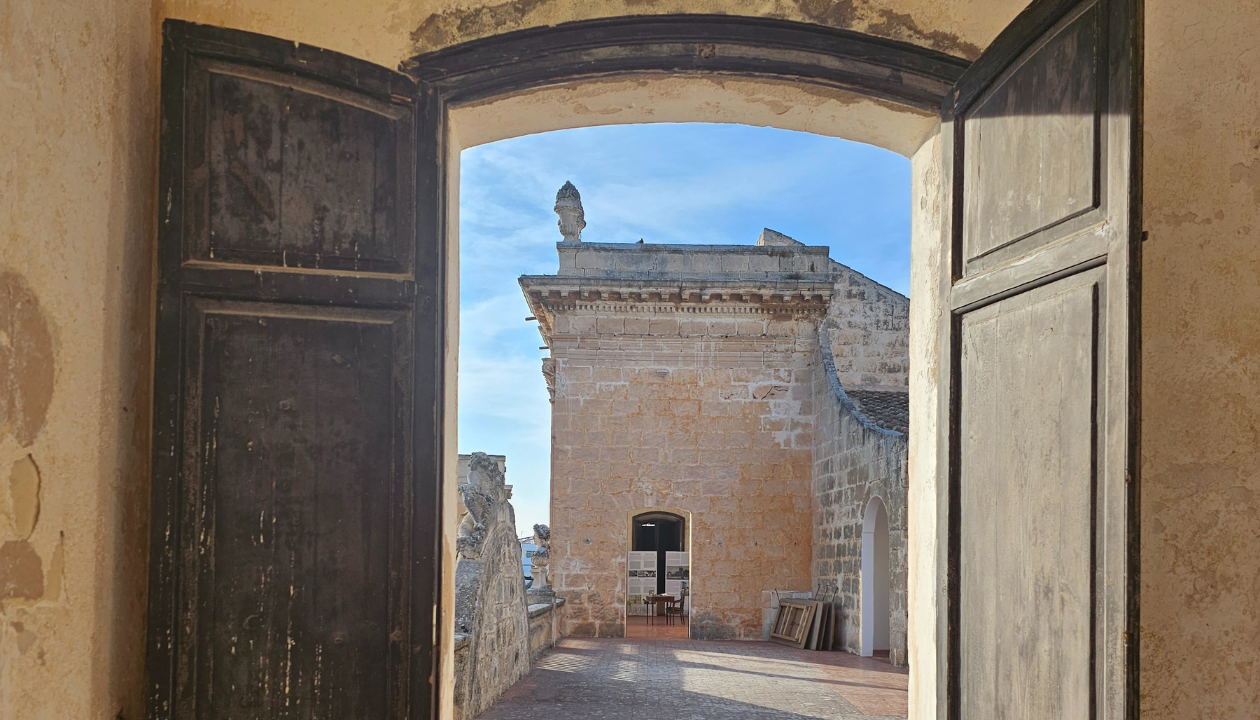
Island Heritage
The island of Menorca is a treasure trove of history and tradition, where every corner reveals a new chapter of its storied past. In Ciutadella de Menorca, the old town enchants visitors with its labyrinth of narrow streets, lined with charming shops, bustling restaurants, and centuries-old buildings that speak to the island’s rich history. This historic town is a living museum, where palaces, churches, and stately homes stand as proud reminders of Menorca’s cultural heritage.
Menorca’s heritage extends beyond its urban centers. The island’s culinary traditions are celebrated in local restaurants and markets, where visitors can savor authentic Menorcan dishes, artisanal cheeses, and robust wines that reflect the flavors of the Mediterranean. Exploring the island’s natural wonders, such as the Illa del Rei in Mahon harbor, offers a glimpse into Menorca’s diverse flora and fauna, as well as its maritime legacy.
For those drawn to ancient mysteries, Menorca’s Bronze Age history comes alive at archaeological sites like the Necròpolis de Son Morell Nou. Here, visitors can discover burial chambers and caves carved into the landscape, offering a direct link to the island’s prehistoric inhabitants. These sites, along with the many historical villages and scenic coves, invite travelers to explore and uncover the secrets of Menorca’s past.
Whether you’re wandering through the vibrant old town of Ciutadella, dining in a traditional restaurant, or exploring ancient burial chambers, Menorca offers a unique blend of history, culture, and natural beauty. It’s an island where every visit becomes a journey of discovery, and every site tells a story waiting to be explored.
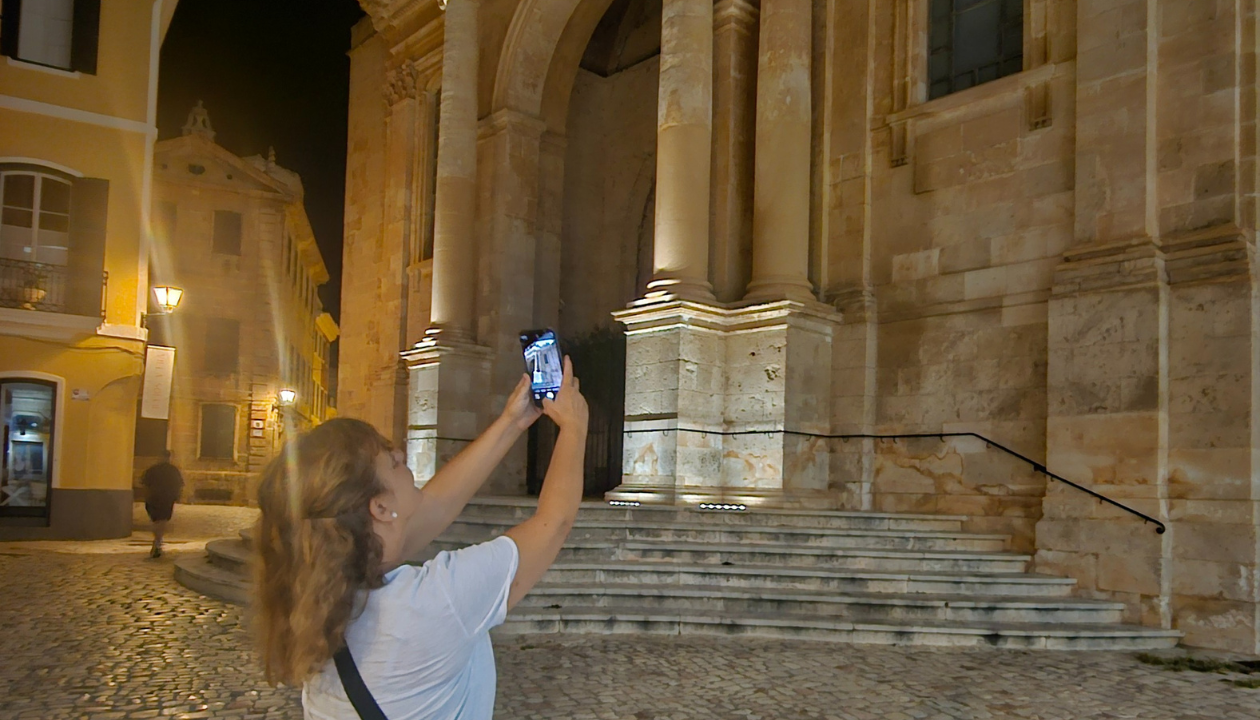
The Role of Torre-saura in Menorca’s History
Torre-saura has played a significant role in Menorca’s history, particularly after Bernardo Ignacio Olives y Olives was granted the title of Count in 1818. The estate became a center for notable social and political events, reflecting the Olives family’s prominence in Menorca’s evolution. Its location within the city of Ciutadella further underscores its importance as a cultural and architectural landmark. The palace retains a rich collection of artistic works and historical artifacts that tell the story of this influential family.
During the British occupation, Menorca’s strategic importance was further highlighted, and the legacy of this period can still be seen in the island’s cultural and architectural landscape.
Torre-saura’s history is deeply intertwined with the evolution of Ciutadella over 177 years. Significantly influenced by the Olives family, the palace has witnessed numerous historical events and gatherings that have shaped Menorca’s cultural heritage. The granting of the Count title during King Ferdinand VII’s reign further emphasized the estate’s importance. Today, there remains ongoing interest in the palace as a symbol of Menorca’s evolving history and its strategic and cultural significance.
Queen Isabella II’s visit to Torre-saura marked a significant moment in the palace’s history, contributing to the island’s cultural narrative. This royal connection enriched Menorca’s cultural heritage, blending local traditions with royal customs and further contributing to Menorca’s culture by fostering a unique fusion of influences. Events and gatherings during Isabella II’s time at Torre-saura left a lasting impact on Menorca’s identity.
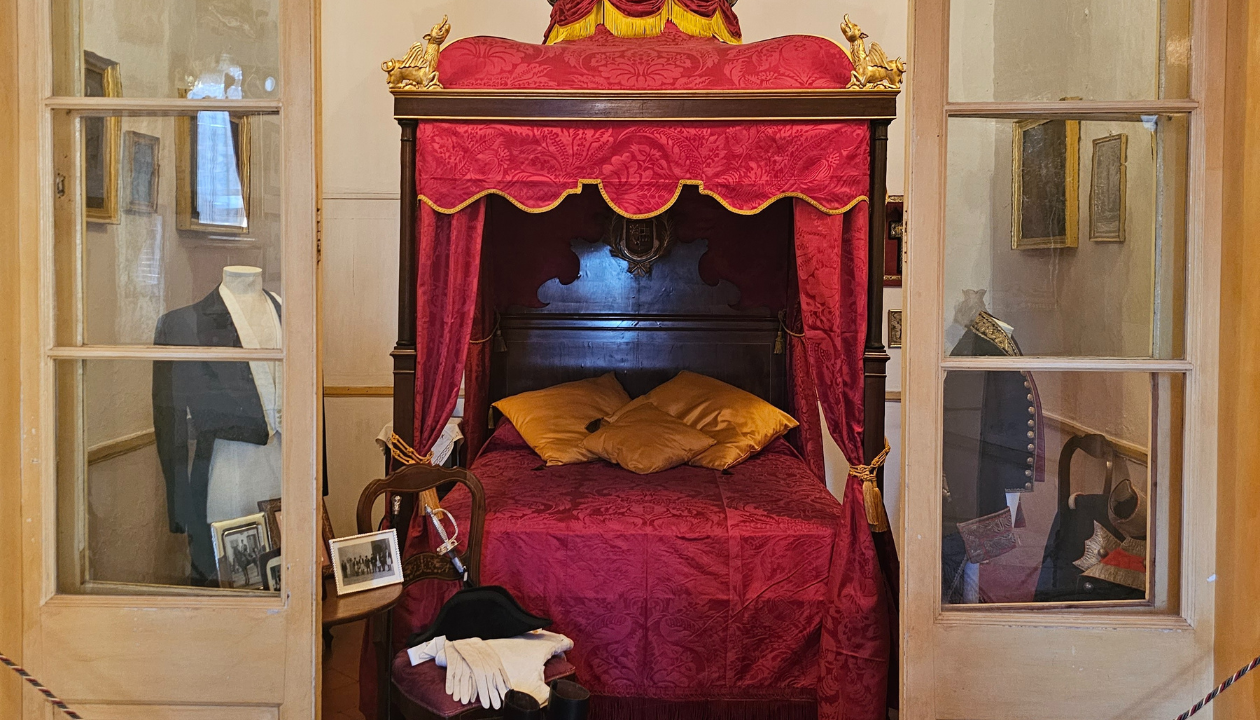
Queen Isabella II’s Stay at Torre-saura
Queen Isabella II’s visit to Torre-saura in 1860 left an indelible mark on the palace. Her stay influenced the interiors, including the specially designed throne room created for her royal functions. The luxurious lifestyle of the 19th-century Spanish monarchy is reflected in the palace’s opulent decor and furnishings.
Isabella II’s connection to Torre-saura underscores the palace’s role as a symbol of royal presence and influence in Menorca. The legacy of her stay is evident in the artistic collections and valuable artifacts that adorn the palace today. These pillars enhance the palace’s historical significance and provide fascinating insights into the island’s royal connections.
Visiting Torre-saura: Practical Information
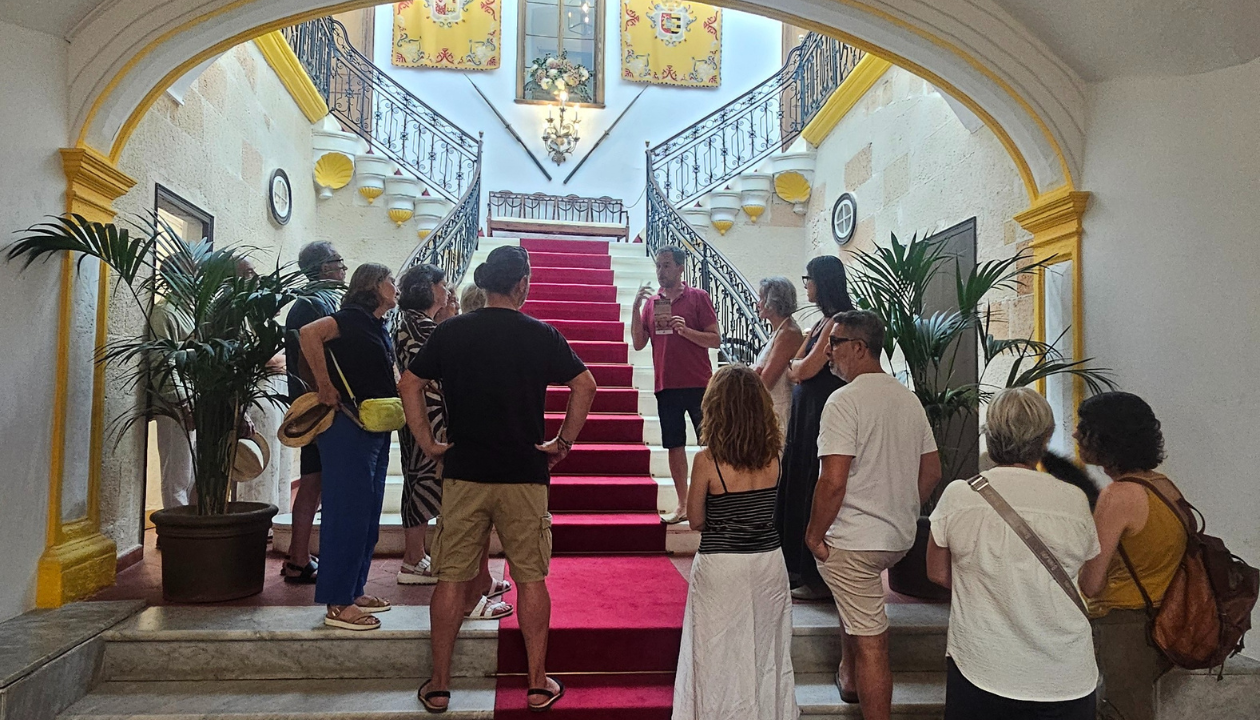
Visiting the Palace of Torre-saura is one of the most memorable things to do in Ciutadella, Menorca. Managed by the José María de Olives y de Ponsich Foundation in collaboration with Talaia Cultura Menorca, the palace is open for both self-guided and guided heritage tours.
ADDRESS
Palacio del Condado de Torre-saura
C/ Major des Born, 8. 07760 Ciutadella de Menorca
OPENING HOURS:
May to September:
Monday to Friday: 10:30 a.m. to 5:30 p.m.
Saturday: 10:30 a.m. to 2:00 p.m.
Sunday: Closed
October:
Monday to Saturday: 10:30 a.m. to 2:30 p.m.
Sunday: Closed
PRICES:
General admission: €7.50
Reduced admission: €6.00
Guided tour: €15.00 (Tuesdays 6:00 p.m.)
Free entry for children under 10 years old
Visitors typically spend between 1 to 2 hours exploring the mansion and its grounds. The option to explore independently with informative materials enhances the experience. Whether a history buff or simply curious about Menorca’s cultural heritage, visiting Torre-saura is not to be missed for anyone interested in Menorca’s history. Don’t miss the opportunity to experience this unique site that will remain a highlight of your trip.
Talaia Cultura — The Experts Behind Torre-saura Visits
Talaia Cultura Menorca operates the official tours of Torre-saura Palace. Their team of local historians, archaeologists, and cultural-tourism specialists brings the site’s stories to life. With backgrounds in archaeology, ethnography, fine arts, and restoration, they ensure every visit is educational, engaging, and authentic.
Opting for a guided visit with Talaia Cultura offers deeper insight into the De Olives family, the palace’s artistry, and the legacy that still shapes Menorca’s cultural identity.
Nearby Attractions in Ciutadella de Menorca
Ciutadella de Menorca, home to the magnificent Torre-saura, is a treasure trove of attractions. The Port of Ciutadella, known for its scenic views and vibrant restaurants, historically served as the town’s trade center. A stroll along the port provides a glimpse into Menorca’s maritime sea history and an opportunity to indulge in local cuisine. The historic citadel stands as a central feature of the city, reflecting Ciutadella’s rich defensive and architectural heritage.
Plaça d’es Born, the main square of Ciutadella town, features notable historic buildings and regular craft markets. This bustling square is ideal for soaking in local culture and enjoying the vibrant atmosphere. Nearby, the Torre de Sant Nicolau, an octagonal tower built for maritime defense, offers picturesque views of the harbor and provides a unique perspective on Menorca’s defensive architecture.
For archaeology enthusiasts, the Naveta d’es Tudons is a significant Talayotic site resembling an inverted boat from prehistoric times. The cloisters of the Convent de Sant Agustí offer a tranquil setting and showcase local artwork and archaeological finds. Exploring these attractions allows visitors to discover a deeper understanding of Menorca’s rich cultural heritage, including the museu de menorca. The area is also known for its prehistoric villages, where you can find unique circular houses and enclosures that highlight Talaiotic architecture. The nearby village of Cala Morell is especially notable for its archaeological significance, including ancient caves used as burial chambers.
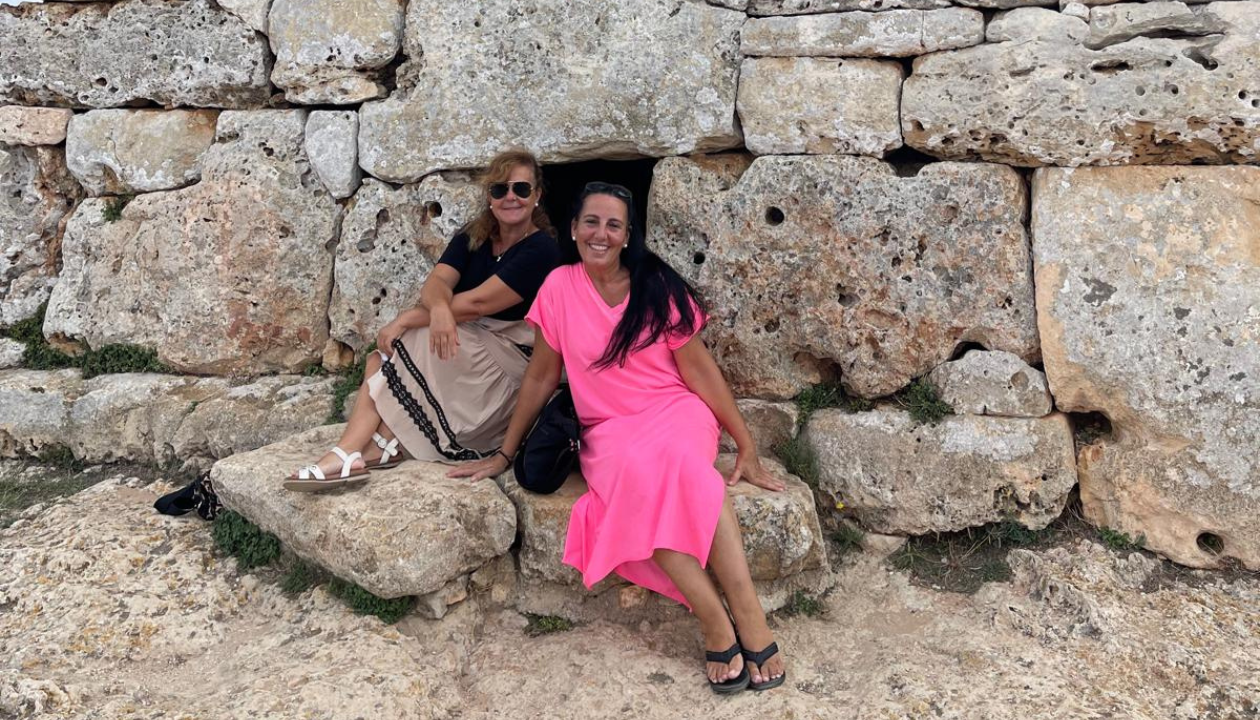
After exploring Torre-saura Palace, continue discovering Ciutadella’s Old Town and its surrounding historical landmarks with vibrant shops lining the streets:
- Port of Ciutadella: A charming harbor lined with seafood restaurants like Café Balear, famous for authentic Menorcan dishes.
- Plaça des Born: The main square, home to elegant 19th-century buildings, boutiques, and artisan markets.
- Casa Olivar: One of the best-preserved private artistic and historical heritages in Menorca, maintained for over 400 years..
- Castell de Sant Nicolau: An octagonal coastal tower offering stunning sea views.
- Naveta d’es Tudons: A prehistoric Talayotic monument, a must-see archaeological site featuring circular burial chambers and nearby caves.
- Convent of Sant Agustí: A peaceful cloister showcasing local art and exhibits from the Museu de Menorca.
- Fort Marlborough and Illa del Rei: Important historical sites accessible from Mahon harbor, offering insight into Menorca’s military and naval history.
Each site adds depth to your understanding of Menorca’s art, architecture, and history. Mahon harbor, one of the largest natural harbors in Europe, further highlights the island’s strategic importance. Compared to Mallorca, Menorca offers a unique blend of ancient villages, archaeological intrigue, and cultural diversity, showcasing the rich heritage of the Balearic Islands within the broader context of Europe.
Menorcan Cuisine: Dining Near Torre-saura
No visit to Ciutadella de Menorca is complete without indulging in its delightful cuisine. Café Balear, known for its authentic seafood dishes and local flavors, is a popular choice for both locals and visitors in the Balearic Islands. For traditional Menorcan dishes, Es Tast de na Sílvia offers specialties like the local fish stew, caldera de peix.
Restaurant S’amarador is an excellent place to enjoy Menorcan-style paella prepared with seasonal ingredients. Another unique dining experience is at Bodega Binifadet, where local cuisine is paired with a selection of wines. La Cúpula offers a contemporary twist on traditional dishes, blending modern culinary techniques with local flavors.
These dining options offer a true taste of Menorca’s culinary food heritage.
No visit to Ciutadella is complete without tasting authentic Menorcan cuisine:
- Café Balear: Famous for its fresh seafood dishes, friendly atmosphere, and stunning views of the harbor.
- Restaurant S’Amarador: Renowned for its classic paella prepared with the finest local and seasonal ingredients.
- Tritón: One of Ciutadella’s oldest cafés, known for its maritime charm and history as a beloved sailors’ meeting place.
A symbol of Menorca’s rich history and cultural heritage
The Palace of the County of Torre-saura is more than just a beautiful mansion; it is a symbol of Menorca’s rich history and cultural heritage. From its neoclassical façade and grand interiors to its tranquil gardens and significant historical role, Torre-saura offers a unique glimpse into the island’s past. The visit of Queen Isabella II further enriches its story, adding a royal touch to its legacy.
As you explore Torre-saura and its surroundings, you will discover the beauty and charm that have captivated visitors for centuries. Whether you are delving into the palace’s history, admiring its architecture, or savoring Menorcan cuisine, your experience will be unforgettable. Torre-saura stands as a testament to Menorca’s enduring allure and historical significance.
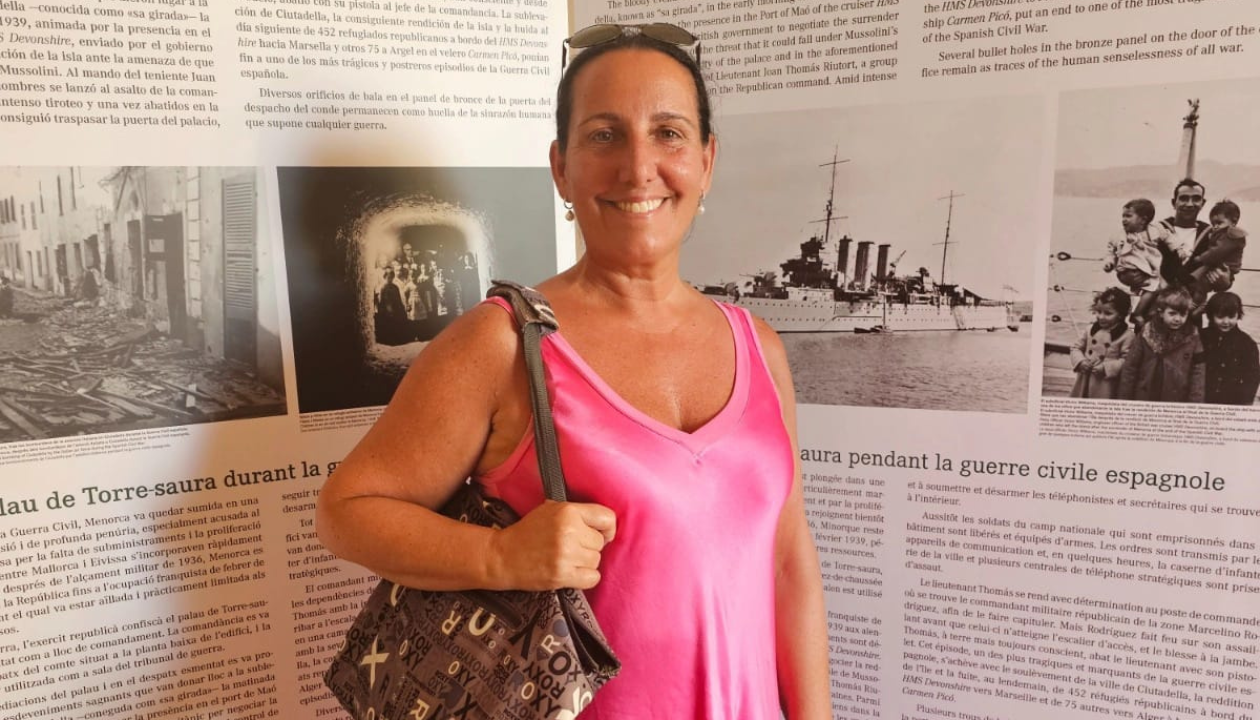
A Personal Note from the Author
As a proud Menorcan and native of Ciutadella, it is a true pleasure to present one of the jewels of my hometown — the Palace of the County of Torre-Saura. Sharing its beauty, history, and cultural significance with others fills me with immense pride.
I am also a collaborator of Talaia Cultura, an organization devoted to safeguarding and promoting Menorca’s cultural heritage. As part of this collaboration, I had the honor of translating the book Torre-saura: History of the County of Torre-saura during the Period of the 2nd Branch of the Olives Family (1818–1995), written by Toni Camps Extremera and Alberto Coll Arredondo, with captivating photographs by Sonia Rotger Caules. This publication beautifully captures the essence, artistry, and historical legacy of one of Ciutadella’s greatest treasures — and it is available for purchase when you visit the palace.
Preserving Menorca’s Past for the Future
The Palace of the County of Torre-saura remains a shining example of Menorca’s architectural and cultural heritage. Thanks to the dedication of the José María de Olives y de Ponsich Foundation and Talaia Cultura, this neoclassical treasure continues to open its doors to visitors, inviting them to explore Ciutadella’s historic heart and experience the island’s enduring legacy.
🌞 Live the Menorcan Experience in an Authentic Way!
Why just visit Menorca when you can live it? Join our Spanish Homestay Immersion Program (SHIP) and spend 1 to 4 unforgettable weeks living inside your teacher’s home in the heart of Menorca. You’ll enjoy daily Spanish practice and embeded lessons, local cuisine, cultural excursions, and real-life conversation practice all in a warm, family-style environment. Whether you’re exploring Ciutadella’s historic charm or chatting over homemade paella, SHIP offers a true taste of Spanish life that no classroom can match.
You can explore more real immersion experiences here:
👉 SHIP Stories of Our Previous Students
For personalised guidance and programme details, you can contact our founder directly:
Mónica Romero
Founder and Director, Spanish Express
📞 Phone / WhatsApp: +44 7903 867 894
📧 Email: monicaromero@spanishexpress.co.uk
Frequently Asked Questions
What is the historical significance of the Palace of the County of Torre-saura?
The Palace of the County of Torre-saura holds historical significance in Menorca due to its role in hosting notable social and political events, as well as its architectural heritage. This makes it a key landmark in understanding the island’s history and culture.
What are the main architectural features of Torre-saura?
Torre-saura prominently showcases a refined neoclassical style, complemented by Italian-style loggias and Baroque elements, highlighted by a grand carriage entrance featuring the Olives family’s coat of arms.
How did Queen Isabella II’s visit influence Torre-saura?
Queen Isabella II’s visit in 1860 significantly influenced Torre-saura by prompting the creation of a specially designed throne room, enhancing the palace’s interiors and solidifying its symbol of royal presence.
What are some dining options near Torre-saura?
You will find a range of dining options near Torre-saura, including Café Balear, Restaurant S’amarador and El Tritón, each serving traditional Menorcan and contemporary cuisine.
