

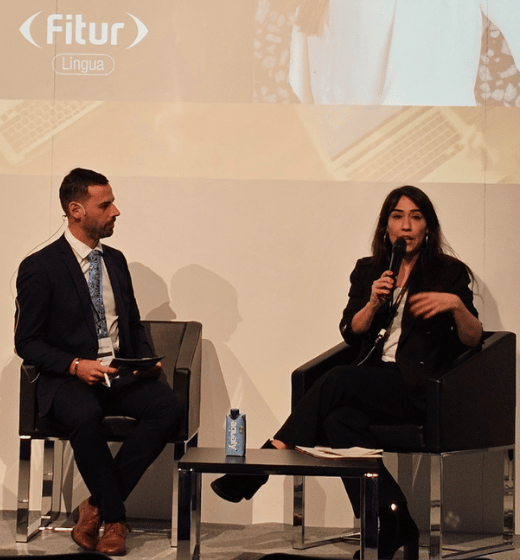
Every January, the international tourism industry looks to Madrid for one of its most important events of the year. In 2026, that global spotlight returns with the 46th edition of FITUR, an international tourism trade fair held from 21 to 25 January at IFEMA MADRID in Madrid, Spain.
FITUR 2026 is expected to reaffirm its position as one of the world’s leading tourism trade fairs, bringing together destinations, institutions, companies, and professionals from across the globe. The fair will host over 10,000 companies from 161 countries, including 111 destinations, marking a 10% increase from 2025. There will be a significant increase in international exhibitors, with an 11% rise compared to the previous year, and 18 new countries participating, making geographical representation more diverse than ever. FITUR 2026 is projected to generate a €487 million economic impact for Madrid.
Visitor flows are expected to be substantial, with over 150,000 trade professionals attending during the business days and nearly 100,000 public visitors over the weekend. FITUR 2026 will focus heavily on sustainability, inclusivity, and accessibility as core issues for the modern tourism industry. A new Knowledge Hub will act as the intellectual and strategic core of the fair, focusing on knowledge sharing and innovation.
This article explores what FITUR 2026 will be like, the key areas it offers, and why it remains a fundamental reference point for the global tourism industry, bringing together industry leaders and tourism professionals from around the world.
What Is FITUR and Why It Remains So Relevant
FITUR (Feria Internacional de Turismo) is widely recognised as one of the most influential tourism fairs worldwide and serves as a major platform for international tourism trade and exhibitions. Each year, it gathers the entire tourism value chain, including national and regional tourism boards, travel agencies, tour operators, hotel groups, airlines, cruise companies, technology providers, and educational institutions.
What makes FITUR distinctive is its dual structure. During the first three days, the fair operates primarily as a B2B platform, focused on professional meetings, institutional agreements, and knowledge exchange. The event provides opportunities for tourism professionals to share ideas and network, with 6,800 B2B appointments facilitating direct business interactions. FITUR 2026 will also host conferences and debates alongside areas, enabling knowledge exchange, presentations, cultural activities, and strategic meetings with key players in the global tourism industry. Over the weekend, it opens its doors to the general public, allowing travellers to discover destinations and travel trends.
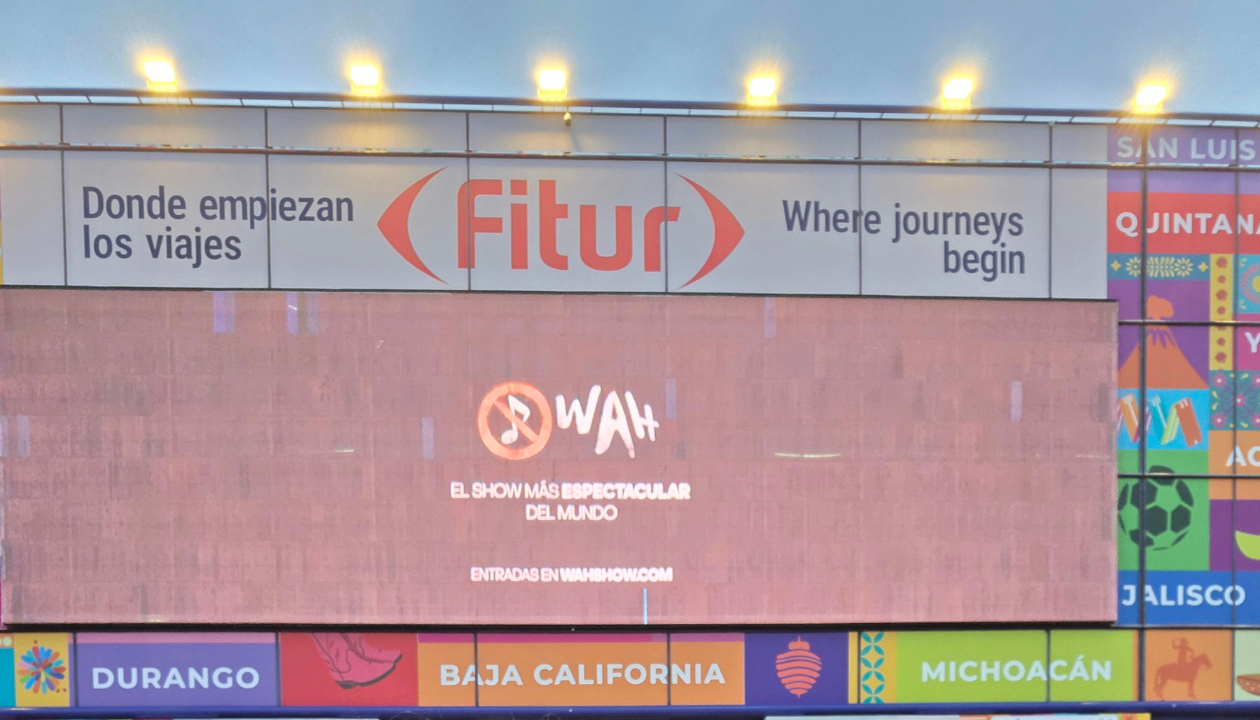
In 2026, FITUR is expected to host:
- Participants from over 150 countries
- Thousands of exhibiting organisations and companies
- Hundreds of thousands of professional and public visitors
As a result, FITUR functions not only as a promotional showcase, but also as a strategic observatory of global tourism trends and a global communication platform for forming future strategies in the tourism industry.
Mexico as Partner Country at FITUR 2026
One of the defining features of FITUR 2026 is the selection of Mexico as the Partner Country. This designation gives Mexico a central role in the fair’s visual identity, institutional agenda, and cultural programming. Mexico’s participation will highlight its cultural, natural, and gastronomic wealth, showcasing the country’s diverse attractions to the international tourism industry.
Mexico’s participation reflects its strategic importance in global tourism, as well as its growing leadership in sustainability, cultural preservation, and destination diversification. Throughout the event, Mexico is expected to present a comprehensive tourism narrative that goes far beyond traditional sun-and-beach tourism. Mexico will present its tourist regions and Magical Towns at FITUR 2026, emphasizing the unique charm and heritage of these destinations. Notably, Mexico’s tourism sector has shown a 13.9% increase in international visitors between January and September 2025, underlining its rising appeal.
Key themes highlighted by Mexico at FITUR 2026 include:
- Cultural heritage and historic cities
- Indigenous and community-based tourism
- Gastronomy as a driver of cultural identity
- Nature tourism and biodiversity protection
- Innovation in destination promotion
As Partner Country, Mexico’s pavilion is likely to become one of the most dynamic spaces at the fair, hosting cultural performances, professional forums, destination presentations, and media events. Internationally, this role strengthens Mexico’s position as a bridge between Europe, North America, and Latin America, encouraging cooperation and tourism investment.
How FITUR 2026 Is Organised
FITUR’s layout is designed to make a large and complex event accessible and efficient, with a focus on improving visitor flows and enhancing the attendee experience. The fair is divided into destination areas and a wide range of specialised thematic sections, allowing visitors to navigate the event according to their professional or personal interests.
A new space dedicated to innovation and digitalisation will be introduced, featuring the travel technology area as a hub for showcasing digital solutions, emerging trends, and cutting-edge advancements in the tourism industry. This area will host conferences, debates, and content focused on the future of travel.
FITUR 2026 will span nine exhibition halls and welcome over 10,000 companies from 161 countries. The Knowledge Hub, located in Hall 12, will focus on knowledge sharing and innovation, providing a central point for learning and networking.
Public transport is strongly encouraged as a convenient, sustainable, and accessible way to reach the venue, aligning with the event’s commitment to accessibility and sustainability.
This structure ensures that FITUR is both comprehensive and strategically segmented, offering value to decision-makers, entrepreneurs, educators, and travellers alike.
Destination Areas: A World in One Place
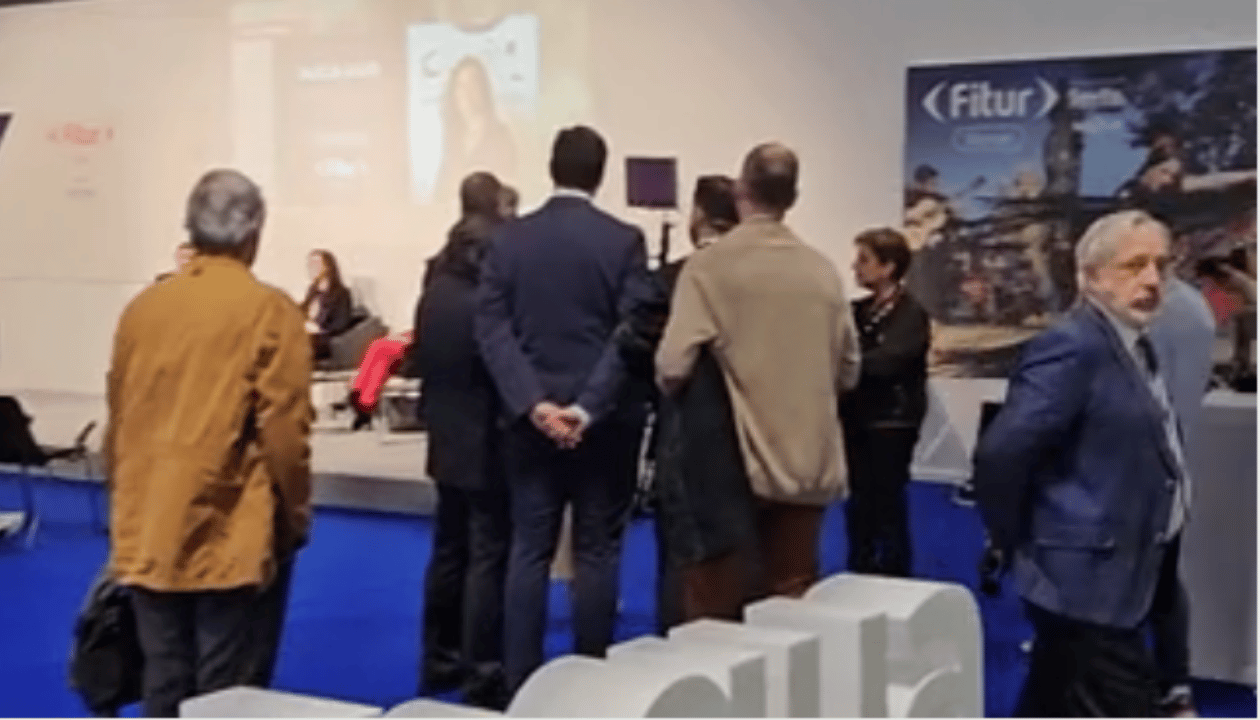
At the core of FITUR 2026 are the national, regional, and city pavilions, where destinations present their tourism strategies, branding, and products. These destination areas showcase a wide range of tourist destinations and highlight global travel trends, reflecting the evolving landscape of the tourism industry.
Stands are creatively designed to attract visitors, tourists, and customers, offering engaging experiences and information. The fair also promotes emerging destinations, positioning them as future growth areas and encouraging investment and discovery.
FITUR 2026 will showcase innovative products from the most in-demand sub-sectors of tourism. Companies from 165 countries are expected to attend to expand their network and business opportunities, and the event will host over 150,000 company visitors, providing excellent prospects for exhibitors. Attendees are encouraged to visit the various exhibitions and tourist destinations featured at the fair.
These areas typically focus on:
- Cultural and heritage tourism
- Urban and smart destinations
- Nature, rural, and adventure tourism
- Coastal and island tourism
- Gastronomy and wine tourism
For many destinations, FITUR is a key moment to announce new routes, infrastructure developments, sustainability commitments, and international partnerships. Consequently, these areas represent a real-time snapshot of how destinations are repositioning themselves in a rapidly changing tourism landscape.
Specialised Areas at FITUR 2026
FITUR 4all: Accessibility and Inclusive Tourism
FITUR 4all focuses on accessible and inclusive tourism, aiming to promote accessible travel experiences by removing barriers and encouraging participation from all audiences, including people with disabilities, senior travellers, and individuals with specific needs. In 2026, accessibility is presented not as a niche product, but as a quality standard and ethical responsibility.
Destinations and companies participating in FITUR 4all highlight universal design, inclusive services, and social commitment as essential elements of competitive tourism.
FITUR LGBT+: Diversity and Safe Travel
FITUR LGBT+ gives visibility to destinations and brands that actively promote diversity, equality, and safe travel environments. LGBTQ+ tourism is one of the most dynamic market segments globally, and this area reflects its social and economic relevance.
FITUR Cruises: A Sector in Transformation
FITUR Cruises brings together cruise lines, port authorities, and destinations to discuss the future of maritime tourism. Topics include sustainability, new itineraries, port development, and the evolution of luxury and expedition cruising.
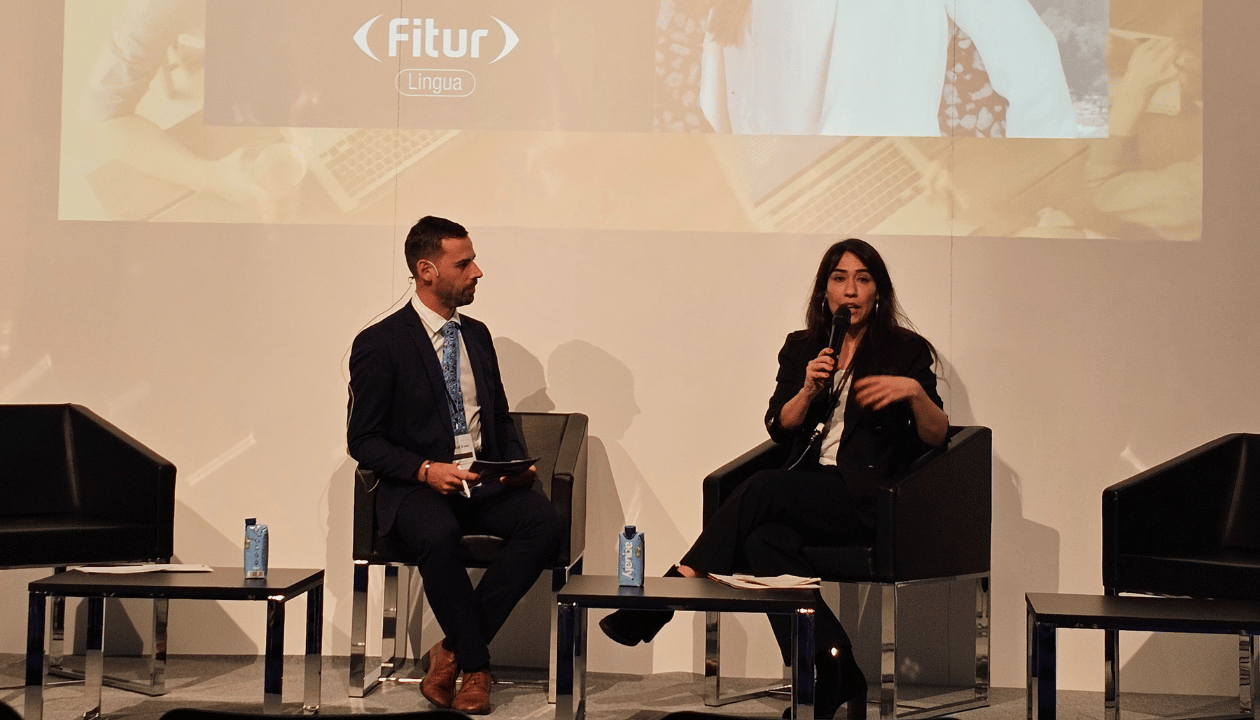
FITUR Lingua: Language and Educational Tourism
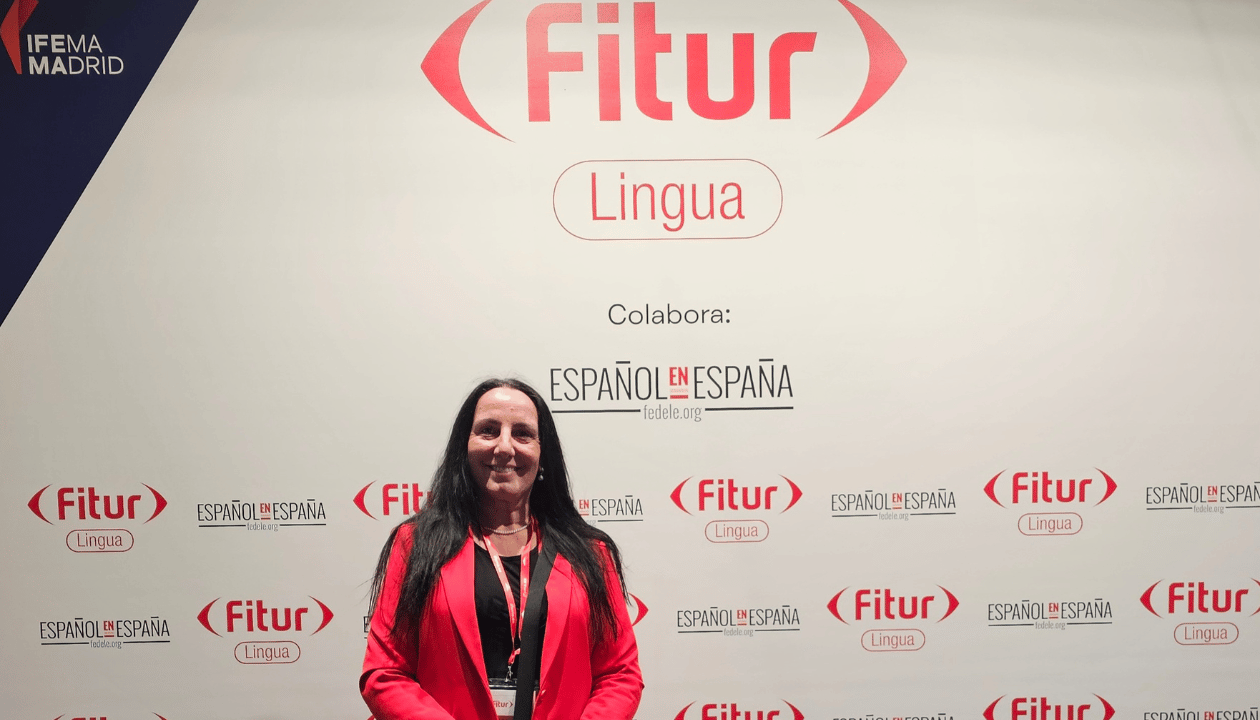
FITUR Lingua focuses on language tourism and educational travel, connecting language schools, universities, agencies, and students. This section highlights the growing importance of long-stay, learning-based travel experiences.
FITUR Experience: Authentic and Experiential Travel
FITUR Experience reflects the rise of experience-driven tourism, where travellers seek authenticity, cultural immersion, and meaningful interaction with local communities. This area emphasises tourism as participation rather than consumption.
Innovation and Knowledge at FITUR 2026
FITUR TechY: Technology as a Strategic Enabler
FITUR TechY is one of the most forward-looking areas of the fair, focusing on the role of technology in sustainable tourism development. A key feature is the travel technology area, which showcases digital solutions, innovation, and cutting-edge technological developments in the tourism industry. Key topics include artificial intelligence, big data, smart destinations, energy efficiency, and digital visitor management.
The FiturNext 2026 Challenge focuses on how tourism can contribute to efficient and sustainable water management, promoting responsible water use and sustainable practices within the industry.
For public administrations, FITUR TechY provides practical examples of how data-driven decision-making improves destination competitiveness while reducing environmental impact. For companies, it highlights how innovation supports efficiency and customer engagement.
FITUR Know-How & Export: Internationalisation and Strategy
This area supports tourism companies seeking international growth, particularly SMEs. It offers expert sessions on market access, regulation, export strategy, and institutional support.
FITUR Screen, FITUR Sports, FITUR Talent, and FITUR Woman
These complementary sections address:
- Film-induced tourism and destination branding
- Sports tourism and major events
- Talent development and employment
- Women’s leadership and entrepreneurship
Together, they reflect FITUR’s holistic vision of tourism as an economic, cultural, and social system.
Tourism Trends 2026 Highlighted at FITUR
FITUR 2026 serves as a real-time observatory of the trends shaping global travel, highlighting innovations shaping the tourism industry. Building on the success and growth seen in the previous edition, FITUR 2026 sets a new benchmark for industry relevance and impact.
Key trends include:
- Experience-based travel, focused on authenticity and learning
- Sustainability-led decision-making, influencing both travellers and destinations
- Digital personalisation, from booking to on-site experiences
- Accessibility and inclusivity as competitive advantages, with accessible and inclusive tourism emerging as a key trend
- Workforce transformation and talent retention
These trends demonstrate how tourism is evolving towards more responsible, intelligent, and human-centred models.
Data-Led Industry Outlook: Tourism Beyond 2026
From an academic and professional perspective, FITUR 2026 provides valuable insight into the medium- and long-term outlook of tourism. While global demand continues to grow, destinations face increasing pressure to manage environmental impact, social acceptance, and economic resilience. The tourism sector has a responsibility to promote sustainable water management, ensuring efficient resource use and contributing to water security.
Industry data consistently shows that:
- Sustainable destinations achieve stronger long-term performance
- Digital systems improve visitor satisfaction and operational efficiency
- Experience-based tourism generates higher value per visitor
In this context, FITUR functions as a strategic forum where policy, data, and practice converge, allowing stakeholders to share evidence-based solutions and align tourism development with broader social goals. The sharing of tourism knowledge at FITUR is essential for driving innovation, digitalisation, and preparing the tourism sector for future challenges.
Professional Days and Public Access
FITUR 2026 follows a clear structure:
- 21–23 January: Professional-only access
- 24–25 January: Open to the general public
During the public days, the event aims to attract a wide range of visitors and customers, including travelers, tourism enthusiasts, and families. FITUR 2026 will open its doors to the public over the weekend, offering various activities and workshops designed to engage and inspire. We encourage everyone to visit the fair, explore the stands, and participate in the diverse experiences available.
This model ensures strong business outcomes while maintaining FITUR’s role as a public celebration of travel.
FITUR 2026 as a Global Tourism Reference
As FITUR 2026 shows, the future of tourism is built on knowledge, culture, communication, and real human connection. For professionals working in tourism, hospitality, international business, or education, understanding Spanish is not just an advantage, it is a working tool.
That is why our Spanish Homestay Immersion Program (SHIP) is designed not only for students, but also for busy professionals and business leaders who need practical, confident Spanish in real contexts.

With SHIP, you live in your teacher’s home and use Spanish all day in real situations. Lessons are one-to-one and personalised, and the focus can include Business Spanish, professional communication, meetings, presentations, and cultural understanding, not only general language.
Many executives, managers, tourism professionals, and entrepreneurs have already chosen SHIP to accelerate their Spanish and connect with Spanish culture at a deeper level. You can read their real experiences in our Business SHIP Stories.
If you would like guidance on the best immersion option for your professional goals, you can contact our founder directly:
Mónica Romero
Founder and Director, Spanish Express
📞 Phone / WhatsApp: +44 7903 867 894
📧 Email: monicaromero@spanishexpress.co.uk
