

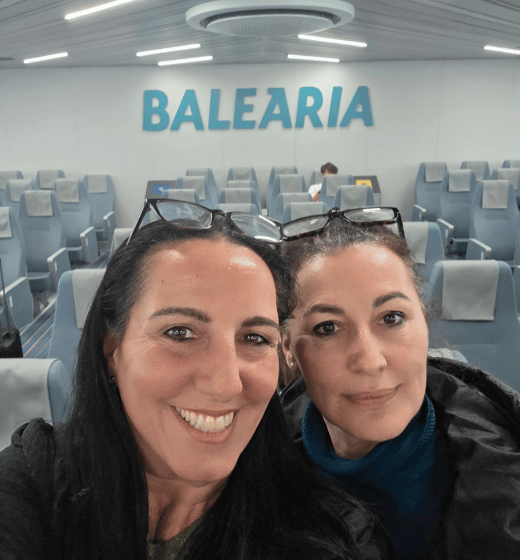
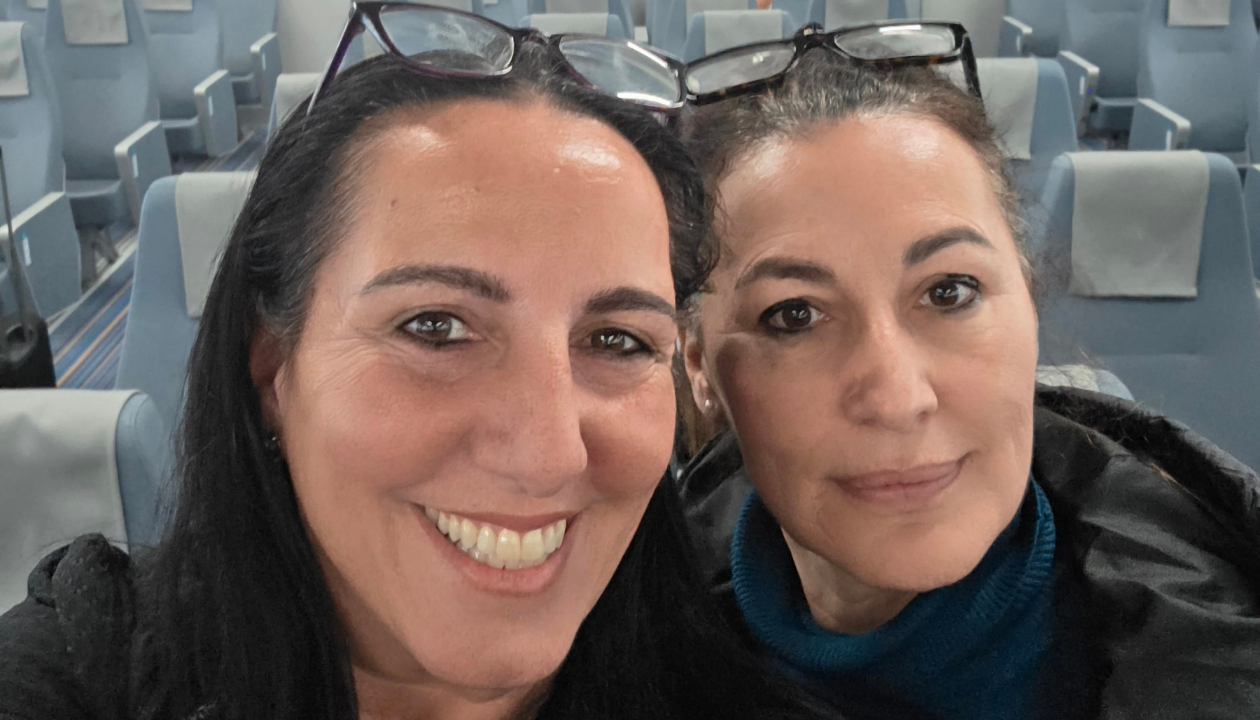
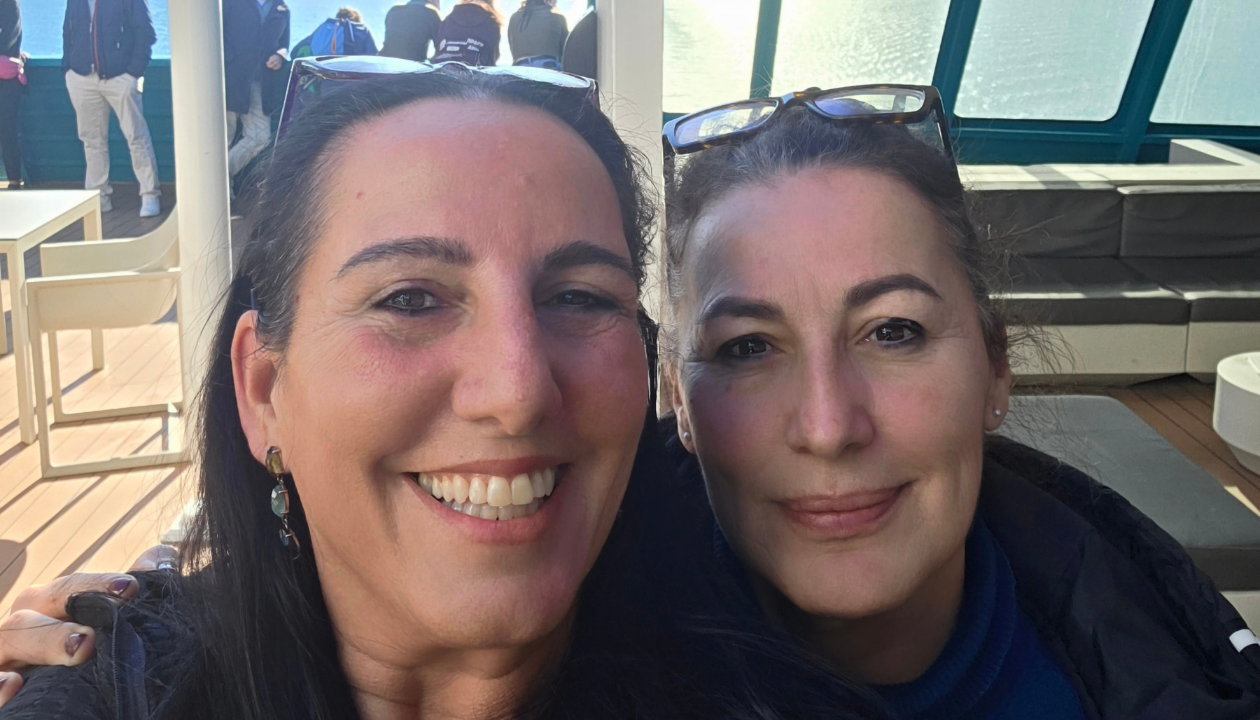
As a Spanish teacher who hosts students in both my homes in Barcelona and Menorca, I take travel as a rhythm, transition, and how learning naturally happens along the way. That was exactly the case when I travelled from Barcelona to Menorca by Baleària ferry with Natalia, a student from Bonn, Germany.
Menorca is one of the most special islands in Spain and one of the most peaceful corners of the Balearic Islands. Many travellers consider flight options, especially cheap flights or a return flight, but I often prefer a ferry crossing. The ferry trip itself becomes part of the experience: time to slow down, observe the Mediterranean Sea, and arrive on the island already in a calmer mindset.
This story is both a personal travel blog and a practical guide for anyone planning Barcelona-Menorca travel, especially those interested in immersive learning and authentic experiences.
Introduction to Ferry Travel
Ferry travel is a classic and enjoyable way to journey between the Spanish mainland and the Balearic Islands, especially for those heading from Barcelona to Menorca. With the Mediterranean Sea as your backdrop, taking the ferry offers a unique blend of comfort, convenience, and scenic views that you simply can’t get from a quick flight. The route from Barcelona to Menorca is one of the most popular, served by several reputable ferry operators who provide daily sailings year round.
When planning your trip, it’s important to explore the different ferry options available. Whether you’re searching for cheap ferry tickets, comparing ferry timetables, or checking which ferry terminals are most convenient, there’s a solution for every traveler. The ferry journey itself can be a highlight of your trip, offering time to relax, enjoy the sea, and transition smoothly from the vibrant city of Barcelona to the tranquil shores of Menorca. With a range of ferry tickets and routes to choose from, you can tailor your travel experience to fit your schedule and budget, making ferry travel a smart and flexible choice for your next adventure.
Barcelona Week: City Life and Language Immersion
Natalia spent her first week in Barcelona, living and studying Spanish with me through my homestay approach: real conversations, daily routines, and one-to-one lessons shaped around her interests. She is a physio for rehabilitation, and she is also an art lover. At university, she studied History of Art and Egyptology, so Barcelona’s cultural atmosphere suited her perfectly.
We explored the city, including the Gothic Quarter, and used everyday situations to practise Spanish naturally. The logistics were simple too: the port area is close to the city center, so reaching the Port de Barcelona before departure felt manageable and stress-free.
The Port de Barcelona is about 3.5 km from the city center, making it easily accessible by public transport or a short taxi ride. Depending on where you stay, it can even be a short walk to key areas near the waterfront.
Where Ferries Depart: Ferry Terminals and Access
Ferries to Menorca typically depart from different areas of the port depending on the operator. Baleària ferries operate from Terminal Nord at the World Trade Center or Moll de Sant Bertran in the Port of Barcelona, so checking the departure information on the ticket is always important before heading to the correct ferry terminals.
For anyone booking, it’s smart to check the ferry timetables in advance through the ferry company’s website. This helps confirm the latest departure terminal, the exact sailing time, and whether the service is a day crossing or one of the night ferries.
Why the Ferry Made Sense
When travelling barcelona to menorca, there are times when flights seem like the easiest route, especially if someone is chasing cheap flights. Still, the ferry offers its own advantages.
For example, travellers can bring a car on board, which can feel like a “free car” option compared with paying for a rental on the island. That flexibility can matter in Menorca, where beaches and charming towns often require driving.
Fastest and Most Convenient Options
If speed and convenience are your top priorities, the fastest ferry from Barcelona to Menorca is an excellent choice. High-speed ferries, such as those operated by Trasmed GLE, can complete the crossing in just over five hours, making them ideal for frequent travelers or anyone looking to maximize their time on the island. For those who prefer a more leisurely pace, conventional ships offer a relaxed journey with plenty of onboard amenities to enjoy along the way.
When booking your ferry tickets, it’s helpful to consider both the departure and arrival points. The Port de Barcelona, conveniently located near the city centre, serves as the main gateway for ferries to Menorca. Upon arrival, you’ll dock at Menorca port, ready to start your island adventure. Multiple ferry companies, including Balearia and Grandi Navi Veloci, operate on this route, giving you plenty of options to find the best deals and ticket prices that suit your needs. Whether you’re traveling as a foot passenger or bringing a vehicle, there are flexible options to accommodate your plans. With competitive prices and a variety of sailing durations, ferry travel from Barcelona to Menorca remains a practical and enjoyable alternative to flights, offering both value and a memorable start to your island getaway.
Crossing the Sea: Barcelona to Ciutadella
Our route was Barcelona to Ciutadella, and the ferry crossing became part of the immersion itself.
The distance from Barcelona to Menorca is approximately 122 nautical miles (227 km), across the Mediterranean Sea. Ferries from Barcelona to Menorca arrive at either Ciutadella or Mahón — the main destination port options on the island. After arrival at Menorca port, students often feel the pace of life shift immediately: quieter streets, slower mornings, and nature everywhere.
Learning Spanish Onboard the Ferry
One of my favourite parts of this trip was turning the crossing into a moving classroom.
Onboard the ferry, we used Baleària’s magazine for reading and reading comprehension. We highlighted key ideas, noted useful expressions, and built topic-based vocabulary. After that, Natalia prepared a short presentation on a topic from the magazine, she summarised the article and shared her opinion in Spanish.
We also had fun walking around the ship learning new words you don’t normally use unless you are travelling by ferry: signs, facilities, services, and practical maritime terms. At first, we questioned whether this vocabulary was necessary, but we agreed it was useful because it can apply to future ferry travel, cruises, and even for understanding travel journalism and booking information later.
The Ferry We Travelled On: Margarita Salas
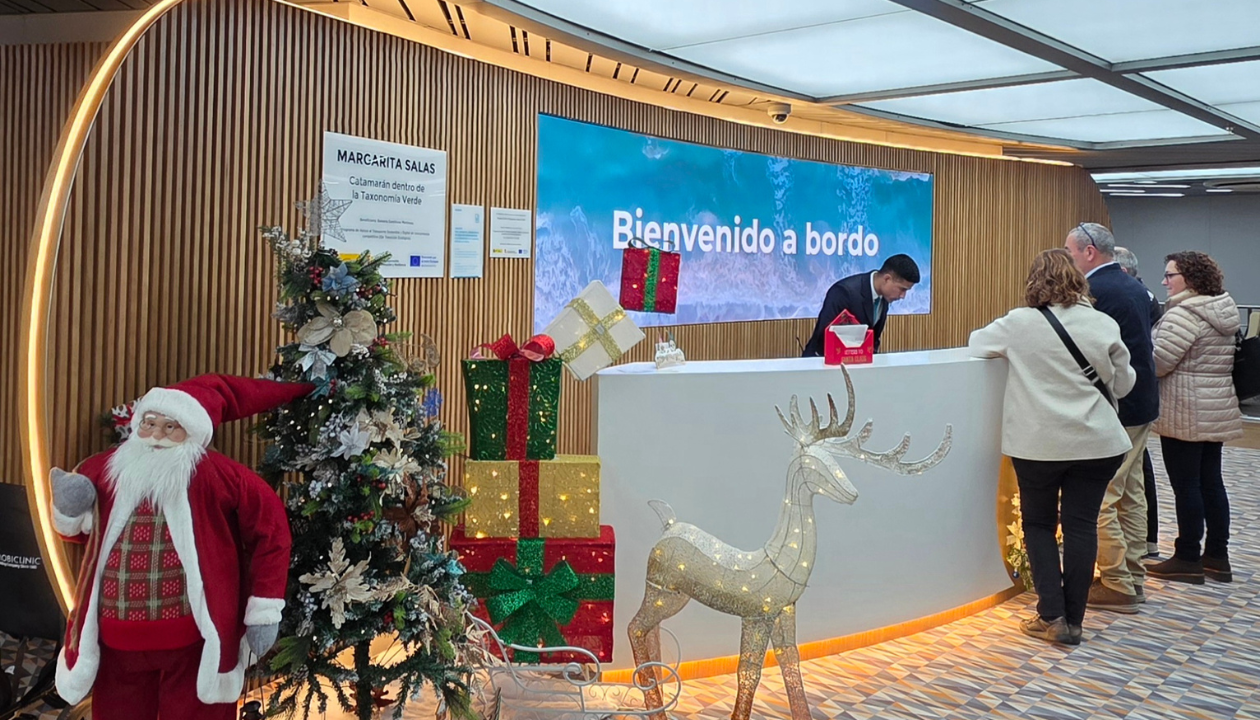
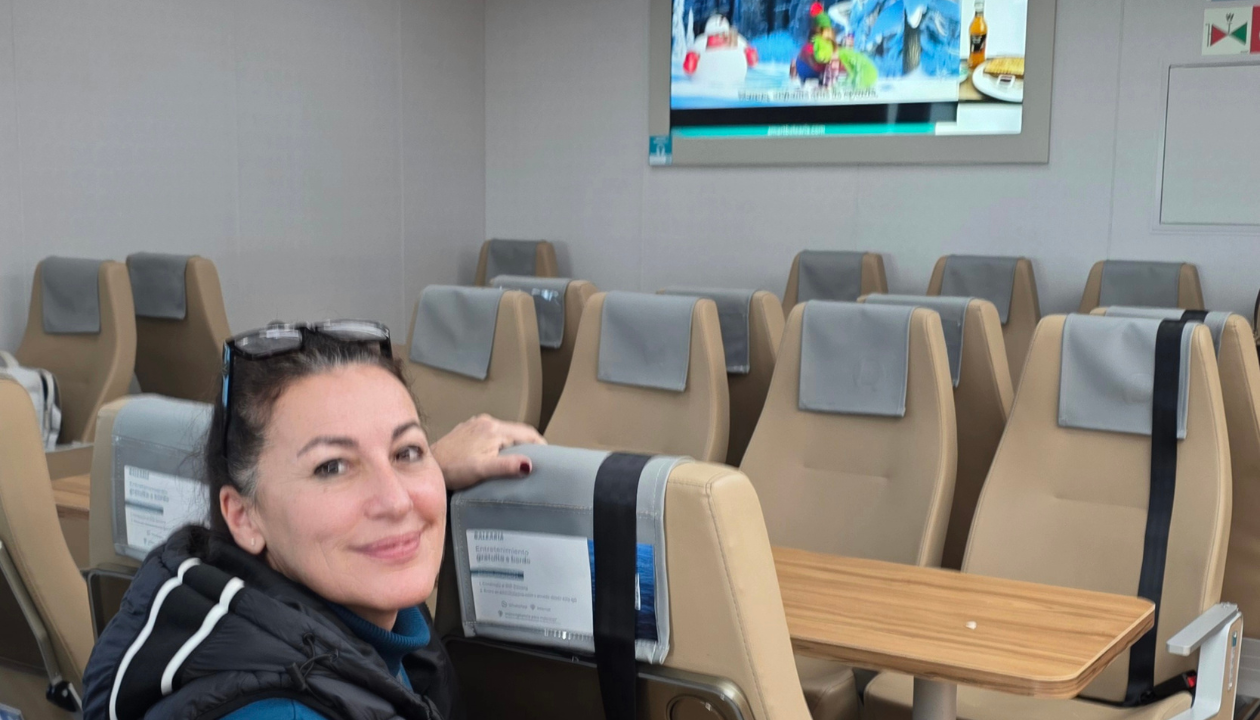
The ferry we travelled on was Baleària’s high speed ferries category vessel, the Margarita Salas. one of their modern fast ferries (also described in travel contexts as high speed ferries).
Baleària chose the name Margarita Salas to honour Margarita Salas, a pioneering Spanish biochemist. I love that detail: the ship carries a story, not just passengers. Baleària also has a tradition of naming ships after remarkable women, connecting travel with culture and innovation.
The sailing duration between Barcelona and Menorca can differ depending on the vessel type and port. Journeys can be as fast as about 3.5 hours on some services, while other sailings. especially night ferries or conventional ships, can take longer. Many crossings fall into a range where the trip lasts roughly 5 hr 15 min to 9 hr, depending on whether it’s a fast ferry, a standard sailing, and which destination port is used.
Ferry Operators and Ferry Companies on the Barcelona–Menorca Route
Travellers often compare ferry operators and ferry companies when choosing tickets. On the Barcelona to Menorca connection, the main ferry operators include:
- Baleària
- Trasmed
- Grandi Navi Veloci (GNV)
Because ferries can depart from different terminals depending on the operator, checking the port instructions and the ship details before travel helps avoid confusion.
Ferries on this connection run year round and typically operate 7 days a week. Frequency can change by season: there are generally around 2 daily sailings (around 11 to 14 weekly crossings), with more departures in summer. In practice, this can look like 2–4 daily departures, especially during high season or peak season, when there are most ferries.
First Ferry, Last Ferry, and Planning Around Timetables
Timing matters when planning a travel day. For Barcelona–Menorca crossings, the first ferry is often around 15:45, and the last ferry can be around 22:30. These times can vary depending on season and sea conditions, so checking ferry timetables close to the travel date is essential, especially in low season, when schedules may differ depending on demand.
Tickets, Prices, and Booking Strategy
People usually search for ferry tickets, cheap ferry tickets, and the cheapest tickets, and it makes sense, because ticket prices and overall prices can change a lot.
A common strategy is to book ferry tickets early, because prices vary depending on availability, time of booking, class, and season. The booking process typically involves selecting your route, choosing ticket options, and completing payment. Be sure to finish all steps to access discounts and additional services. In general, ticket prices start around €30. The average ticket price for a ferry from Barcelona to Menorca is around €45 if purchased on the day of travel, and the cheapest price can be as low as €24 when booked in advance. Ferry ticket prices for vehicles from Barcelona to Menorca vary based on the vehicle type and ferry company.

Discounts are available for certain passenger categories, and residents of the Balearic Islands can receive up to 75% off the base fare when booking. Booking in advance is recommended for ferry tickets from Barcelona to Menorca, especially if traveling with a vehicle, as spots can sell out quickly. Always check current prices, as fares fluctuate depending on booking time, time of day, and ticket class.

For foot passenger travellers, ferry ticket prices typically range from €28.00 to €798.00 depending on the operator and season. When searching for the cheapest option, it helps to compare sailings across different times and watch for seasonal promotions and best deals. The cheapest month can vary depending on demand and promotions, so flexible dates are often the easiest way to find lower fares.
Check-In: When to Arrive at the Port
For a smooth boarding experience, it’s recommended to arrive at least 90 minutes before departure, especially when travelling with a vehicle. For a foot passenger, arriving at least one hour before departure is often recommended. Personally, I recommend arriving early whenever possible, especially in summer, because port procedures can vary depending on the day and ship.
Onboard Accommodation and Services
Onboard comfort can make a big difference. Depending on the vessel, travellers can choose between seats and cabins.
Many ferries offer cabins for 1–4 passengers (though some daytime crossings may not have the same cabin setup). Baleària offers private cabins with bathrooms, and some cabins may include extra amenities.
There are also additional services onboard, including food and drink options such as restaurants, cafeterias, and vending machines. Many ships provide Wi-Fi, power plugs, and toilets. On certain sailings, there are family-friendly features such as children’s play areas during peak season. Some vessels also include VIP areas and an exclusive lounge option.
Pets, Vehicles, and Practical Travel Needs
Many people travel with pets, and Baleària offers pet travel options, including kennels and pet-friendly cabins on certain routes. Some ferries have designated areas where pets can stretch during the crossing. Policies can vary depending on the operator, so it’s always worth checking before booking.
Vehicles are also allowed on many ferries, including cars, motorcycles, camper vans, and bicycles. This is one reason the ferry is often preferred for longer island stays.
Menorca Week: Island Rhythm and Cultural Discovery
After arriving in Menorca, our second week continued the immersion in a completely different setting. Menorca is an island that invites calm: beaches, nature trails, and quiet towns. Natalia loved hiking, beach time, and slower evenings, and the Spanish practice became even more natural.
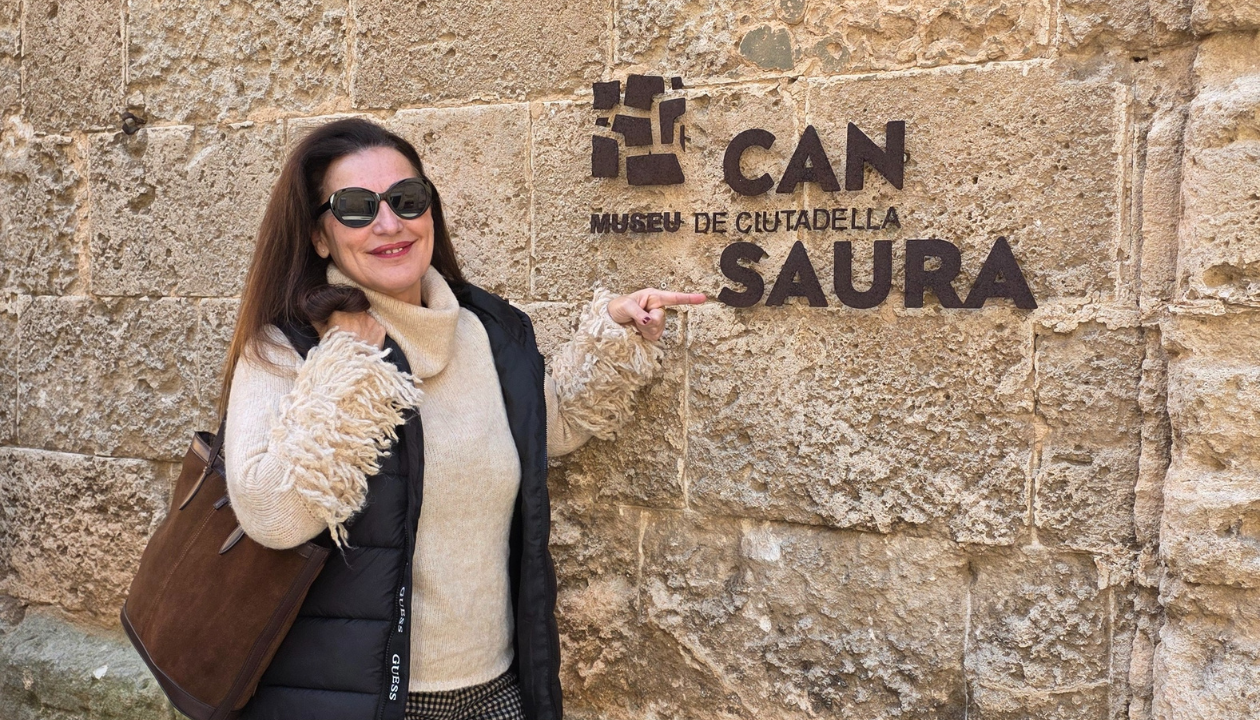
Given her love for history and art, cultural visits were especially meaningful. Menorca’s heritage feels alive, from prehistoric sites to museums such as the Museu de Ciutadella, Can Saura, and the Museu de Menorca, which stands out as the island’s main cultural and archaeological attraction, showcasing Menorca’s heritage through its significant historical and archaeological exhibits.
Improving Spanish at the Pace of the Mediterranean Sea
Travelling from Barcelona to Menorca by Baleària ferry offers something that fast travel rarely provides: time. Through journeys like this, the Spanish Homestay Immersion Programme (SHIP) allows Spanish to grow through movement, conversation, and real experiences, instead of rushing from one place to another.

For Natalia, the crossing was not just transport. It became part of her immersion through reading, vocabulary building, short presentations, and practical travel language she can use again.
This same approach is open to learners who want Spanish to develop naturally through real journeys and daily life, guided by native host teachers. To plan your own immersion experience, you can contact our Founder and Director, Mónica Romero.
📞 +44 7903 867894
📧 monicaromero@spanishexpress.co.uk
