

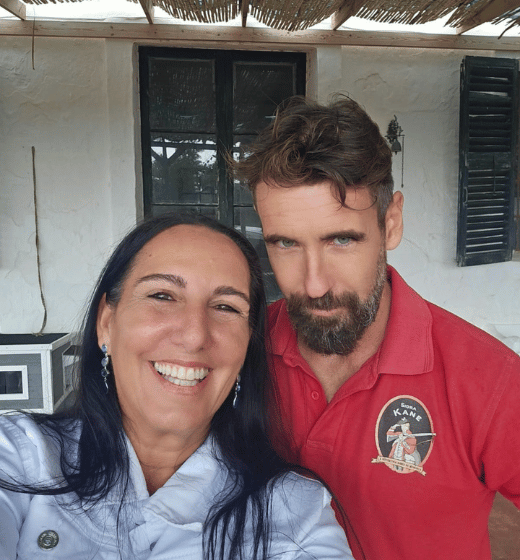
Menorca, the serene Balearic island known for its white coves, stone walls, and Mediterranean calm, hides many small treasures. Among them is Sidra Kane, a cider born from tradition and vision, crafted by David Fiol using methods that respect the rhythm of nature and the island’s roots.
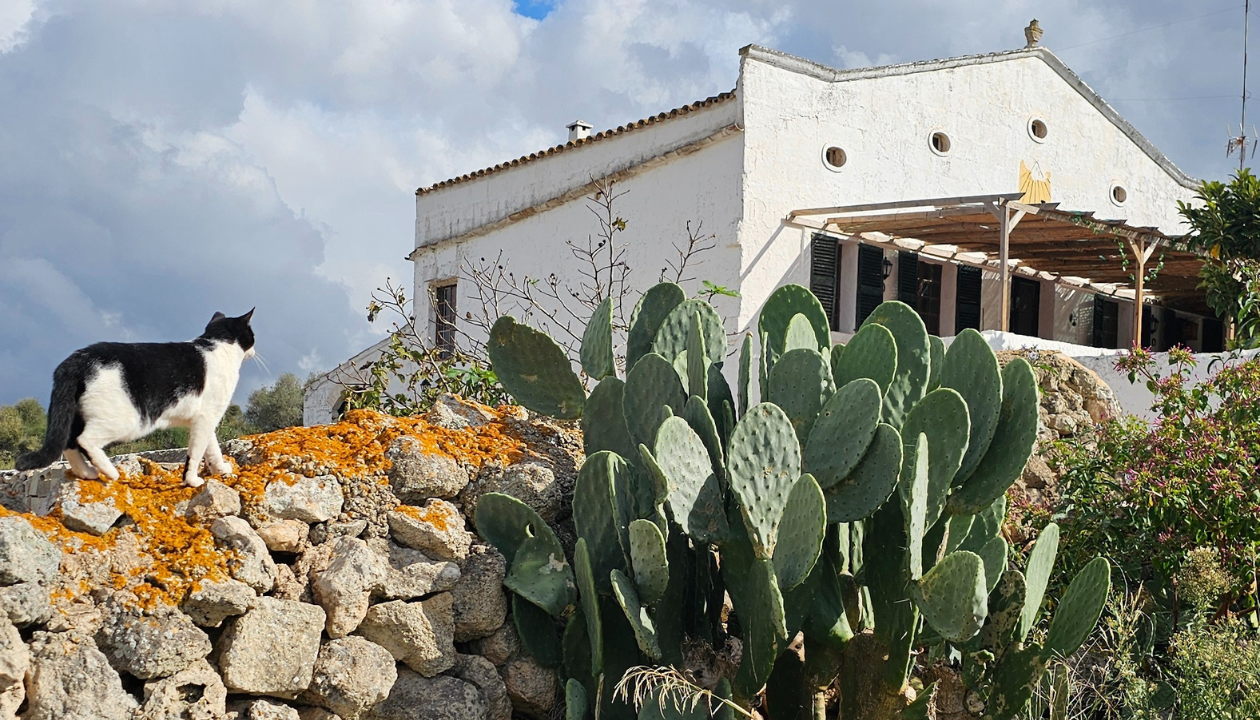
When I visited David at his rural farmhouse on a breezy Menorcan morning, I knew I was about to experience something special. “Everything begins with the apple,” he said, smiling. “Our poma d’en Kane carries a piece of Menorca’s history.” Menorca’s cider tradition draws on a range of apple varieties, each contributing unique flavors.
This visit turned out to be more than a tasting, it was an immersion into Menorca’s agricultural heart, a story of heritage, sustainability, and craftsmanship. The tasting takes place in the rustic cider house, setting the scene for the immersive experience.
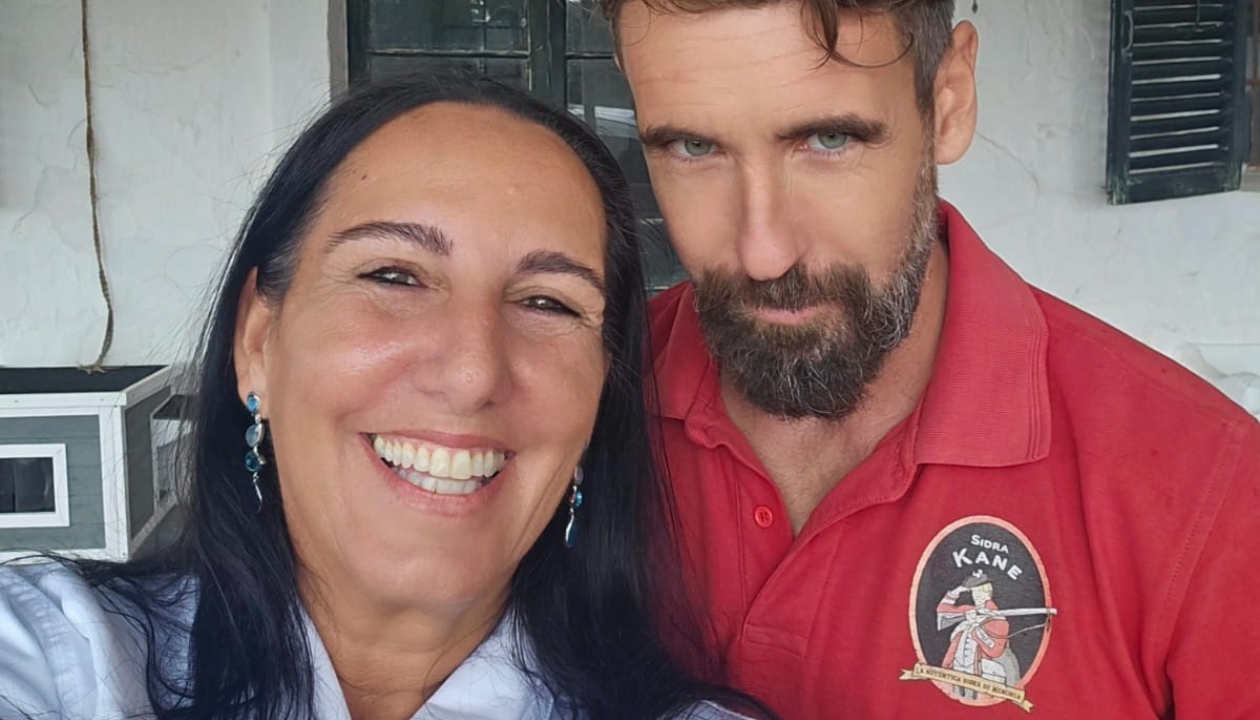
The Legacy Behind the Name Sidra Kane
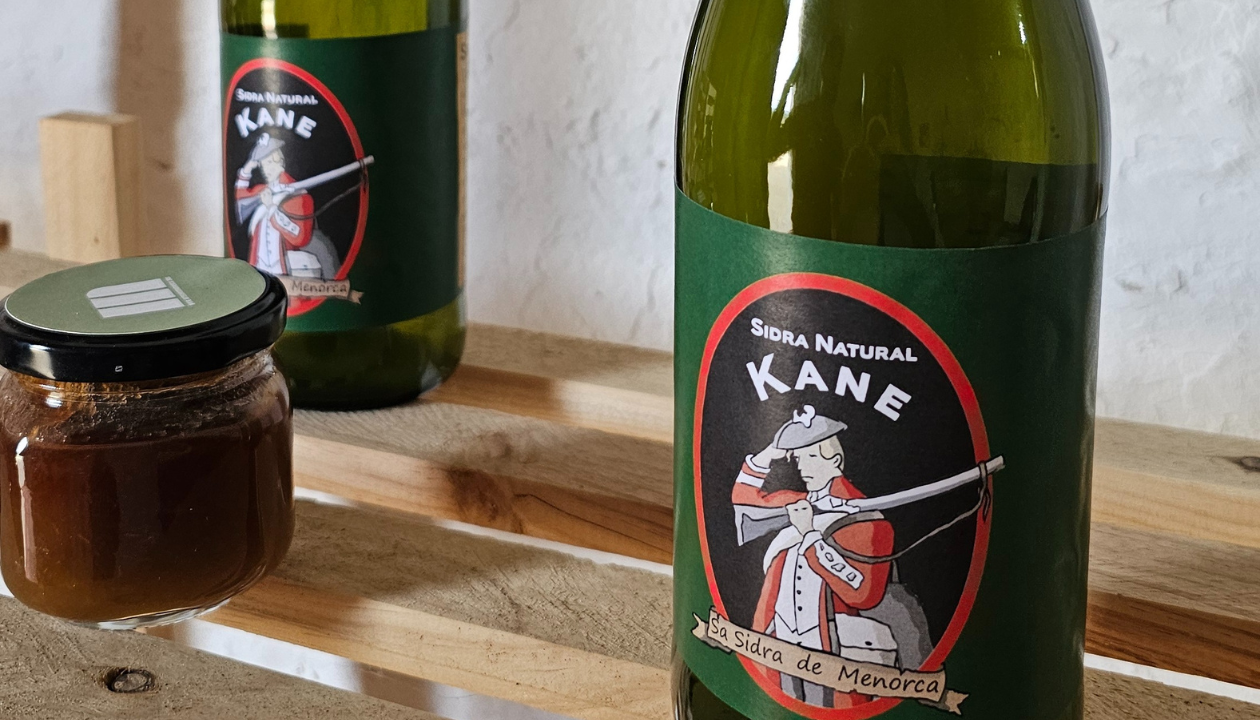
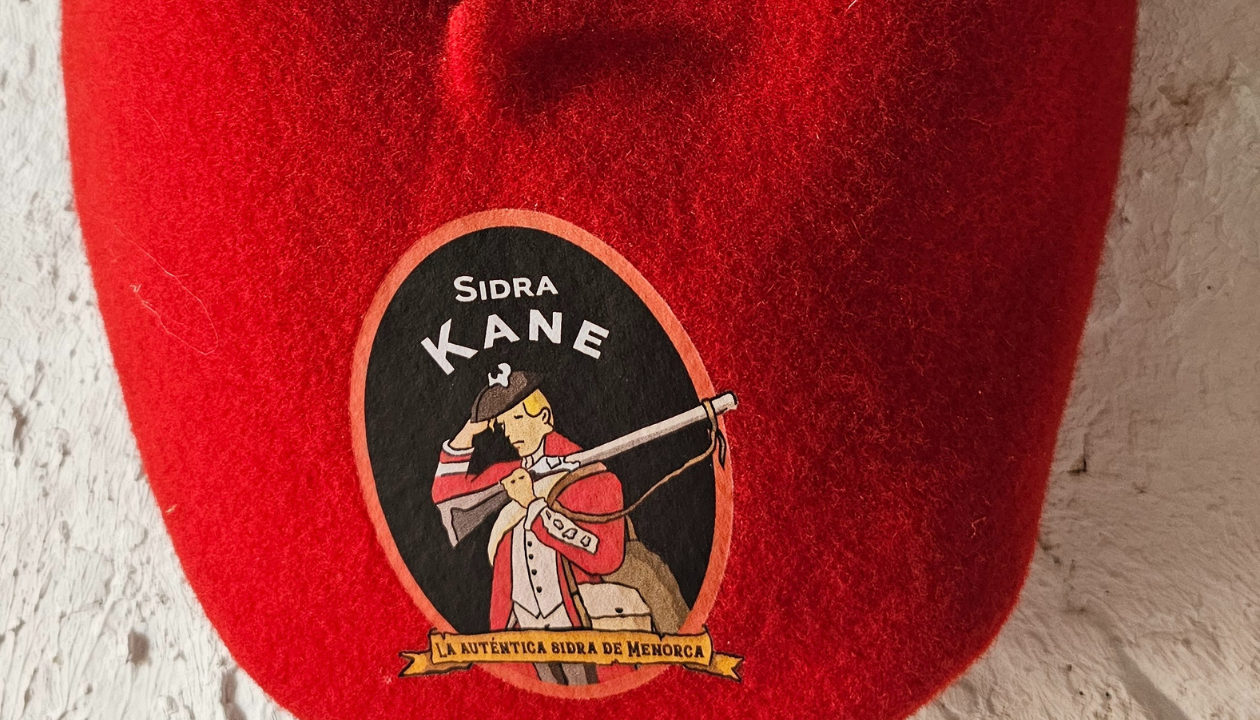
The name Sidra Kane honors Richard Kane, the British governor who ruled Menorca between 1712 and 1736. During his tenure, he built the road between Mahón and Ciutadella, improved the island’s farmlands, and introduced several new crops, including a variety of apple that adapted perfectly to Menorcan soil.
Centuries later, that same apple, the poma d’en Kane, inspired David Fiol’s cider. “He brought the apple to Menorca,” David explained. “So I thought, why not bring the apple back to life through cider?”
In doing so, Sidra Kane reconnects Menorca’s agricultural heritage with its modern identity, turning history into flavor.
A Philosophy of Sustainability and Circular Economy
David’s entire philosophy is built on three pillars:
- local
- artisanal
- and circular
Sidra Kane is not just a beverage, it’s a statement about how production can honor both community and environment.
1. Local Products and Seasonal Production
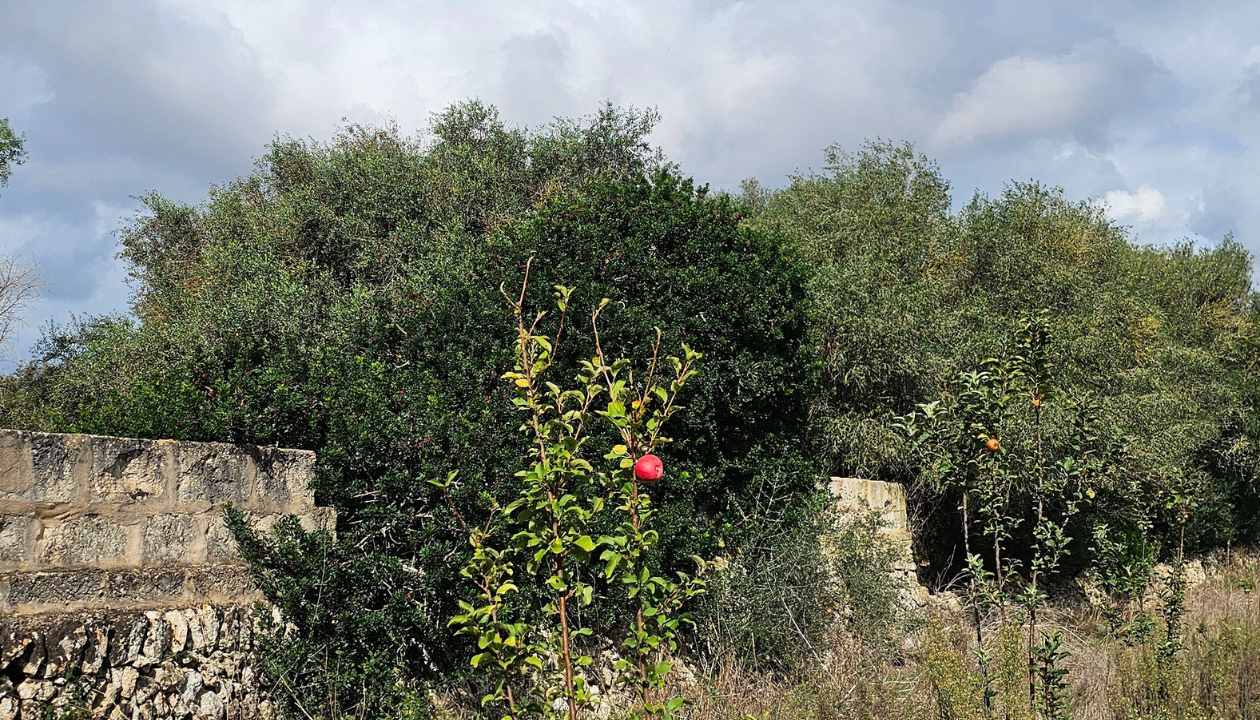
All apples come from Menorca, either from David’s orchards or neighboring farms. Harvesting is done by hand, strictly in accordance with the season. “We never rush the land,” David said. “The apple tells us when it’s ready.”
This KM 0 approach supports local farmers, reduces carbon emissions, and keeps every euro circulating within the island’s economy.
2. Artisanal Craftsmanship
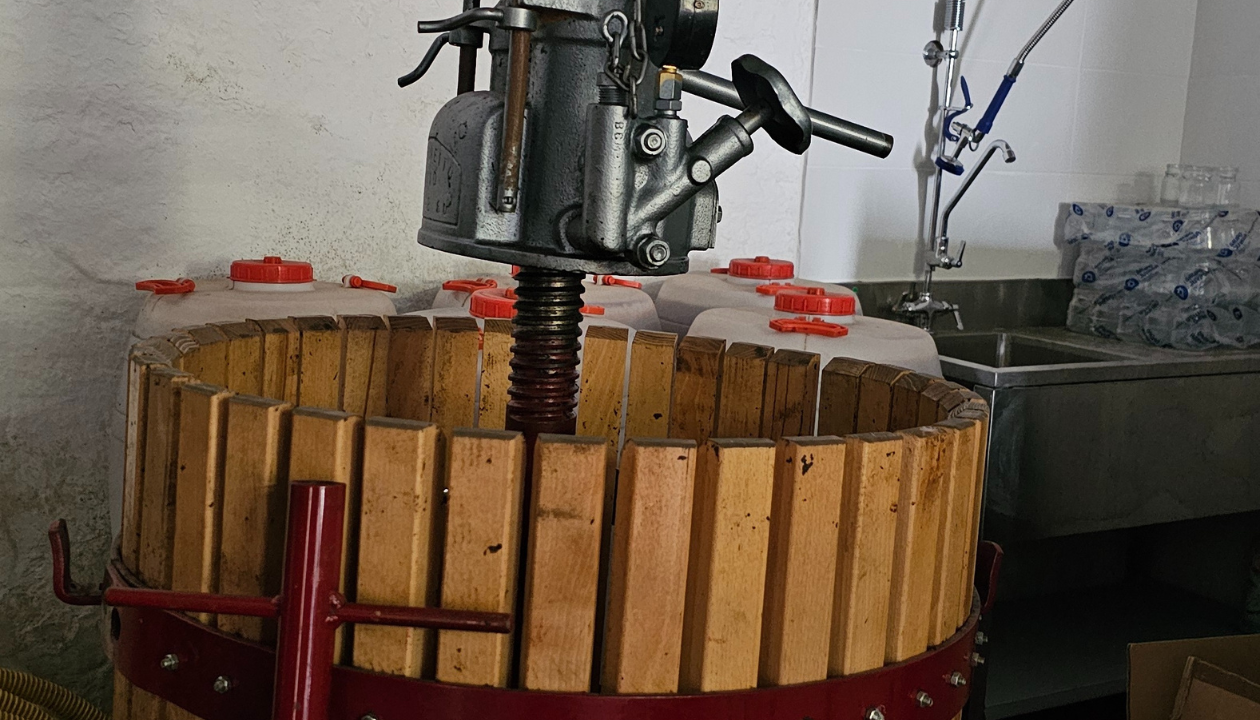
Inside the cider house, the process remains faithful to tradition. Apples are pressed using slow, mechanical methods, and fermentation follows the moon’s phases; fermentation is carried out with native yeasts, a hallmark of artisanal practice.
This lunar rhythm, a practice once common among farmers helps preserve natural balance and improves fermentation stability. The result is a living cider that reflects the island’s cycles rather than industrial timing.
3. A Circular Economy Model
Sidra Kane is a success story in the circular economy. Every by-product is reused, apple pomace becomes compost, bottles are recycled, and water consumption is carefully minimized. Packaging is environmentally friendly, and even the labels are printed locally.
As David put it:
“The land gives, we take, and we give something back. That’s the real circle.”
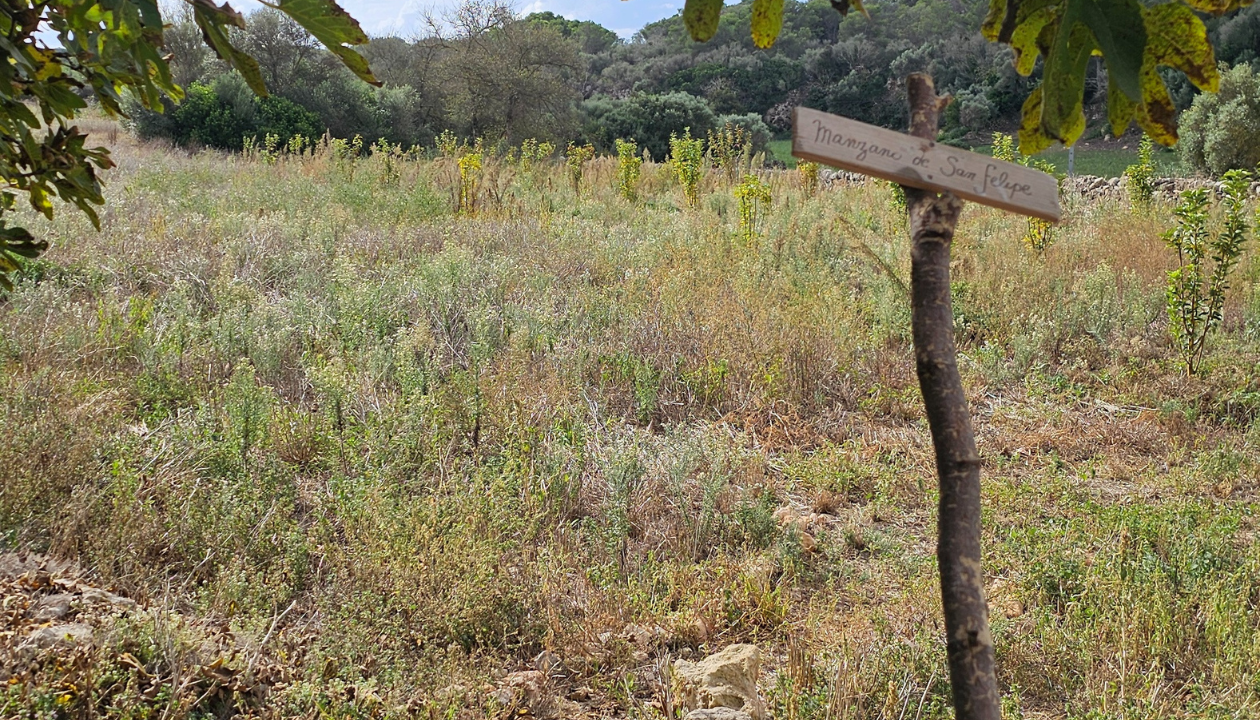
From Orchard to Bottle: The Making of Sidra Kane at the Winery
Watching the process unfold was a sensory experience. The air smelled of sweet fruit and wild herbs as apples were washed, crushed, and pressed. The juice, thick and golden, flowed into wooden vats, where native yeasts began their slow transformation.
The fermentation process here is crucial, as it shapes the cider’s unique character and depth of flavor. Much like a traditional winery, the cider house serves as the heart of production, offering visitors an immersive experience similar to those found at wine estates. After seeing the production process, guests can visit the tasting room, a dedicated space to sample the finished cider and appreciate its unique qualities.
David lifted the lid of one barrel and smiled. “Every year tastes a little different,” he said. “That’s the beauty of natural fermentation… it’s alive.”
This approach produces a cider that’s:
- Lightly sparkling and naturally dry
- Rich in apple aroma with floral and mineral undertones
- Free from artificial additives or sweeteners
Each bottle of Sidra Kane is a reflection of that year’s harvest, unique, authentic, and unmistakably Menorcan.
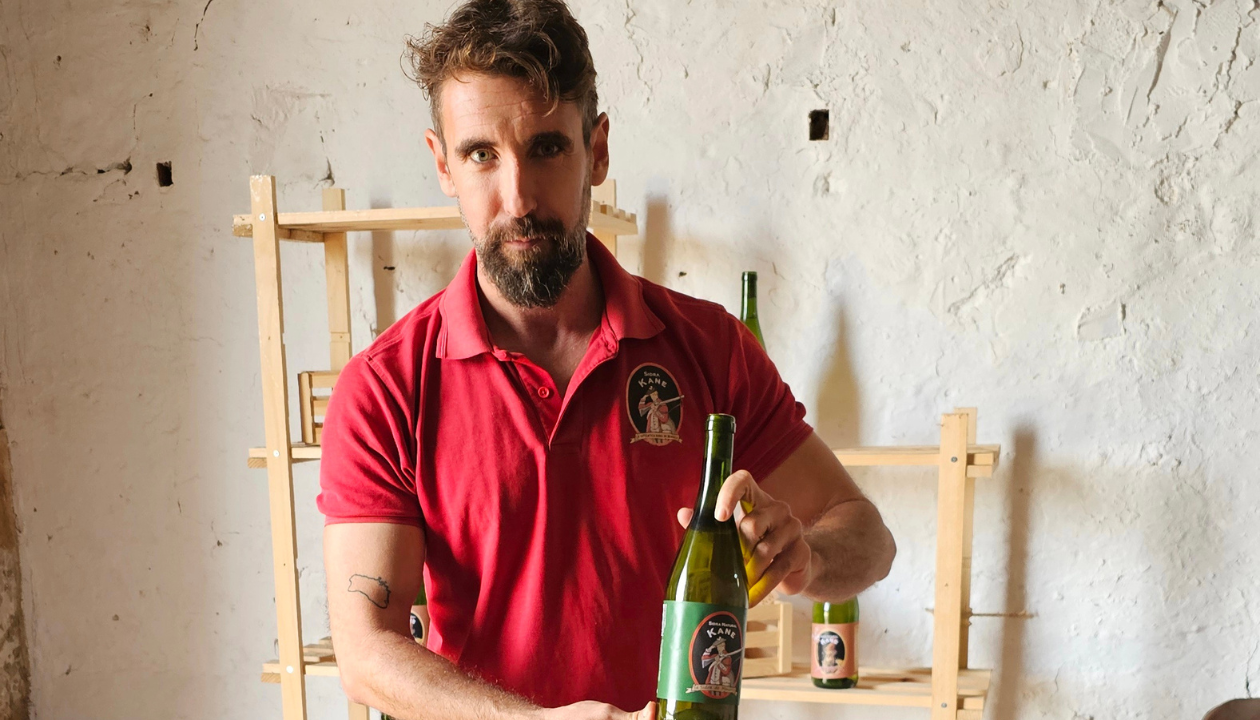
The Taste of Menorca in a Glass
We sat outside, under olive trees and blue sky, to taste the cider. The tasting took place at the cider house, which played a central role in the experience. The first sip was bright and refreshing, green apple and lemon peel on the nose, followed by earthy depth and a clean finish.
“This is Menorca,” David said proudly. “Simple, natural, honest.”
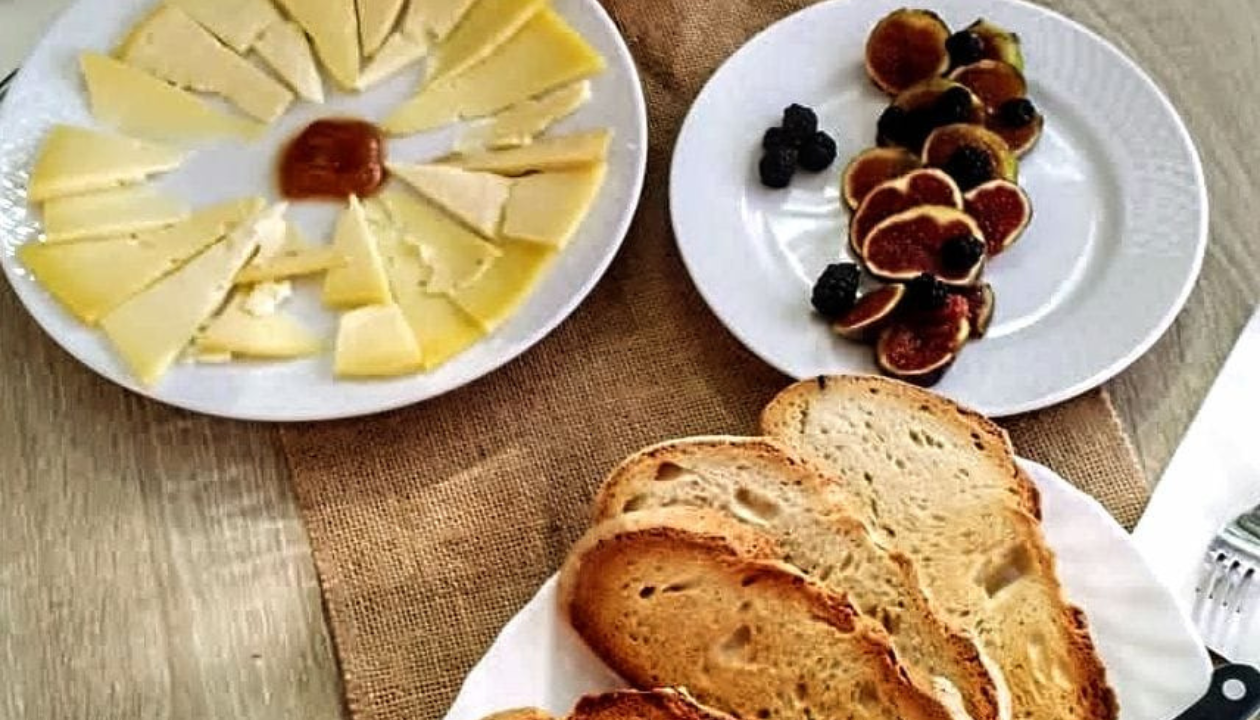
He served the cider with Mahón cheese, roasted vegetables,and rustic bread dipped in local olive oil. The pairing was stunning, the cider’s acidity cut through the cheese’s creaminess, while its subtle bitterness enhanced the smoky flavors of the vegetables. Like wines, cider can be thoughtfully paired with local foods to bring out the best in both, making the tasting experience just as rich and memorable as a traditional wine tasting.
For David, cider is more than a drink… it’s a social ritual.
“Cider belongs to the table,” he told me. “It’s meant for sharing, with family, with friends, with laughter.”
Reviving an Island Tradition
Few people know that Menorca once had its own cider culture. Historical records mention apple fermentation in rural homes long before industrial beverages arrived. Traditionally, a range of local apple varieties were used in Menorca’s cider making, each contributing unique flavors and characteristics to the final product.
Over time, the tradition faded, but David Fiol is bringing it back.
His dedication has earned Sidra Kane recognition fromArtesans de Menorca, the island’s association for certified craft producers. The cider now appears at food fairs, eco-markets, and local restaurants championing zero-kilometer products.
What makes Sidra Kane stand out is not just the flavor, it’s the mission. It proves that small, sustainable production can thrive without losing authenticity or profitability.
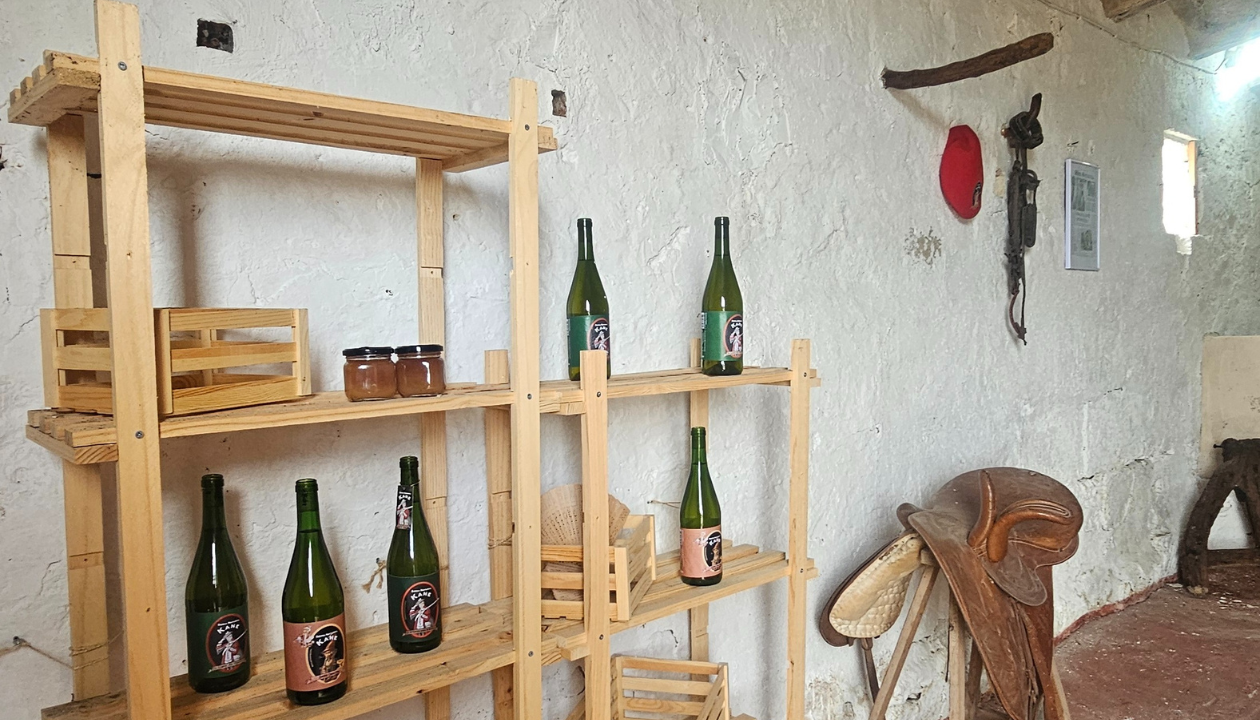
Circularity and Menorca’s Biosphere Vision
Menorca is a UNESCO Biosphere Reserve, recognized for its balance between human activity and environmental preservation. Sidra Kane perfectly embodies that philosophy.
Every part of the project, from organic apple cultivation to waste management is aligned with this sustainable vision. It demonstrates that a small island can lead significant environmental change through circular practices.
As David summed it up:
“When we respect the cycle, from soil to cider to soil again, the island rewards us.”
This belief turns Sidra Kane into more than a beverage; it’s a living model of circular economy applied to rural life.
An Immersive Tasting and Visitor Experience
For travelers, Sidra Kane offers guided visits and tastings that capture the essence of Menorca’s countryside. A guided tour takes visitors through the orchards and cider house, providing an in-depth look at the cider-making process. Guests can walk through the orchards, explore the cider house, and enjoy pairings of cider with local delicacies. While many visitors to Menorca might tour a vineyard to learn about grape varieties and wine making, here you experience the unique charm of apple orchards and the cider-making process.
The tour isn’t just about watching, it’s about connecting. You learn how an apple becomes a story, how craftsmanship becomes community, and how a small project can mirror an entire island’s spirit.
Cider and Food Pairing: Savoring Menorca’s Flavors
Menorca is a paradise for those eager to discover the island’s authentic flavors, and there’s no better way to do so than through a cider and food pairing experience. Here, the tradition of sharing local products comes alive in guided tastings that celebrate the best of Menorcan gastronomy. Whether you’re wandering through a sun-dappled vineyard or stepping into a rustic cider house, each visit offers a unique opportunity to enjoy the island’s bounty. The tasting room provides a dedicated space for sampling different ciders and pairings, enhancing the overall experience.
A typical experience begins with a tour of the vineyard or cider house, where you’ll learn about the meticulous process behind Menorca’s celebrated wines and ciders. As you stroll among the apple trees or grapevines, the story of the land unfolds, each bottle a testament to the island’s rich agricultural heritage. The tasting that follows is a true celebration of local products: crisp ciders and robust wines are thoughtfully paired with Menorcan specialties like Mahón cheese, cured meats, and artisanal breads. Every bite and sip is designed to help you discover new favorites and appreciate the harmony between drink and dish.
The number of options for these immersive visits is growing, with many wineries and cider houses now offering private tastings and personalized tours. Whether you’re a seasoned wine enthusiast, a curious foodie, or simply looking to enjoy something new, there’s an experience tailored for you. These visits not only allow you to savor the flavors of Menorca but also support the local community and help preserve time-honored traditions.
As the popularity of cider and food pairings continues to rise, so does the variety of innovative offerings, ensuring that each visit brings something fresh to discover and enjoy. Menorca’s stunning landscapes, combined with its vibrant culinary scene, make it the perfect destination for anyone seeking a memorable gastronomic adventure. From the first taste to the last, you’ll find that every experience is a celebration of the island’s unique spirit, inviting you to return again and again to enjoy its local products, wines, and unforgettable hospitality.
Why Sidra Kane Matters
In an era dominated by industrial beverages, Sidra Kane is a breath of authenticity. It’s slow-made, transparent, and rooted in values that go beyond profit.
Each bottle supports:
- Local agriculture and biodiversity
- Sustainable production models
- Cultural heritage preservation
Choosing Sidra Kane means choosing a future where quality and conscience coexist.
Reflections from the Orchard
As the sun set behind the rolling fields, I looked back at the rows of apple trees glowing in the golden light. What stayed with me was not just the taste of cider — it was the feeling of balance.
David Fiol’s work represents something rare: a harmony between tradition and innovation, man and nature, past and future. Sidra Kane is living proof that sustainability doesn’t have to compromise flavor, it enhances it.
If every region had its own David Fiol, perhaps the world would taste a little better.
The Essence of Menorca in Every Sip
But why just taste Menorca… when you can live it?
Join Mónica’s Spanish Homestay Immersion Program (SHIP), a one-of-a-kind experience where language and culture blend seamlessly under the Menorcan sun.

After three decades living in the UK, I’ve finally come home — back to the island where I was raised. Menorca has changed, of course, but its spirit hasn’t. As I reconnect with its landscapes and traditions, I find myself drawn to stories like David Fiol’s — stories that celebrate the land, the past, and a slower way of life.
My visit to Sidra Kane wasn’t just about cider; it was about rediscovering what “home” really means.
Turn a Cider Tasting in Menorca Into a Real Spanish Life Experience
Sidra Kane is more than a tasting — it’s a window into Menorca’s countryside, history, and slow, sustainable way of life. If reading about David Fiol’s work makes you want to go deeper than a day visit, there’s a way to experience Menorca as a real local, not as a tourist.
That’s exactly what our Spanish Homestay Immersion Program (SHIP) offers in Menorca. You don’t stay in a hotel or follow a typical tour route — you live with a certified Spanish teacher, practise Spanish naturally every day, and explore the island through real conversations, food, and local experiences that match your interests.
SHIP is ideal for:
- Cultural travellers who want authentic Menorca, not tourist snapshots
- Adults of all ages who learn best through daily life and real conversation
- Professionals, remote workers, and long-stay visitors who want practical Spanish
- Food and culture lovers who want to connect with local traditions (like cider, markets, and island producers)
- Students preparing for Spanish exams (DELE, SIELE, GCSE, A-Levels, YLE, IB and other certifications)
- Learners who want a safe, supportive home base while improving confidence fast
You can also explore more immersion stories here:
👉 Spanish Culture & Food Immersion Stories
For personalised guidance and programme details, you can contact our founder directly:
Mónica Romero
Founder and Director, Spanish Express
📞 Phone / WhatsApp: +44 7903 867894
📧 Email: monicaromero@spanishexpress.co.uk
