

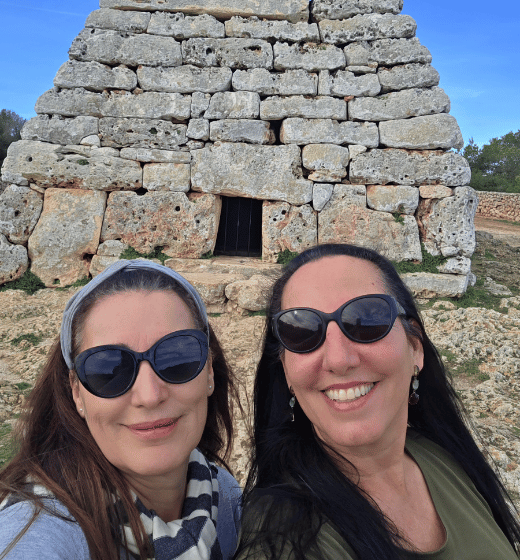
Menorca in winter is my favourite season. I am Mónica, your host teacher in Menorca with Spanish Express, and I grew up on this island. When the summer crowds leave, the island returns to a slower pace, the light softens, and you finally see daily life the way we locals do.
Many travellers still think Menorca is just a summer destination. In this guide, I want to show you a different way to see my island in the winter months, so you have all the information you need in one place. We will talk about weather, culture, villages, hikes, Christmas traditions, and of course many ideas for things to do in Menorca in winter if you love languages, nature and calm travel.
Along the way I will mention our Spanish Homestay Immersion Program (SHIP) in Menorca softly, simply as another way to experience the island more deeply, especially for adult learners, over 50s, slow travellers and families who want more than a quick holiday.
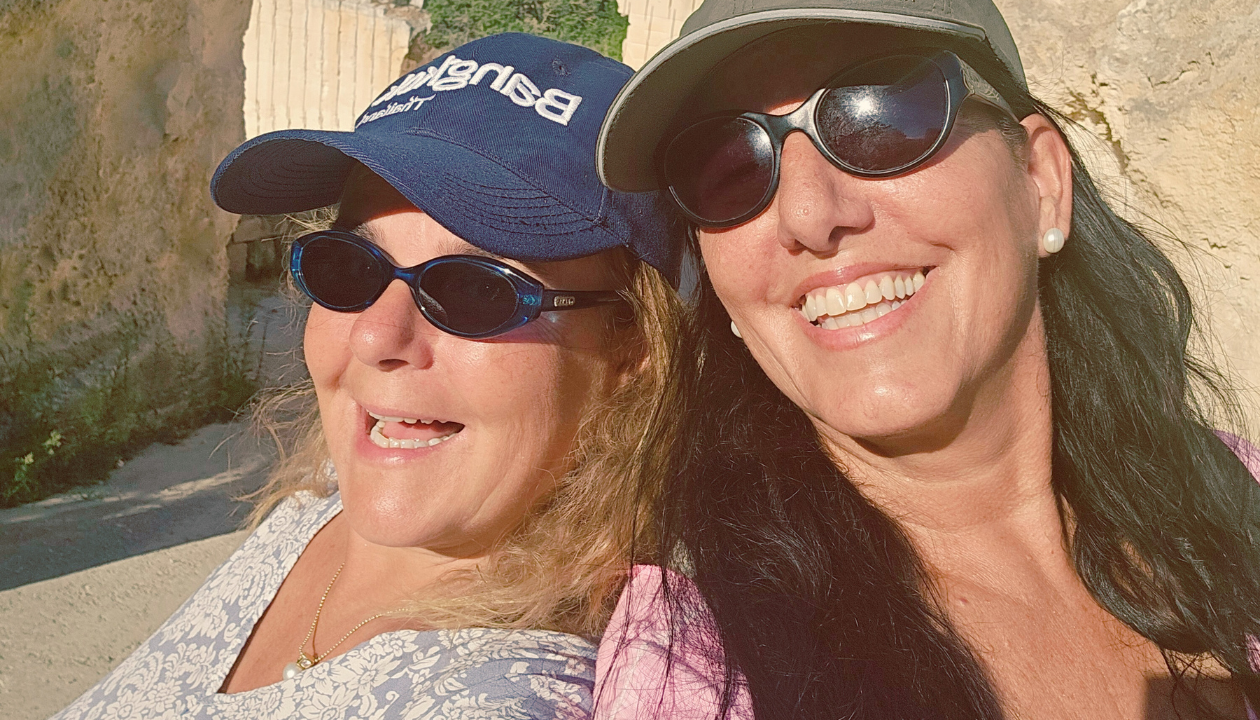
Is Menorca worth visiting in winter?
Short answer: yes, Menorca in winter is absolutely worth it.
Menorca offers a temperate Mediterranean climate in the low season. In winter, you can expect mild temperatures, usually around 14 to 18 °C during the day, sometimes rising close to 20 or 21 °C when the sun shines.
Nights are cooler but still gentle compared to much of Europe. We enjoy around 300 days of sun a year, so you often wake up to blue sky even in January.
Of course, this is an island, so we also feel the tramontana wind from the north. Some days it is strong and the sea becomes wild and dramatic. For me that mix of calm days and stormy days is part of Menorca’s winter charm.
Why I think winter is special:
- Less crowds, more calm: You can walk in the old town streets without bumping into big groups, reach famous beaches with almost no people, and sit in cafés where most faces are local.
- Rich history without queues: Talayotic sites like Naveta des Tudons and Torre d’en Galmés, plus museums and the Menorca Museum in Maó, are open with a calmer atmosphere and more space to explore.sommenorca.es+1
- Nature at its best: Winter light makes the coast, holm oaks and pine forests feel softer and more dramatic at the same time.
- Lower prices: In the high season of July and August, hotels and flights are expensive. In winter, many hotels have attractive rates, and most restaurants stay open in the main towns.
For adult learners, over 50s, slow travel fans and families, this season gives you time to walk, discover, relax and practise Spanish without feeling rushed.
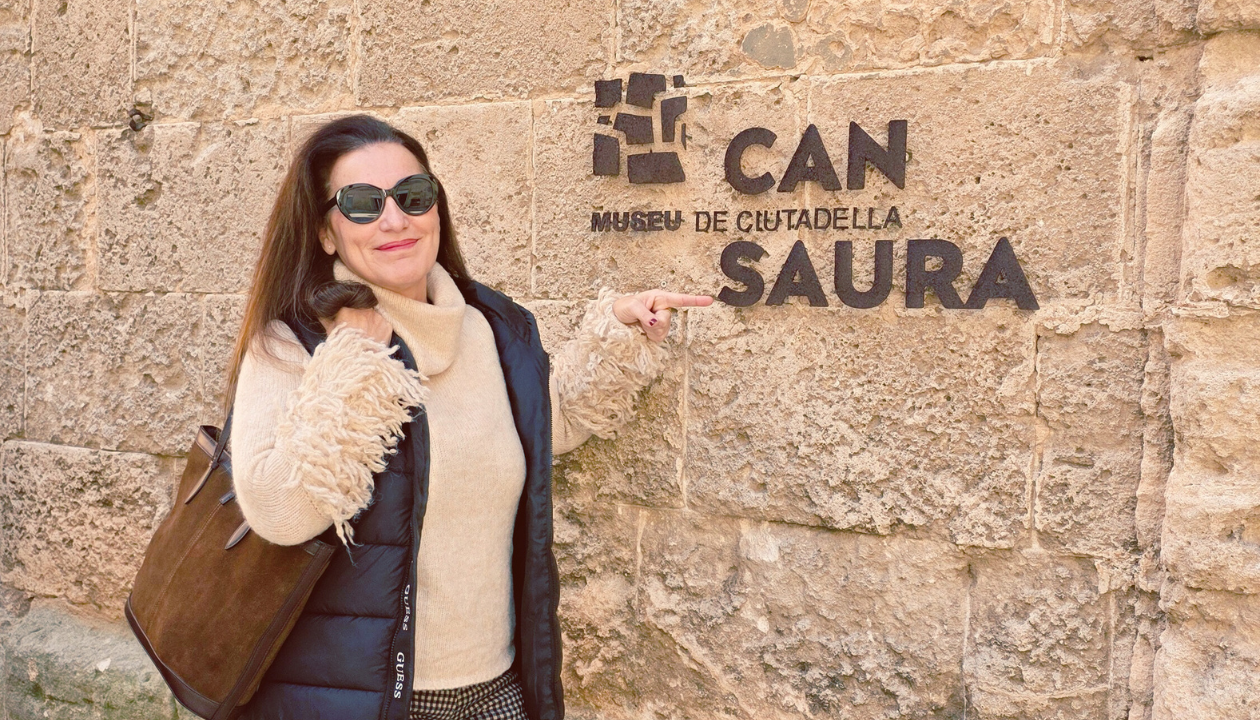
Menorca in winter: weather, light and sea
Before planning your visit, it helps to know what the season really feels like.
- December, January, February: Cool but not freezing. Daytime is usually in the low to mid teens, sometimes up to 18 °C in the sun.
- March: The island starts to feel like early spring. Days are slightly longer, flowers appear, and many guided tours and weekly flights for the season increase.
Rain appears in short bursts, not usually for days and days. Most days you can still walk, hike, or sit outside a café in the city center with a light jacket.
The sea stays cooler, around 14 to 16 °C, so long swims are for the brave, but walking along the coast with winter sun on your face is one of the simple pleasures of visiting Menorca at this time of year.
Things to do in Menorca in winter
Now, let us answer the main question: what can you actually do in Menorca in winter? Here is how I like to explore the island with my Spanish Express students when the season is quiet.
1. Walk or hike the Camí de Cavalls
The historic Camí de Cavalls (also written cami de cavalls) is a coastal path of about 185 km that circles the whole island. It was once used to watch the coast and is now one of our most loved routes for hiking, running and mountain bike trips.
In the winter months, temperatures are perfect for hiking. You can choose short stages near:
- Cala Turqueta and other south coast beaches
- Cala Morell with its dram,atic cliffs in the north
- The stretch near Cala Galdana, one of our best known bays
You do not need to complete the full trail. For slow travellers and families, I recommend 2 to 3 hour walks with time to stop, take photos, breathe the sea air and enjoy the nature that makes Menorca a UNESCO biosphere reserve.
When the tramontana wind is strong on one side of the island, we simply change plan and walk a more sheltered coast or an inland route.
2. Enjoy beaches in a different way
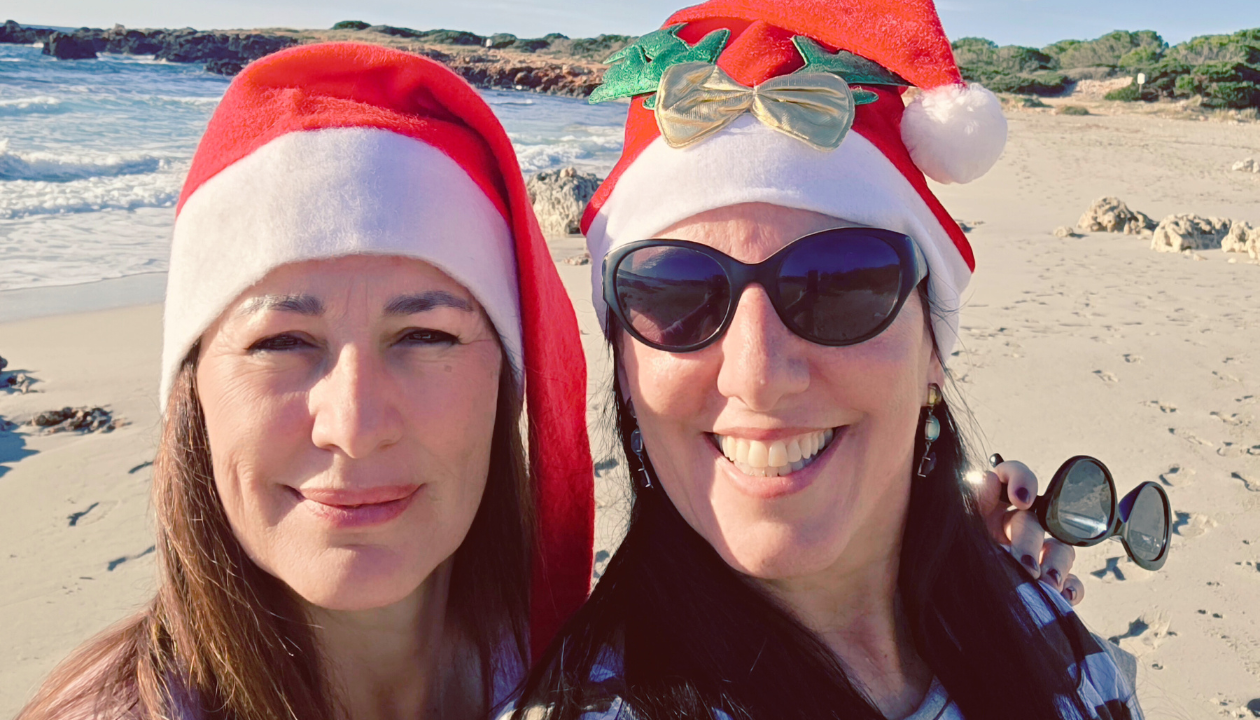
In summer, beaches are for swimming and sunbathing. In winter, beaches become wide open spaces where you can:
- Walk along the shore with almost no crowds
- Sit and listen to the sea
- Watch the light change in late afternoon
Places like Cala Galdana, Cala Turqueta or the south coast beaches near Santo Tomás feel very different in this season.
For families with children, I suggest simple sensory play: drawing in the sand, collecting shells, watching waves from a safe distance, and keeping feet dry when the wind is strong.
3. Discover Menorca’s old towns and villages
Menorca offers much more than the coast. In winter the town streets become our meeting places and you can see daily life with a slower pace.
Ciutadella: historic old town on the west coast
Ciutadella’s old town is a maze of narrow streets, noble palaces and hidden patios. In winter it is peaceful and very photogenic. You can:
- Walk from the city center down to the port
- Visit local markets and typical products shops near Plaça de la Llibertat
- Enjoy cafés and restaurants around Plaça des Born
From Ciutadella it is easy to drive or take a bus to places like Naveta des Tudons or Algaiarens beaches for short trips.
Maó (Mahon): natural harbour and oldest opera house
On the east you find Maó, the capital, set above a deep natural harbour that is one of the largest in the Mediterranean. Here you can:
- Stroll along the port, watch boats and feel the sea breeze
- Visit the Menorca Museum to understand the island’s rich history and culture
- See the Teatro Principal, often called Spain’s oldest opera house, which still hosts concerts, dance and opera all year round.
In Maó, look up as you walk. You will notice traditional sash windows that remind us of past links with Britain and give the façades a special character.
Small villages with local culture
Winter is also the time to explore villages:
- Es Mercadal in the center, a good base to drive up to Monte Toro
- Es Migjorn Gran, a quiet village with a simple, authentic feel
- Sant Lluis and Es Castell in the south east, close to the sea and the little port of Cales Fonts
- Fishing villages on the north coast, like Fornells, with its calm bay and famous lobster stew.
Here you find local markets, bakeries and bars that stay open year round, serving local products and typical dishes to neighbours, not only tourists.
When I take Spanish Express students out on winter mornings, this is the Menorca I love to show them: people doing their shopping, greeting friends in the street, stopping for a coffee in the bar where they always go.
4. Explore Talayotic Menorca and prehistoric sites
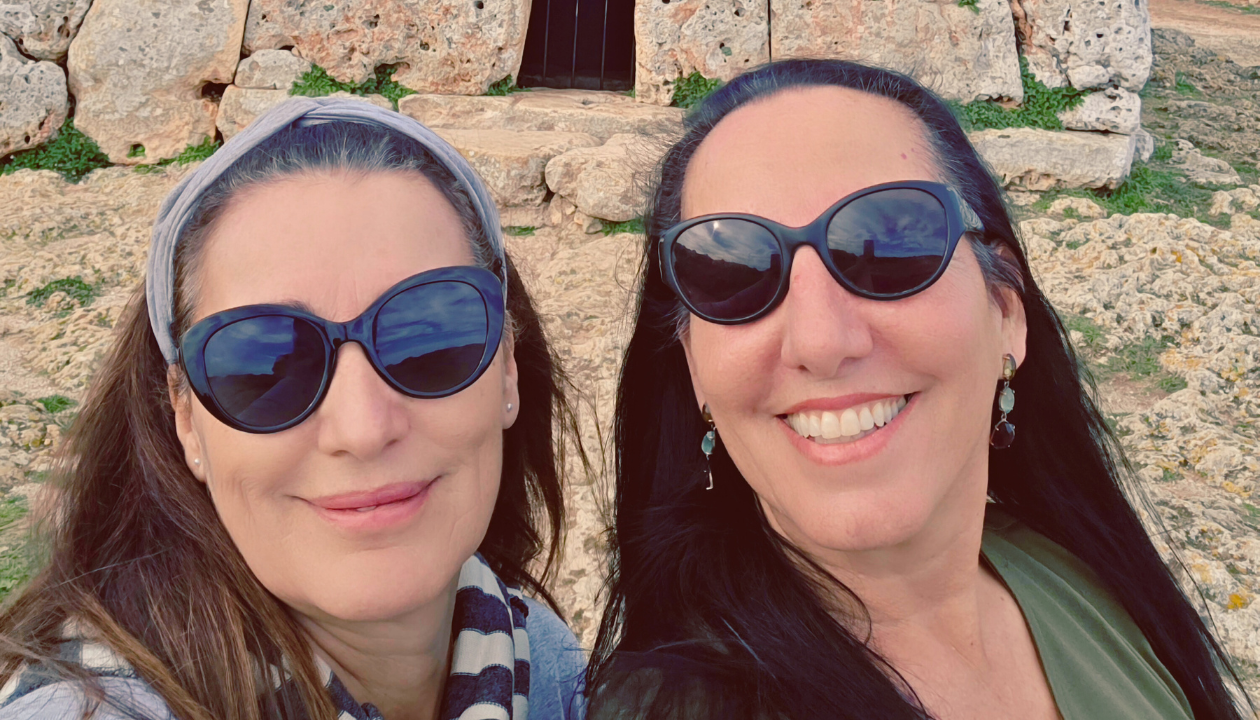
Menorca is often described as an open-air archaeological museum. Across the island you see talayots, taulas, caves and prehistoric settlements that belong to the Talayotic culture, now recognised as a UNESCO World Heritage Site.
In winter, the main sites stay open, often with extended seasons thanks to recent tourism projects:
- Naveta des Tudons, one of the most iconic monuments
- Torre d’en Galmés, a large Talayotic village
- The necropolis at Cala Morell
From February 2025, the local tourism foundation has been opening places like Cova de s’Aigua, Torre d’en Galmés and Naveta des Tudons earlier in the year to support a longer season, which is good news for winter visitors who want to explore history without summer heat.
For adult learners and families, these visits are great for combining Spanish vocabulary, archaeology and short walks in nature.
5. Taste Menorca through its local products
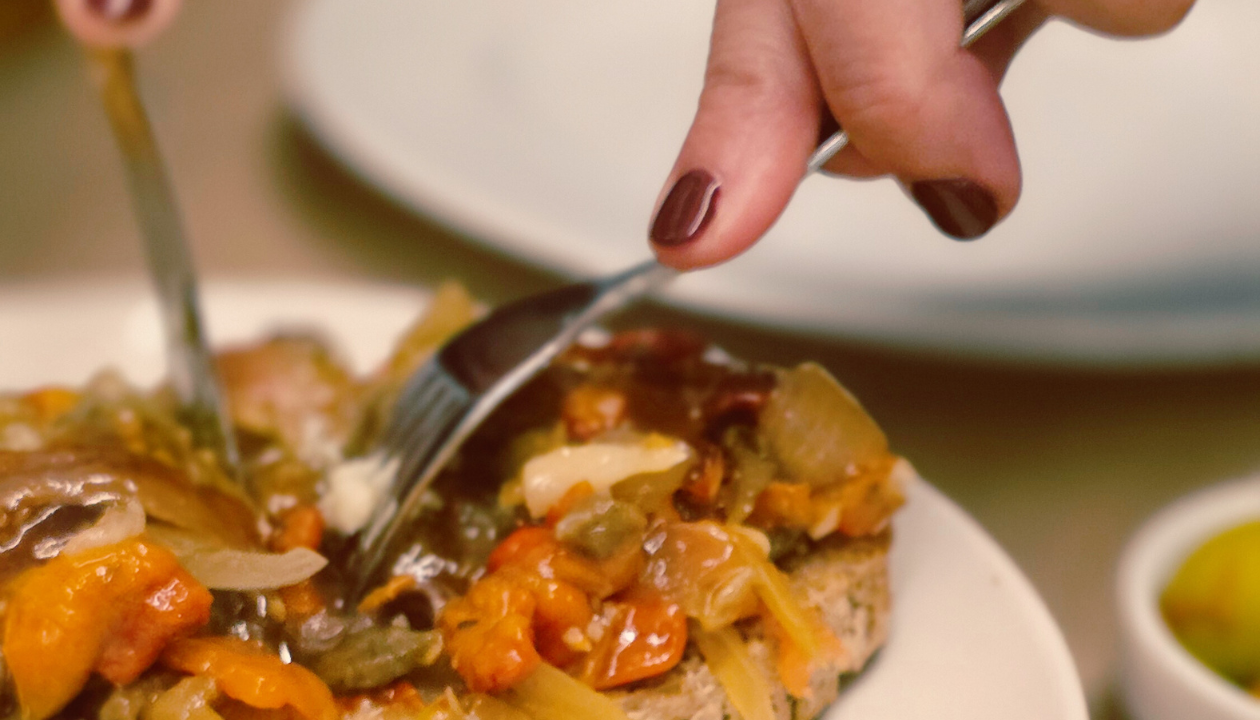
Menorca has a strong gastronomic identity. Winter gives you the chance to sit in most restaurants without stress and enjoy the full menu del día.
Some ideas:
- Try Queso de Mahón, our famous cheese, in local farms or cooperatives
- Book tastings of wines, gin and other local products through co-ops or guided tours.
- Order dishes based on seasonal vegetables, wild mushrooms and fish in small town restaurants
Right now there are also events like El Banquet Oblidat, winter gastronomic days that recover historic “señorial” recipes, with restaurants across Ciutadella, Ferreries, Es Mercadal, Es Migjorn Gran and Maó joining the programme.
During my immersion programs, I love to take students to markets in Maó or Ciutadella, teach vocab for ingredients and let them pick typical products for dinner. Cooking together at home is one of the best moments to practise Spanish naturally.
6. Culture, Sant Antoni and Christmas in Menorca
Menorca in winter also has a strong cultural side.
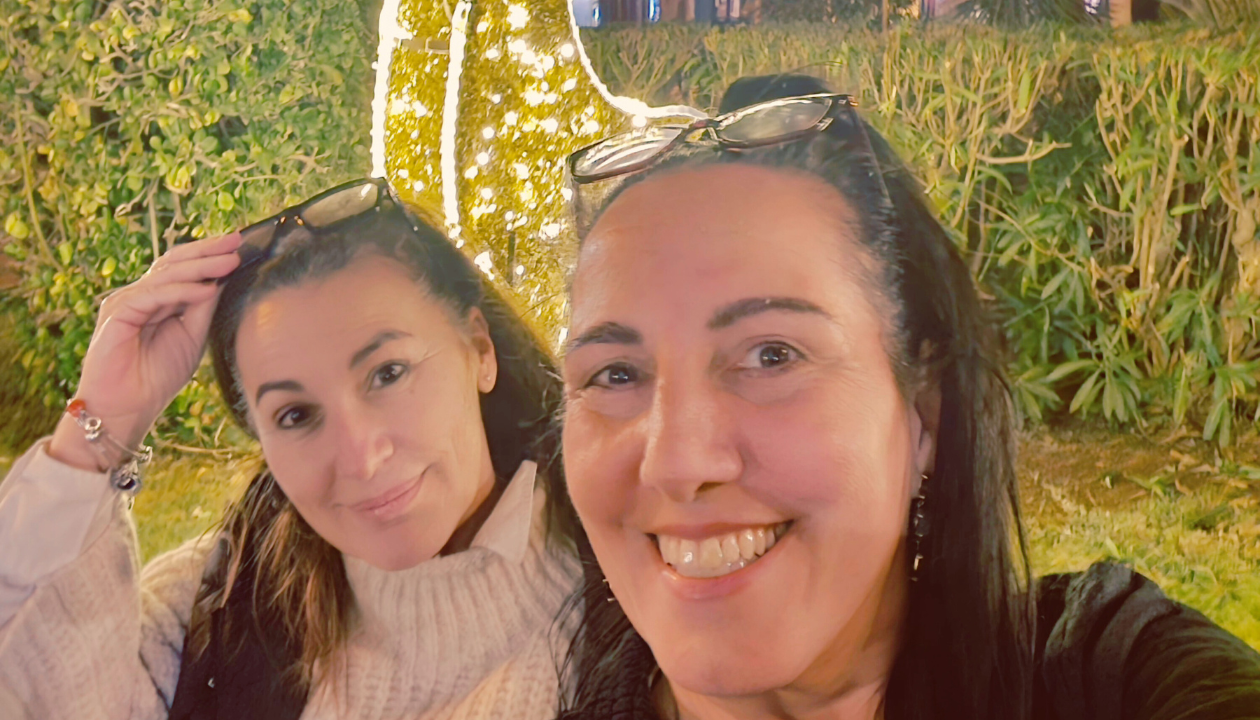
- Christmas: From early December there are carol concerts, nativity scenes and small Christmas markets, especially in Maó and some inland towns.
- New Year: Menorcans celebrate with family meals and the twelve grapes at midnight, one grape for each bell ring, like in the rest of Spain.
- Sant Antoni (17 January): A key winter festival in all the Balearic Islands. Bonfires, music, horses and traditional events fill the streets, mixing religious and historical meaning and celebrating Menorca’s identity.
Cultural venues such as the Teatro Principal in Maó, art galleries in Ciutadella and Menorca’s museum network stay active with exhibitions and performances in the low season.
For my SHIP students, these weeks are perfect to feel part of local life, not just visitors passing through.
7. What to do on windy or rainy days
Even in winter, full grey days are not very common, but when wind or rain arrives, Menorca still offers plenty to do:
- Visit museums in Maó, Ciutadella and smaller towns
- Do indoor tastings of cheese, wine and gin
- Enjoy long lunches with stew, fresh fish and desserts in cosy restaurants
- Work on your Spanish at home with a warm drink, then take a short walk when the rain stops.
Bad weather is a good excuse to pause, read, listen to Spanish music and rest.
Is Menorca in winter good for adult learners, over 50s, families and slow travellers?
From my side as a teacher and local, I would say yes, this season is ideal if you like a different way of travelling.
- Adult learners and over 50s: You often want calm, comfort and culture. Menorca gives you mild temperatures, good hotels, varied restaurants, short flights from mainland Spain and Barcelona, and plenty of chances to practise Spanish in real situations without stress.
- Slow travellers: You can spend a week in one town, visit nearby villages, learn the rhythm of local cafés, and explore the coast by car or on foot, instead of jumping between many destinations.
- Families: In the winter months, Menorca offers safe walks, easy hikes, short drives, beaches without crowds and friendly locals. It is simpler to manage naps, early dinners and quieter evenings.
This is also why I like running our Spanish Homestay Immersion Program (SHIP) here in low season. My students join my daily life, shop where I shop, join walks, excursions and simple cultural plans that feel natural, not “tour group” style. For many, Menorca in winter becomes the perfect mix of study, holiday and peace.

Practical tips for visiting Menorca in winter
Getting to Menorca
In high season there are many direct flights from across Europe. In winter, the island is still well connected:
- Year round flights from Barcelona, Madrid and Palma de Mallorca
- Some weekly flights from other European destinations like London, depending on the month and airline.
You can also arrive by ferry from Barcelona or Valencia to Maó, or from Mallorca to Ciutadella.
Getting around: car, buses and bikes
To explore the island with freedom, I always recommend renting a car, especially in the low season when bus frequencies are lower.
For small adventures, you can bring or rent a mountain bike to ride short segments of the Camí de Cavalls or quiet inland roads.
Where to stay in Menorca in winter
Because the climate is similar all across the island, the best base depends on your style:
- Ciutadella: historic charm, cafés, old town atmosphere, easy trips to western beaches, Naveta des Tudons and Punta Nati
- Maó (Mahon): more urban feel, natural harbour, theatre, museums, shops
- Cala Galdana or south coast: scenic bay and beaches, nice if you want more nature and sea walks, though some places close in the deep low season.
- If you join Spanish Express, you stay in my home in a residential area, in a house with a roof terrace, and space to read, study or simply relax after a day of activities.
FAQ: Menorca in winter for first time visitors
Is Menorca in winter too quiet?
It is calmer than summer, which many people love, but it is not empty. Towns like Maó, Ciutadella, Es Mercadal, Es Castell and Sant Lluis keep their normal daily life going. Shops, schools and offices stay open, and most restaurants in central areas also open, especially at lunchtime.
Can I swim in winter?
Some locals and visitors swim all year, but for most people the sea is a bit cold. You can still paddle, walk in the water and enjoy the beaches in a different way.
Is Menorca safe for solo travel in winter?
Yes, it is generally a very safe island with a strong sense of community. Streets feel calm, and in winter you will often see families and older people walking early in the evening.
How long should I stay?
For a first winter visit I suggest at least 1 week. If you want to mix language learning, hiking, history and rest, 2 weeks gives you time to visit Talayotic sites, walk parts of the Camí de Cavalls, see both main towns and still keep a relaxed rhythm.
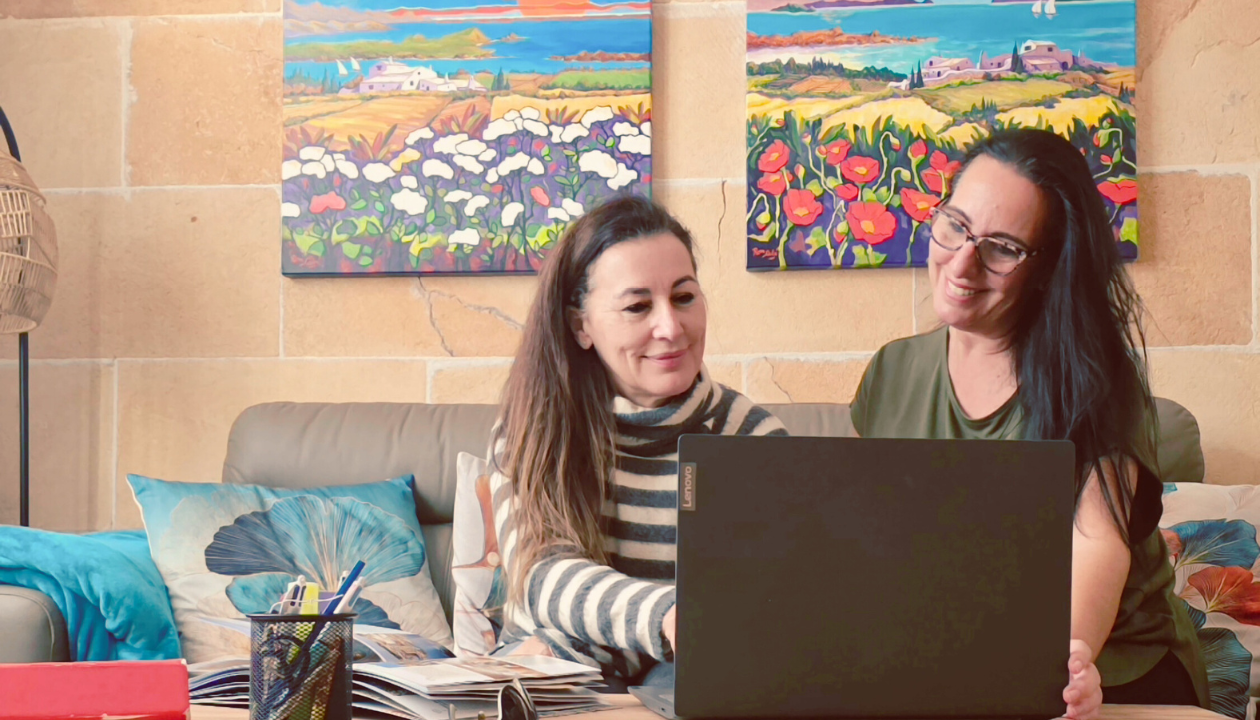
Learn Spanish and experience Menorca in winter with me
If you are thinking about visiting Menorca in the low season and you also want to improve your Spanish, I will be happy to welcome you into my home.
With Spanish Express and our Spanish Homestay Immersion Program (SHIP) in Menorca you can:
- Stay 1 to 4 weeks in my house, in a cosy bedroom with full board
- Study Spanish in personalised lessons in the morning
- Practise during real activities in the afternoon: walks in the old town, visits to Naveta des Tudons, markets in Es Mercadal, coastal hikes, cafés in Es Castell, Christmas lights or Sant Antoni events, depending on the season
- Live the island’s culture, history, art and local products not as a tourist, but as a temporary neighbour
If this sounds like your kind of winter, you can contact Spanish Express through the Menorca page on our website or by email and WhatsApp to ask for dates and details.
I hope this guide has shown you that Menorca in winter is more than just a summer destination in rest. It is a calm, charming, Mediterranean island where you can visit, relax, walk, hiking, learn Spanish and enjoy life at a slower pace.
Contact me directly:
📱 WhatsApp: +44 7903 867894
📧 Email: monicaromero@spanishexpress.co.uk
