

Spain’s tourism industry is booming like never before. The year 2026 is on track to set new records for international visitors, cementing Spain’s status as one of the world’s top travel destinations. This surge is mainly driven by American and European travellers, especially from the United Kingdom, France, and Germany, flocking to enjoy Spain’s sunshine, rich culture, and diverse attractions.
From iconic Spanish cities to idyllic islands, tourists are arriving in droves and spending more than ever, giving a major boost to the Spanish economy. Yet amid this record tourism boom, not everyone is celebrating. In some areas, locals have grown wary of the crowds, and anti-tourism protests have erupted over concerns like housing costs and quality of life. Spain’s challenge now is balancing the economic benefits of a thriving tourism sector with sustainable practices that address these concerns.

Key Aspects of Spain’s Tourism
Economic Contribution:
Tourism is a cornerstone of Spain’s economy and a significant source of income and jobs. In 2024, travel and tourism contributed around 15–16% of the country’s GDP. Foreign and domestic tourists collectively spent well over €100 billion in Spain last year, benefiting businesses from hotels and resorts to restaurants and tour operators. This robust sector supports roughly 3 million jobs (about 14% of national employment) and continues to grow.
Record Visitor Numbers:
Spain consistently ranks among the world’s most visited countries (the world travel industry places it second globally, after France). After eight consecutive record-breaking years up to 2019, Spanish tourism is again reaching new heights post-pandemic. 2024 saw about 94 million international arrivals, and 2025 is poised to hit yet another all-time high projections suggest as many as 100 million visitors by year’s end. The peak summer months are especially busy: in July and August 2025 alone, Spain welcomed 22.3 million foreign visitors, beating the previous summer record. Major Spanish airports like Madrid-Barajas and Barcelona-El Prat have been handling unprecedented traffic to accommodate this influx. These visitors are not only coming in greater numbers, but they’re also staying longer and exploring further than before. Spain’s ability to continually attract record crowds underscores its enduring appeal as a travel haven.
Primary Visitor Countries:
The bulk of international tourists in Spain hail from European neighbors. The United Kingdom remains the lead source of foreign visitors, accounting for roughly 18–20% of all arrivals (about 18.4 million British travelers in 2024). France and Germany follow as the next biggest markets, each contributing around 13–14% of visitors. In the first half of 2025, Britons, French, and German tourists were again the top groups driving the boom. These three countries alone make up almost half of Spain’s foreign tourist traffic.
Other important markets include the Netherlands, Belgium, Italy and the United States, which have all seen rising numbers. Not to be overlooked, domestic tourists (Spaniards vacationing within Spain) also play a key role, comprising a significant share of hotel nights and spending. However, the growth is largely fueled by travelers from abroad, thanks in part to the European Union’s open borders easing movement across Europe. With abundant flights from cities like London and Berlin, and package holidays targeting Brits and other Europeans, Spain remains a favorite holiday destination for millions across the continent. There is even a growing push to court new long-haul markets like the USA and China to diversify the visitor mix further.
Diverse Destinations
Part of Spain’s tourism success lies in its incredible geographic and cultural diversity there are many destinations within the country catering to virtually every travel interest:
- Major Cities:
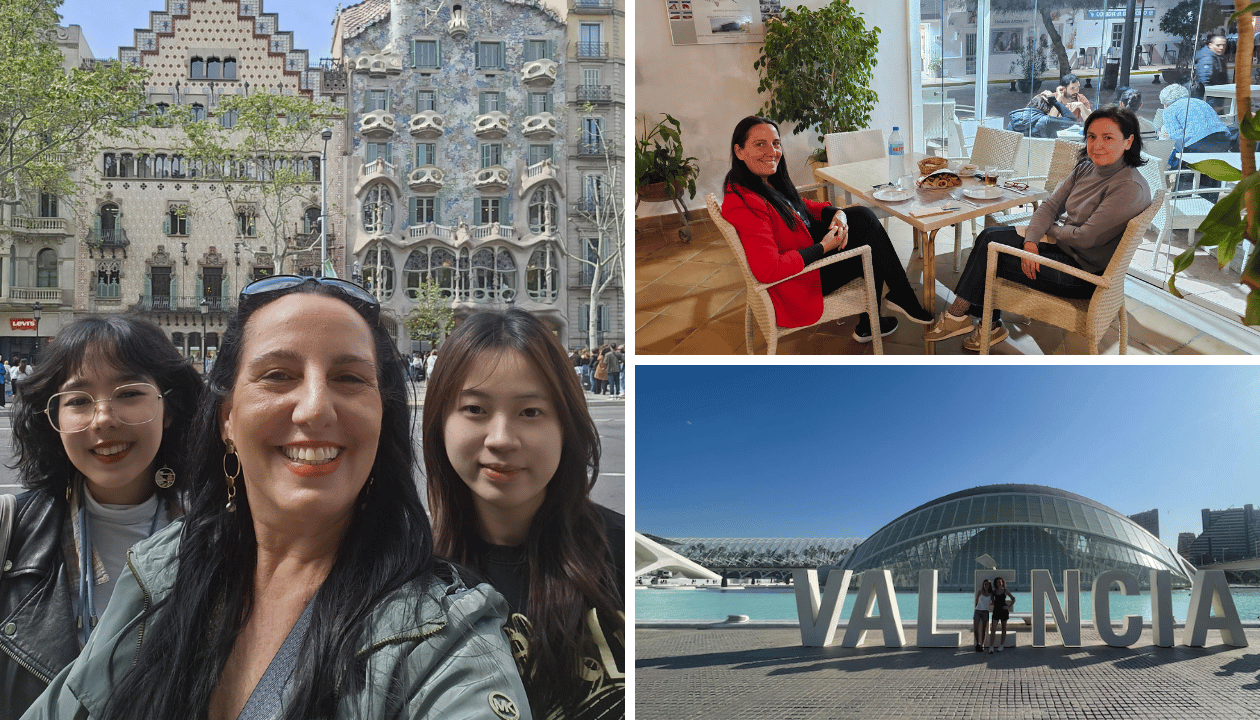
Spain’s cities are a huge draw for cultural and urban tourism. Madrid, the capital, offers world-class art museums (like the Prado and Reina Sofía), historic royal palaces, and a thriving food scene. Barcelona dazzles visitors with Gaudí’s unique architecture (the Sagrada Família, Park Güell), vibrant nightlife, and Mediterranean charm. Seville, in the south, charms travelers with its flamenco heritage, majestic cathedral and Alcázar palace, and lively street life. Other cities such as Valencia (home of the futuristic City of Arts and Sciences and the birthplace of paella) and Málaga (a revitalized port city with the Picasso Museum and trendy galleries), add to the urban appeal. Even smaller cities like San Sebastián in the north, known for its beaches and Michelin-starred restaurants, or Santiago de Compostela in Galicia, famous for the Camino pilgrimage route and its UNESCO-listed old town, showcase the rich tapestry of Spanish urban destinations.
- Coastal and Island Resorts:
Spain’s long coastline and island territories are synonymous with sun-and-sea vacations. On the Mediterranean Sea, the Costa del Sol in southern Spain and the Costa Blanca in eastern Spain boast dozens of resort towns packed with hotels and beachside promenades. Classic beach havens like Benidorm, Marbella, and Lloret de Mar swell with crowds in summer, as tourists soak up the sun and nightlife.
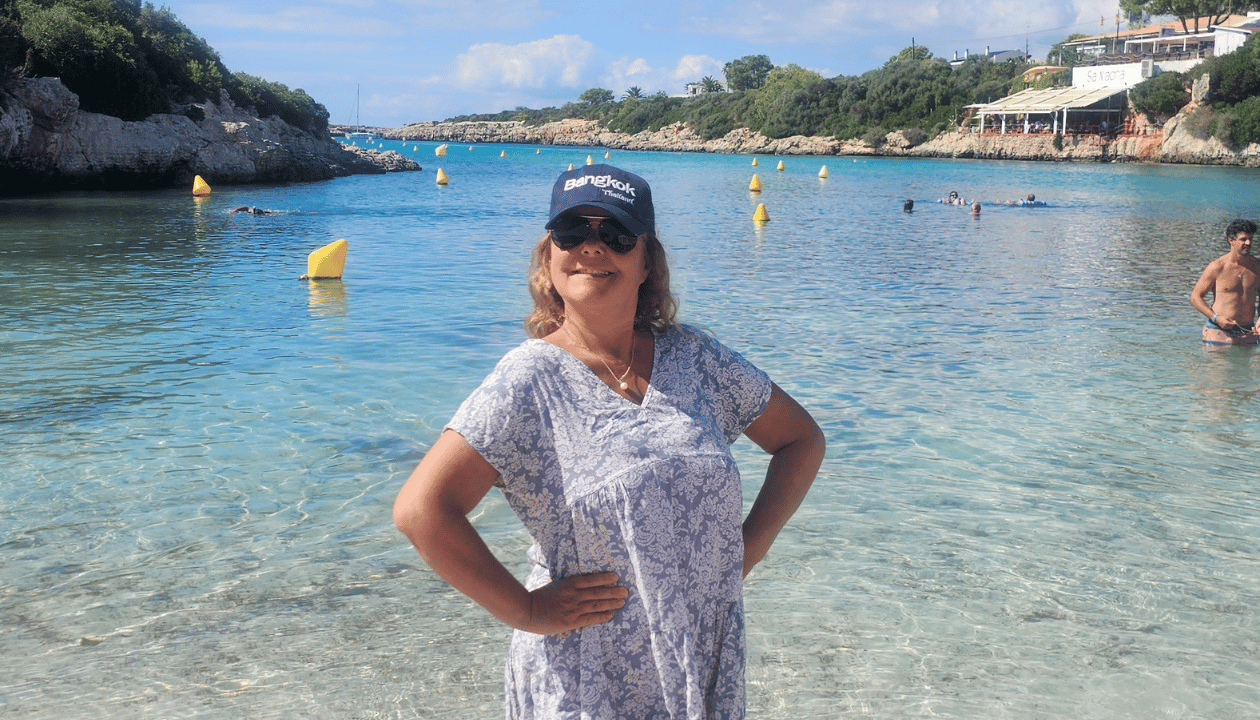
The Balearic Islands, especially Mallorca (Majorca) and Ibiza, are legendary resort destinations, each with its own vibe. Mallorca, the largest Balearic island, is a long-time favourite haven for British and German sun-seekers, offering everything from family-friendly beaches to hiking in the Tramuntana mountains. Its capital, Palma de Mallorca, combines historic charm with busy marinas and a buzzing cafe scene. Ibiza is world-famous for clubbing and DJs, though it also has quiet towns and wellness retreats. Menorca, the most serene of the Balearics, enchants visitors with its noble palaces, ancient megalithic monuments, and crystal-clear coves. Rich in history and natural beauty, it offers a peaceful escape steeped in culture and timeless charm.
Over in the Atlantic, the Canary Islands (Tenerife, Gran Canaria, Lanzarote, Fuerteventura, etc.) provide a year-round paradise thanks to their subtropical climate. These islands feature volcanic landscapes, lush forests, and extensive resorts, a magnet for winter sun travelers and European retirees. In fact, the Canaries hosted over seven times their resident population in tourists in 2023, highlighting their prominence. Whether it’s sailing in Mallorca, partying in Ibiza, or basking on a Tenerife beach in January, Spain’s islands and coastal areas offer sun and fun in all seasons.
- Historical & Cultural Sites:
Beyond the cities and beaches, Spain is overflowing with cultural treasures and UNESCO World Heritage Sites. The country boasts 49 UNESCO World Heritage sites, one of the highest numbers in the world reflecting its long history and regional variety. Travelers can explore Moorish palaces like the Alhambra in Granada or the Real Alcázar of Seville, marvel at the Gothic grandeur of Burgos Cathedral, or walk atop the ancient Roman aqueduct in Segovia. Spain’s museums are second to none, from Madrid’s Prado (with masterpieces by Goya and Velázquez) to Barcelona’s Picasso Museum.

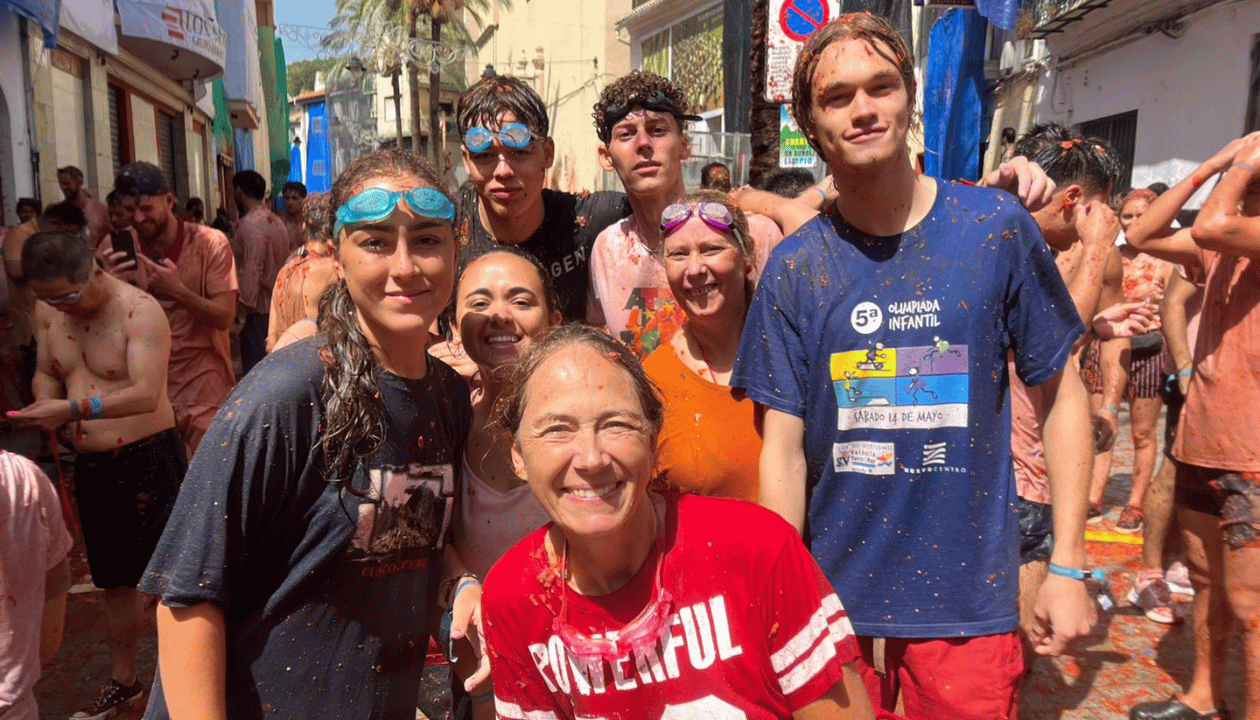
Every region has its unique customs and heritage: visitors might witness the Running of the Bulls in Pamplona, join tomato-throwing at La Tomatina festival in Buñol, or experience the solemn Easter processions in Andalusia. Medieval towns and villages dot the countryside, where local residents proudly maintain traditions in crafts, cuisine, and festivals. For example, a journey along the Camino de Santiago de Compostela offers not just spiritual reward but a tour of rural northern Spain’s landscapes and hospitality. Whether one’s interest is art, architecture, music or food, Spain’s cultural attractions are virtually endless and deeply woven into everyday life.
Current Trends and Challenges
Increased Spending:
International visitors aren’t just coming in larger numbers; they’re also spending more. Spain has seen a notable rise in tourist expenditures in 2025, indicating a shift toward higher-value tourism. The average visitor now spends over €1,315 per trip, with an average daily expenditure of around €209, up about 6% from the previous year. Through the first half of 2025, total spending by foreign tourists reached roughly €60 billion (a 7.5% year-on-year increase), outpacing even the growth in arrivals. In practical terms, this means more business will come in 2026 for local restaurants, shops, and entertainment venues. It’s common to see tourists indulging in Spain’s renowned gastronomy, from tapas tours in Madrid to seafood feasts in Galicia, and contributing to a booming hospitality sector.
Luxury travel is on the uptick as well, with many visitors opting for boutique hotels, guided experiences, and fine dining. This willingness to spend has been a boon to local authorities and businesses alike, as tourism revenue flows into government coffers via taxes and into communities via job creation. Even world travel trends reflect this focus on quality: post-pandemic travelers are prioritizing meaningful experiences and are prepared to pay more for them, benefiting destinations like Spain that offer rich culture and a safe, welcoming environment. The tourism industry in Spain is adapting by improving services and infrastructure from new hotel investments to upgraded Spanish airports to cater to these higher-spending tourists and business travelers attending international events (conferences, festivals, sports finals) hosted in Spanish cities.
Overtourism Concerns:
Despite the economic windfall, the sheer volume of tourists in certain hotspots has sparked a backlash. Overtourism when too many visitors overwhelm a destination has become a buzzword and a real pain point in parts of Spain. In Barcelona, Palma de Mallorca, and other popular locales, locals have voiced growing frustration with congested streets, crowded beaches, and the transformation of neighborhoods into tourist quarters. The summer of 2024 saw large protests as residents demanded relief from mass tourism. For example, in July 2024, about 28,00 people marched in Barcelona to protest the displacement of local businesses by tourist-oriented shops and tourism. Similar demonstrations took place in Palma (Mallorca) that month, where protesters called for limits on both air travel and cruise ships entering the island. By 2025, activism had only intensified.
In June 2025, coordinated anti-tourism protests made international headlines when activists in Barcelona and Mallorca used water pistols to playfully spray tourists, symbolizing locals’ irritation and drawing attention to a mounting housing crisis. Their message: unchecked tourism is fueling skyrocketing rents and “erasing the character” of their hometowns. In fact, lifelong residents in central Barcelona and Palma have seen many of their apartments converted into lucrative short-term rentals for tourists, pricing out young locals. Protesters bearing banners reading “Tourists go home” and “One more tourist, one less resident” have become a common sight on summer weekends. Beyond the big cities, famous landmarks are straining under crowds, think of Gaudí’s Park Güell or Mallorca’s Caló des Moro beach, sometimes prompting authorities to impose entry caps or reservation systems.

The discontent isn’t limited to Spain alone; it’s part of a wider phenomenon across Southern Europe. On that same June 2025 weekend, rallies against overtourism also took place in Italy (Venice) and Portugal (Lisbon) in a show of solidarity. Within Spain, other destinations like Granada, Ibiza, and even the Basque city of San Sebastián have seen residents protest the impacts of mass tourism. Key grievances include noise, litter, strain on public services, and the feeling that historic city centers are turning into “theme parks” for visitors. Perhaps the most critical issue is housing: popular areas have experienced a housing crisis as landlords prefer short-term tourist rentals (Airbnb-style) over long-term tenants, causing rents to soar beyond what many locals can afford. The overall quality of life is perceived to be declining in these communities, even as their cities grow wealthier from tourism. This tension between tourists and locals has pushed local authorities to act.
Barcelona, for instance, has tightened regulation of holiday apartments and even removed a famous tourist bus route from Google Maps to reduce overcrowding in one neighbourhood. The Balearic Islands’ government reached agreements to cap cruise ship arrivals in Palma’s port per day, and island authorities levy a sustainable tourism tax to fund environmental projects.

In the Canary Islands, where tourism dominates the economy, as many as 60,000 people rallied in April 2024 under the slogan “The Canary Islands have a limit”, urging steps to curb excess tourism and protect their communities. The rise in these protests signals a clear plea: Spain must adopt a more sustainable and balanced approach, allowing visitors and residents to coexist without overwhelming or displacing locals. It’s a classic good problem to have too much success, but a problem that Spanish society and policymakers are taking seriously.
Regional Disparities:
While the overall tourism numbers are surging, not all parts of Spain are sharing equally in the boom. Some regions are experiencing a plateau or even a dip in visitor numbers due to varying market conditions. A notable example is the Costa del Sol (the coastline around Malaga in Andalusia, southern Spain), traditionally one of the country’s tourism powerhouses. For the first time since the pandemic, the Costa del Sol saw a decline in tourism in early 2025. Figures through May showed fewer total visitors and overnight stays compared to the previous year, causing concern in the local hospitality sector. This decline was driven primarily by a drop in domestic tourists. Spanish holidaymakers tightened their belts amid economic uncertainty and chose not to travel as much.
There was also a slight dip in some key international markets to the Costa del Sol (visitors from Germany, France, Scandinavia, etc., were down a few percentage points). Local hoteliers point to various factors behind this slowdown: global geopolitical events and economic jitters have made travelers more cautious, while rising prices (airfares, accommodation) might be deterring budget-conscious families. Essentially, “uncertainty is the worst travelling companion,” as one regional tourism leader put it, noting that events like war in Ukraine or higher living costs can curb travel appetite.
In contrast, other destinations are still riding high. The Canary Islands and Balearic Islands, for example, have continued to see strong bookings and spending, partly because they attract more foreign visitors who have kept traveling even as Spaniards cut back. The eastern Spain coast (e.g. the Valencia region and Catalonia) also fared better, buoyed by international tourists and perhaps a rebound in festivals and events. These disparities highlight that Spain’s tourism boom isn’t monolithic; it depends on the traveler mix and type of destination. Mature coastal resorts heavily dependent on the Spanish market felt the pinch when Spaniards traveled less, whereas areas popular with Britons, Germans, and other foreigners saw growth.
Interestingly, Malaga Airport still recorded high passenger volumes, suggesting many travelers passed through to other destinations even as the Costa del Sol itself saw fewer hotel nights. This has prompted some introspection in regions like Andalusia: how can they diversify their appeal and better market themselves to overseas visitors to avoid future slumps? Overall, despite a few soft spots, Spain’s tourism map in 2025 is largely positive but the divergence reminds us that local conditions and traveler trends can significantly impact specific areas.
Anti-Tourism Sentiments
Over the past two years, anti-tourism protests have become a defining feature in some of Spain’s most popular destinations. In cities like Barcelona, Palma de Mallorca, and Alicante, residents have taken to the streets to voice their frustration over the impact of overtourism on daily life. The peak summer months, especially August, have seen the largest demonstrations, with locals decrying rising housing costs, crowded public spaces, and a perceived decline in quality of life. In Palma de Mallorca, banners and marches have become a common sight, while in Barcelona, the protests have been particularly vocal, targeting the transformation of neighborhoods into tourist hotspots.
These anti-tourism protests have had tangible effects on the tourism industry. Some resorts and hospitality businesses have reported quieter-than-usual summers, with certain areas described as “completely dead” compared to previous years. The drop in visitors has been especially noticeable in regions where the protests have been most intense, as both international tourists and domestic travelers reconsider their plans.
In response, local authorities have implemented a range of measures to manage the crowds and address residents’ concerns. Alicante, for example, introduced a midnight curfew in popular nightlife zones, while Barcelona imposed a ban on organized pub crawls during August to reduce late-night disturbances. These restrictions aim to restore a sense of balance between visitors and residents, ensuring that tourism remains a benefit rather than a burden.

Recognizing the need for a new approach, the Spanish Tourist Office in London has launched campaigns to promote sustainable tourism and encourage travelers to explore lesser-known regions of Spain. By highlighting destinations beyond the usual hotspots and advocating for travel outside the peak summer months, these initiatives seek to spread the benefits of tourism more evenly and reduce pressure on overcrowded cities. Community-led movements, such as “Teruel Existe,” have also gained momentum, empowering residents to advocate for their regions and demand a more sustainable, high-quality tourism model. As Spain navigates these challenges, the voices of residents and the actions of local authorities are shaping the future of tourism in the country’s most beloved destinations.
Sustainable Tourism Practices
As Spain’s tourism sector continues to thrive, the push for sustainable tourism practices has never been more urgent. The tourism industry, together with local authorities and the Spanish economy’s key stakeholders, is embracing a range of initiatives to ensure that the country’s natural beauty and cultural heritage are preserved for future generations. In the Balearic Islands, for example, a sustainable tourism tax is levied on visitors, with the funds directed toward environmental protection and community projects. The Canary Islands have also introduced measures to limit the number of cruise ships docking in their ports, helping to protect fragile coastal areas and maintain the quality of life for residents.
Eco-friendly hotels and resorts are gaining popularity across many destinations, with green certifications and energy-saving technologies becoming standard in new developments. Rural tourism is being actively promoted as a way to disperse visitors away from crowded hotspots and support the economies of lesser-known regions. In areas like the Sierra Nevada and eastern Spain, travelers are encouraged to explore local traditions, enjoy nature responsibly, and contribute to the preservation of unique landscapes.
The Spanish tourism industry is also investing in education and awareness campaigns, encouraging both visitors and businesses to adopt sustainable practices. From reducing single-use plastics in hotels to supporting local food producers in restaurants, the focus is on quality over quantity. By prioritizing sustainability, Spain aims to remain a world-class destination while safeguarding the very resources that make it so special.
Community Engagement
Community engagement is at the heart of Spain’s evolving approach to tourism. Local authorities and residents in Spanish cities, towns, and rural regions are increasingly involved in shaping tourism policies and ensuring that the benefits of the sector are shared widely. In many regions, community-driven projects and local festivals are being promoted as authentic attractions, allowing visitors to experience the true customs and culture of each destination.
Residents are participating in decision-making processes, from planning new attractions to setting guidelines for short-term rentals. This collaborative approach helps maintain the unique character of each region and ensures that tourism growth does not come at the expense of local quality of life. In cities like San Sebastián and Santiago de Compostela, efforts to preserve cultural heritage and support local businesses are central to tourism strategies.
By fostering strong partnerships between locals, businesses, and authorities, Spain is building a tourism model that values both visitors and residents. This focus on community engagement not only enhances the visitor experience but also strengthens the social fabric of the country’s most popular destinations.

Technology and Innovation
Spain is leveraging technology and innovation to address the challenges and opportunities of its booming tourism sector. Smart city initiatives in destinations like Barcelona and Madrid use real-time data to manage visitor flows, reduce congestion, and enhance the overall quality of the tourist experience. Digital reservation systems for popular attractions, such as UNESCO World Heritage Sites, help control crowds and protect sensitive sites from overuse.
Spanish airports are investing in advanced technologies to streamline arrivals and departures, making travel more efficient for millions of international tourists. Hotels and resorts are adopting digital check-in, contactless payments, and personalized guest services to improve comfort and safety. In addition, mobile apps and online platforms provide up-to-date information on local events, transportation, and attractions, empowering visitors to plan their trips more effectively.
These innovations are not only improving the quality of tourism in Spain but also supporting the business sector and local authorities in their efforts to create a more sustainable and resilient tourism industry. By embracing new technologies, Spain is setting a standard for other destinations around the world.
Crisis Management
The resilience of Spain’s tourism industry has been tested by recent global events, from the COVID-19 pandemic to economic uncertainties and natural disasters. In response, the sector has developed robust crisis management strategies to protect the Spanish economy and ensure the long-term health of the tourism sector. Flexible booking policies, enhanced health and safety protocols, and rapid response plans have become standard practice for hotels, airlines, and tour operators.
Local authorities and businesses have worked together to support affected workers and communities, providing financial assistance and retraining opportunities where needed. Lessons learned from past crises have informed new contingency plans, enabling destinations to adapt quickly to changing circumstances and minimize disruptions.
Spain’s commitment to crisis management extends to environmental risks as well, with proactive measures in place to address issues like wildfires, droughts, and coastal erosion. By prioritizing preparedness and adaptability, Spain is ensuring that its tourism industry remains a pillar of the national economy and a model of quality and resilience for the world.
Discover Spain — An Unmatched Destination for Every Traveler
In conclusion, Spain in 2025 exemplified the highs and lows of a thriving tourism destination. The country is enjoying an era of unprecedented success, and a record number of people from around the globe are coming to enjoy its beaches, cities, and cultural wonders, spending liberally and powering the economy. Few places in the world can match Spain’s breadth of destinations and experiences, from the Balearic Islands to the Pyrenees. Yet with this success comes the responsibility to manage it wisely. The recent protests and regional challenges serve as a reminder that tourism must be developed thoughtfully, with respect for those who call these destinations home.
Spain’s approach, leveraging its status as a tourism haven while instituting measures to combat excesses, may well become a model for other countries facing similar issues. Suppose it can strike the right balance between growth and sustainability. In that case, Spain’s tourism industry will continue to thrive for decades to come, to the benefit of visitors, businesses, and citizens alike.
Spain’s record tourism boom is a story of both celebration and caution: an example of how a country can lead in the global travel scene, and a case study in how to keep that success from undermining itself. With mindful planning and cooperation between locals, officials, and the travel industry, Spain is moving toward a future where tourism remains a blessing, not a burden, ensuring this beautiful country stays as welcoming and wonderful as ever for everyone who comes to visit.
Learn Spanish Where You Travel: Pick Your City, Live With Your Teacher
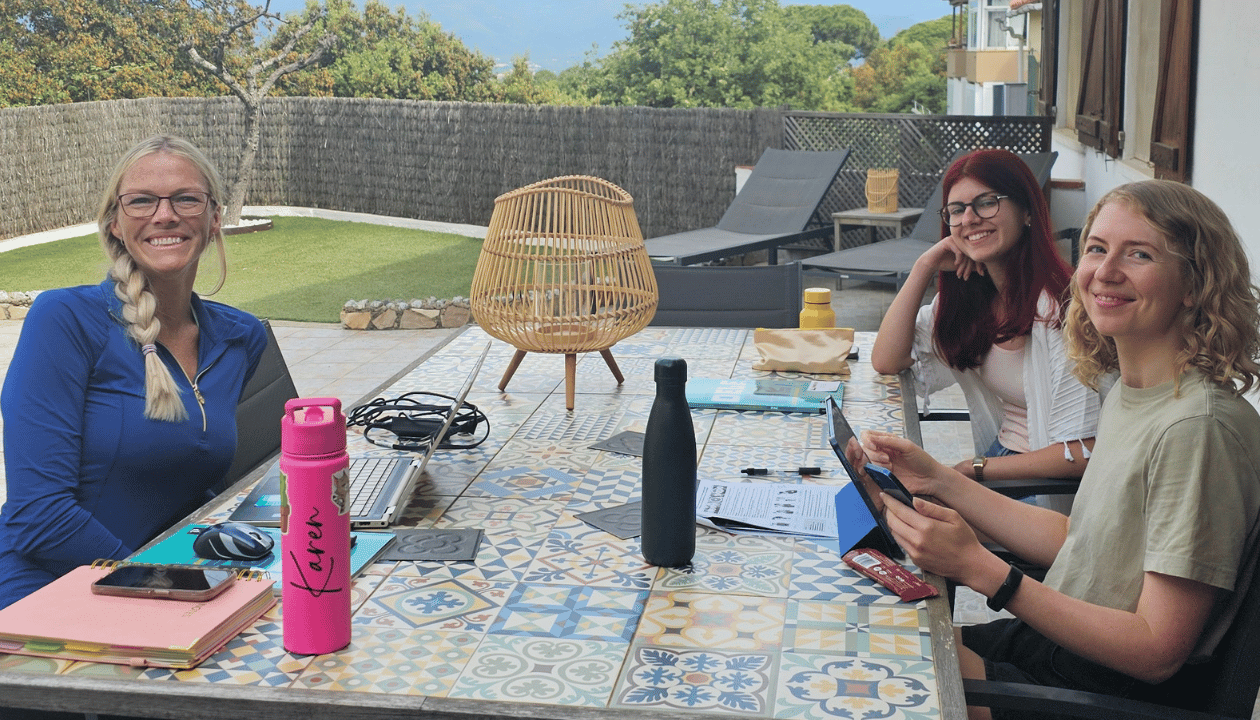
Spain’s buzzing, so why just pass through? With our Spanish Homestay Immersion Program (SHIP), you can spend 1–4 weeks living inside your teacher’s home, learning Spanish every day while experiencing real local life.

Choose your setting and vibe: Barcelona (art & sea), Burgos(Gothic grandeur), Cádiz (sunny Atlantic charm), Extremadura (slow travel & heritage), Menorca (crystal coves & calm), Sevilla (flamenco soul), or Valencia (future-meets-tradition). Expect personalized lessons, cultural outings, home-cooked meals, and meaningful conversations that make the language stick, all with a light footprint that supports local communities.
You can explore more real immersion experiences here:
👉 SHIP Stories of Our Previous Students
For personalised guidance and programme details, you can contact our founder directly:
Mónica Romero
Founder and Director, Spanish Express
📞 Phone / WhatsApp: +44 7903 867 894
📧 Email: monicaromero@spanishexpress.co.uk
