

When students search for Spanish courses in Spain, they often find themselves comparing countless Spanish language schools, intensive classroom programs, and traditional language courses. But real fluency rarely comes from sitting in a classroom with many other international students.
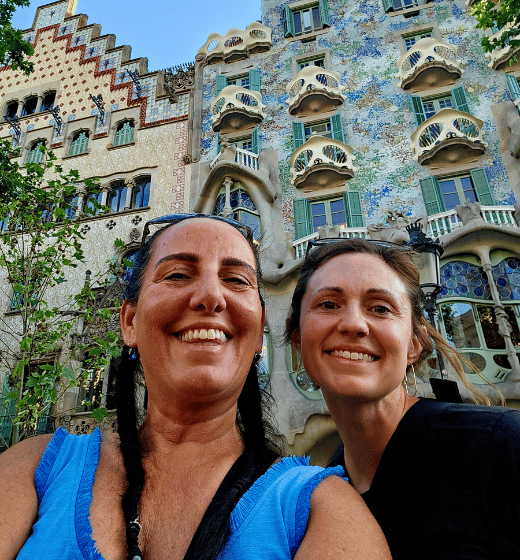
Sarah’s experience shows why the best Spanish immersion in Barcelona and Valencia is not a traditional language school, but something far more personal. Barcelona, in particular, is a beautiful city with vibrant streets, stunning architecture, and a lively atmosphere that makes the immersion experience truly unforgettable.
For two weeks, Sarah didn’t just study Spanish. She lived it — first in Dosrius, near Barcelona city center, through our Spanish Homestay Immersion Program (SHIP), and then in Gilet, a 20-minute ride to Valencia city center, continuing her journey in another teacher’s home.
This is her story, and a clear example of how immersive language learning works when teaching Spanish happens where real life happens.
Why Most Spanish Courses Don’t Create Real Fluency
There are many language schools across Spain offering Spanish classes, intensive Spanish courses, and short-term language courses. While these programs work for some students, they often share common limitations:
• Fixed classroom schedules
• Group lessons with other foreign students
• Limited daily exposure to native Spanish speakers
• Spanish is spoken mainly during class hours
• Little connection between grammar and real life
Many traditional schools use a placement test to assign students to the appropriate level, but they may not always provide the flexibility or challenge that advanced learners need.
Even the best language schools still separate learning from living.
Sarah wanted something different. She didn’t want to simply attend Spanish classes — she wanted to speak Spanish confidently in real situations.
Spanish Express: Not a Traditional Spanish School
Spanish Express is not a classical Spanish school or a traditional language school.
We do not operate like other Spanish language schools in Barcelona or Valencia.
Instead, we offer a Spanish Homestay Immersion Program (SHIP) where:
• You live inside your teacher’s home
• Your Spanish teachers become part of your daily life
• Spanish lessons happen at home and everywhere else
• Teaching Spanish is connected to meals, walks, trips, and conversations
• Language learning continues all day, not just in class
By living with a local host—a Spanish-speaking family—you benefit from constant immersion and important conversational practice outside the classroom. Staying with a local family can greatly enhance your immersion experience, and our program is available year-round, giving you the flexibility to start whenever it suits you.
This teaching method is designed for students who want real fluency, not just textbook knowledge.
Week 1: Studying Spanish in Dosrius with a Host Teacher
Sarah began her immersion near Barcelona, in the peaceful village of Dosrius. Living outside the busy city allowed her to focus fully on studying Spanish while still exploring Catalonia.
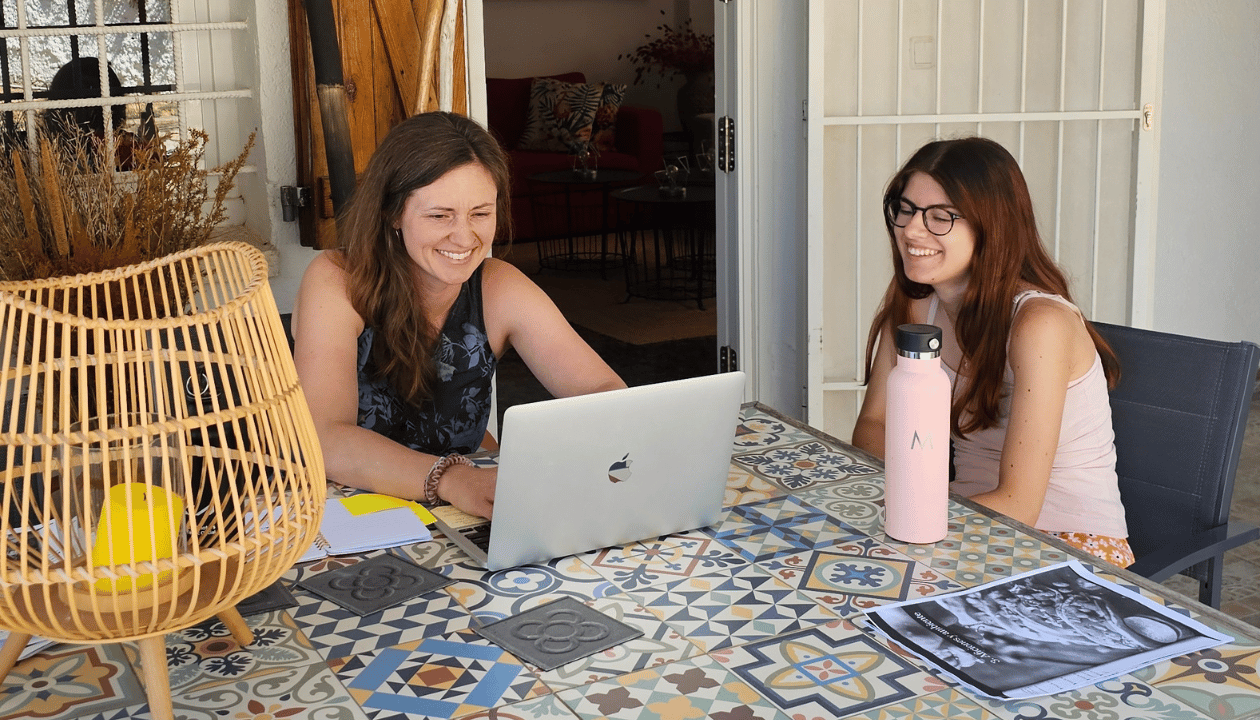
Daily Spanish Classes at Home
Each weekday followed a structured yet natural rhythm, with Spanish lessons held at home alongside her host teacher.
These were private lessons, fully adapted to Sarah’s level and goals. Her Spanish classes focused on:
• Present, past, future, and conditional verb tenses
• Reading comprehension
• Writing practice
• Sentence structure
• Pronunciation
• Everyday conversational Spanish
Unlike group Spanish courses, these classes consisted of one-to-one teaching, allowing immediate correction and personalized feedback.
Sarah wasn’t one of many Spanish students in a classroom. She was the focus!
Learning with Native Spanish Speakers Every Day
A major advantage of our Spanish immersion approach is constant interaction with native Spanish speakers.
Sarah didn’t only learn Spanish during lessons. She practiced Spanish:
• During meals
• While walking through the village
• On excursions
• During informal conversations
• While asking questions naturally
This constant exposure is essential for mastering any foreign language.
Support from a Teacher Assistant: Learning Spanish from More Than One Voice
During her week in Dosrius, Sarah was supported by Lydia, the teacher’s assistant. Lydia joined some lessons and guided several excursions, reinforcing vocabulary and grammar naturally throughout the day.
Hearing Spanish from multiple speakers improved Sarah’s listening skills and confidence — something many language schools struggle to provide.
Cultural Immersion: Spanish Beyond the Classroom
True Spanish immersion requires more than grammar exercises.
Sarah’s program included daily cultural immersion activities, helping her connect the Spanish language with real experiences. Weekly activities, such as excursions and cultural events, are a key part of immersion programs in Barcelona and Valencia. These weekly activities not only deepen language understanding but also help students connect with the local culture and people.

Educational Tour of Dosrius
During the educational tour of Dosrius, Sarah explored local landmarks, village history, and the surrounding natural environment while actively practicing Spanish. This experience combined language learning with cultural immersion, making the lesson both meaningful and memorable.
While walking through the village, Sarah practiced descriptive Spanish, learning how to describe landscapes, buildings, and everyday village life. In addition, she improved her conversational Spanish by asking questions, expressing opinions, and interacting naturally in real-life situations.
Because the lesson took place outside the classroom, Sarah was able to connect vocabulary and grammar with real experiences. As a result, her confidence and fluency increased. This type of immersive learning reinforces classroom lessons and helps students understand how Spanish is used in daily life.
Overall, the Dosrius tour offered a balanced mix of Spanish practice, cultural discovery, and nature-based learning, supporting a deeper and more authentic language experience.
Mataró City Tour
During her Mataró city tour, Sarah experienced everyday Spanish life while discovering the city’s cultural and historical landmarks. This guided visit helped her practice Spanish outside the classroom in a real-life setting.
One of the highlights was a visit to Nau Gaudí in Mataró, one of Antoni Gaudí’s earliest architectural works. Here, Sarah learned about Catalan architecture, history, and art while expanding her Spanish vocabulary related to culture and design.
Later, we visited the Can Serra Museum of Mataró, where Sarah was fascinated by the local tradition of Correfocs. She was surprised to learn about this unique Catalan festival, known for its fire, music, and energetic street performances, which play an important role in local celebrations.
This cultural experience allowed Sarah to immerse herself in Spanish culture, improve her listening skills, and better understand daily life in Spain.
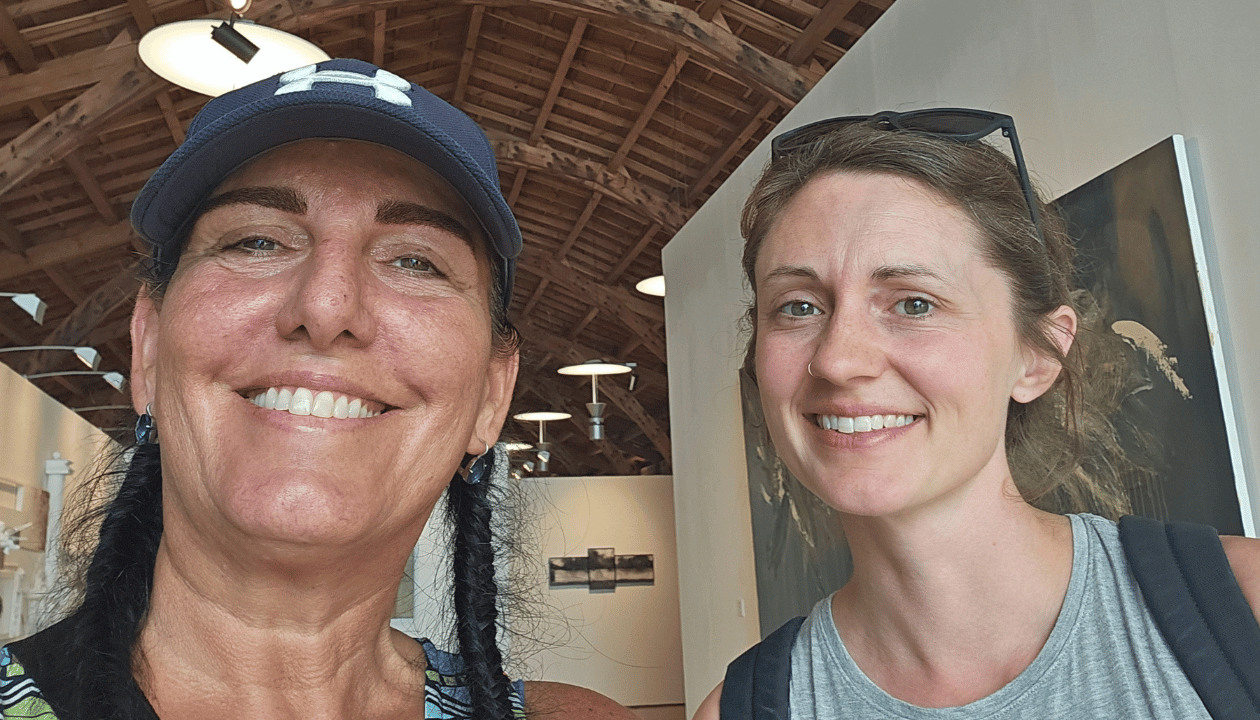
Argentona Excursion
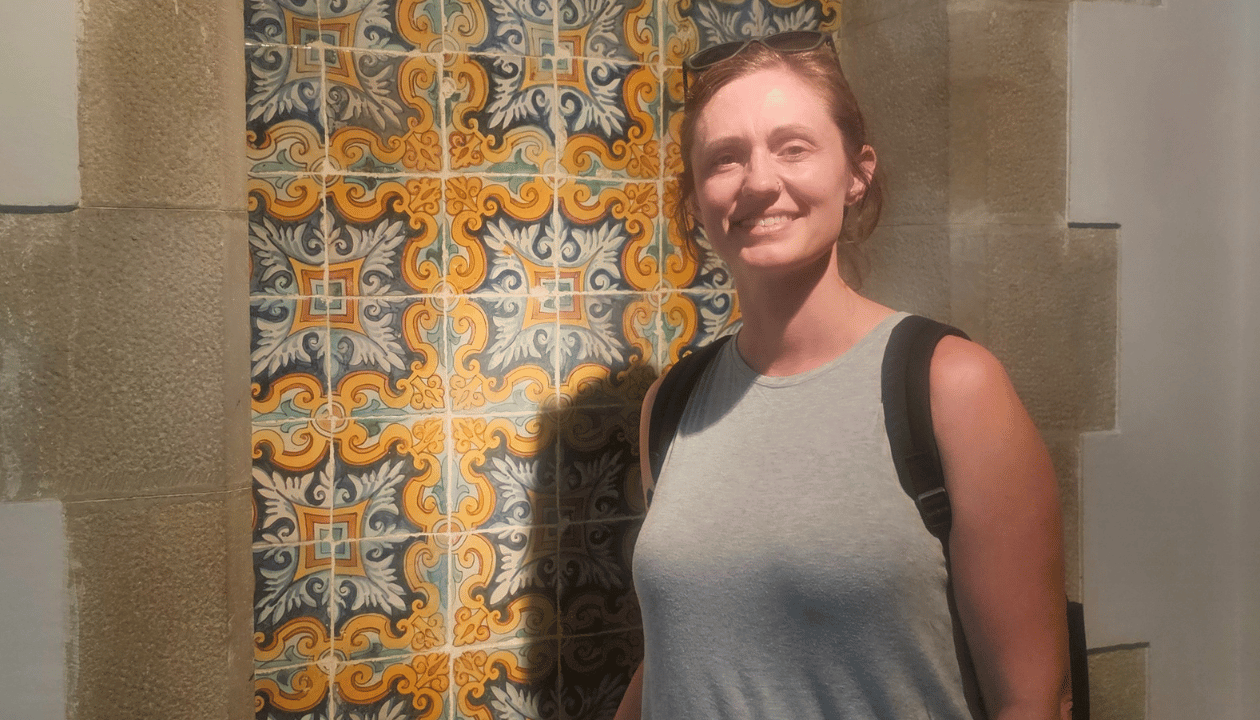
During the Argentona excursion, Sarah discovered the town’s rich pottery traditions and historic sites while continuing to develop her Spanish language skills. This cultural visit provided a practical way to learn Spanish through local heritage and everyday interaction.
As she explored Argentona, Sarah learned new cultural vocabulary related to pottery, crafts, and traditional Spanish life. At the same time, she practiced conversational Spanish, asking questions, describing objects, and discussing what she observed. These real-life situations helped her feel more confident speaking Spanish outside the classroom.
Because the excursion focused on authentic cultural experiences, Sarah was able to connect language with tradition and history. As a result, her listening skills, vocabulary, and speaking confidence improved naturally.
Overall, the Argentona excursion combined Spanish learning, cultural immersion, and hands-on discovery, creating a meaningful and engaging language experience.
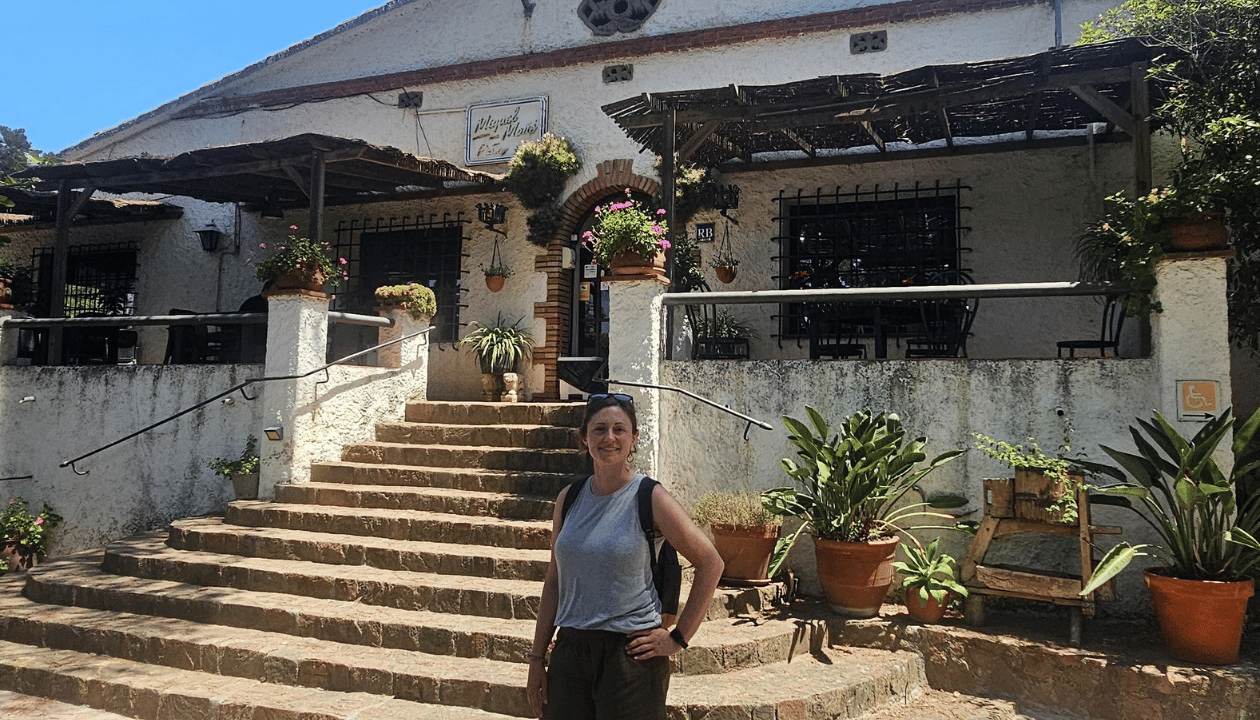
Barcelona City Centre
Sarah and I traveled by train to central Barcelona, a comfortable 45-minute journey from home. This day trip offered an excellent opportunity to experience the city while practicing Spanish in authentic, everyday situations.
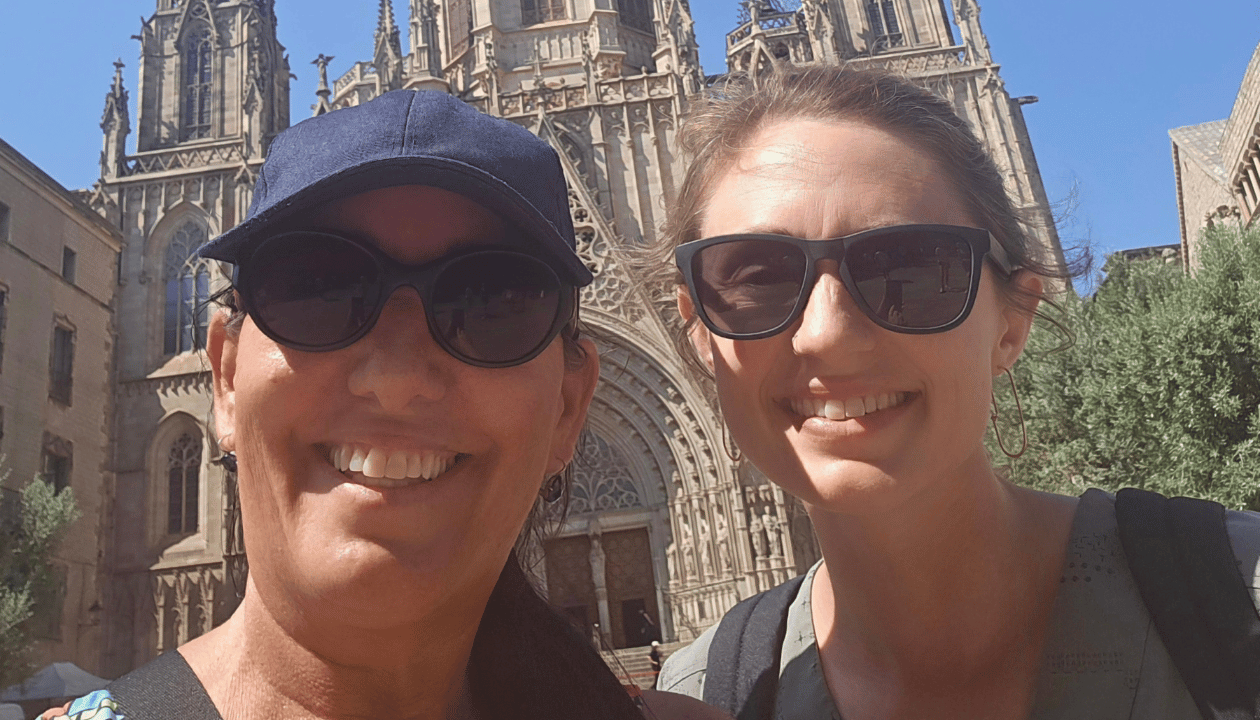
We visited the iconic La Sagrada Familia, where Sarah expanded her cultural and architectural vocabulary while discussing history and design in Spanish. Many language schools in Barcelona offer excursions to the city center; however, this visit was personalized and flexible, reflecting real cultural life rather than a fixed group schedule.
During the day, Sarah explored the Gothic Quarter and Cathedral, Las Ramblas, and local markets, interacting with shopkeepers and observing daily life. In the evening, she enjoyed dinner at Barcelona’s oldest restaurant, using Spanish confidently in a real social setting.
This immersive experience helped Sarah improve her conversational Spanish, listening skills, and cultural understanding. Learning Spanish in Barcelona through real-life interaction allowed her to gain confidence and apply classroom knowledge naturally.
Catalan Culture and Language Awareness
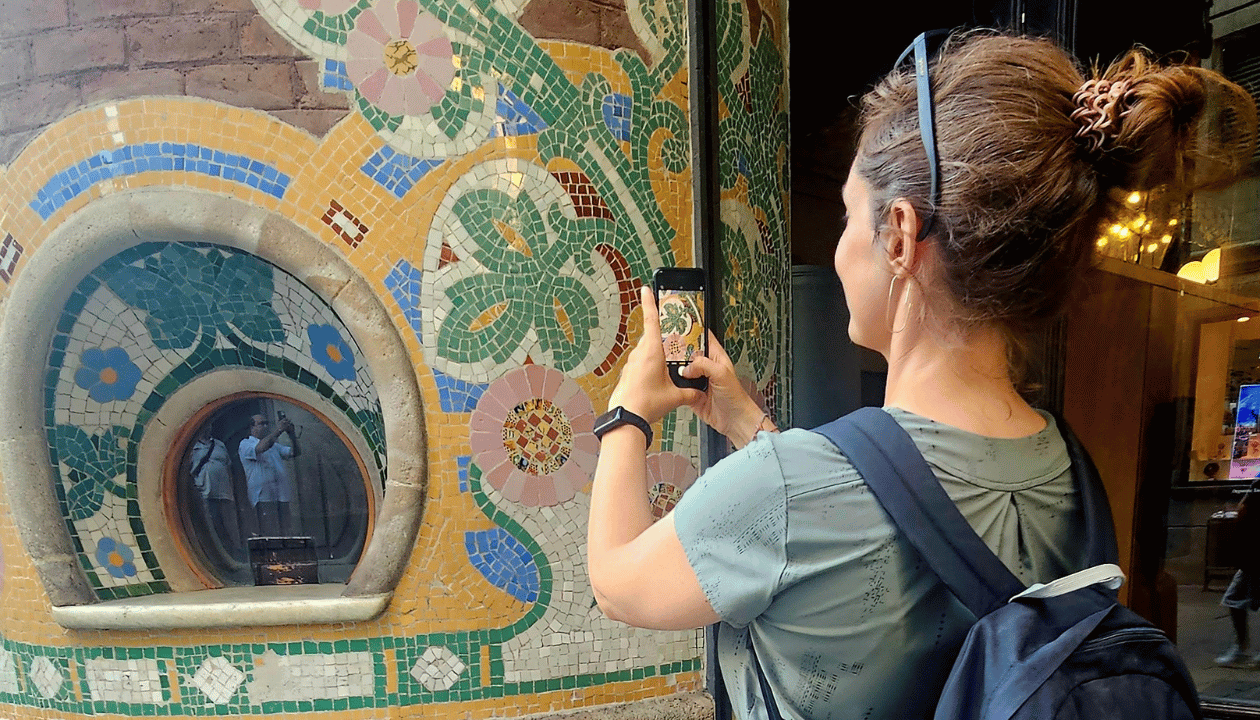
Barcelona is a bilingual city with two official languages: Spanish and Catalan. The city and the wider Catalonia region are known for their unique culture, with distinct language, traditions, and a strong regional identity. Despite the presence of Catalan, the majority of residents in Barcelona use Spanish as their main language in daily life. Like Barcelona, other regions of Spain have their own co-official languages, such as Galician in Galicia and Basque in the Basque Country, contributing to the country’s rich linguistic diversity.
While Sarah primarily focused on Spanish in Barcelona, she also learned when locals speak Catalan and how both languages coexist. This cultural understanding is essential for students studying Spanish in Catalonia.
The Caganer: Learning Culture Through Humor
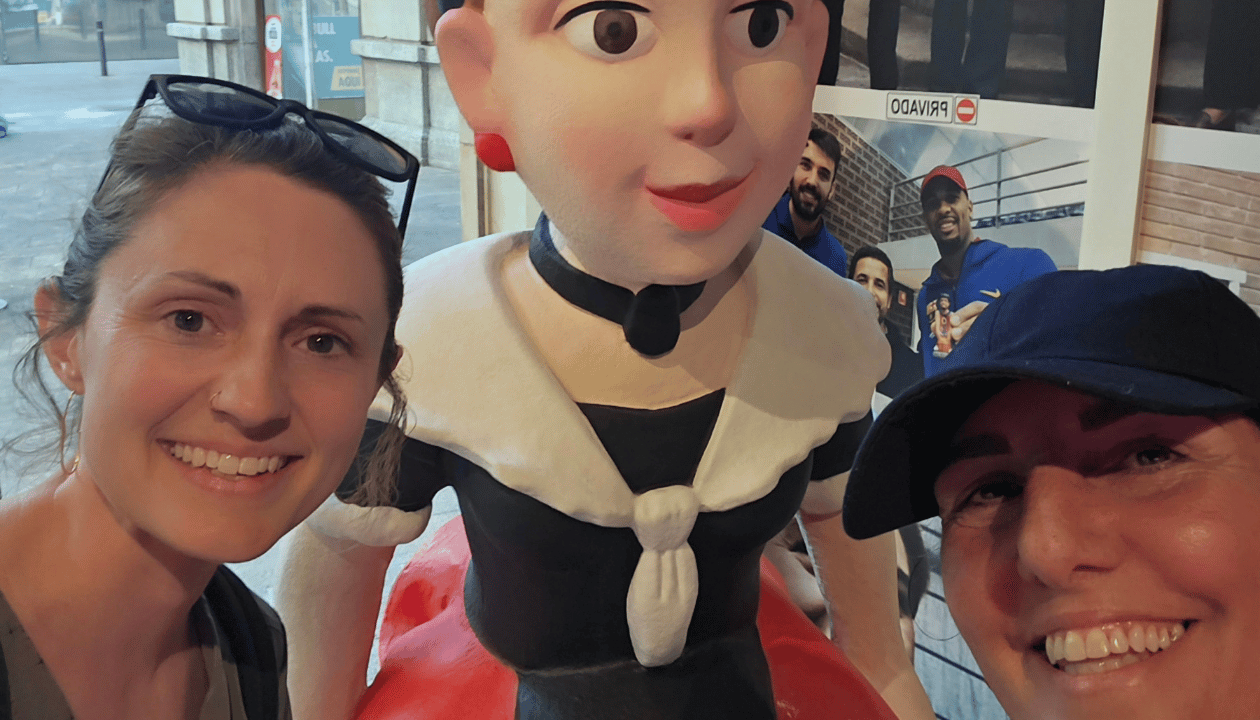
One of the most memorable moments of Sarah’s cultural experience was visiting traditional caganer shops, where she discovered one of Catalonia’s most unique and humorous traditions.
By learning about the Caganer, Sarah gained insight into how humor, history, and local culture shape language and everyday communication. Discussing this tradition helped her expand cultural vocabulary and understand expressions that are deeply rooted in regional identity.
These light-hearted yet meaningful experiences make language learning more engaging. As a result, new words and concepts are easier to remember. Cultural immersion like this not only improves language skills but also helps students understand how people think, joke, and communicate in real life.
Overall, exploring Catalan traditions through humor added depth to Sarah’s learning and made her Spanish and cultural experience more memorable and meaningful.
Why Homestay Immersion Works Better Than Traditional Language Schools
Many Spanish language schools advertise intensive courses, but immersion works differently.
Living with a Spanish-speaking host teacher provides:
• Continuous exposure to Spanish
• Daily conversational practice
• Real-life vocabulary usage
• Natural repetition
• Faster fluency development
Research consistently shows that immersion leads to higher levels of fluency than classroom-only language courses.
Week 2: Continuing Spanish Immersion in Valencia
After her week in Barcelona, Sarah continued her Spanish journey in Valencia, where she spent her second week living and studying in Pilar’s home, our SHIP Coordinator.
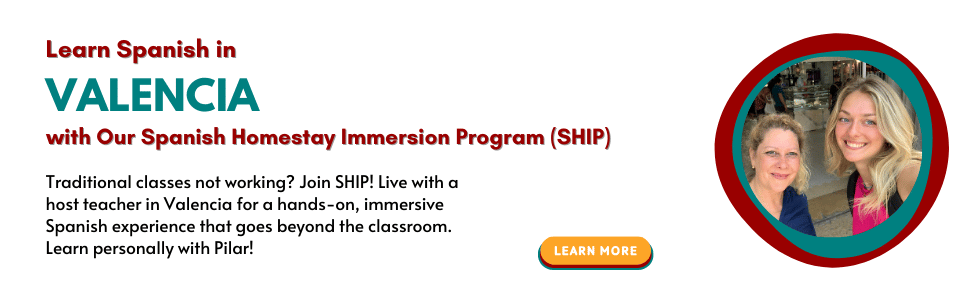
Valencia is often an ideal choice for learners because:
• Spanish pronunciation is clear
• The pace of life is relaxed
• Daily interactions are more accessible
• Living costs are lower than in Barcelona
This allowed Sarah to build on everything she learned during Week 1 while adapting to a new regional environment.

Why Two Locations Accelerated Sarah’s Progress
Experiencing Spanish immersion in both Barcelona and Valencia helped Sarah:
• Improve listening comprehension
• Adapt to different accents
• Gain confidence speaking Spanish with new people
• Strengthen grammar through real usage
• Experience Spanish culture beyond textbooks
Few Spanish courses offer this level of depth.
Practical Information for International Students
Students often ask how to enroll in Spanish courses in Spain.
With Spanish Express:
• Students choose programs based on goals, timeframe, and budget
• Online level tests help determine current Spanish ability
• Student advisors assist with visa questions if needed
• Long-term Spanish courses support student visa applications
• Accommodation is included through teacher homestays
This removes the stress many foreign students face when choosing between Spanish language schools and accommodation options.
Why Spanish Express Is Different
Spanish Express offers a unique and enriching way to learn Spanish, designed for real-life communication and cultural connection:
• We provide a personalized, immersion-based learning experience
• Classes are intimate and tailored to each student’s needs
• Language learning is naturally integrated into everyday life
• Spanish is taught through full cultural and linguistic immersion
• Our Spanish teachers live with the students, creating constant learning opportunities
• Learning continues naturally throughout the day, beyond formal lessons
This approach benefits international students, long-term learners, and anyone serious about mastering Spanish. By fully integrating cultural, social, and recreational activities, Spanish Express enriches student life, offering a vibrant, immersive experience that goes far beyond academics.
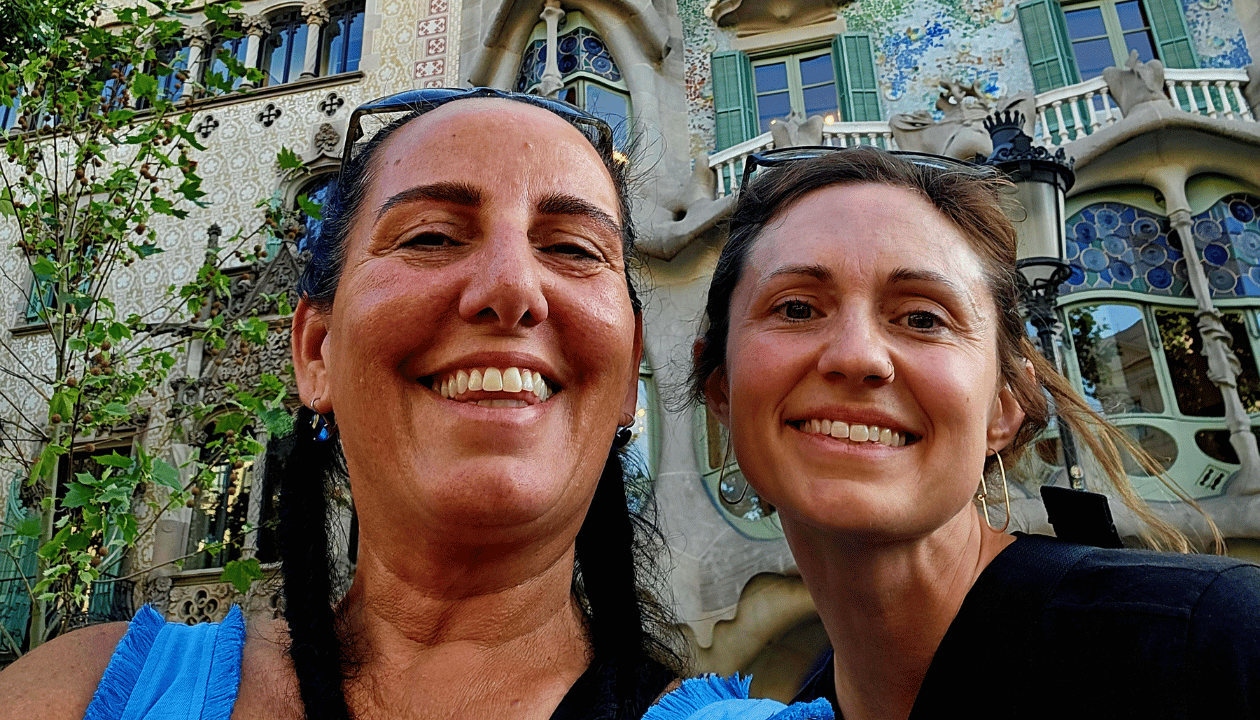
Turn Classroom Spanish into Real-Life Fluency
Sarah’s journey shows that true confidence in Spanish doesn’t come from schedules and classrooms alone, but from living the language every day, sharing meals, conversations, and experiences with native speakers. Immersion turns study into communication and culture into daily practice.
👉 Explore our Spanish Homestay Immersion Programme (SHIP) and discover how learning Spanish in real settings can transform the way you speak, listen, and connect.

It’s the most natural way to move from “studying” Spanish to truly living it.
Speak Directly With Our Founder and Director
If you’d like guidance on choosing the right immersion experience or understanding how SHIP can support your language goals, our founder will be happy to help.
Mónica Romero
Founder and Director, Spanish Express
📞 Phone / WhatsApp: +44 7903 867894
📧 Email: monicaromero@spanishexpress.co.uk
