


Hello, I’m a Menorcan globetrotter with a love for exploring the world. Although I was born in Menorca, I’ve spent more than half of my life in the UK and have also lived in Barcelona. My roots are a mix of Argentinian and French origins, and travel has always been a big part of who I am.
Because I know Menorca inside and out and have also seen it through the eyes of an international traveler, I want to share the island with you in a way that helps you plan your perfect trip.
Friends often ask me for advice about the best time to visit Menorca, so this guide is designed to help both friends and readers plan their trip.
When planning a trip, one question always comes up: What is the best time to visit Menorca? The answer depends on what you’re looking for, whether it’s sun-soaked beaches, cultural festivals, or quiet escapes.
Menorca, the most tranquil of Spain’s Balearic Islands, offers warm weather, turquoise coves, and charming towns throughout the year. However, each season brings something unique. In winter, the island is peaceful and budget-friendly. In spring, wildflowers bloom, and hiking trails come alive. Summer is perfect for swimming and festivals, while autumn offers balance with fewer crowds.
In this guide, I’ll walk you through Menorca month by month, using weather data and local insights to help you choose the perfect time for your visit.

Why Timing Matters When Visiting Menorca
Weather and Sea Temperatures
Menorca enjoys a Mediterranean climate with warm summers and mild winters. Sea temperatures range from 14 °C (57 °F) in February to 26 °C (79 °F) in August, making timing important for swimming and water sports.
Menorca’s coast offers different experiences depending on the season, as some coastal areas are more sheltered or exposed to the wind, which can affect swimming and beach conditions.
Best Months to Visit
If you’re looking for pleasant weather and fewer crowds, the ideal months are March to June and September to October. During these periods, temperatures are comfortable, the beaches are more peaceful, and you can enjoy Menorca’s natural beauty without the summer rush.
Crowds and Prices
The peak season is July and August, when Menorca attracts the largest number of visitors. While the lively atmosphere is appealing to some, it also means higher prices for flights, along with crowded beaches and attractions.
Seasonal Events and Activities
From summer fiestas to spring hikes, each season offers unique experiences. Choosing the right month helps you match your trip to your interests.
Many of Menorca’s most memorable experiences, such as night markets and evening festivals, take place at night, adding to the island’s seasonal charm.
Menorca Month-by-Month Guide
January – Peaceful Winter Charm
- Highs: ~14 °C (57 °F)
- Sea: ~14 °C (57 °F)
- Crowds: Minimal
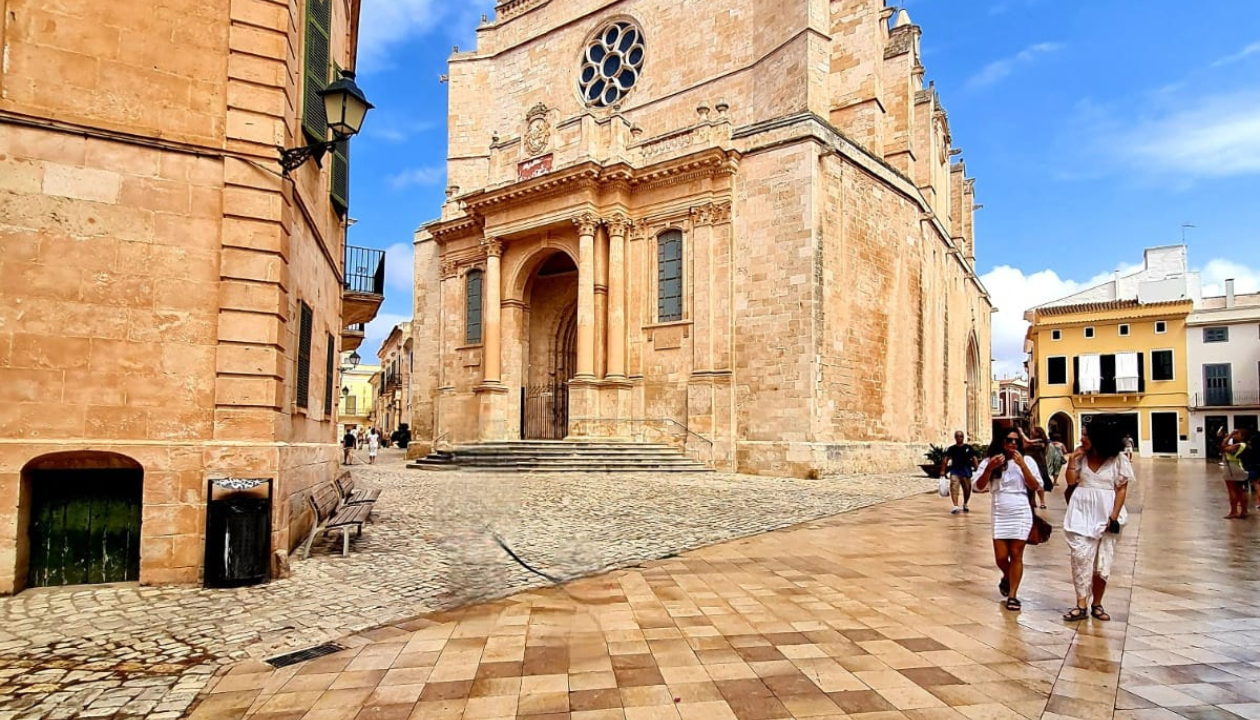
January is Menorca at its quietest. While it’s not beach weather, it’s ideal for strolling through Ciutadella, visiting museums, and enjoying local cuisine at lower prices.
February – Cool & Tranquil
- Highs: ~15 °C (59 °F)
- Sea: ~14 °C (57 °F)
February is slightly warmer and still very calm. It’s perfect for hiking the Camí de Cavalls trail or exploring the island’s Talayotic ruins.
March – The Start of Spring
- Highs: ~16–17 °C (61–63 °F)
- Rainfall: Some showers
March brings longer days and a blooming countryside. Though not swimming season, it’s excellent for nature walks and cycling trips.
April – Blossoms & Outdoor Adventures
- Highs: ~19–20 °C (66–68 °F)
- Sea: ~16 °C (60 °F)
April is perfect for outdoor adventures. Wildflowers cover the countryside, and the weather is mild for cycling, hiking, and photography.
May – The Sweet Spot Before Summer
- Highs: ~22 °C (72 °F)
- Sea: ~18–19 °C (65 °F)
May is one of the best months to visit Menorca. It’s warm but not hot, with lighter crowds. Beaches are pleasant, and cultural activities are in full swing.
June – Sunshine & Early Summer
- Highs: ~26 °C (78 °F)
- Sea: ~22 °C (72 °F)
June offers perfect beach conditions without the heavy crowds of peak summer. Expect long, sunny days and lively early summer fiestas.
July – Peak Summer Energy
- Highs: ~27 °C (81 °F)
- Sea: ~24 °C (75 °F)
July is prime time for swimming and sunbathing. Towns are buzzing, and festivals like Sant Joan bring Menorca’s culture to life.
August – Hot & Festive
- Highs: ~27–30 °C (81–86 °F)
- Sea: ~25–26 °C (77–79 °F)
August is the hottest and busiest month. Perfect for beach lovers, but expect higher prices and crowds. Great if you want a lively summer atmosphere.
September – Golden Days & Fewer Crowds
- Highs: ~26 °C (79 °F)
- Sea: ~24 °C (75 °F)
September is often considered the best overall month to visit. The sea is still warm, days are sunny, and crowds are smaller. Ideal for relaxation and exploration.
October – Gentle Autumn
- Highs: ~23 °C (73 °F)
- Rainfall: More frequent
October is a shoulder-season gem. The weather is mild, and the island is quieter. Perfect for cultural tours, hiking, and photography.
November – Quiet & Mild
- Highs: ~17–18 °C (63–64 °F)
- Sea: ~18–19 °C (65 °F)
November is cooler but peaceful. It’s not a beach month, but great for budget-friendly travel and enjoying Menorca without crowds.
December – Winter Sun Escape
- Highs: ~15–16 °C (59–61 °F)
December offers cool but sunny days, with festive charm in Mahón and Ciutadella. A great option if you want a quiet cultural holiday away from northern Europe’s winter chill.
Best Time to Visit Menorca for Different Travelers
Best Months for Beaches
June to September, with warm seas and sunny skies. The south coast is known for its white sand beaches and easy access, while the north offers more remote and rugged beaches for adventurous visitors.
Best Months for Hiking and Culture
April–May and September–October, with mild temperatures and fewer crowds.
Best Months for Peace and Budget Travel
November to March, when flights and accommodation are cheapest.
What to Pack for Menorca by Season
Packing for Menorca depends on when you visit. Here’s a quick guide to help you prepare:
Spring (March – May)
- Light layers: t-shirts, cardigans, a light jacket for evenings
- Comfortable shoes for hiking or walking the Camí de Cavalls
- Sunglasses and sunscreen
Summer (June – August)
- Light, breathable clothing
- Swimwear and beachwear
- Hat, sunglasses, and reef-safe sunscreen
- Light scarf or cover-up for evenings
- Reusable water bottle
Autumn (September – October)
- Mix of summer clothes and light layers
- Comfortable footwear for sightseeing
- A light rain jacket for showers
Winter (November – February)
- Light sweaters and jackets
- Comfortable walking shoes
- Scarf and layers for chilly nights
- Umbrella or raincoat
Pro Tip: Pack a swimsuit year-round—locals sometimes swim as late as October, and spring can surprise you with warm days.
Choosing Your Perfect Month to Visit Menorca
Menorca is a destination that shines in every season, but the best time to visit Menorca depends on your travel style. If you love warm beaches and lively festivals, plan your trip in July or August. For hiking, sightseeing, and fewer crowds, spring and autumn are excellent choices. Meanwhile, winter is ideal for travelers who value peace, culture, and lower prices.
In short, May and September are the sweet spots with warm seas, sunny days, and a calmer atmosphere. Whether you want adventure, relaxation, or family fun, Menorca offers something special all year round.
So, when will you go? Start planning today and discover why Menorca is the Balearic Island that travelers return to again and again. We hope you find the perfect time to visit Menorca and create unforgettable memories on this beautiful island.
Seasonal Tourism Insights: When Menorca Truly Comes Alive
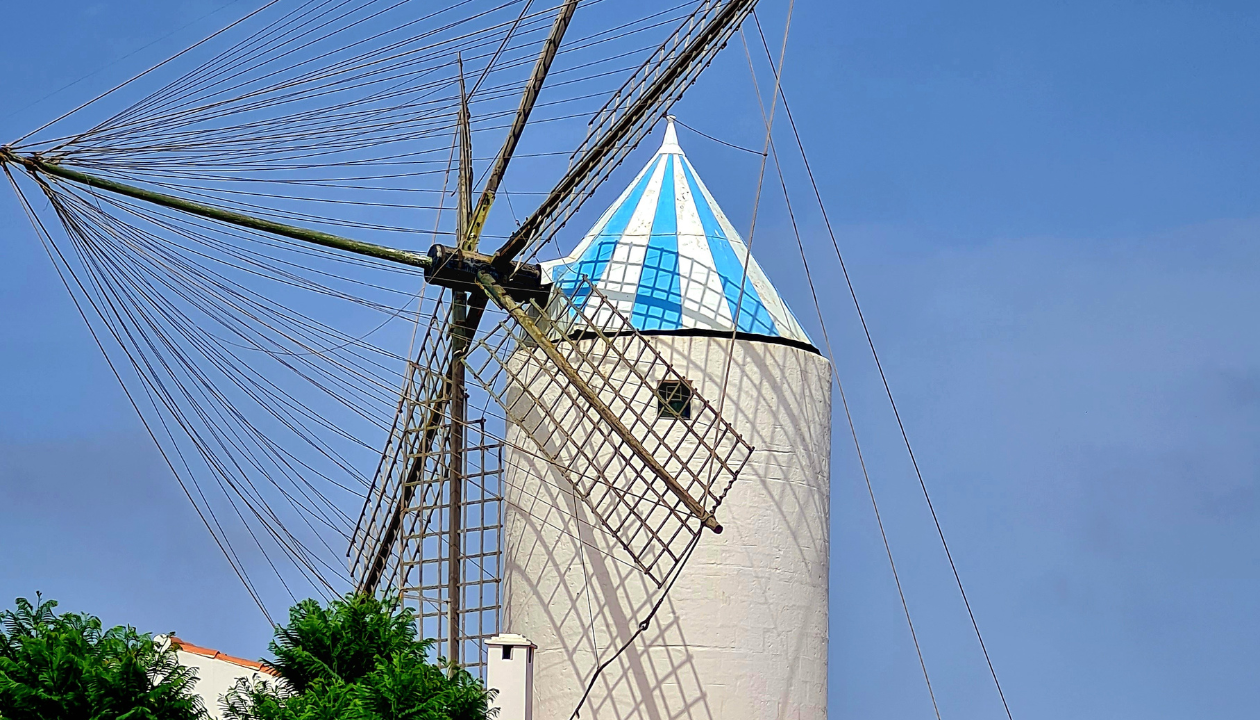
The unofficial tourism season on this Spanish island begins on May 1st and runs until mid-October. During this period, nearly all hotels, restaurants, and attractions are open. Outside of these months, many businesses close, leaving visitors with fewer choices, though winter still has charm for those who prefer peace and quiet.
The shoulder season runs from May to mid-July and again from mid-September to late October. These are the best times to enjoy pleasant weather, lower prices, and smaller crowds. Locals often say that late spring and early autumn are when you can truly discover Menorca.
High season falls between mid-July and the end of August, when the island is buzzing with visitors and temperatures are at their hottest. Festivals, pageantry, and live music fill the towns, making this a lively but crowded time to visit.
If you’re planning your trip in October, expect mild weather (15–23 °C) but also some changeable conditions. Still, the later season rewards travelers with open space on the beaches and better accommodation rates.
And if you’re flying in from the UK, the average plane journey takes just a few hours (around 2h 25m), making Menorca one of the easiest Mediterranean getaways.

Travel Tips for a Smooth Menorca Holiday
Your adventure begins at Menorca Airport, located only 3 miles from Mahón, the capital city. From there, you’ll find plenty of options to reach your accommodation: taxis, buses, private transfers, or a rental car.
The island’s ME-1 road is the main artery, running from Mahón in the east to Ciutadella in the west. Because the island is relatively small, you can drive from one end of the island to the other in under an hour. Public buses connect Mahón to most towns, though some routes require transfers.
A helpful tip: supermarkets on the outskirts of Mahón and Ciutadella tend to be cheaper than those in tourist zones, perfect for self-catering travelers. And don’t forget to factor in the tourism tax, which is charged per person, per night.
Learning a few basic Spanish phrases will go a long way. Although English is widely spoken, locals appreciate the effort, and you’ll hear Menorquí (a Catalan dialect) spoken in smaller villages.
For dining, remember that Menorcans eat dinner late, usually after 8 PM, and reservations are often needed in summer, especially on weekends.
Getting Around the Island
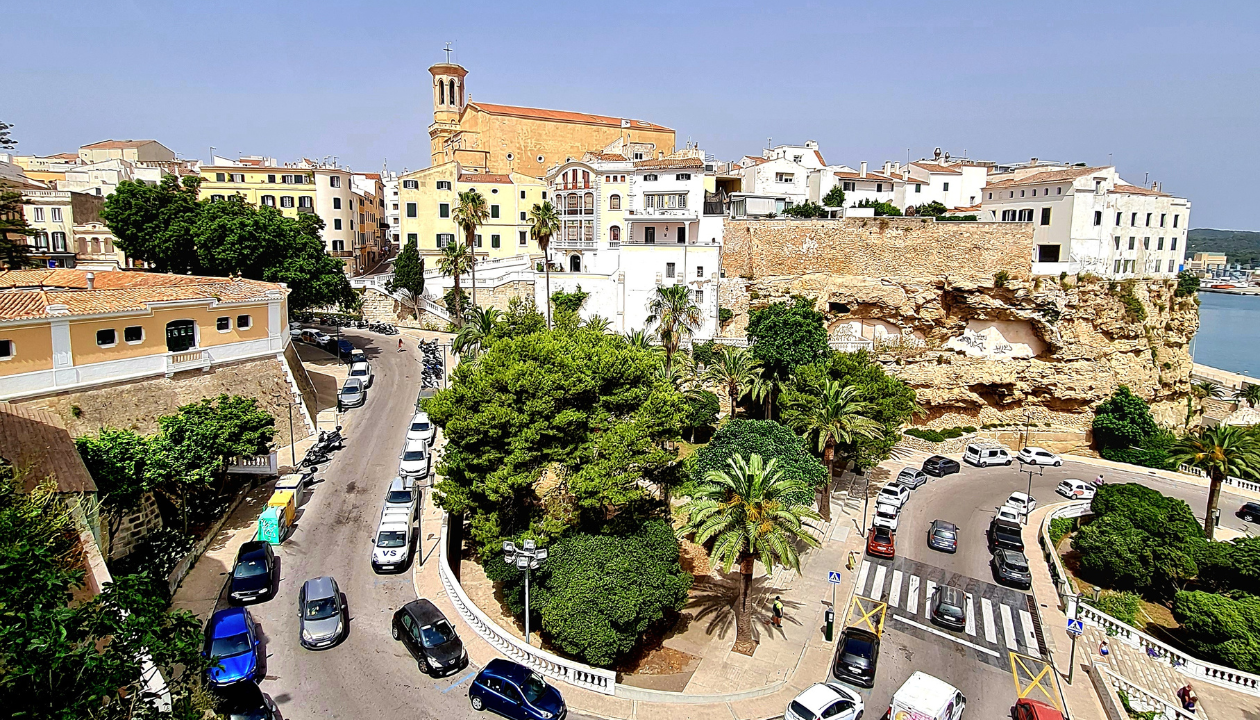
Renting a car is the best way to explore Menorca, as public transport can be limited, especially in rural areas – a rental car will give you the freedom to discover the island’s best beaches and coves. Many visitors have rented cars, scooters, or even boats to explore Menorca at their own pace.
Menorca has a well-developed road network, making it easy to get around the island by car – just be sure to drive carefully and respect local traffic rules.
Boat trips are also a great way to see Menorca’s coastline and visit some of the island’s most beautiful beaches and coves.
Visitors can also use public transport, such as buses, to get around the island, but it’s not as convenient as having a rental car.
Accommodation in Menorca: From Hotels to Homestays
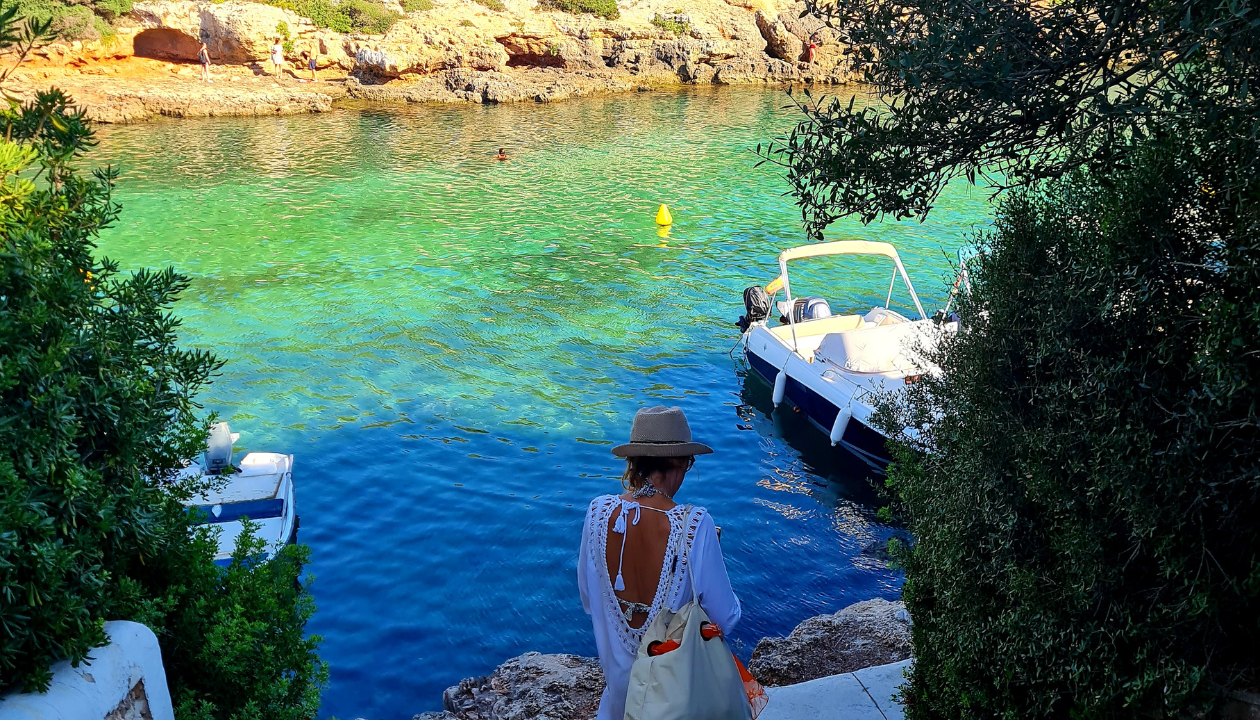
Planning your Menorca holiday comes with plenty of choices for where to stay. The island has accommodations ranging from boutique resorts to family-run guesthouses. If you’re looking for a more authentic option, consider a Spanish Homestay Immersion Program (SHIP), a unique way to live with locals, improve your Spanish, and enjoy cultural exchange.

For those traveling on a family holiday, a homestay can be especially rewarding, as children and parents alike get to experience daily life on this small island while practicing the language.
Traditional small hotels in towns like Mahón, Ciutadella, and Es Castell provide charm and central access to shops, bars, and restaurants. Staying in one of the two cities is a good idea if you want easy access to both culture and nightlife, while villages such as Es Mercadal offer a slower pace.
For visitors who prefer variety, Menorca is well connected to the other Balearic Islands, making day trips to Mallorca or even Ibiza a possibility. Whether you stay by the beach, in the countryside, or in a homestay, you’ll discover the whole island feels welcoming and safe.
In short, whatever your style of travel, luxury resort, eco-retreat, or immersion program, you’ll find that Menorca offers something for every type of visitor.
Menorca’s Beaches and Coastline
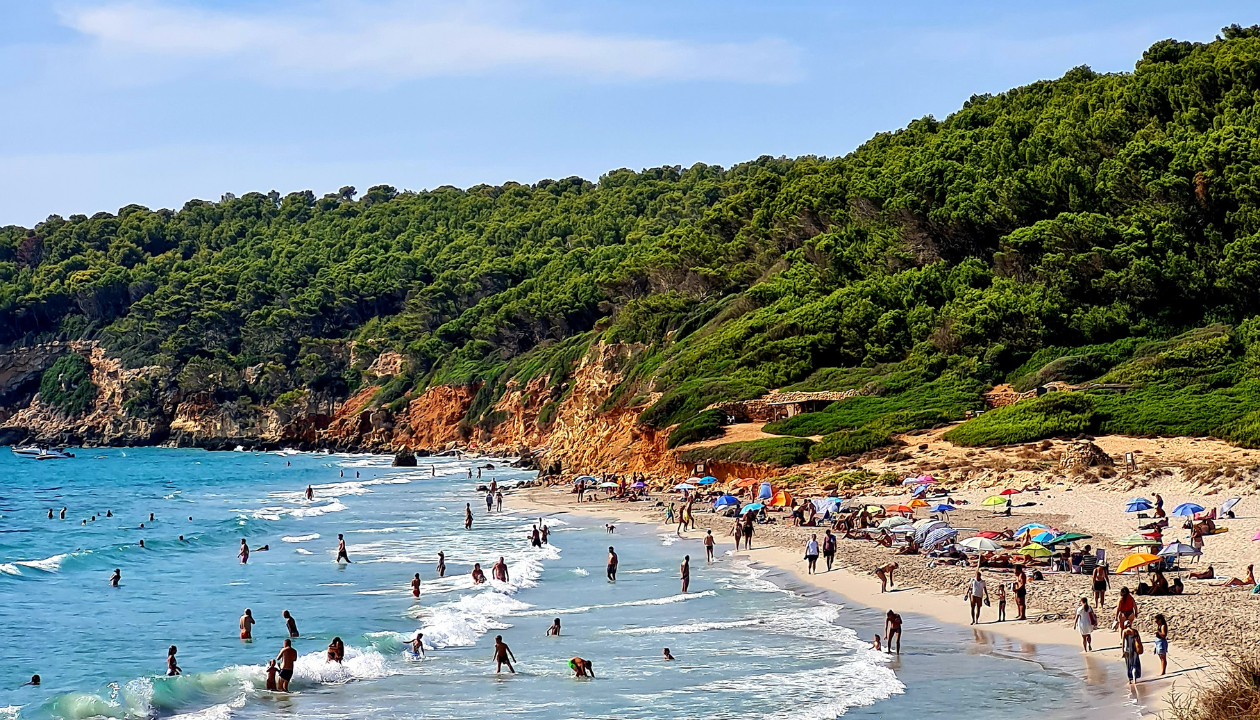
Menorca is famous for its beautiful beaches, such as Cala en Porter and Son Bou, which offer crystal-clear waters and white sand – these are must-visit destinations for any beach lover.
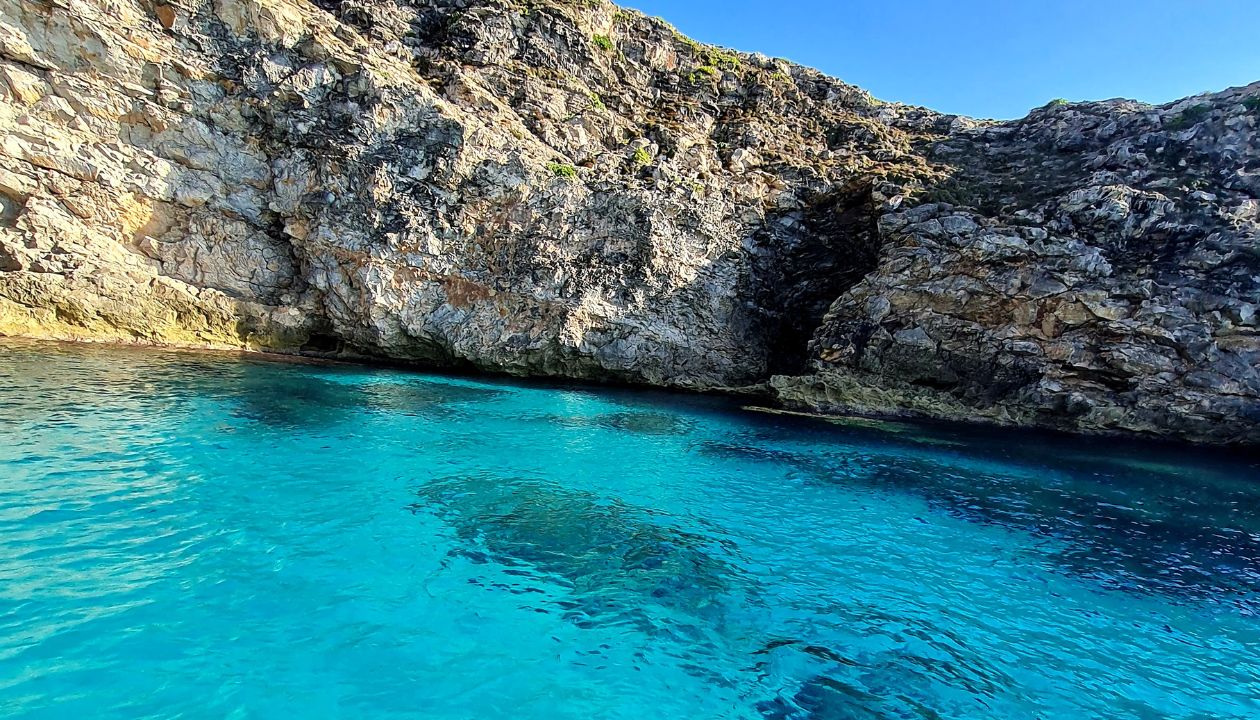
The island’s coastline is also home to many coves and bays, which are perfect for swimming, snorkeling, and sunbathing.
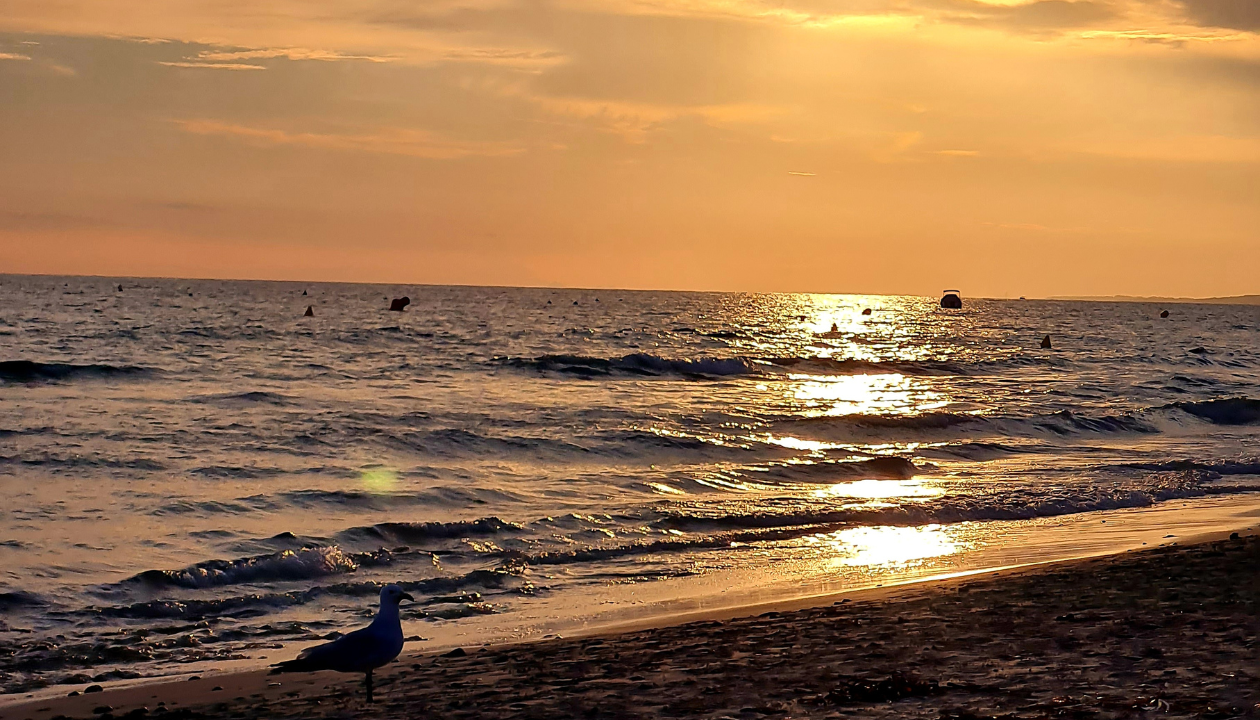
Menorca’s coastline offers some of the best sunset views on the island. One of the most iconic spots is Cova d’en Xoroi, a unique bar set in a cliffside cave, famous for its stunning sunset views and lively atmosphere.
Visitors can take a boat trip to explore the island’s coastline and visit some of the most beautiful and secluded beaches and coves.
The best beaches in Menorca are often located in remote areas, so it’s a good idea to rent a car to get to them.
Beyond Beaches: Menorca’s Nature, Culture, and Flavors
Menorca is famous for its beautiful beaches, but the island offers much more to explore. Hikers and cyclists love the Camí de Cavalls, a 185 km trail that circles the island and passes through pine forests, rocky coastline, and rural farmland dotted with olive trees. Boat trips are also popular, giving travelers a chance to admire hidden coves from the sea.
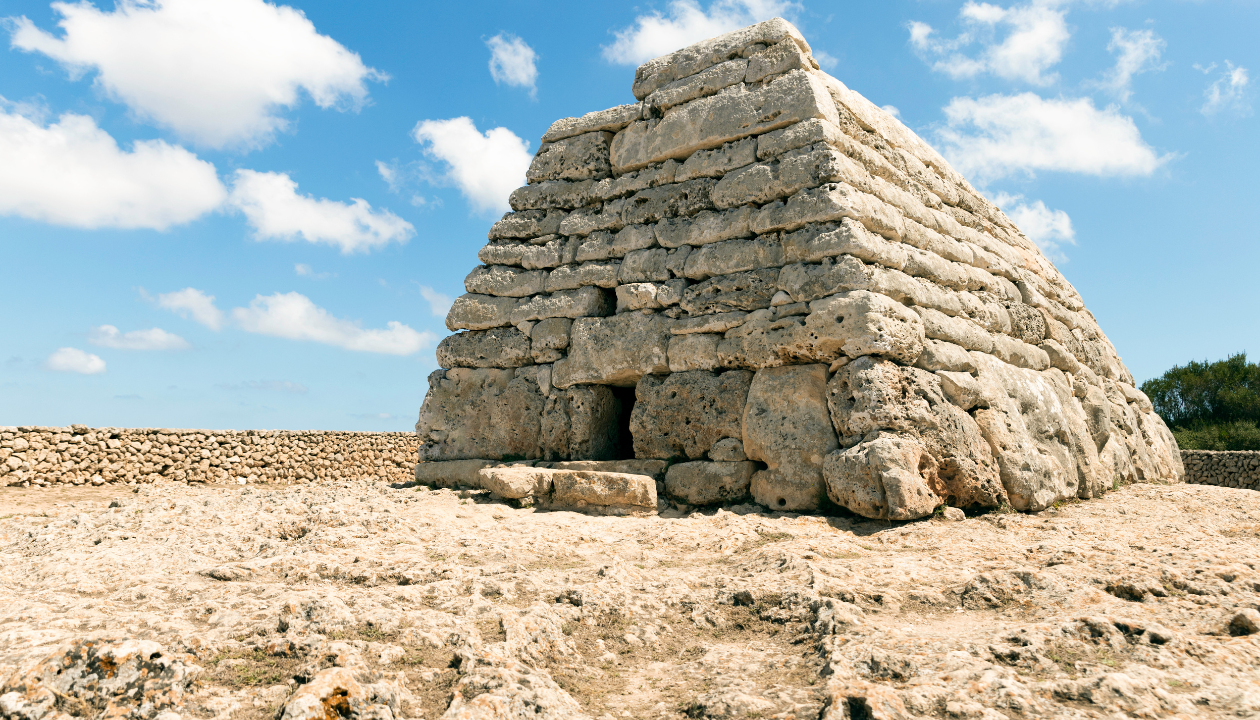
Culturally, the island is rich with history. Ancient Talayotic structures predate Roman times, and the influence of Romans, Turks, French, and British occupiers can still be seen. The capital city of Mahón was once shifted there from Ciutadella by the British, who also developed the nearby harbour town of Es Castell.
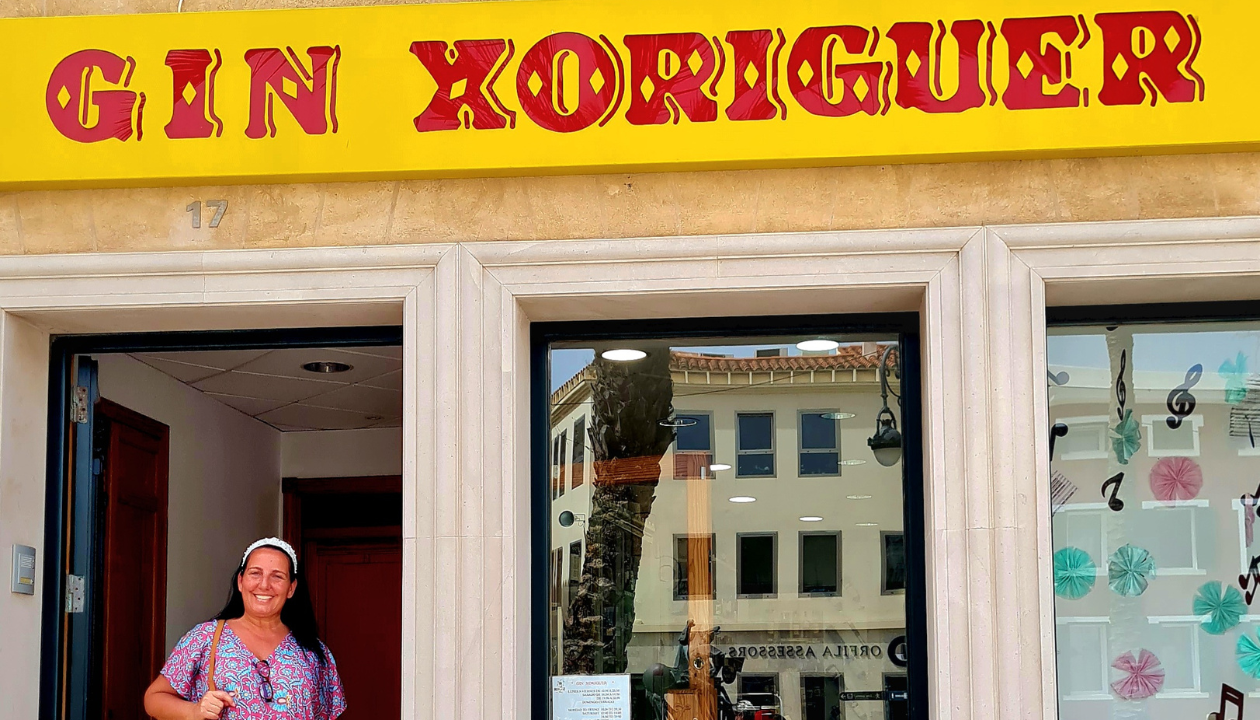
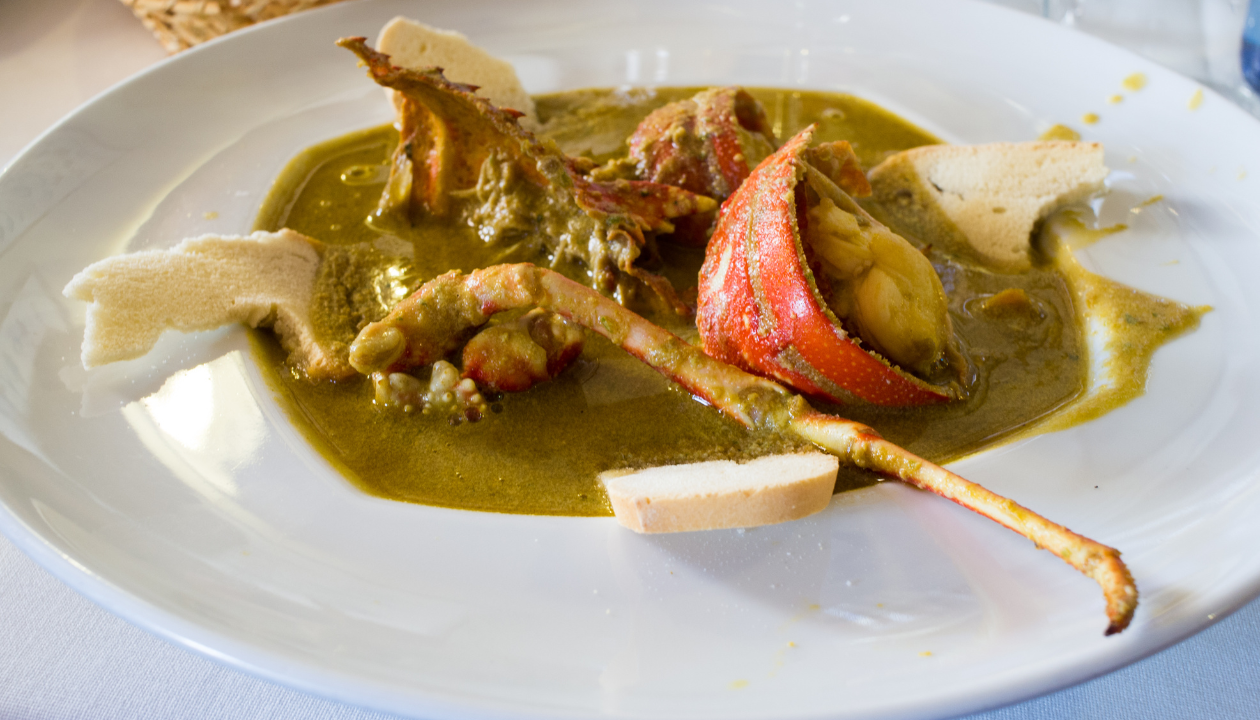
Food is central to Menorcan culture. From caldereta de langosta (lobster stew) to artisan cheeses and the famous Xoriguer gin distilled in Mahón, the island has a foodie reputation that’s growing fast.
artisanal cheeses and the famous Xoriguer gin, distilled in Mahón, the island has a growing foodie reputation. Markets like Mercat del Peix in Mahón showcase tapas and seafood, while wineries such as Binifadet offer tastings and tours. Don’t miss local pastries like ensaïmada or the Balearic specialty, sobrassada.
All of these elements, nature, history, and cuisine, make Menorca much more than just a beach getaway. It’s a destination that rewards slow travel and cultural curiosity, whether you’re staying a week or longer.
Food and Drink in Menorca
Menorca is famous for its seafood, which is fresh and delicious – visitors can try local dishes such as caldereta de langosta (lobster stew) and sopas mallorquinas (a traditional soup) at a traditional Menorcan restaurant, where reservations are recommended during high season.
The island is also home to many wineries, such as Binifadet, which produce high-quality wines – visitors can take a wine tour and tasting to learn about Menorca’s wine production.
Menorca’s traditional cuisine is also reflected in its local products, such as cheese, olive oil, and honey – visitors can try these products at local markets and shops.
The island’s capital, Mahón, is a great place to try local food and drink, with many restaurants, bars, and cafes to choose from.
Responsible Tourism
Menorca is a popular tourist destination, but the influx of tourists can impact local customs and the environment, making responsible travel especially important. It’s essential to respect the island’s environment and culture – visitors can do this by reducing their waste, using public transport, and respecting local customs.
The island has a range of initiatives to promote sustainable tourism, such as the Menorca Biosphere Reserve – visitors can learn about these initiatives and how to get involved.
Visitors can also support local businesses and communities by choosing to stay in small hotels, eat at local restaurants, and buy local products.
Menorca’s natural beauty and unique culture make it a great destination for responsible tourism – visitors can help preserve the island’s environment and culture by being mindful of their impact.
Join the Spanish Homestay Immersion Program (SHIP)
If you’ve enjoyed this guide and thought, “That was a great post,” why not turn inspiration into action and join us in Menorca? Our Spanish Homestay Immersion Program (SHIP) is designed for travelers who want more than just sightseeing—it’s about living, learning, and connecting.
You can stay with us for 1 to 4 weeks, choosing the pace that best fits your lifestyle. Traveling solo, with friends, or on a family holiday, SHIP offers personalized lessons, cultural activities, and guided explorations across the island.
Imagine starting your day with a Spanish lesson, then heading out to discover Menorca through cooking sessions, beach walks, or history tours. You’ll experience the language in real situations while enjoying authentic Menorcan hospitality.
So, are you ready to experience Menorca beyond the guidebooks? Join SHIP and plan your stay with our Founder, Monica Romero, who will personally guide you through the program details and availability.
Contact our Founder, Monica Romero
📞 +44 7903 867894
📧 monicaromero@spanishexpress.co.uk
What is the best month to visit Menorca?
May and September are considered the best months to visit Menorca. The weather is warm, the sea is pleasant for swimming, and crowds are much smaller compared to July and August, making it easier to enjoy beaches, hiking, and local festivals.
Is Menorca nicer than Majorca?
Menorca and Majorca both offer beauty, but Menorca is often seen as the quieter, more relaxed island. While Majorca has a vibrant nightlife and larger resorts, Menorca is ideal for nature lovers, families, and travelers seeking peace, coves, and authentic culture.
Why is Menorca so expensive?
Menorca can feel expensive because it has limited space, fewer large resorts, and a focus on sustainable tourism. Prices rise in peak summer due to high demand. However, visiting in spring or autumn often means better deals on flights, accommodation, and activities.
How many days in Menorca is enough?
A stay of 5–7 days is usually enough to enjoy Menorca’s highlights. This allows time to explore the beaches, visit historic towns like Ciutadella and Mahón, hike part of the Camí de Cavalls, and relax without rushing across the island.
Does Menorca have a rainy season?
Menorca doesn’t have a tropical rainy season, but autumn, especially October and November, sees the most rainfall. Winter is generally mild with some showers, while summer is hot and dry, making it the best time for beach lovers and outdoor activities.
Which is the prettiest part of Menorca?
The south coast is famous for its white-sand beaches like Son Bou and Cala en Porter, but many consider the north coast’s rugged coves equally stunning. For history and charm, Ciutadella’s old town is one of the prettiest cultural spots on the island.
Is Menorca worth going to?
Yes, Menorca is absolutely worth visiting. It’s a UNESCO Biosphere Reserve with pristine beaches, crystal-clear waters, hiking trails, and a rich cultural history. The island is perfect for travelers who value peace, authenticity, and natural beauty over mass tourism.
Is it better to go to Mallorca or Menorca?
If you want nightlife, shopping, and larger resorts, Mallorca may suit you better. But if you’d like to slow down, hike scenic trails, and enjoy authentic culture, choose Menorca. Many travelers who visit from mainland Spain say it’s the island where you truly discover Menorca’s charm and tranquility.
Is Mahón, Menorca, worth visiting?
Yes, vsiting Mahón is a great idea. It’s Menorca’s capital city, known for its historic old town, lively harbour, and cultural attractions. Visitors can enjoy museums, markets, and dining, as well as explore the nearby town of Es Castell, rich in British heritage.
