

Traveling to Spain is exciting. From the sunny beaches and vibrant cities to the rich culture and cuisine, there’s so much to look forward to. However, before you pack your bags and enter Spain, it’s essential to sort out the not-so-glamorous details: the travel requirements. Think of this as your friendly checklist for a hassle-free trip.
Trust me, I might forget what I ate yesterday, but I never forget to check my passport!
Are you a prospective student heading for a Spanish immersion program, a parent planning to accompany your teen, or an educator organizing a school trip? Being prepared will save you from headaches at the airport.
In this guide, we’ll cover all the essentials, from having a valid passport to understanding visa requirements, travel insurance, and local laws to be aware of. So grab a café con leche, and let’s dive in!
Passport and Entry Requirements for Spain

Passport Validity
First things first, ensure your passport is up to date. Spain is part of the Schengen area (most of Europe), and they have specific rules for passports. Your passport must have been issued within the last 10 years and be valid for at least 3 months after the day you plan to leave Spain (and the Schengen zone). In plain English: If your passport is old or nearing expiration, renew it before you travel. If you arrive with a passport that doesn’t meet these criteria, you will be denied entry, even if you have a plane ticket in hand. Also, don’t use a passport that has been reported lost or stolen. Spanish border officers have access to these records and can turn you away immediately. Always travel with a valid travel document and keep it safe.
EU Citizens
Are you an EU/EEA or Swiss citizen (or traveling with one)? Lucky you! You can enter Spain with just your national identity document or ID card in many cases. Minors traveling with an ID card may need a parental permission letter. But if you’re coming from the UK, the US, Canada, or other non-EU countries, you must have your passport.
Schengen Entry Stamps
When you arrive in Spain (or any Schengen country), your passport will get stamped. If you’re not an EU resident, make sure it gets stamped on entry and exit. This stamp is proof of when you entered. Without an exit stamp, you could be questioned next time about how long you stayed. If a stamp is missed, keep documentary proof like boarding passes to show when you entered or left, and politely ask an officer to add an entry/exit record in your passport. It’s a small detail that can save you trouble later.
Visa Requirements for Spain

One big question travelers ask is: Do I need a visa to visit Spain?
For many people, the answer is no. Spain allows visa-free travel for up to 90 days in any 180-day period for nationals of a long list of countries. This includes British citizens, Americans, Canadians, Australians, New Zealanders, and many others.
In other words, if you hold a UK, US, or other visa-exempt passport, you can travel to Spain without a visa for short trips. You can also travel to other Schengen countries during that trip, as long as the total stay in the entire zone is no more than 90 days.
Just remember that visits to other Schengen countries count toward your 90-day limit. It’s cumulative across the whole Schengen area. If you overstay the 90-day limit without a visa, you risk getting banned from entering Schengen countries for up to 3 years. Definitely, not worth it!
That said, citizens of certain countries are required to obtain a Schengen visa before visiting Spain. If you’re from a country on the Schengen visa-required list (for example, India, South Africa, China, and others), you must apply for a tourist visa in advance. Always check the latest visa requirements for your nationality.
The Spanish Embassy or consulate in your country will have detailed information. (Pro tip: This also applies if you have a residence in another Schengen country. Usually, if you already have a valid residence permit or long-term visa from one Schengen state, it allows you to enter Spain without a separate visa. For instance, an international student with a French residency card can visit Spain freely.)
Staying Longer than 90 Days
What if you plan to study in Spain for six months or attend a university program? Or maybe you fell in love with Spain and want to stay longer than the 90-day tourist limit. In that case, you will need to apply for the appropriate long-stay visa. Typical examples are a student visa for long courses, a work visa for a job, or even a residence permit if you have family there. These visas usually must be obtained before you travel you can’t get a long-term visa at the border.
Ensure you begin the application process well in advance of your trip, as it can take some time to complete. Spain is pretty strict about the 90-day rule; if you need a visa, and you show up without one expecting to “extend later,” you could be denied entry on the spot. In rare cases, you can apply to Spanish immigration authorities for an extension due to exceptional circumstances, but that’s only for true emergencies.
Upcoming Changes – ETIAS
You might have heard about new travel rules coming in Europe. The European Union is introducing something called ETIAS (European Travel Information and Authorization System). ETIAS is not a visa, but starting in the near future (expected in 2025 or 2026), travelers from visa-exempt countries (such as the UK and the US) will be required to obtain an online travel authorization before visiting Spain or other EU countries.
It’s similar to the ESTA for the U.S., a quick online application with a small fee. As of mid-2025, ETIAS is not yet operational, and no action is required. The EU will announce the start date well in advance, so keep an eye on official updates for further information. If you plan to travel in late 2025 or beyond, double-check if ETIAS is required so you don’t miss the deadline.
Documents You Need to Enter Spain

So your passport is valid and your visa (if needed) is sorted, great! Now, what other entry requirements should you be ready for at the border? Spanish border officers (and airline staff before boarding) have the right to ask for certain supporting documents. Don’t worry, these are usually easy if you plan ahead. Here’s what you may need to show when you arrive in Spain:
Return or Onward Ticket
Be prepared to show a return ticket or a ticket for onward travel out of Spain (or out of the Schengen area). This is to prove that you don’t intend to overstay your welcome. If you have a round-trip flight, a train booking to France, or any proof that you will leave Spain before your allowed time is up, keep a copy handy.
Proof of Accommodation
You might be asked where you’re staying in Spain. It could be a hotel booking confirmation, an Airbnb reservation, or a letter from the program if you’re staying in student housing or with a host family. If you’re staying with friends or family in Spain, the authorities may ask for a “carta de invitación” (official invitation letter) from your host. (The carta de invitación is something your host in Spain can obtain from local authorities it declares they’re hosting you. Note that this letter only covers your accommodation; you still need to meet all the other entry requirements on your own.) In many cases, a simple hotel reservation printout will do.
Sufficient Funds
Spain (and all Schengen countries) want to see that you have enough money to support yourself during the trip, so you’re not stranded. How do you prove this? You might show cash, credit cards, or bank statements. Spain even has a guideline for the amount: for 2025, visitors must have at least €118 per person per day, with a minimum of €1065 for a stay of 9 days or more.
Don’t panic, nobody expects you to carry all that in cash, and they rarely ask to count your money. Typically, having a couple of credit cards and maybe a recent bank statement printout showing sufficient balance will satisfy this requirement. In practice, tourists are seldom asked to show bank statements at the airport, but it’s good to know the rule.
The rationale is to ensure you can pay for your stay (hotels, food, transport) without issue. If you’re a student coming for an immersion course, a letter from your program confirming that your tuition/accommodation is paid can be helpful as proof of support. Remember, Spanish authorities can deny entry if someone obviously has no funds at all, so it’s wise to have financial means documentation just in case.
Travel Insurance
This isn’t always asked at the border, but since Brexit, UK travelers in particular are sometimes asked to show proof of travel insurance (because, as non-EU visitors, they should ideally have medical coverage). Spain requires travel medical insurance for Schengen visa applicants, and for tourists it’s strongly recommended. At passport control, you might be asked if you have insurance, especially if you have no EHIC/GHIC. It’s a good idea to carry a printout or card of your travel insurance policy. Some travelers have reported being asked for it, so better to be safe. (More on travel insurance below!)
Purpose of Visit
Usually, a simple explanation is fine (“I’m here on holiday,” or “I’m attending a Spanish course”). If you have any documents related to your trip purpose, keep them accessible. For example, if you’re a student, carry the acceptance letter or enrollment confirmation from the Spanish school. If you’re attending a conference, have the invitation letter or ticket. Business meeting? Have a letter from the company or an email printout. These are not always requested, but if an officer wants to verify your story, having documentary proof helps a ton. Each student is a new challenge, they say, and that includes at the border!
Oh, and one more thing, make sure your passport gets stamped on entry and exit! I know I mentioned it, but it’s worth repeating. If you’re British or from another country that now requires stamps, double-check at the e-gate or with an officer. If you use an automated e-gate, sometimes you have to go to a manned desk afterwards to get the stamp. Don’t skip that. If your passport isn’t stamped, it could look like you overstayed, and you might have some explaining to do next time.
Health and Travel Insurance in Spain

Now for another super important item on your Spain travel checklist: travel insurance. I know, insurance isn’t the most exciting part of trip planning, but think of it as your safety net. Spain has a great healthcare system, but medical care is not free for visitors, and hospitals will expect payment or insurance coverage for treatment. Even if you’re only staying for a short time, having travel insurance is highly recommended.
What should your insurance plan cover? At minimum, get a policy that covers medical treatment in case you fall ill or get injured, including emergency hospital care. If you’re from the UK or EU and have a GHIC or EHIC card, that will cover medically necessary public healthcare in Spain (you’ll be treated like a Spanish resident at public hospitals). That’s great, but a GHIC/EHIC is not a substitute for full travel insurance it won’t cover things like medical evacuation, ongoing treatment, or getting you back home if needed.
For example, if you broke your leg and needed a special flight home or physical therapy beyond immediate emergency care, those costs could be huge. Travel insurance typically covers those unexpected costs, while GHIC/EHIC covers only basic state-provided care. The UK government specifically warns that you should still have appropriate travel insurance even with a GHIC.
For non-Europeans (and even Europeans), medical evacuation insurance is something to look for in your policy. This means if you have a serious medical issue, the insurance will pay to airlift you to another country or back home for treatment. We hope you never need that, but for peace of mind, it’s wise to have it. The U.S. State Department strongly urges travelers to get insurance that covers overseas medical costs and evacuation, because neither U.S. health insurance nor Medicare will cover you in Europe. In Spain, most hospitals and doctors do not accept foreign health insurance directly. What happens is you pay upfront and then claim from your insurance later. And private hospitals will ask for proof of payment or insurance before admitting you in many cases. So, having a credit card with enough limit to cover a few thousand euros of emergency is also a good backup, but again, insurance is your friend.
A good travel insurance policy for Spain should include:
- Healthcare coverage for emergencies and treatment (at least €30,000 is recommended for Schengen visa purposes, but many policies offer much more).
- Medical evacuation and repatriation this covers air ambulance or flying you back home with medical support if needed (this can cost tens of thousands of euros, so don’t skip it).
- Trip interruption/cancellation in case your plans change unexpectedly (optional, but nice to have).
- Liability insurance some travel insurances include personal liability (if you accidentally injure someone or damage something). This isn’t a Spain requirement, but it can be a lifesaver in scenarios you probably aren’t thinking about on holiday.
For UK citizens, note that Spain has recently required proof of private travel insurance for some visa applicants and even recommends it for tourists. Even if it’s not always asked at the border, it’s considered part of being a responsible traveler. And for students coming to our programs, we require you to have travel/health insurance too. It just makes sense to be covered.
COVID-19 and Vaccines
As of early 2023, Spain no longer has COVID-19 entry restrictions – no tests, no vaccine certificates needed at the border. (Hooray!) Of course, it’s wise to be fully vaccinated for COVID-19 and have your routine vaccines up to date for your own health. There are no mandatory vaccinations required to enter Spain, but do check with your healthcare provider or a travel clinic if you have specific health concerns.
Spanish summers can be hot, and in some regions, there have been rare cases of dengue fever transmitted by mosquitoes. It’s nothing widespread, but using insect repellent to avoid mosquito bites is a good idea, especially if you’ll be in coastal wetlands or during warm months. In general, the health risks in Spain are low just take normal precautions like you would at home.
Lastly, if you take prescription medication, bring enough for your stay (plus a bit extra just in case), and keep them in original packaging. It’s also smart to carry a letter from your doctor listing any prescription meds you use, in case customs or a Spanish doctor needs to see it. Certain medicines that are over-the-counter at home might be controlled in Spain, so check if any of your meds have restrictions. And never ship medications internationally, Spanish customs will block them. If you do need a refill, you’ll have to see a Spanish doctor to get a local prescription.
Driving in Spain: Do You Need an International Driving Permit?
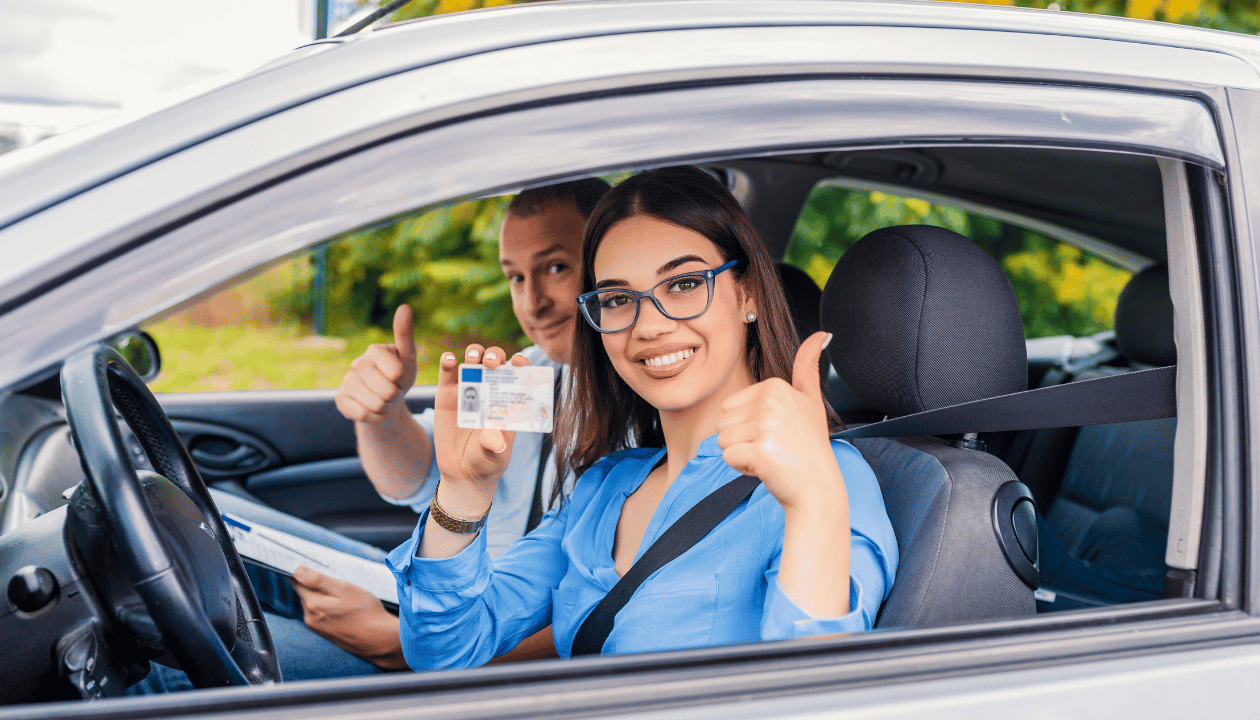
Planning to rent a car and do a road trip through the Spanish countryside or smaller towns? Driving can be a fantastic way to explore Spain’s rural areas and scenic routes, but make sure you’re prepared for that as well. The good news is that driving in Spain is pretty straightforward for most visitors. They drive on the right side of the road (same as the U.S. and much of Europe, opposite of the UK), and the roads are generally in excellent condition.
One common question is about the International Driving Permit (IDP). An IDP is basically a translation of your home driver’s license into multiple languages. Do you need an international driving permit to drive in Spain? If you have a UK driving licence, EU licence, or another license from a European country, you do not need an IDP to drive in Spain for short visits. Post-Brexit, Spain still recognizes UK licences for tourists. If you have a U.S. or Canadian driver’s license, Spain officially recommends having an IDP.
In practice, car rental companies in Spain will rent to you with just your U.S. license, and many Americans drive without issues. However, Spanish law enforcement can ask for an official Spanish translation of a foreign license an IDP satisfies that requirement. So, if your license is in English only, it’s wise to carry an IDP just in case. It’s inexpensive and easy to get from agencies like AAA (for Americans) before you leave. Consider it extra insurance: you might never be asked for it, but if you are, you’ll be glad to have it.
Car Rental and Insurance
When you rent a car in Spain, basic liability insurance is usually included by law (so if you cause an accident, the insurance covers the other party). You should still consider buying the collision damage waiver (CDW) or supplemental insurance to cover damage to the rental car itself, unless your credit card or travel insurance provides this. Always carry your passport (or ID) and your driving licence when driving. If stopped by police (who sometimes do routine road checks), you’ll need to show your ID and licence.
Police officers in Spain can be in plain clothes or unmarked cars, but genuine police officers will always show an official ID if they stop you, and they won’t ask for money on the spot for fines. If anyone claiming to be a police officer asks you for cash or to see your wallet, be suspicious, it could be a scam. Ask to see official ID or offer to go to the nearest police station if you’re uncertain.
Also, remember to follow local road rules (speed limits, etc.) and always wear your seatbelt. Spain has strict laws against using mobile phones while driving (hands-free only) and against drinking and driving (the legal blood alcohol limit is lower than in the US/UK). If you plan to drive in smaller cities or rural areas, know that gas stations might be farther apart keep the tank filled. In mountain or coastal areas, roads can be winding, so take your time and enjoy the view responsibly.
And a quick tip: If you’re driving in the cities, watch out for signs like “ACCESO RESIDENTES” or restricted zones many city centers (like in Madrid or Barcelona) have areas you cannot drive without a permit (to reduce congestion/pollution). You don’t want a surprise traffic fine from your rental company weeks after your trip.
If you’re not driving yourself, Spain has excellent public transportation trains, buses, and domestic flights connect all major areas. For local transit, metros and buses are generally safe and efficient. Just keep an eye on your belongings, especially in crowded areas like city buses, subway trains, or station platforms, as pickpockets love distracted tourists. Using official taxis or reputable ride-hailing services (like Cabify or Uber in Spain) is recommended, especially late at night. Official taxis are usually white (or black and yellow in Barcelona) with a green light when available they are metered and regulated. Avoid unmarked, unlicensed cabs that might offer you a ride; stick to taxi stands or apps.
Local Laws and Safety Tips in Spain
Spain is a very friendly and tourist-friendly country, but it’s important to follow local laws and be aware of some cultural norms to keep yourself out of trouble. Here are key things to keep in mind, especially for students or younger travelers who might not be used to some of these rules:
Carry ID at All Times
In Spain, you are legally required to carry identification. If police or local authorities ask, you must provide a photo ID. For foreigners, this means your passport (or a residency card if you have one). In practice, you might not want to carry your physical passport everywhere due to theft risk; a good compromise is to carry a photocopy of your passport photo page, and leave the original locked in your accommodation. But if an officer insists on seeing the original, you’ll need to produce it. Police officers can detain you until identity is confirmed, so don’t ignore them being respectful goes a long way.
Also, minors (under 18) have special protections in Spain if a 17-year-old is out alone and something happens (like they’re a victim of crime or in an incident), Spanish authorities will consider them a vulnerable minor and may take them to a safe place until a guardian is found. This is actually reassuring for parents, but it’s good for young travelers to know: always have an emergency contact and some ID on you.
Drugs and Alcohol
Spain has a reputation for fun nightlife, but it also has laws to keep things civil. Illegal drugs are absolutely a no-go. Even though you might see or smell cannabis in some places, it is not legal for public use. Possessing, using, or trafficking illegal drugs in Spain can lead to severe penalties, we’re talking long jail sentences and heavy fines, even for seemingly small quantities. Getting caught with a little baggie of something at the airport or on the street is just not worth the lifelong consequences. The police in tourist areas are quite vigilant, and airports have excellent detection systems for drugs (yes, even for transit passengers). So, avoid contact with any illegal substances during your stay the party isn’t worth the prison time.
As for alcohol consumption, the legal drinking age in Spain is 18. If you’re an adult, enjoying Spain’s wine, beer, and sangría is certainly part of the cultural experience. But be aware: drinking alcohol in the street or other unauthorized public places is illegal in many parts of Spain. Different cities have local ordinances (like anti-botellón laws) that prohibit open containers in public to curb rowdy behavior. If you stroll down the street of Madrid with an open beer, you could get an on-the-spot fine.
The same goes for being shirtless or in a bikini away from the beach in some cities a few places (especially in coastal resorts) will fine that as well. Use common sense: enjoy drinks at bars, cafes or designated areas, and keep the party respectful. Public intoxication that disturbs the peace can also get you in trouble. Also note, in certain tourist hotspots like parts of Mallorca and Ibiza, local laws now limit alcohol sales (no happy hours, limits on all-you-can-drink deals, etc.) to combat drunken tourism. And if you were thinking of jumping from hotel balconies into pools (yes, it was a thing), don’t do it it’s extremely dangerous and also illegal; hotels will kick you out and authorities can fine you.

Respect Others & Stay Safe
Generally, Spain is as safe as any European country, with relatively low violent crime. But tourists should stay alert in crowded areas and watch out for petty crime like pickpocketing. Pickpockets and thieves operate in places like busy tourist areas, metro trains, hotel lobbies, and popular attractions. They often work in teams with clever distraction techniques. Keep your bag or backpack zipped and in front of you on public transport. Don’t leave your phone on the table at an outdoor cafe (someone might snatch it). And avoid carrying all your money or your original passport on you, carry only what you need for the day and secure the rest in a safe place. Spain’s cities have crowded markets and festivals that are wonderful, but also ideal for pickpockets. If you stay extra careful with your belongings, you’ll likely be fine.
When out at night, especially if you’re enjoying the nightlife in places like Barcelona or Madrid, stick with friends and have a plan to get home safely. Exercise caution with strangers who are overly friendly or pushy unfortunately, there are scams targeting tourists (like someone “helping” you with bags or offering a gift, only to pickpocket you). Use official taxis or well-rated rideshare drivers late at night rather than walking alone in unfamiliar areas.

Women travelers should keep an eye on their drinks and use the buddy system when possible, as in any country. Attacks and sexual assaults are rare in Spain, but they do occur, especially in nightlife settings where predators might target those who are very intoxicated or alone. Do not leave drinks unattended, and if you feel uneasy, get to a safe place and call for help. Spain’s emergency number is 112 (you can request an English-speaking operator). Spanish police are generally very helpful to tourists in distress never hesitate to contact them if you feel threatened or if you need assistance.

Emergency Contacts
Save a few important numbers or addresses. Apart from 112 (general emergency), know how to reach your country’s embassy or consulate in Spain. For example, the British Embassy in Madrid or the U.S. Embassy and Consulates (in Madrid and Barcelona) can help if you lose your passport or need other assistance. Also, keep the phone number of your program coordinator or host family handy. In our immersion programs, your host teacher is your first point of contact if you run into any trouble, think of them as your Spanish family. They can help liaise with local services, medical care, or anything you need. Our Spanish Express team is always just a phone call away for our students as well.
Speaking of phones, having a working phone in Spain is useful for safety and convenience. Consider getting a local SIM card or an international plan so you can use maps, call a taxi, or make a call in an emergency. There are affordable Spain telephone SIM options that you can pick up at the airport or in the city. It’s worth it for peace of mind and for navigating around (Google Maps is your friend on those winding medieval streets!).
Finally, a note on personal safety: Spain, like anywhere, has some instances of petty crime. But violent crime against tourists is very low. Use the same street smarts you would in any big city. Most Spaniards are warm, helpful, and welcoming to visitors. You’ll often find locals who will go out of their way to assist you if you ask for help (maybe in broken English or via hand gestures, a little Spanish on your part goes a long way here! If you ever feel unsafe or uncomfortable, step into a shop or populated area, and don’t hesitate to call the police (112) if needed. Spanish police are accustomed to helping tourists, and many officers, especially in tourist zones, speak some English.
Before You Go: A Quick Travel Checklist

Let’s consolidate the key travel requirements for Spain into a handy checklist. Make sure you have these boxes ticked (literally or figuratively) before you head to the airport:
✔️ Valid Passport – Check that your passport is valid for at least 3 months beyond your return date and was issued within the last 10 years. Keep a copy of it in your bag or phone in case of loss.
✔️ Visa (if required) – Determine if you need a visa to enter Spain based on your nationality and trip length. Many countries (UK, US, EU, Canada, etc.) do not need a visa for short stays but certain countries do. If you need a student visa or other long-term visa, secure it before traveling.
✔️ Return Ticket & Proof of Stay – Have a printed copy of your return flight or onward travel ticket, and your hotel booking or accommodation details (or invitation letter from your host) to show at border control.
✔️ Sufficient Funds Evidence – Be prepared to show you have enough money for your trip. A printed bank statement, cash, and/or credit cards will do. (Aim for about €118 per day of stay available, as per Spanish entry requirements.)
✔️ Travel Insurance & Health Card – Purchase travel insurance that covers medical emergencies, travel delays and medical evacuation insurance for worst-case scenarios. If you have a GHIC/EHIC card (UK/EU travelers), pack it, but remember it’s not a substitute for insurance.
✔️ International Driving Permit – If you plan to drive in Spain, bring an International Driving Permit (especially if your license is from outside the EU). UK licenses don’t need one for Spain but U.S. and others should get an IDP to be safe. Don’t forget your home driver’s license too!
✔️ Copies of Documents – Make photocopies or digital scans of important documents: passport, visa, insurance policy, etc. In case you lose anything, it’s easier to get help when you have copies. Also note down your passport number somewhere secure.
✔️ Emergency Contacts & Info – Save key phone numbers like 112 (Spain emergency number), your country’s embassy in Spain, your host family/program coordinator, and the Spanish Express contact number. Know the address where you’ll be staying. Having these written down (not just in your phone) is smart.
✔️ Health Prep – Pack any medications you need, plus a basic first aid/travel health kit (band-aids, pain relievers, any personal essentials). If you have a health condition, consult your healthcare provider before travel for any special advice. No specific vaccines are required for Spain, but routine vaccines (like tetanus, etc.) should be up to date. And don’t forget sunscreen the Spanish sun is strong!
✔️ Basic Spanish Phrases – This isn’t a requirement, but knowing a bit of the local language is part of the fun (and the locals will appreciate it!). Learn a few basic phrases like hola (hello), gracias (thank you), ¿Dónde está…? (Where is…?). It will enrich your experience and help you connect with people. If you’re a student, you probably already have some Spanish under your belt you’ll get to practice it daily, which is the best way to improve.
Double-check any travel advisories or local COVID rules shortly before you depart, just in case things have changed. Spain sometimes has regional holidays or strikes that can cause travel delays, so staying informed via news or your airline is wise. But if you’ve got everything above sorted, you’re well on your way to a smooth journey.
Make Your Trip Unforgettable with Spanish Express
Now that we’ve got the serious stuff covered, let’s talk about the fun part of your Spanish adventure! If you’re traveling to Spain not just to sightsee but also to learn Spanish and truly immerse yourself in the culture, you’re in for a transformative experience. At Spanish Express, we specialize in exactly that. Our Spanish Homestay Immersion Program (SHIP) is designed to let you live and study Spanish in your teacher’s home – meaning you eat, breathe, and experience Spain like a local, not a tourist.

Imagine staying with a warm host teacher, being part of their family, enjoying homemade Spanish meals, playing with their cute dogs (yes, Mónica’s dogs are indeed monísimos 🐕), and exploring hidden gems that tourists miss. You won’t just visit Spain, you’ll live it. From sharing tapas with your host family to getting tips on the best local festivals, you’ll create memories and language skills that last a lifetime. Our past students often say their favorite part wasn’t just improving their Spanish (though they improve a lot!), but the real connection they build with locals and the feeling of having a “second home” in Spain.
You can explore more real immersion experiences here:
👉 SHIP Stories of Our Previous Students
For personalised guidance and programme details, you can contact our founder directly:
Mónica Romero
Founder and Director, Spanish Express
📞 Phone / WhatsApp: +44 7903 867 894
📧 Email: monicaromero@spanishexpress.co.uk