
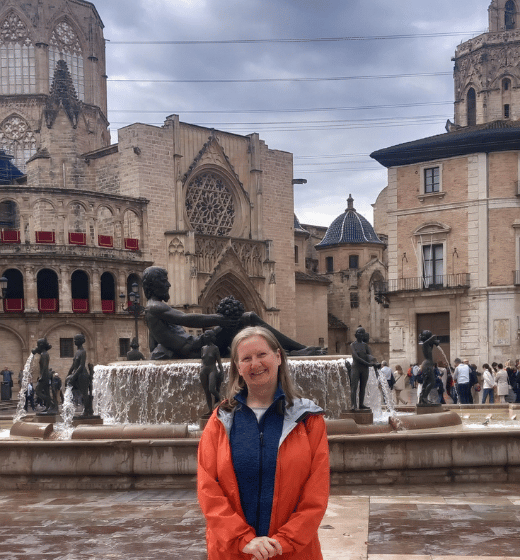
Hello! I’m Pilar, one of the host teachers for our Spanish Homestay Immersion Program (SHIP) here in Valencia. Today, I’ll take you on a friendly tour of Valencia’s historic center, the heart of my city and one of the most enchanting old towns in Spain.
Valencia is Spain’s third-largest city (after Madrid and Barcelona), but it still feels like a cozy town when you wander its charming streets. In fact, Valencia’s historic center is one of Europe’s largest and dates back over 2,000 years. This means there’s no doubt something for everyone here, from ancient Roman ruins to lively tapas bars, and from grand cathedrals to quirky modern art museums. So let’s start our stroll through history, culture, and Valencia’s vibrant life!
A Warm Welcome to the Historic Centre
Walking into the historic centre of Valencia, you immediately feel the layers of history around you. The area is also known as Valencia’s old town, or Ciutat Vella in Valencian, and it truly lives up to its name. Centuries ago, this was an ancient walled city, protected by stone ramparts. While most of the medieval walls are gone, you can still see impressive remnants of the old walled city at the city gates.
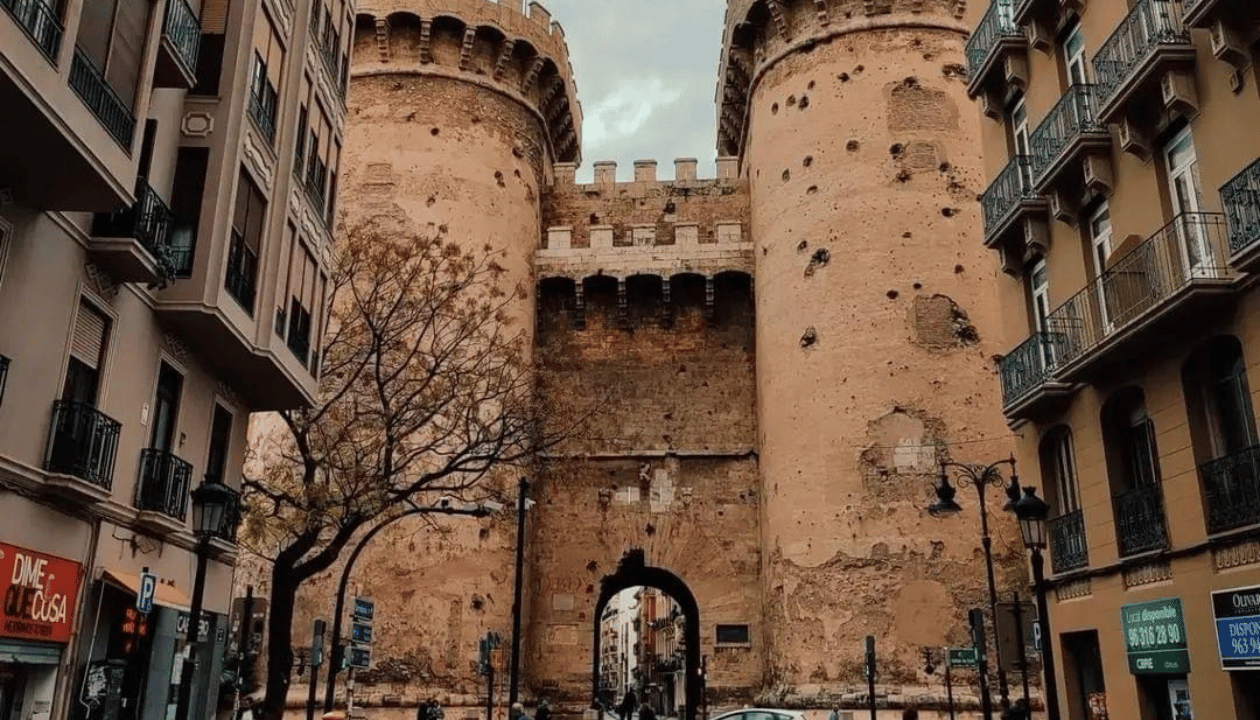
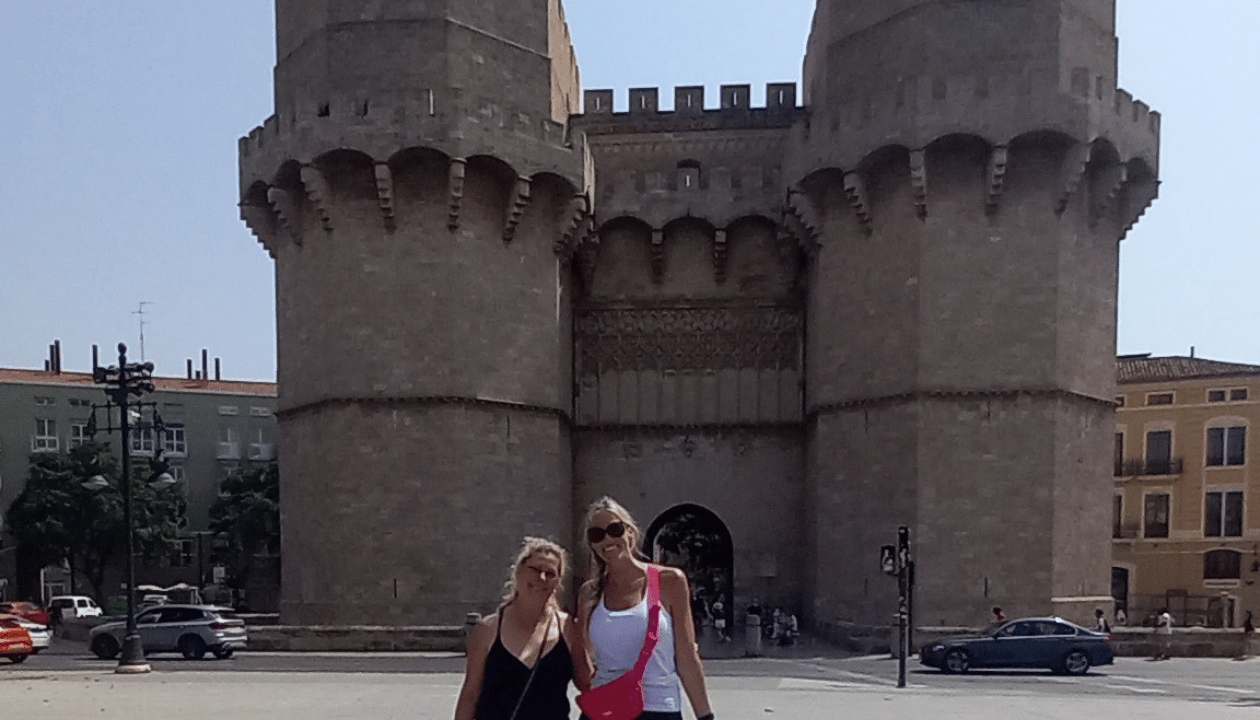
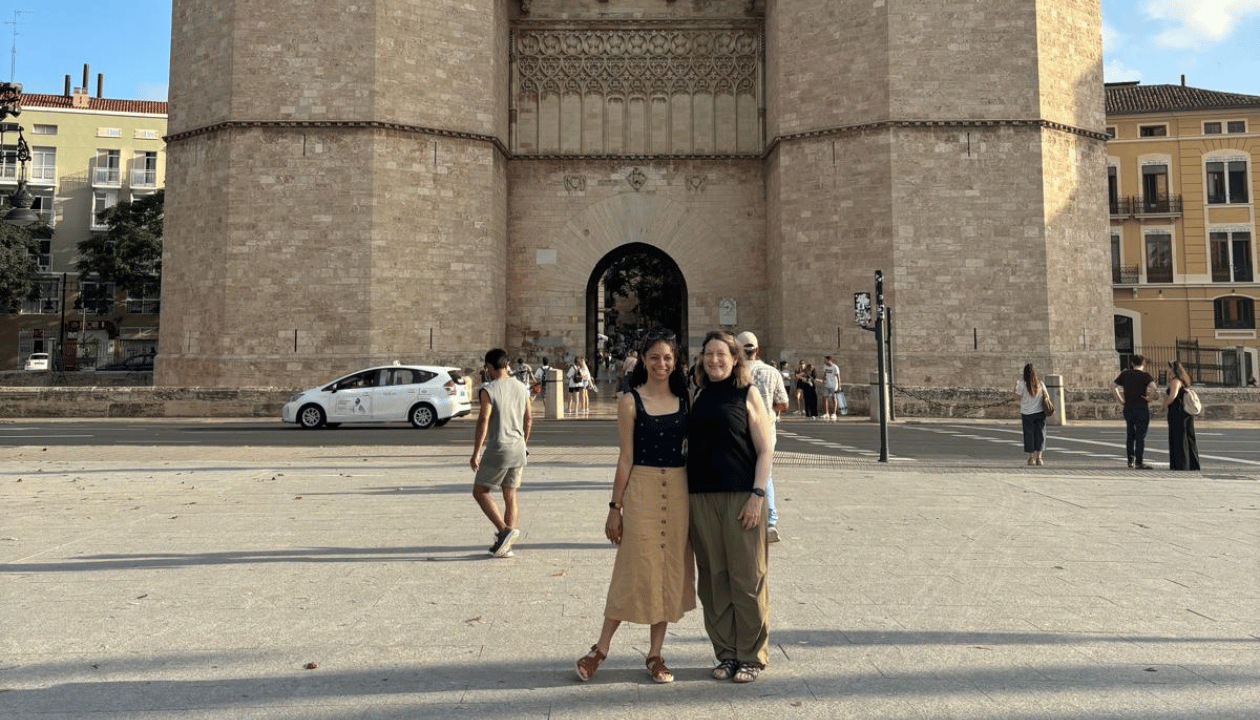
At one end of the historic centre stand the Torres de Serranos (Serranos Towers), towering guard posts that once formed part of the city’s fortifications. These 14th-century Gothic towers, built between 1392 and 1398, remain one of Valencia’s most emblematic buildings. In fact, along with their sister gates, the 15th-century Torres de Quart, the Serranos Towers are among the only pieces of the old city wall that still survive.
When you climb up the Serranos Towers (yes, you can go up!), you get a fantastic view of the city’s rooftops and the Turia gardens beyond the old moat. I love bringing students here first – it’s a perfect spot to imagine Valencia as an ancient walled city and take in the panorama of the historic centre.
From the Serranos Towers, we’ll stroll into the maze of Valencia’s old town streets. This area is called El Barrio del Carmen – a neighborhood that grew between two city walls long ago. Its narrow streets still follow the medieval layout, and you can sense the mix of eras. Believe it or not, Romans, Visigoths, and Moors all left their mark here.
As we wander, you’ll see Gothic arches next to colorful street art, and medieval facades hiding trendy shops or tapas cafés. El Carmen is an old town quarter full of surprises – historic buildings on one corner and vibrant urban murals on the next. Don’t worry, it’s very safe and lively, especially in the evenings when locals come out to enjoy the cooler air.
By day, you’ll find locals chatting in little squares and visitors discovering hidden alleys. By night, the neighborhood turns into one of Valencia’s most popular areas for dinner and nightlife, with countless bars, restaurants, and music spots creating a buzzing atmosphere. Whether you’re into history, art, or just people-watching, Barrio del Carmen has something to make you smile.
Plaza de la Virgen – A Historic Heartbeat of the City
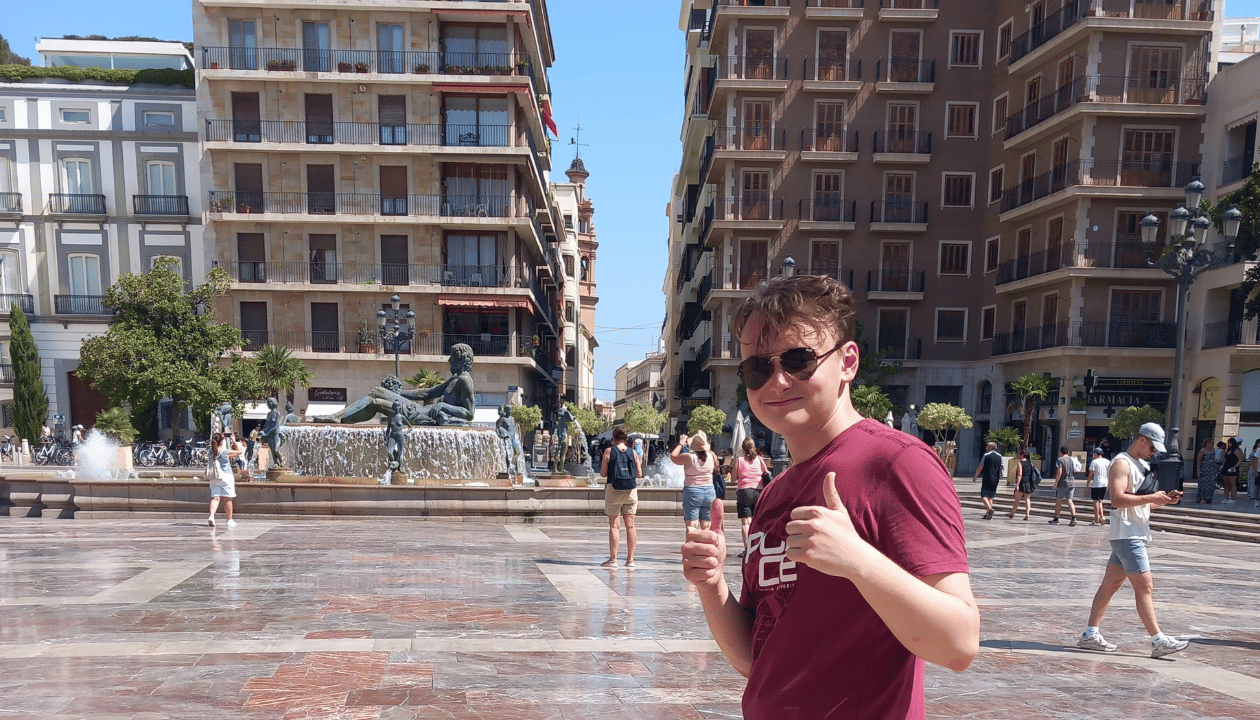
A short walk from the Torres de Serranos brings us to one of my favorite spots: Plaza de la Virgen. This beautiful square has been a central gathering place since Roman times. It sits roughly where the Roman forum of Valencia was located, making it truly the historic heart of the city. Today, Plaza de la Virgen is an inviting pedestrian plaza where you’ll often find both locals and visitors relaxing by the Turia Fountain.
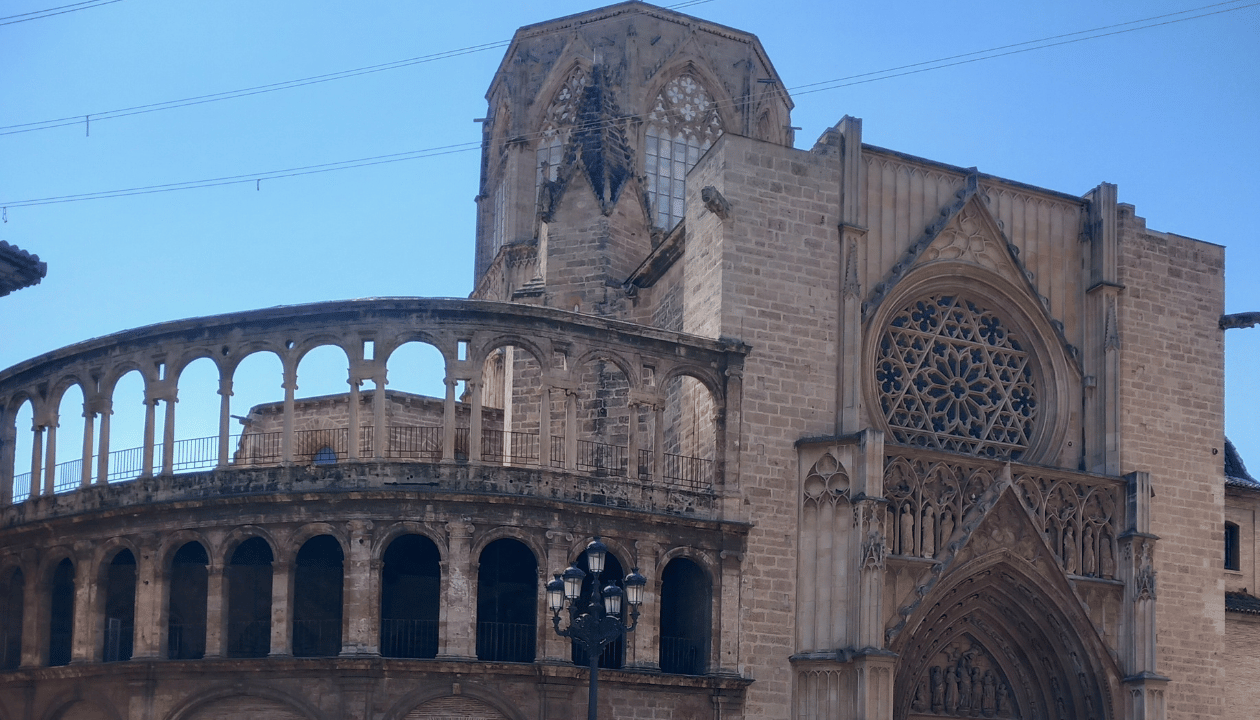
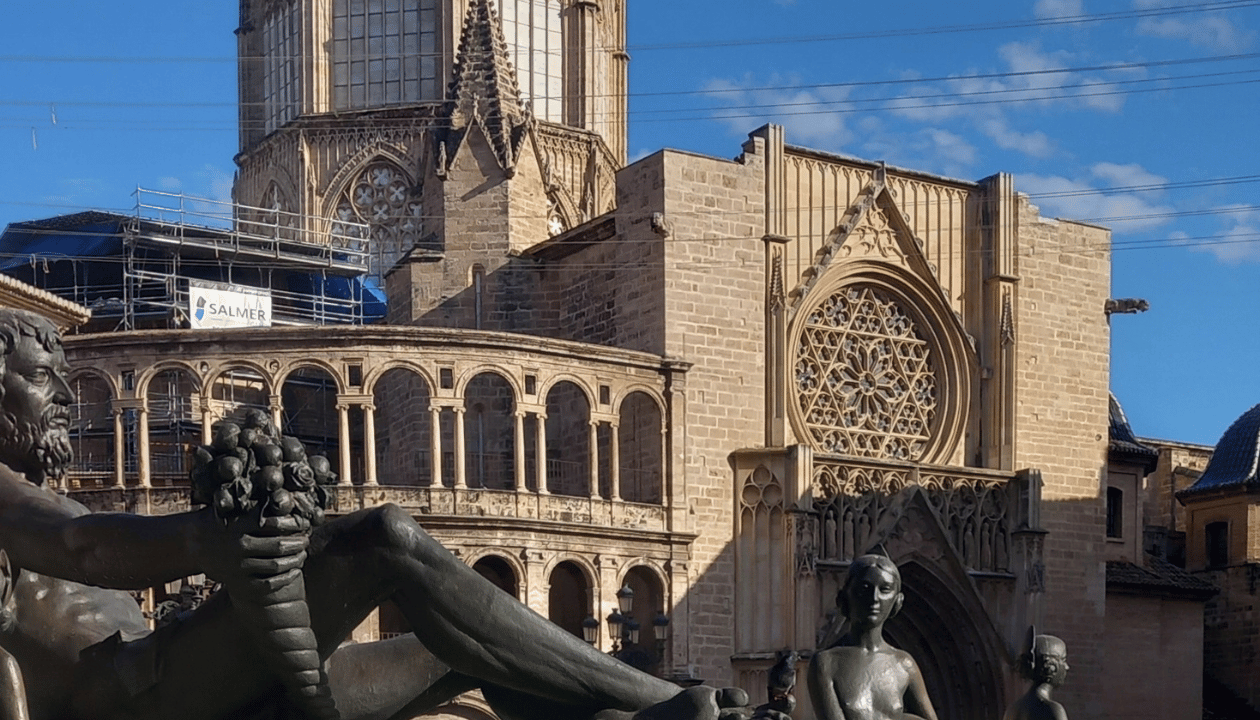
In the center, the fountain’s bronze figure of Neptune reclines, representing the ancient Turia River that used to flow through the city. Around the plaza are gorgeous buildings that showcase Valencia’s heritage. On one side is the Basilica of the Virgen de los Desamparados, a 17th-century church dedicated to our patron Virgin of the Forsaken (Virgen de los Desamparados).
This Basilica is very special to Valencians – it was built to honor our Virgin Mary after a terrible plague, and many people still visit to pay respects or see the revered statue of the Virgin inside. The Basilica’s curved Baroque dome and pale blue tiled roof make it easy to spot.
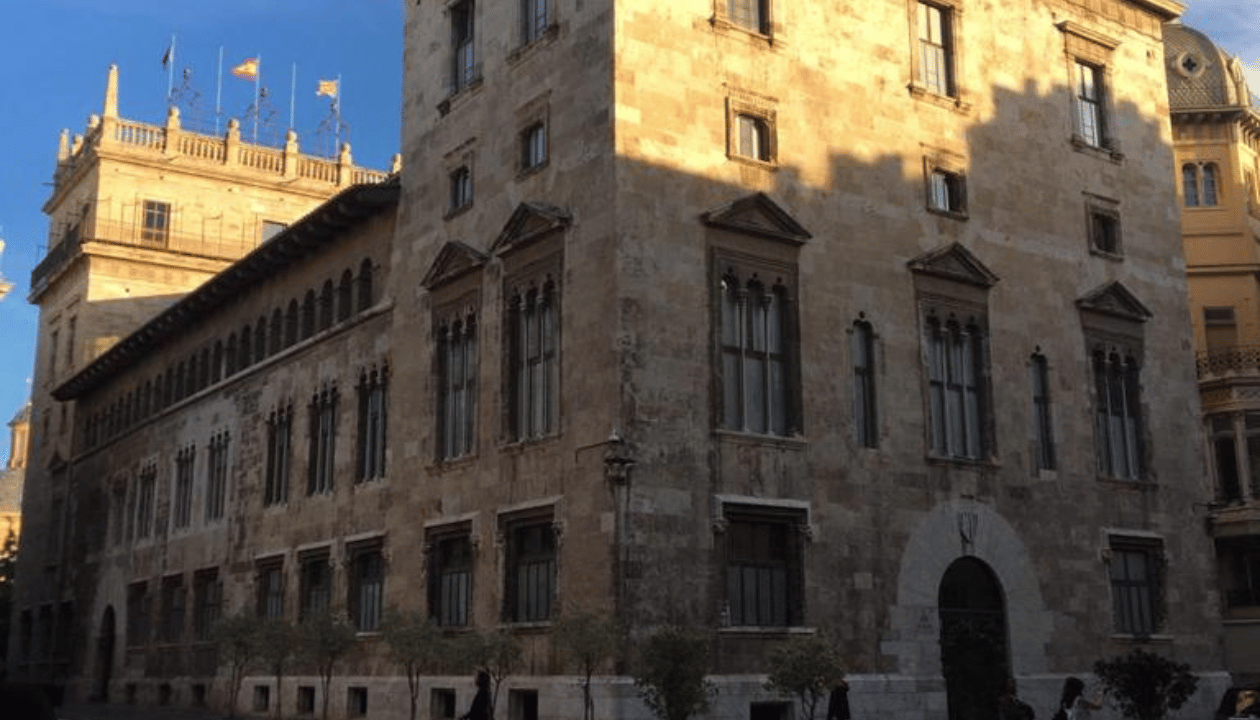
On another side of the plaza, connected by a charming archway, is the Valencia Cathedral, which we’ll talk about in a moment (it’s that famous building with the mismatched doors and the bell tower poking into the sky). Also bordering Plaza de la Virgen is the Palau de la Generalitat, a Gothic palace which is the seat of the regional government. With so much history in one place, it’s no wonder this square feels almost like an open-air museum.
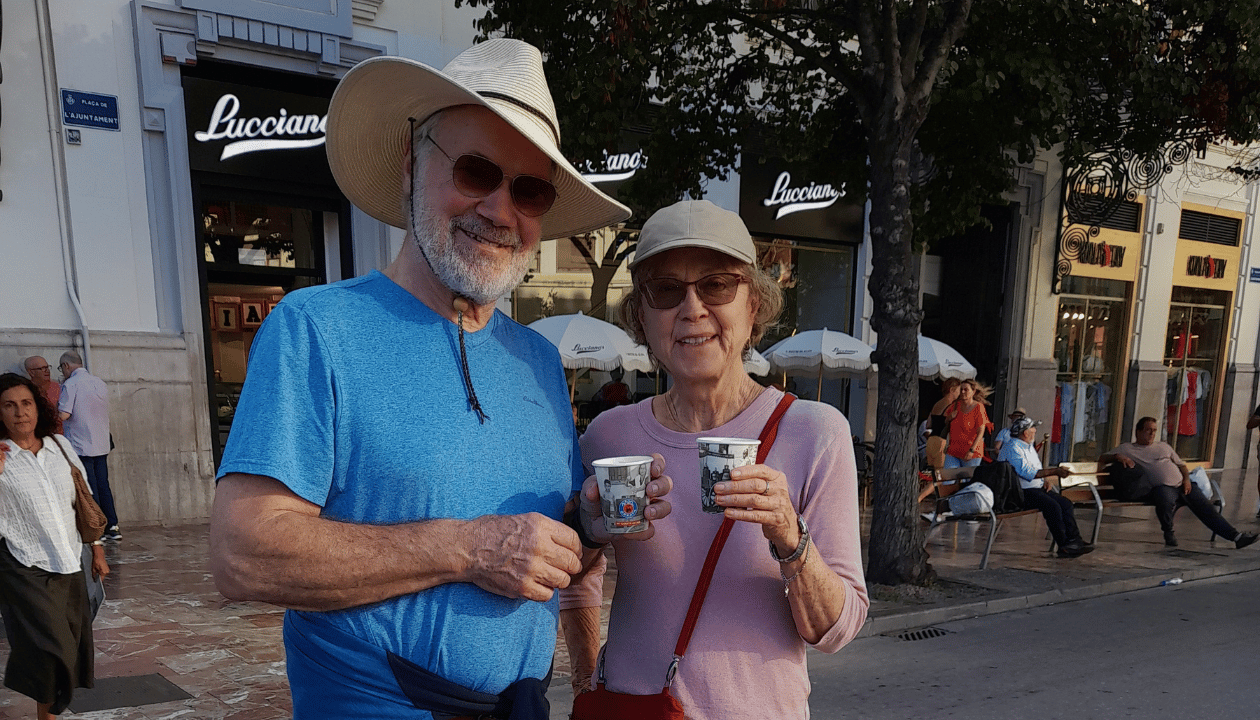
Yet it’s also full of life: children chase pigeons, grandparents rest on benches, and couples enjoy ice cream from nearby shops. If you sit here for a moment, you can soak up the culture and daily rhythm of Valencia. I always encourage our SHIP participants to take a break here, maybe grab a drink or an horchata (a delicious local tiger-nut milkshake) from a nearby café, and just enjoy the view of the historic centre around them. Plaza de la Virgen truly captures the soul of Valencia’s historic center – a place where past and present meet in a lively embrace.
The Cathedral and Its Legendary Holy Grail
Just steps away from Plaza de la Virgen is the grand Valencia Cathedral, officially the Metropolitan Cathedral–Basilica of the Assumption of Our Lady. But don’t worry, we just call it La Seu or simply “the Cathedral.” This stunning cathedral is a mix of architectural styles – mostly Gothic, with touches of Romanesque, Baroque, and more because it was built and modified over several centuries (from the 13th to 18th centuries).
One fun fact I love to share: the Cathedral was built on the site of a Roman temple and later a mosque, so it really symbolizes the many layers of Valencian history. On the outside, you’ll notice it has three very different doorways: the Portal of the Palms (Puerta de los Hierros), a dramatic Baroque entrance on the south side facing Plaza de la Reina; the Apostles’ Gate (Gothic style) facing Plaza de la Virgen; and the Almoina Gate (Romanesque style) on the east side. Each gate comes from a different era, which is pretty cool.
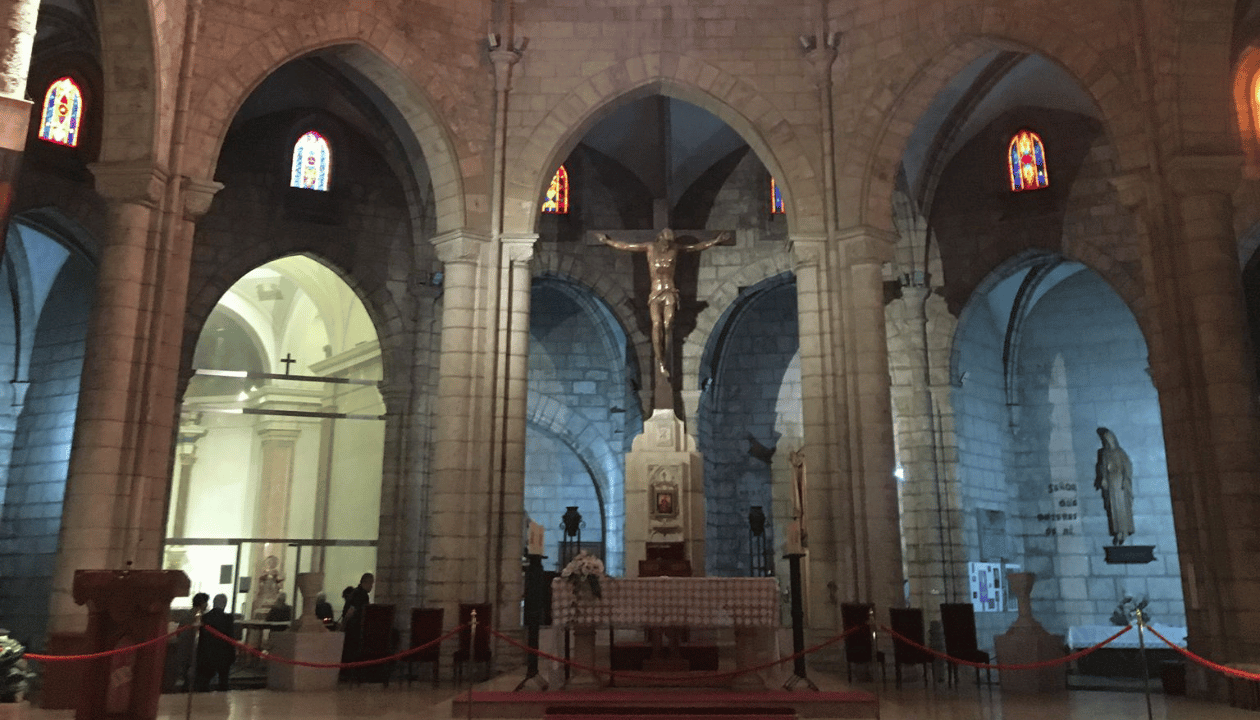
Now, let’s step inside – because there’s a treasure here you must not miss. Tucked in a softly lit chapel is a relic that many believe is the Holy Grail itself. Yes, Valencia’s Cathedral houses a Holy Chalice, an ancient cup said to be the Holy Grail used by Jesus at the Last Supper.
When I first heard this, I had no doubt it was a legendary tale, but the Holy Grail in Valencia is taken seriously! According to tradition (and some historical studies), this agate cup was taken by St. Peter to Rome, then sent to Spain for safekeeping during Roman persecutions. Eventually, it made its way to Valencia in 1437 as a gift from King Alfonso V of Aragon.
Whether you’re a believer or just intrigued, it’s a special feeling to stand in the Chapel of the Holy Grail and gaze at this artifact behind glass. The cup itself is a polished stone chalice with a gold stem and handles – surprisingly simple for such a famed object. Many visitors (and pilgrims) come to Valencia just to see this holy chalice, and it gives our Cathedral a bit of extra magic.
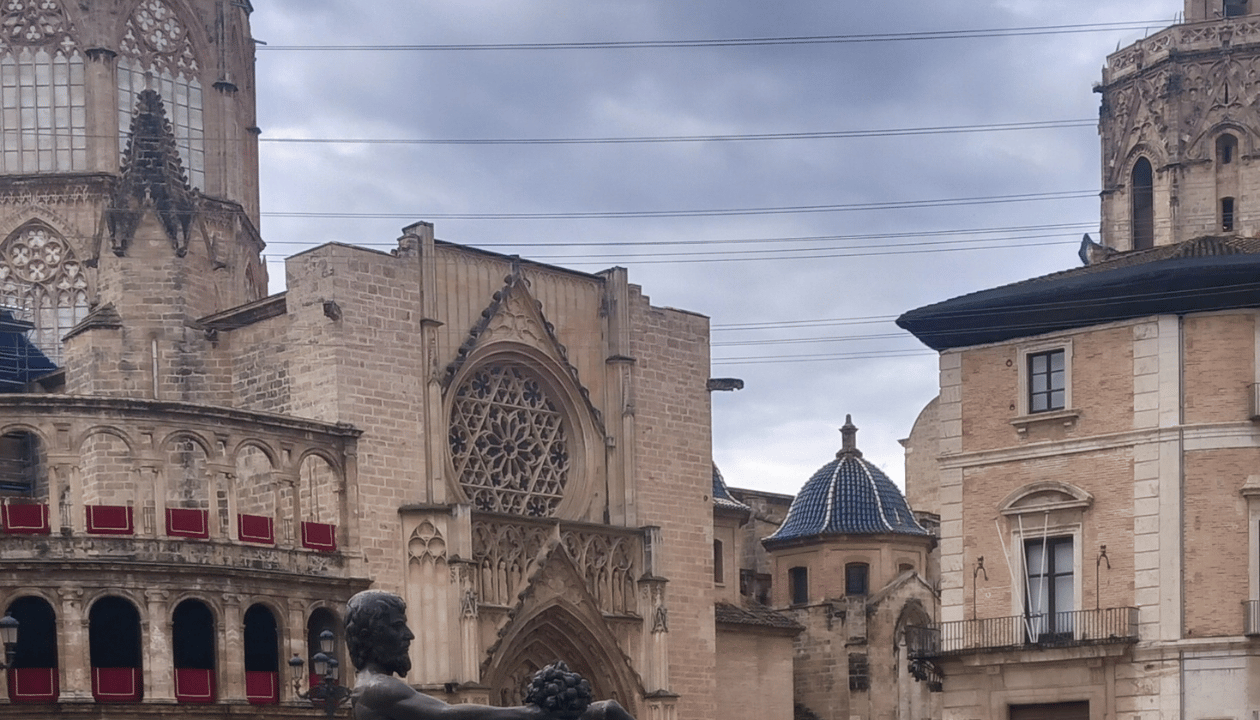
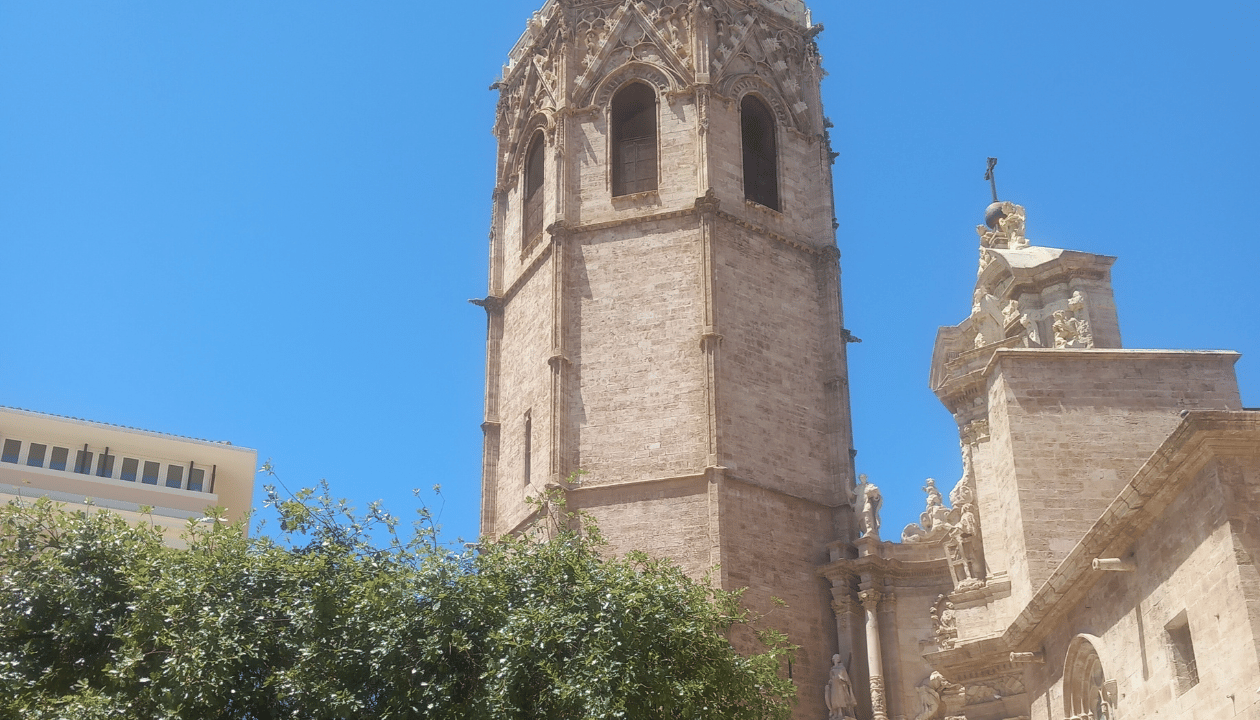
Beyond the Holy Grail, the Cathedral has plenty to admire: beautiful paintings (including two by Goya), a majestic high altar with recently uncovered Renaissance frescoes, and peaceful side chapels. But another highlight (and one of my personal favorites) is climbing the bell tower, El Miguelete. This cathedral’s bell tower is an icon of Valencia’s skyline – an octagonal Gothic tower named after its largest bell, “Miguel.”
Built between 1381 and 1424, El Miguelete stands about 50 meters tall. To reach the top, you conquer 207 spiral steps – it’s a workout, I won’t lie! However, the reward is worth it. From the summit, under the huge old bell, you get a breathtaking 360º view of the city’s historic centre. You can see how far the old town stretches – a maze of terra-cotta roofs, church domes, and streets that seem to twist into each other.
Looking out, I often point out to my students the mix of old and new: the medieval layout of the town below and, in the distance, the modern skyline and even the blue line of the beaches by the sea. It’s a moment where you can really appreciate Valencia’s blend of history and modern life. And don’t worry – we’ll take the climb slowly, and we can rest as needed (there are little windows at intervals that offer sneak peeks on the way up). Once back down, your legs might be a bit wobbly, so it’s the perfect time to reward ourselves with a local treat like tapas or chilled horchata!
Plaza de la Reina – A Revitalized Urban Hub
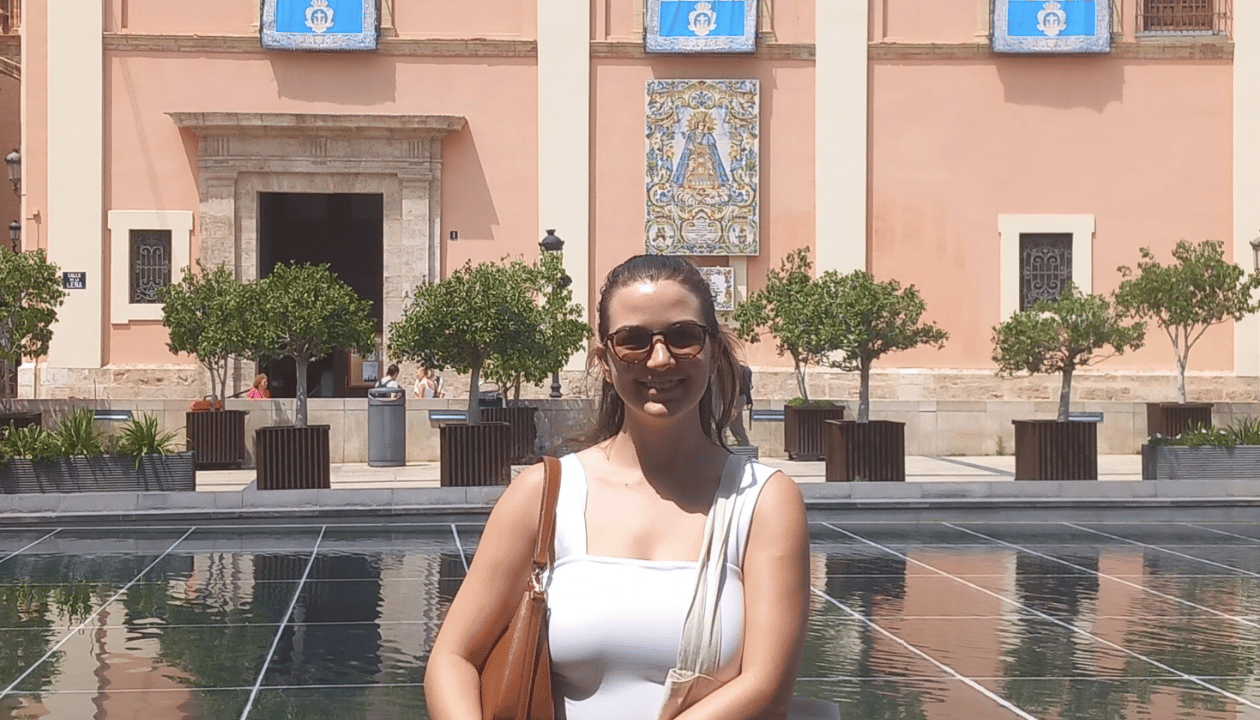
When you exit the Cathedral by the main Baroque door, you step right into Plaza de la Reina (Queen’s Square). This is another major square in the historic centre and a favorite meeting point in the city. In the past, Plaza de la Reina was full of traffic, but it was recently refurbished and transformed into a mostly pedestrian plaza (completed in 2022).
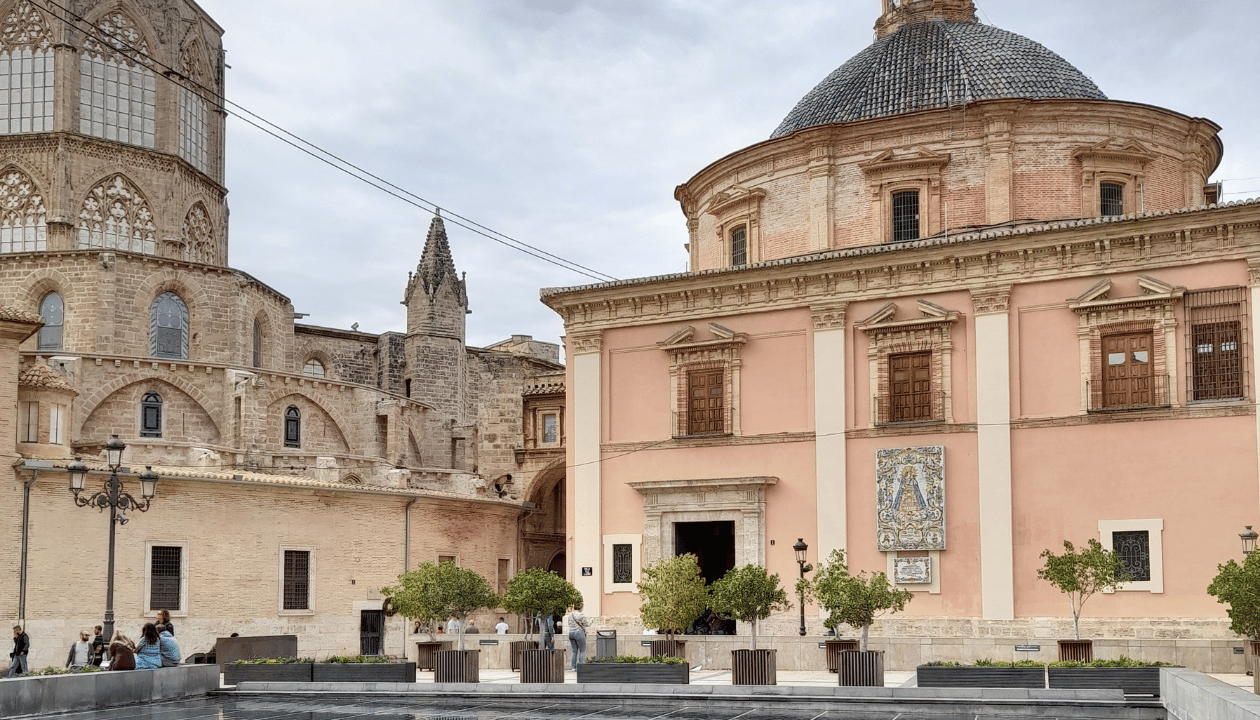
Now it’s a modern, open space with shady trees, plenty of benches, and even refreshing little water jets to cool the air. The new design has really made it easier to walk around and enjoy the ambiance. I love the pedestrian-friendly feel – you can safely wander without worrying about cars, which is great for groups and tours. At one end of Plaza de la Reina, you’ll see the famous El Miguelete tower we just visited, and at the other end starts a long shopping street (Calle de la Paz).
The plaza is lined with outdoor cafés and restaurants, so it’s a nice place to grab a coffee or a bite. Sometimes after class, I meet fellow teachers here for a quick drink on a terrace, enjoying the up-close view of the Cathedral’s bell tower glowing in the late afternoon sun.
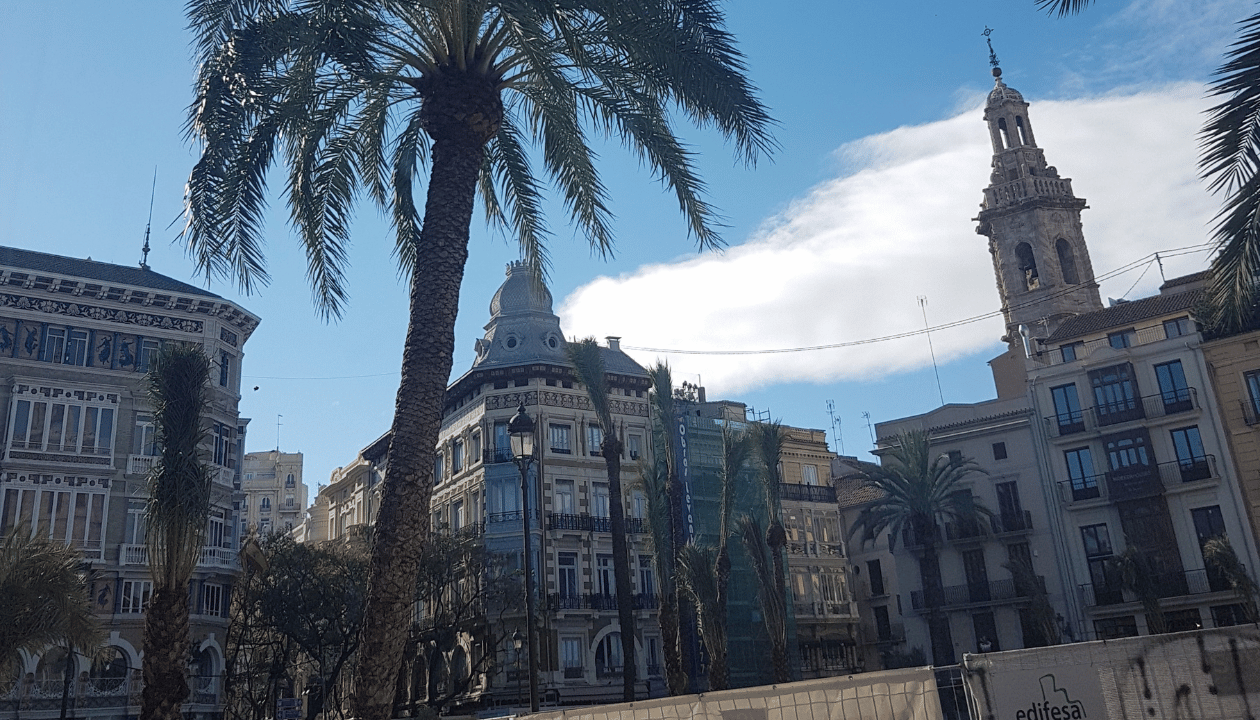
One thing I often point out is the small tiled sign on the ground that marks “Kilometer Zero” of Valencia – the point from which distances were traditionally measured. Plaza de la Reina is like the city centre reference point. It’s also home to a beloved little shop for those with a sweet tooth: an old-fashioned horchatería (horchata café) called Santa Catalina is tucked in a corner by a church of the same name.
They serve horchata and fartons (sweet pastries) that are a local specialty – don’t miss the chance to try it if you can! Whether you come here to savor ice cream, do some people-watching, or just use it as a navigational landmark, Plaza de la Reina will likely be a place you pass through multiple times while exploring Valencia’s historic streets. And since it’s so central, many of Valencia’s other attractions are just a short walk away.
La Lonja de la Seda and the Central Market – Valencia’s Mercantile Marvels
Let’s continue our stroll a few blocks onward to two historic gems that sit right next to each other: La Lonja de la Seda (the Silk Exchange) and the Central Market. This area truly showcases Valencia’s rich mercantile past – a time when silk and oranges made the city wealthy and famous.
La Lonja de la Seda is an impressive late Gothic building that once was the center of Valencia’s bustling silk trade. Built between 1482 and 1533, it’s often considered one of the most beautiful civil (non-religious) Gothic buildings in Europe. In fact, it’s recognized as a UNESCO World Heritage Site (since 1996) for being an exceptionally well-preserved example of a Gothic silk exchange that illustrates the power and wealth of Valencia’s golden age.
Standing in front of La Lonja, I’m always struck by its fortress-like appearance and elegant details. The building has a magnificent façade adorned with carved stone gargoyles (some are pretty cheeky figures!). Step inside, and you’ll find the famous Contract Hall, a grand room with soaring twisted columns that spiral up to the ceiling like palm trees made of stone. It almost feels like a sacred space – which is why some call it a “cathedral of commerce.”
In the past, this was where merchants made deals and traded silk and other goods. I encourage our participants to look up and all around in that hall; the craftsmanship is stunning, and you can easily imagine the whispers of merchants from centuries ago. There are also other rooms, like the Consulate of the Sea with its richly decorated ceiling, and a peaceful orange tree courtyard (perfect for a little break during your visit). La Lonja is truly one of Valencia’s historic centre highlights and an emblematic symbol of the city’s prosperity during the medieval and Renaissance era.
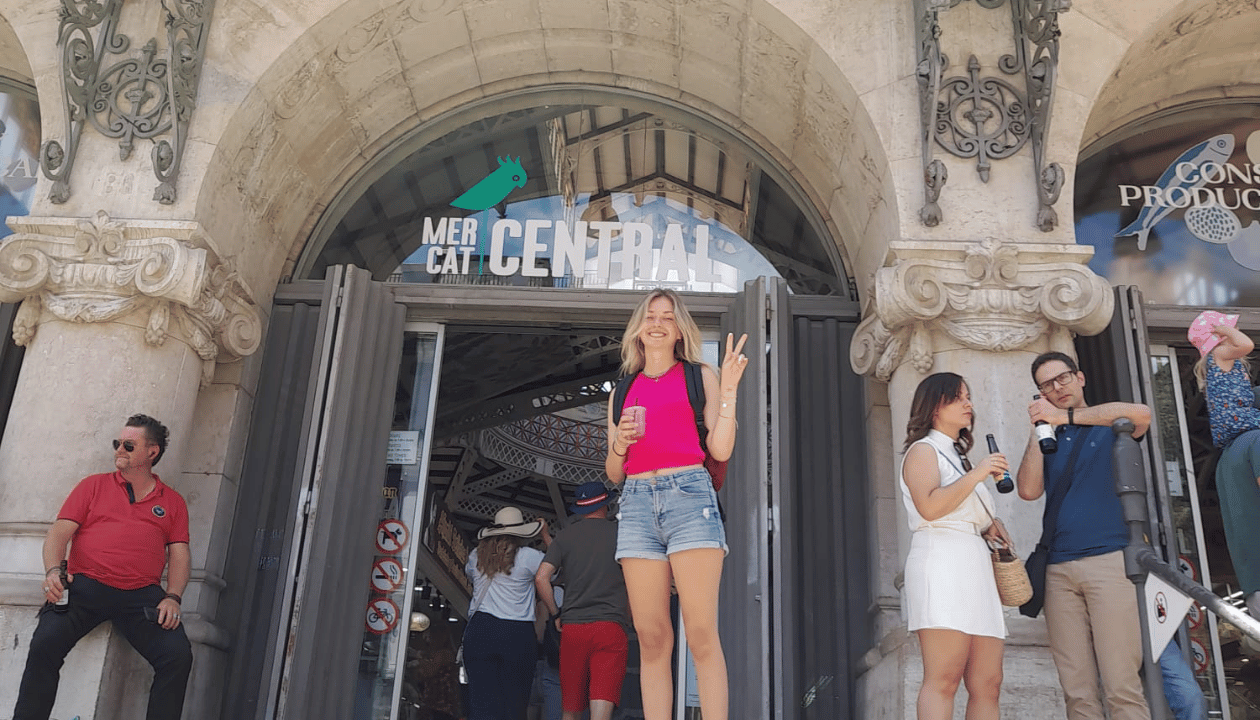
Now, almost directly across from La Lonja is a place that always brings a smile (and maybe a rumbling stomach!): the Central Market of Valencia (Mercado Central). Housed in a gorgeous 1920s building, the Central Market is one of the largest and oldest markets in Europe for fresh local produce. The market was built between 1914 and 1928 in a beautiful Valencian Art Nouveau style, with colorful ceramic tiles, stained glass windows, and an eye-catching iron and glass structure.
Locals sometimes call it “the cathedral of markets” – and when you step inside, you’ll see why. The space is vast (over 8,000 square meters!) and crowned by two domes, the highest rising about 30 meters with a weathervane on top. But it’s the atmosphere that truly makes it special.
Inside the Central Market, more than 300 stalls overflow with the colors and scents of Valencia’s bounty. You’ll wander past pyramids of shiny oranges, mountains of ripe tomatoes and peppers, and stands of freshly caught Mediterranean fish on ice. The air carries the mix of spices, ham, and cheeses. Vendors call out their daily deals in sing-song Spanish, and you might catch snippets of Valencian conversation between locals debating which melon is sweetest.
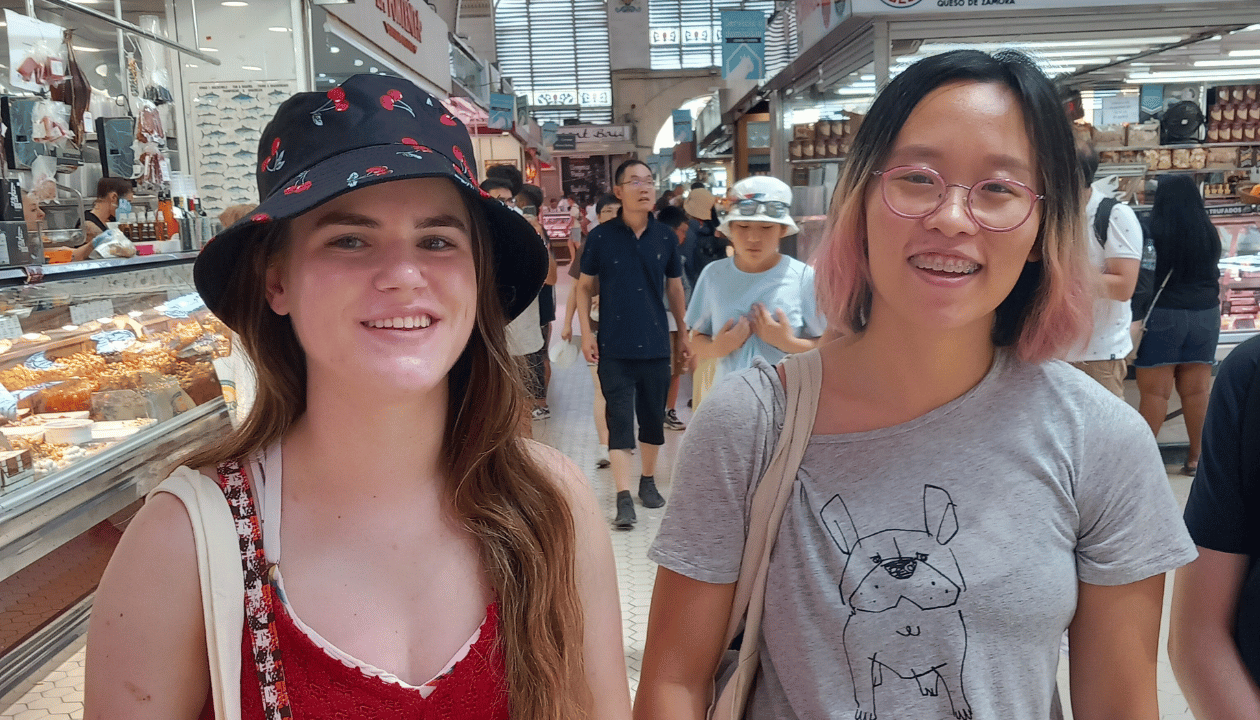
It’s a lively scene that hasn’t changed much for generations – in fact, a market has operated on this spot for over a history of 700 years (long before the current building was constructed, merchants sold goods here in the open air!). Visiting this market is a feast for the senses: you can discover unique regional foods like chufa (tiger nuts for horchata), sample some olives or Turrón (nougat candy) from friendly stall owners, or buy a packet of pimentón (paprika) to take home.
Many stalls even offer tasters. I often challenge my students to practice their Spanish with the vendors – it’s a fun way to engage with locals, and the sellers here are used to curious travelers. Don’t be shy about asking questions, they might even give you a little taste of Valencia’s culture in edible form!
One thing not to miss: at the center of the market, there are a few tapas bars and small eateries. It’s a tradition for shoppers (and guides like me!) to take a break with a quick bite or coffee. Grabbing a fresh empanada or a tapa of tortilla de patatas inside the bustling market, while rays of light stream through the stained glass, is such a joy.
And if you look up above the stalls, you’ll notice the gorgeous architecture – the patterned tiles, the ornate iron work, and even images of produce in the ceramics, celebrating Valencia’s agricultural heritage. The Central Market isn’t just a place to buy food; it’s a living part of the city’s social life and culture. It was declared a Historic-Artistic Monument in 2007 for its architectural and cultural value.
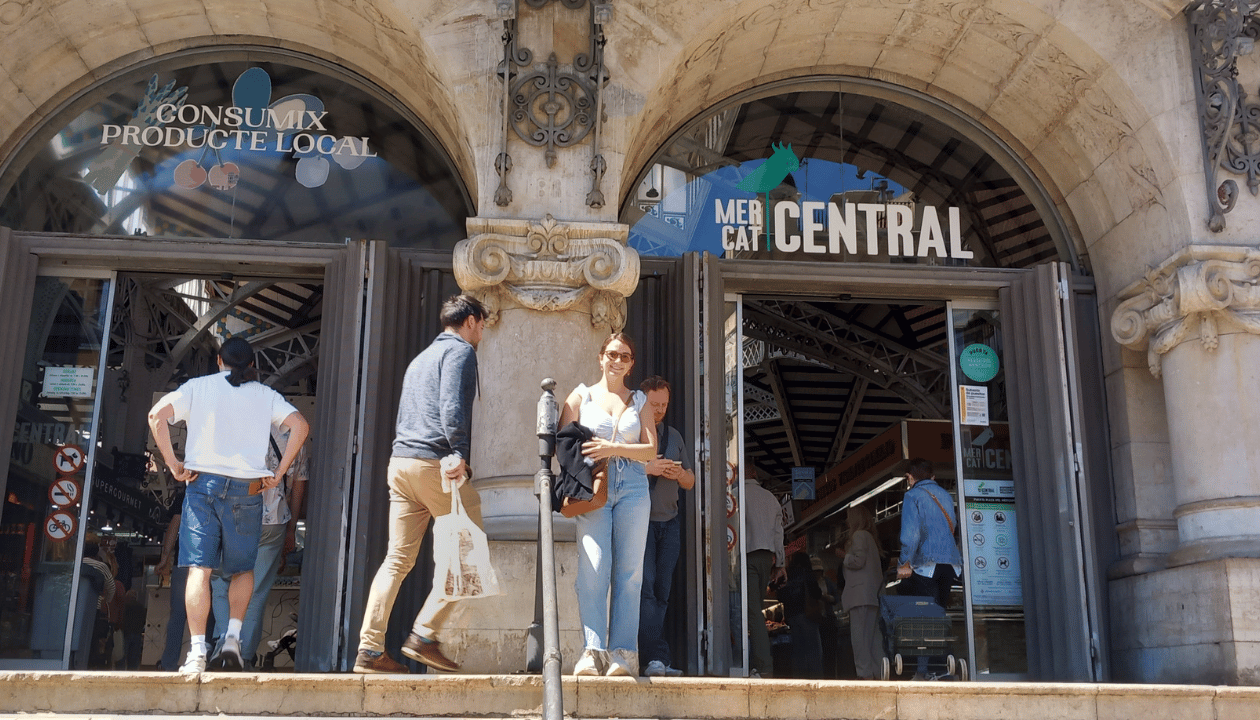
So, in one morning at this corner of the old town, you get to experience two extremes of Valencia’s mercantile history: the dignified old Silk Exchange where traders once negotiated contracts, and the bustling market where today’s Valencian grandmas haggle over the price of artichokes. Both are absolutely worth your visit!
Hidden Gems: Churches, Art, and Museums in the Old Town
By now, you might be thinking we’ve seen it all – but Valencia’s historic centre has even more to offer. Let’s talk about a few hidden gems and must-see spots that sometimes surprise even seasoned visitors.
One such gem is the Church of San Nicolás, tucked away in the winding streets of El Carmen. From the outside, San Nicolás doesn’t look very large or fancy – it’s a Gothic church with a simple façade on a narrow street. But step inside, and no doubt you’ll understand why it’s nicknamed the “Valencian Sistine Chapel.”
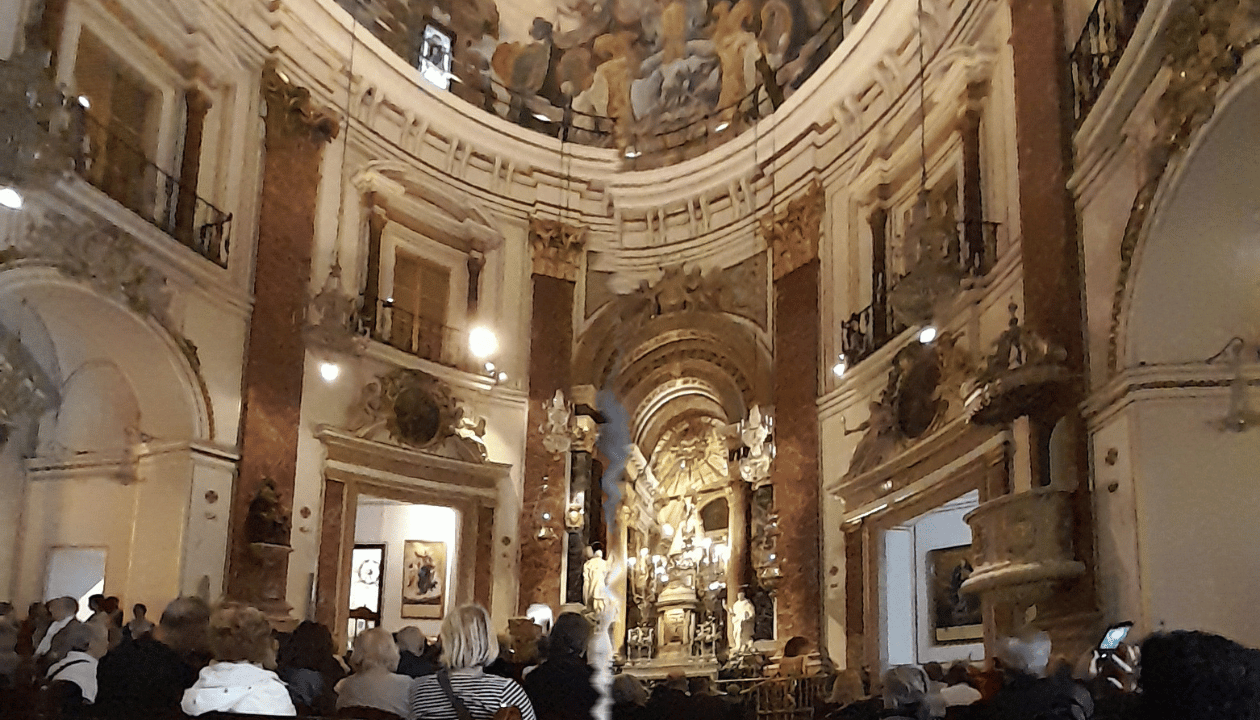
The entire vault and walls are covered in stunning Baroque fresco paintings, recently restored to their full glory. The restoration (completed in 2016) cleaned away centuries of soot and grime to reveal vibrant colors and scenes that will take your breath away. Imagine 2,000 square meters of frescoes showing the lives of Saint Nicholas and Saint Peter Martyr, with angels, starry skies, and decorative motifs everywhere you look.
It’s incredible. The level of detail and the play of light and shadow truly rival those of the Sistine Chapel in the Vatican (hence the nickname). This project was a labor of love – over four years of painstaking work by experts, costing several million euros – and the result has given new life to a historic 15th-century church that many people used to overlook. Now San Nicolás has become one of the most popular museums/monuments to visit in the old town. They even have an immersive light projection show at times to enhance the experience.
Whether you are religious or not, this place is pure art and history, and it often leaves our SHIP participants speechless (and snapping lots of photos!). Tip: I try to bring people here in the late morning or afternoon when sunlight filtering in makes the frescoes glow. Also, remember to look up and all around – every inch is decorated. San Nicolás is a short walk from the Central Market, so it fits nicely into our route.
Now, for art lovers, Valencia’s old town offers a blend of classic and modern art. On the contemporary side, we have the Valencia Institute of Modern Art, known as the IVAM (Institut Valencià d’Art Modern). Located on the edge of El Carmen (by Guillem de Castro Street), the IVAM was Spain’s first big modern art museum, opened in 1989. It’s a sleek, modern building that might feel like a contrast after all the Gothic and Baroque we’ve seen, but it’s part of Valencia’s cultural fabric.
Inside, the Valencia Institute of Modern Art houses an impressive collection of 20th-century and contemporary artworks. There are permanent galleries dedicated to influential Valencian artists like Julio González (known for his iron sculptures) and changing exhibitions featuring photography, avant-garde installations, and more. If modern art is your thing, you could spend a couple of hours here exploring. Even if not, it’s an interesting glimpse into how Valencia’s artistic spirit continues in the present day.
One cool plus: the IVAM is built near the old medieval walls, and in the lower level, you can actually see remnants of the city’s fortifications on display, which were uncovered during construction! So it literally integrates the old and the new. I often mention the IVAM to our participants who might want to branch out beyond historical sites – it shows that the city embraces innovation and creativity, not just history. And on Friday evenings, the museum has free entry (great for students on a budget).
Another spot I adore is the National Museum of Ceramics and Decorative Arts, housed in the Palacio del Marqués de Dos Aguas. This is a palace right in the historic centre (on Calle Poeta Querol, not far from Plaza del Ayuntamiento) and you’ll know it as soon as you see the facade – it’s spectacular. The Marqués de Dos Aguas Palace has arguably the most over-the-top Baroque palace façade in the country: a massive carved alabaster entrance flanked by two writhing figures representing two rivers (the “Dos Aguas” or “two waters”)lace itself is lavish, with furnished salons that give a peek into aristocratic life.
But the main draw is that since 1954 this building has been home to Spain’s National Ceramics Museum. If you have any interest in decorative arts, or even if you don’t think you do, it’s worth a look. The museum houses an impressive ceramics collection – the biggest in Spain – including traditional Valencian pottery, azulejo tiles, and even pieces by Picasso! You’ll see everything from ancient amphorae to colorful tiles, and even a fully decorated traditional Valencian kitchen exhibit.
It’s an unexpected treasure trove. And because this is a lesser-known stop, it’s usually quieter, meaning you can enjoy the opulent rooms and displays without crowds. I mention the Palacio de Dos Aguas especially for those participants interested in art, architecture, or simply looking for a hidden gem to discover on their own free afternoon. Plus, the street it’s on has some high-end shops and cafés, making it a nice area to explore a bit of Valencia’s elegant side beyond the old town feel.
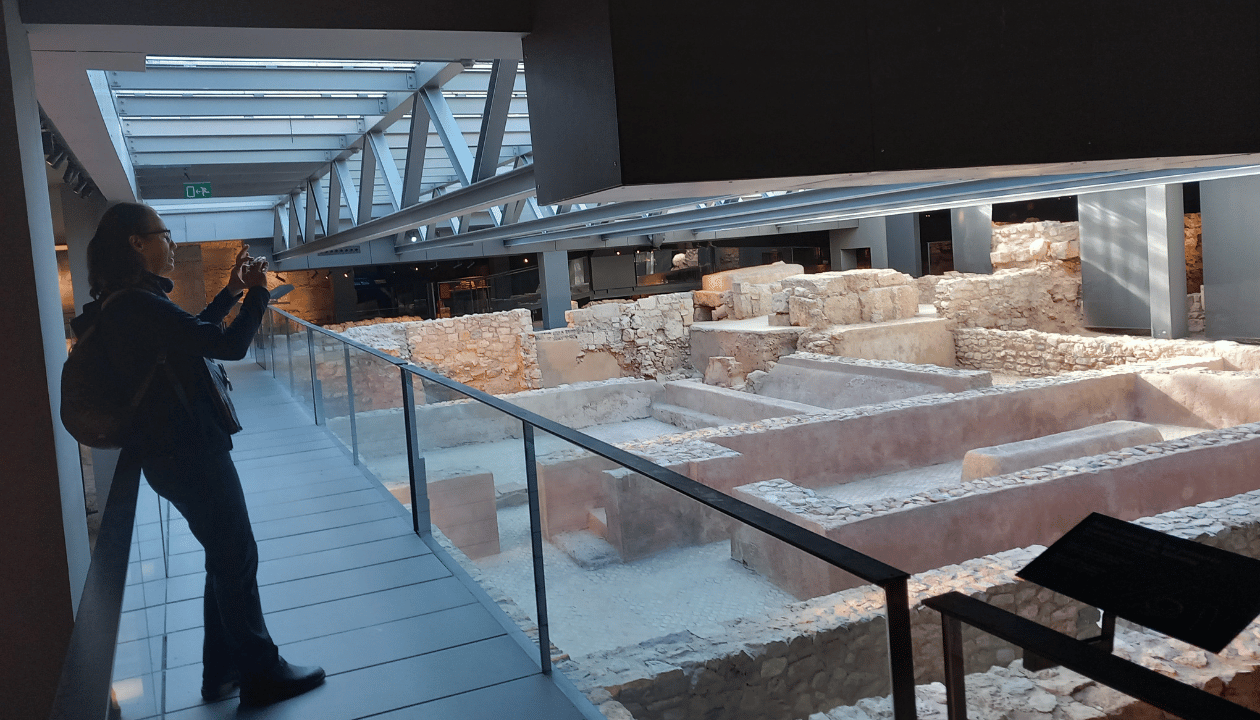
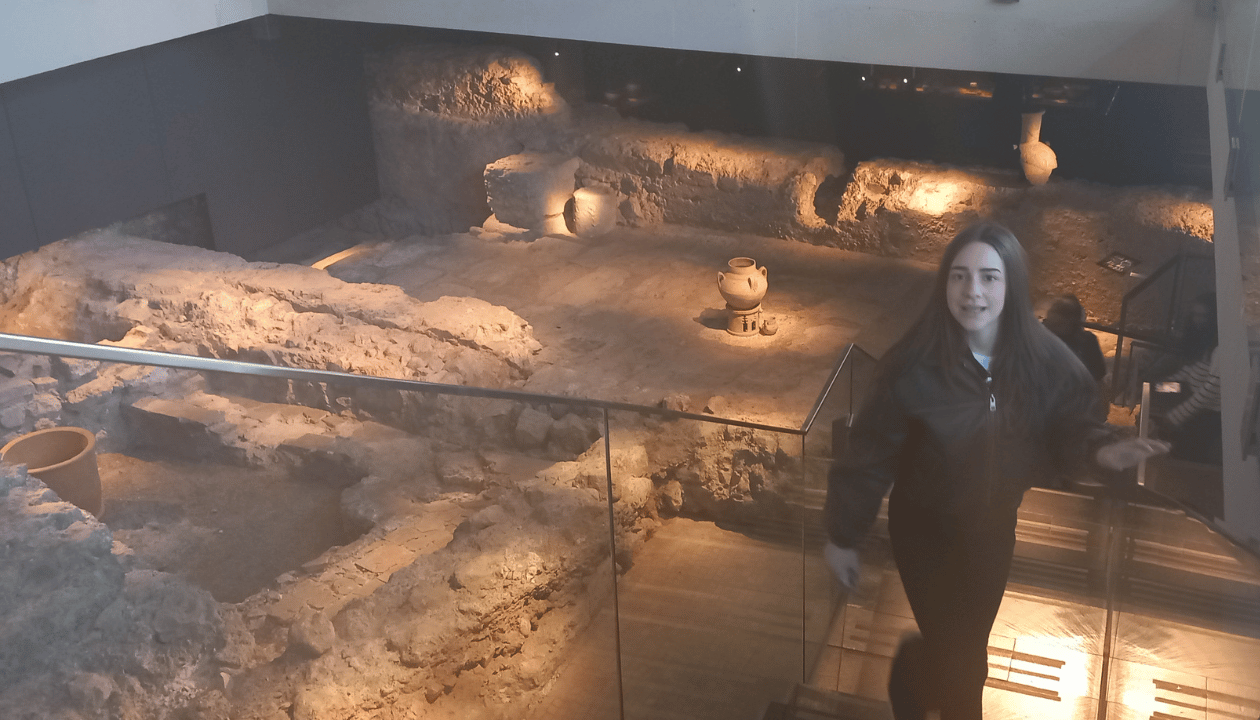
Lastly, if time permits, I always suggest peeking into a few more historic churches dotted around – like Santa Catalina Church (famous for its tall, slender Baroque bell tower and right next to a great horchata café), or Iglesia de Los Santos Juanes by the Central Market (you might notice its Baroque facade facing the market building). Each has its own story and art. And for those interested in archaeology, the Almoina Archaeological Museum near the Cathedral shows the actual Roman and Visigothic ruins under the city – literally layers of Valencia’s past under your feet.
As you see, Valencia’s historic centre is like an endless chocolate box of culture and history – you open one lid and you find another and another. From Gothic towers to modern galleries, from silk trading halls to tapas markets, from holy relics to street art – it’s all here within a comfortable walking distance. Each corner of the old town has a story, and as a local, I feel proud and happy to share these with anyone willing to listen.
Tips for Enjoying Valencia’s Historic Center
Before we conclude our tour, I want to leave you with a few personal tips to make the most of your time in Valencia’s historic center:
- Take your time and walk: The best way to explore the old city centre is on foot. Wear comfy shoes, meander through the streets, and allow yourself to get a little lost in Valencia’s historic lanes – you’ll often stumble on a pretty plaza or a cute shop. The area isn’t huge, and many key sites are just a short walk from each other.
- Enjoy the local flavors: Don’t just sightsee – taste Valencia! Visit the Central Market in the morning for an authentic experience of how locals buy and eat. Try a fresh-squeezed Valencian orange juice or some jamón at the market. Later, stop at a traditional café for an horchata and fartón, or have an early evening tapas crawl in El Carmen (patatas bravas and grilled octopus are my go-to). In the historic centre, you’ll find everything from tiny family-run eateries to modern fusion restaurants. And of course, you can get the famous Valencian paella at several places – though locals actually usually eat paella at lunchtime, not dinner.
- Catch the culture and events: The old town squares often host activities. If you’re here in March during Fallas (our big festival), Plaza de la Virgen will be filled with flowers offered to the Virgin, and the city is in celebration mode. On Thursdays at noon, you can witness the ancient Water Tribunal (Tribunal de las Aguas) convene at the Cathedral’s Apostles Gate – a UNESCO-honored tradition for water rights. Also, some evenings you might find live music, outdoor art exhibits, or tours in the plazas. Keep an eye out for flyers or ask at the Tourist Info.
- Stay safe and savvy: Valencia’s old town is generally very safe and welcoming. Just use common sense: watch your belongings in crowded areas like the market, and if you’re out late in bars (the neighborhoods can get quite lively with nightlife), stick with friends. The locals are friendly, and many young people speak some English, but they’ll smile if you try a few Spanish words – don’t be afraid to say “Hola, buenas” in shops or “Gracias” when someone helps you.
- Plan a mix of sights and relaxation: There’s a lot to see, but you don’t have to rush. Maybe plan big sights like the Cathedral, Lonja, Central Market in the morning when they’re open (note: the market closes by mid-afternoon and is closed on Sundays). Then enjoy a leisurely lunch (perhaps a menu del día) and save churches or museums like San Nicolás or the Ceramics Museum for the afternoon when the market is closed. And definitely give yourself a little siesta or break time – perhaps sitting in Plaza de la Virgen with a gelato, or under the orange trees in the Silk Exchange courtyard. The historic centre is as much about soaking in the ambiance as it is about checking off monuments.
- Don’t forget the rest of Valencia: While the historic center of Valencia is a world unto itself, remember that the city has even more to offer beyond these ancient walls. The old town is well-connected, so you can easily hop to other attractions like the futuristic City of Arts and Sciences, or the beaches (Malvarrosa beach is just a short tram or bus ride away if you need some sea and sand after all the history). But honestly, many people fall so in love with the charm of Valencia’s historic streets that they spend most of their time right here, and that’s absolutely fine too!
¡Hasta Pronto! – See You in Valencia’s Old Town
I hope this friendly guide has given you a taste of what awaits in Valencia’s historic centre. Writing this “as Pilar,” I tried to share not just the facts and history, but also the personal joys I experience every time I walk these streets with a new group of eager visitors. Whether you’re passionate about architecture, a foodie looking for your next delicious tapas, a history buff, or a traveler who loves to explore authentic city life, Valencia’s old town will welcome you with open arms. It’s a place where Roman foundations, medieval houses, and modern creativity all coexist in harmony.
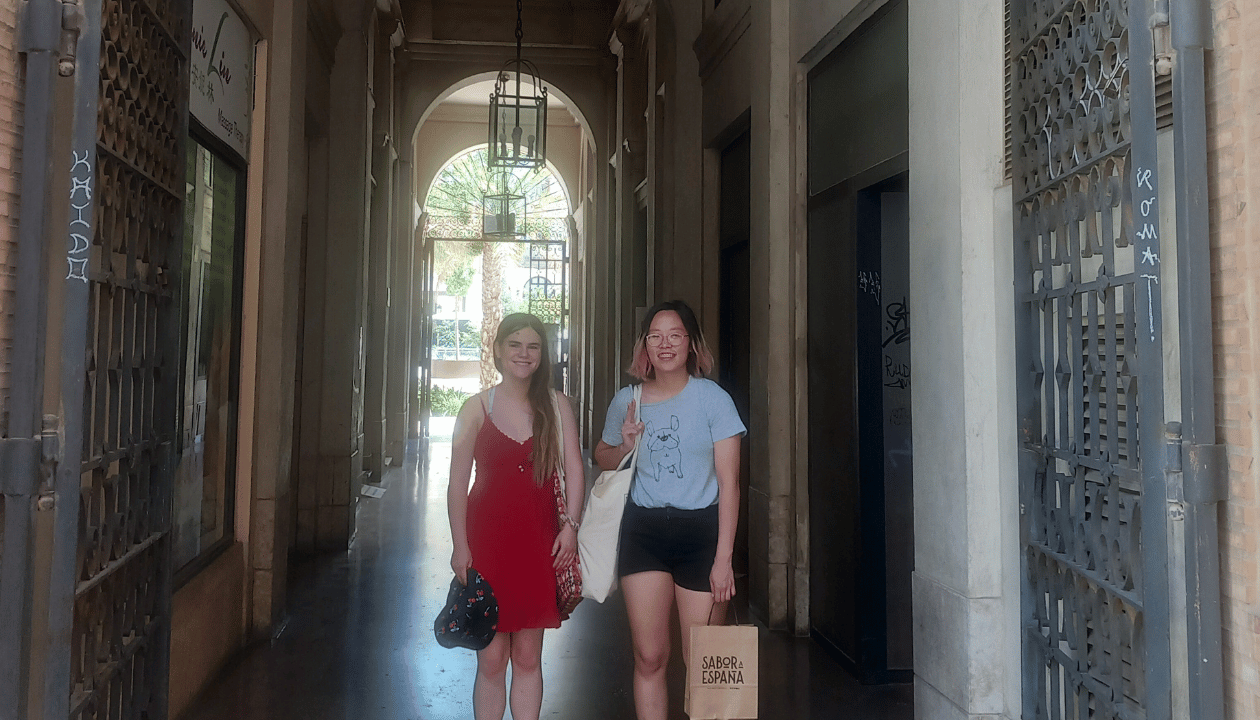
As someone who has guided students and visitors of all ages through this ancient yet always young part of the city, I can tell you that the wonder on their faces is the same – whether they’re 15 or 75 years old. There’s just something magical here. Maybe it’s the sunlight on golden stone, or the scent of orange blossoms in spring, or the sound of laughter and music drifting from a hidden bar. Maybe it’s all these little things together.
So, whenever you come to Valencia, make sure to give yourself the gift of time in the historic center of Valencia. Climb a tower, sip a coffee on a plaza, chat with a vendor, admire an old door, and get happily lost under the spell of the old town. I guarantee you’ll leave with memories to treasure – and perhaps, like many, you’ll be planning your next visit before you’ve even left.
Thank you for letting me share my love for my city’s historic heart. Until next time, ¡hasta pronto! Safe travels and happy exploring! 🌟
You can explore our students’ immersive learning experiences here:
👉 Spanish Culture & Language Immersion Stories
For personalised guidance and programme details, you can contact our founder directly:
Mónica Romero
Founder and Director, Spanish Express
📞 Phone / WhatsApp: +44 7903 867894
📧 Email: monicaromero@spanishexpress.co.uk