
New Year’s Eve in Latin America isn’t just a countdown. It’s a full-on cultural moment, often with large parties, family dinners, fireworks, and a little superstition for good measure.
Across many Latin American countries, people use New Year’s Eve rituals to close the past year, release the previous year, and step into the coming year with new hopes.
These year’s eve traditions and new year traditions in Latin America reflect the region’s cultural diversity. Some customs are shared across Latin American countries and other latin american countries, while others are tied to a single city, coast, or country.
Either way, they’re a fun window into Latin American culture, and a reminder that the new year is a fresh new chapter for families, friends, and even one’s personal life (and yes, sometimes even one’s personal life gets symbolically “reset” at midnight).
Below is a 2025-updated list of unique traditions you’ll find across various Latin American countries, and we won’t repeat a single celebration.
1) Clean first: sweeping the house and starting fresh
One of the most common year’s traditions is deep cleaning before New Year’s Eve. In many Latin American countries, cleaning the house before New Year’s (and cleaning the house before New Year’s Eve) symbolizes leaving behind the mess of the old year and welcoming the upcoming year with clarity.
A famous version is sweeping the house from the inside out. People do it to drive away bad energy, negative energy, and lingering negative vibes associated with the old year—especially if the year carried stress, disappointment, or bad memories.

2) Water out the door: renewal, release, and water fights
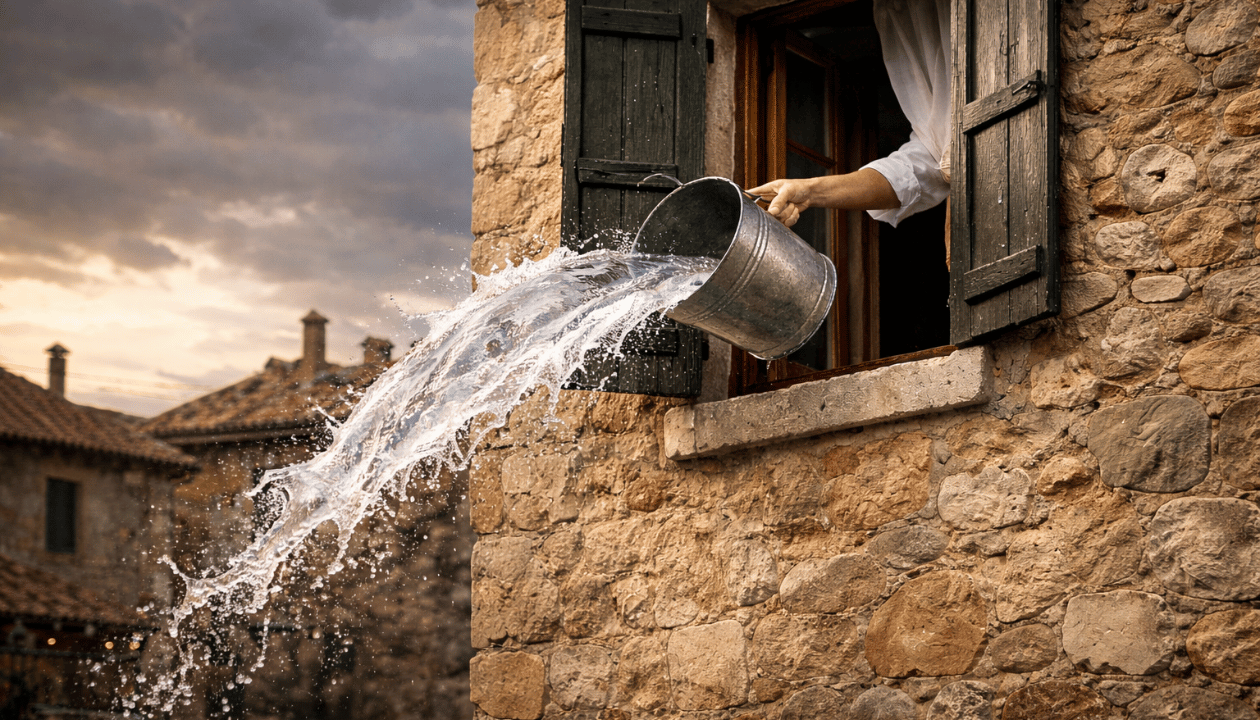
Another dramatic tradition is throwing a bucket of water out of a window or door. The symbolism is simple: release what weighed you down, wash away the past, and invite positive energy into the year ahead.
In some places, that idea turns playful—think water fights with splashes and pranks.
Uruguay’s twist: the Cider War Festival
In Montevideo, the tradition levels up into the cider war festival (Guerra de Sidra), where people end up soaked in cider, beer, and water. It’s messy, hilarious, and very on-brand for year’s eve celebrations.
3) Midnight grapes: a Spanish tradition adopted across Latin America
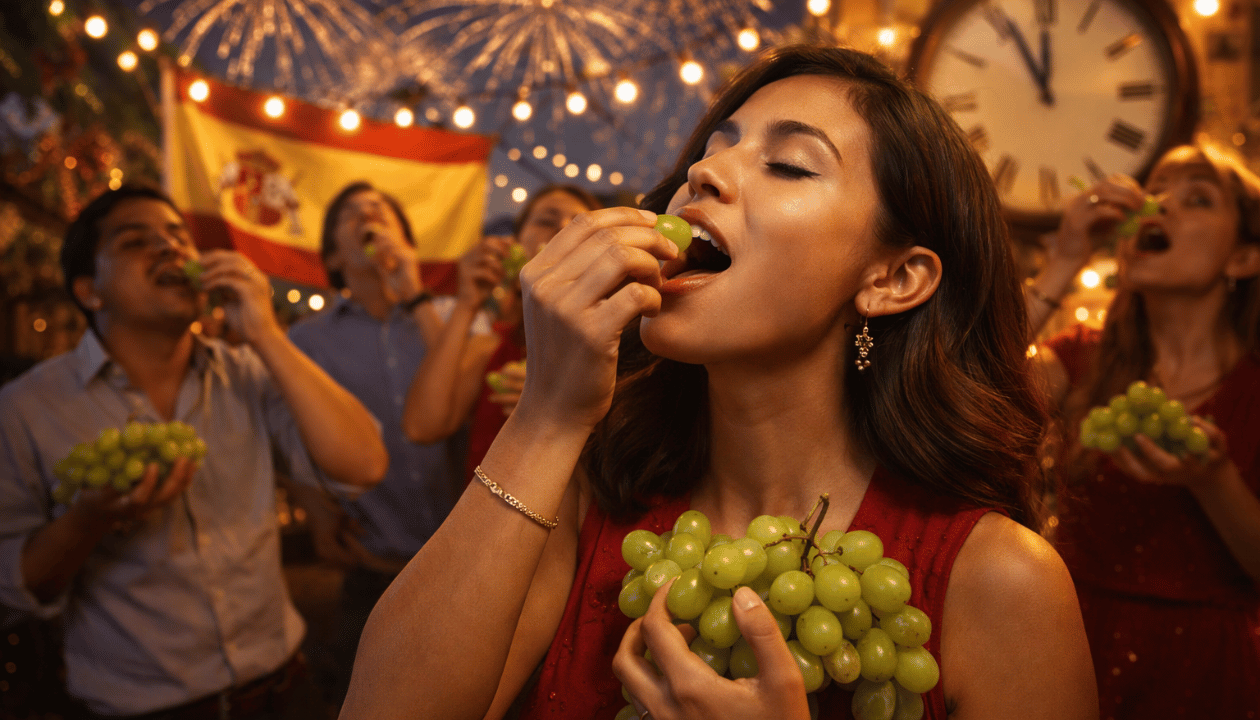
When the clock strikes and the clock strikes midnight, many families follow the grape ritual. Eating 12 grapes at midnight is practiced in many Latin American countries: you eat one grape per chime, make wishes, and hope for good fortune.
Each grape represents a month—so the idea is one bite for one month of luck. People also frame it as bringing good fortune and a prosperous new year.
This is a classic Spanish tradition that spread widely across Hispanic communities and remains one of the most recognizable New Year’s eve traditions.
4) Underwear colors: red stands for love, yellow for wealth
In Hispanic countries across the region, what you wear matters, especially underwear. Wearing colored underwear on New Year’s eve is believed to shape the coming year:
- Red underwear: red stands for romance—people wear red underwear to attract love.
- Yellow underwear: for money and success; many believe yellow underwear helps bring prosperity.
- White underwear (or dressing completely in white): associated with peace and fresh energy.
- Some traditions mention wearing black as something to avoid because it can signal bad luck.
It’s a playful ritual, but it’s deeply rooted in everyday folklore.
5) Brazil: seven waves, white clothing, and offerings for Iemanjá
If you spend New Year’s eve in coastal Brazil, you’ll see crowds in white (sometimes dressing completely in white) heading toward the sea. A well-known ritual is jumping seven waves at midnight, often making a wish with each wave.
Many also leave flower offerings for Iemanjá, the sea goddess, linking the celebration to spirituality, the ocean, and hope for luck, peace, and love.

6) Suitcase ritual: travel vibes for the year ahead
Want more trips in the new year? Many people swear by the suitcase tradition: carry an empty suitcase and walk around the block, or do a walking in a circle with a suitcase loop right after midnight.
In several places, people literally run outside as the clock hits 12, believing it brings travel opportunities in the year ahead across various countries.

7) Lentils at midnight: prosperity you can eat
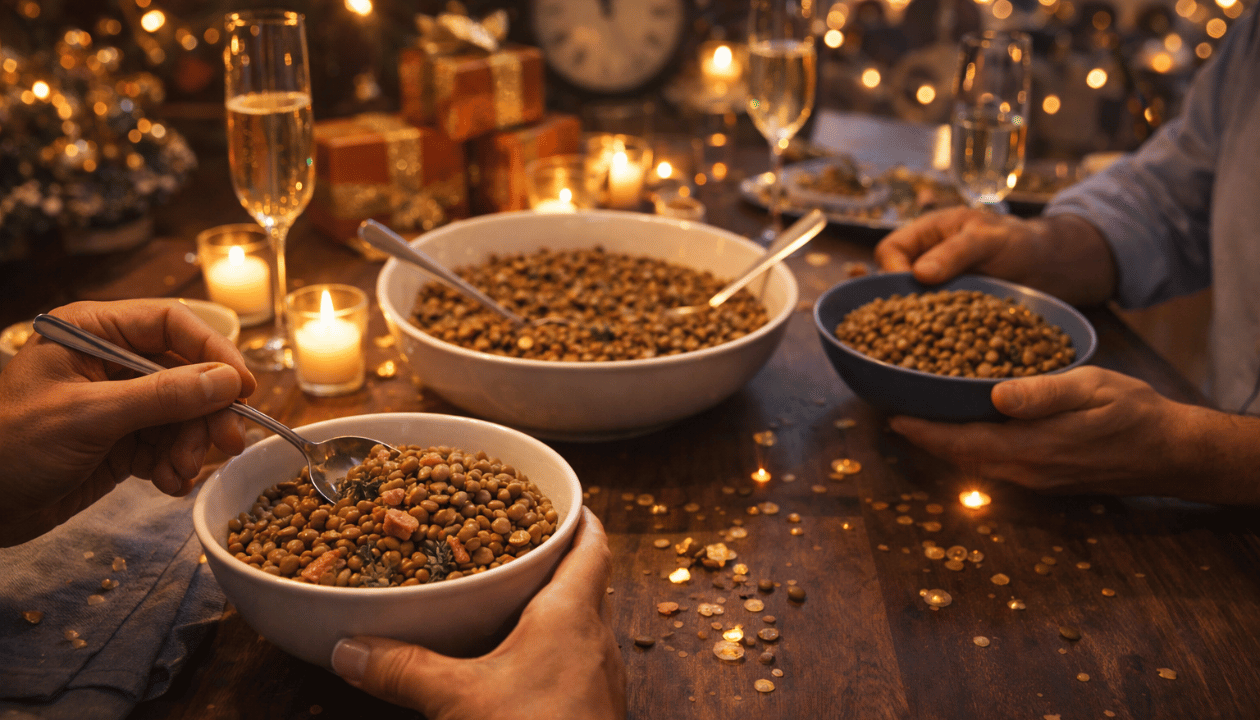
Food is a major part of New Year’s celebrations, and lentils are one of the most symbolic. Eating lentils at midnight (or in the first hour of the new year) is believed to bring prosperity and good fortune.
It’s one of those traditions that feels practical too: delicious, simple, and aligned with the wish for a better financial situation.
8) Money rituals: coins, bills, silver, and “don’t let it stop raining money”
Across several Latin American countries, people hold or place money in very specific ways at midnight to attract abundance:
- Holding money at midnight (some specifically say holding silver) to invite financial luck.
- Putting a coin in a shoe or keeping bills in your wallet.
- In some places, people even toss coins into the air so “money rains” throughout the coming year.
The message is clear: welcome the new year with confidence—and a little cash in hand.
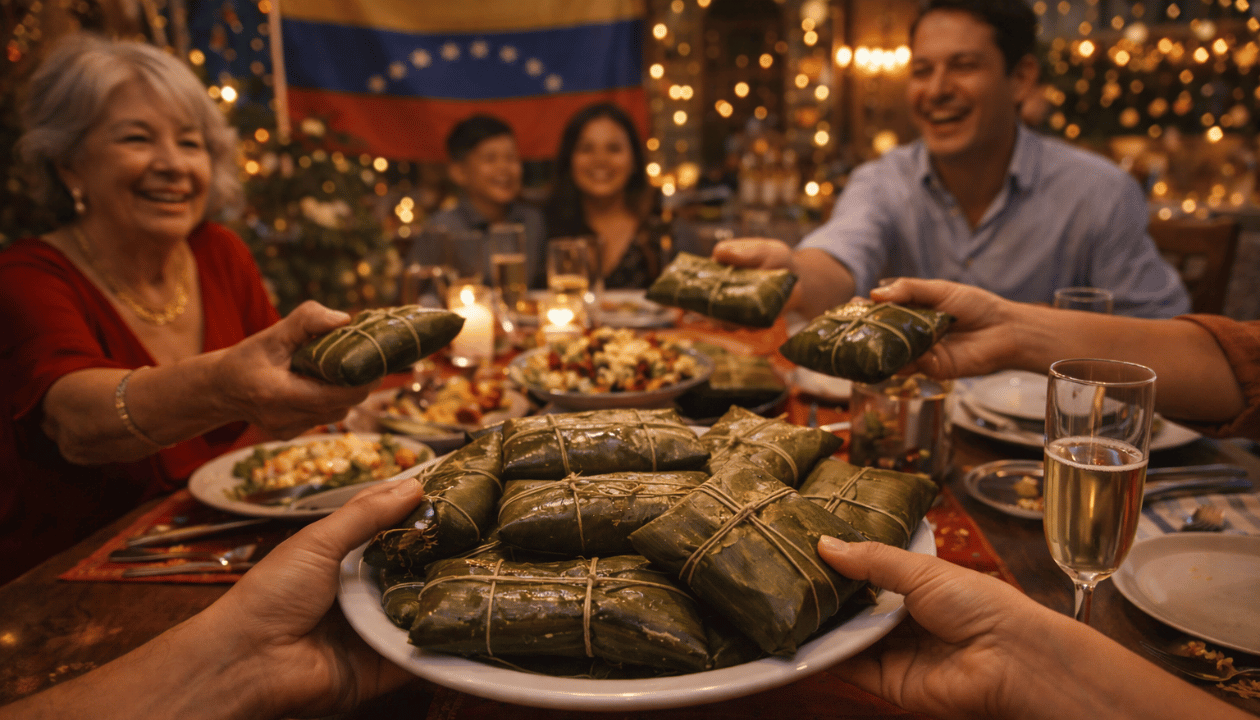
9) Venezuela: hallacas to strengthen bonds
In Venezuela, families often share hallacas during New Year’s eve. This isn’t just about delicious food, it’s a tradition tied to community, togetherness, and wishing one another good fortune for the months ahead.
10) Burning dolls and burning effigies: Goodbye, Año Viejo
One of the most visually striking New Year’s eve rituals in South America is burning figures made to represent the outgoing year. In countries like Colombia and Ecuador, families create an Año Viejo figuras, often a rag doll made from old clothes and straw—then light it up at midnight.
This can include burning dolls, burning effigies, or larger displays in public squares. People sometimes choose characters from news, pop culture, or personal history because the ritual is about releasing the emotional weight of the previous year, including drama from work, relationships, and even one’s personal life.
Some families add notes about regrets, anger, or disappointments, symbolically burning away bad memories and negative energy.
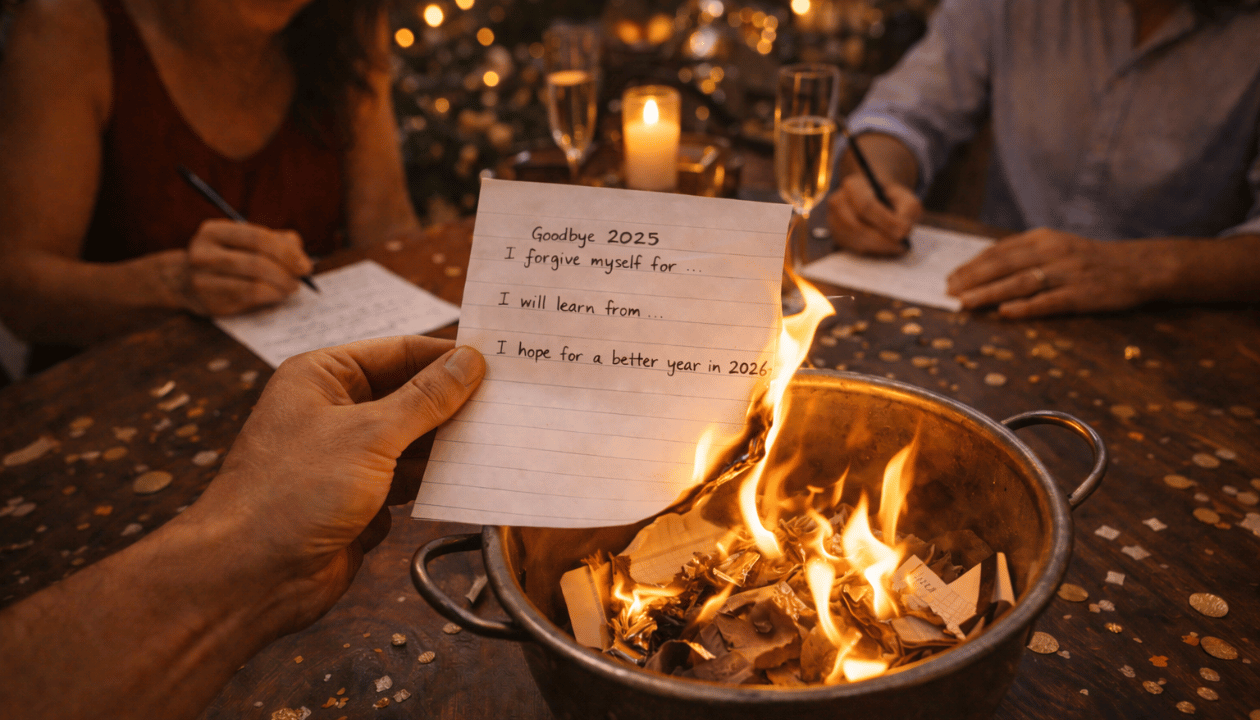
11) Letters to the past year: write it, burn it, move on
In some homes, people write letters to the past year—gratitude, complaints, lessons, dreams—then burn the letters safely as a symbolic custom.
It’s a reflective tradition that helps people let go of negative energy, close the old year, and make space for new hopes.
12) The potato trick: three potatoes under the bed
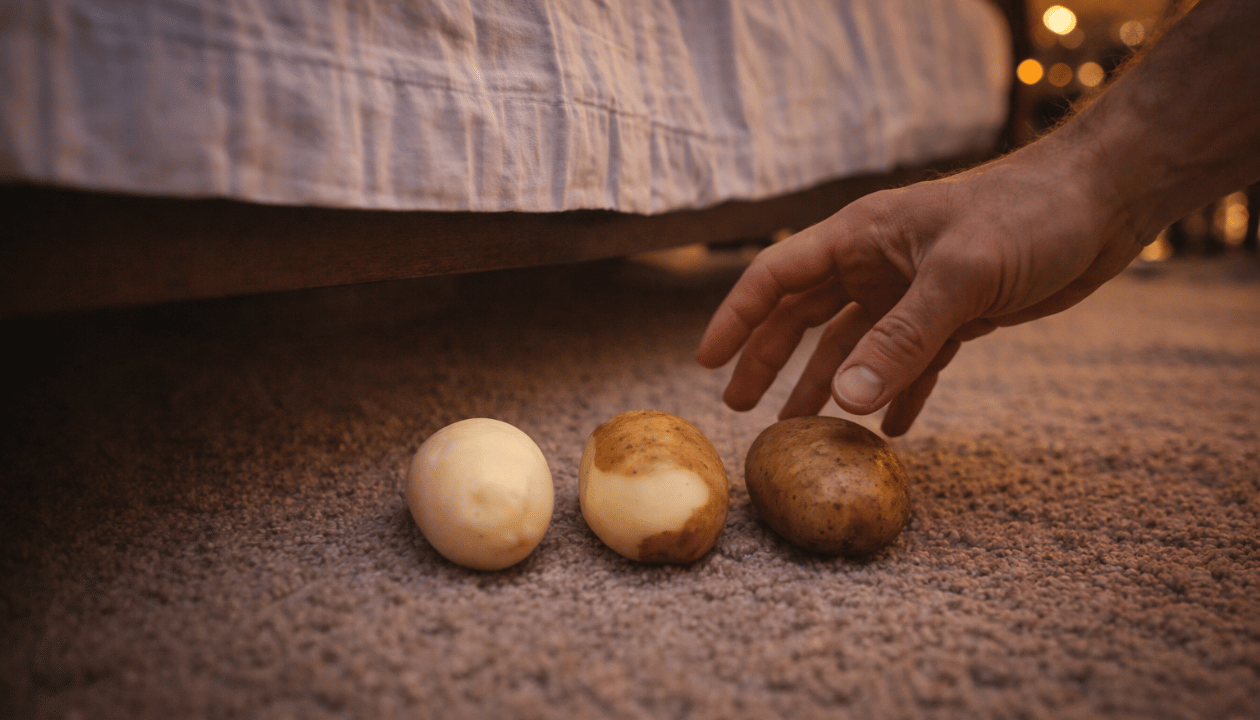
This is one of the funniest fortune-telling rituals. You place three potatoes under the bed:
- one peeled
- one half-peeled
- one unpeeled (with full skin)
Then you pick one in the dark at midnight or early January 1. The belief is that the potato predicts your finances. The unpeeled one suggests abundance because the skin means “full value” (nothing removed), while the peeled one hints at tighter budgeting.
13) Eggs in water: a weird little “forecast” for the coming year
In parts of Central America, people crack an egg into a glass of water late on New Year’s Eve, then leave it overnight. The next day, the shapes in the glass are “read” like signs—career, travel, relationships, money, or a major change in the coming year.
14) Papers out the window: clearing space for what’s next
In some cities, especially business districts, people toss shredded papers and old calendars out the window at midnight. It’s a loud, satisfying way to say goodbye to the old year and make space for a new chapter.
15) A few extra traditions you might hear about (with a safety note)
Because New Year’s eve is celebrated around the world, you’ll find many folklore traditions across Latin American communities:
- Hanging a wool toy lamb from the front door for luck and abundance
- Scenting the house with cinnamon for harmony
- Toasting with the right hand, hopping with the right foot, or keeping wheat sheaves around the home
- Spending the new year with one’s dearly departed (some families visit cemeteries in Chile)
- In a few places, celebratory gunfire exists—this is dangerous and never recommended
Why these New Year’s Eve traditions still matter in 2025
Even when people don’t fully “believe,” they still do the rituals. Why? Because traditions are social glue. They help families laugh, reflect, release negative energy, and step into the upcoming year with intention.
That’s the magic of New Year’s Eve in Latin America: one night, many meanings, and a shared feeling that a better year is possible.

Improve your Spanish with Spanish Express (and live the culture, not just read about it)

If you enjoyed learning about these New Year’s Eve traditions, you’ll love discovering the language and culture behind them.
Spanish Express offers online courses and our flagship Spanish Homestay Immersion Programme (SHIP), where you live and study Spanish in your teacher’s home in Spain.
Get in touch with our Founder and Director, Mónica Romero
📞 +44 7903 867894
✉️ monicaromero@spanishexpress.co.uk