

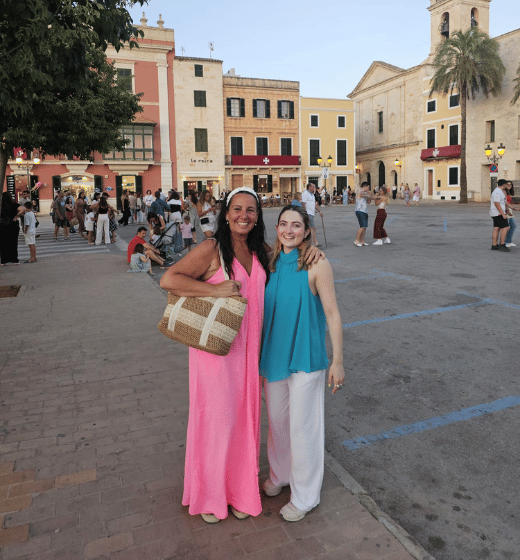
Have you ever wondered why Spain is always at the top of travel bucket lists? It’s because the country’s tourism industry offers far more than just fun and adventure. It also stands as a cornerstone of the Spanish economy. Over the last decade, Spain’s tourism sector has experienced a significant rise, contributing to both national and European Union tourism growth. In fact, tourism in Spain accounts for approximately 15% of the country’s GDP and a comparable share of employment. Spain’s tourism sector is a vital part of the national economy and plays a major role in the European Union, driving regional economic development and supporting millions of jobs across EU member countries.
Beyond the classic attractions, Spain also draws visitors through more immersive cultural experiences, such as Spanish Homestays. Here, travelers can live with native Spanish teachers and learn the language by immersion. These unique opportunities highlight how tourism in Spain extends far beyond sightseeing. It fosters genuine connections with people and their traditions.
In the global tourism sector, Spain has solidified its position as a world leader, welcoming millions of international tourists annually and generating billions of euros in revenue. Over the past decade, there has been a notable rise in tourist numbers and economic impact, further strengthening Spain’s tourism sector and its influence within the European Union.
Let’s dive into how travel and tourism drive Spain’s economic growth, and explore the diverse regions from Barcelona to Extremadura that make the Spanish tourism story so remarkable.
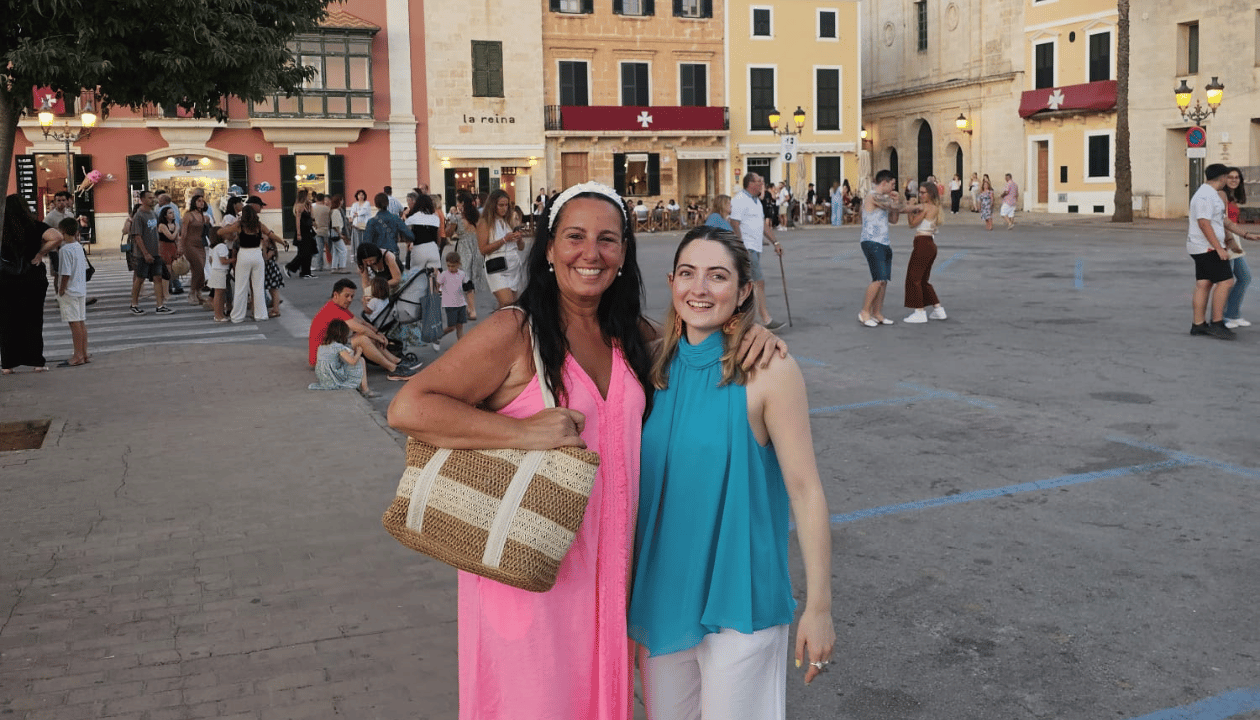
Spain: A World Leader in Tourism and Economy
Spain’s tourism sector is truly a world travel powerhouse. In 2024, a record 94 million international visitors flocked to Spain’s shores and cities, 10% more than the previous year. This achievement solidified Spain’s position as the second-most visited country globally, just behind France. All those tourists translate into serious economic clout. Travel income from foreign visitors reached about 126 billion euros in 2024, helping fuel economic growth even as other parts of Europe slowed down. The international tourism spending boom means tourism isn’t just about sightseeing; it’s big business.
Tourism GDP:
For decades, the tourism industry has been a key sector in Spain’s economy. Today, the Spanish tourism sector accounts for approximately 15.6% of the country’s economy and supports millions of jobs. In 2024 alone, tourism generated approximately €248.7 billion (nearly one-eighth of Spain’s entire GDP) and employed 3 million people, accounting for nearly 14% of all Spanish employment. In other words, one out of every seven jobs in Spain is tied to travel and hospitality! This sector in Spain has become a crucial engine of prosperity, accounting for a significant share of employment and regional income across the country.
Global Recognition:
It’s not just about the numbers, Spain also shines in quality. The World Economic Forum’s Tourism Development Index consistently ranks Spain’s tourism sector among the best in the world. Spain previously held the top spot in global tourism competitiveness thanks to its excellent transport infrastructure, rich natural and cultural destinations, and top-notch tourist services. In the latest report, Spain still scored in the top three worldwide. It’s clear that in the travel & tourism arena, Spain stands as a world leader with few rivals. (Fun fact: even the World Tourism Organization bases its headquarters in Madrid, a testament to Spain’s leading role in the tourism industry.)
Diverse Destinations and Experiences for Every Traveler
One reason Spain draws so many visitors is the incredible diversity of destinations and experiences on offer. Spain is a popular destination for both international and domestic travelers, thanks to its wide appeal and renowned travel hotspots. Whether you’re a beach lover, culture buff, foodie, or adventure seeker, Spain’s tourism offerings cover it all:
Sun and Sand:
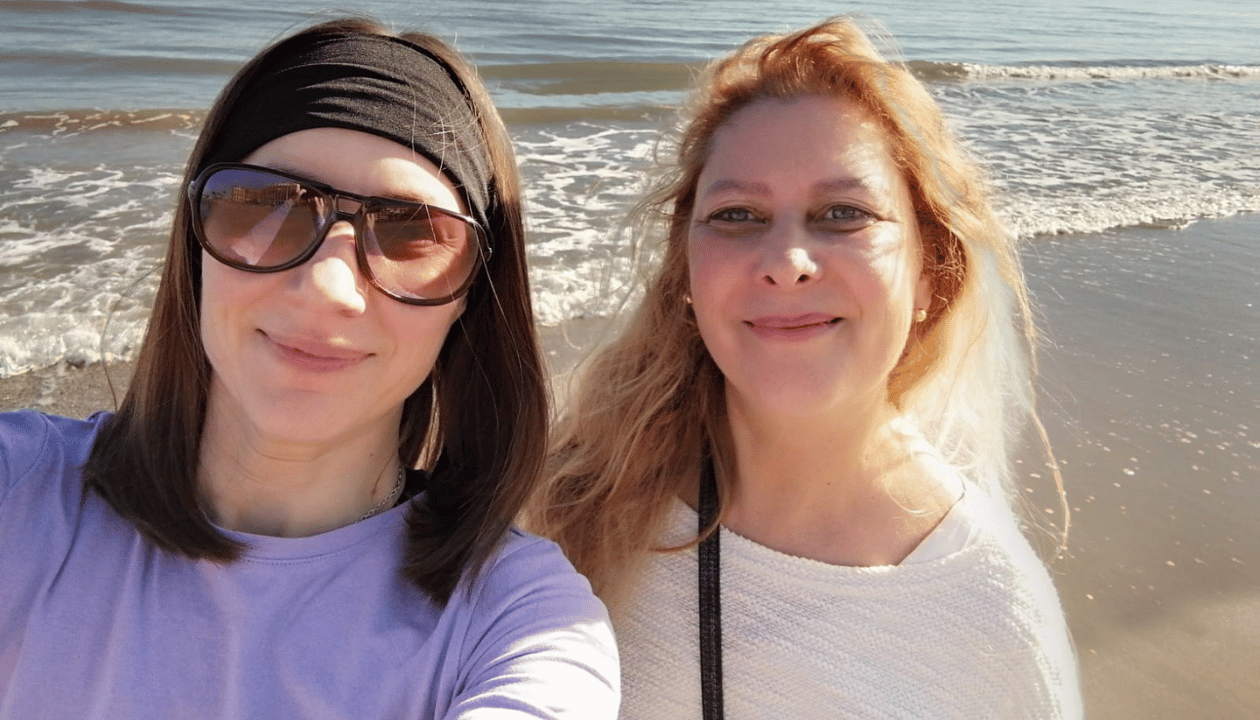
Spain is world-famous for its sun-kissed coastline, where the Mediterranean and Atlantic meet golden sands and warm waters. The Balearic Islands and the Canary Islands remain favourites for their year-round sunshine and turquoise seas, but mainland Spain is just as inviting.
Along the El Maresme Coast, beaches such as Ocata, Pineda de Mar, and Sant Simó in Mataró offer quieter escapes, while the Costa Brava dazzles with rugged coves and scenic seaside towns. In Barcelona, well-known spots like Barceloneta, Mar Bella, Bogatell, and Nova Icària attract millions of visitors each year, combining city energy with beach relaxation.
Further south, the beautiful beaches of Valencia and the sandy shores of Cádiz add to Spain’s seaside appeal, offering not only leisure but also cultural immersion opportunities. With its Mediterranean climate and vibrant coastal towns, it’s no wonder Spain has earned its place as a world leader in seaside holidays.
Cultural City Breaks:
Spain is home to some of the most attractive cultural destinations in Europe. Each city has its own identity and reasons why tourists return year after year.
- Barcelona is a cosmopolitan city where history and modernity blend seamlessly – visitors marvel at Gaudí’s architectural wonders like the Sagrada Família and Park Güell, stroll through the atmospheric Gothic Quarter, relax on Barceloneta beach, and enjoy a vibrant cultural scene that, along with world-class international events, makes the city both a creative hub and a dynamic centre for business.
- Valencia blends history with innovation. The City of Arts and Sciences is a symbol of modern Spain, while the old town preserves Roman and Gothic heritage. Visitors also enjoy nearby beaches such as Malvarrosa, where they can relax after exploring the city. This balance of culture and leisure makes Valencia very popular.
- Sevilla is pure Andalusian charm. The Alcázar Palace and the Cathedral reflect its Moorish and Christian past. Flamenco shows bring the city to life at night, while festivals like Feria de Abril create unforgettable experiences. Sevilla is a city that combines tradition, art, and celebration.
- Cádiz is one of the oldest cities in Europe. Its narrow streets lead to lively squares and seafood markets. Tourists love the golden beaches that stretch along the coast, as well as the Carnival of Cádiz, one of Spain’s most famous festivals. The city is both historic and fun, with a strong coastal identity.
- Menorca, declared a UNESCO Biosphere Reserve in 1993, is far more than its pristine beaches – the island offers rich biodiversity in places like Parc Natural de s’Albufera des Grau, scenic trails along the Camí de Cavalls for hiking or cycling, and a unique cultural heritage with prehistoric Talayotic monuments, charming fishing villages such as Fornells, and the historic towns of Mahón and Ciutadella, making it a perfect destination for travellers seeking peace, authenticity, and nature.
- Burgos takes visitors back to medieval Spain. The UNESCO-listed Cathedral is its highlight, but the city also has monasteries, castles, and a strong link to the Camino de Santiago. Burgos attracts those who value history, architecture, and tradition.
- Santiago de Compostela, a UNESCO World Heritage City in Galicia, is world-renowned as the final destination of the Camino de Santiago pilgrimage route. Its magnificent cathedral, rich religious heritage, and vibrant cultural life make it a key historical and spiritual center in Spain.
- Extremadura is less well-known but full of treasures. Mérida boasts some of the best Roman ruins outside Italy. Cáceres and Trujillo show off their medieval heritage, while natural parks offer landscapes for hiking and birdwatching. It is perfect for travellers who want culture away from the crowds.
Together, these destinations represent the richness of Spain. From coastal cities to inland treasures, each place adds to Spain’s reputation as one of the world’s top cultural tourism countries.
History and Heritage:
Spain’s history is celebrated worldwide, and travellers from across the globe continue to be drawn to its most iconic destinations. In Barcelona, millions come each year to marvel at Gaudí’s creations such as the Sagrada Família, Casa Batlló, and Casa Milà. The bustling Passeig de Gràcia and the historic Parc de la Ciutadella further showcase the city’s blend of heritage and modern life.
Valencia also attracts international visitors with its Cathedral, La Lonja, and the lively Plaza de la Virgen. The Miguelete Tower and old town streets reveal a past that continues to fascinate. On the island of Menorca, travellers seek out prehistoric monuments and traditional fishing villages that preserve the island’s unique identity.
In Cádiz, one of Europe’s oldest cities, people are captivated by the Cathedral and the charm of the Old Town overlooking the Atlantic. Extremadura’s Mérida draws admirers of Roman history, where the amphitheatre and aqueducts still stand as symbols of Spain’s ancient past.
Northern Spain brings more stories to life. Burgos impresses international visitors with its Gothic Cathedral, the Monastery of Las Huelgas, and the prehistoric remains of Atapuerca. Meanwhile, in Sevilla, the Alcázar and the Giralda continue to enchant those who want to experience the heart of Andalusian culture.
Together, these destinations form a cultural mosaic that attracts people from all over the world. From Roman theatres and Gothic cathedrals to Moorish palaces and island traditions, Spain’s heritage remains one of the greatest draws for international tourism.
Nature and Adventure:
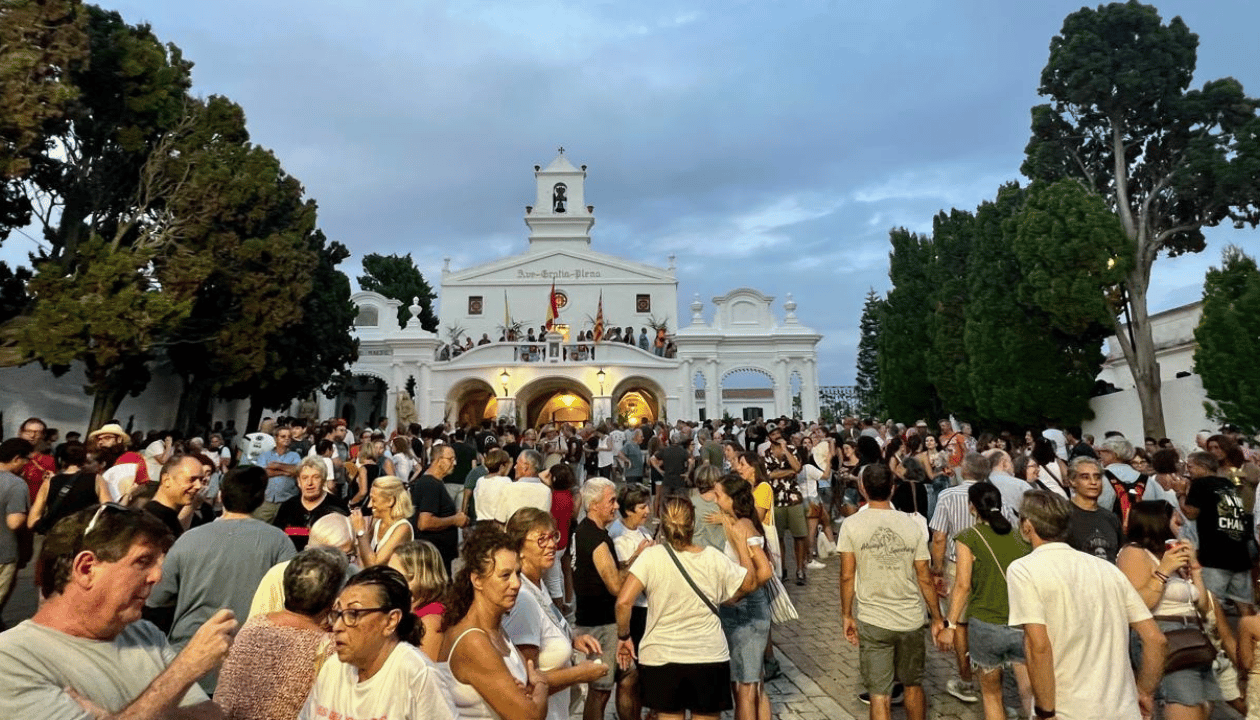
Spain’s natural landscapes offer endless adventure, and each of our destinations shows a different side of it. In Barcelona, travellers enjoy coastal walks and green havens like Parc de la Ciutadella. Valencia invites visitors to explore the Turia Gardens or relax along its golden beaches. The island of Menorca is a paradise for hiking and cycling, with unspoiled coves and scenic trails. In Cádiz, outdoor lovers combine history with seaside charm along the Atlantic coast. Extremadura attracts birdwatchers to Monfragüe National Park, one of Europe’s richest wildlife areas. In the north, Burgos offers routes along the Camino de Santiago, while Sevilla enchants with riverside walks and gardens that highlight Andalusia’s natural beauty.
Festivals and Events:
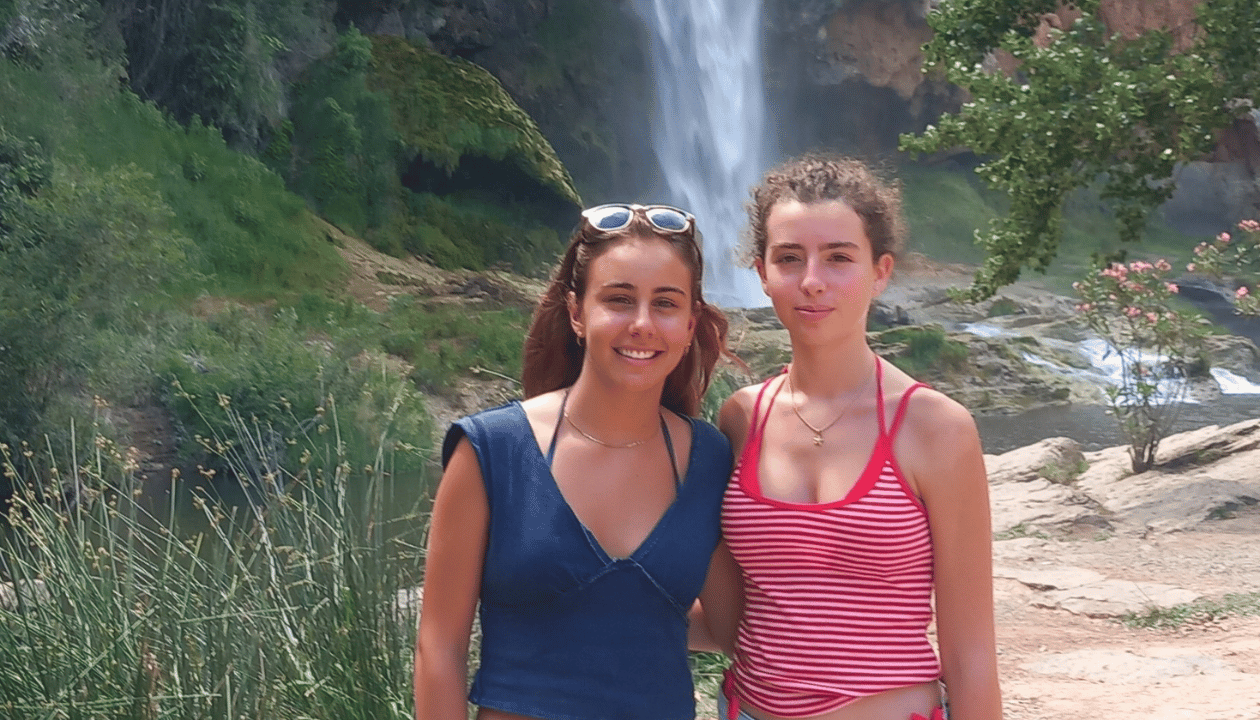
Let’s not forget Spain’s year-round festivals and fiestas, which draw visitors from around the world. The running of the bulls in Pamplona, La Tomatina tomato fight in Buñol, Semana Santa (Holy Week) processions in Sevilla, and Carnival in Cádiz are just a few famous examples. Each region has its own celebrations, for instance, Valencia’s Las Fallas or Barcelona’s Festa Major de Gràcia, which attract both international visitors and local residents in celebration. These events not only showcase Spanish culture but also boost the tourism sector revenues during their run. Even domestic tourism gets a lift as Spaniards often travel to experience festivals in other regions.
With such a breadth of attractions, it’s clear why tourists keep coming back to Spain. Importantly, it’s not just foreigners; domestic tourists also play a significant role. Spaniards love exploring their own country, taking trips from region to region. Domestic tourism accounts for roughly 44% of total tourist spending in Spain. Locals touring Spanish cities, villages, and coasts help sustain businesses throughout the year. This balance of international and domestic demand makes the industry more resilient and spreads benefits across the country.

Tourism Across Spain’s Regions: From Barcelona to Extremadura
One of Spain’s strengths is that tourism benefits every region, not just the famous hotspots. The government and tourism bodies (like Turespaña and regional councils) actively promote a wide range of destinations to spread visitor numbers more evenly. Let’s take a quick tour of how different regions shine:
Catalonia:
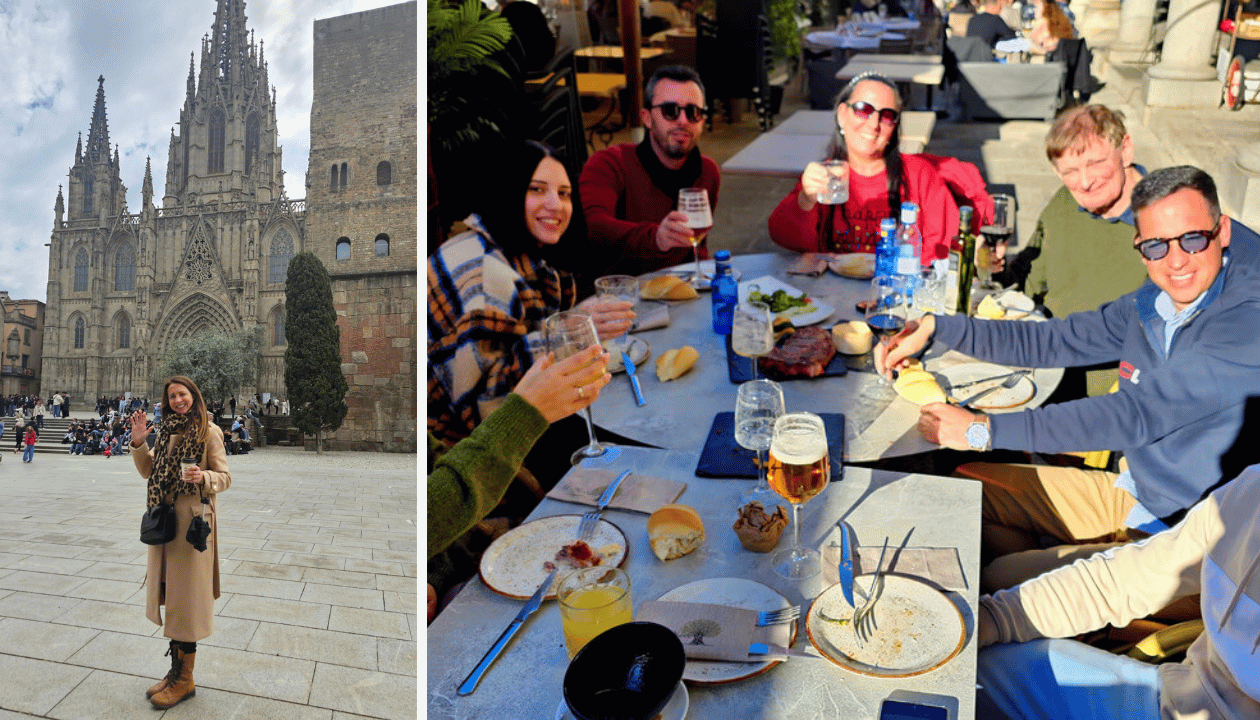
In the northeast of Spain, Catalonia shines as one of the country’s most visited regions, and Barcelona is its crown jewel. Millions of travellers from all over the world come here to admire Gaudí’s masterpieces such as the Sagrada Família, Casa Batlló, and Casa Milà, alongside the medieval charm of the Gothic Quarter. The city is also famous for its urban beaches like Barceloneta, where culture and seaside relaxation meet. Barcelona’s wide boulevards, green spaces such as Parc de la Ciutadella, and lively markets create a city experience that feels both historic and modern. As Catalonia’s main gateway, Barcelona captures the essence of the region’s identity, making it a destination that continues to fascinate global visitors year after year.
Andalusia:
In southern Spain, Andalusia offers everything from beaches to mountain landscapes, making it one of Europe’s best-loved regions. Visitors explore the Alhambra in Granada, wander through the White Towns, and enjoy the beauty of natural parks such as Doñana. Wine tourism also thrives here, with Jerez known worldwide for its sherry.
Yet the heart of Andalusia’s appeal lies in Sevilla and Cádiz, two of its most visited cities. Sevilla is the capital of flamenco and Moorish history, where the Alcázar and the Giralda leave a lasting impression on travellers from across the globe. Cádiz, one of Europe’s oldest cities, combines history with seaside charm, its Cathedral, Atlantic beaches, and the world-famous Carnival making it unforgettable. These cities embody Andalusia’s cultural richness and ensure the region’s place as a powerhouse of Spanish tourism.
From North to South and East: Exploring Burgos, Extremadura and Valencia
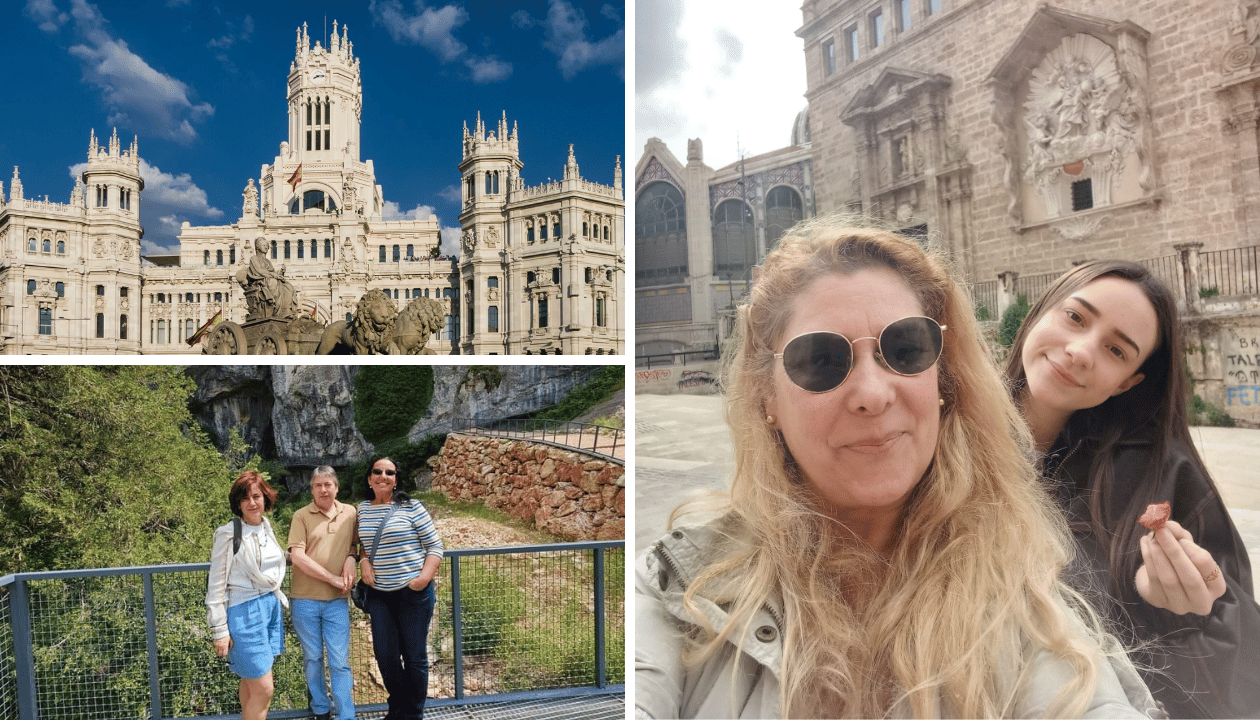
Spain’s interior and northern regions each have their own draws.The region of Castile and León boasts historical cities like Burgos and Salamanca that appeal to history buffs and religious tourists (Burgos lies on the Camino de Santiago route). Over to the east, Valencia (Spain’s third-largest city) combines city life, beaches, and paella heritage, and has raised its profile with events like the Fallas festival and even the America’s Cup in past years. Heading north, regions like Galicia, Asturias, and the Basque Country offer lush green scenery, unique cultures, and culinary delights that attract travelers who prefer a more off-the-beaten-path experience. Even lesser-known regions like Murcia or Extremadura are getting in on the action. Extremadura, in particular, has been promoting its unspoiled landscapes and historical towns (like Cáceres and Mérida) to draw more visitors and boost the local economy.
Islands and Coastal Resorts:
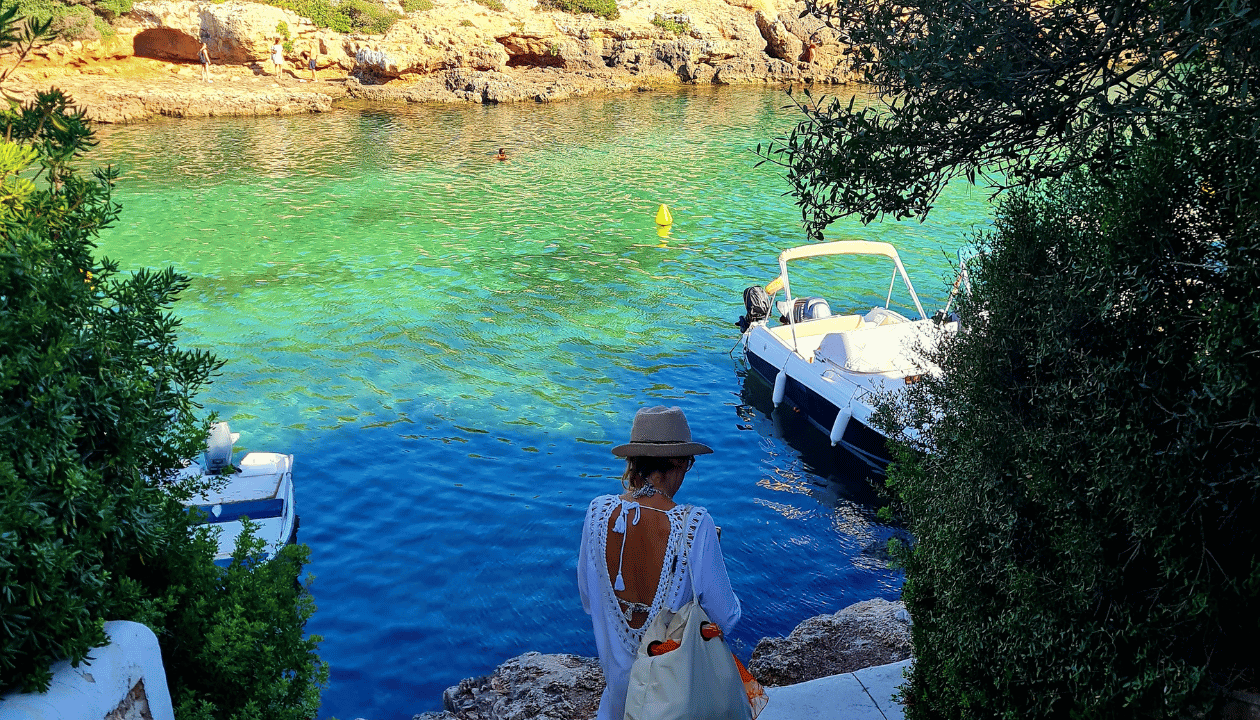
Spain’s islands deserve another shout-out because they are tourism dynamos on their own. The Balearic Islands (Mallorca, Ibiza, Menorca, Formentera) and Canary Islands are so popular that their visitor numbers rival some countries! These areas rely heavily on tourism for income and employment, and they’ve become experts in hospitality. For example, Ibiza is renowned for its nightlife and luxury tourism, while Mallorca and Tenerife cater to families, outdoor enthusiasts, and everyone in between. The challenge for these islands has been managing high tourist volumes sustainably, but they remain some of Spain’s most popular destinations. Likewise, along Spain’s mainland coasts from the Costa del Sol (around Málaga) to the Costa Blanca (around Alicante) resort towns thrive on summer tourism. Many European visitors from main source countries, such as the United Kingdom, Germany, and France, return every year to their favorite Spanish sunspot.
It’s inspiring to see how Spain’s tourism sector fosters regional development. As Julia Simpson, CEO of the World Travel & Tourism Council (WTTC), noted, Spain’s dynamic tourism sector “not only drives economic growth, but also creates quality jobs and promotes regional development”wttc. In other words, tourism is helping even smaller cities and rural areas flourish, not just the big tourist hubs. The Spanish government and tourism authorities continue to focus on spreading tourism benefits throughout all communities encouraging travelers to discover the “real Spain” in different corners of the country.
The Heartbeat of Spain: Domestic Tourism
While Spain’s allure for international visitors is undeniable, it’s the vibrant pulse of domestic tourism that truly sustains the country’s tourism sector year-round. In recent years, more Spanish residents have chosen to discover the treasures within their own borders, fueling steady growth in domestic tourism. In 2024 alone, Spaniards embarked on approximately 163 million domestic trips, exploring everything from sun-drenched beaches to majestic mountain ranges and bustling cities.
Regions like Andalusia, Catalonia, and the Valencian Community consistently top the list of popular destinations for domestic tourists. These areas offer a unique blend of natural heritage, cultural richness, and lively urban experiences—making them irresistible for those seeking both relaxation and adventure. Whether it’s unwinding on the golden beaches of the Costa del Sol, hiking in the Sierra Nevada, or soaking up the vibrant atmosphere of Valencia’s city streets, Spanish travelers are rediscovering the diverse beauty of their homeland.
Domestic tourism is a powerhouse for the Spanish economy, accounting for billions of euros in annual spending and supporting countless jobs across the sector. Recognizing its importance, the Spanish government has rolled out initiatives to promote domestic travel, from campaigns spotlighting hidden gems to investments in infrastructure that make even the most remote destinations more accessible. These efforts not only boost local economies but also encourage sustainable tourism practices by spreading visitor numbers more evenly throughout the year and across regions.
By nurturing domestic tourism, Spain is building a more resilient and sustainable tourism sector—one that celebrates local culture, supports regional development, and ensures that the wonders of Spain can be enjoyed by residents and visitors alike for generations to come.
Spain’s Business Tourism: Meetings, Incentives, Conferences, and Events
Beyond leisure and culture, Spain’s tourism industry stands out as a world leader in business tourism—a dynamic sector that brings together international visitors for meetings, incentives, conferences, and events (MICE). With its strategic location, robust economy, and world-class infrastructure, Spain has become a top choice for global organizations seeking the perfect setting for their events.
Madrid and Barcelona are at the forefront, consistently ranking among the leading city destinations for business tourism in Europe and beyond. These cities boast state-of-the-art convention centers, a wide array of hotels and services, and vibrant cultural scenes that make every business trip memorable. The Spanish tourism council has been proactive in promoting this sector, investing in modern facilities and developing specialized packages that cater to the needs of business travelers from around the world.
Wine tourism is also making waves in the business tourism landscape, with regions like La Rioja and Catalonia hosting international wine events and tastings that attract both professionals and enthusiasts. These experiences not only showcase Spain’s rich gastronomic heritage but also add a unique dimension to business travel, blending work with leisure in unforgettable ways.
The impact of business tourism on the Spanish economy is significant, with international tourism spending in this sector reaching billions of euros each year. As the industry continues to grow, Spain remains committed to sustainable tourism practices—ensuring that events are environmentally responsible and that the benefits of business tourism are shared across regions.
With its blend of innovation, hospitality, and a focus on quality, Spain’s business tourism sector is set to maintain its upward trajectory, reinforcing the country’s reputation as a global hub for both work and play.
Sustaining Success: Challenges and the Road Ahead
Despite its incredible success, Spain’s tourism industry isn’t without challenges. In recent years, some Spanish cities have experienced growing pains from booming tourism. For instance, the “tourist boom” in hotspots like Barcelona has led to worries about overcrowding, rising housing costs for locals, and strain on natural resources. Local authorities have responded with measures to keep tourism sustainable in Barcelona even plans to ban all short-term private holiday rentals by 2028 to protect local residents’ quality of life. There’s also talk of increasing tourist taxes or fees in some areas to help manage the impact of millions of visitors.
The solution Spain is pursuing can be summed up in one word: sustainability. The aim is to maintain Spain’s appeal as a top destination while preserving the very things that make it special. That means investing in sustainable tourism strategies, from environmental protection (ensuring those beautiful beaches and parks stay pristine) to cultural preservation and community inclusion. The tourism council and government agencies are encouraging sustainable tourism initiatives, for example, promoting off-season travel and lesser-known destinations (such as Extremadura), thereby increasing attention to these areas and reducing the summer crowds in Barcelona or Mallorca. As one official put it, “We need to persevere in deconcentrating tourism”, spreading visitors beyond just the usual spots, and indeed this is starting to happen.
Another focus area is innovation and quality. Rather than simply chasing higher arrival numbers every year, Spain is shifting toward a model of high-quality tourism. This involves improving services, upgrading hotels and infrastructure, and attracting visitors who stay longer and engage more deeply with the local culture (such as through wine tourism or educational travel). By improving the visitor experience and managing numbers wisely, Spain aims to maintain its competitive edge in the long run.
So what does the future hold? If current trends continue, Spain’s tourism industry will remain a key driver of prosperity. The WTTC forecasts that by 2025, the Spanish tourism sector could reach an all-time high, contributing about 16% of GDP and supporting over 3.2 million jobs. Spain is well-positioned to lead the way in global tourism with its commitment to sustainability and innovation. In short, the goal is to keep the good times rolling for tourism, while ensuring that locals and the environment also win.
¡Buen Viaje! (Happy Travels!)
Spain’s tourism industry is a shining success story, a world leader in travel, a backbone of the Spanish economy, and an endless source of joy for travelers, from the bustling Spanish ports welcoming cruise ships in Barcelona, to family-run rural B&Bs in Extremadura, virtually every corner of the country benefits from this dynamic sector. The mix of international tourists discovering Spain’s charms and domestic tourists exploring their own backyard has created a robust, resilient tourism sector that Spain is rightly proud of.
As Spain continues to adapt and innovate, it’s clear that tourism will remain a vital part of its identity and prosperity. And the best news? There’s always more to discover. Whether you’re planning to lounge on a beach, marvel at natural wonders, or indulge in Spanish gastronomy on your next trip, Spain awaits with open arms. The strategy going forward is simple welcome the world, take care of what makes Spain special, and maintain that legendary hospitality for generations to come.

Ready to Go Beyond Sightseeing? Live in Spain with SHIP!
After reading about Spain’s vibrant culture, stunning landscapes, and world-class tourism industry, why just visit when you can live it? Join our Spanish Homestay Immersion Program (SHIP) and take your experience to the next level.
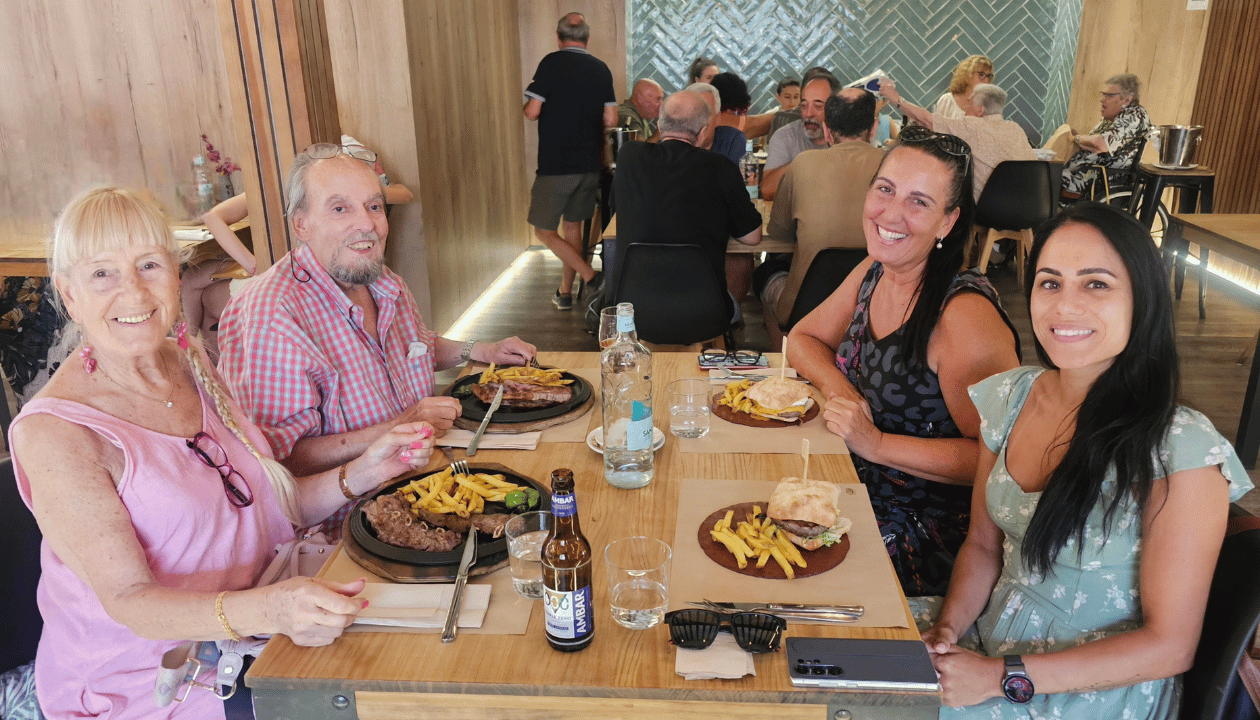
SHIP offers you a rare opportunity to live and learn Spanish in a native speaker’s home – from bustling Barcelona to charming Extremadura. Whether you’re a student, professional, or lifelong learner, you’ll receive personalized lessons, cultural excursions, and real-life practice in an immersive setting.
Don’t just tour Spain – become part of it.
✅ Stay with certified Spanish teachers
✅ Learn through daily life and adventure
✅ Create memories that last a lifetime
You can explore more real immersion experiences here:
👉 SHIP Stories of Our Previous Students
For personalised guidance and programme details, you can contact our founder directly:
Mónica Romero
Founder and Director, Spanish Express
📞 Phone / WhatsApp: +44 7903 867 894
📧 Email: monicaromero@spanishexpress.co.uk
