

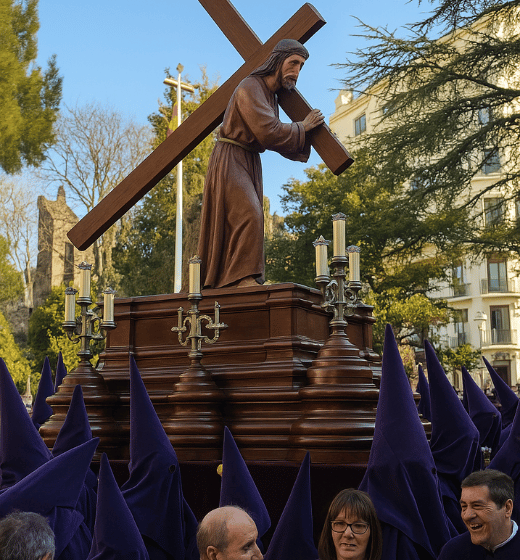
Imagine walking through ancient streets in Spain with candlelight and slow drums echoing around you.
I am Monica, founder of Spanish Homestay Immersion Program (SHIP) and a host teacher in Menorca and Barcelona, and I have guided many students through Semana Santa in Spain. What makes this guide different is that it comes from real experience, not just information.
During Semana Santa celebrations and holy week processions, you will feel true religious devotion and connection. If you are curious about Easter in Spain or planning your visit, I will help you experience Semana Santa in a deeper and more personal way.
What Makes Easter in Spain So Special?
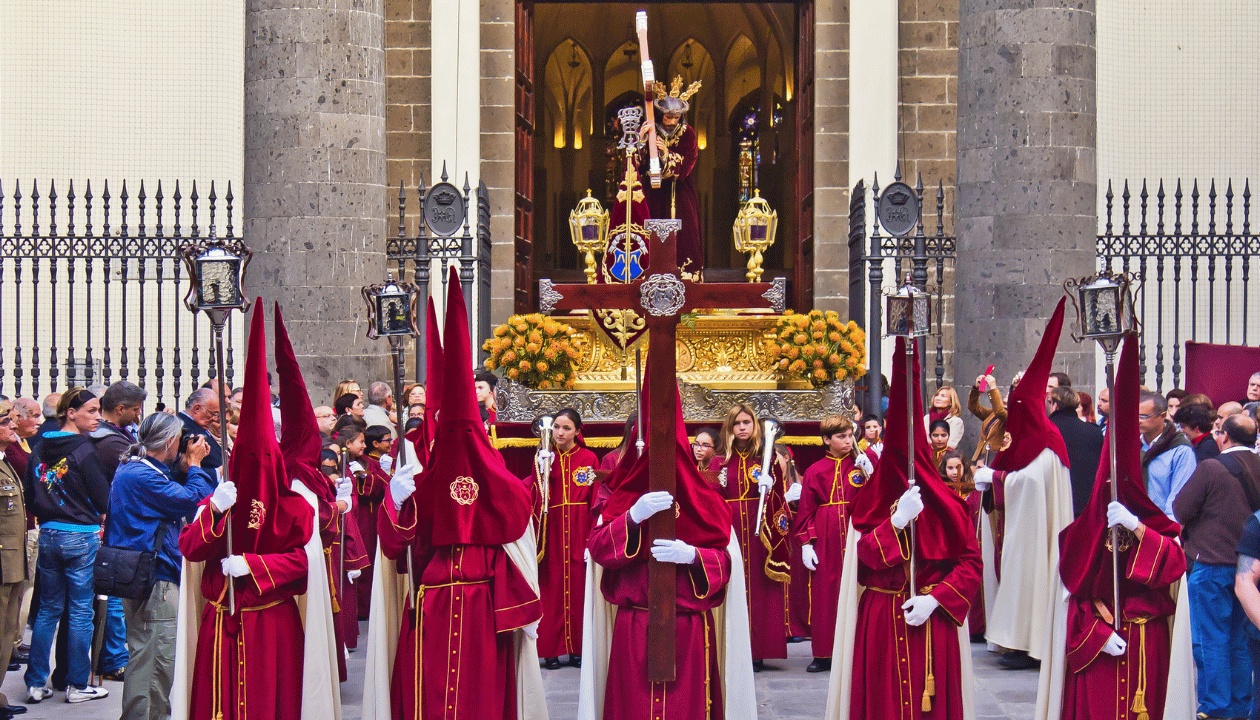
It’s not just about religion. It’s about feeling something. When you stand among the crowds and watch the pasos pass by, you feel the weight of history, the pride of tradition, and the shared silence of thousands. You begin to notice how people gather quietly, waiting for the solemn processions to pass, creating a powerful and emotional atmosphere.
I’ve seen how this week brings communities together and moves even the most casual observer. The sound of church bells, the slow rhythm of the processions, and the presence of religious brotherhoods and catholic brotherhoods make it unforgettable. These moments reflect deep catholic traditions and a connection that goes far beyond a simple celebration.
Where It All Began
How Semana Santa came to life in the 16th century
Did you know Semana Santa wasn’t always such a public celebration? It was during the 1500s that everything changed. The Church wanted people to truly understand the events of the Passion, even if they couldn’t read.
So they brought the story to the streets. That’s when the Semana Santa processions were born, a dramatic and moving way to teach through sight and sound.
Why the Catholic Church brought it to the streets
Back then, most people didn’t have access to books or education. But they could feel the emotion of a slow march, a mournful song, or a carved figure of Jesus Christ carried through the night. These processions were meant to stir hearts and share the message of faith without needing words.
Zamora and its claim to the oldest celebration
If you ever find yourself in Zamora during Semana Santa, you’ll notice something different. The silence, the shadows, the slow movements, it’s haunting. Zamora’s Easter processions are said to be the oldest in Spain, going back to the 12th century. They’ve held onto their medieval style, and it shows.
How medieval practices still live on today
What amazes me most is how much of the old tradition has survived. From the wooden statues to the music and clothing, many of today’s rituals mirror what was done centuries ago. It’s living history. Even now, Palm Sunday commemorates the beginning of a journey that shaped the world.
What Happens During Holy Week
From Palm Sunday to Easter
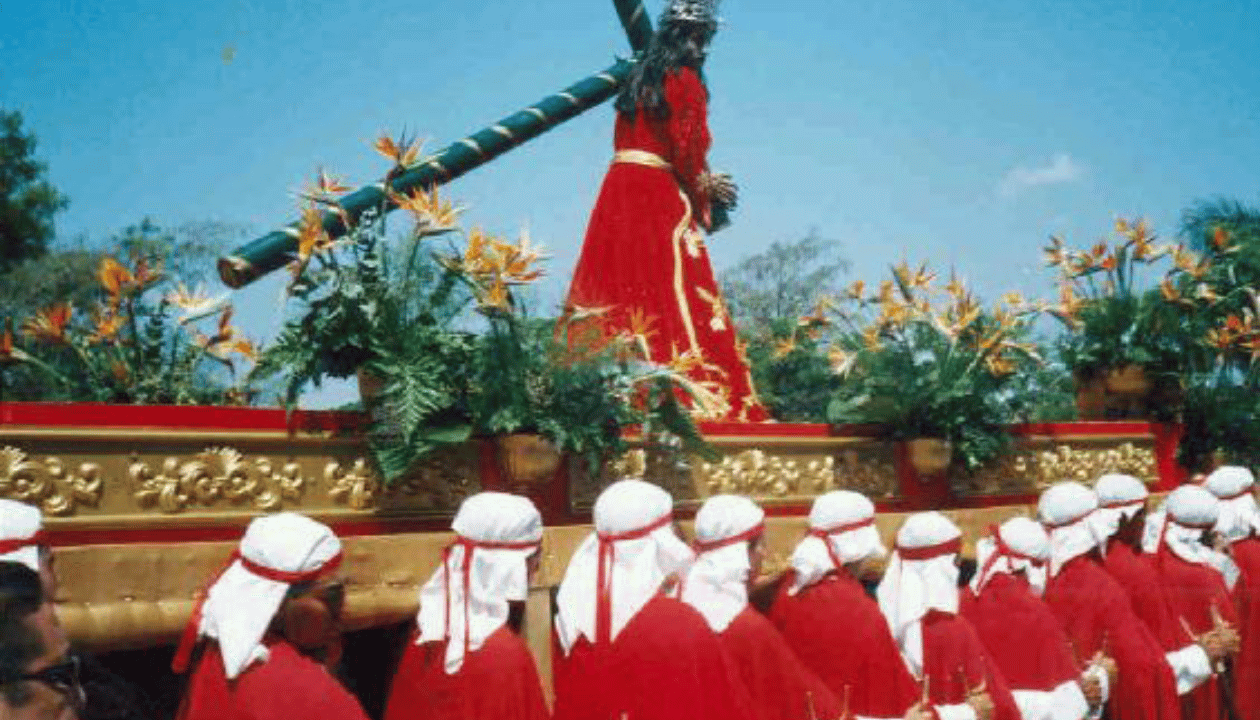
The week starts with Palm Sunday, which commemorates Jesus’s entry into Jerusalem. People carry palm branches, and the air feels full of anticipation. Each day after that tells a part of the story, building up to Easter morning, when the joy returns. It’s not just a timeline — it’s a powerful journey you’ll feel day by day.
What Each Day Means
On Holy Thursday, the focus is on the Last Supper. The next day, Good Friday, marks Christ’s death, one of the most emotional nights of the week. By the time Easter Sunday arrives, it’s all about hope and Christ’s resurrection. The shift in mood is something you’ll never forget.
What You’ll See in the Streets
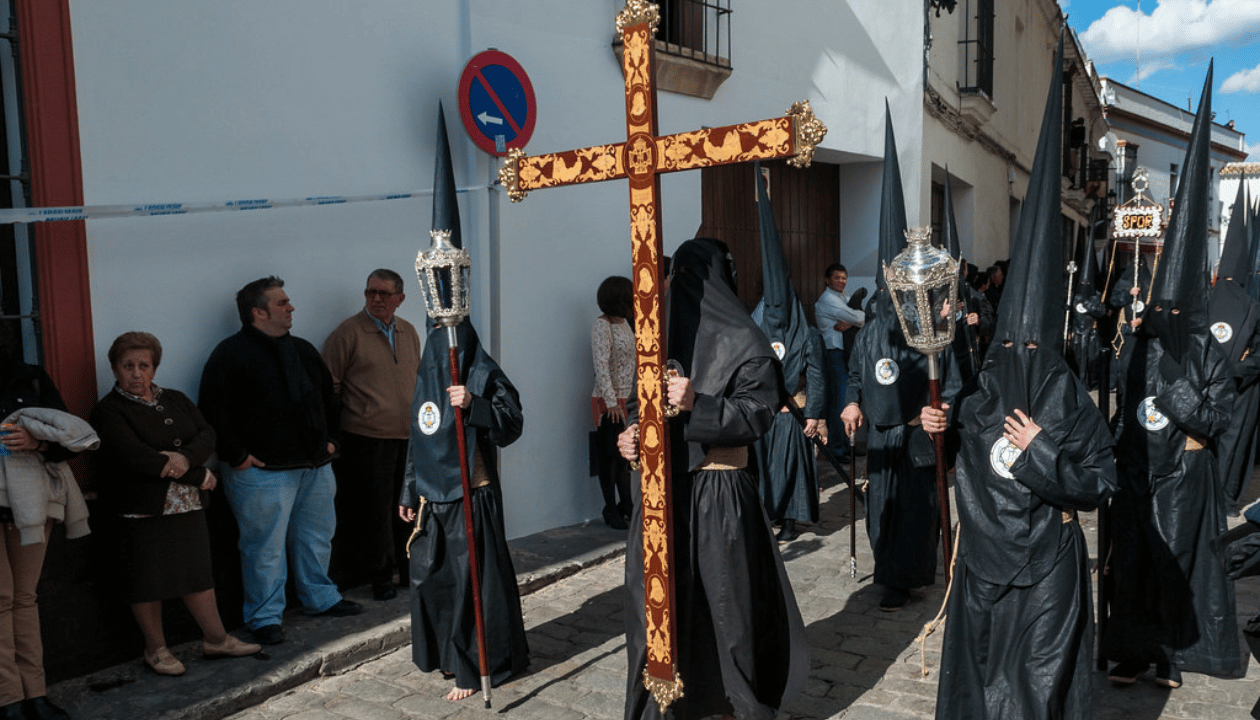
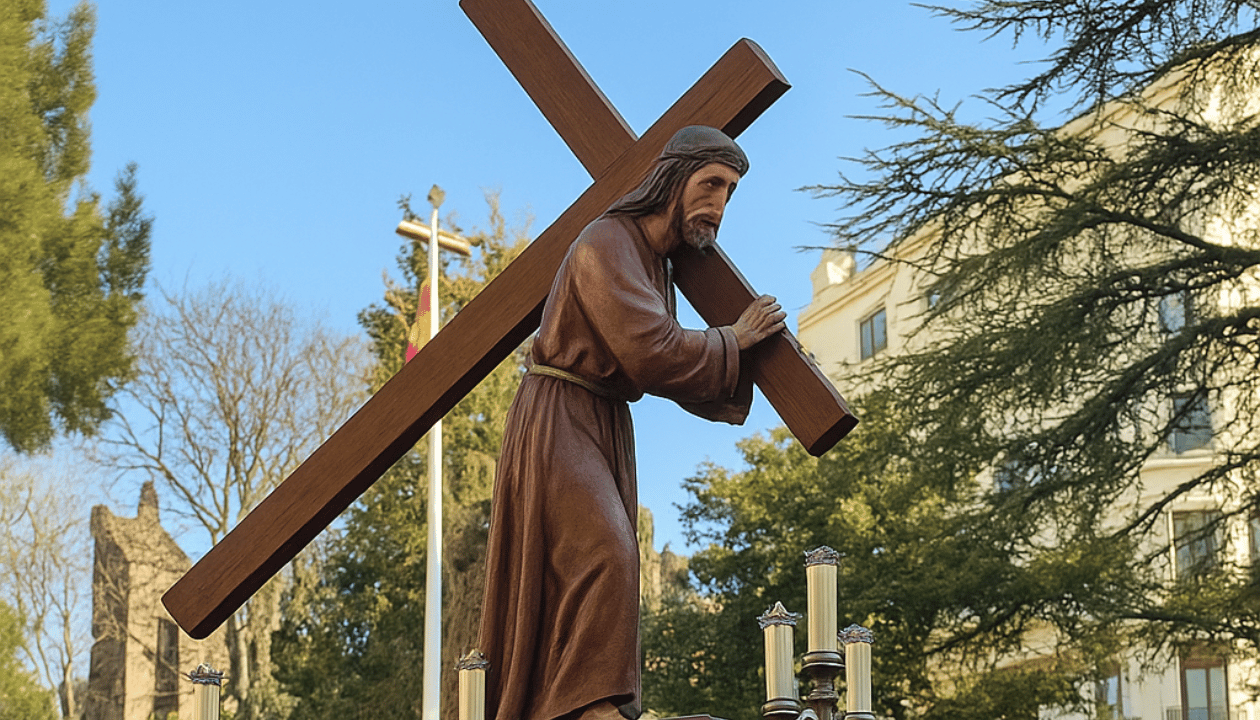
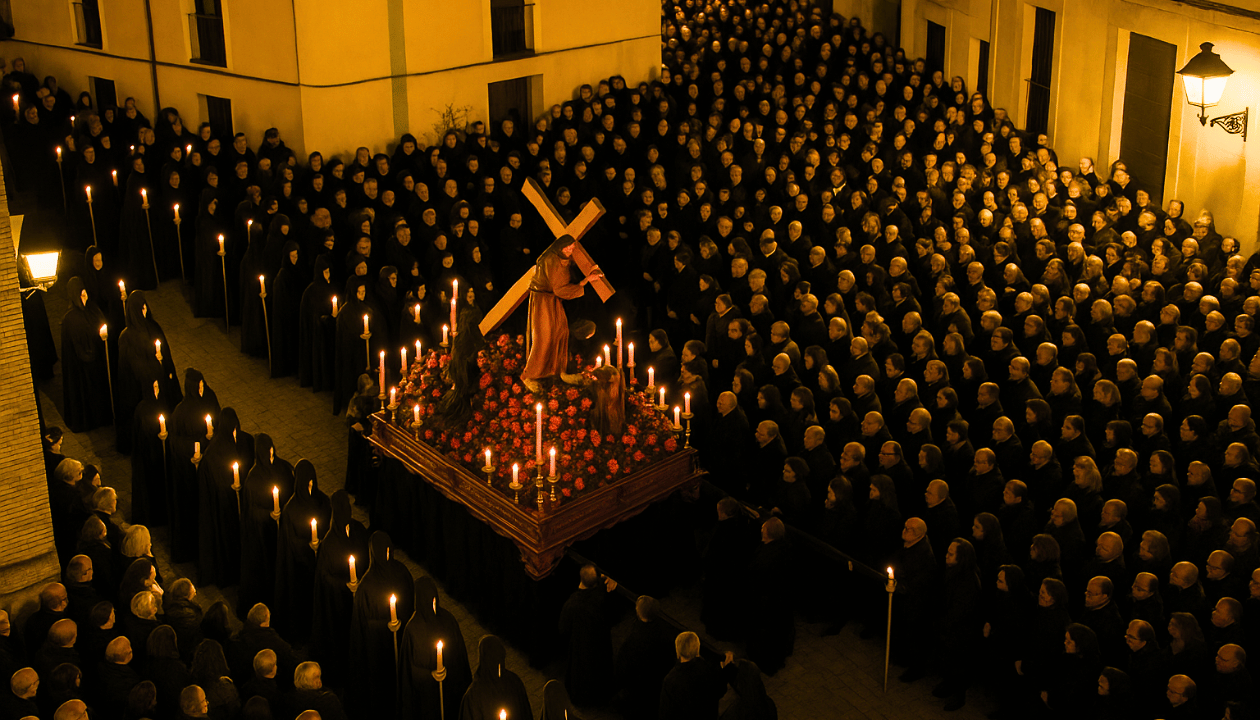
As you move through town, you’ll see huge heavy floats carried by teams of costaleros. Some processions are silent, others filled with music. The Nazarenos, wearing robes and pointed hats, walk slowly in reflection. They often carry candles, creating a glow that makes everything feel even more intense.
The Brotherhoods Behind It All
These events don’t just happen — they’re prepared for all year long. A brotherhood organizes each religious procession made up of locals, many of whom have taken part since childhood. Their dedication runs deep, and you’ll feel that in every step of the Semana Santa traditions.
Best Places to Experience Semana Santa in Spain
Let’s travel across Spain and see how each place brings something unique to Semana Santa. If you’re learning Spanish, you’ll be happy to know you can join our Spanish Homestay Immersion Program (SHIP) in each of these cities. From my own experience as a host teacher, I always tell students that each destination offers a different rhythm during Semana Santa, Holy Week, shaped by its rich historical background and traditions that go back to the Middle Ages and even the sixteenth century.
1. Menorca
Menorca offers a quieter and more reflective experience. Here, the processions start gently, often after Domingo de Ramos, and the atmosphere feels deeply personal. I have seen how students connect with the simplicity of the island, where traditions feel untouched and meaningful. The figures, sometimes inspired by the Old Testament, are carried slowly, with long robes and long purple robes that represent mourning. It is not about spectacle here, but about a solemn moment you truly feel.
2. Barcelona
Barcelona brings a vibrant and diverse energy. The city blends tradition with influences from Latin America, creating colorful parades alongside more elegant processions. You will notice marching bands, music, and a lively crowd as people gather across different neighbourhoods. As a host here, I love showing students how traditions evolve while still staying connected to their roots. It is a place where culture, modern life, and faith meet naturally.
3. Valencia
Valencia is full of energy during Easter week. The processions start early and move through the city with strong participation from locals. You will see portable crosses, detailed floats, and scenes like El Encuentro, where emotion fills the streets. There is a strong sense of storytelling here, often connected to the seven words and key moments of the Passion. The balance between devotion and celebration makes it unforgettable.
4. Cadiz
Cadiz has a deeply emotional and authentic atmosphere. The traditions here feel raw and real. Some processions include military parades, while others remain quiet and reflective. You may also come across local customs like Judas dolls, which add a unique layer to the experience. The connection between the people and their traditions is strong, and you can feel it in every step of the procession.
5. Caceres
Caceres feels like stepping back in time. Its setting enhances the beauty of the solemn processions and highlights its rich historical past. The narrow streets, the silence, and the lighting create a powerful atmosphere. Many of the traditions here are inspired by early Christianity, even connecting back to the time of Roman Emperor Constantine. It is one of the most atmospheric places to witness these traditions.
6. Tarragona
Tarragona offers a unique blend of Roman heritage and Semana Santa traditions. The processions often include detailed figures made with castilian religious sculpture, carried with great care. The timing of these events follows the full moon after the vernal equinox in the northern hemisphere, just like in other parts of Spain. It is a place where history and faith come together beautifully.
7. Burgos
Burgos is known for its calm and deeply traditional atmosphere. The focus here is on reflection rather than spectacle. The processions feel slower and more intimate, with participants dressed in long robes and carrying symbols of faith. You will notice the attention to detail and the connection to older traditions that have been preserved over centuries.
8. Sevilla
Sevilla is one of the most iconic places to experience Semana Santa. The processions follow the famous carrera oficial, where some of the most fabulous semana santa processions take place. You will see La Macarena, one of the most beloved figures, along with scenes like La Dolorosa and Saint John.
The traditions here are also linked to marquésthe de Tarifa. It is believed that when marqués de Tarifa returned from the holy land, he helped shape the way these elaborate processions are organised today. The scale, the emotion, and the beauty of Seville make it a place of strong international tourist interest.
Flavours of Semana Santa
Why it’s meat-free
During Easter week, many people in Spain avoid meat as part of a long-standing tradition. It’s a time for reflection and simplicity, especially on Holy Friday. That’s why fish and vegetable-based dishes take center stage. The focus is on flavour, not excess, and trust me, you won’t miss the meat.
Torrijas, bacalao, and potaje
These are the stars of the table. Torrijas are slices of soaked bread, similar to French toast, often topped with honey or sugar. Bacalao, or salted cod, is cooked in endless ways, always comforting. And potaje, a rich chickpea stew, is pure soul food. In many towns, you’ll see these dishes sold right in the streets during the last week of Lent.
Where to try these dishes
You’ll find different versions depending on where you are. In the Canary Islands, locals love their sweet, cinnamon-heavy torrijas. In Jerez de la Frontera, bacalao is often served with roasted peppers. And if you’re heading to Santiago de Compostela, expect potaje with extra garlic and spinach. These bites tell stories of tradition, family, and faith.
Few Things to Keep in Mind
Higher prices during the week
During Easter celebrations, everything from hotels to food tends to cost more. It’s one of the busiest times of year in many towns, so booking early helps. If you’re budgeting, plan your meals ahead or eat in less touristy areas.
Navigating blocked streets
Processions can change the flow of a city. Roads close, walking paths shift, and it’s easy to get turned around. In places like Santiago de Compostela, some streets follow ancient layouts, making detours tricky. A good offline map can save the day.
Plan ahead in crowded cities
Seville and Málaga offer some of the most glamorous celebrations, but they also get packed fast. If you’re not a fan of big crowds, get there early or watch from quieter areas. The energy is amazing, but space is limited.
Some events are loud, some silent
Not all processions feel the same. Some have bands and flamenco singers, others are deeply quiet. At a certain point, the entire crowd may stop speaking, and that silence says more than words ever could. It’s all part of the contrast that makes Semana Santa so moving.
Want to Experience Semana Santa Differently?
If you’d love to explore Spain and learn Spanish while living the culture, our Spanish Homestay Immersion Programme (SHIP) is made for you.

You’ll stay with a host teacher (not a host family), enjoy personalised lessons, and fully experience Spanish traditions, maybe even watching Semana Santa processions from your doorstep.
It’s the kind of trip that doesn’t just teach you Spanish, it changes how you connect with the world.
You can explore more real immersion experiences here:
SHIP Stories of Our Previous Students
For personalised guidance and programme details, you can contact our founder directly:
Mónica Romero
Founder and Director, Spanish Express
Phone / WhatsApp: +44 7903 867 894
Email: monicaromero@spanishexpress.co.uk
