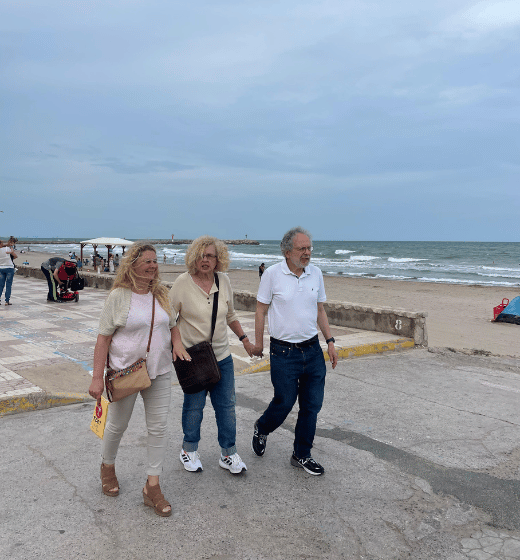
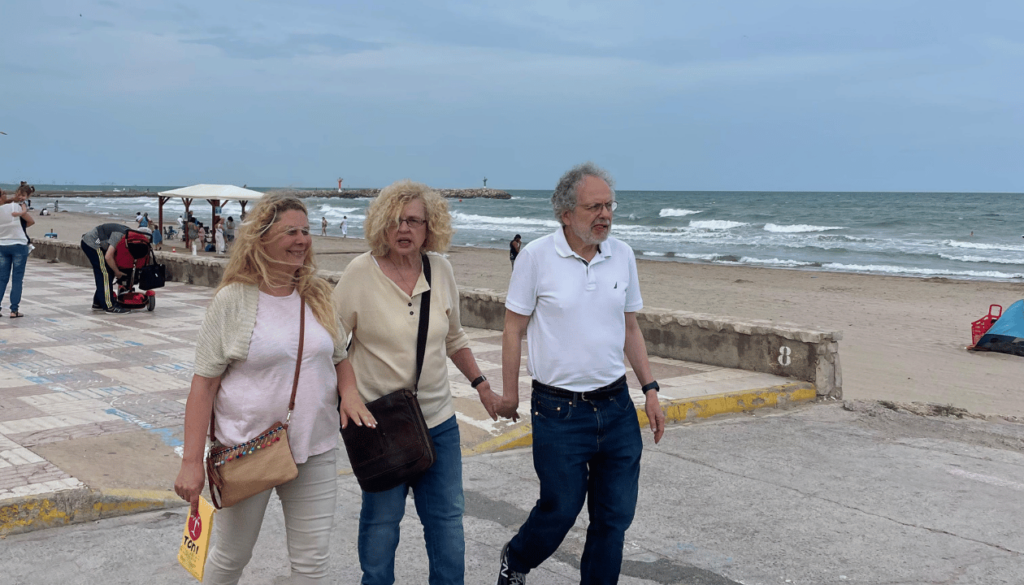
If you’ve been daydreaming about a new life under the sun, Spain might already be calling your name. This rise in American expats reflects a deep shift: people are looking not just for travel, but for community, stability, adventure and a more balanced lifestyle. And while many other countries also attract digital workers and retirees, Spain remains the star for many U.S. citizens craving a gentler pace. Many Spain Americans are drawn by the vibrant expatriate community, cultural differences, and the unique motivations for settling in Spain, such as better quality of life and new opportunities.
This surge of Americans in Spain isn’t surprising. The combination of an affordable cost, excellent public services, warm culture and the relaxed Mediterranean lifestyle makes it uniquely appealing for US citizens considering or making the move. You might be drawn to the warm coast of southern Spain, the energy of a busy Spanish city or the salty blue of the Mediterranean Sea. But Spain has something for everyone. So, let’s dive straight into this ultimate guide for Americans planning a smooth relocation.
Introduction to Spain
Spain, nestled on the sun-drenched Iberian Peninsula, is a country that effortlessly blends history, culture, and a famously relaxed Mediterranean lifestyle. For American expats, Spain offers a unique opportunity to embrace a new life in a place where tradition meets modernity and every day feels like an invitation to slow down and savor the moment.
The country’s vibrant cities, charming villages, and stunning coastlines attract Americans from all walks of life, whether you’re seeking adventure, stability, or simply a change of pace. With its strong political stability and welcoming atmosphere, Spain stands out as a top destination for those ready to start fresh abroad. From the lively festivals to the laid-back afternoons in a local café, it’s easy to see why so many Americans are choosing Spain as their new home.
Why Spain Is Attracting So Many Americans
Spain’s appeal runs deep. Compared to the fast pace of the U.S., many appreciate the country’s human-centered work-life balance, where downtime is considered essential, not optional. Even large cities maintain an ability to slow down, encouraging people to enjoy life instead of living to work. For remote workers, retirees and digital nomads, this is priceless. Spain American expats also find unique benefits and challenges here, such as navigating social security benefits, adapting to local bureaucracy, and enjoying a lifestyle that balances affordability with quality of life.
Another major force behind the arrival of Spanish American expats living abroad is the simple fact that Spain offers a very low cost of everyday essentials compared to an expensive city like San Francisco or New York. Housing, food, transportation and healthcare generally cost less, even in popular areas. Renting a one-bedroom apartment in Dosrius, Barcelona, or Gilet, Valencia, remains accessible, and the lower cost of groceries helps stretch your budget farther. Spain American expats living in the country often highlight the relative affordability and the ability to access social security benefits as key factors in their decision to stay.
Additionally, many American migrants arrive to places with close cultural connections, like Latin America, and find Spain’s familiarity and language a comfortable bridge between many countries. Add the rich culture, strong social structure, and excellent health care, and there’s no question why thousands of Americans are packing their bags.

Choosing the Right Visa Options
Before moving to Spain, you’ll need to sort through your visa options. Spain offers multiple permits depending on your situation, career and goals. For Americans, there is a comprehensive list of visa and residency options to consider, each catering to different needs and circumstances.
The most talked-about choice today is the digital nomad visa, tailored for digital nomads and self-employed remote earners who work with international companies. This visa allows you to live legally in Spain while working online, and it’s perfect for people earning income outside the country.
There’s also the widely used non-lucrative visa, ideal for retirees or people with passive income who don’t plan to work for a Spanish employer or for a Spanish company. To qualify, you’ll need savings, a stable income, and private health insurance that meets Spanish requirements.
For years, many newcomers aimed for the Spain Golden Visa, which granted residency through property investment and required a minimum investment amount. The Spain Golden Visa program has recently undergone significant policy changes, so those interested in this route should stay updated on its current status and requirements.
Regardless of the path, applicants often hire professional help to navigate Spain’s bureaucracy and legal system. It’s not required, but for those wanting a smooth transition, guidance can be a relief.
Preparing for the Move
Getting ready to move to Spain is an exciting process, but it’s important to plan ahead to ensure a smooth transition. American expats should start by exploring the various visa options available, such as the digital nomad visa for remote workers or the non lucrative visa for those who wish to enjoy living in Spain without local employment.
Understanding your tax obligations as an American living abroad is also crucial, as you’ll need to navigate both U.S. and Spanish tax systems. When it comes to budgeting, you’ll be pleased to find that the cost of living in a Spanish city is generally much lower than in the U.S.
Taxes for American Expats: The Big Picture
Here’s where things get serious. When Americans living abroad think about Spain, taxes can be the most confusing topic. US expats often face unique tax challenges, navigating both U.S. and Spanish tax systems. Spain, like many countries, taxes residents on worldwide income, meaning everything you earn globally may be taxable in Spain once you become a resident.
On top of that, the U.S. tax system complicates matters because we expats must still file taxes every year. If you live in Spain, you need to be aware of the specific tax implications that come with residency, as both countries’ tax rules will affect your financial situation. Understanding both countries’ tax rules helps prevent mistakes and minimize stress.

Spanish Taxes Explained
Once you’re counted among Spanish residents, your Spanish income and foreign earnings fall under Spain’s tax umbrella. This includes wages, rental money, investment returns and capital gains. If you work locally, the government taxes your Spanish-sourced income, and if you work online for foreign clients, your tax treatment depends on residency status and tax treaties.
Adding to the mix, you must also report foreign financial accounts when required and Spain has strict reporting rules for overseas assets to ensure transparency.
But don’t panic. Spain and the U.S. have a tax treaty to reduce double taxation, meaning you won’t get taxed twice on the same income if you follow the proper filing steps. Many new arrivals hire accountants in both countries to simplify their tax obligations.
One attractive perk is Spain’s flat rate tax system option for qualifying newcomers under certain programs, which can reduce early tax burdens and make relocation easier.

Where American Expats Love to Live
American newcomers are spread across the country, each region offering something unique.
Madrid remains the most popular destination thanks to international jobs, culture, museums, and a cosmopolitan environment where many people speak English. Most Spaniards are known for their welcoming attitude, making it easier for American expats to feel at home. Despite being a capital, the lifestyle still feels more humane compared to large American metros.
Others gravitate toward coastal areas along the Mediterranean Sea, drawn by sunnier days and a breezy lifestyle. Here, most expats praise the food, climate, and beach life. Inland regions attract those searching for history, tranquility, and a richer connection with local traditions.
A growing group of Spanish Americans also choose the islands for their climate and slower pace, especially the Canary and Balearic archipelagos. On the islands, locals—especially those who are eager to share their customs and language—are particularly receptive to American newcomers.
Lifestyle, Culture and Everyday Life in Spain
Daily Spanish life can feel like a revelation compared to the U.S. However, cultural differences definitely exist. For example, locals value proximity and touch more, so expectations around personal space may differ for newcomers. The Spanish also take pride in being social, eating slowly and meeting friends outdoors. Workdays may stretch later into the evening, but the pace is less rushed.
What impresses many is the efficiency of public transportation. Whether you’re exploring Barcelona or living in smaller towns, trains, buses, and metros make moving around effortless. Even public transport in rural areas surpasses what many American states offer.
If you work locally, Spanish work culture can feel refreshingly humane, offering more holidays, clearer boundaries and time to breathe.
To integrate faster, nothing beats Spanish classes. Most people have at least some English knowledge, but learning the language helps you feel at home and learn Spanish while meeting locals.

Healthcare: One of Spain’s Biggest Advantages
Spain’s healthcare system ranks highly across Europe and consistently impresses newcomers. While you’re applying for residency, you’ll likely rely on private hospitals and insurance. Once registered as a resident, many enjoy access to Spain’s strong social security system and public care.
Doctors are well-trained, hospitals are modern and waiting times often feel shorter than in the U.S. Combined with affordable medication and treatment, it’s no wonder American expat communities rave about it.
Education and Family
For American expats moving to Spain with children, education is often a top priority. Spain offers a wide range of schooling options, including public, private, and international schools, many of which provide Spanish classes and other language programs to help children become bilingual. This multicultural environment is a fantastic opportunity for young learners to thrive.
The country’s efficient public transportation system makes it easy for families to get around, whether you’re heading to school, exploring the Mediterranean Sea, or taking a weekend trip to the Atlantic Coast. Spain is also known for its family-friendly culture, with plenty of parks, museums, and outdoor activities to enjoy together. Moving to Spain means your family can experience a rich blend of education, adventure, and quality time in a welcoming and safe environment.
Housing and Cost of Living
Let’s talk numbers. While prices vary widely, Spain remains friendlier to the wallet than most American cities. In the city centers of Seville, Granada, or Valencia, a decent one-bedroom apartment still costs a reasonable amount. Dining out, entertainment, and transportation also stay manageable thanks to local markets, fresh food, and competitive pricing.
The average costs of daily life stay noticeably lower than in major U.S. cities, and housing is one of the biggest reasons many make the move.

Working in Spain
Some newcomers arrive intending to work for a Spanish employer or launch a project with a Spanish company. If so, understanding local norms and expectations is key. Spanish firms often emphasize teamwork, communication and punctuality, but with healthier boundaries.
Others prefer remote worker roles. Spain is ideal in this case: great Wi-Fi, friendly coffee shops, welcoming coworking spaces and a setting that makes work feel less like work.

Public Transportation
One of the many perks for American expats living in Spain is the country’s excellent public transportation system. Whether you’re in a bustling city or a smaller town, you’ll find reliable buses, trains, and metro lines that make getting around both easy and affordable. A monthly public transportation pass can cost as little as €20, allowing you to explore your new home without the need for a car.
Spain’s high-speed train network also connects major cities, making it simple to travel across the country or even venture into other parts of Europe. For those who prefer to drive, Spain’s roads are well-maintained, though it’s worth noting that parking can be more challenging in the city centers of places like Madrid and Barcelona due to restricted traffic zones. Overall, Spain’s public transport offers American expats a convenient and cost-effective way to experience everything the country—and the continent—has to offer.
The Expat Community and Connection
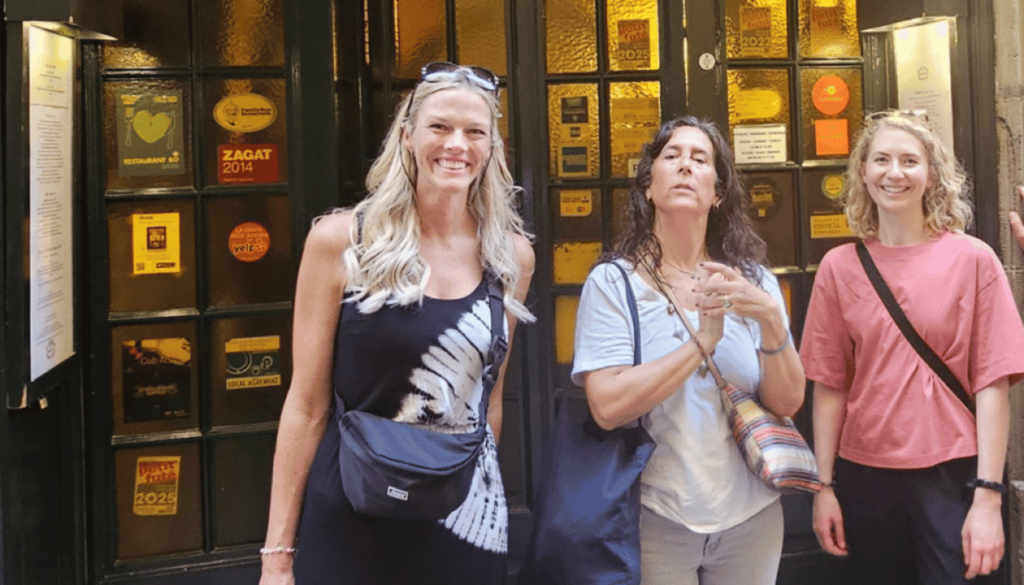
One of the best parts of being among Spanish-American expats is the built-in community. Groups organize meetups, cultural happenings, sports events and language exchanges. Even if you’re freshly arrived or deeply settled, having a supportive network helps turn relocation into a rewarding experience.
Plus, connecting with citizens living locally opens the door to culture, cuisine and friendships that enrich your daily routine.
Turn Your Move to Spain Into a Real-Life Language and Culture Experience
Moving to Spain is more than a change of address. It’s a new language, a new rhythm of life, new relationships, and a new way of seeing the world. Truly settling in means more than handling visas, housing, and paperwork. It means understanding daily culture, communicating with confidence, and feeling at home in Spanish.
With the Spanish Homestay Immersion Program (SHIP), you don’t just live in Spain, you live the language. You stay with a certified Spanish teacher, practise Spanish in real-life situations, and experience everyday routines, meals, conversations, and local life from the inside. This is one of the most natural and effective ways for Americans to adapt quickly and feel part of the community.
SHIP is ideal for:
- Americans relocating to Spain for work, retirement, or a new lifestyle
- Remote workers and digital nomads
- Professionals who need practical, real-world Spanish
- Adults and mature learners who prefer personalised, calm learning
- Families preparing to settle into Spanish schools and communities
- Students preparing for Spanish exams (DELE, SIELE, GCSE, A-Levels, YLE, IB, and other certifications)
- Anyone who wants cultural integration, not just language lessons
You can also explore real relocation and immersion stories here:
👉 Living in Spain & Cultural Immersion Stories
For personalised guidance and programme details, you can contact:
Mónica Romero
Founder and Director, Spanish Express
📞 Phone / WhatsApp: +44 7903 867894
📧 Email: monicaromero@spanishexpress.co.uk