

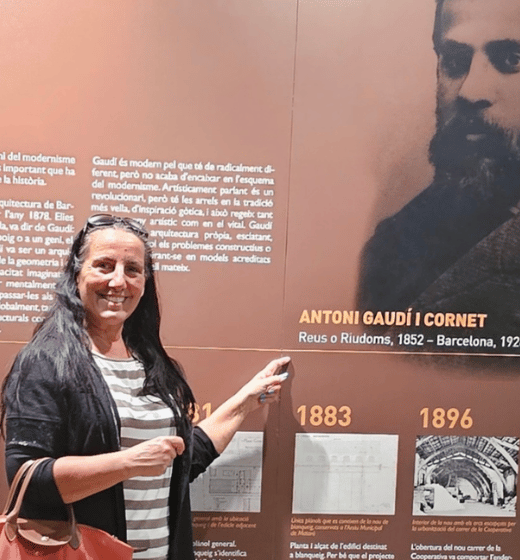
When students come to live and study with me in Barcelona through our Spanish Homestay Immersion Program (SHIP), I always tell them that learning Spanish is not just about grammar. It’s about understanding how history, architecture, art, and social movements shaped this country.
I am Mónica, Founder & Director of Spanish Express and also host students in Barcelona and Menorca.
One of my favorite places to take students is Nau Gaudí in the town of Mataró, just north of Barcelona. This small building is not as famous as the Sagrada Família, but it is arguably more important for understanding the beginning of Gaudí’s creative journey.
The Nau Gaudí was the first building designed by Antoni Gaudí. It was part of a visionary industrial complex linked to the cooperative movement in Catalonia. Today, it houses one of the most significant collections of contemporary art in the region.
The Beginning of Gaudí’s Architectural Vision
Before Gaudí became the architect whose works would later be recognized as UNESCO World Heritage Sites, he was a young designer exploring new structural elements and innovative systems. The Nau Gaudí in de Mataró was conceived between 1878 and 1883 as part of a major project promoted by the Sociedad Cooperativa Obrera Mataronense, often referred to as the Mataró Workers Cooperative or Cooperativa Obrera.
Commissioned by Salvador Pagès, a key figure in the cooperative movement and influenced by utopian socialism, the project was ambitious. The cooperative planned an entire industrial complex with housing, facilities for workers, and manufacturing spaces. The Nau Gaudí was built as a cotton bleaching warehouse more specifically, a bleaching warehouse for textiles produced by the cooperative factory.
Although originally part of a much larger complex, today this building is the only preserved remnant of that industrial dream.
A Small Building with Revolutionary Ideas
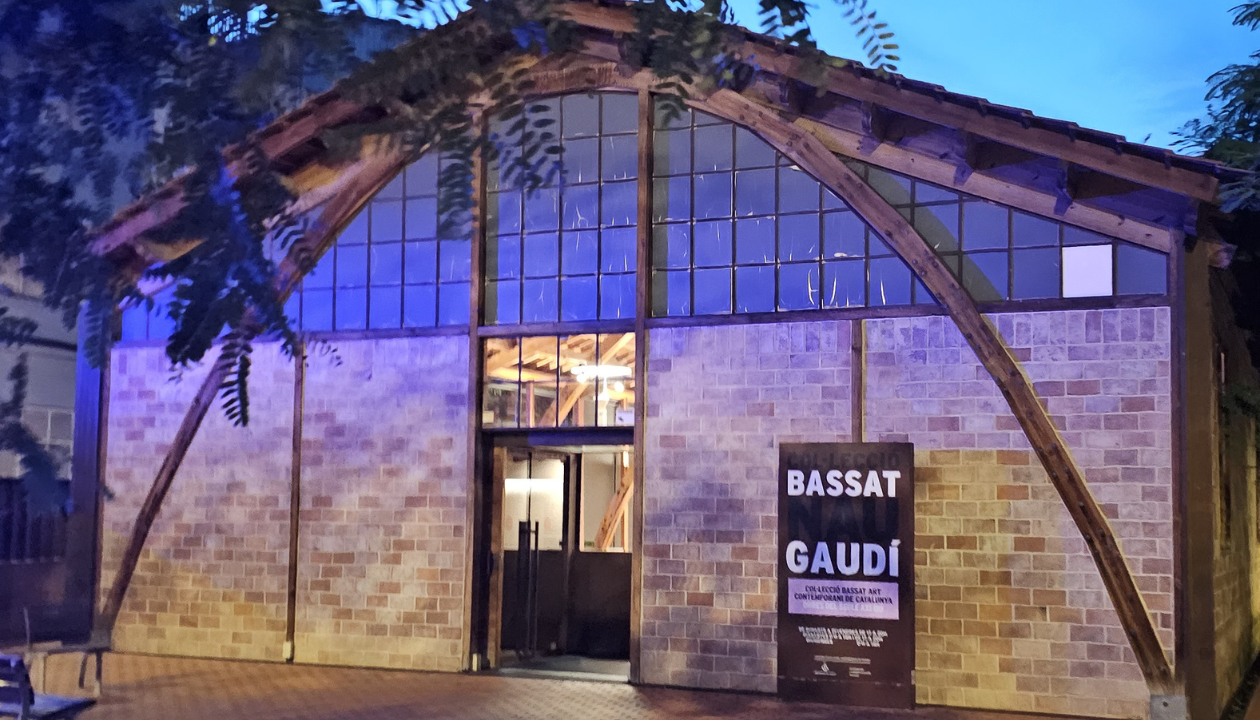
At first glance, the Nau Gaudí appears austere and functional. It is a relatively small building constructed with brick, wood, and iron. Yet within its structure, we see the seeds of Gaudí’s later architectural brilliance.
The most remarkable feature is the system of 13 parabolic arches. These parabolic arches act as structural elements that distribute weight efficiently across the roof without requiring internal columns or pillars. This innovative structure allowed for a large open interior space, ideal for a cotton bleaching warehouse.
Gaudí drew inspiration from historical techniques, including the work of Philibert de l’Orme, but he adapted and developed them further. The arches create a rhythm inside the warehouse that feels almost organic. It was the first time Gaudí experimented so clearly with forms that would later define his architecture.
The building also incorporated practical systems for ventilation and natural light. Ventilation towers and carefully placed windows allowed air circulation, essential in a textile bleaching warehouse environment.
Even at this early stage, Gaudí was thinking about structure, light, and space in a way that blended functionality with artistic expression.
From Industrial Warehouse to Cultural Asset
The Nau Gaudí was originally designed as part of de la Cooperativa 47, a broader social and industrial initiative. Over time, much of the original complex disappeared. However, the Nau Gaudí survived and was eventually declared a historic-artistic monument by the Spanish state in 1969.
In 1982, it was declared a cultural asset of national interest by the Generalitat de Catalunya. This recognition ensured the building would be preserved and restored for future generations.
Today, the Nau Gaudí houses the headquarters of the Consorci Museu d’Art Contemporani de Mataró. Since November 2010, it has been home to the renowned Bassat Collection.
The Bassat Collection and Contemporary Art in Catalonia
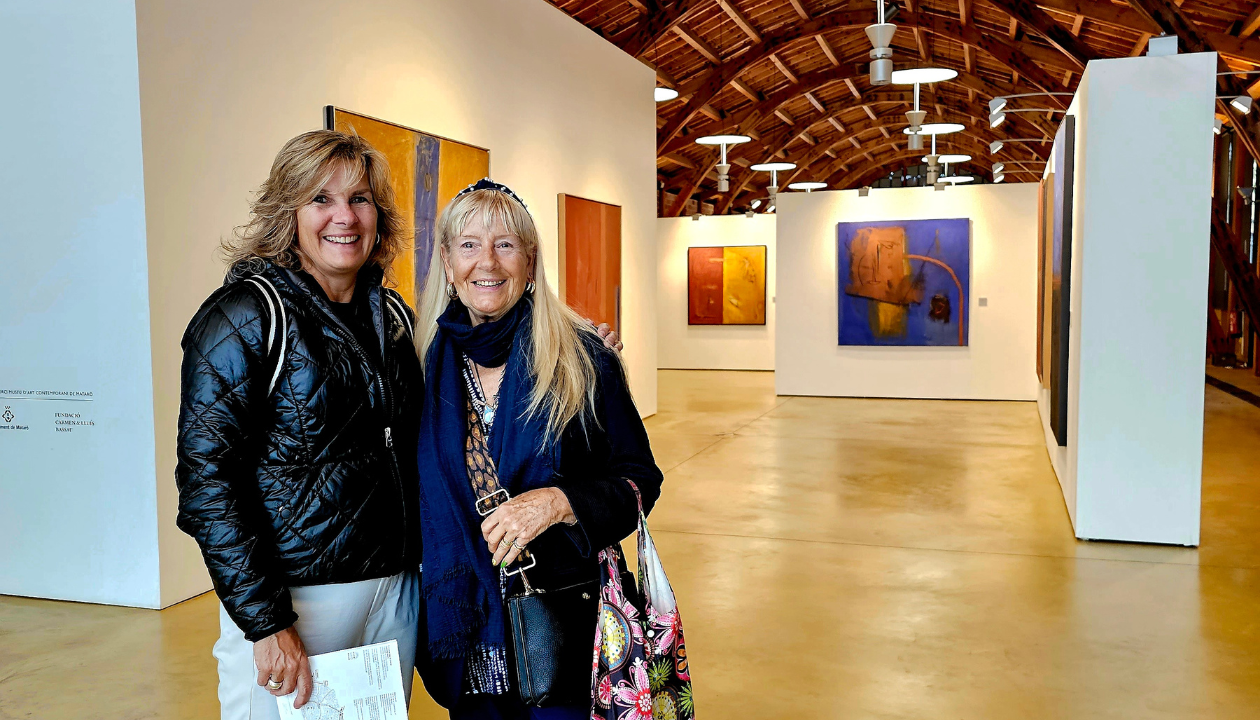
The Bassat Collection is one of the most representative collections of Catalan art from the second half of the twentieth century. It includes more than 2,000 works, featuring paintings, sculptures, and graphic art.
Inside the museum space, visitors can explore exhibitions that showcase the evolution of contemporary art in Catalonia from the postwar period to the present day. The collection highlights both established and emerging artists and provides insight into the artistic identity of the region.
The Nau Gaudí hosts temporary exhibitions of contemporary art and organizes guided tours and workshops for families and schools. The museum creates an accessible space for visitors of all ages to engage with art in an inspiring architectural environment.
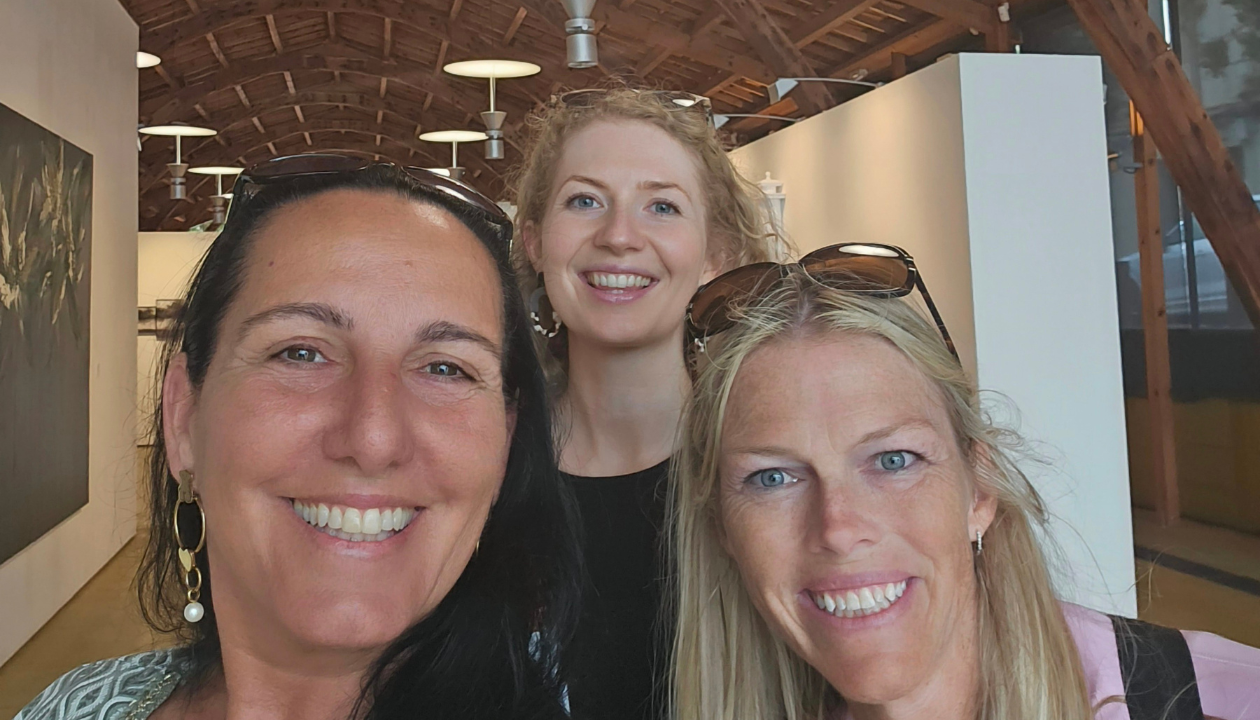
For students in our Spanish immersion program, this is where language learning becomes real. Discussing art in Spanish pushes vocabulary beyond daily conversation. Words like estructura, elementos, interior, exterior, and sistema come alive in context.
Architecture, Structure, and Social Vision
What fascinates me most as a host and educator is how this building represents more than architecture. It reflects the social ideals of the cooperative movement during the second half of the 19th century.
The Mataró Workers Cooperative believed in collective ownership and better living conditions for workers. The industrial complex included manufacturing facilities, a factory, housing for workers, and even a latrine pavilion one of the oldest parts of the cooperative complex still standing near the Nau Gaudí.
The design was not just about creating a warehouse. It was about building a social model. The building designed by Gaudí was a key element of that vision.
When students visit, we talk about how architecture can reflect ideology. How a warehouse can tell a story about workers, utopian socialism, and industrial development in Spain.
Visiting the Nau Gaudí Today
The Nau Gaudí museum is ruled by the Mataró public administration and the Bassat Foundation. It is closed Mondays and public holidays, except for certain special dates.
Opening Hours
- Tuesday to Friday: 5:00 PM – 8:00 PM
- Saturday: 11:00 AM – 2:00 PM & 5:00 PM – 8:00 PM
- Sunday & Public Holidays: 11:00 AM – 2:00 PM
Closed: Every Monday and on public holidays
(except October 12, November 1, December 6 & 8 — open 11:00 AM – 2:00 PM, unless they fall on a Monday)
Admission: Free
Address: Carrer de la Cooperativa, 47 08302, Mataró (Barcelona).
For students living with me in Dosrius, Barcelona, it’s just a 20-minute drive. If we are in the city center, it’s an easy train ride along the coast. The experience combines language immersion, architecture, art, and local culture into one meaningful visit.
Why Nau Gaudí Matters for Spanish Immersion
At Spanish Express, our SHIP program is built on one idea: language lives in context.
When students explore the Nau Gaudí:
- They see where Gaudí’s creative process began.
- They understand how structural elements like parabolic arches shape space.
- They learn how a cotton bleaching warehouse connects to the cooperative movement.
- They engage with contemporary art inside a preserved 19th-century building.
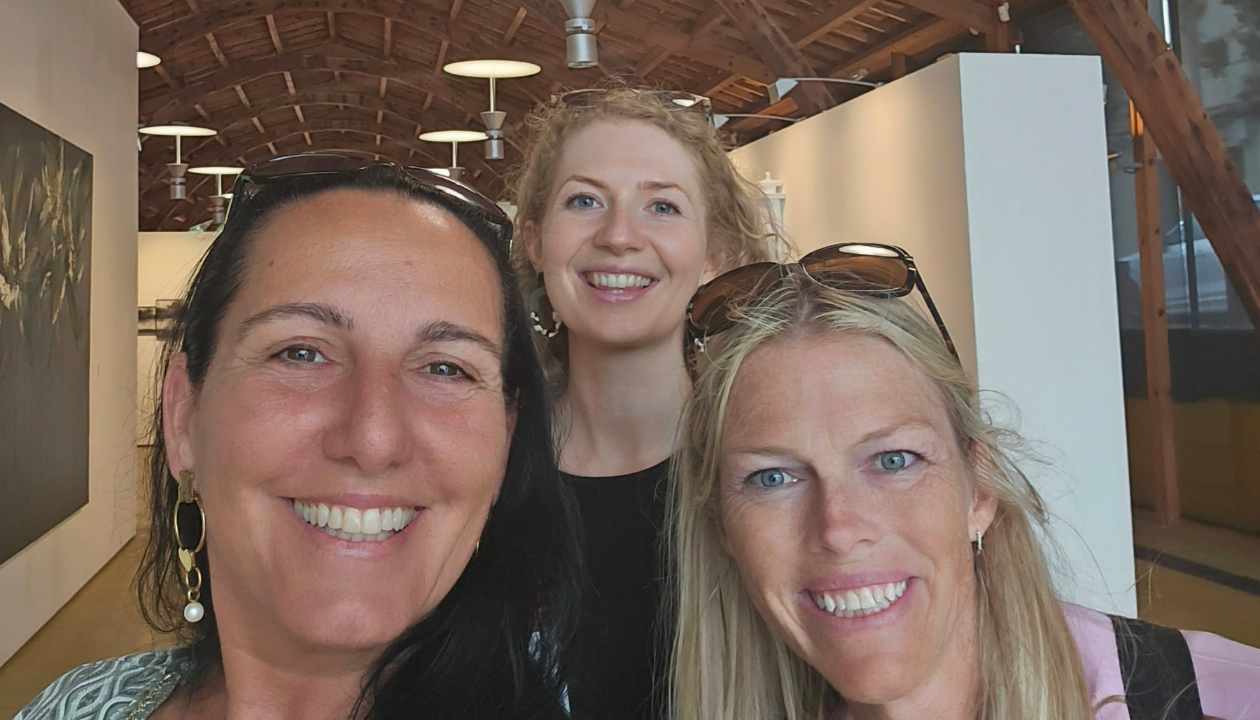
It’s powerful to stand inside the interior of Gaudí’s first structure and imagine the young architect experimenting with form, ventilation systems, and innovative design. It’s also powerful to see how that same building now houses modern art exhibitions and cultural events.
This blend of past and present defines Spain.
Experience Barcelona with Spanish Express
For me, as a host teacher and founder of Spanish Express, the Nau Gaudí represents the beginning, not only of Gaudí’s career, but of something deeper.
Read Our Student Experience Stories Here
If you would like to explore available weeks for our Spanish Homestay Immersion Program (SHIP) in Barcelona, discuss tailored cultural visit programmes, or discover whether my homestay immersion experience is the right fit for your students, you are warmly invited to contact me:

Mónica Romero
📞 Phone / WhatsApp: +44 7903 867 894
📧 Email: monicaromero@spanishexpress.co.uk
Mónica Romero
Host Teacher, Menorca
