

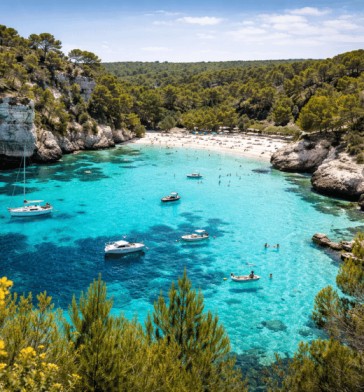
When I walk students down toward the coast in the early morning, I always tell them the same thing. Menorca is not loud. It does not shout for your attention the way other places do. Instead, it asks you to slow down, to listen to the wind, and to notice the small stone walls running across the fields. That quietness is exactly what makes this island special. In fact, the whole island is protected, and once you understand why, you start to see Menorca differently.
I’m Mónica Romero, and through the Spanish Homestay Immersion Program (SHIP), I welcome students into everyday life here in Menorca. Rather than learning only from a textbook, we practice Spanish while walking through wetlands, talking with farmers, sharing meals at home, and naming the birds we see along the water.
With Spanish Express, this becomes a real immersion experience, where living with a local teacher, joining cultural activities, and having constant local interaction turns the island itself into your classroom.
A Short History of the Menorca Biosphere Reserve
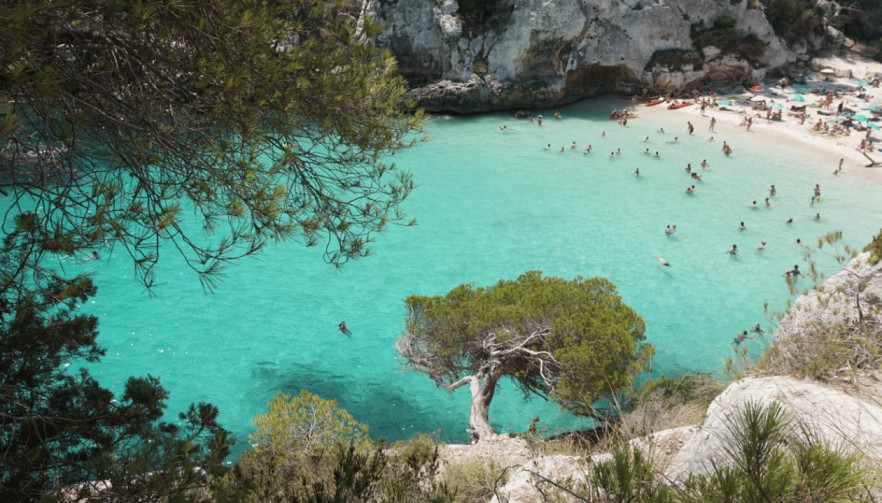
Although students come for the beaches, I always begin with history, because Menorca makes more sense that way. The island was declared a Biosphere Reserve by UNESCO on October 7, 1993, and that decision changed how people here think about their home. For this reason, conservation became part of daily life, not a separate idea.
Menorca carries an extremely rich tradition shaped by farmers, fishermen, and the persistent winds that cross the island. Moreover, with over 1,500 archaeological sites from the Talayotic period, the past is never far away. As a result, the natural environment and human activity have stayed in constant contact for thousands of years.
What Makes the Menorca Biosphere So Unique
The biosphere reserve unesco status was created because Menorca is an intensely humanized territory that still protects remarkable diversity at a high level. In fact, the reserve covers an approximate surface area of 514,485 hectares, including marine areas, which makes it one of the largest marine biosphere reserves in the world.
The island has a slightly rectangular shape, and its marine environment extends up to 12 nautical miles offshore. Because of this balance, Menorca supports 220 bird species and 1,000 plant species, with flora and fauna that include wild olive forests and many Mediterranean habitats. Some animal species are almost exclusive to these ecosystems, so the island plays host to both rural landscapes and natural ecosystems at an exceptional level.
How Menorca Connects to Other Biosphere Reserves
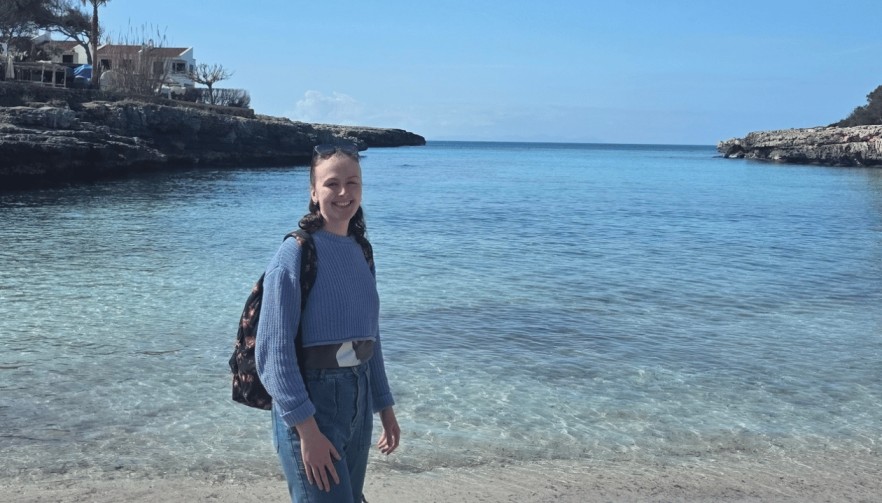
I often remind students that Menorca does not stand alone. Within the Balearic Islands, and across the wider Spanish network, the island sits among other biosphere reserves that share the same goals. For example, it is a meeting point for ideas about preservation and sustainable living, much like its sister reserve in the Canary Islands.
However, Menorca has no high-elevation mountains. Instead, its highest point is El Toro, a modest hill in the center of the island that still offers wide views from north to west. Therefore, the reserve protects beauty that comes not from dramatic peaks, but from gentle, humanized land.
The Core Zone: Strict Protection of Nature
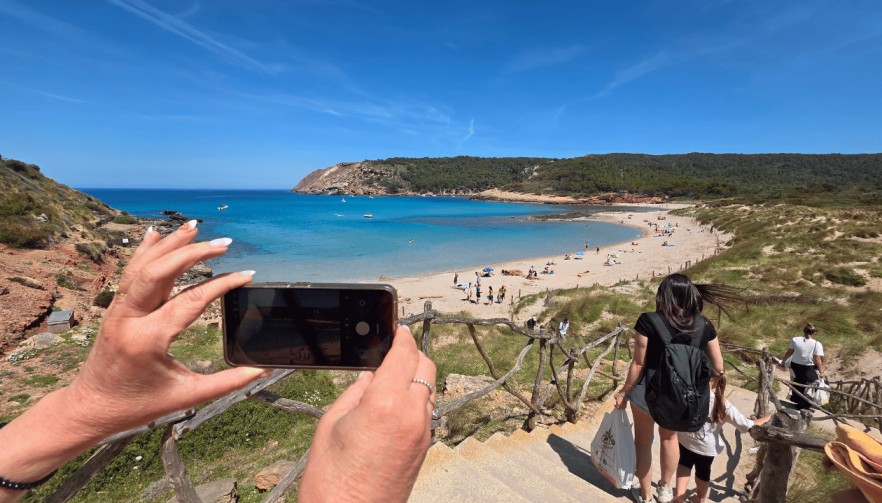
Management of the reserve is organized into three zones, and I always explain these because they shape what we can and cannot do. First, the core zone exists for strict protection of nature. This area includes the Parc Natural de s’Albufera des Grau, the natural heart of the reserve. Here, plant and animal species are guarded carefully, including the Hermann’s tortoise and the protected Posidonia oceanica seagrass beds offshore. Because some habitats face real danger from human pressure, this protection matters greatly. Even so, the park stays family-friendly, with signposted itineraries at an easy level through wetlands, dunes, and gullies.
The Buffer Zone: Living Alongside Nature
After the core zone, we move into the buffer zone, where compatible activities and nature conservation exist side by side. This part of the reserve shows the real meaning of sustainable development. Because the island’s primary economic resource has always depended on the land and sea, people here learned to use natural resources carefully. For example, the famous agroforestry mosaic includes 12,000 km of traditional dry-stone walls, built by hand across generations. Meanwhile, farming and grazing continue, but always with respect for the natural environment. In this way, the buffer zone teaches a quiet lesson about balance and quality of life.
The Transition Zone: Daily Life and Sustainable Economy
Finally, there is the transition zone, where daily life and the sustainable economy happen. This is where most students live during their stay, spread across the island’s eight administrative municipalities. Here, the censused population goes about ordinary routines, yet sustainability shapes almost everything. Tourism matters, of course, but it must protect the island rather than harm it. Because of pronounced seasonality, summer brings real human pressure, so in recent decades locals have worked harder than ever to preserve beautiful landscapes, coastline, and cultural heritage. Therefore, students see a modern community protecting its home while still welcoming the world.
Exploring the Biosphere Through Daily Life
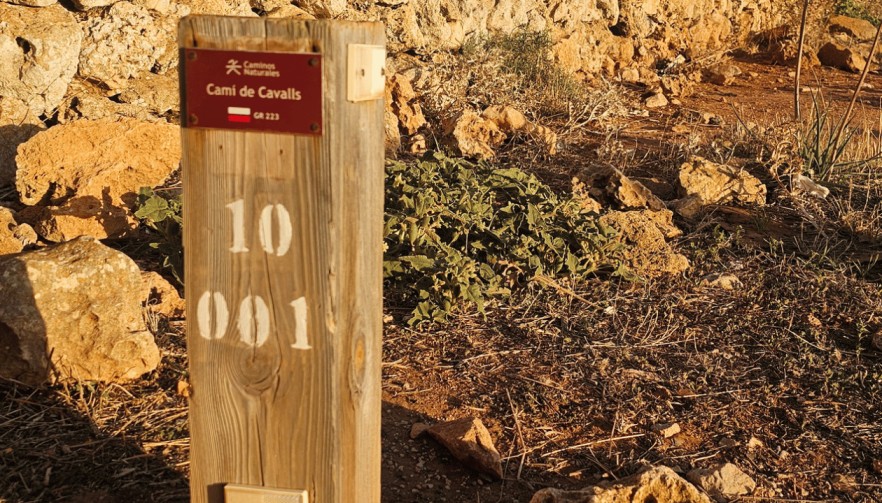
What I love most is that students explore the reserve naturally, not as tourists rushing through. For example, the Camí de Cavalls, a historic coastal trail, lets us walk the entire coastline slowly, talking in Spanish about everything we see. Besides hiking, we visit s’Albufera des Grau early in the morning, especially in autumn and spring, when bird passage is greater. Bus and taxi combinations reach Es Grau in season, so getting there is easy. At night, because Menorca is a recognized Starlight Destination, we look up at clear northern skies and name the stars. For students who want more info, the island truly becomes a living laboratory for both Spanish and sustainable living, open year-round.
So, Come Live Spanish In Menorca
More importantly, learning Spanish here is not about memorizing rules in a classroom. Through SHIP, you live with me, share my table, and practice Spanish while we walk through protected landscapes, greet neighbors at the market, and talk about the birds, flora, and fauna around us. Because Menorca is one whole biosphere reserve, every conversation connects to real life, real culture, and real nature. As a result, you do not just study Spanish. Instead, you live it, day by day, in one of the most beautiful and carefully preserved corners of the Balearic Islands.

You can also explore more cultural immersion stories here:
👉 Read Stories of Our Past Visitors Here
For personalised guidance and programme details, you can contact our founder directly:
Mónica Romero
Founder & Director, Spanish Express
📞 Phone / WhatsApp: +44 7903 867 894
📧 Email: monicaromero@spanishexpress.co.uk
