

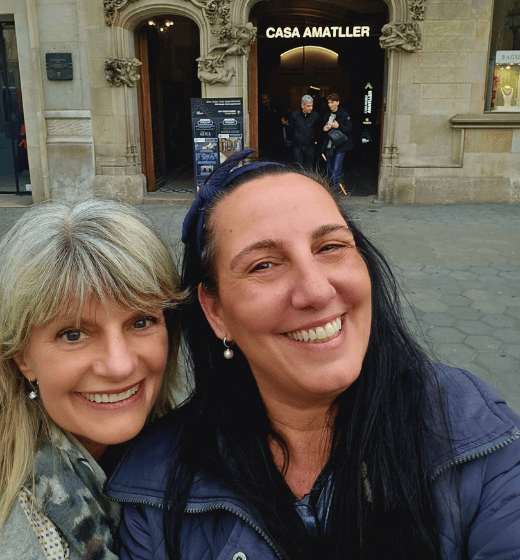
Hola! I’m a Spanish host teacher at Spanish Express, living right here in Barcelona. If you’re coming from the US and thinking about exploring this amazing city, you’re in for something unforgettable.
Over the years, I’ve welcomed many travelers from places like Miami, Chicago, Atlanta, California, Florida, and Seattle. They come full of excitement, but also full of questions. What should I pack? How do I get around? What’s the best time to fly? And of course—how can I find cheap flights and choose the right airline for my trip?
I created this guide to answer those questions and more. It’s packed with everything you need to visit Barcelona with confidence. No confusing words. No fluff. Just honest advice from someone who lives here and sees what visitors enjoy the most.
So get comfy, and let me help you plan a trip you’ll never forget.
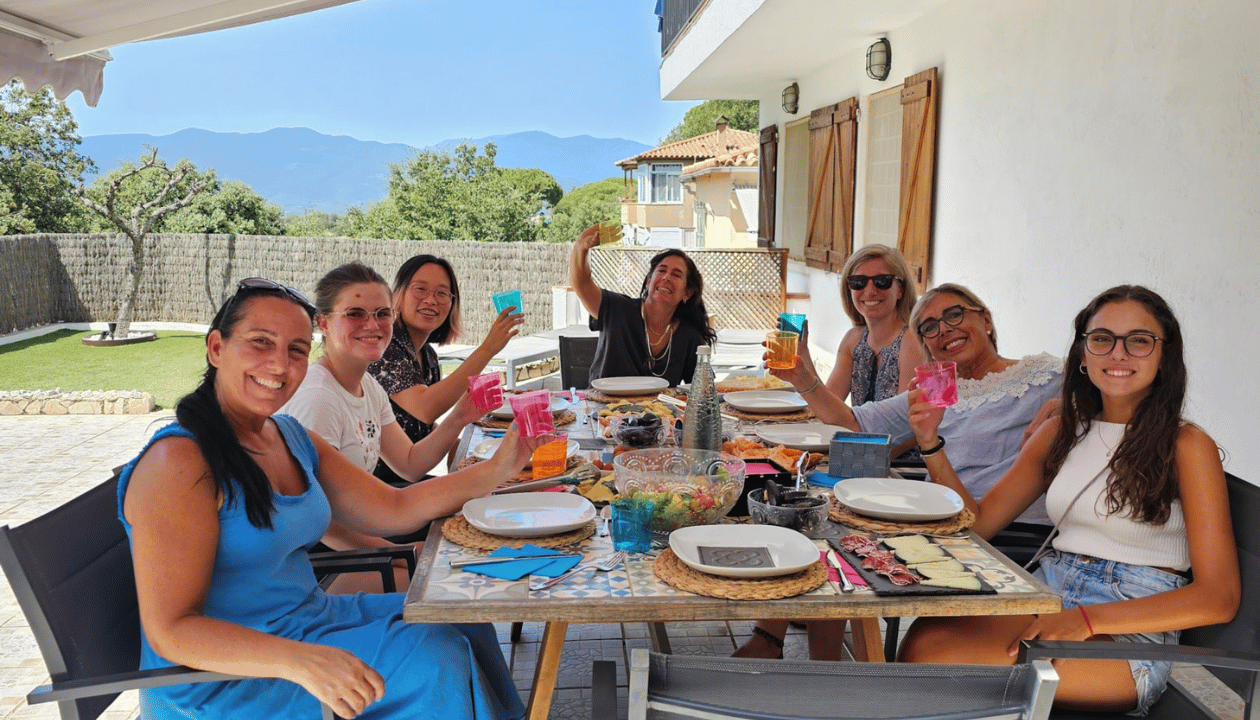
Best Time for Your Trip
Choosing when to travel from the US to Barcelona can change your whole experience. I’ve seen visitors arrive in every season, and each brings something different—weather, prices, and crowds.
Weather and Best Seasons
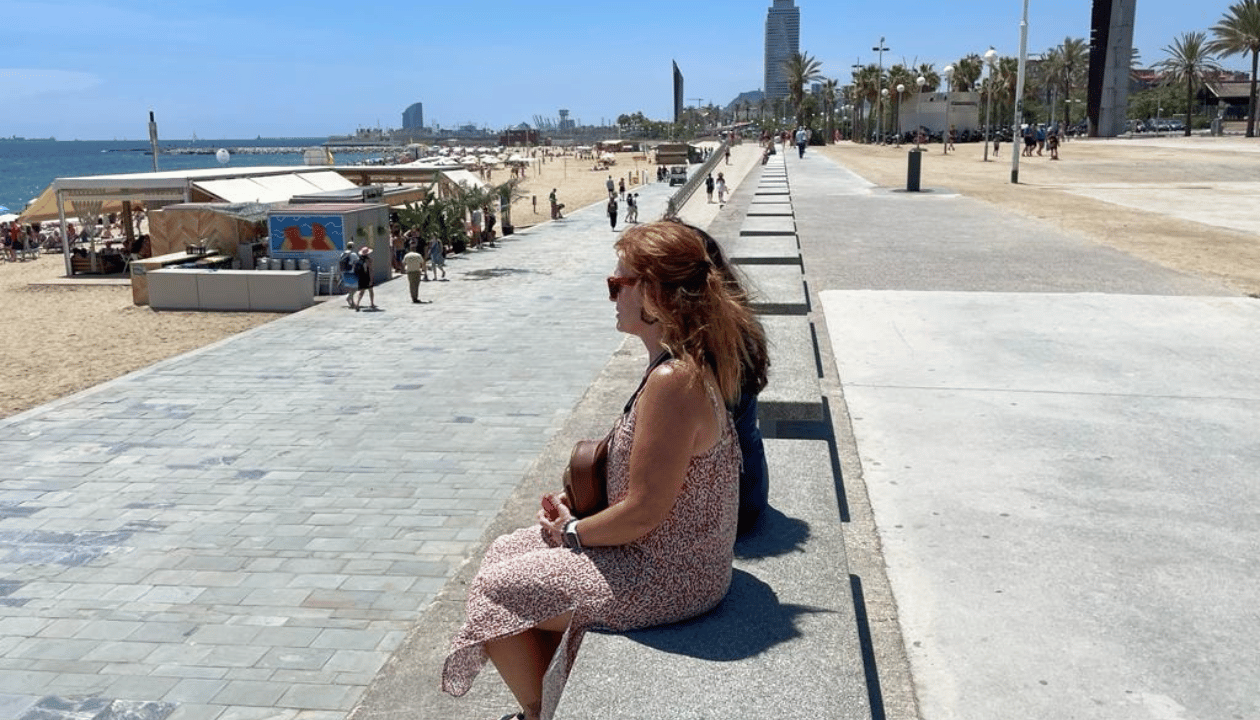
Spring and early summer are my favorite times to welcome guests. From March to June, the city is sunny but not too hot. The parks are green, the sea breeze feels great, and the crowds aren’t too heavy yet.
Fall is also a wonderful time to visit, with pleasant weather and temperatures dropping to about the 70s. Specific events like the La Mercè festival, which celebrates the patron saint of Barcelona, make it an appealing time for visitors.
July and August are the hottest months, and many locals leave the city then. It’s still lively, but more tourist areas get packed. Autumn offers a calm and elegant atmosphere, and winters here are generally mild—perfect for those who enjoy a quieter and more refined experience.
Festivals and Local Events
Barcelona’s cultural activities and festivals are famous for their vibrancy and diversity. If you visit during Sónar or the Grec Festival, expect a fun mix of music, art, and performances across the city.
For something more traditional, locals love La Mercè in September. It fills the streets with Castellers (Human Towers), music performances, parades, and vibrant street art.
Another iconic celebration is Sant Jordi’s Day in April, where the streets are lined with book and flower stalls in honor of the patron saint. It’s a perfect blend of culture, romance, and tradition.
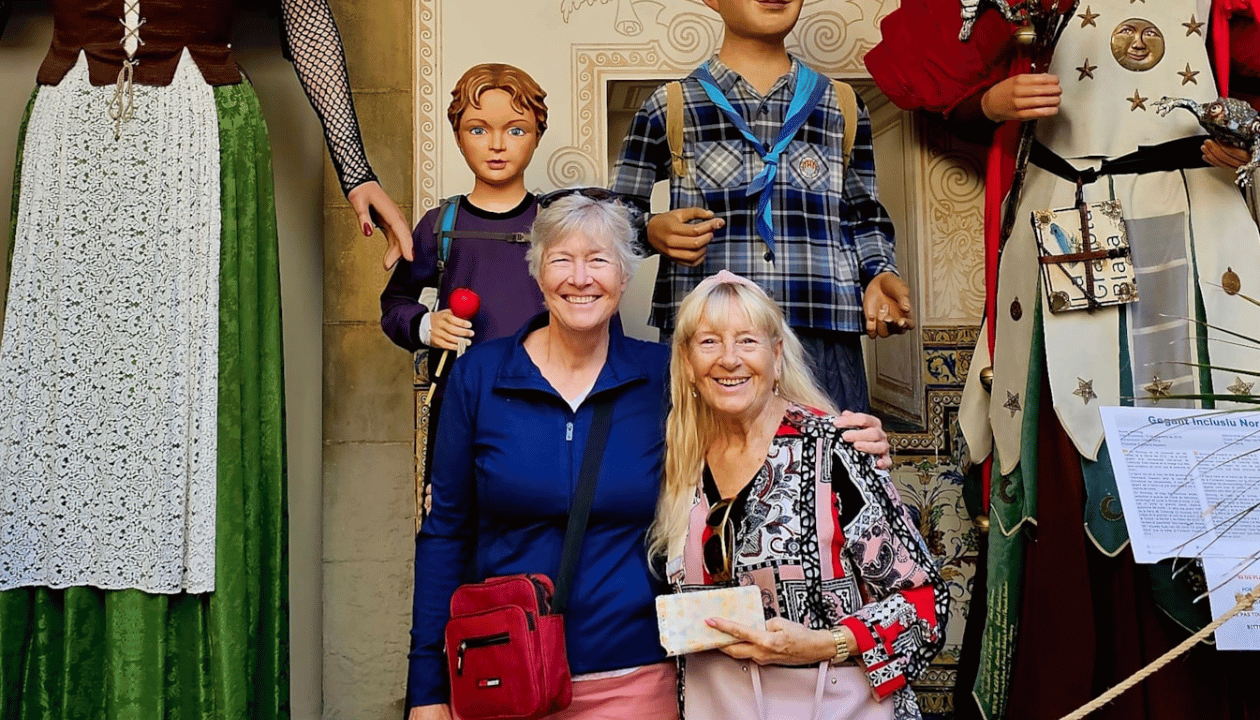
Additionally, the Festa Major de Gràcia in August transforms the Gràcia neighborhood into a stunning exhibition of colorful decorations, bringing together community spirit and creative expression.
These events are unforgettable ways to dive into Catalonia’s rich traditions.
Travel Documents for US Citizens
Before you fly out, make sure all your paperwork is in order, as U.S. citizens are subject to various entry restrictions and legal obligations when traveling to Spain. I’ve seen many travelers get stressed at the last minute, specially regarding travel and medical insurance —don’t let that be you.
Visa-Free Entry Rules
If you’re a US citizen, you don’t need a visa to visit Barcelona for up to 90 days. This rule applies to both tourism and business. But keep in mind—your stay must not go beyond those 90 days.
Also, if you’re traveling with kids or teens, the rules are slightly different. Minors flying without parents need written and notarized consent from a department-recognized guardian.
Passport Validity Requirements
Your passport should be valid for at least three months after your planned return date. But to be safe, I always suggest checking your passport’s expiry date before booking. Some airlines may not let you board if it’s too close to expiring.
Also, never leave your passport unattended in busy clubs or shops. Keep it locked in a secure place.
Travel Insurance Recommendations
Medical treatment here isn’t free. I always recommend getting travel insurance before your trip. It’s especially useful if you’re flying economy and want extra peace of mind without paying too much.
The plan should cover hospital visits, lost luggage, and unexpected delays. Many travelers also like to include coverage for cancelled flights and missed connections.
Investing in a high-quality travel insurance plan ensures peace of mind, giving you full access to care and support in case of unexpected changes or emergencies.
Smart Tips for Booking Barcelona’s Top Attractions
Avoid the crowds and save time by booking tickets to top sights like Casa Batlló and Sagrada Familia online in advance. This allows you to skip long queues and make the most of your visit.
For a more authentic and elevated experience, explore elegant neighborhoods just outside the tourist zones—filled with charm, style, and fewer crowds.
Currency Exchange and Payment Options
The Euro is the local currency. Use cards when possible, but carry some cash for small purchases. Check fees before leaving the US.
Many visitors are not aware of hidden charges. Read the details of your bank’s international policies to determine the most affordable payment method.
Best Flights to Barcelona
Finding the right flight can make your trip smoother and more affordable. Understanding the various fares offered by airlines, such as the Basic fare for the cheapest flight, can help you find the best deals that cater to your needs. Explore different routes and options from the U.S., and choose the best routes, airlines, and dates to save time, reduce stress, and save money.

Major US Airports with Direct Routes
Getting to Barcelona is easier than ever, with several major airports in the US offering direct flights to Barcelona-El Prat Airport (BCN). I’ve welcomed guests flying in from JFK, Miami, Atlanta, and even LAX. These routes make the trip more comfortable, especially if you’re traveling for the first time.
Connections through Madrid are also common and give you a quick chance to explore another Spanish city. I often suggest this to travelers who want a short stop before heading to the coast.
Airlines Offering Best Deals
To get the best value, look out for deals from airlines like Vueling, Delta, and American. Iberia is also a popular airline that offers flights to Barcelona, providing various fare options, including a Basic fare for the cheapest flights. Many guests opt for full-service carriers like Delta or American Airlines for their comfort, flexibility, and premium service.
If you’re seeking comfort and convenience, look out for premium seat upgrades and quieter travel hours for a smoother experience.
Once you’ve compared options, decide based on total value, not just the number you see at checkout. Some airlines add extra fees for luggage or seat selection, especially in lower-tier tickets.
Getting Around the City
Barcelona is easy to explore, even if it’s your first time here. The airport is situated just 7 miles away from the city center, making it convenient for travelers to access the main urban area. As a local host teacher, I always help my guests feel confident using the city’s transport. Once you understand the basics, moving around becomes stress-free.
Metro, Buses, Taxis, and Trams
The metro is one of the fastest ways to get around. It’s clean, safe, and connects every major area. Many residents speak both Catalan and Spanish, and often English in tourist areas. Most of my guests use it daily to reach attractions like museums, parks, and shops.
Buses are also reliable and cover areas where the metro doesn’t go. Trams run in some neighborhoods and are great for short scenic trips.
Taxis are widely available and ideal for direct routes, especially if comfort and convenience are your top priorities. Make sure the meter is on, and only take official black-and-yellow cabs. You can also use local ride apps like Free Now for convenience.
Airport Transfer Options
If you’re landing at Barcelona-El Prat Airport, there are several ways to reach the city. Be aware of your surroundings when traveling from the airport to the city, especially in tourist-heavy areas. The Aerobús is a direct shuttle that runs every few minutes and stops near key central areas.
You can also take the metro’s L9 Sud line, but it doesn’t go directly to the heart of the city, so you might need to change lines. Trains and taxis are available too, depending on where you’re staying.
When I host students through SHIP, I usually help arrange pickups or explain which route is best for their arrival time.
Barcelona Card Benefits
If you plan to explore a lot, the Barcelona Card can be a smart choice. It includes unlimited public transport (metro, buses, and trams), free entry to several museums, and discounts at many attractions and restaurants.
Some of my guests get it for a few days, and it really pays off. You can buy it online or at the airport. Just make sure to activate it before your first ride.
If you’re unsure whether it’s worth it, I’ll help you decide based on your plans.
Top Attractions in Barcelona
Barcelona has so much to see, and I always remind my guests, you don’t need to rush. The city’s attractions and cultural significance offer a mix of famous landmarks and quiet corners, and both are worth your time.
Must-Visit Landmarks and Sights
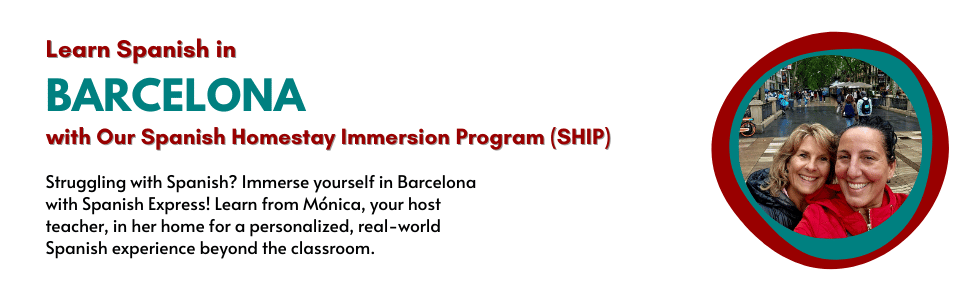
The Sagrada Família is the most iconic site here. Designed by Gaudí, it’s still under construction and absolutely stunning inside and out. Barcelona’s romantic narrow alleys, particularly in the Barri Gòtic, add to the city’s historic charm. I always suggest booking tickets in advance to avoid lines.
Park Güell is another favorite. It has colorful mosaics, curvy benches, and a beautiful view of the city. For art lovers, the street performers and architecture along Passeig de Gràcia are also a must-see.
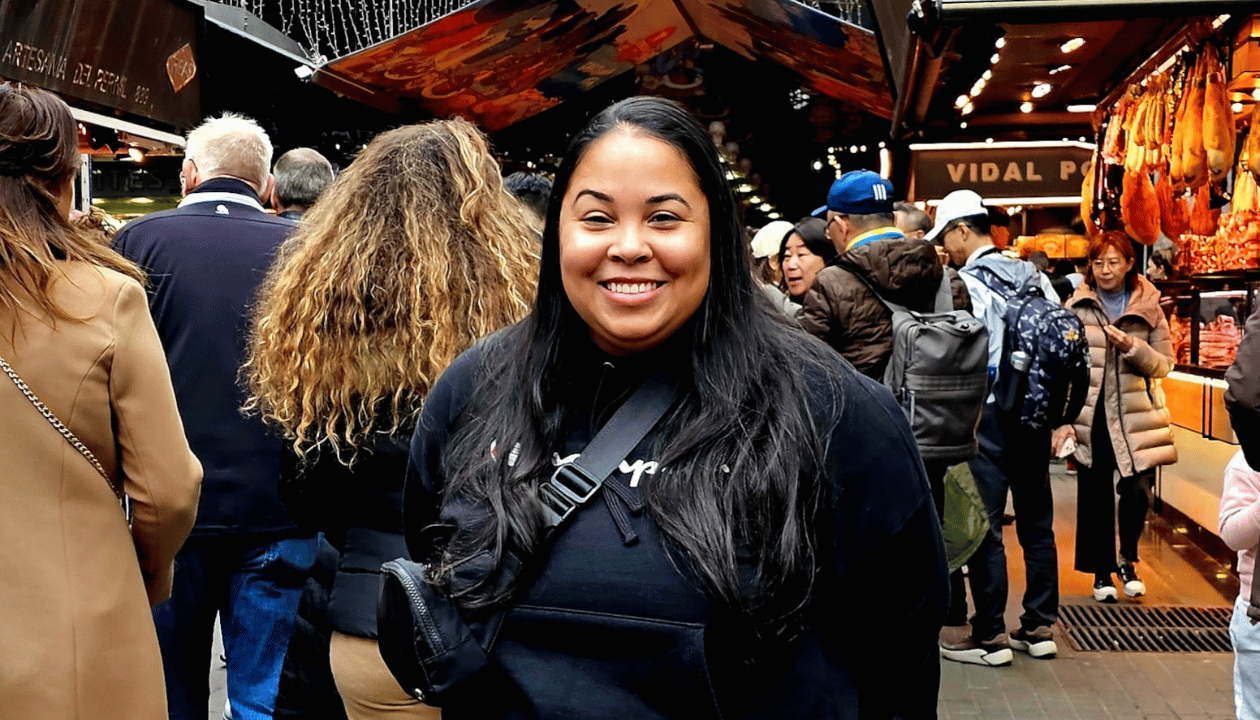
Don’t miss a walk along Las Ramblas, but keep an eye on your belongings—it’s a busy spot. And if you like markets, stop by La Boqueria for fresh juice and local treats.
Hidden Gems Beyond Tourist Spots
Some of my guests enjoy the quieter side of Barcelona even more. Barcelona is part of Catalonia, where both Catalan and Spanish are official languages. The Bunkers del Carmel offers one of the best views of the city without the usual crowds. Bring snacks and catch the sunset—it’s simple and beautiful.
Poble-sec is a small neighborhood with cozy tapas bars and less foot traffic. You can stroll through it at night and find great local food, away from the more touristy parts.
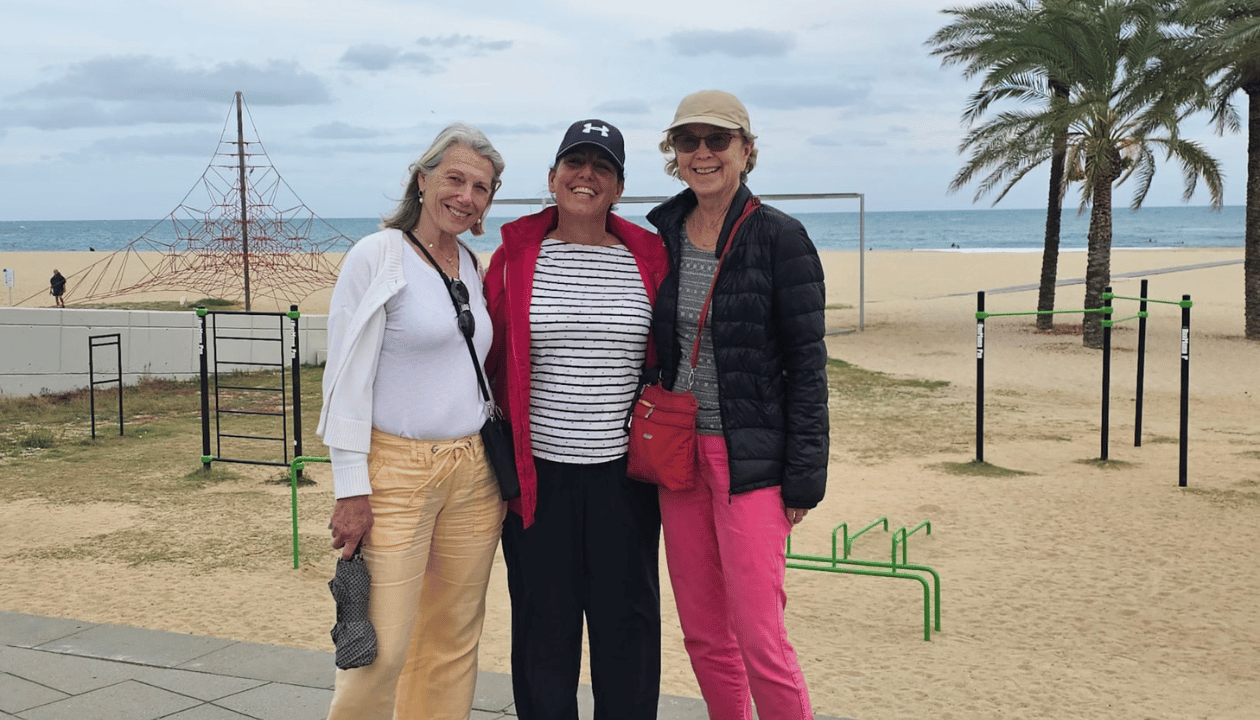
I also recommend visiting lesser-known beaches like Ocata if you want a calm day by the sea. They’re cleaner and more peaceful than the main city beach.
Cultural Sites and Experiences
Barcelona is full of culture, not just in museums but in daily life. The art at the Joan Miró Foundation is fantastic if you’re into modern works. For something more traditional, the Palau de la Música Catalana is a treat—even if you don’t go for a concert, the building alone is worth the visit.
Catalan culture is everywhere. Try local dishes like arròs a la catalana or enjoy a Sunday morning with families in the park. These small moments show you more than any guidebook.
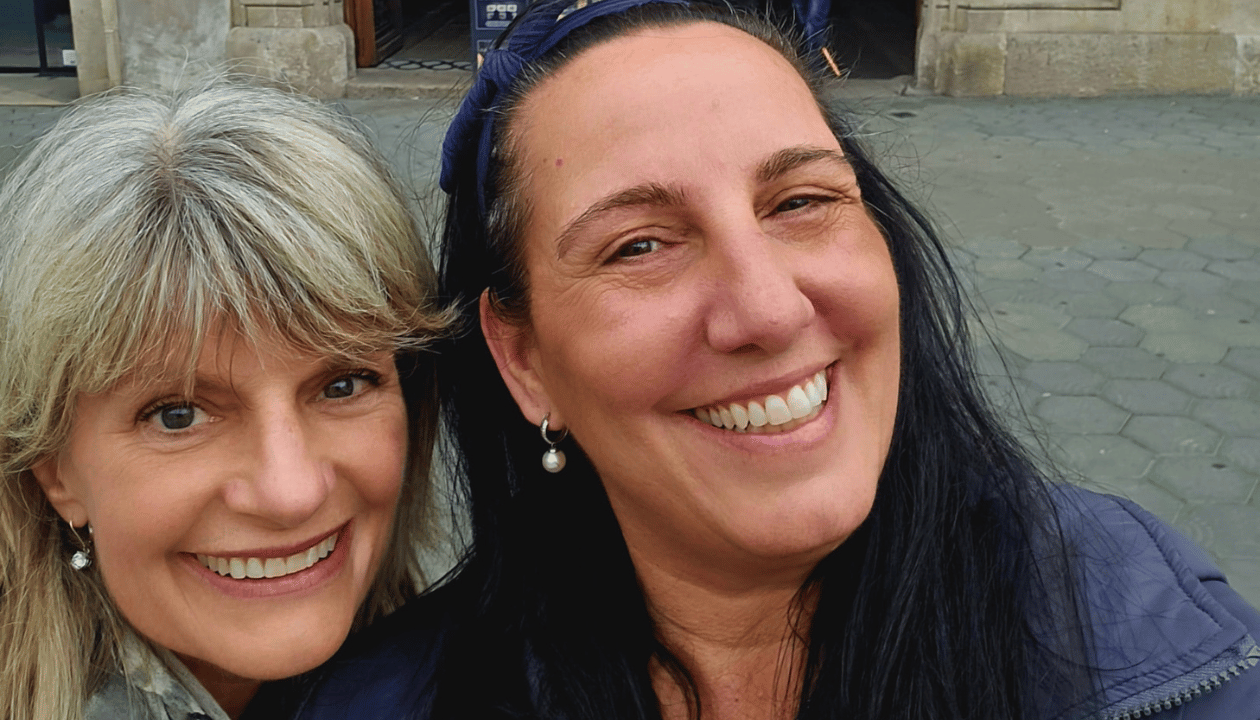
And if you’re staying with a SHIP host like me, I’ll take you to some of these places myself—we make language learning part of the adventure.
Food and Dining Guide
Local Dishes to Try
Paella is popular, but try the Catalan version: arròs a la catalana—made with local sausage, seafood, or veggies. Visitors might consider staying in a hotel to fully immerse themselves in the local experiences offered by Barcelona’s historic districts and vibrant atmosphere.
- Pan con tomate (bread with tomato) is served everywhere and makes a perfect starter.
- Fideuà is like paella but made with noodles instead of rice.
- Crema catalana is a local dessert, similar to crème brûlée, with a crispy sugar top.
- Escalivada is a roasted vegetable dish often served cold, simple and full of flavor.
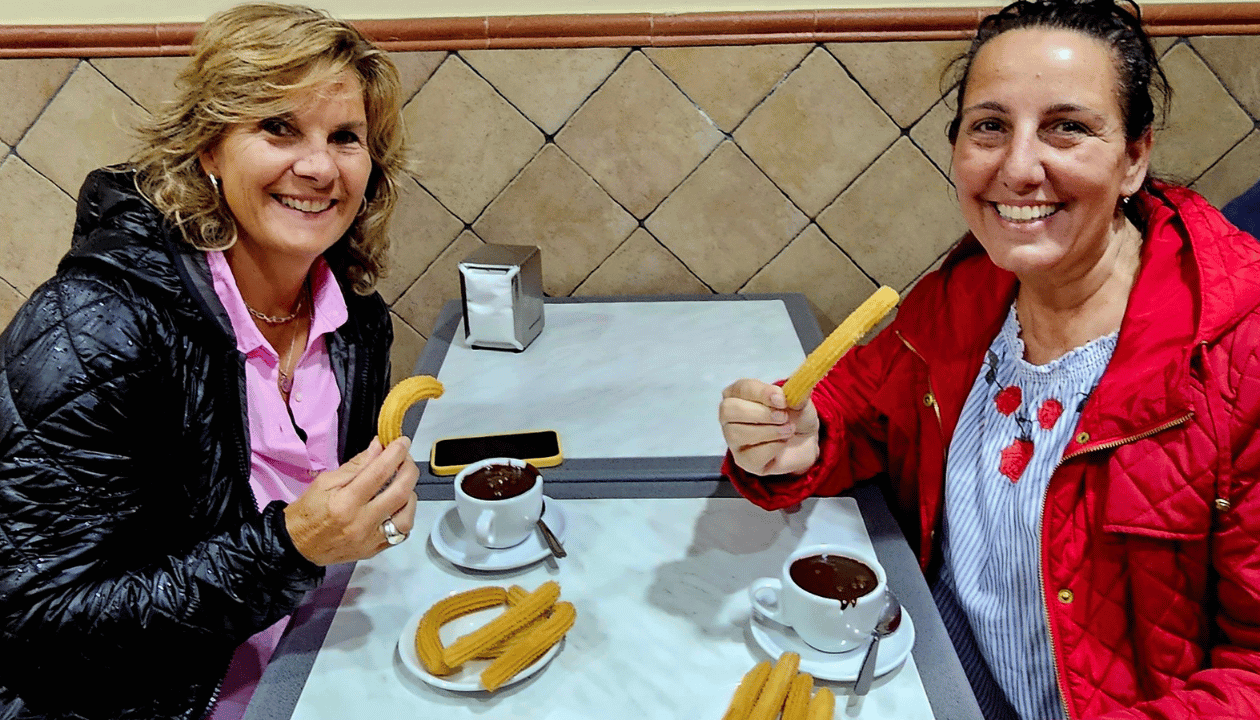
- Chocolate con churros is a classic treat, especially enjoyed as a breakfast or snack.
Best Restaurants and Cafes
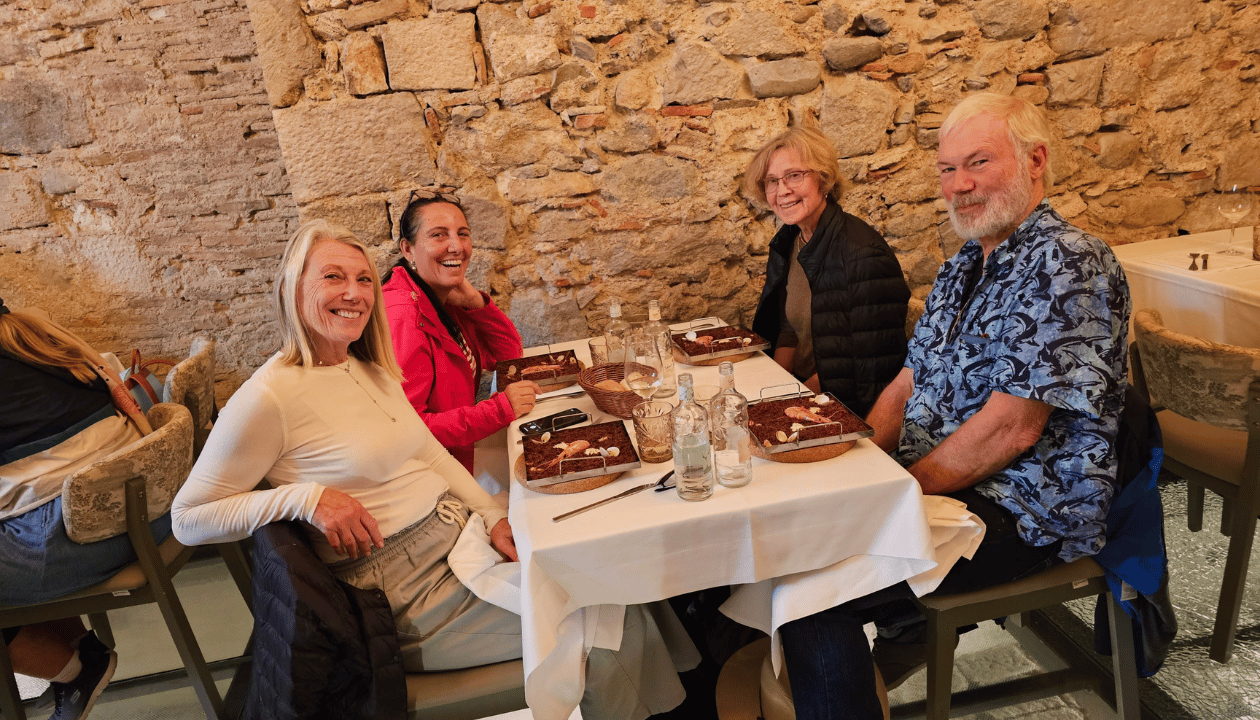
- El Nacional (Eixample): A stylish food hall offering several types of Spanish cuisine in one space. Barcelona offers diverse accommodations, including hotels, reflecting its status as a popular tourist destination with many English-speaking residents in tourist areas.
- Bar Cañete (Raval): Great for a mix of tapas and full meals, with a lively local vibe.
- Granja Viader (Gòtic): A cozy café for churros and hot chocolate—one of my personal favorites.
- Bormuth (El Born): Welcoming and stylish—ideal for tasting a curated variety of authentic tapas in a vibrant local setting.
- Can Solé (Barceloneta): If you’re near the sea, try this place for seafood paella with a view.
Tipping Etiquette in Spain
- Tipping isn’t expected like in the US, but it’s appreciated.
- Round up small bills or leave 5–10% at restaurants with table service.
- In cafés or casual spots, rounding up the bill is appreciated, while in high-end restaurants, 5–10% is a generous gesture.
- No need to tip taxi drivers, but you can round up the fare.
- Always check if the service is already included—some tourist spots add it automatically.
Packing for Barcelona
Barcelona’s weather changes with the seasons, so packing right makes a big difference. Barcelona enjoys mild winter temperatures, generally in the high 50s, making it a pleasant destination even in the colder months. Winter festivities like the Día de los Reyes Magos and traditional events such as La Calçotada offer unique experiences during this season.
In spring and autumn, light jackets, comfortable shoes, and a few layers work well. Summer is hot, especially in August, so bring breathable clothes, sunscreen, and a hat. Winters are mild but can feel chilly in the mornings and evenings, so a warm coat and scarf are a good idea.
For tech, make sure to bring a European plug adaptor. Spain uses type C and F plugs, and the voltage is 230V. If you plan to charge your phone, camera, or laptop, this is important. Many travelers also pick up a local SIM card at the airport or a nearby shop.
Some things are always useful, no matter the season. A daypack for walking around, a reusable water bottle, and a secure crossbody bag to avoid pickpockets are great to have. Don’t forget sunglasses and a power bank for your phone—you’ll be taking lots of photos!
If you’re staying with a SHIP host, you can pack with ease—our premium SHIP experience includes laundry service, towels, and all the comforts of home, so you can focus on enjoying your stay.
Explore with Spanish Express
Ready to turn your Barcelona trip into something truly unforgettable? With Spanish Express, you can do more than just visit—you can live, learn, and connect with the heart of the city.
Join our Spanish Homestay Immersion Program (SHIP) and stay with a certified Spanish host teacher (like me!). You’ll get private language lessons, home-cooked meals, and daily chances to practise your Spanish in real-life situations.

Want to make the most of your time here? Book a guided city tour with us! We’ll show you Barcelona through local eyes—beyond the guidebooks and tourist maps.
Your adventure starts here. Come to Spain to learn Spanish with us, explore the culture, and feel right at home in Barcelona with Spanish Express.
You can explore more real immersion experiences here:
👉 SHIP Stories of Our Previous Students
For personalised guidance and programme details, you can contact our founder directly:
Mónica Romero
Founder and Director, Spanish Express
📞 Phone / WhatsApp: +44 7903 867 894
📧 Email: monicaromero@spanishexpress.co.uk
