

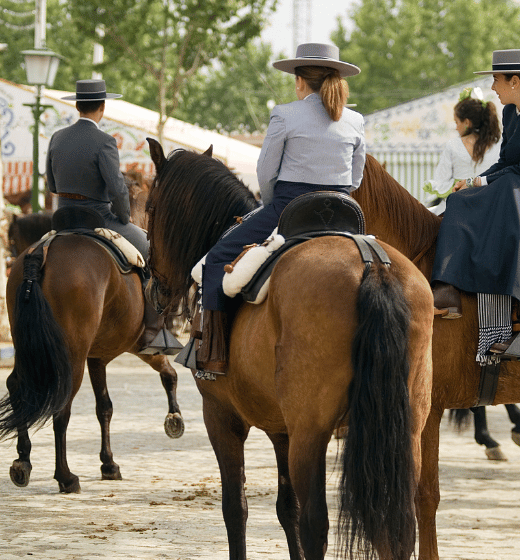
Starting right after Semana Santa (Holy Week), the Seville fair is an event where both locals and tourists gather in public casetas and privately owned tents. Flamenco dresses, red roses, and fairground rides fill the air with excitement.
From spectacular fireworks displays to lively music and tapas, the Seville April Fair offers an unforgettable experience of Spanish traditions.
Let’s explore the history and traditions of this festival in Spain!
What is the Feria de Abril?
The Seville April Fair (Feria de Abril) is one of the most colorful festivals in Southern Spain. Held annually in Seville, this vibrant event is a unique celebration of Spanish culture, tradition, and community.
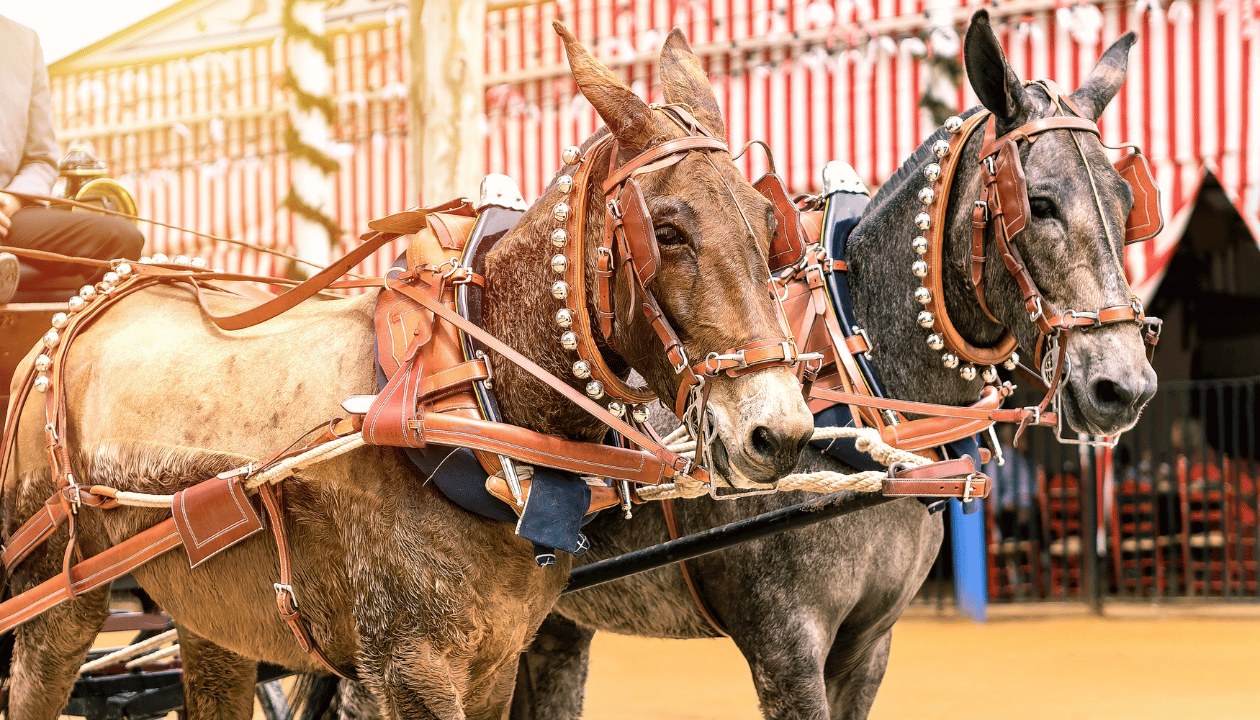
The fair transforms the Los Remedios neighbourhood into a hub of flamenco, food, horse-drawn carriages, and dancing.
The Origins and History of the Seville April Fair
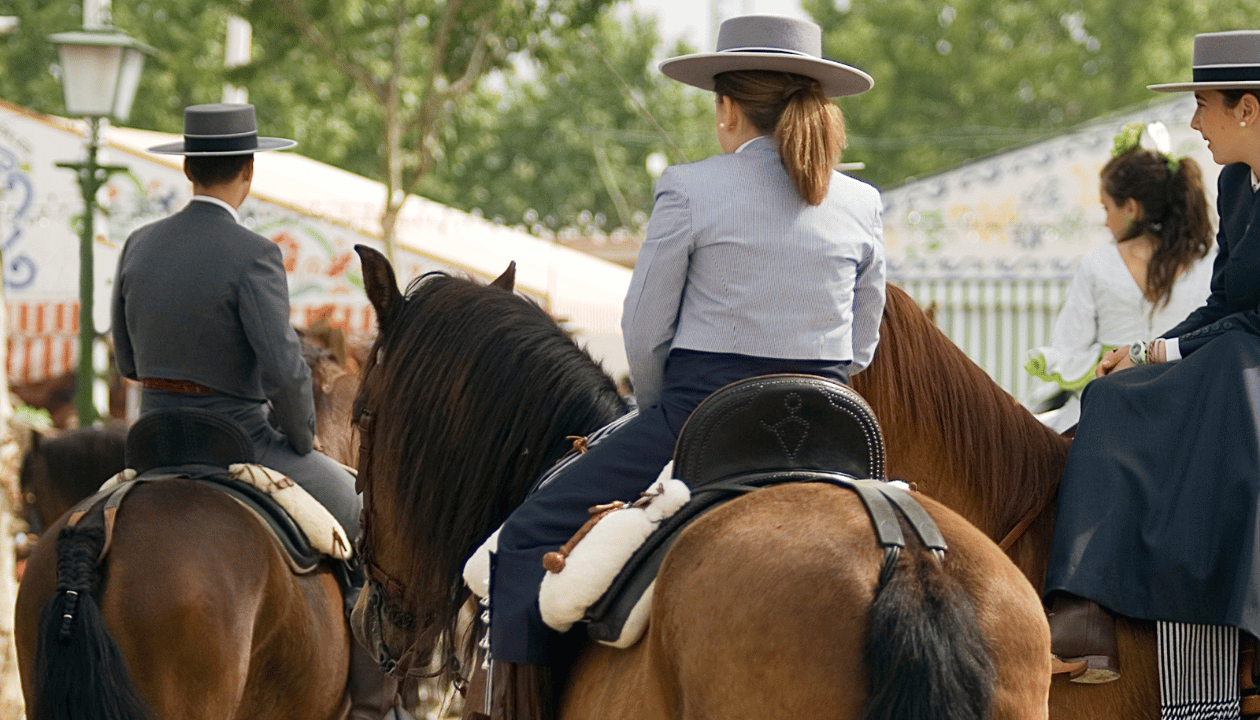
The Seville April Fair has a rich history that dates back to the mid-19th century. Originally started as a livestock fair in 1847, the Feria de Abril was intended to boost commerce and trade in Seville. Over time, it evolved into a grand celebration of Spanish culture and tradition, attracting thousands of visitors each year.
The fair is held in the Real de la Feria, a large fairground near the Guadalquivir River, where local families and friends gather. It marks the end of Semana Santa, the week of Holy Week, and transitions into a week-long celebration of music, flamenco, dancing, and food.
Today, the Feria de Sevilla is a fusion of both modern and traditional elements, with flamenco dresses and public transportation helping to bring together people from all over the world.
When and Where is the Feria de Abril?
The Feria de Abril is celebrated annually in the vibrant Los Remedios neighbourhood of Seville, situated in the south-west of the city, near the Guadalquivir River. This sprawling fair takes place in a vast recinto ferial (fairground) covering approximately 450,000 square meters, where the heart of the festival beats through the dazzling array of casetas, live performances, and traditional dances.
The festival traditionally begins two weeks after Semana Santa, making it a perfect continuation of the Easter celebrations. Although the dates change each year, the Seville April Fair usually occurs between mid-April and early May, depending on the full moon and the calendar of Catholic festivity. The fair typically lasts for six days, starting at midnight on a Saturday and ending the following Saturday.
This timing ensures that the festival falls after Semana Santa, allowing Seville to transition smoothly from the religious solemnity of Holy Week to the joy and celebration of the fair.
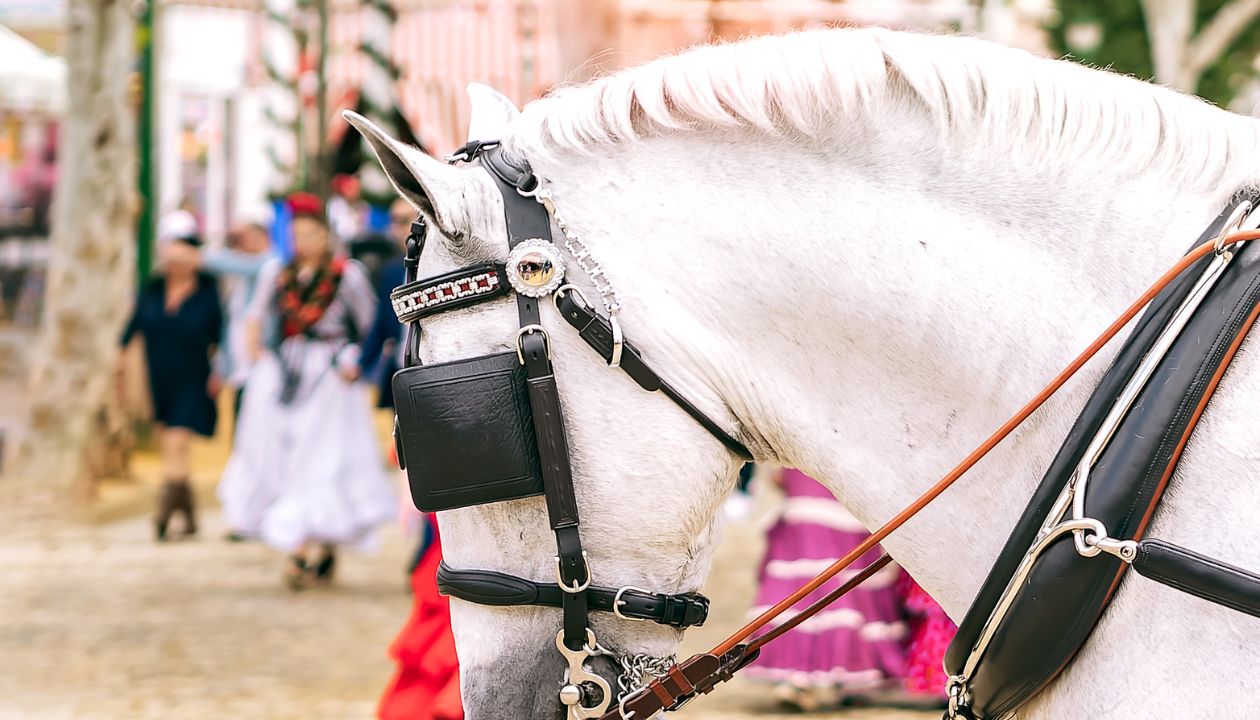
Casetas: The Heart of the Feria de Abril
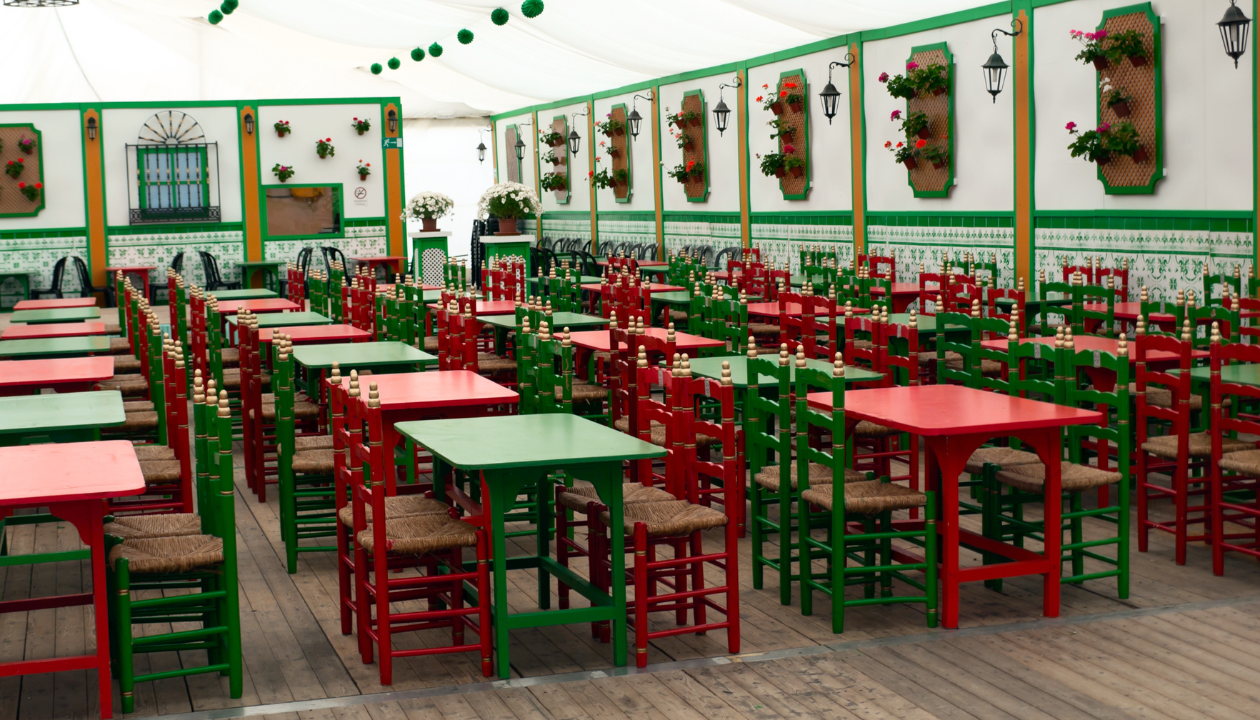
The casetas are the soul of the Feria de Abril, where much of the socializing, eating, and drinking takes place. These colourful, decorated marquee tents are home to socios (members) who enjoy the exclusive use of these tents with their invited guests. There are around 1,050 registered casetas across the fairground, each offering a unique experience, whether it’s run by local families, trade associations, or political parties.
While the majority of casetas are privately owned, reserved for specific groups, there are 16 public casetas available for anyone to visit. These public casetas are larger than the private ones, offering a lively atmosphere filled with a mix of locals and tourists.
A few public casetas are open to everyone, allowing non-locals to participate in the festivities. Although they can be crowded, public casetas still provide a great opportunity to immerse yourself in the Seville April Fair, experiencing the traditional Spanish culture and social dynamics of this iconic festival.
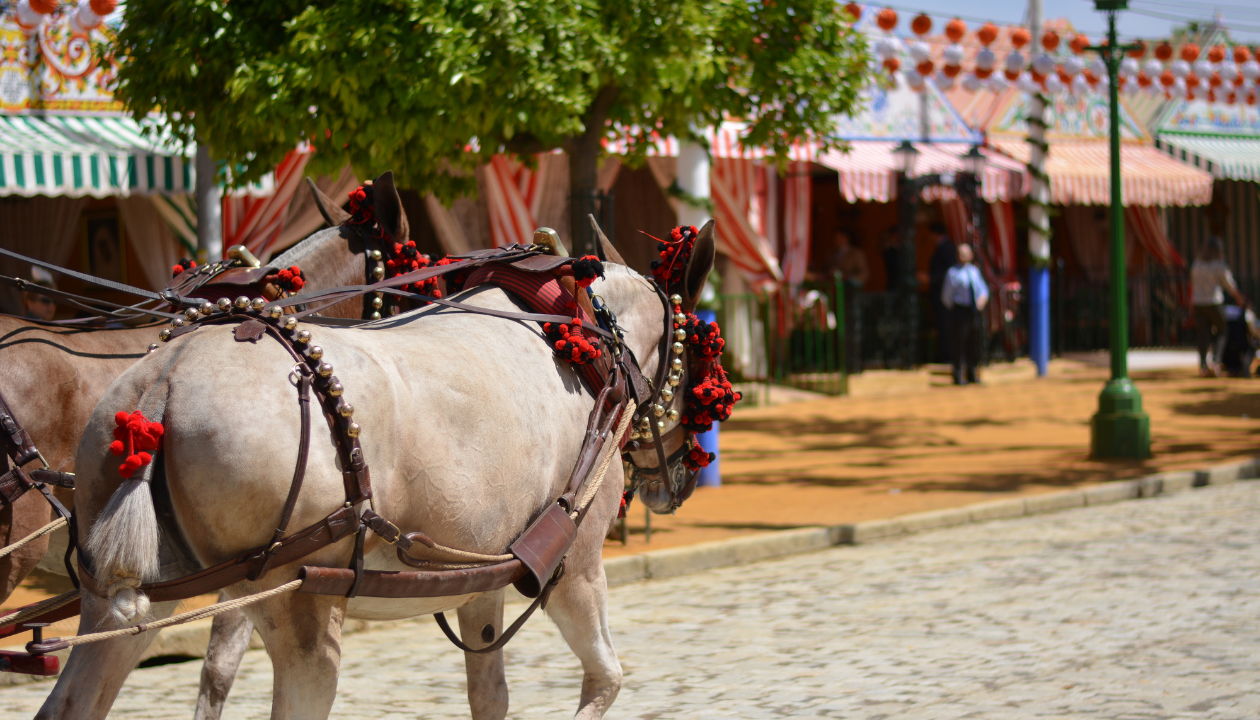
Private Caseta Experience
The experience inside each private caseta is nothing short of magical. Tapas, drinks, and the sounds of sevillanas fill the air as friends and local families gather for long hours of socializing. The food served in the casetas is an integral part of the fair experience, with fried fish, jamón, and local specialties offered throughout the day. As the sun sets, the energy builds and dancing ensues, with sevillanas music playing continuously through the sound system or live bands, adding to the festive atmosphere.
Casetas typically open around 13:00 or 13:30, and the party continues into the early hours of the morning. People come together, clinking glasses of sherry and manzanilla, creating a warm and welcoming environment for both locals and international visitors. The private casetas are the true embodiment of the fair’s spirit, where tradition, music, and food converge to create unforgettable memories.
La Calle del Infierno: A Highlight of the Feria de Abril
La Calle del Infierno (Hell Street) is one of the most exciting parts of the Seville April Fair. This amusement park within the fairgrounds is home to over 350 thrilling activities, including roller coasters, carnival food stalls, and plenty of try-your-luck games. With its vibrant lights, music, and endless fun, it’s the perfect place for both kids and adults to enjoy the more adventurous side of the fair.
The noria (ferris wheel) offers stunning views of the fairground and Seville, giving visitors a bird’s-eye view of the bustling Feria de Abril. Visitors can wander the park, enjoying fairground rides, sampling street food, or testing their skills at games, making Calle del Infierno a highlight of the festival. For families, it’s a place of fun, nostalgia, and laughter, adding a dynamic layer to the overall Seville April Fair experience.
The Vibrant Atmosphere of the Fair
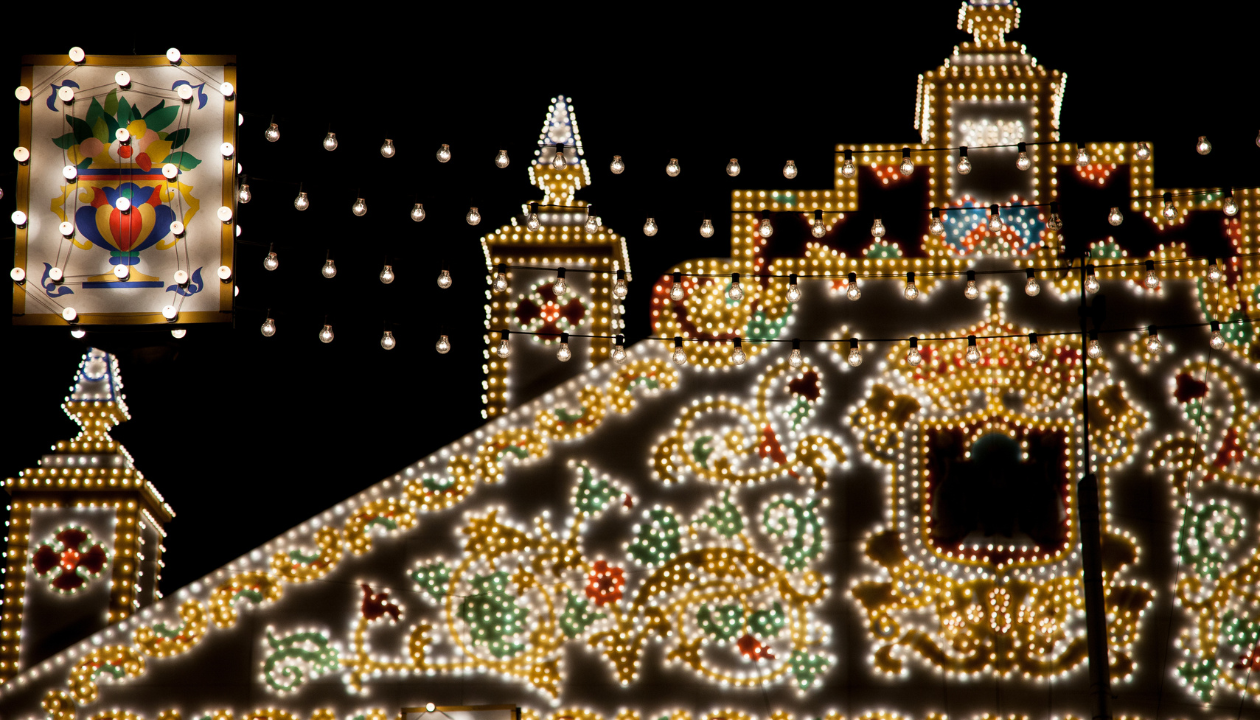
When the Seville April Fair kicks off, Seville is transformed into a bustling celebration of Spanish culture and community. The Real de la Feria becomes a playground filled with private casetas, where locals and tourists enjoy music, flamenco, and dancing well into the early hours. The fair begins with the official opening event known as the Alumbra’o, where the lights are turned on, setting the stage for the week-long festivities. The fair’s spectacular fireworks display lights up the night sky, adding to the incredible atmosphere of the event.
Visitors can stroll through Calle del Infierno, the street of fairground rides, and enjoy the amusement park with fun attractions for all ages. The main gate, adorned with colorful lights and paper lanterns, marks the entrance to the festival, setting the tone for the celebration. From the local families to groups of friends, everyone comes together to enjoy this important celebration, making it one of the most anticipated festivals in Spain.

Flamenco and Traditional Dress
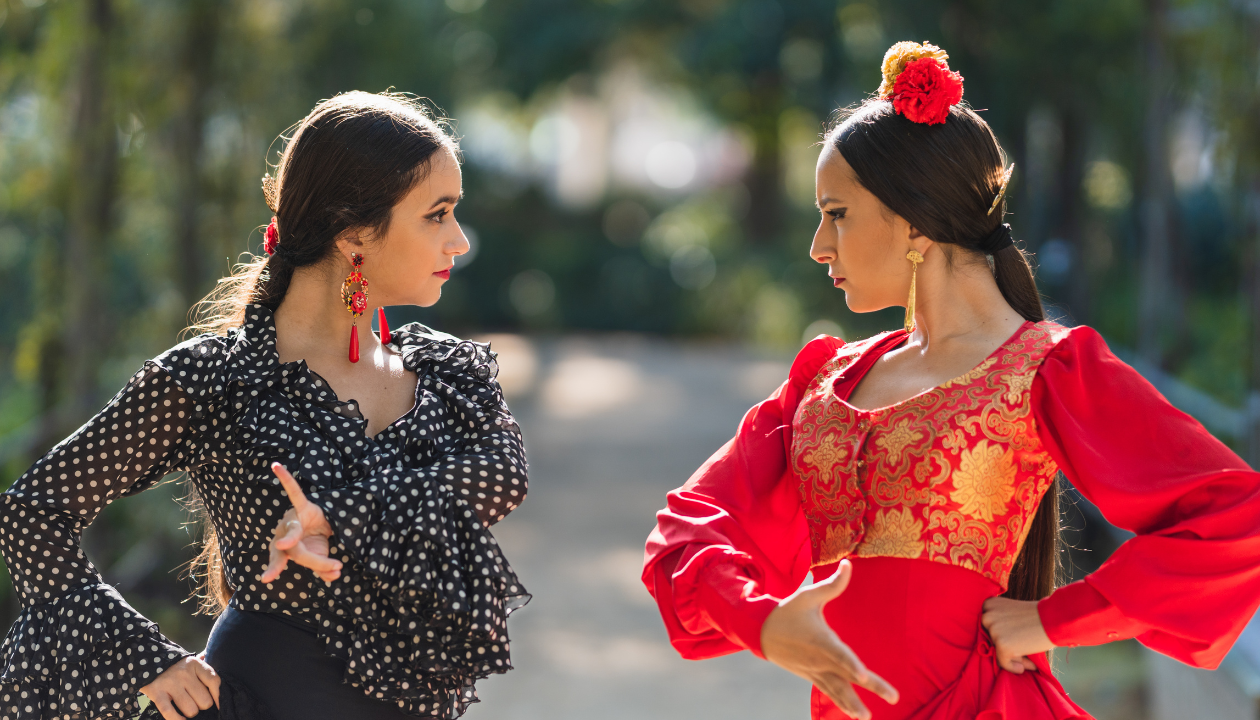
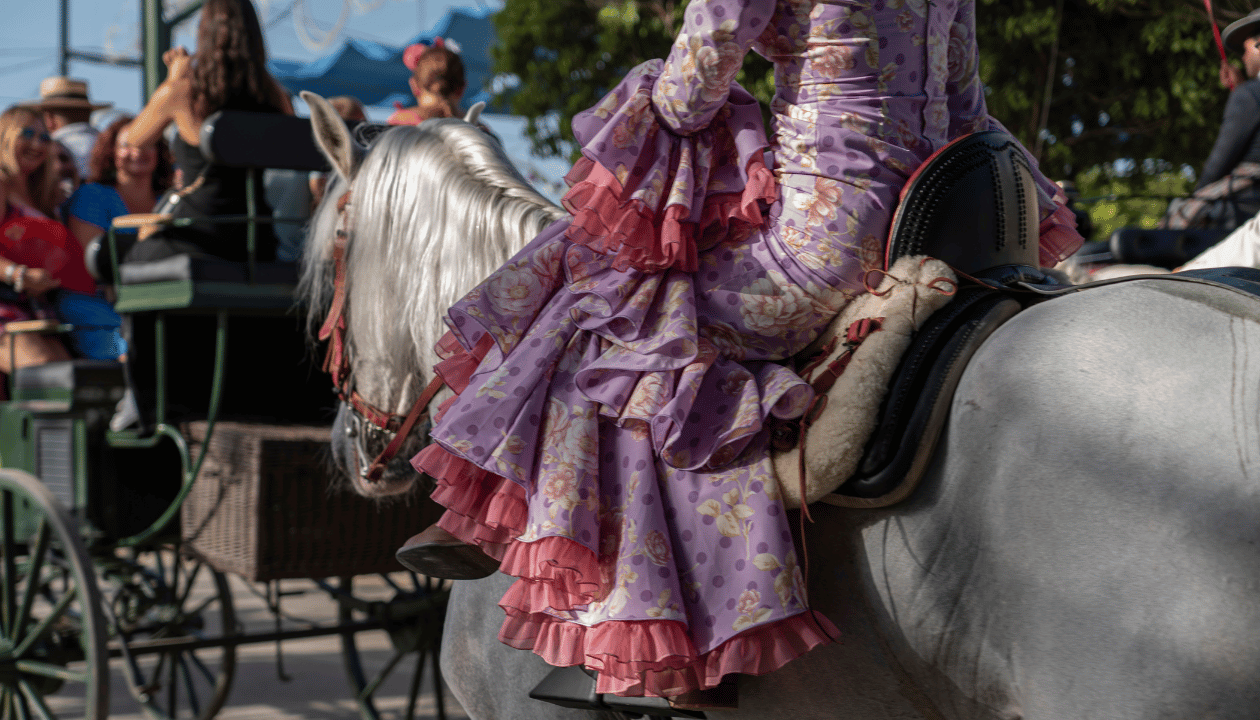
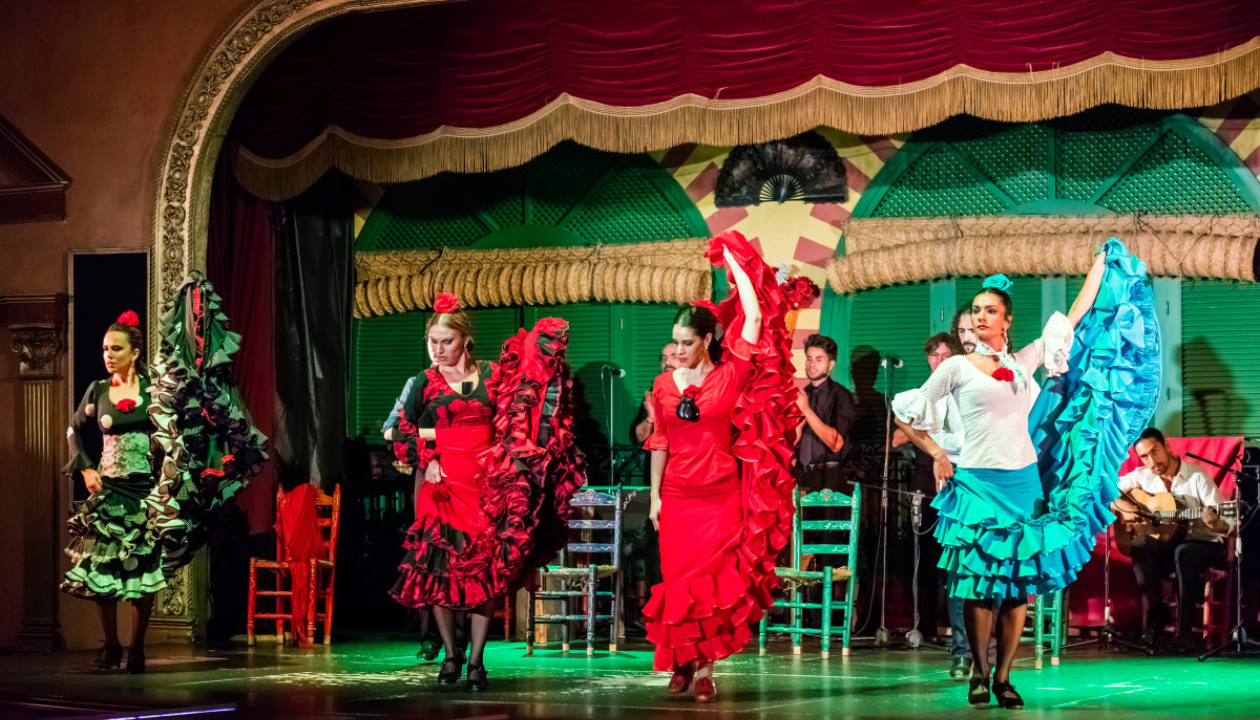
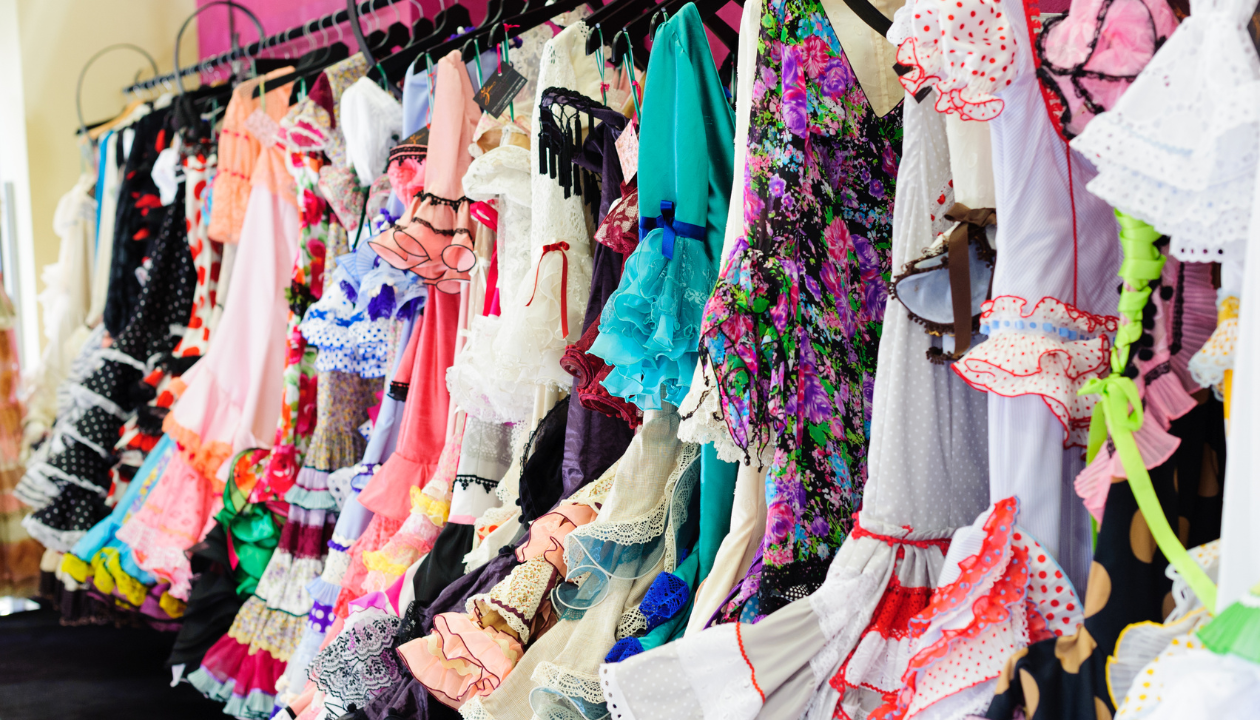
Flamenco is at the heart of the Seville April Fair. The fairgrounds come alive with the rhythm of flamenco music and the sight of people dressed in traje de flamenca and traje de gitana. These traditional flamenco dresses are a striking feature of the festival, with women wearing flamenco dresses adorned with vibrant patterns and ruffles, while men dress in short jackets and wide-brimmed hats.
The flamenco performances fill the public casetas and large tents, where dancing is an essential part of the celebration. It’s impossible to miss the lively flamenco shows, where the passionate rhythms, claps, and stomps bring the Seville April Fair to life. The Feria de Sevilla is not just a festival—it’s an immersive experience of Spanish culture, where local families and visitors celebrate through dance, music, and tradition.
Food, Drink, and Fun
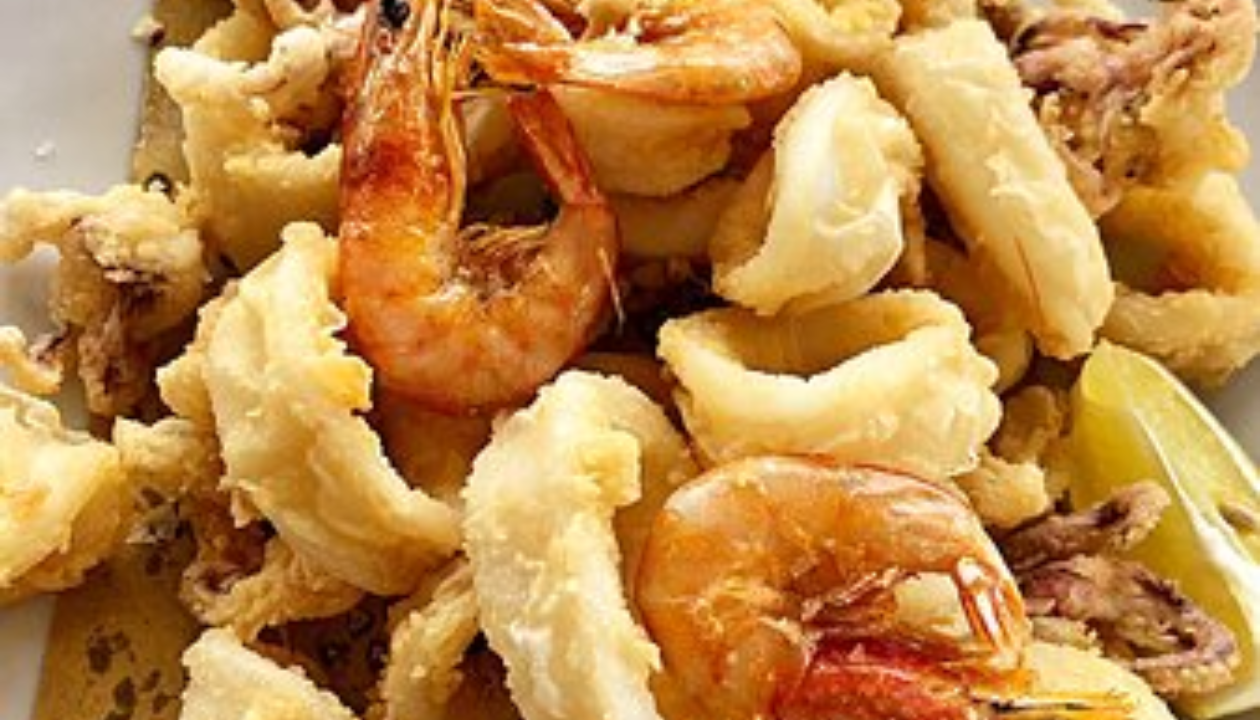
At the Seville April Fair, food and drink play a key role in the festivities. Traditional dishes like fried fish, tapas, and manzanilla wine fill the air with delightful aromas, creating a festive atmosphere in every corner of the fairgrounds. Whether inside a public caseta or enjoying a private caseta, locals and tourists indulge in the best of Spanish cuisine while celebrating with friends and family.
The festival is also famous for its fun atmosphere, with visitors flocking to the fairground rides and Calle del Infierno, also known as Hell Street. Here, the amusement park offers a range of rides and attractions for all ages. As drinks begin and music fills the air, the Seville fair truly becomes a place for everyone to relax, enjoy, and make lasting memories.
The Livestock Fair and Its Cultural Significance
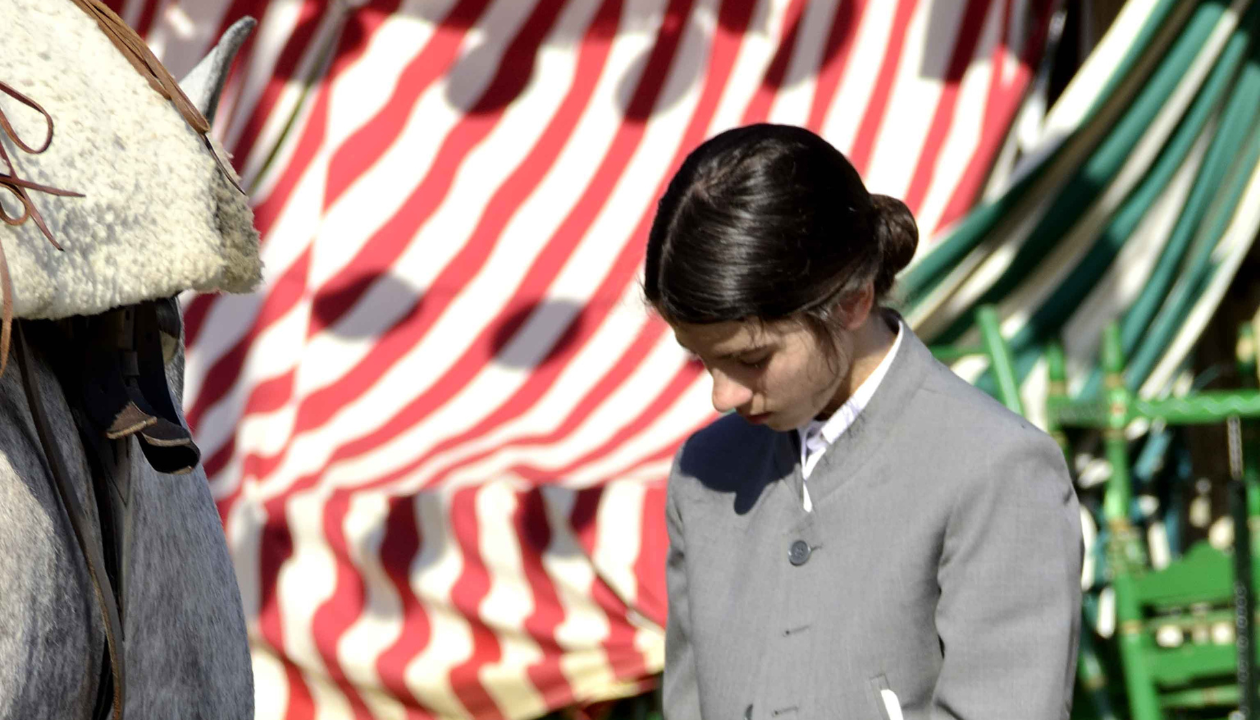
While the Seville April Fair is famous for its flamenco and lively atmosphere, it also holds deep cultural significance through its livestock fair. The cattle fair is one of the oldest and most important aspects of the Feria de Sevilla, showcasing the region’s agricultural roots and honoring Spanish traditions. Additionally, many bullfights take place during the Seville April Fair, considered among the best of the season, further emphasizing the cultural heritage of the event.
At the fair, trade associations and political parties often participate, reflecting the fair’s connection to local culture and commerce. The livestock fair is not just a place for cattle; it also features other farm animals, showcasing the agricultural prowess of Seville and Southern Spain.
The fair represents a celebration of Spanish rural traditions, where families come together to appreciate both the modern and traditional elements of Seville’s culture.
The Spirit of Seville: Community, Friends, and Family
One of the most beautiful aspects of the Seville April Fair is the sense of community it fosters. Local families, friends, and groups of friends gather to celebrate Spanish culture and tradition. The Seville fair becomes a melting pot of locals and tourists, with everyone coming together to enjoy the festivities, from flamenco to dancing to the spectacular fireworks display.
The private casetas are the heart of this celebration. These privately owned tents are where families and friends meet to eat, drink, dance, and enjoy each other’s company. Public casetas also allow visitors to experience the warmth and joy of the festival.
Men and women wear their best traje de flamenca and traje de gitana, showing pride in their heritage while creating a welcoming space for everyone to join the party.
Modern Adaptations and International Influence
While the Seville April Fair honors Spanish traditions, it has also embraced modern influences, making it an event that attracts both locals and international visitors. The fair has expanded beyond Seville’s borders, drawing tourists from around the world who come to experience its lively atmosphere, flamenco, and rich culture.
Newer elements, such as larger tents, sound systems, and modern music, have been introduced to appeal to younger generations, while still preserving the fair’s traditional spirit. The inclusion of public transportation helps accommodate the vast number of people who come to the Seville fair each year.
What remains unchanged is the festival’s ability to unite locals and visitors, creating an inclusive celebration of Seville’s heritage, flamenco dancing, and Spanish culture.
Why You Should Experience the Seville April Fair
If the Seville April Fair has inspired you, why not experience Spanish culture from the inside? At Spanish Express, our programmes combine language learning with authentic cultural experiences across Spain.
Through our Spanish Homestay Immersion Programme (SHIP), you can live with a native teacher, practise Spanish in daily life, and discover traditions such as the Feria de Abril while fully immersed in the culture.

Speak Spanish. Live the traditions. Experience Spain beyond tourism.
You can explore more cultural insights here:
👉 SHIP Stories of Our Previous Students
For personalised guidance and programme details, contact:
Mónica Romero
Founder and Director
📞 Phone / WhatsApp: +44 7903 867 894
📧 Email: monicaromero@spanishexpress.co.uk
FAQs
What is the best time to visit Seville for the April Fair?
The best time to visit Seville for the Feria de Abril is typically two weeks after Semana Santa, usually in mid-April to early May. The festival’s dates change annually based on the full moon and the Catholic calendar.
What is the significance of the livestock fair during the Seville April Fair?
The livestock fair, one of the oldest parts of the Seville April Fair, highlights Seville’s agricultural roots. It features cattle and other farm animals, showcasing the region’s agricultural heritage and the cultural importance of rural traditions.
How can I participate in the private caseta experience?
Private casetas are reserved for members of specific groups, such as local families, trade associations, or political parties. To participate, you typically need to be invited by someone who is a member of a private caseta.
What types of food can I expect at the Seville April Fair?
At the Seville fair, you can indulge in traditional Spanish foods such as fried fish, tapas, jamón, and local specialties. Manzanilla wine and sherry are also popular beverages served alongside the delicious fare.
How has the Seville April Fair adapted to modern times?
While maintaining its traditional elements, the Seville April Fair has incorporated modern influences, including larger tents, modern sound systems, and contemporary music. Public transportation has also been introduced to accommodate the growing number of visitors from around the world.
