
Some people ask, “When is the best time to visit Spain?” My answer? Depends on what kind of Spain you want. Crowded or calm? Flamenco or fireworks? Sunshine or soup weather?
The best season to visit really depends on your preferences and what kind of experience you’re seeking. Let’s walk through it month by month, with a few hints from the places I know best.
Introduction to Spain
Visiting Spain is like stepping into a living postcard, one where every corner offers something new. This diverse country is a patchwork of sun-drenched beaches, dramatic mountain ranges like the Sierra Nevada, and vibrant cities pulsing with energy. Whether you’re drawn to the golden sands of the Costa Brava, the winding streets of historic cities, or the lively plazas where locals gather for tapas, Spain has a way of making every traveler feel at home.
Spain’s famous festivals are legendary, from fiery celebrations in the south to flower-filled parades in the north. The country’s mild climate means you can enjoy warm weather for much of the year, perfect for leisurely strolls or long afternoons sampling local cuisine. And with a culture that’s as colorful as its landscapes, you’ll find that every region has its own unique flavor—literally and figuratively. If you’re looking for a destination that blends history, vibrant culture, and unforgettable food, Spain is always a good idea, no matter the season.
Climate and Weather
When you plan to visit Spain, the weather can shape your entire experience. Spain’s climate is as varied as its landscapes. Along the northern coast, you’ll find cooler breezes and lush green hills, while the southern coast remains warm and sunny almost year-round. The summer months, June, July, and August, bring peak season energy: long, sun-soaked days, perfect for a beach vacation or outdoor activities, but also the biggest crowds and highest prices.
If you prefer pleasant weather and fewer crowds, the shoulder season is your sweet spot. April, May, September, and October offer mild temperatures and a more relaxed pace, making it an ideal time to visit Spain’s historic cities or explore the countryside. These months are perfect for those who want to enjoy Spain’s vibrant culture without the hustle of peak season.
The winter months, December, January, and February, are considered the low season. While the weather cools down, especially in the north, you’ll find a different kind of magic: festive Christmas markets, cozy cafés, and the chance to see Spain’s iconic sights without the crowds. Whether you’re chasing summer sun on the southern coast or looking for a quieter, more authentic experience in the winter, Spain’s climate means there’s always a perfect time to visit, no matter what kind of adventure you’re after.
January
January is quiet. Peaceful. People are still digesting turrón and making promises they’ll forget by February. If you’re into fewer crowds and cooler weather, this is a good time to visit Spain.
In Cádiz, the winter sun is soft. Locals are calm. You can walk around without sweating. Always a bonus.
But if you are in the north? Burgos gets cold. Like a proper coat and scarf, cold. Still, it has charm. A good place for leisurely strolls followed by a hot drink in a medieval plaza. The northern regions of Spain, including areas like the Pyrenees and Basque Country, are known for their crisp air, winter activities, and quiet towns during this time of year.
Oh, and don’t miss Three Kings Day. On the 6th. Big deal here in Spain. Parades. Costumes. Kids are collecting flying sweets and presents, loads of presents. Total chaos—in the best way.
Spain winter offers a unique mix of festive traditions, cozy atmospheres, and the chance to experience both sunny southern days and the brisk charm of the north.
February
Still off-season. Still good. Especially if you don’t like queues.
Carnival in Cádiz is the loud exception. Costumes, music, and political jokes in song form. It’s fun. It’s noisy. It’s very Cádiz.
Want something quieter? Try Valencia or Burgos. Cool days. Soft light. Average temperatures stay low but feel crisp. Great for wandering without checking your watch. Spending time at local festivals, museums, or simply enjoying leisurely activities lets you experience authentic Spanish culture during February. You might even find a good flamenco show without planning it. Those are the best ones.
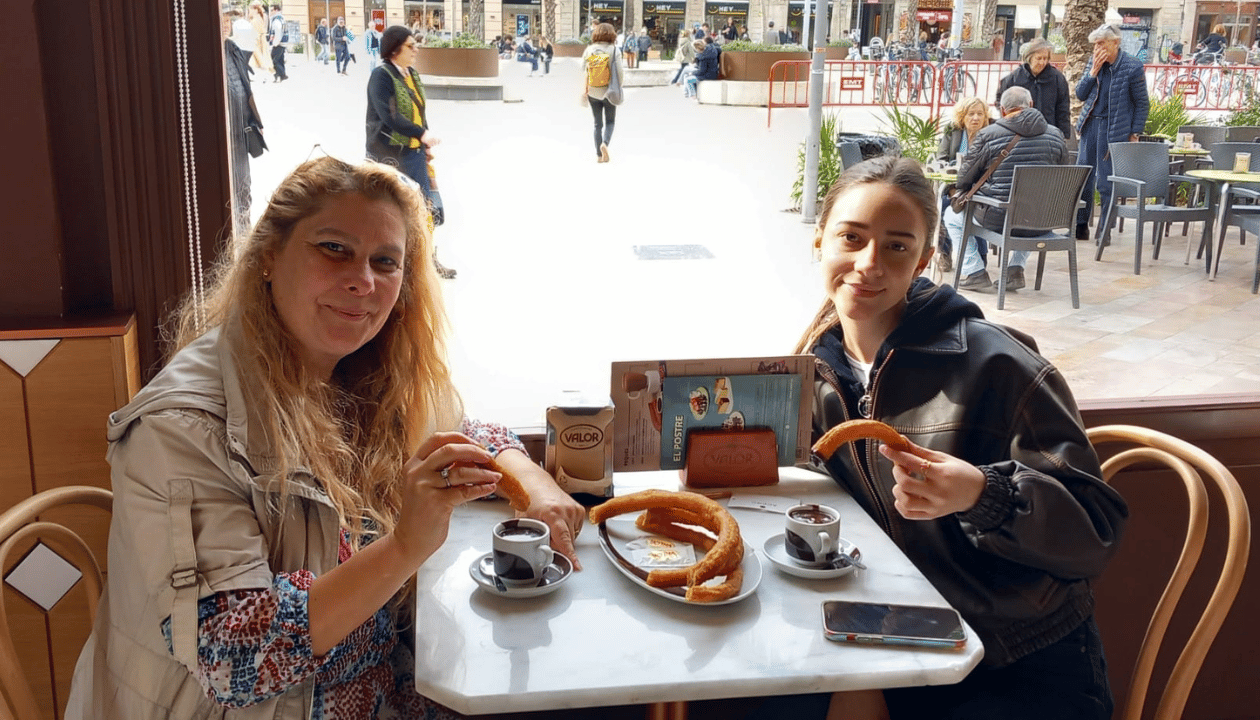
And yes, churros help. A lot.
March
Spring starts showing up. Not fully, but enough to make you smile.
In Valencia, people go wild. Fallas takes over the city. Huge sculptures, loud fireworks, things burning at midnight. It sounds dramatic because it is. Totally worth it.
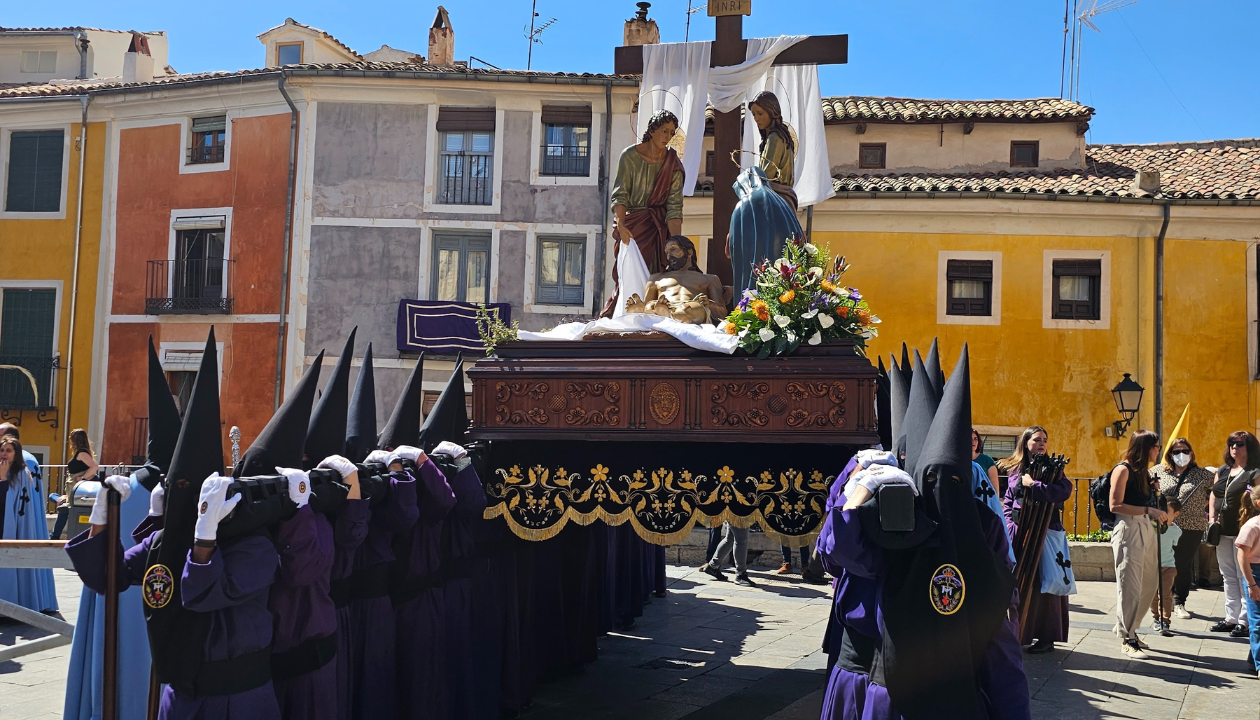
Sevilla and Extremadura get ready for Holy Week. The build-up is slow but beautiful. Bands rehearse. People prep the pasos. You can feel it coming.
And in Dosrius, near Barcelona, it’s green again. You can hike. Smell the pine trees. Learn new words while walking. With the arrival of warm temperatures, the weather is perfect for outdoor activities and exploring nature. That’s Spain spring. Quiet. Then suddenly full of life.
This is also a lovely time to try a Spanish adventure that isn’t all beaches and sangría. (Though, no judgment if that’s your thing.)
April
Now we are talking. Spring is real. The sun sticks around. Flowers too.
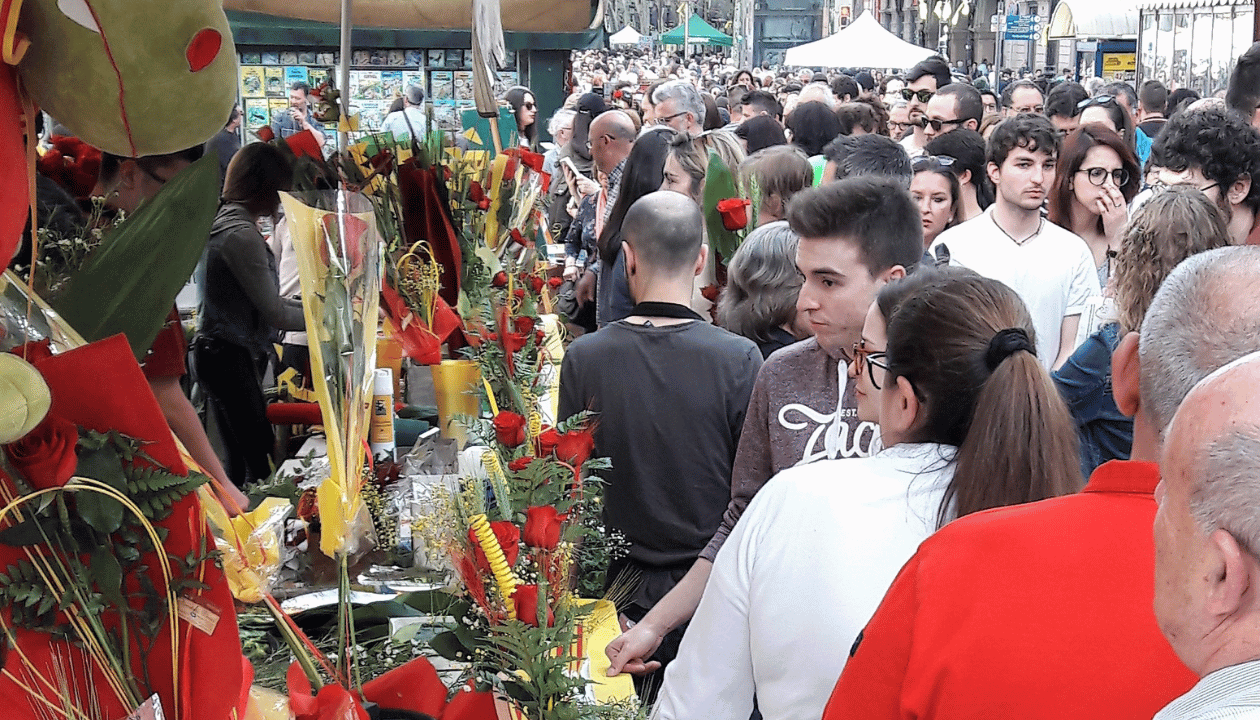
In Barcelona, April 23rd is Sant Jordi. Books and roses everywhere. Like Valentine’s Day but better. If you are in Dosrius, just hop on the train. Totally worth it.
Further south? Sevilla goes full drama with the Feria de Abril. Flamenco. Horses. Bright dresses. Loud music. No one sleeps much that week.
Meanwhile, Valencia and Burgos enjoy that sweet spot: mild weather, fewer crowds, and all the energy of a city waking up after Spain’s winter months. Great for tapas. Great for walks. Great for not checking your phone.
May
This month is gold. Not too hot. Not too cold. Just… right. Locals love May. Travelers who know things love it too.
In Extremadura, the countryside is glowing. Fields. Wildflowers. Picnics. It’s the perfect season to go slow and eat well.
Burgos is also shining. Less crowded than major cities. And full of history. Plus, if you’re into the Camino de Santiago, this stretch is perfect.
Down in Gilet, near Valencia, people are out again. Markets. Live music. Open-air dinners. Easy days. Long nights.
And near the coast? Castelldefels, near Barcelona is starting to warm up. But still no chaos. Just good weather and space to stretch.
June
Now it feels like early summer. Long days. Light till 10. The mood is up.
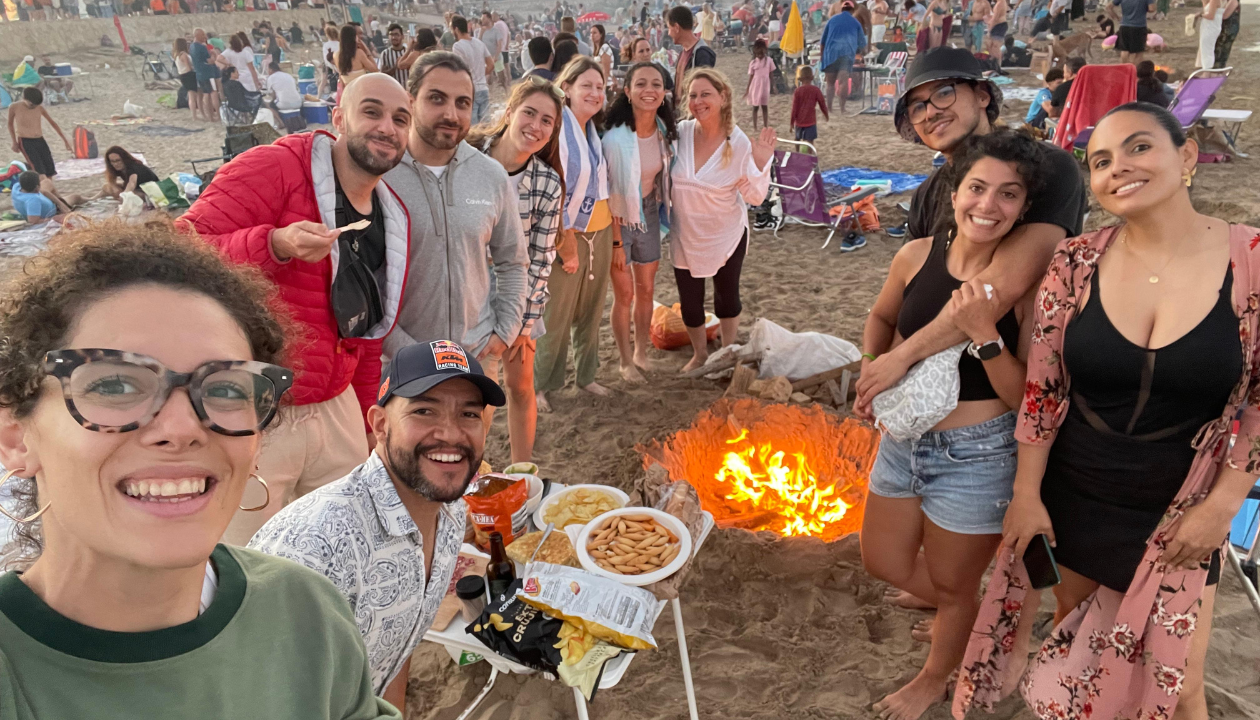
Everyone’s outside. Especially on San Juan night—June 23rd. Fires on the beach. Fireworks. Toasts. Hugs. It’s loud. And unforgettable. Especially in Barcelona and Valencia.
Cádiz and Sevilla are heating up. People switch to cold drinks and shady terraces. Flamenco shows pop up more often. The sound of clapping follows you around.
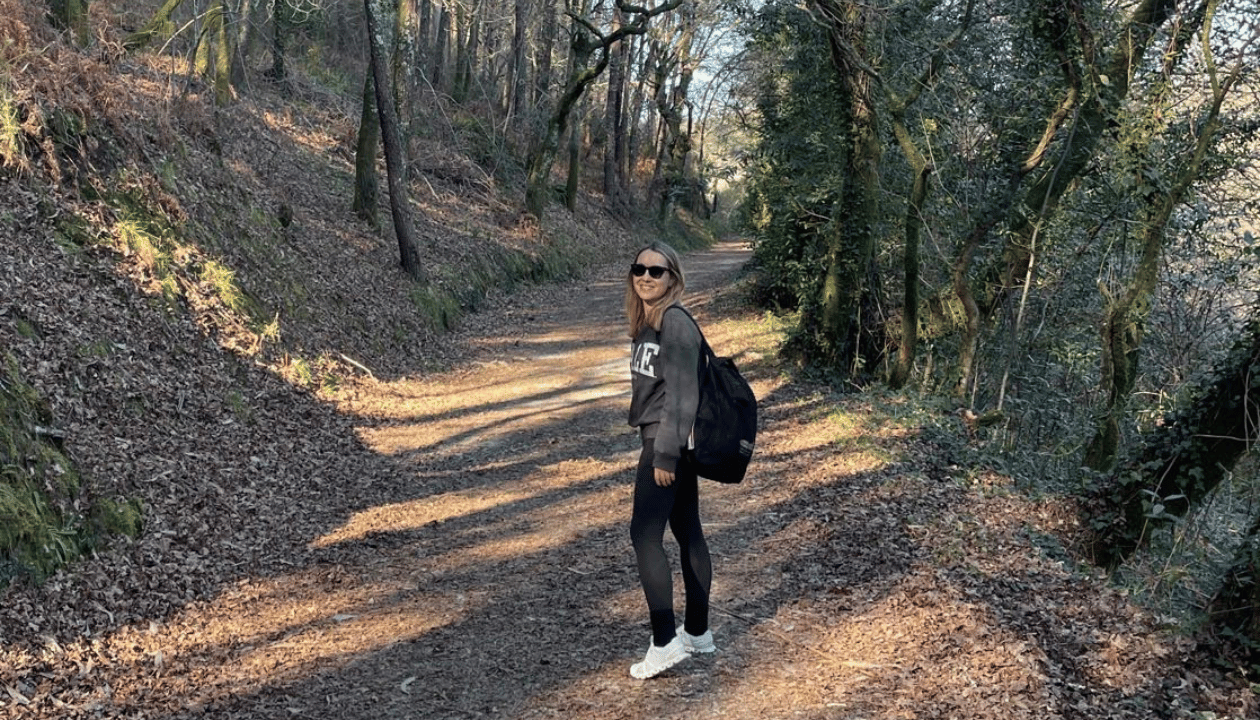
In Dosrius, Barcelona, it’s perfect for hikes. The trees offer shade. The views are green. After that, find a village bar. Sit. Talk. Order whatever looks good. That’s June.
July
Let’s not lie—summer heat is here, especially in Sevilla and Cádiz. Locals hide indoors mid-day. So should you. Spain summer means long, hot days, lively streets at night, and a vibrant atmosphere full of festivals and outdoor activities.
But at night? Whole different story. Ferias, street food, music. Everyone’s out, dressed up, dancing like the heat doesn’t matter. Somehow it works.
Near Valencia, in Gilet, evenings are lovely. Breezy. Locals eat outside. There’s music in the plazas. Sometimes free. Always worth it.
Burgos is the smart choice if you want warm, not boiling. History, tapas, and warm weather. You’ll thank yourself.
And in Dosrius, Barcelona? Forests, trails, beach nearby. The best of both worlds. Add a book, and you’re set.
August
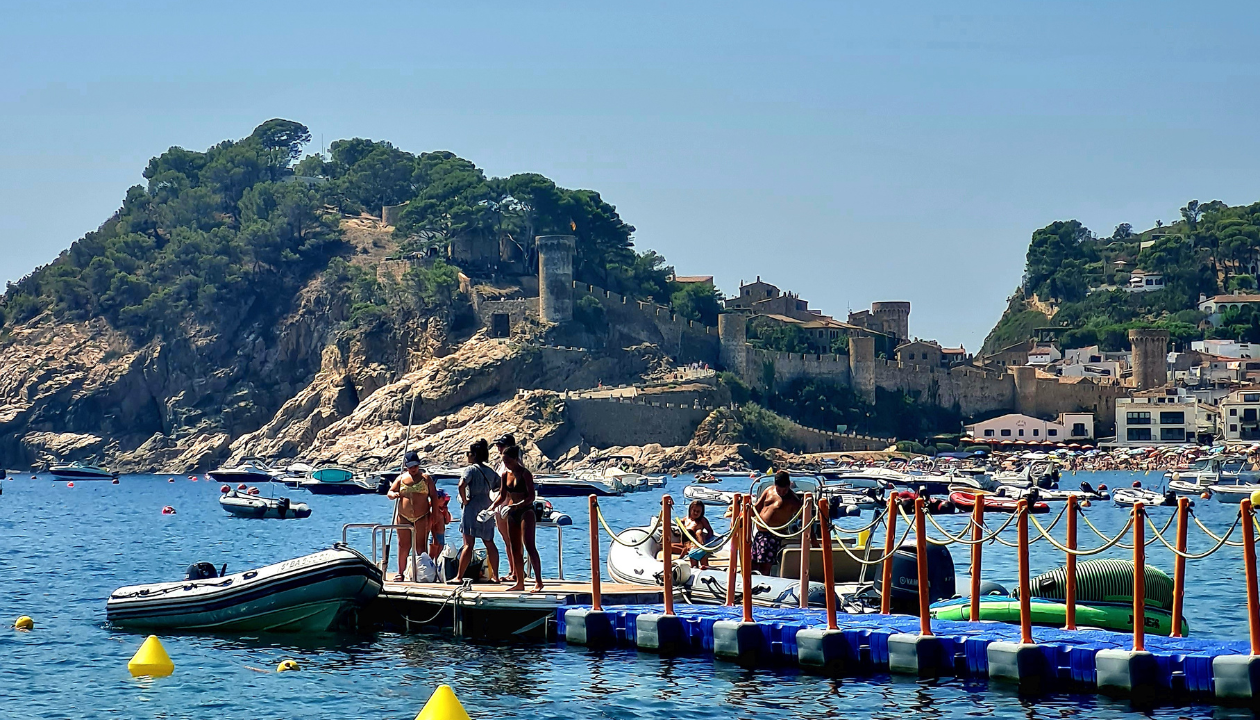
Spain slows down. A lot. It’s the holiday summer season here. You’ll see “closed” signs everywhere. And you’ll also see fireworks, concerts, food stalls, and full beaches.
Cádiz stays lively. Flamenco, festivals, people dancing till 2am. Then 3am. Then… well, no one’s checking.
Valencia gets loud by the end of the month. La Tomatina in Buñol. It’s exactly what it sounds like. Tomatoes. Flying. Everywhere. Bring goggles.
Near Barcelona, places like Castelldefels and Dosrius are full of sun but still feel human. Beach in the morning. Tapas in the evening. That’s the plan.
And yes, people do speak Spanish between the fun. It counts as learning.
September
This is the secret month. You still enjoy warm weather. But the crowds? Mostly gone. It’s that sweet shoulder season everyone talks about.
In Barcelona, there’s La Mercè around the 24th. Parades, concerts, and giants in the street. If you’re staying in Dosrius, you get the party and the peace.
Burgos is golden. The trees start changing. It smells like roasted chestnuts and something baking. It’s cozy, even if it’s still technically Spain’s summer months.
In Extremadura, it’s grape harvest time. Which means wine. Which means very happy people.
Back in Valencia? The sea is still warm. The city feels alive again. Everyone’s back. Including the best menus.
October
October is soft. Cooler mornings. Golden afternoons. Spain starts to exhale a little.
In Extremadura, the trees turn warm colours. Markets fill with mushrooms, nuts, and all kinds of delicious things you’ve probably never tried. Try them.
Sevilla breathes again after summer. The heat’s gone. Locals are out in jackets. Still eating outside, of course.
Burgos? A dream. Smaller crowds. More blankets. Perfect for a slow walk through its Gothic heart. Then some wine. Then maybe another walk.
October 12th is Día de la Hispanidad. National parades. Flags. Music. Southern Spain and big cities like Valencia and Barcelona go all in.
November
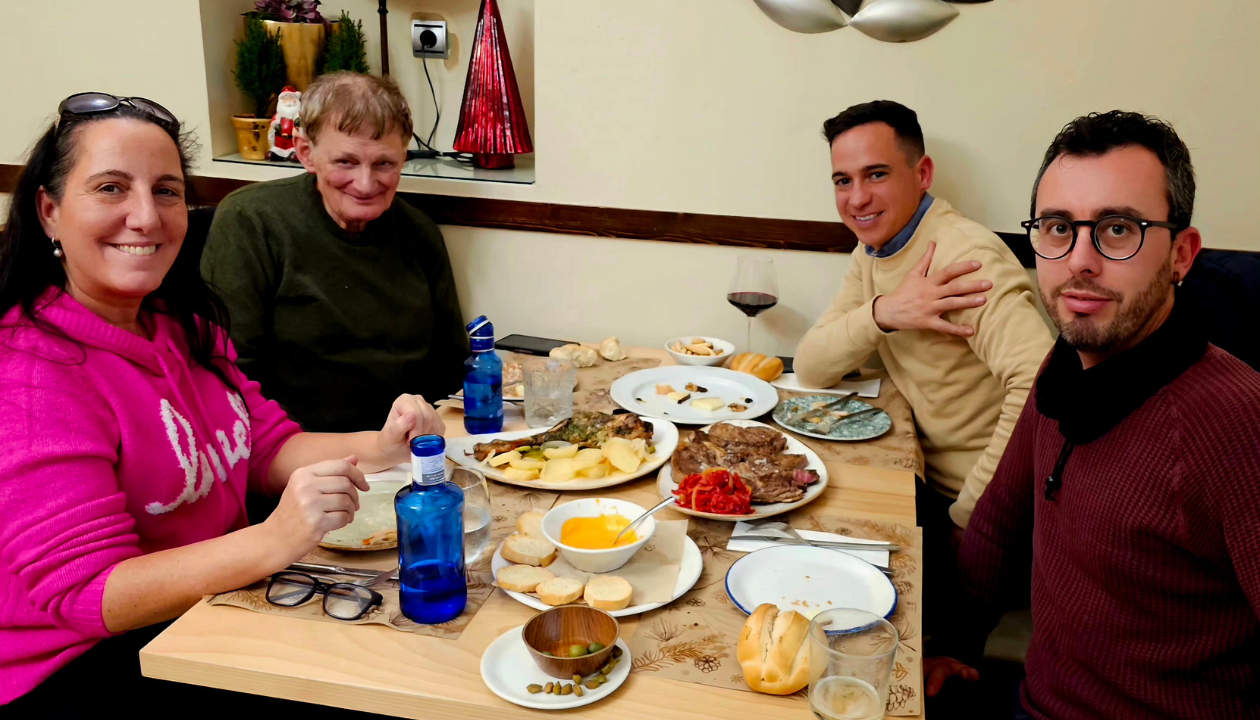
Shhh. November is quiet. Underrated. And full of little joys.
All Saints’ Day is on the 1st. Cemeteries bloom with flowers. Families gather. It’s not loud. But it’s meaningful.
In Burgos and Extremadura, it’s food season. Think jamón, chestnuts, cheese. Festivals without the chaos. Locals. Storytellers. A glass of something warm.
Valencia is slower now. The sea is calm. The markets feel local again. Perfect for buying something you can’t pronounce.
And Barcelona? The forest smells earthy. Good for a walk and a quiet chat in Spanish. You’ll surprise yourself with how much you understand.
December
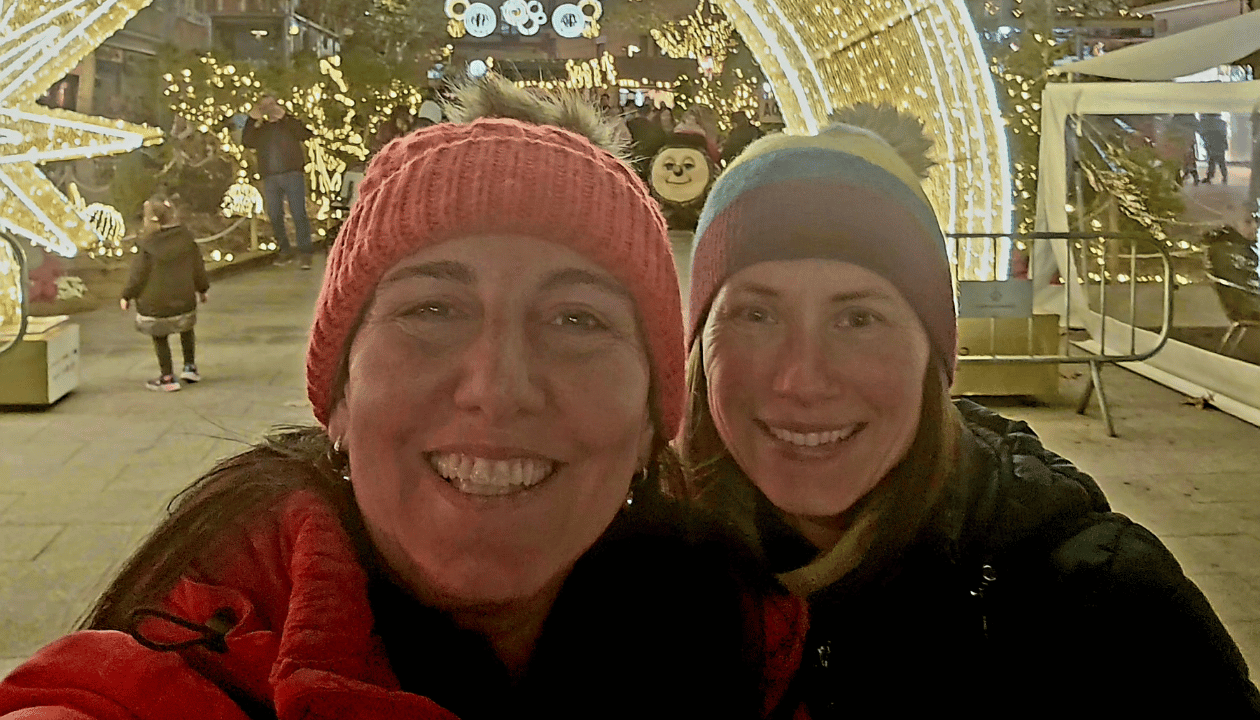
Now it’s sparkle season. Christmas markets pop up everywhere in Barcelona, Sevilla, and Valencia. Lights in the streets. Music. Sweet smells.
People wrap up. The cold finally arrives. But it’s the cosy kind. Like hot drinks and scarves, and glowing windows.
In Cádiz, it’s milder. Still festive. Still full of lights and laughter. Certain regions in Spain, like Cádiz and Andalucía, remain warm and pleasant during winter, making them perfect for enjoying the festive season outdoors.
On New Year’s Eve, everyone eats 12 grapes at midnight. Don’t ask. Just do it. It’s the rule. It’s fun. You’ll choke once. That’s also the rule.
Ready to Experience It for Yourself?
Every month in Spain brings something special. But you know what makes it unforgettable? Living it.
The Spanish Homestay Immersion Program (SHIP) lets you stay with a local teacher in places like Barcelona, Valencia, Cádiz, Sevilla, Burgos, and Extremadura. You don’t just learn Spanish, you live it. Festivals. Food. Conversation. All part of your day.

There are also Theme Weeks. Fireworks in June. Tomatoes in August. Flamenco in April. We plan around the magic. You just show up.
🎉 Take a peek at what’s coming up and start planning your Spanish calendar.
You can explore more real immersion experiences here:
👉 SHIP Stories of Our Previous Students
For personalised guidance and programme details, you can contact our founder directly:
Mónica Romero
Founder and Director, Spanish Express
📞 Phone / WhatsApp: +44 7903 867 894
📧 Email: monicaromero@spanishexpress.co.uk
FAQs
Is there a good time to enjoy Spain’s northern coast and Basque Country?
Yes. Late spring and early fall offer great weather without the peak season crowds. Cities like San Sebastián along the northern coast combine fresh seafood, beach walks, and cultural festivals. It’s the perfect time for outdoor activities and local cuisine.
When do the Canary Islands and Balearic Islands make the most sense for travelers?
Both offer year-round appeal thanks to their mild climate. The Canary Islands stay warm during the cooler months, ideal for winter sun. The Balearic Islands shine from late spring to early autumn, offering scenic views, beach destinations, and cultural events without the mainland heat.
How can I avoid high temperatures but still enjoy Spain’s vibrant culture?
Travel during the shoulder seasons—September, October, or April through May. You’ll still experience festive celebrations, pleasant weather, and vibrant culture in iconic cities like Seville or Granada, but without extreme high temperatures or heavy tourist traffic.
Are there specific months best for exploring historic cities and local traditions?
Yes. March through May and October into winter December are ideal. You can explore historic cities like Toledo or Córdoba with fewer crowds, enjoy Semana Santa processions, visit the Sierra Nevada, and still find great deals on stays and local experiences.