

If you’ve ever wondered how Spain celebrates Christmas and why it feels like the party lasts forever, you’re in for a treat. Christmas in Spain isn’t a single day; it’s a whole story told across weeks of feasts, lights, music, and moments that pull families and friends together in every town and city.
From the first decorations of the Christmas season to the grand finale on Three Kings Day, Spanish winter celebrations blend catholic tradition, regional folklore, and joyful street life into one unforgettable holiday season.
This guide is designed so you can read one article and feel like you’ve “been there” with a clear timeline, must-see experiences, regional surprises, and practical travel ideas if you want to visit Spain during the festive season.
When does Christmas start in Spain?
Officially, many people feel Spain’s Christmas “starts” when homes are decorated with a Christmas tree and family plans are made. But in the public imagination, the true kickoff is the Christmas lottery on December 22, an event so culturally iconic it becomes the soundtrack of Spanish mornings.
December 22: the Spanish Christmas Lottery and “El Gordo”
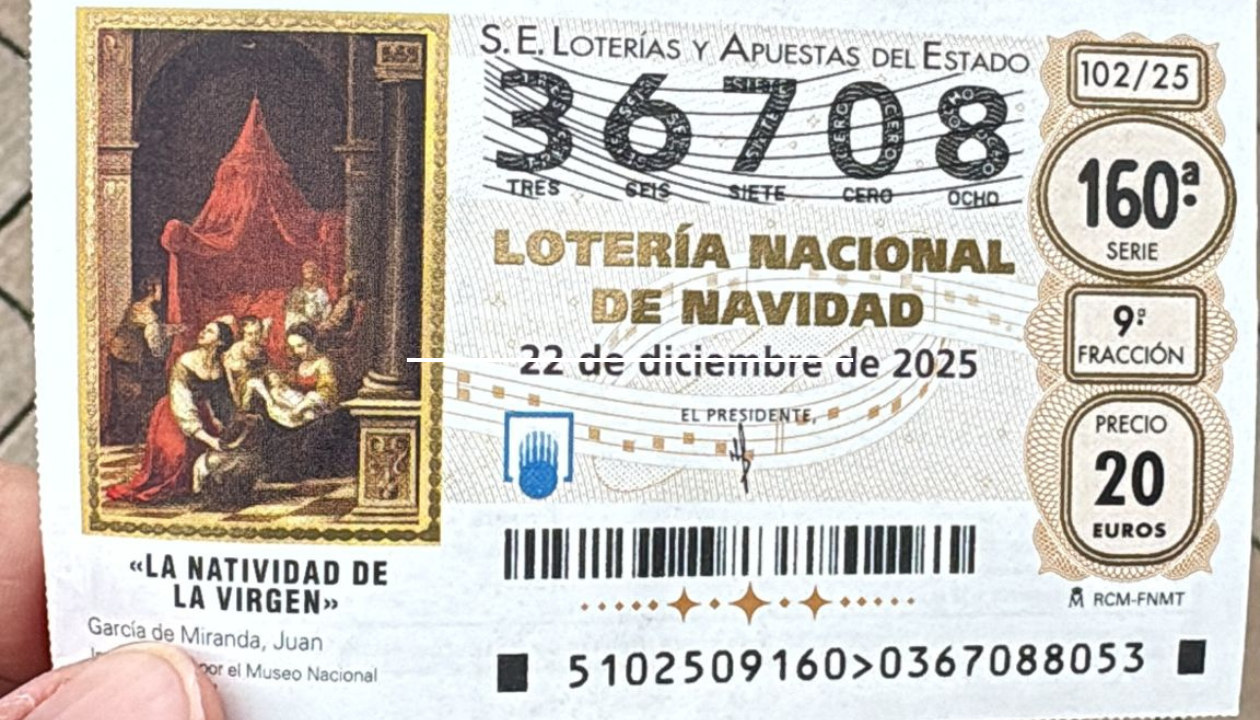
The Lotería de Navidad isn’t just a draw; it’s a national ritual. Families buy lottery tickets, share them in offices, bars, and friend groups, then gather around the TV to listen as schoolchildren sing the winning numbers. The top prize is El Gordo, and while the headlines focus on the biggest winners, one reason it’s so loved is how widely the prize money is distributed across many smaller prizes, meaning whole neighborhoods can end up celebrating together.
If you ever see spontaneous cheering in the street before Christmas even arrives… this is probably why.
The heart of it all: Belén, Baby Jesus, and the Nativity scene
Across Spain, you’ll find the nativity scene (Belén) in homes, churches, shops, and public squares, sometimes huge, detailed landscapes with rivers, villages, and dozens of characters.
At the center is the Holy Family, and the emotional core is the baby Jesus, whose figure is sometimes placed only on the evening of December 24, marking the symbolic arrival of Christmas.
You’ll hear about Bethlehem as a place, but also about the “living” nativity, because in many towns the story is performed as a music-and-drama event, complete with Christmas carols and community participation.
Christmas lights and markets: the most walkable magic in Spain
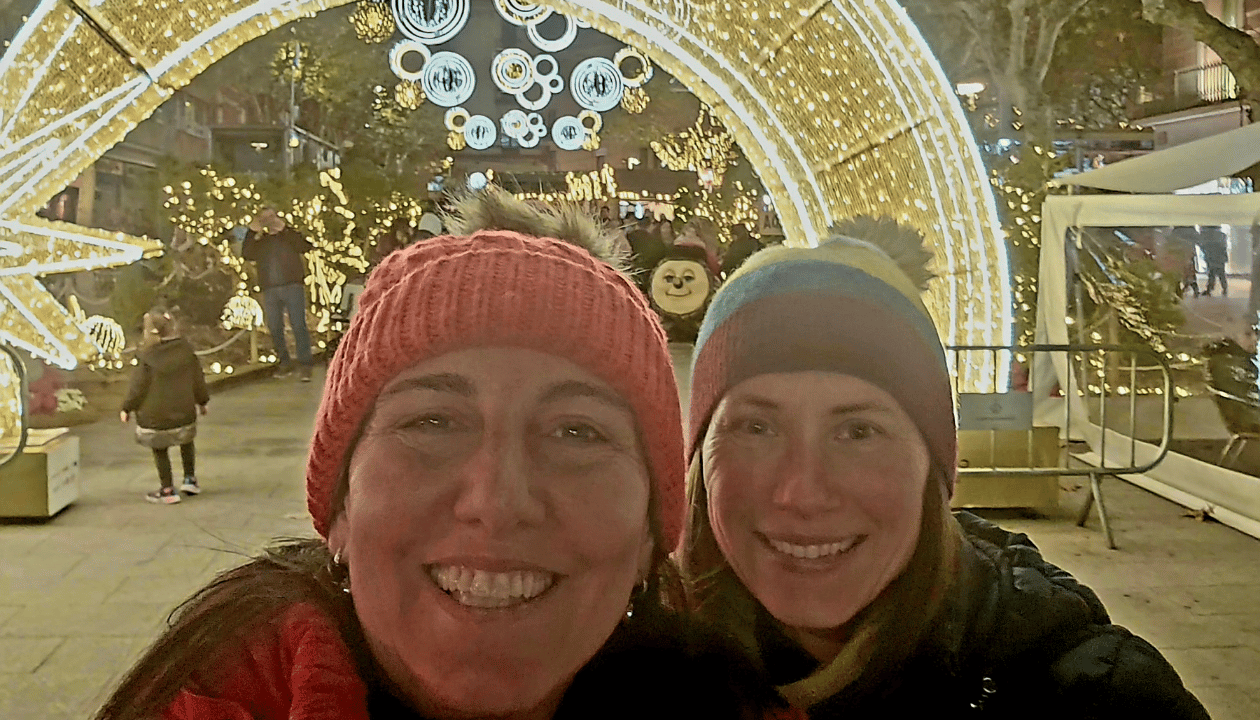
Spain does festive streets beautifully. From late November onward, cities and towns switch on Christmas lights, and the best displays feel like open-air art. You’ll see festive lights shaped like stars, angels, and modern abstract forms, turning evening strolls into part of the celebration.
Pair those lights with Christmas markets, and you have the most effortless way to soak up Spain’s winter vibe. Markets vary by region, but you’ll typically find crafts, ornaments, nativity figurines, and seasonal snacks, plus the constant glow of street decorations.
December 24: Christmas Eve, Nochebuena, and La Misa del Gallo
Traditional food and lavish family dinners
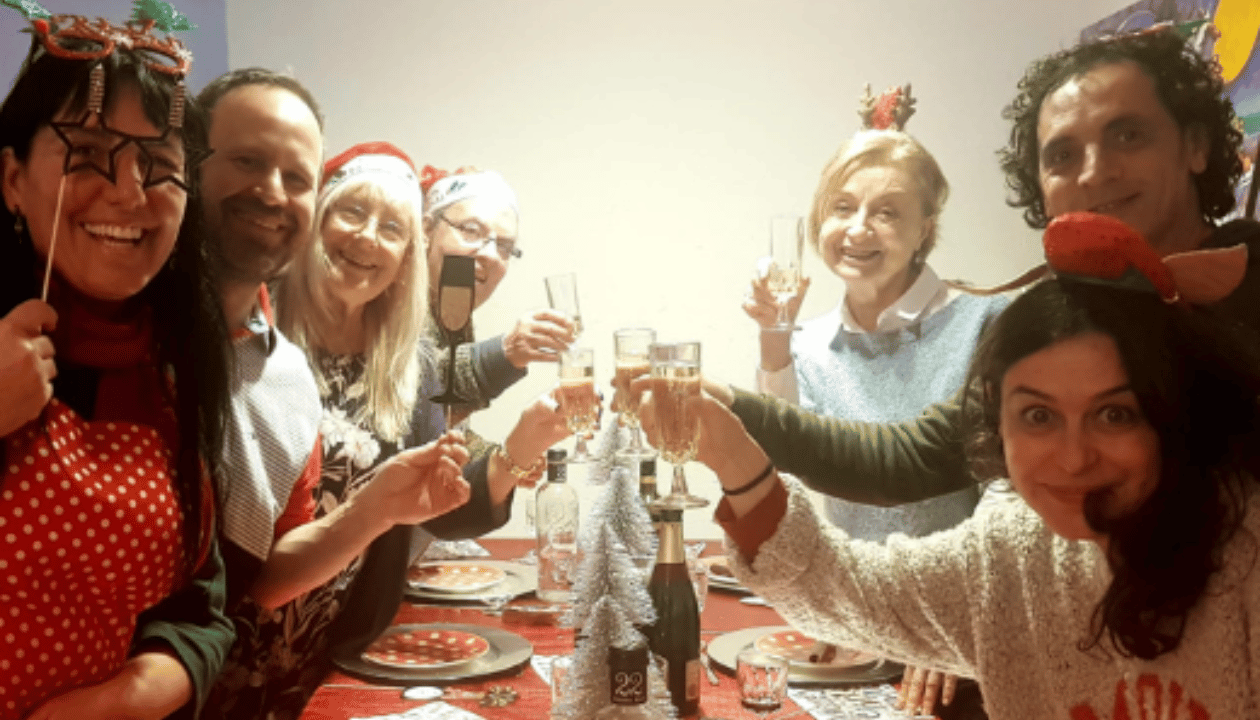
A traditional Spanish Christmas dinner can vary by region, but the spirit remains consistent: abundance, sharing, and lavish meals that stretch late into the night. Think starters, seafood, cured meats, cheeses, then a main course such as roast meat, roast lamb, baked fish, or regional specialties.
Some older menus mention turkey stuffed with rich ingredients, though modern tables often prefer local favorites.
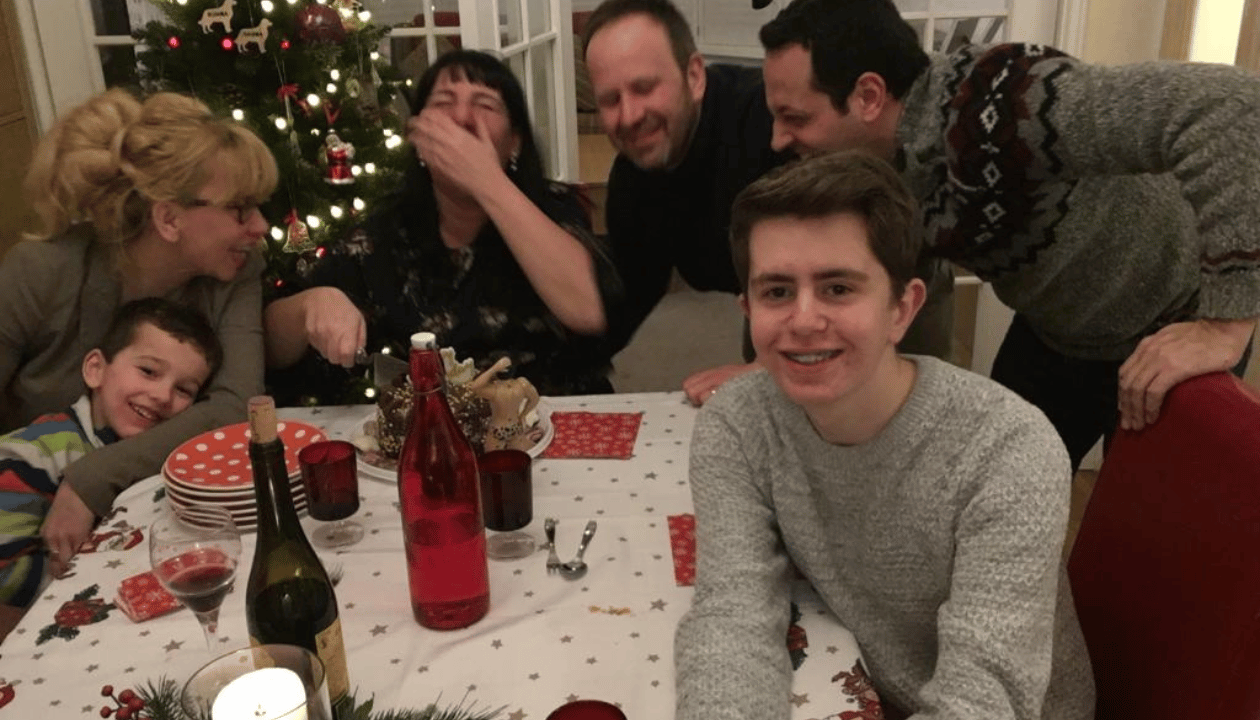
Dessert is where Spain goes all-in: sweet treats like turrón, marzipán, polvorones, and more are often served with coffee, conversation, and “just one more piece.”
Midnight Mass and the legend of the rooster
After dinner, many families attend midnight mass, also known as la misa del gallo (“Mass of the Rooster”), linked to the legend that a rooster crowed on the night Jesus was born. Even if you’re not religious, stepping into a church for this service can be a moving cultural experience: music, candlelight, and a sense of continuity across generations.
And yes, Spain has a line that captures the mood perfectly: “Esta noche es Nochebuena y no es noche de dormir.” In other words, it’s a night for being together, not for sleeping.
Christmas Day in Spain: calmer, cozier, still delicious
Christmas Day is typically more relaxed than the night before. Families may gather again for lunch, enjoy leftovers, or visit relatives. Some households exchange gifts on December 25, especially in areas where modern customs have blended in.
That said, in much of the country, the “main” presents are still saved for January.
Santa Claus, Father Christmas, and Spain’s changing traditions
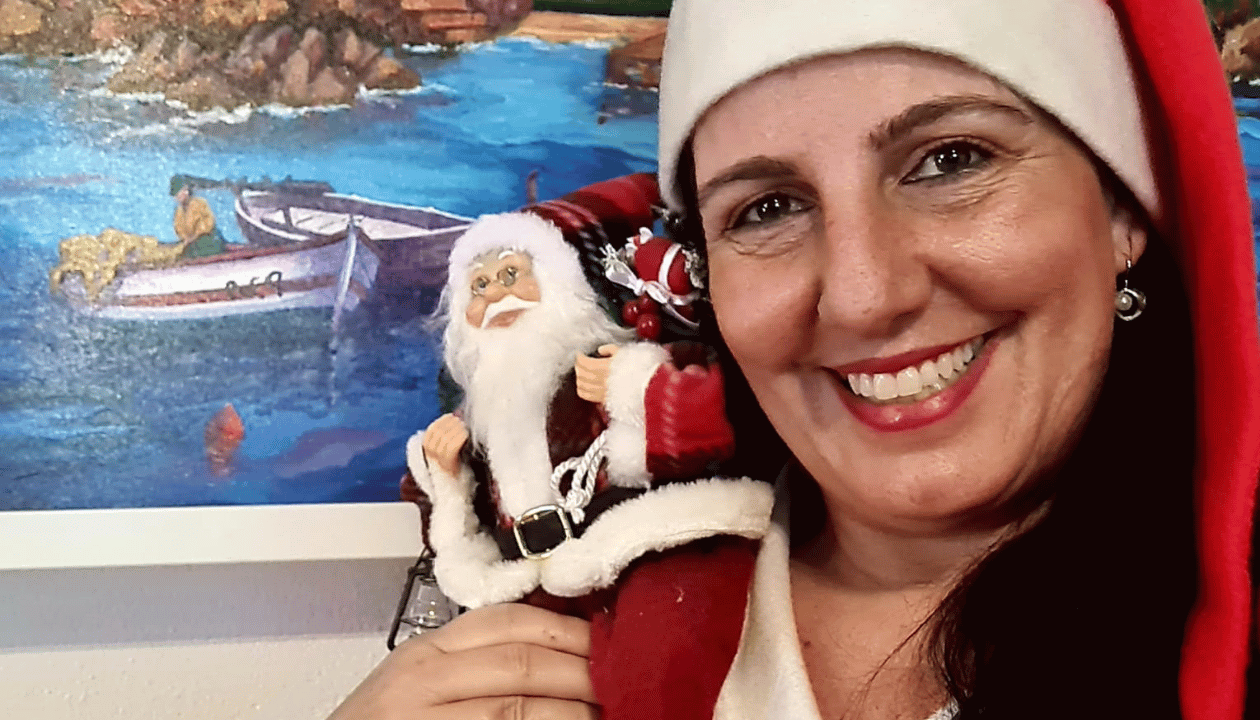
Historically, Spain didn’t center gift-giving around Santa Claus, but modern life and global media have made him more common, especially in big cities. You’ll hear Father Christmas referred to as Papá Noel, and many kids now enjoy a double celebration (some gifts at Christmas, more later). But what makes Spain special is how strongly local customs continue to thrive alongside the modern ones.
Regional magic: Spain’s own traditions you won’t see elsewhere
Spain is a country of regions, and each has its own traditions that make December feel wonderfully varied.
Basque Country: Olentzero, the gift-bringer with a local soul
In the Basque Country, children may receive gifts from the magical man called Olentzero, often described as a cheerful, rural figure tied to older winter legends. In some stories, he arrives with warmth, humor, and handmade figurines or small gifts, keeping regional identity alive in the most charming way.
Catalonia: the Christmas log (yes, really)
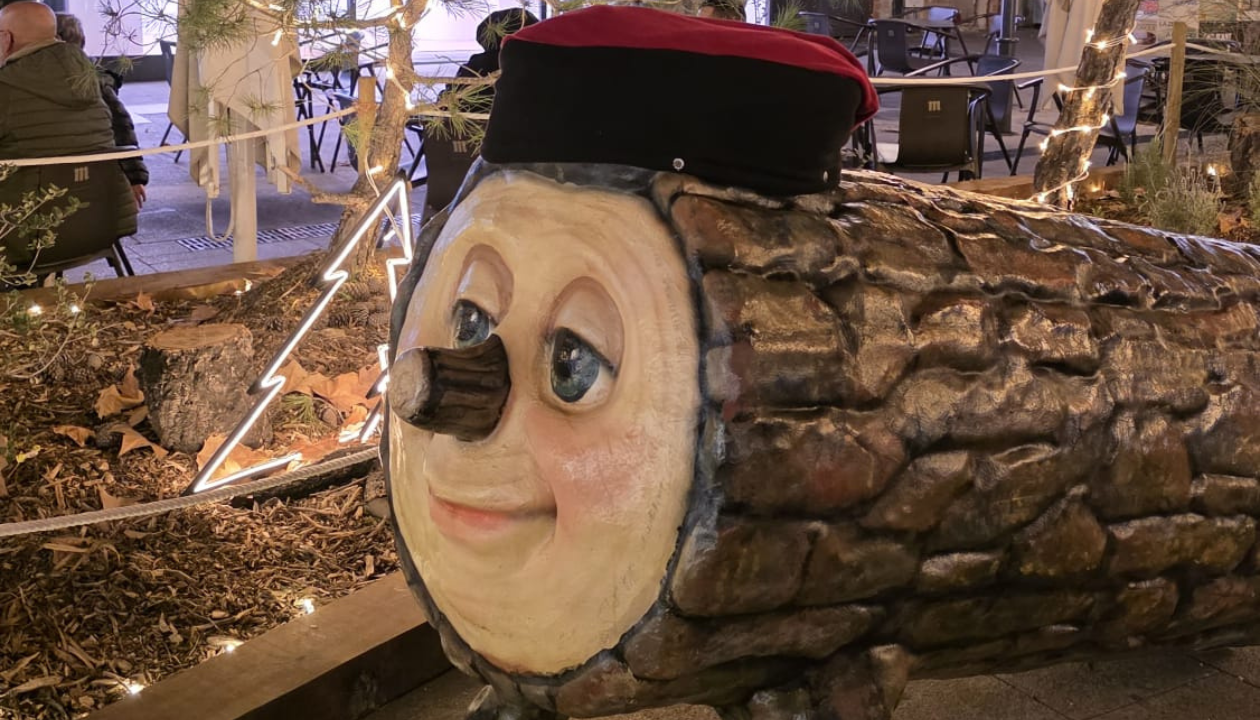
If you want to peak “only in Spain,” meet the Christmas log known as Tió de Nadal, also nicknamed the pooping log. Families “feed” it in the days before Christmas, cover it with a blanket, then sing and gently hit it with sticks so it “produces” small treats and gifts. It’s quirky, hilarious, and surprisingly wholesome, especially if you see it through a child’s eyes.
December 28: Día de los Santos Inocentes, Spain’s prank day
On December 28, Spain celebrates los Santos Inocentes, officially commemorating the Holy Innocents, but culturally it behaves like April Fool’s Day. People play pranks, the media sometimes runs silly stories, and friends try to catch each other out by believing stories they should question.
If you pull a prank successfully, you might hear “Inocente, inocente,” a playful reminder that being too trusting makes you “innocent.” You’ll also see the phrase día de los santos used around this date, and it’s a great mini-lesson in how religion and humor can coexist in Spanish tradition.
A quick language note: you’ll often see Spanish holidays labeled with structures like día de los + a name, which means “day of the…”, a useful pattern if you’re learning Spanish.
December 31: New Year’s Eve and the 12 grapes
We now shift from family dinners to a more social setting. New Year’s Eve in Spain is called Nochevieja, and it’s one of the most iconic nights of the year.
The star tradition: eating 12 grapes, one for each clock chime at midnight. Do it successfully, and you’re said to earn luck for the year ahead. People do this at home, at parties, and in public squares across Spain.
Puerta del Sol: Spain’s countdown headquarters
The most famous countdown takes place at Puerta del Sol in Madrid, where thousands gather, and millions watch on TV. It’s loud, chaotic, and incredibly fun, especially if you love being part of something bigger than yourself.
Whether you spend it in the capital or a smaller plaza, the spirit of New Year’s Eve is the same: laugh, toast, reset, and step into the new year together.
January 5–6: King’s Day, Three Kings, parades, and the final crescendo
If you want the real Spanish finale, mark early January. This is where Spanish Christmas becomes truly unforgettable.
The parade night: Cabalgatas and candy showers
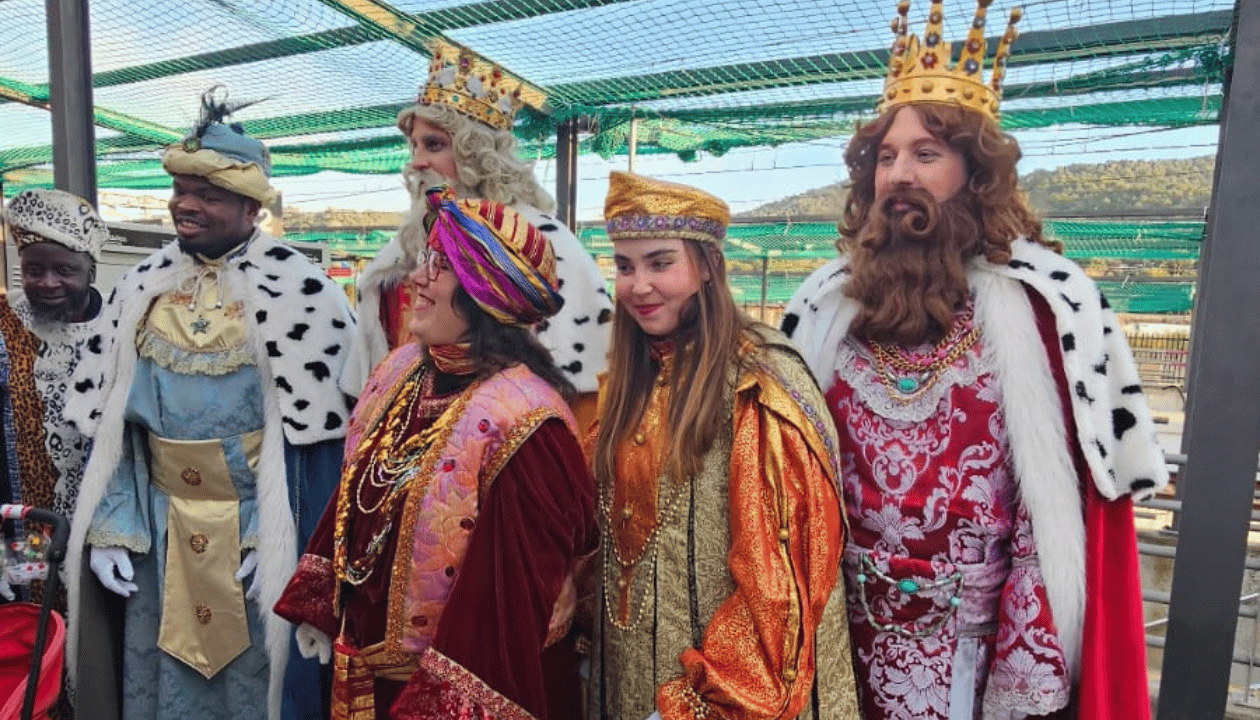
On January 5, cities host the Kings’ Parade (Cabalgata), also known as the Three Kings Parade. Floats roll through the streets, music plays, and costumed performers throw sweets into the crowd. Kids stand wide-eyed, bags open, ready for candy like it’s a sport.
The gift day: Three Kings Day / Kings Day
January 6 is King’s Day, also known as Three Kings Day, the day associated with the wise men who brought gifts to Jesus. In Spain, the three kings are Melchior, Gaspar, and Balthazar. Many Spanish children consider this the actual “present day,” leaving shoes out so the Kings know where to deliver gifts.
It’s one of the clearest examples of how Spain’s Christmas is longer and more layered than many other countries’ celebrations and why the whole Christmas time feels like a season-long narrative.
What to eat: Spanish Christmas food that actually matters
Spanish festive meals are about sharing, pacing, and variety. Expect starters, rich mains, and a parade of desserts plus sparkling wine and long conversations.
Here are some highlights of Christmas food culture you’ll see across the country:
- Jamón and charcuterie boards as the opening act
- Seafood in coastal areas (sometimes the main event)
- Roast meats and hearty winter dishes inland
- Dessert tables that feel endless, nougats, pastries, and crumbly cookies
Roscón de Reyes: the special cake with a surprise
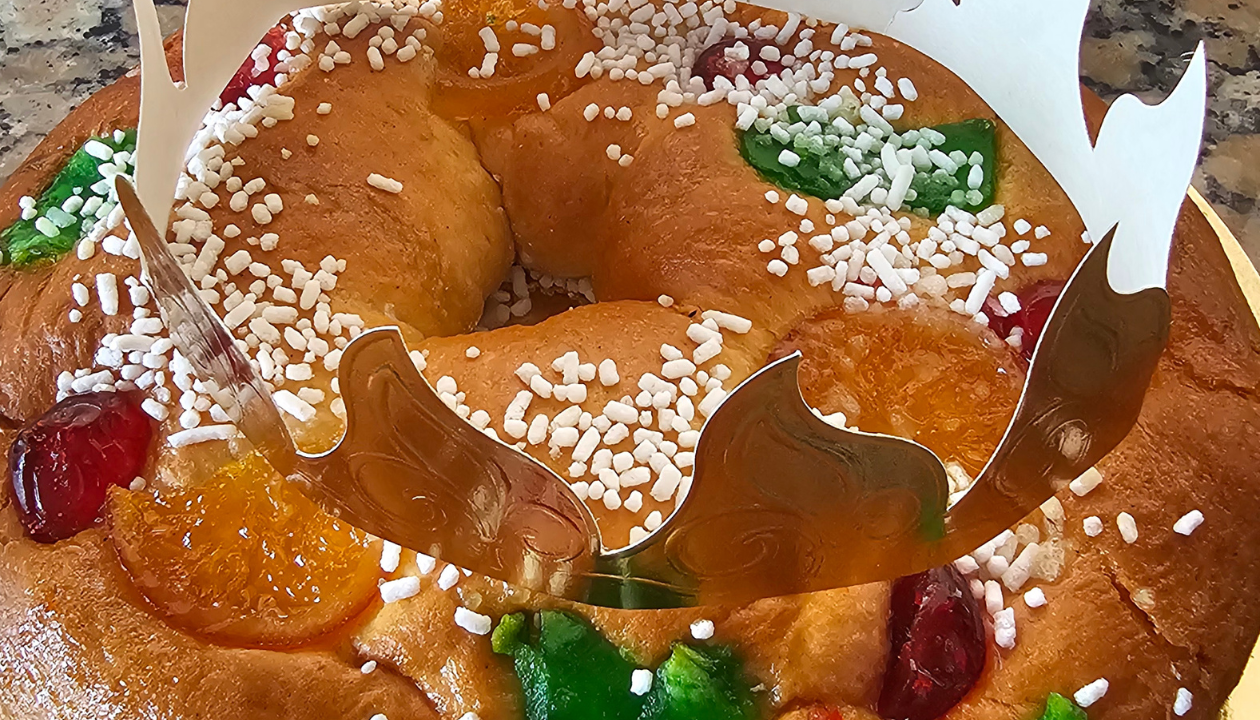
On January 6, bakeries overflow with roscón de reyes, a ring-shaped special cake decorated with jewel-like candied fruit. Inside, there’s traditionally a small figurine and a bean: find the figurine, and you’re “royalty” for the day; see the bean, and you may end up responsible for paying for next year’s cake, a tradition that turns dessert into a playful ceremony.
If you only try one seasonal sweet in Spain, make it this.
A practical “best-of” itinerary for Christmas celebrations in Spain
If you want to celebrate Christmas like a local while also enjoying the traveler-friendly highlights, here’s a simple flow:
- Weeks leading up to Christmas: arrive early to enjoy markets, lights, and nativity displays without the biggest crowds.
- Dec 22: Catch the Christmas Lottery atmosphere (even if you don’t buy a ticket).
- Dec 24: plan for a large, family-style dinner and consider attending a church service to understand the cultural heart better.
- Dec 28: Enjoy Prank Day; don’t trust every headline.
- Dec 31: do the grapes tradition (practice helps!).
- Jan 5–6: watch a Cabalgata and taste Roscón, and then you’ve truly experienced Christmas celebrations the Spanish way.
Useful phrases and tiny cultural tips
- The most universal greeting is feliz navidad.
- You’ll hear “villancicos” for traditional songs; don’t be shy to sing carols if you’re invited.
- Nativity scenes are a big deal; if someone shows you theirs, react as if they built a museum exhibit (because, emotionally, they did).
Why Christmas in Spain stands out
Spain’s holidays feel different because they’re not rushed. The celebrations span the whole Christmas season, giving people time to gather, travel, feast, joke, and celebrate again without treating December 25 as the only “main moment.” The result is a richer, more layered Spanish Christmas experience rooted in community, family, and living traditions that change by region but share the same spirit.
If your goal is to celebrate Christmas somewhere that feels both deeply traditional and joyfully alive, a Christmas in Spain is hard to beat.
Would you be ready to experience Spain beyond the tourist layer? Join our Spanish Homestay Immersion Program (SHIP)
Reading about Spanish Christmas is inspiring. Living it inside a Spanish home is transformative.
That is exactly what our Spanish Homestay Immersion Program (SHIP) offers.
SHIP is not a standard language course. It is a full cultural and linguistic immersion where you live with your host teacher, share daily family meals, take part in Christmas traditions, visit markets and nativity scenes, attend local celebrations, and speak Spanish naturally from morning to night.
This experience is ideal not only for travellers and cultural explorers, but also for busy professionals and business leaders who want practical, confident Spanish for real-life and professional communication. Many of our participants join SHIP to improve Business Spanish, negotiation skills, and cultural fluency for international careers and relocation.
With SHIP you:
- Live in your teacher’s home and become part of daily Spanish life
- Learn Spanish through real situations, not classroom role-play
- Experience traditions like Nochebuena, the Three Kings, markets, and family gatherings from the inside
- Build confidence in social and professional Spanish
- Follow a personalised program adapted to your goals, level, and schedule
You can read real stories from executives, entrepreneurs, and adult learners who have completed SHIP here:
👉 Spanish Homestay Immersion Program – Student & Professional Stories
For personal guidance and program details, contact our founder directly:
Mónica Romero
Founder and Director, Spanish Express
📞 Phone / WhatsApp: +44 7903 867894
📧 Email: monicaromero@spanishexpress.co.uk
