


Spain is one of those places that stays with you long after you leave. From the lively streets of Barcelona to the sunny beaches of Valencia or Cádiz, every corner has something special. But before you book your flight, there are a few things you need to know.
What’s the best time to visit? How much should you budget? Do you need a visa? I’ve got all the answers right here. Plus, I’ll share insider tips on where to go, what to eat, and how to avoid common mistakes.
Ready to plan your perfect trip? Let’s dive in!
Hey, Thinking About Spain?

Spain is calling—are you ready? If you’re exploring vibrant cities or relaxing in beach destinations, planning ahead makes all the difference. Before you enter Spain, make sure your valid passport meets the latest regulations.
Visitors to Spain should check if they need an international driving permit or extra health insurance. Spanish authorities may require additional information at border checks, so stay informed about the latest requirements.
From accommodation to local customs, knowing the details helps you avoid unexpected issues. Want a stress-free trip? Let’s go over everything you need to know for safe and easy Spain travelling!
Let’s Talk Planning
When’s the Best Time to Go?
Spain is amazing year-round, but choosing the right season depends on what you want. Love the sun? Summer is perfect for beach destinations, but expect crowds. Prefer cooler weather? Spring and autumn offer pleasant temperatures and fewer tourists.
For a deeper experience, join one of our Spanish Express Theme Weeks!
Don’t forget to check event dates—Spain’s festivals are unforgettable, and timing your trip right means you won’t miss out!
Do You Need a Visa?
Before you travel to Spain, make sure you’re aware of the latest entry rules. UK travellers and nationals from visa-exempt countries, including the United States, Canada, Australia, New Zealand, Japan, South Korea, and most European nations, can stay in the Schengen area for up to 90 days within a 180-day period without a visa. However, starting in 2025, the European Travel Information and Authorisation System (ETIAS) will be required for these travellers.
Your passport must have been issued within the last ten years and remain valid for at least three months after your departure date. Spanish authorities may check your travel plans and request proof of accommodation or sufficient funds for your stay.
Why Travel Insurance is a Must
Spain is safe, but things can go wrong. Lost luggage? Flight cancellations? Medical emergencies? That’s where health insurance comes in. A GHIC (Global Health Insurance Card) covers basic care in Spain, but it won’t cover private treatment or emergencies like medical evacuation.
Many travellers assume they won’t need extra coverage, but accidents or delays happen. Without insurance, unexpected costs could be high. To stay stress-free, make sure you’re informed and choose a policy that fully protects you while visiting Spain.
Where Should You Go?
Barcelona: Gaudí, Beaches, and Beyond
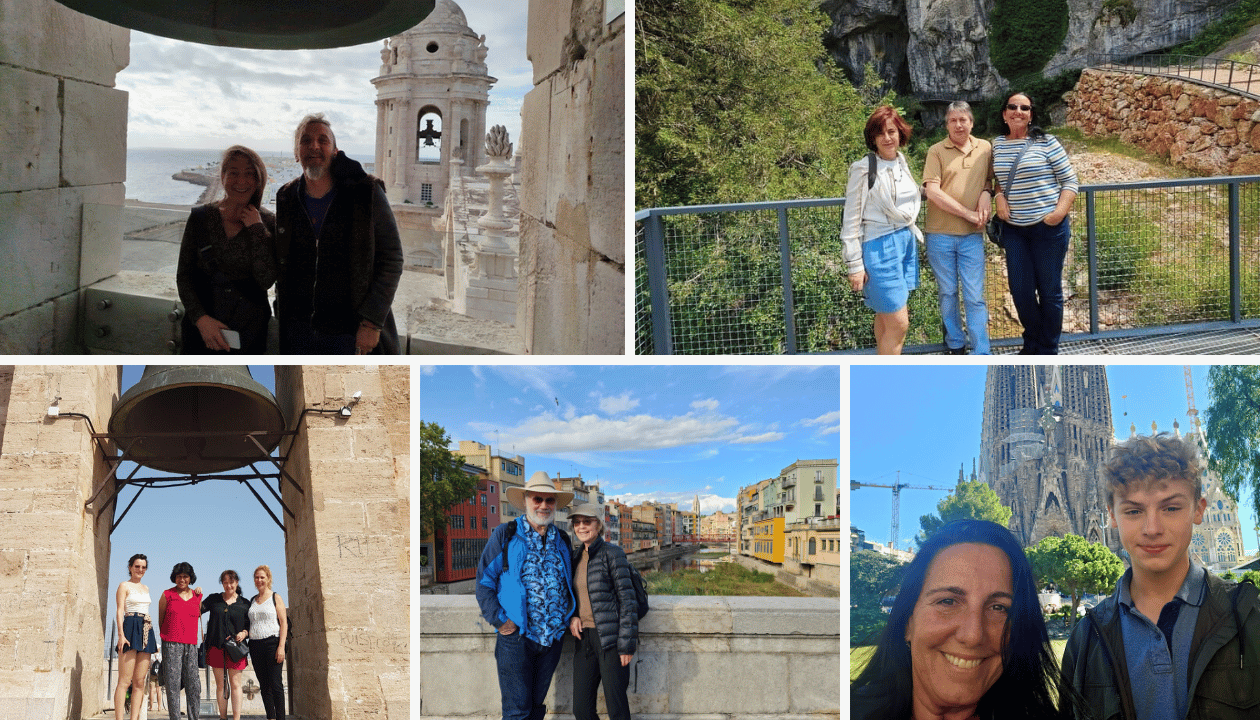
Barcelona is a mix of stunning architecture, vibrant culture, and sunny beach destinations. Explore the Schengen zone’s most famous sights, including the Sagrada Familia and Park Güell. Day trips to Montserrat, Montseny, Costa del Maresme or Costa Brava add adventure.
Our SHIP host teachers in Barcelona offer immersive stays where you can learn Spanish while experiencing local life. From enjoying traditional food to exploring hidden gems, you’ll see the city beyond the tourist spots. Stay in accommodation with locals, learn from them, and truly connect with the culture.
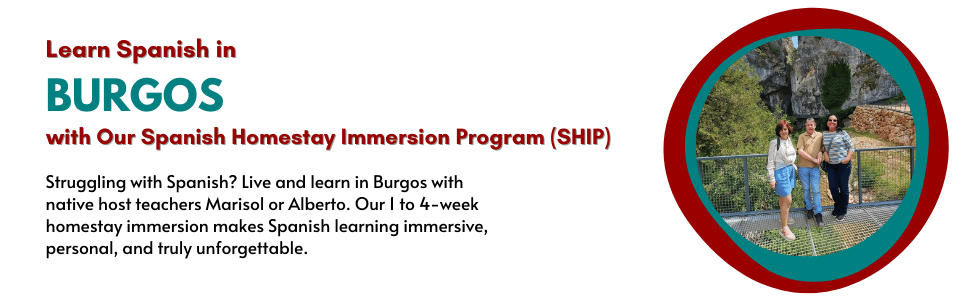
Burgos: A Walk Through History
Burgos is a dream for history lovers. Its Gothic cathedral is a Schengen countries treasure, and the medieval streets take you back in time. Local markets and tapas bars are perfect for sampling the region’s best dishes.
Through SHIP, students in Burgos experience authentic Spanish traditions while staying with a host teacher. Enjoy local restaurants, practice Spanish daily, and visit historical landmarks while fully immersing yourself in Burgos’ charm. Spanish authorities ensure the city’s heritage is well preserved, making every walk an experience.
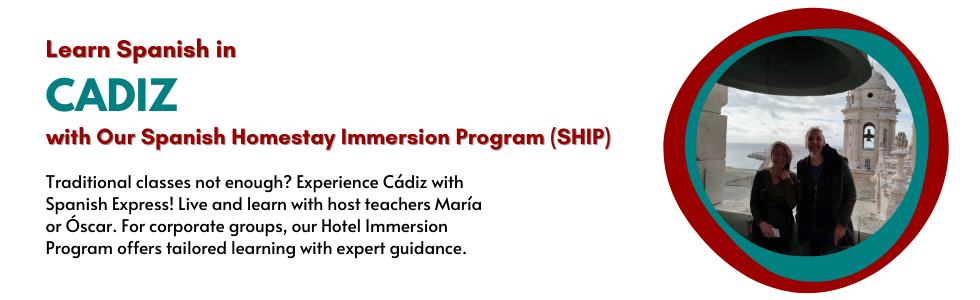
Cádiz: Sun, Sea, and Ancient Charm
Cádiz is one of the oldest cities in Europe, surrounded by golden beaches and a deep history. Wander through its old town, enjoy fresh seafood, and take in stunning ocean views. It’s the perfect blend of relaxation and culture.
Our SHIP host teachers in Cádiz open their homes to students, offering a real taste of Andalusian life. Experience local customs, improve your Spanish, and explore beyond the tourist spots. From beachside cafes to historical landmarks, there’s always something to discover.
Extremadura: Spain’s Hidden Treasure
If you love history, Spanish authorities have done an incredible job preserving the Roman ruins and medieval castles of Extremadura. With fewer tourists, it’s an ideal place for a quiet, culture-filled escape.
SHIP students in Extremadura live with host teachers and get to experience authentic Spanish traditions firsthand. You’ll visit ancient sites, taste local delicacies, and practice Spanish daily. It’s a unique way to enter Spain and see a lesser-known but beautiful part of the country.

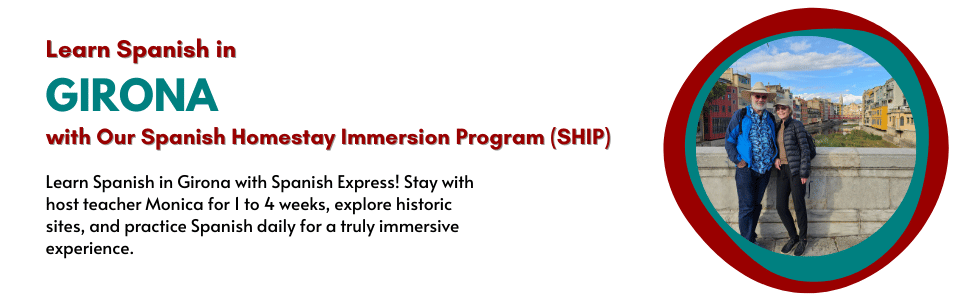
Girona: Fairytale Streets and Coastline
Girona is a stunning city with medieval walls, hidden gardens, and colorful riverside houses. Famous for its Game of Thrones filming locations, it’s a must-visit in Europe. Plus, the Costa Brava coastline is just a short trip away.
Through SHIP, students in Girona stay with host teachers and experience local life beyond the tourist routes. Enjoy authentic Catalan food, explore historic sites, and improve your Spanish naturally. It’s an unforgettable way to see Spain travelling beyond the usual hotspots.
Madrid: More Than Just the Capital
Madrid is a city full of life, history, and culture, making it the perfect place for a summer camp experience! From grand royal palaces to world-famous museums, every corner has something exciting to explore. Stroll through its lively streets, enjoy outdoor activities, and immerse yourself in the Spanish way of life.
At our Madrid Summer Camp, students enjoy an unforgettable mix of Spanish lessons, cultural excursions, and interactive workshops. Hosted in a dynamic environment, this program blends language learning with fun experiences, ensuring every student gains confidence while making new friends. Join us for a summer in Madrid, where learning Spanish becomes an adventure!

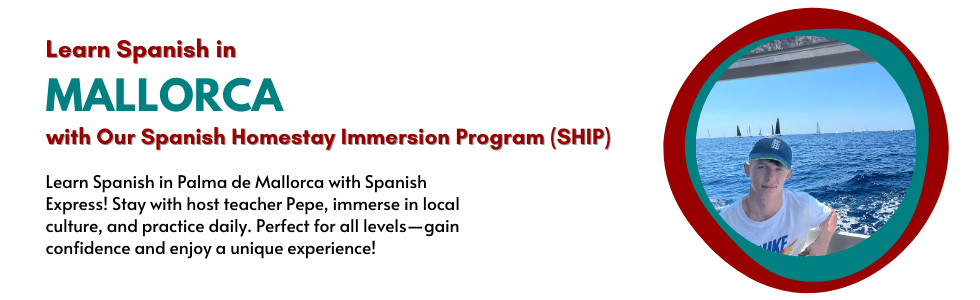
Mallorca: Island Life at Its Best
Mallorca is the ultimate escape with crystal-clear waters, charming villages, and stunning mountains. It’s more than just a beach destination—it’s full of history, great food, and hidden gems.
SHIP students here stay with host families who introduce them to island life. From learning about local customs to exploring the island’s breathtaking nature, it’s an immersive way to experience the Balearic Islands. The best part? You get to practice Spanish while living in paradise.
Murcia: Food, Festivals, and Sunshine
Murcia is a hidden gem, known for its amazing food, vibrant festivals, and sunny weather. It’s the perfect place to experience Spain’s rich culture without the crowds.
SHIP host teachers in Murcia offer a deep dive into Spanish life. Learn Spanish naturally while enjoying local specialties and taking part in city festivals. Whether you’re exploring historical sites or relaxing at a hotel, Murcia offers a true taste of Spain travelling.

Seville: Flamenco, Tapas, and History
Seville is the heart of Andalusia, where flamenco, Moorish palaces, and tapas create an unforgettable experience. Visit the Alcázar, explore hidden courtyards, and enjoy the city’s warm atmosphere.
SHIP students in Seville stay with host teachers who share their culture, language, and traditions. From visiting authentic restaurants toexperiencing local festivals, you’ll immerse yourself in the real Andalusian way of life. Seville’s charm makes it a must-visit for any traveler.

Valencia: Where Tradition Meets Modern Life
Valencia is a city of contrasts, blending futuristic architecture with historic streets. It’s home to the famous City of Arts and Sciences, lively markets, and the best paella in Spain.
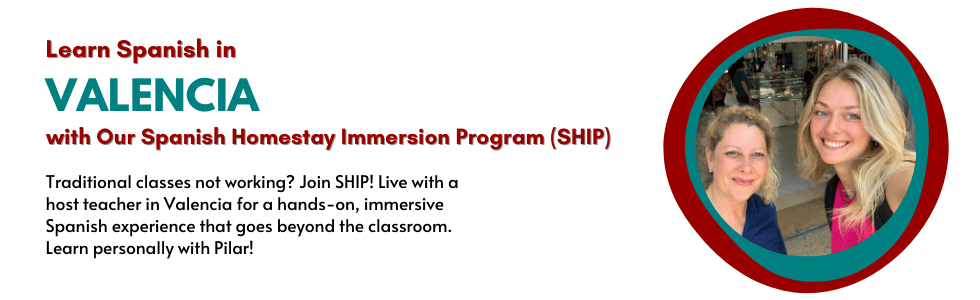
SHIP students in Valencia get the best of both worlds—learning Spanish with locals while exploring the city’s top spots. Whether it’s visiting museums or relaxing on the beach, this experience offers a deep cultural connection. Plus, Spanish authorities ensure its top attractions remain world-class for visitors to enjoy.
Get Ready for the Culture Shock!
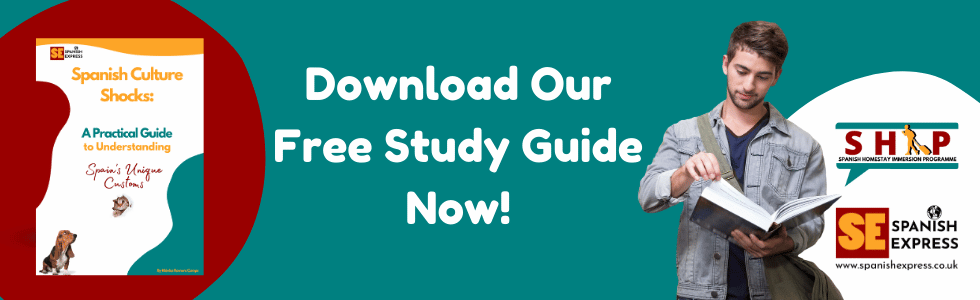
What’s Different in Spain?
Spain has its own rhythm, and it might surprise you! Shops in towns and villages often close for naps (siesta) in the afternoon, dinner happens late, and weekends are all about socializing. It’s normal for locals to spend hours chatting over meals in restaurants.
Tourists should also be aware of local rules—some cities have restrictions on things like public drinking and noise levels. Ignoring them could lead to heavy fines. If you’re unsure about the laws, it’s best to consult official sources before your trip. Knowing these little differences will help you blend in and enjoy Spain like a local.
Can You Get By Without Spanish?
In big cities and tourist areas, many people speak English, but don’t assume everyone does. Outside of major European Union destinations, you’ll find fewer English speakers. Learning a few basic phrases can go a long way in helping you navigate foreign places.
Knowing how to greet someone, ask for directions, or order food in Spanish will make your experience much smoother. It’s also a great way to connect with locals. Plus, showing effort—even if it’s just a simple “gracias” or “hola”—is always appreciated!
What Should You Eat First?
Spanish food is full of flavor, and every region has its own specialties. Tapas are a great way to try different dishes without committing to one big meal. In Valencia, you can’t miss paella, while in Seville, you should try gazpacho.
Be sure to ask locals for their recommendations—they know the best spots that aren’t packed with tourists. Keep in mind that meal times are later than in other Schengen countries, with lunch often starting at 2 PM and dinner around 9 PM. Take your time and enjoy the experience!
Which Festivals Are Worth the Trip?
Spain is home to some of the world’s most exciting festivals. La Tomatina, in Valencia, where thousands throw tomatoes at each other, is a must-see. Sant Jordi, celebrated on April 23rd, is Barcelona’s day of love and literature. The city fills with roses and books, honoring the legend of Saint George and Catalonia’s patron saint.
If you love cultural celebrations, Semana Santa (Holy Week) is an incredible experience with grand parades and traditions all over Spain. Festivals often attract huge crowds, so be mindful of security measures and keep your mobile phone and valuables safe while enjoying the fun.
What About the Logistics?
How Do You Get Around?
Getting around Spain is easy, but choosing the best option depends on your plans. Trains are fast and connect major European countries, making them ideal for long distances. Buses are cheaper and reach smaller towns, while rental cars give you the freedom to explore off-the-beaten-path places.
If you’re traveling between cities, high-speed trains (AVE) are the fastest option. For budget travel, long-distance buses are reliable and affordable. If you’re driving, check if you need an international driving permit and be aware of local road rules. Always carry a valid passport in case of checks.
Where Should You Stay?
From luxury hotels to budget-friendly stays, Spain has something for everyone. In big cities, staying in the city center makes sightseeing easier, but prices are higher. If you prefer a quieter experience, consider areas just outside the main tourist zones.
Short-term rentals are popular, but in some areas, there are restrictions on holiday apartments. Spanish authorities have introduced new rules in places like Barcelona and Madrid, so check before booking. If you’re looking for an authentic experience, staying with a Spanish Express SHIP host teacher lets you practice Spanish while experiencing local life.
Is Spain Safe? Here’s What to Know
Spain is generally safe, but like any popular destination, you need to stay aware. British citizens, American citizens and other tourists should be cautious of pickpockets, especially in crowded areas. Keep an eye on your belongings in public places like metro stations, markets, and busy streets.
Certain local laws may surprise you—drinking alcohol in unauthorized public places or not carrying identification can lead to heavy fines. Always keep a copy of your passport stamped entry page and know who to contact in case of an emergency. For official guidance, follow updates from the Spanish ministry and local authorities.
Want to Travel Sustainably?
If you love exploring but want to reduce your impact, Spain offers many eco-friendly options. Use public transport instead of renting a car, and choose local restaurants that support small businesses. Many hotels now focus on sustainability, offering green practices like reducing waste and using renewable energy.
Tourism plays a big role in Spain’s economy, but over-tourism can harm popular destinations. Be mindful of your footprint—respect local customs, avoid waste, and travel responsibly. If you need further information, always check official resources or consult local experts for sustainable travel tips.
Traveller Stories & Tips
Want to hear real experiences from students who joined our Spanish Homestay Immersion Program (SHIP)? Check out our SHIP Diaries Blog, where students share their adventures, cultural insights, and unforgettable moments.

What People Love About Spain
Spain has a way of making people fall in love with it. SHIP students often say their favorite part is the real connection they build with locals. From enjoying authentic meals in restaurants to exploring cultural traditions, staying with a host teacher offers a side of Spain most tourism misses.
Worried About Something? Let’s Fix That
Many first-time visitors worry about safety, local laws, or language barriers. But with the right preparation, Spain is easy to navigate. British citizens and American citizens should check entry rules, keep their valid passport handy, and be aware of local authorities’ guidelines. Need help? SHIP students always find support through their host teachers.
Before You Go… A Quick Recap
You’re almost ready to explore Spain! Before you go, here’s a quick checklist to keep things stress-free:
✔️ Valid passport (check expiration date)
✔️ Travel insurance that covers health and unexpected costs
✔️ Accommodation details and local emergency contacts
✔️ Enough cash and a card for payments
✔️ Basic Spanish phrases to make things easier
Double-check Spanish ministry updates for any last-minute regulations. Stay aware, enjoy every moment, and get ready for an amazing experience!
Make Your Trip Extra Special with SHIP
What if you could explore Spain and learn Spanish at the same time? With the Spanish Homestay Immersion Program (SHIP), you’ll stay with a host teacher, experience local life, and improve your Spanish naturally.
You won’t just visit Spain—you’ll live it. From sharing meals with locals to exploring hidden gems, this is more than just a trip. Want to hear real stories? Our past students loved their SHIP experiences, and you will too!
Ready to make your Spain adventure unforgettable? Contact us to Check out our SHIP programs and start your journey today!
