

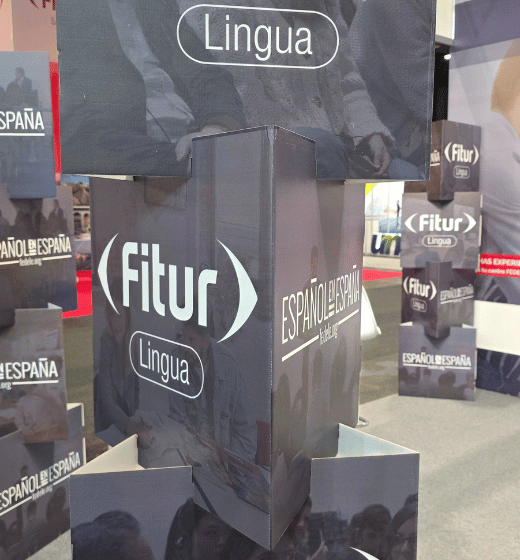
Attending FITUR Lingua was one of the most valuable and insightful experiences of my visit to FITUR. Since its creation in 2021, FITUR Lingua has been held as part of the International Tourism Fair and has positioned itself as a key international meeting point for professionals, educational institutions, destinations, and companies involved in language tourism, and experiencing it in person made its growing relevance unmistakably clear.
FITUR Lingua was conceived as a specialised space entirely dedicated to language tourism, developed in collaboration with FEDELE (Spanish Federation of Schools of Spanish as a Foreign Language). Quality standards in education are ensured by bringing together accredited schools like FEDELE members. Throughout the event, one core message stood out: language is no longer just an educational product. It is a strategic driver of tourism, cultural exchange, and sustainable economic development.
From the moment I entered the FITUR Lingua area, it became evident that language tourism has evolved far beyond traditional classroom-based learning. Today, it represents a comprehensive travel experience where education, culture, lifestyle, and local engagement come together to create long-lasting value for both international students and host destinations. The new edition of FITUR Lingua will take place on January 22, 2026, at IFEMA MADRID, continuing the event’s evolution with new content and strategic discussions.
FITUR Lingua’s research-driven approach uses initial data to analyze student motivations and enhance service quality, further supporting the sector’s growth and innovation.
Introduction to Language Tourism
Language tourism has rapidly emerged as a fundamental pillar within the tourism industry, offering international students and travelers a unique blend of cultural and educational experiences. At its core, language tourism involves journeying to a foreign country to learn a new language, but it extends far beyond the classroom. Participants immerse themselves in local customs, traditions, and daily life, making language learning a truly holistic adventure.
This sector has seen remarkable growth as more destinations recognize the value of linking language learning with tourism. Educational projects and academic mobility initiatives have become key drivers, attracting students from around the world who seek not only to master a foreign language but also to engage deeply with the host culture. For tourism professionals, language tourism represents an exciting opportunity to diversify offerings and create meaningful, long-lasting connections between visitors and destinations.
Events like FITUR 2026 underscore the increasing importance of language tourism within the international tourism trade. By bringing together industry experts, educational institutions, and tourism professionals, these gatherings foster dialogue on the latest trends, challenges, and opportunities. As language tourism continues to evolve, it remains a vital component of the global tourism landscape, enriching both travelers and the communities that welcome them.
FITUR Lingua 2026: Language as a Multiplier Effect for Tourism
The central theme of this edition, “Language as a multiplier effect for tourism,” perfectly framed the discussions, presentations, and debates held throughout the programme. FITUR Lingua 2026 explored in depth how language, language education, and the cultural transfer associated with them can promote not only language tourism itself, but also a wide range of complementary tourism products. A dedicated tourism debate served as a focused discussion on the role of language and education in tourism development, highlighting their influence on industry trends and destination marketing.
A recurring idea across all sessions was that language tourism rarely exists in isolation. Instead, it acts as a gateway to discovering a destination in a deeper and more meaningful way. Place language was discussed as a key driver of tourism and destination marketing, with gastronomy, heritage, cultural festivals, creative industries, and even urban development projects highlighted as key elements that enhance the language immersion experience.
Speakers repeatedly emphasized that destinations capable of integrating language learning with authentic cultural and social experiences are far better positioned to attract international students. The importance to link language learning with tourism development was underscored as a catalyst for fostering international mobility and cultural exchange. This holistic approach was presented as one of the main reasons why language tourism continues to grow and diversify globally. Language was described as a determining factor in shaping tourist motivations and destination choices.
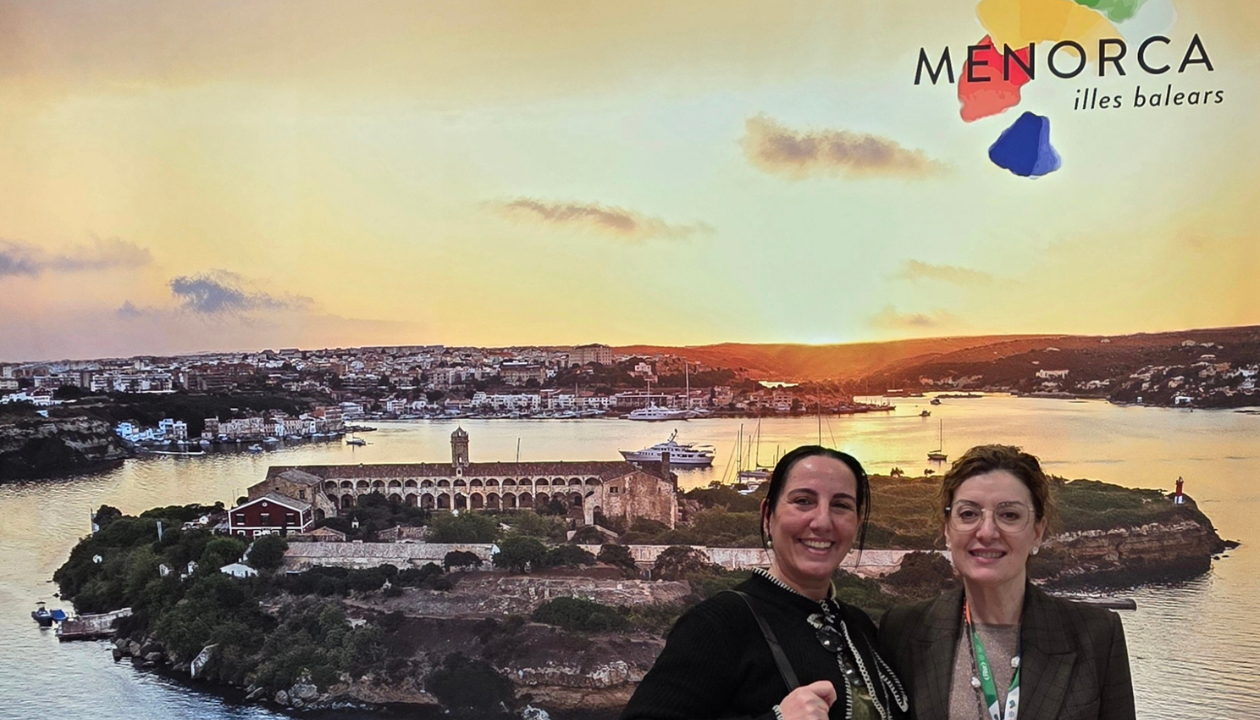
I had the pleasure of visiting my colleagues and friends at the Balearic Islands stand, especially those from Menorca, which I am very proud to present to the world through our Spanish Homestay Immersion Programme (SHIP): “Live and study Spanish in your teacher’s home in Menorca, Spain.”
It was a pleasure to attend the visit to the Menorca stand organized by Turismo Menorca and Consell Insular Menorca within the Balearic Islands’ main stand, and to discuss the latest tourism and education trends in my native island of Menorca.
Language Immersion Beyond the Classroom
One of the most compelling aspects of FITUR Lingua was its focus on language immersion beyond formal education. Numerous conferences highlighted how real learning happens through daily life: interacting with locals, participating in cultural activities, navigating the city, and engaging with the host community. These immersive opportunities contribute to a richer cultural and educational experience, making destinations more appealing and authentic for visitors.
These informal experiences were identified as decisive factors not only for language acquisition, but also for student satisfaction and emotional connection with the destination, further enhancing the overall educational experience for students. Language immersion, therefore, was presented as a transformational journey rather than a short-term academic stay.
This perspective reinforced the idea that language tourism is a strategic tourism segment, capable of generating repeat visits, long-term loyalty, and strong international ambassadors for destinations.
A Mature and Consolidated Language Tourism Sector
FITUR Lingua clearly demonstrated that the language tourism sector has reached a stage of maturity and consolidation. Spain, in particular, was frequently referenced as a leading destination thanks to its strong educational infrastructure, international reputation, and extensive experience in hosting language students. A study developed to analyze the sector’s evolution and student motivations further supports Spain’s leadership and highlights the factors driving its continued success.
However, maturity also brings new challenges. Today’s students are highly informed, digitally connected, and increasingly selective. They are no longer satisfied with standardised programmes and instead seek unique, personalised, and high-quality experiences aligned with their academic, professional, and personal motivations. The current tourism context is marked by increased demand for authentic and sustainable experiences, reflecting how the current tourism context is shaped by evolving traveler motivations and expectations.
Throughout the event, experts highlighted how student expectations now include:
- Tailor-made educational programmes
- High-quality and accessible accommodation
- Cultural and leisure activities integrated into learning
- Authentic interaction with local communities
- Clear added value beyond language acquisition
Meeting these expectations requires continuous innovation from schools, destinations, and tourism professionals operating in an increasingly competitive global market.
More Time for Strategy, Development, and Networking
One of the most appreciated improvements in this edition of FITUR Lingua was the additional time dedicated to content development, networking, and in-depth discussion. This allowed for more meaningful exchanges between professionals and a deeper exploration of the challenges and opportunities facing the sector. The event also featured hosting conferences and debates alongside areas dedicated to tourism knowledge, providing dedicated spaces for strategic discussions and industry insights.
Rather than focusing solely on promotion, FITUR Lingua positioned itself as a platform for strategic thinking and long-term planning. The event showed a clear commitment to strengthening language tourism not only as a market, but as a sustainable model for tourism development. In addition, expert forums were included to discuss trends in language tourism and learner motivations.
Trade Fair Opportunities and Language Tourism
The international tourism trade fair, FITUR 2026, stands out as a premier event for language tourism professionals seeking to expand their reach and impact. As a dynamic meeting point for institutional representatives, tourism boards, and industry professionals from across the globe, FITUR 2026 offers unparalleled opportunities to connect, collaborate, and innovate within the tourism sector.
Language tourism providers—ranging from Spanish schools and tour operators to travel agencies—can leverage the trade fair to showcase their unique services, discover emerging industry trends, and forge strategic partnerships. The event’s focus on innovation, sustainability, and cultural exchange ensures that participants are exposed to the latest developments shaping the future of language tourism.
For those looking to stay competitive in the international tourism trade, FITUR 2026 is an essential platform. It enables tourism professionals to engage in meaningful dialogue, explore new business models, and position themselves at the forefront of a rapidly evolving sector. By participating in this influential trade fair, language tourism stakeholders can ensure they remain relevant and responsive to the changing needs of international students and travelers.
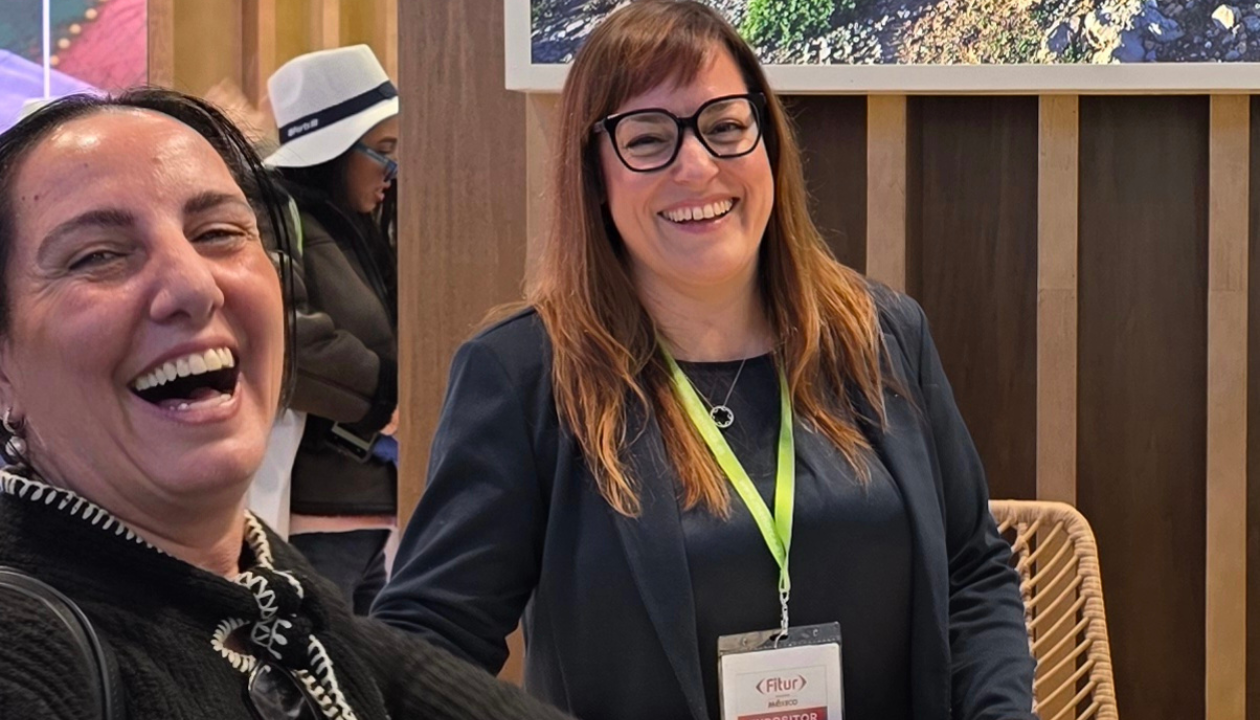
During FITUR 2026, I had the opportunity to reconnect with colleagues and friends at the Balearic Islands stand, with a special mention to the team from Menorca, my home island. I am especially proud to promote Menorca internationally through our Spanish Homestay Immersion Programme (SHIP): “Live and study Spanish in your teacher’s home in Spain.”
I also enjoyed attending the visit to the Menorca stand organized by Turismo Menorca, where I discussed current tourism and education trends shaping the island, while also sharing some great laughs with friends and colleagues — because in Menorca, we always make time for a smile.
Key Conferences and Strategic Insights from FITUR Lingua
New Profile of the Language Tourist: Belonging Groups and Motivations
This conference offered a detailed analysis of the new profile of the language tourist, supported by up-to-date research and sector data. Early findings from the 2025 FEDELE Sector Report, based on initial data that informed the research, were presented alongside insights from a study on students of Spanish in Spain, developed in collaboration with the University of Seville.
The session explored how motivations have diversified and how belonging groups influence decision-making. Factors such as age, lifestyle, professional goals, cultural interests, and travel behaviour were shown to play a crucial role in shaping the language tourism experience.
The participation of representatives from other foreign languages added a valuable international perspective, highlighting differences between language tourism models and reinforcing the importance of flexible and inclusive strategies.
The Impact of the Real Estate Sector on Attracting International Students
Housing emerged as one of the most critical topics discussed at FITUR Lingua. The presentation of the study “The Impact of Real Estate on the Attraction of International Students” offered a clear and current overview of how accommodation availability, quality, and affordability directly influence students’ decisions when choosing a destination.
This session made it evident that the growth of language tourism is closely linked to access to suitable housing. Without safe, affordable, and well-located accommodation, destinations risk losing competitiveness, regardless of the quality of their educational offerings.
The discussion highlighted the need for collaboration between educational institutions, local authorities, and the real estate sector, emphasizing the property sector’s significant role in shaping destination competitiveness. By involving the property sector in developing sustainable solutions, both students and local communities can benefit, strengthening Spain’s position in the global educational and language tourism markets.
New Educational and Tourism Experiences for a More Demanding Student
Innovation took centre stage in this block, which focused on new educational and tourism experiences designed for a more demanding student profile. Speakers discussed initiatives such as:
- New urban development projects linked to education, including city developments and new city developments that enhance the attractiveness of destinations
- Experiential learning through culture, creativity, and local industries
- International collaborations and exchange programmes
- Integrated models combining language learning with tourism experiences
Innovation in language tourism is also taking place in emerging destinations, where new approaches and opportunities are being explored.
Contributions from professionals working with languages other than Spanish added further depth, demonstrating how innovation in language tourism is taking place globally.
Educational Projects and International Collaboration as Drivers of Tourism
This session focused on the importance of promoting Spanish abroad as a tool for increasing awareness of Spain as a language tourism destination. Educational projects and international collaboration, supported by institutional alliances and international federations, were presented as essential drivers of tourism growth and cultural exchange.
Speakers emphasized how long-term partnerships, institutional cooperation, and cultural diplomacy—often involving Spanish associations such as FEDELE and the Instituto Cervantes, as well as the Directorate General for Spanish in the World—play a vital role in attracting international students and fostering sustained interest in language immersion experiences.
New Strategies for Language Tourism
The final conference brought together invited speakers, industry experts, and representatives from tourism departments to discuss new strategies for language tourism. This session also marked the fifth anniversary of the Federation’s international congress, adding a reflective and forward-looking dimension to the debate.
A key conclusion was the urgent need to develop a coordinated national strategy for language tourism, involving schools, tourist regions, different destinations, and public institutions. Such an approach was widely seen as essential to ensure sustainable growth, shared objectives, and Spain’s continued leadership in the global language tourism market. Tourist destinations play a central role in the sustainable growth of language tourism, serving as key places that attract travelers and support local communities.
The Benefits of FITUR Madrid
As the host of the renowned international tourism trade fair, FITUR Madrid offers a wealth of benefits for language tourism professionals. The event serves as a vibrant hub where industry experts gather to exchange knowledge, attend thought-provoking debates, and explore the latest advancements in language tourism. With a strong emphasis on accessible and inclusive tourism, FITUR Madrid champions the role of language tourism in building a more diverse and sustainable tourism sector.
One of the standout features of FITUR Madrid is its array of networking sessions, which provide invaluable opportunities for attendees to establish new partnerships, collaborate on innovative educational projects, and promote their services to a global audience. The sixth edition of FITUR Lingua has further cemented the event’s reputation as an essential space for language tourism professionals to share success stories, discuss industry trends, and shape the future direction of the sector.
By participating in FITUR Madrid, language tourism providers gain access to a dynamic environment where they can learn from peers, stay ahead of industry developments, and contribute to the ongoing evolution of the tourism sector. The event’s commitment to fostering inclusive tourism and supporting educational initiatives makes it a must-attend for anyone looking to thrive in the competitive world of international language tourism.
Why FITUR Lingua Matters for the Future of Tourism
My experience at FITUR Lingua confirmed that language tourism is no longer a niche segment. It is a high-impact tourism model capable of generating economic value, cultural exchange, and long-term destination loyalty. FITUR Lingua’s unique commitment to advancing language tourism was evident through its dedication to creating impactful, innovative programs and partnerships that drive the sector forward.
Language acts as a multiplier effect: students who travel to learn a language often become repeat visitors, brand ambassadors, and long-term advocates for the destination. The importance of international relations in fostering tourism growth was highlighted, as educational and cultural exchanges lay the foundation for international cooperation and academic mobility. FITUR Lingua successfully demonstrated how education and tourism can align to create meaningful, sustainable experiences.
As the tourism industry evolves, addressing challenges such as sustainable water management is essential to ensure responsible growth and environmental stewardship.
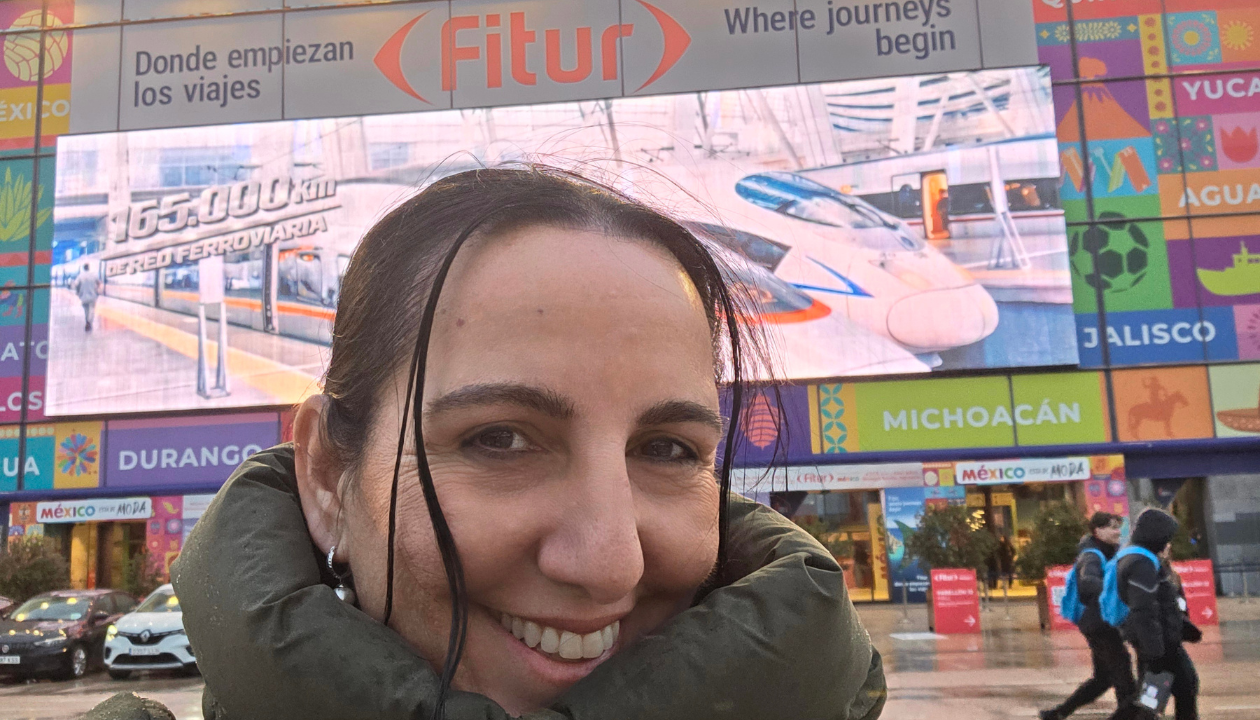
Reflections on FITUR Lingua
Visiting FITUR Lingua was both inspiring and highly informative. The event showcased how language tourism continues to evolve in response to changing student expectations, global mobility, and the growing demand for authentic experiences, with special emphasis on promoting magical towns as unique destinations alongside other cultural attractions.
Language has firmly established itself as a bridge between education, culture, and tourism. FITUR Lingua proved that, when strategically developed, language tourism can deliver powerful benefits for students, professionals, destinations, and local communities alike. The event also highlighted initiatives to promote accessible tourism, recognizing the importance of inclusivity and removing barriers for all participants.
For anyone involved in language education, tourism development, or international student mobility, FITUR Lingua stands out as an essential platform for understanding current trends and preparing for the future of the sector. The organization of the event at Feria de Madrid included optimizing visitor flows to enhance the experience and maximize engagement across different zones. Additionally, the wide range of language courses presented at the event underscored their role as a key component of language tourism and educational mobility.
FITUR Lingua as a Global Reference for Language Tourism
As FITUR Lingua shows, language tourism today is built on real immersion, culture, and human connection. For professionals and students alike, Spanish is not only a subject but a tool for communication and international experience.
That is why our Spanish Homestay Immersion Program (SHIP) is designed for learners and professionals who want to live Spanish, not just study it.

With SHIP, you live in your teacher’s home, practise Spanish daily in real situations, and follow personalised one-to-one lessons focused on language, culture, and communication.
Many students, educators, and professionals have already chosen SHIP to experience Spanish beyond the classroom and connect deeply with Spanish life.
For personalised guidance, you can contact our founder directly:
Mónica Romero
Founder and Director, Spanish Express
📞 Phone / WhatsApp: +44 7903 867894
📧 Email: monicaromero@spanishexpress.co.uk
