
Spain boasts over 5,000 kilometres of coastline. These Spanish coasts are found along the Mediterranean Sea and the Atlantic Ocean. The Spanish coast map divides them into scenic stretches, such as the Costa Brava, Costa del Azahar, and Costa de la Luz. Each stretch of the Spanish mainland’s coastline offers its own charm, from hidden coves to wide sandy beaches. Many of these beautiful coastal areas lie near Spanish Homestay Immersion Program (SHIP) destinations like Barcelona, Valencia and Cádiz.
These major cities allow you to study Spanish near the sea. Picture living with a host teacher and practicing Spanish daily. You can enjoy Spain’s sunny beaches and coastal charm during your free time. Whether you choose the Costa del Maresme, Costa Brava, Costa Dorada or Costa del Azahar, each Spanish coast is a natural classroom. Explore the Spanish coasts map and see what makes each region unforgettable.
Catalonia’s Coastline: Costa Brava and Costa Dorada
The Wild Coast of Costa Brava
In northeastern mainland Spain lies the Costa Brava. This part of the Mediterranean coast features rugged cliffs, pine forests, and tiny hidden coves. Costa Brava means “Wild Coast,” a literal translation of its dramatic and unspoiled nature.
Located near Barcelona and Girona, it’s a cornerstone of Spanish tourism. Cities like Tossa de Mar and Lloret de Mar are classic beach escapes. Tourists flock here for the turquoise waters and charming old towns. This very popular area combines nature with a deep cultural history.
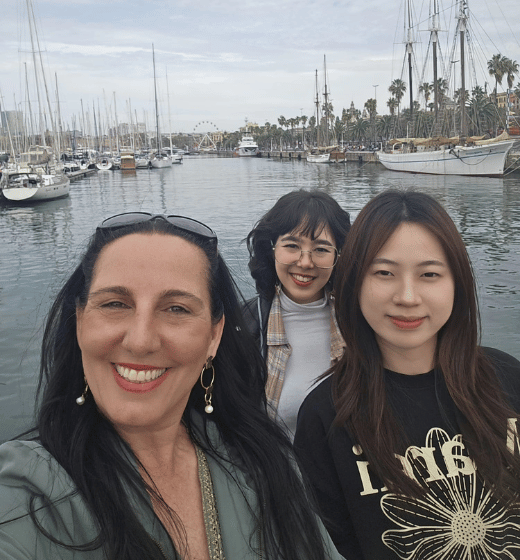
Whether sunbathing or walking coastal trails, the Costa Brava is one of the most scenic Spanish coasts. From Tossa de Mar to Cadaqués, students in our SHIP homestay program in Barcelona can explore this warm coast on day trips. The Costa Brava remains a key part of any Spanish coast’s map.
The Golden Beaches of Costa Dorada
Just south of the Costa Brava is the Costa Dorada, also known as the “Golden Coast.” The name comes from its long, golden sandy beaches. Costa Dorada stretches along the eastern coast and is known for family-friendly shores and warm weather.
Salou, Tarragona, and Cambrils are popular stops along this coast. Tarragona, a major historical hub, blends Roman ruins with a beach lifestyle. Thanks to its proximity to Barcelona, Costa Dorada is easy to access via train or car.
Costa Dorada remains a highlight of the Spanish coasts map and a symbol of Mediterranean relaxation.
The Local Gem: Costa del Maresme
Nestled just north of Barcelona lies the often-overlooked yet incredibly accessible Costa del Maresme. Stretching between Barcelona and the southern end of the Costa Brava, this stunning Mediterranean coast offers a seamless blend of urban convenience and coastal charm.

Costa del Maresme is home to a string of delightful seaside towns like Calella, Arenys de Mar, and Sant Pol de Mar. It’s known for its broad sandy beaches, relaxed lifestyle, and proximity to the capital city of Catalonia. The warm weather and mild Mediterranean climate make it ideal for beach life year-round.
What truly sets Costa del Maresme apart is its authenticity. Far from the overcrowded tourist hotspots, it offers a peaceful rhythm of life. Local markets, traditional restaurants, and palm-lined promenades give you a true taste of Spanish living.
Through Spanish Express’s SHIP program in Barcelona, the Costa del Maresme becomes your personal language learning haven. Mornings are spent learning Spanish with your host teacher. Afternoons may take you to a quiet beach or a bustling local festival in a nearby coastal town.

It’s the best of all worlds – coastal beauty, cultural depth, and quick access to one of Spain’s major cities. Costa del Maresme is more than a location; it’s an experience. For those seeking genuine immersion and Mediterranean comfort, this coast is the ultimate SHIP destination.
Valencia and the Costa del Azahar
Discovering the Orange Blossom Coast
Moving down Spain’s eastern coast, we reach the Costa del Azahar. Also called the “Orange Blossom Coast,” it lies in the Valencian Community. This warm coast features fragrant orange groves, peaceful beaches, and relaxed tourism.
Valencia, one of Spain’s major cities, is at the heart of this region. Famous as the birthplace of paella, it combines food, beach, and tradition. Students in our SHIP homestay program can enjoy both the Mediterranean coast and inland excursions.

Hidden Gems and Peaceful Beaches
The Costa del Azahar isn’t overdeveloped. It’s ideal for cycling, hiking, and seaside strolls. Destinations like Cullera and Castellón offer authentic coastal life. The area’s warm weather and mild winters make it suitable for immersion year-round.
From exploring rice fields in Albufera Natural Park to swimming at La Malvarrosa beach, the experience is immersive. Costa del Azahar truly belongs on every Spanish coasts map.
Nearby, the Costa Blanca and Costa Cálida also attract those looking for golden shores and coastal charm. These regions stretch south toward Murcia and Alicante, where the Mediterranean coast remains serene and inviting.
Andalusia and the Costa de la Luz
Coast of Light Along the Atlantic
In southern mainland Spain lies the Costa de la Luz, or “Coast of Light.” This Atlantic coastline includes Cádiz, Tarifa, and Huelva. Unlike the Mediterranean, this part of the Spanish mainland faces the Atlantic Ocean.
Costa de la Luz offers vast golden beaches, pine forests, and vibrant local traditions. Tarifa is world-renowned for kitesurfing, while Bolonia Beach features Roman ruins hidden in dunes. This warm coast has a raw, natural feel.
Cádiz and Weekend Excursions
Cádiz, one of Europe’s oldest cities, is a cultural gem on the Spanish coast. It combines history, sea views, and warm southern hospitality. SHIP students in Cádiz can take weekend trips to the Costa de la Luz. Even from inland Seville, beaches are just over an hour away.
Nearby, Puerto Banús and Málaga Airport provide access to the Costa del Sol. Though not a main SHIP base, this golden stretch of the Spanish coastline is known for luxury and leisure. It connects beautifully with other southern coasts like the Costa Cálida.
Whether staying near Cádiz or exploring Huelva, this coast exemplifies the diversity of Spanish costas.
Spain’s Island Coastlines: Canary and Balearic Islands
Beyond the Spanish mainland, the islands offer unique coastal charm. The Canary Islands lie off the Atlantic coast of Africa. They include Tenerife, La Palma, El Hierro, and La Gomera amongs others. These islands boast volcanic beaches and a subtropical climate.
In the Mediterranean, the Balearic Islands include Mallorca and others. Their beautiful beaches, scenic cliffs, and vibrant culture make them a cornerstone of Spanish tourism. Though not the main SHIP destinations, they are perfect for side trips and extended travel.
Both archipelagos hold places of pride on the Spanish coasts map and feature in any full view of Spain’s coastline diversity.
Immersing in Coastal Spanish Culture
Spain’s coastlines are more than beautiful scenery. They are dynamic learning environments. Each costa has its own dialect, cuisine, and customs. From the Costa Brava in the north to the Costa del Sol in the south, Spain’s costas are rich with culture.
With the Spanish Homestay Immersion Program (SHIP), students learn not just vocabulary, but lifestyle. Practicing the Spanish word for weather while enjoying warm coastal days becomes second nature. Whether you’re strolling a promenade or helping cook a local meal, immersion is complete.
Other coasts like Costa Blanca, Costa Cálida, Costa Verde, and Costa Vasca also offer distinct experiences. Each deserves a place on your Spanish costas map. From the Basque Country to Murcia, from the Mediterranean Sea to the Atlantic, the diversity is endless.
Explore these coastlines with a Spanish costas map in hand. Let the language and lifestyle of Spain shape your journey. Your coastal experience in this European country, bordered by France and filled with major cities, will be one to remember.
You can explore more real immersion experiences here:
👉 SHIP Stories of Our Previous Students
For personalised guidance and programme details, you can contact our founder directly:
Mónica Romero
Founder and Director, Spanish Express
📞 Phone / WhatsApp: +44 7903 867 894
📧 Email: monicaromero@spanishexpress.co.uk