

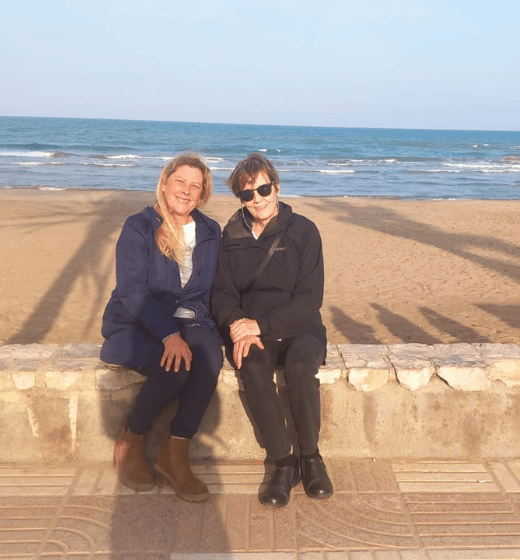
Some places feel close to home very quickly, and Port Saplaya is one of them for me. Whenever I bring students here from Valencia, I see the same reaction: first, they slow down, then they reach for their cameras, and then they ask where we can stop for horchata. It has the sea, colorful houses, a peaceful marina, and that relaxed holiday atmosphere that makes even a simple walk feel special.
I’m Pilar, your teacher in Valencia, and through the Spanish Homestay Immersion Program (SHIP), students don’t just study Spanish with me. They live in my world, learn through real conversations, share local routines, and experience places like Port Saplaya with someone who knows how locals actually enjoy them.
A short history of Little Venice
Port Saplaya belongs to the municipality of Alboraya, about 4 to 5 kilometers north of Valencia city center, although many people say it is around 10 kilometers from Valencia, depending on the route. Because of that, it is perfect for a relaxed day trip.
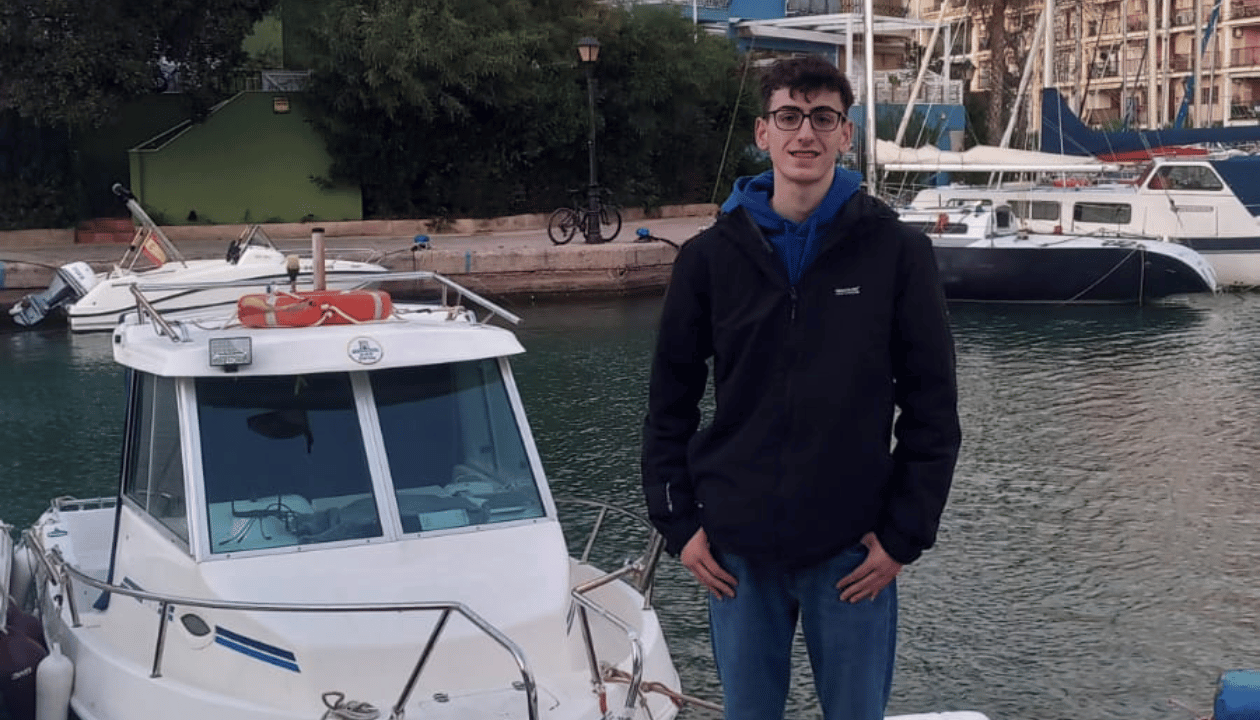
The village became known for its interior harbor, where seawater flows between homes. Residents can park boats right outside their houses, which is why Port Saplaya is often called Spain’s little Venice.
However, it is not trying to be Venice. It has its own Valencian character, with terracotta, ocher, and red facades, hidden plazas, shaded squares, and pedestrian walkways instead of normal streets.
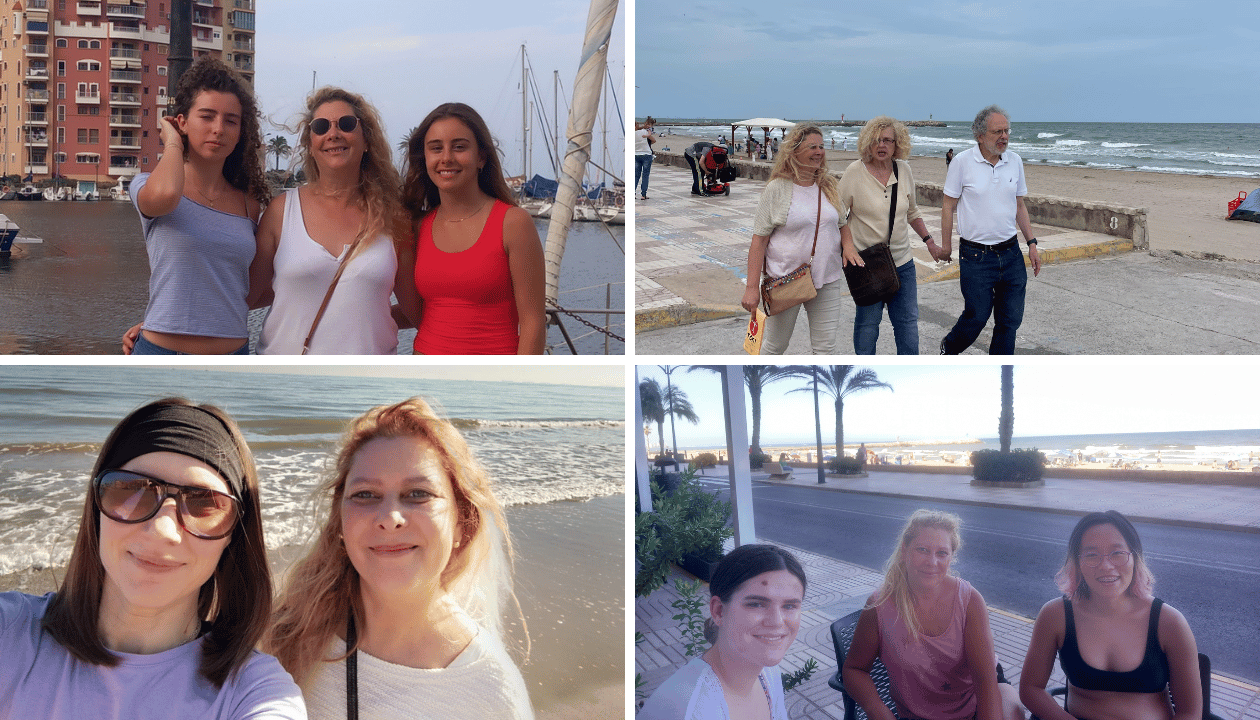
When I brought Elisha here, we spent a long time near the harbor entrance, watching the reflections of the houses on the water. He told me it felt like a secret corner of Spain, and I still remember that comment because it was exactly right.
Why visit Port Saplaya from Valencia
When you visit Port Saplaya, you are just a stone’s throw from Valencia, yet the rhythm feels completely different. It is a stone’s throw from the busy city, but it gives you space to breathe.
By car, the journey from Valencia takes around 15 minutes. You can also use public transport, including bus lines L112A and L112B, which usually take about 40 to 60 minutes from Valencia. A single bus or metro ticket costs about 1.50 EUR, and 6 tickets cost around 5 EUR.
Some students prefer to take a taxi, especially if they want an easy afternoon by the water. Others like to rent a bike, because cycling routes connect Port Saplaya with Valencia, Patacona beach, and other nearby beaches.
When I went with Sarah, we took the bus and used the ride as Spanish practice. It felt much better than a normal school activity because every word had a real purpose.
Two beaches and a quieter coast
Port Saplaya has two beaches, Puerto Saplaya Norte and Puerto Saplaya Sur, separated by the harbor entrance. The main beach is just under 1.5 kilometers long, with soft sand and enough room to relax.
Compared with Malvarrosa, this beach is often quieter, especially outside the busiest summer hours. That is one reason I like to bring students here when they want a coastal day without feeling surrounded by too many tourists.
The beaches have practical services, including lifeguards, sunbeds, umbrellas for rent, showers, toilets, and changing rooms. So, it is easy to take a dip, swim, and spend several hours comfortably by the water.
In summer, Port Saplaya also offers activities such as outdoor cinema and surf classes. Visitors can also enjoy sailing classes and kayak rentals at the Port Saplaya Nautical Club.
When I brought Rebecca here, we planned only a short visit, but we ended up staying longer because the beach felt calm and easy. That is what often happens in Saplaya.
Walk, wander, and enjoy the canals
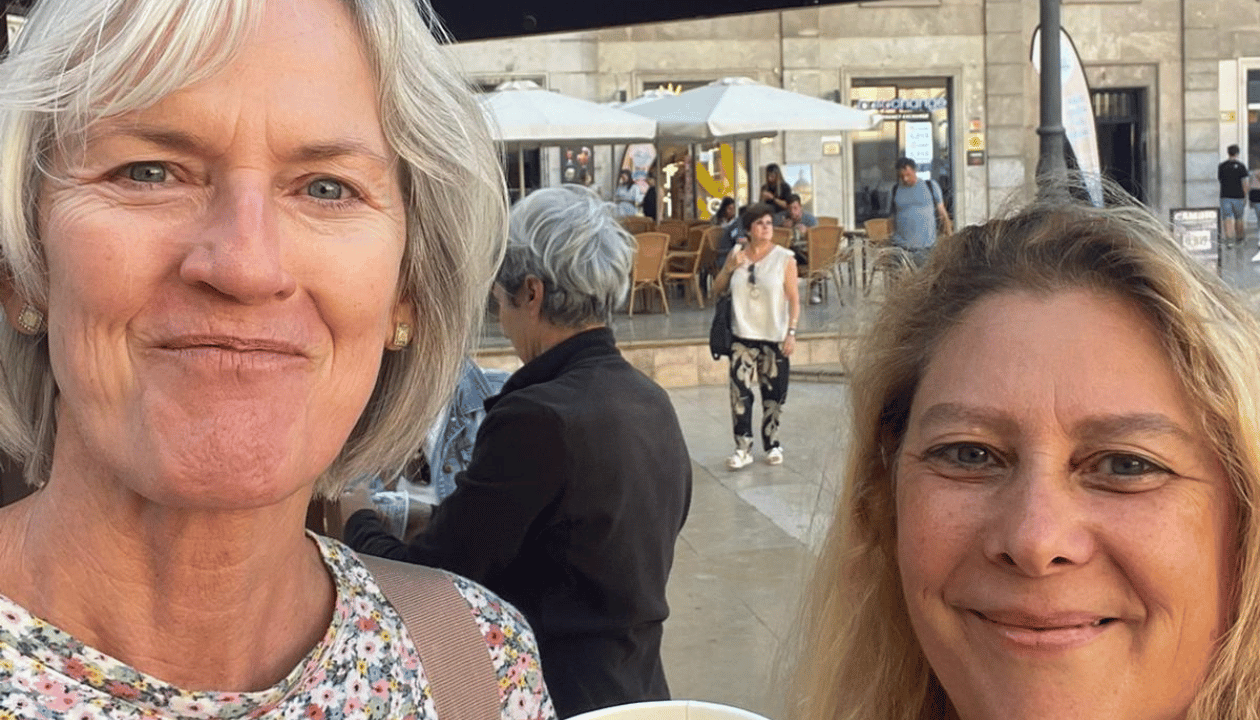
After the beach, I always suggest a slow walk through Saplaya. The village is pedestrian-friendly, with irregular alleyways, shaded squares, and small corners where you hear local Spanish from balconies and terraces.
The colorful houses make this one of the best places near Valencia for photos. The canals, bridges, yachts, and bright facades create a very photogenic setting.
Apparently, many people come only for the canal view, but I think the real charm appears when you wander without a plan. You may find a quiet corner, a small park, or a hidden walkway connected to another square.
With Sheila, we walked slowly after horchata and stopped many times because every little view seemed worth noticing. She loved how peaceful it felt, even though Valencia was so close.
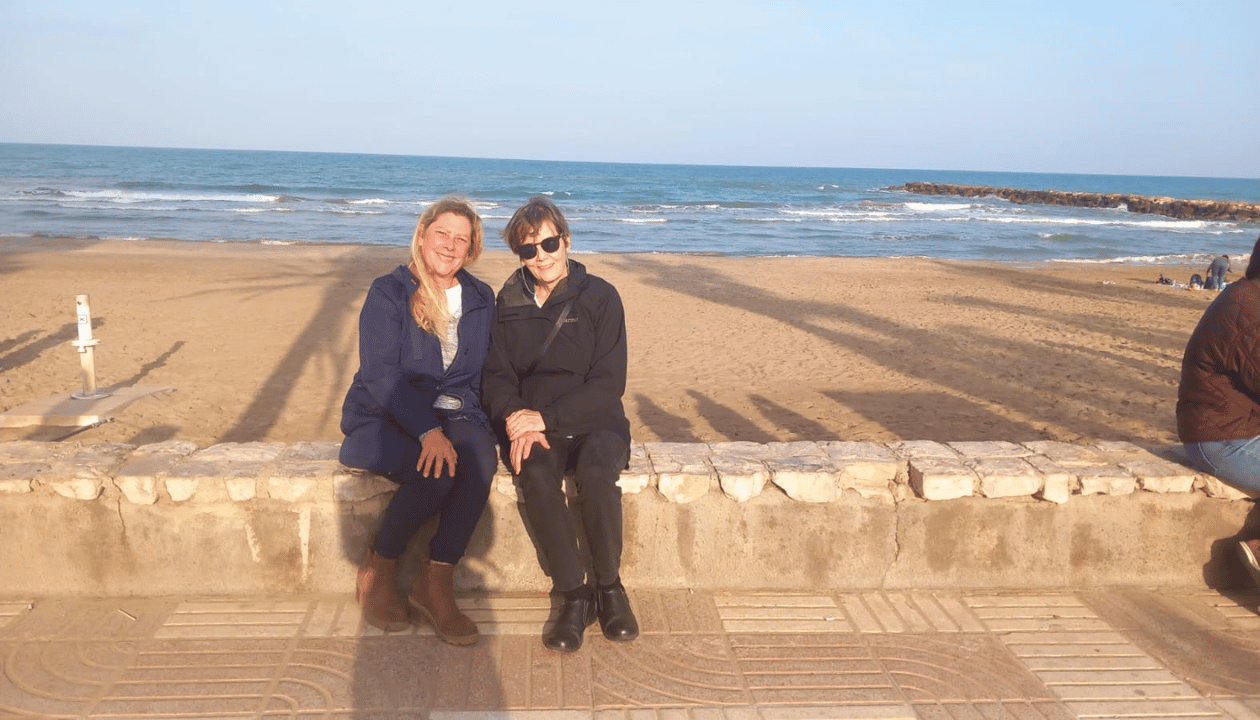
Because the local climate allows year-round living and tourism, Port Saplaya is not only a summer place. You can discover its charm in many seasons.
Where to eat, drink, and pause
Food is part of the experience here. The restaurants around the marina and beach serve traditional Spanish dishes like paella, but you can also find Italian and Lebanese food.
A typical Menu del Día costs around 20 EUR and usually includes a starter, main course, dessert, or coffee, bread, and sometimes a drink. For the price, it is a generous meal, especially if you want to eat well near the water.
I often tell students to order slowly and listen carefully. You learn so much Spanish from a menu, a waiter, and a real conversation at lunch.
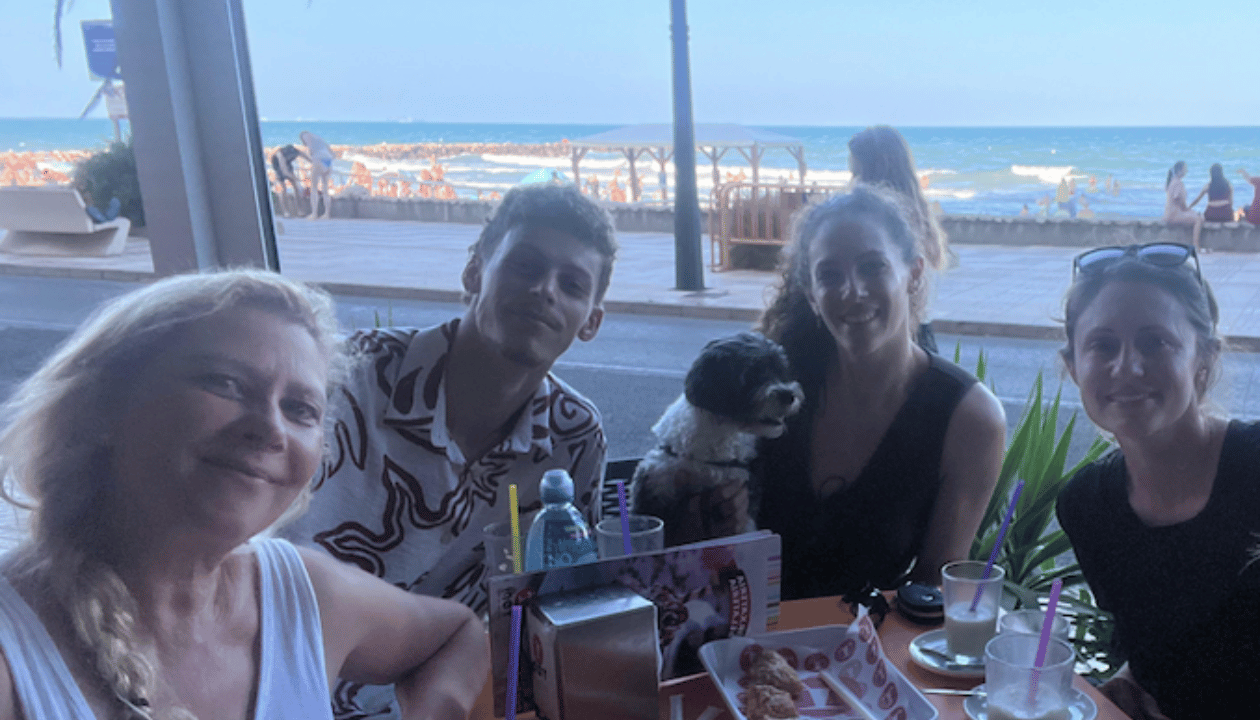
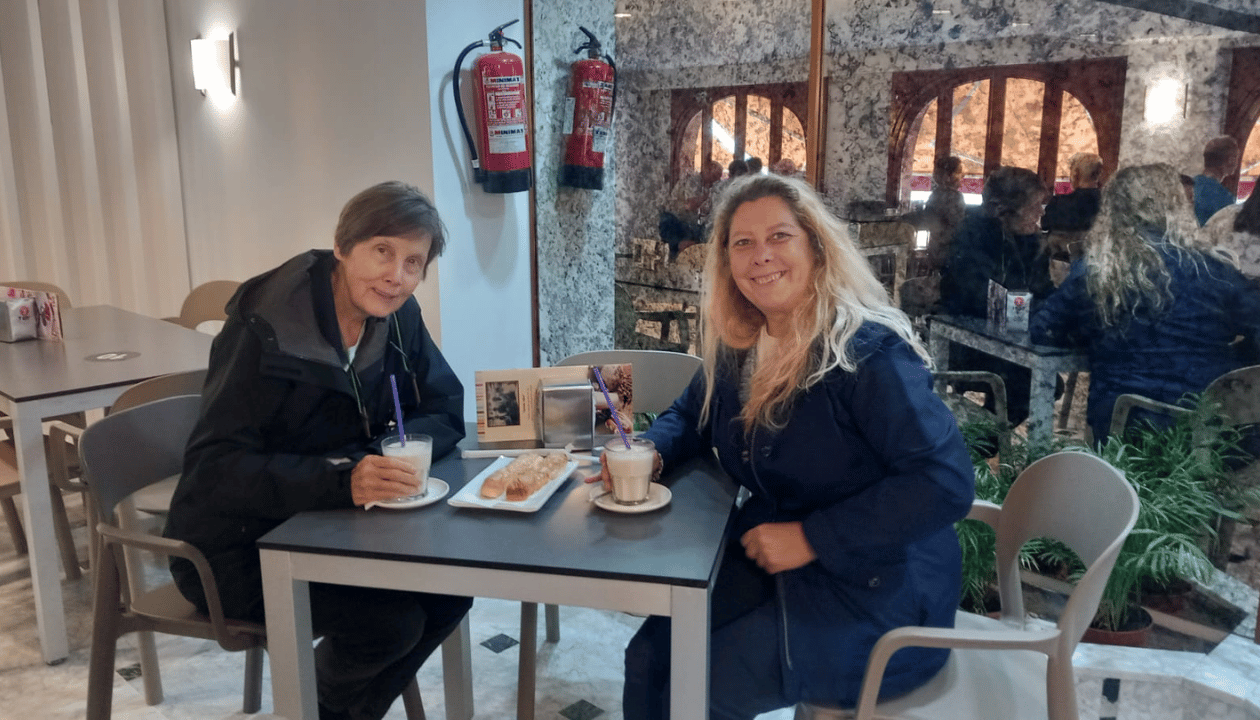
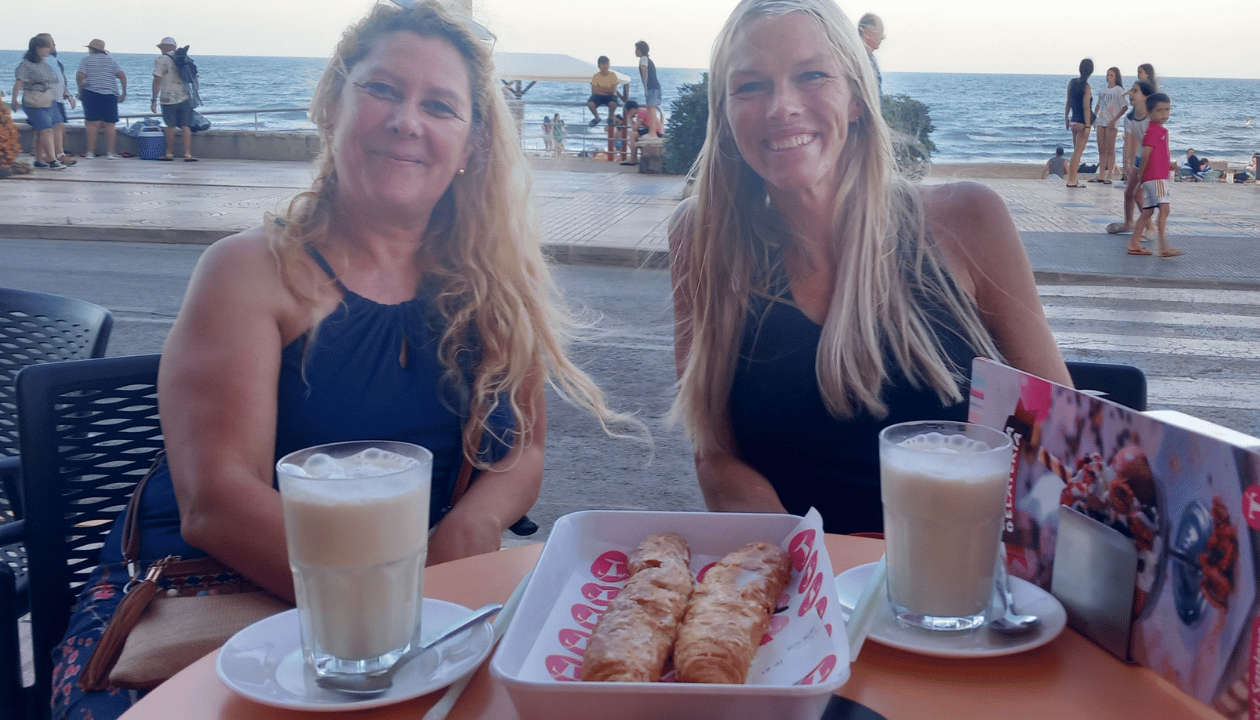
Of course, in Alboraya you should try horchata, the sweet drink made from tiger nuts. Locals often enjoy it with fartons, soft pastries dusted with icing sugar.
Sarah, Rebecca, and Sheila all remember horchata in Port Saplaya for different reasons. For me, that is the beauty of SHIP: a simple lunch, a café table, or a glass of horchata becomes part of how students remember Spanish.
One day in Port Saplaya with me
For one day in Port Saplaya, I usually head north from Valencia in the morning. We start near the marina, describe the houses in Spanish, and talk about the colors, the boats, and the calm water.
Then we stop at one of the cafés for coffee or horchata. After that, we choose the north or south beach depending on the wind, the sun, and how much time we want to spend by the sea.
Later, we have lunch, maybe paella, maybe a Menu del Día, and then we walk again through the village. There is no need to rush because the place invites you to slow down.
Some students ask whether it is worth visiting when Valencia has so much to see, from the historic centre to the City of Arts and Sciences. My answer is always yes.
Port Saplaya is charming, easy to reach, and local enough to feel personal. It gives you a different side of Valencia, and that is why I keep bringing students here.
So, Come Visit With Me
Through SHIP, Port Saplaya becomes more than a pretty coastal stop. You live with your teacher, learn Spanish through real conversations, meet local routines, taste regional food, and explore places where language and culture happen naturally. With Spanish Express, this kind of travel helps students build confidence while feeling part of everyday life in Valencia.

You can also explore more cultural immersion stories here:
👉 Read Stories of Our Past Visitors Here
For personalised guidance and programme details, you can contact our founder directly:
Mónica Romero
Founder & Director, Spanish Express
📞 Phone / WhatsApp: +44 7903 867 894
📧 Email: monicaromero@spanishexpress.co.uk
