


When you first arrive at Trepucó, you feel something shift. It is not just another archaeological site on the island. It is a place where prehistoric times still breathe through stone, where every wall, every section, and every trace tells a story that refuses to disappear. Located near the Camí de Gràcia in the capital of the island, this settlement sits quietly in a small, open area, yet it carries the weight of centuries.
I am Mónica, and here in Menorca, I guide students through experiences like this as part of the Spanish Homestay Immersion Program (SHIP). This is not classroom Spanish. You live with me, explore the island, and learn through real conversations, daily life, and meaningful visits to places like Trepucó, where language and culture meet naturally
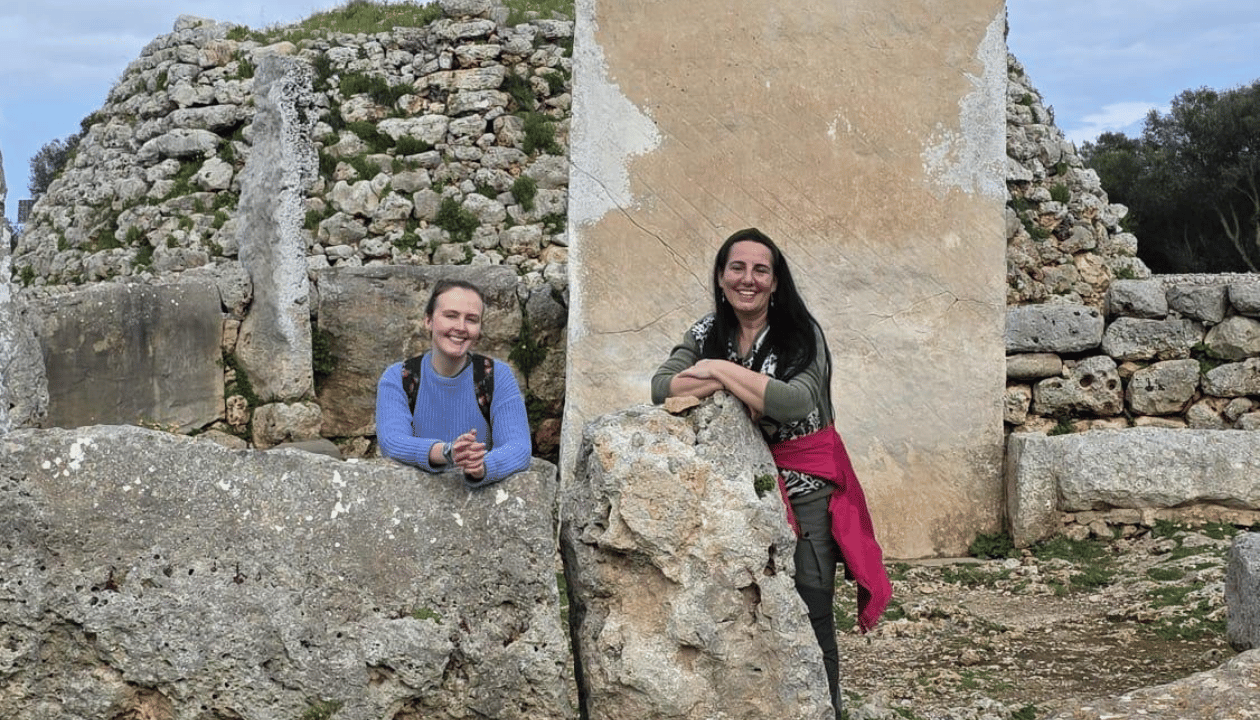
A Talayotic Settlement at the Centre of History
Trepucó is one of the largest Talayotic settlement sites on the island, covering a wide area of over four hectares. Even today, only a small part of it has been fully excavated, yet what stands is already powerful. This settlement includes two talayots, a taula enclosure, and remains of dwellings that once formed a complete community.
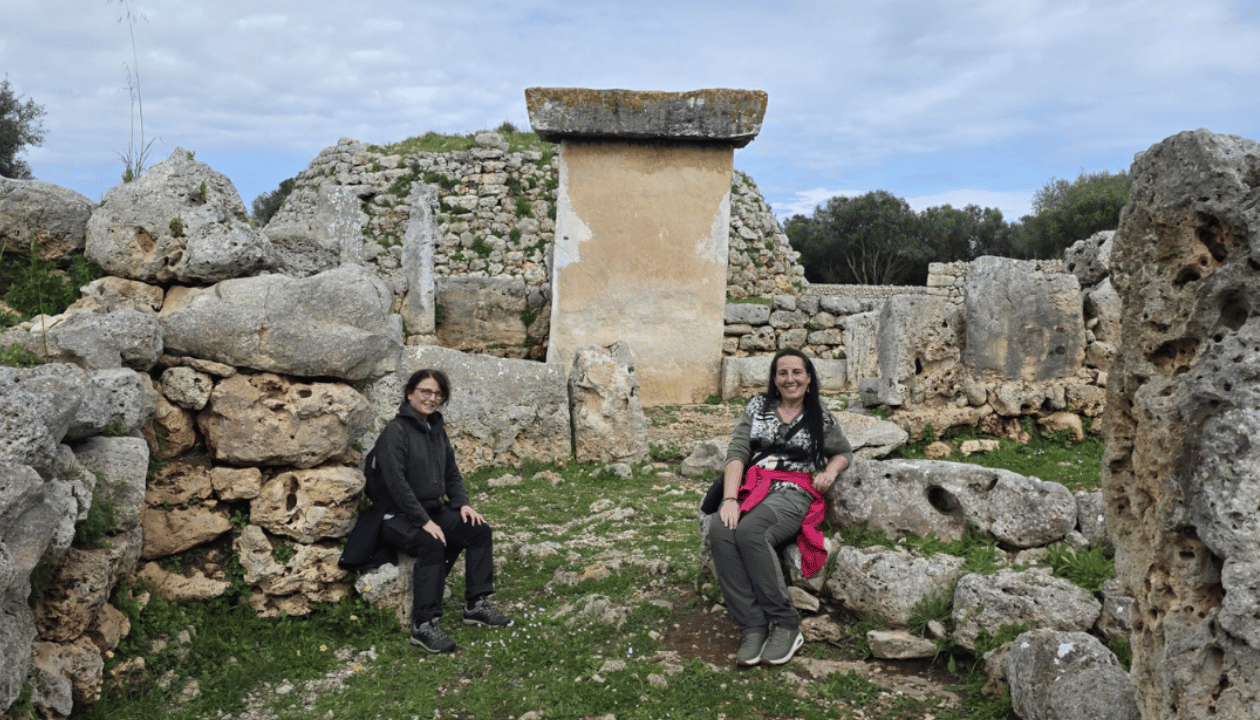
At the centre, you will find the larger talayot and the taula, both located inside a star-shaped fortification. These structures define the site. The larger talayot rises with strength, while the taula, with its central column and massive horizontal stone, feels almost spiritual. It stands nearly five meters high and was likely linked to rituals and gods of the period.
Two Talayots and the Iconic Taula
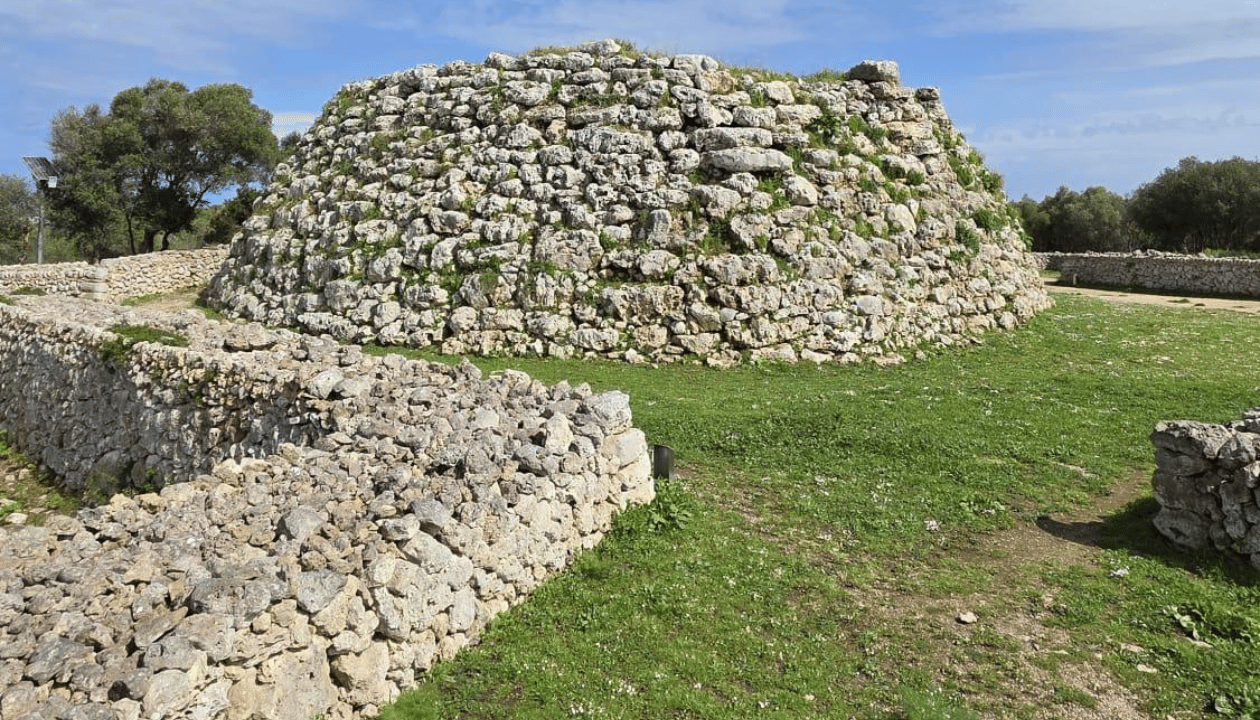
As you walk through the site, you will notice the presence of two talayots. The larger talayot dominates the middle of the settlement, while the second sits slightly apart, marking different sections of the community. These towers were not decorative. They were built with purpose, possibly for defense, gathering, or observation.
The taula enclosure is one of the most impressive on the island. Inside this enclosure, the central column supports a massive stone, forming that unmistakable T shape. It is one of the tallest and most preserved examples you will see in Menorca.
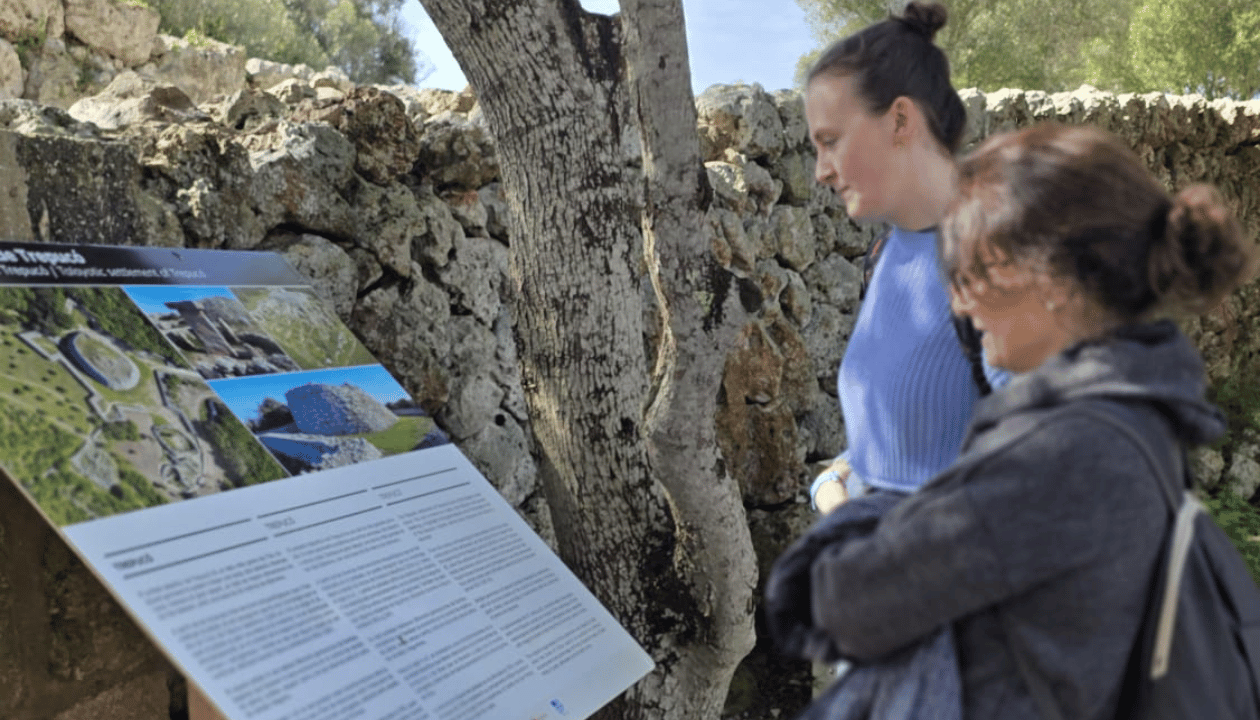
Around these structures, you will find traces of houses and dwellings. Though only remains today, they give insight into how people lived, cooked, and organized their daily lives within the settlement.
A Site Shaped by War and Sudden Abandonment
History here is not quiet. Trepucó was affected by the Punic War, specifically the Second Punic War, which led to its sudden abandonment. You can almost sense that moment. There are no gradual transitions, just a clear break in time.
Archaeologist Margaret Murray helped document and excavate parts of the site, revealing important details about how it was used and why it was abandoned. Her work brought attention to the significance of Trepucó and helped preserve its story.
Excavations uncovered domestic tools and utensils, many of which are now displayed in the Museum of Menorca. These findings connect the past to the present, allowing visitors to understand the daily life of the people who once lived here.
The Star Shaped Fortification on the West Side
One of the most striking features is the star-shaped fortification that surrounds the centre of the site. Built much later, in the 18th century, by Spanish troops, this structure adds another layer of history.
The fortification, especially visible on the west side, was designed for military defense. It wraps around the larger talayot and taula, creating a unique blend of prehistoric and more recent history in one setting.
This combination of periods makes Trepucó special. You are not just seeing one moment in time, but several. From Talayotic origins to military use, the site reflects continuous importance.
What You Can See Today
Today, Trepucó is highly accessible. The entrance is easy to find, parking is available, and access is open year round. It is a free visit, which makes it even more inviting for students and travelers.
You can walk through the enclosure, explore different sections, and stand right beside structures that have been standing for thousands of years. The preserved elements make it easy to imagine the past.
The visit usually takes between 60 and 90 minutes, depending on how deeply you want to explore. Some prefer a quick walk, while others spend time observing every detail, from the wall remains to the layout of the settlement.
Because it is so easy to access, Trepucó is often used for educational visits. Students can connect directly with history, seeing rather than just reading about it.
Why Trepucó Still Matters
Trepucó is not just an archaeological site. It is a cornerstone of Menorca’s identity. Recognized as part of the Talayotic Menorca World Heritage Site in 2023, it represents the island’s ancient roots and cultural depth.
The number of structures, the scale of the area, and the level of preservation make it one of the most important sites on the island. Even though only parts have been excavated, what has been found already tells a complete story.
From the two square towers to the taula, from the star-shaped fortification to the traces of dwellings, every element contributes to a deeper understanding of Menorca.
Learning Through Place and Experience
When I bring students here, I do not just explain history. We walk, observe, and talk. We use Spanish naturally while describing what we see. Words like entrance, enclosure, centre, and wall become part of real conversation.
This is how language becomes alive. Not through memorization, but through experience. Trepucó provides the perfect setting for this kind of learning. It is calm, open, and full of meaning.
Ready to Experience Menorca Differently?
If you want to go beyond typical travel and truly connect with places like Trepucó, the Spanish Homestay Immersion Program (SHIP) offers something unique. You live with a local teacher, explore real sites, and learn Spanish through daily interaction, culture, and shared experiences. It is not just a visit. It is a transformation.

You can also explore more cultural immersion stories here:
👉 Read Stories of Our Past Visitors Here
For personalised guidance and programme details, you can contact our founder directly:
Mónica Romero
Founder & Director, Spanish Express
📞 Phone / WhatsApp: +44 7903 867 894
📧 Email: monicaromero@spanishexpress.co.uk
