

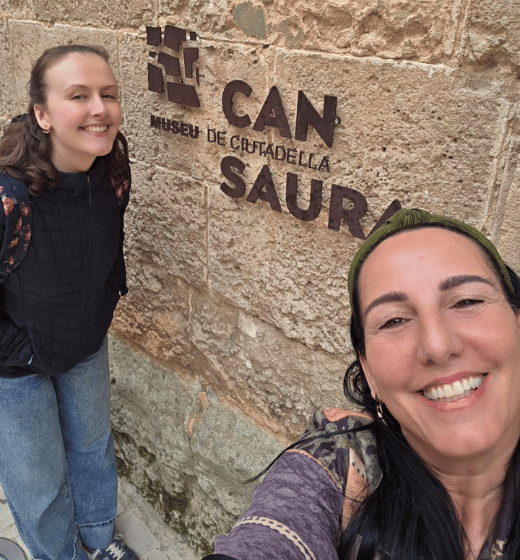
This is a local museum belonging to the Ciutadella Town Council. The Can Saura Cultural Center is managed by the Ciutadella Town Hall and is now housed in Can Saura, an aristocratic town house that currently belongs to the Town Council of Ciutadella. The museum is located in a beautifully restored historical mansion, the former noble house of Can Saura, built between the 17th and 18th centuries.
The Municipal Museum of Ciutadella was relocated to Can Saura in 2019 after being housed in the Bastió de Sa Font, a historical bastion that forms part of the town’s defensive walls and played a significant role in showcasing local history, heritage, archaeological findings, and the Islamic necropolis of Ciutadella. The museum was originally established in the Bastió de Sa Font until 2018.
The museum contains a comprehensive selection of ethnological objects as well as a significant archaeological collection that includes important finds discovered in the caves Cova des Mussol and Cova des Càrritx. The building has also incorporated remains of an old Moorish necropolis into its exhibitions, further enriching the cultural and historical context of its displays.
The museum emphasizes the role of urban archaeology in discovering new historical sites and provides factual historical and archaeological information, making it a valuable source of fact for understanding Menorca’s cultural heritage. The permanent collection takes visitors on an educational tour through the history of Menorca, from the first settlers on the island to the integration into the Crown of Aragon in 1287, with each exhibition designed to highlight the island’s rich and diverse past.
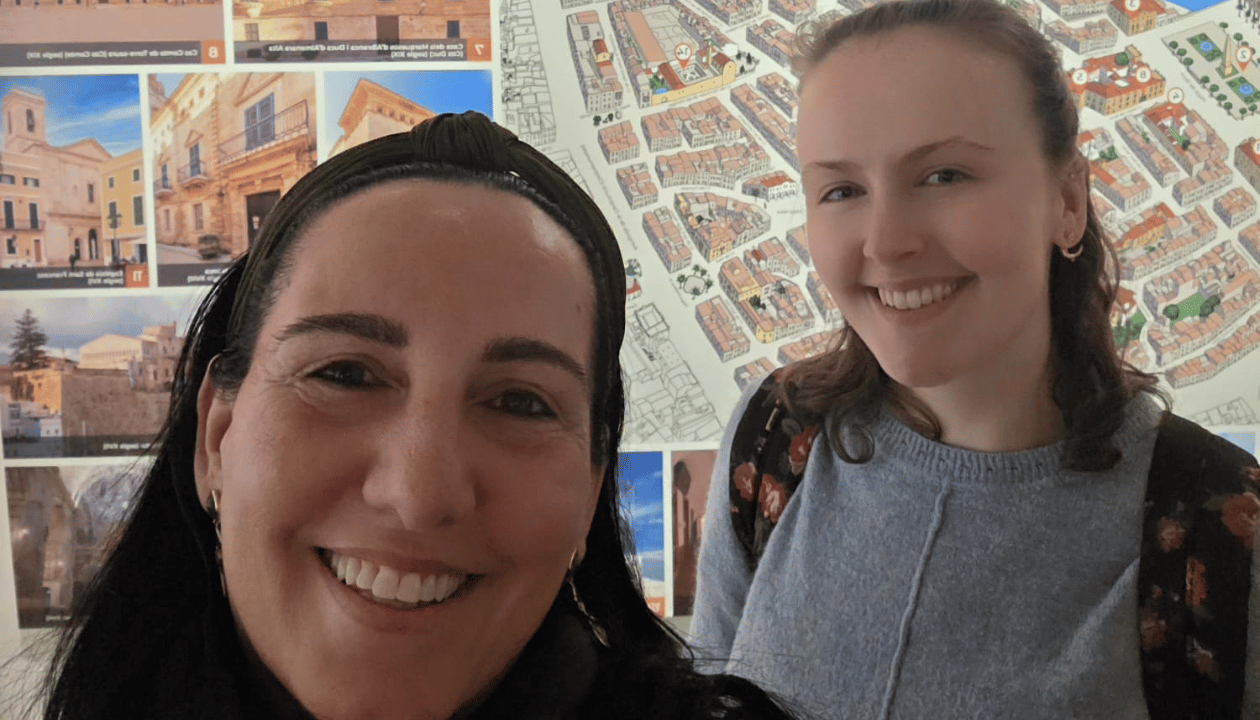
Introduction to the Municipal Museum
The Municipal Museum of Ciutadella, or what locals call the Museu Municipal de Ciutadella, really shows you the rich culture of the city and Menorca island. I find it sits right in the heart of Ciutadella, and it’s housed in this beautifully restored old building called Can Saura, which gives you a real feel for the past. When you walk inside, you get to explore a well-organized collection that brings the history and culture of the area to life in a simple way.
For me, this museum is much more than just a place to look at old things—it’s really a way to understand the traditions, stories, and how the city and island have changed over time. Whether you love history or just want to learn about what makes Menorca special, visiting this museum is something that really helps you appreciate what this area is all about and why it matters so much.
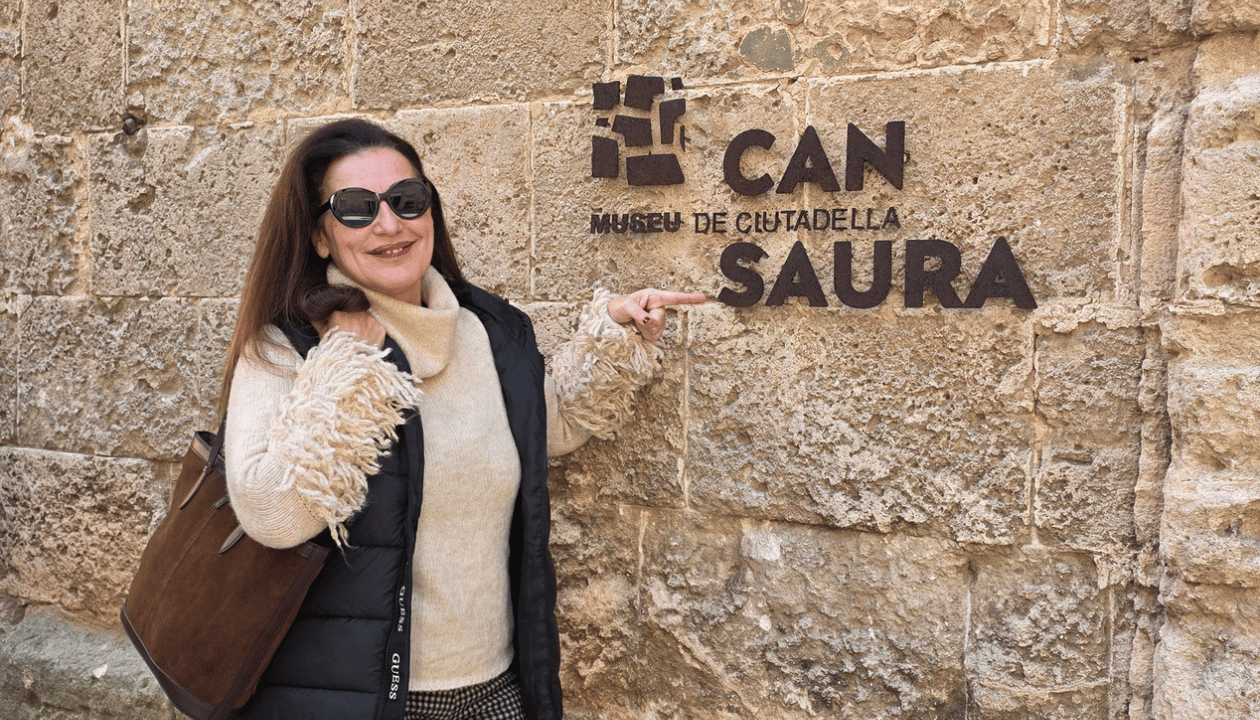
Historical Building and Significance
The Museum of Ciutadella has real character because it is a genuine aristocratic house from the 17th and 18th centuries. The building has been carefully fixed up, but they kept all the original details that make it special. Walking inside feels like stepping back in time because everything around you tells a story about how people lived here long ago.
The museum works as a place where locals and visitors can learn about the history of Ciutadella and Menorca in a really nice setting. The rooms look elegant and feel authentic, which makes exploring the exhibits much more interesting. Because the museum is located in such an important historical building, the whole experience feels more meaningful. Anyone who wants to understand what life was like on the island should definitely visit the Museum of Ciutadella. It is one of those places that makes history feel real and easy to connect with.
Ground Floor: The Origins of Menorca
The ground floor focuses on the earliest stages of Menorca’s history. Here, visitors can explore prehistoric periods, including the pretalayotic and talayotic cultures. The exhibits also include important archaeological discoveries, such as materials from caves like Es Càrritx and Es Mussol.
A highlight of this floor is the exhibition entitled ‘May the earth rest lightly on you. A story of death in Menorca, which showcases rituals and objects of high archaeological value from prehistory to the Islamic period. This exhibition explores the cultural significance of death and earth in Menorca through funerary practices, burial customs, and mortuary artifacts that reveal the island’s rich heritage.
In addition, this level introduces visitors to the Roman and Muslim periods, helping them understand how different civilisations shaped the island over time. The layout is designed to be accessible and informative, making it ideal for students who are beginning to explore history.
First Floor: Ciutadella Through Time
The first floor is dedicated to the later history of Ciutadella, especially from the Christian conquest onwards. It presents the social, cultural, and economic development of the city, including traditional trades, daily life, and local customs.
This floor also highlights important traditions such as the Sant Joan festival, offering insight into the identity and heritage of Ciutadella. The exhibits combine historical objects with engaging explanations, helping visitors connect the past with the present.
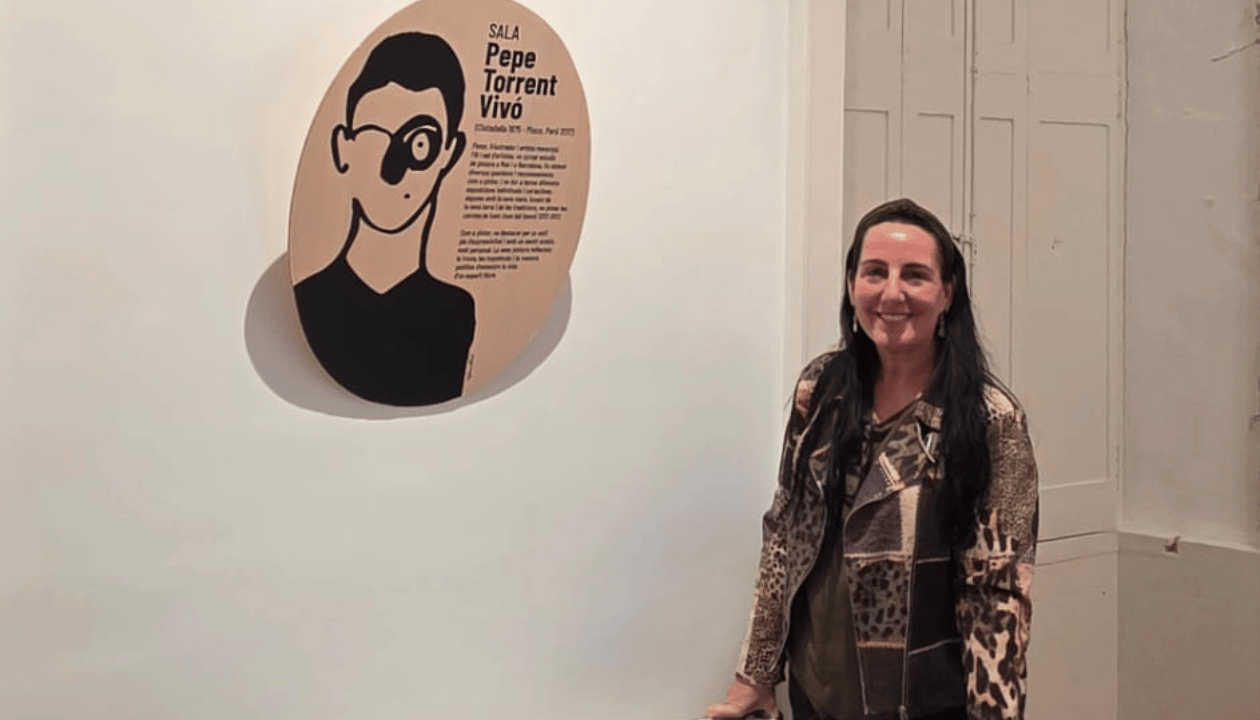
A Valuable Learning Experience
As a teacher, I truly enjoy bringing my students to Can Saura because it offers a meaningful and interactive way to learn history and culture. The museum’s structure makes it easy for students to follow a clear historical timeline, from ancient times to the present.
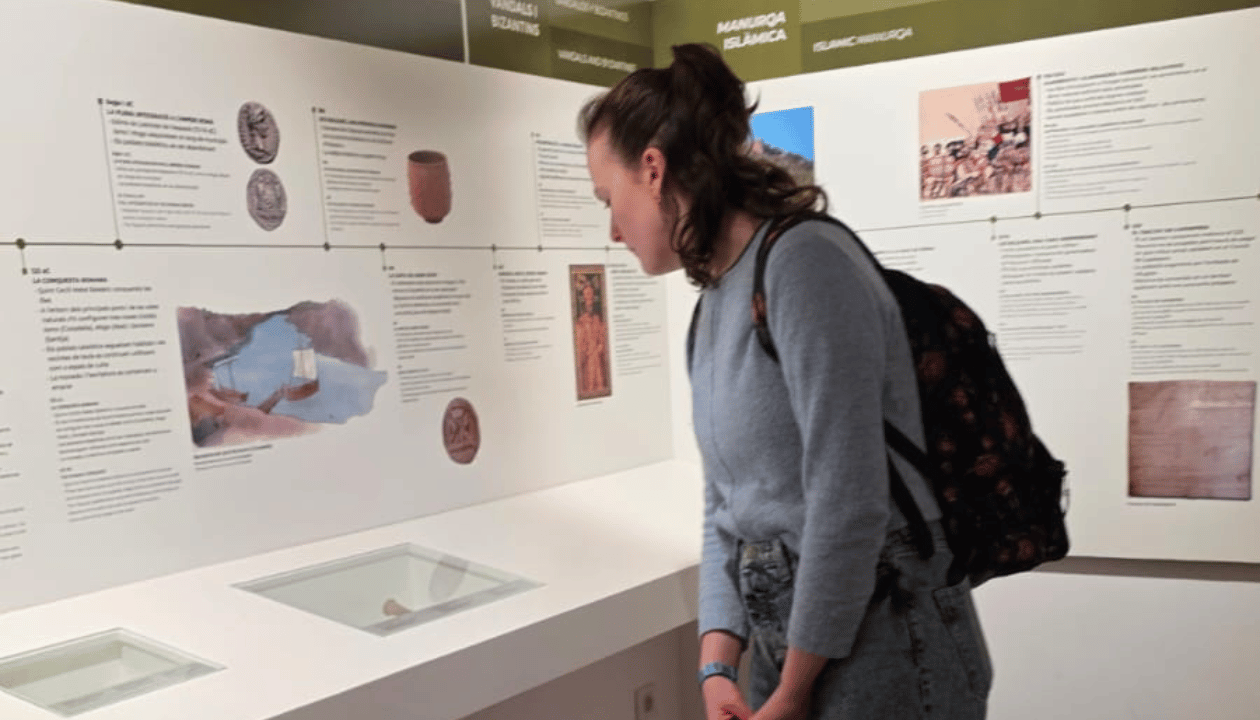
For example, Natalia from Germany and Harriet from England, both passionate about history and art, found the visit especially inspiring. They were particularly interested in the archaeological artefacts and the way the museum presents local traditions. Experiences like these show how Can Saura is not just a museum, but a space where students can connect deeply with the past.
Cultural Preservation
The Museu Municipal de Ciutadella has become one of my favorite places to learn about local history, it really shows what makes Ciutadella de Menorca special. When I visit, it feels like stepping back in time to understand how this city and the whole island developed over the years. The building itself tells a story, and walking through it gives you a real connection to the past that shaped this place.
What I find most interesting about the museum is how it brings together artifacts that were actually found right here on the island. The collection includes amazing pieces from local caves like Cova des Càrritx, and these objects help you see how people lived, what they believed, and what their daily rituals were like centuries ago. The museum spreads these archaeological finds and other cultural exhibits across two floors, so you can take your time exploring each section. It never feels rushed, and there is always something new to discover about the island’s early inhabitants.
Practical visitor information
Opening Hours
Tuesday to Saturday:
- Morning: 10:30 a.m. – 1:30 p.m.
- Afternoon: 5:30 p.m. – 9:00 p.m.
Sunday and Monday: Closed
Ticket Prices
- General admission: €5.00
- Under 18s: Free
- Over 65s and pensioners: Free
- Students (with valid ID): Free
- Wednesdays (free entry): Free
Tickets can be purchased on site. Information and exhibit descriptions are available in Catalan, Spanish, and English, making the museum accessible to international visitors. Parking in the historic center can be challenging, so public parking areas are recommended for visitors arriving by car.
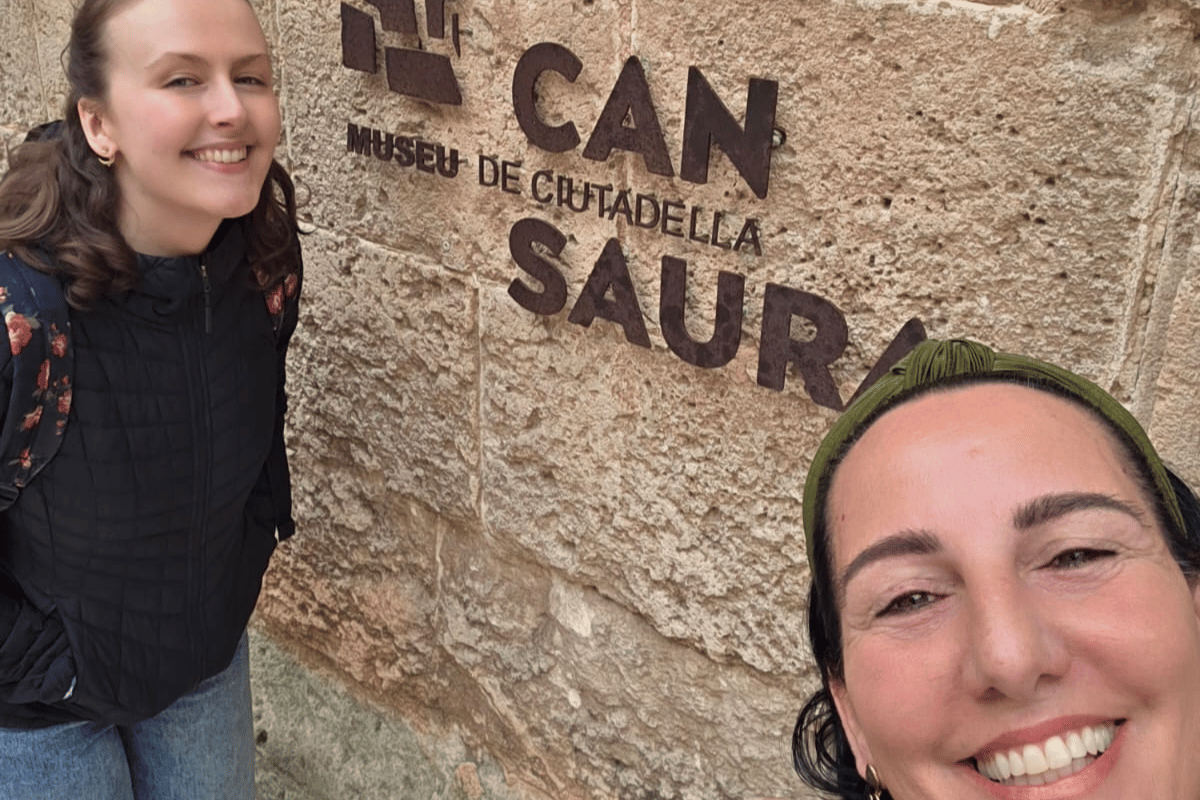
Visitors typically find that one to two hours is sufficient to explore the museum. However, I personally never seem to notice the time when I am there, and neither do many of my students. In fact, Harriet, one of my professional students from England, once mentioned what a lovely way it was to begin getting to know Ciutadella. She described it as a great introduction to the city, and a perfect starting point from which to plan the rest of her immersion experience—both with her host teacher and during her free time.
Why Can Saura Is Worth Visiting
Whether you love history, enjoy learning about new places, or live here locally, visiting this museum is worth your time. It gives you a deeper understanding of what makes Ciutadella unique, and you can really appreciate the effort that goes into preserving these stories for future generations. The whole experience feels genuine and educational without being overwhelming, which is exactly what makes a good museum visit memorable.
Discover Menorca’s History Beyond the Classroom 🏛️
Ever wondered what it feels like to truly understand a place while learning its language? Visiting places like Can Saura Museum in Ciutadella shows how history, culture, and language come alive when you experience them in real life.
With the Spanish Homestay Immersion Programme (SHIP), students don’t just study Spanish—they explore Spain’s culture through real experiences. From museums and historical landmarks to everyday conversations with locals, learning becomes natural, meaningful, and memorable.

You can also explore more cultural immersion experiences here:
👉 Spanish Culture & History – SHIP Stories
Spanish Express helps learners connect language with authentic cultural discovery across Spain.
For personalised guidance and programme details, you can contact our founder directly:
Mónica Romero
Founder & Director, Spanish Express
📞 Phone / WhatsApp: +44 7903 867 894
📧 Email: monicaromero@spanishexpress.co.uk
