

The first time you hear the ground tremble in March, you don’t understand what is happening, until suddenly, the sky explodes with firecrackers, and the entire city of Valencia comes alive. This is Las Fallas, a powerful festival of fire, art, and emotion that transforms the streets into a living celebration.
I’m Pilar, a host teacher with Spanish Express, and every year I welcome Spanish Homestay Immersion Program (SHIP) visitors into my home in Valencia, Spain. Through this experience, I don’t just explain Las Fallas festival, I watch visitors live it, feel it, and fall in love with this unforgettable fiesta.
What Is Las Fallas? An Ancient Tradition in Modern Valencia
The Fallas festival is an ancient tradition celebrated every March in Valencia, Spain. It honours San José, also known as Saint Joseph, the patron saint of carpenters. Originally, carpenters burned old furniture and wood to mark the end of winter. Over time, this simple ritual evolved into the spectacular Las Fallas we see today.

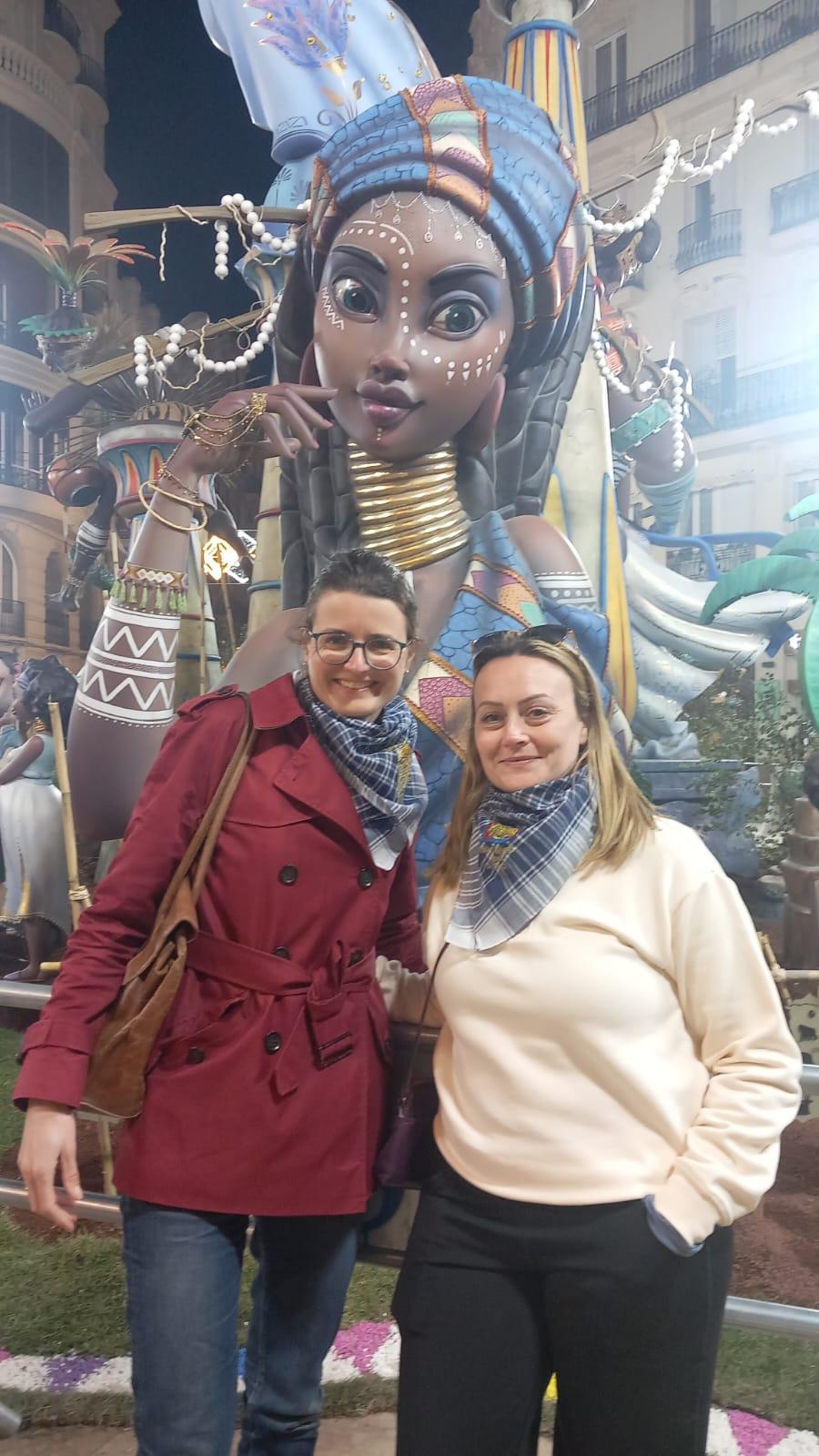
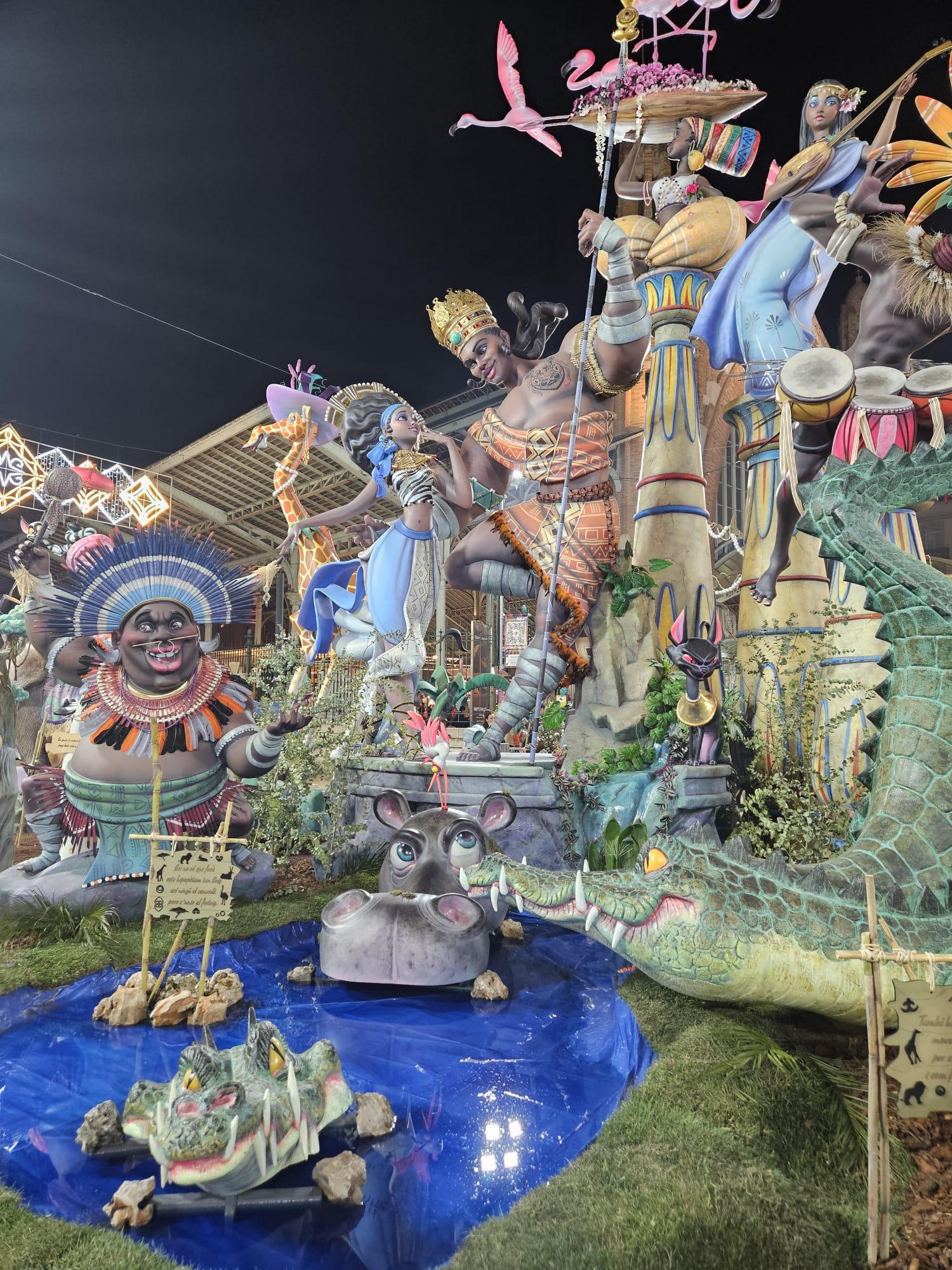
The word falla refers to the large artistic monuments built across the city. These colourful ninots often satirise politics, culture, and everyday life. Today, the Fallas of Valencia are recognised as intangible cultural heritage, making the festival one of the most important in Europe.
The Heart of the Festival: Streets, Squares, and Community
During Las Fallas, the entire city centre becomes a stage. The streets fill with music, fireworks, and celebration, while key locations host the most important events.

The Plaza del Ayuntamiento, also known as the City Hall Square or Town Hall Square, is the epicentre of daily activity. Here, the famous mascletà takes place, announced with the traditional phrase “Senyor pirotècnic, pot començar la mascletà!”
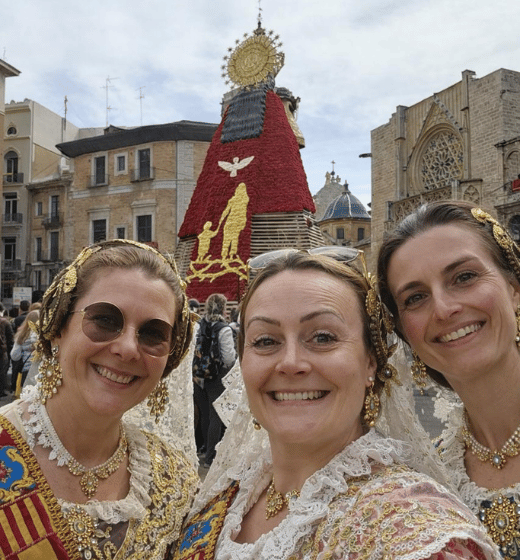
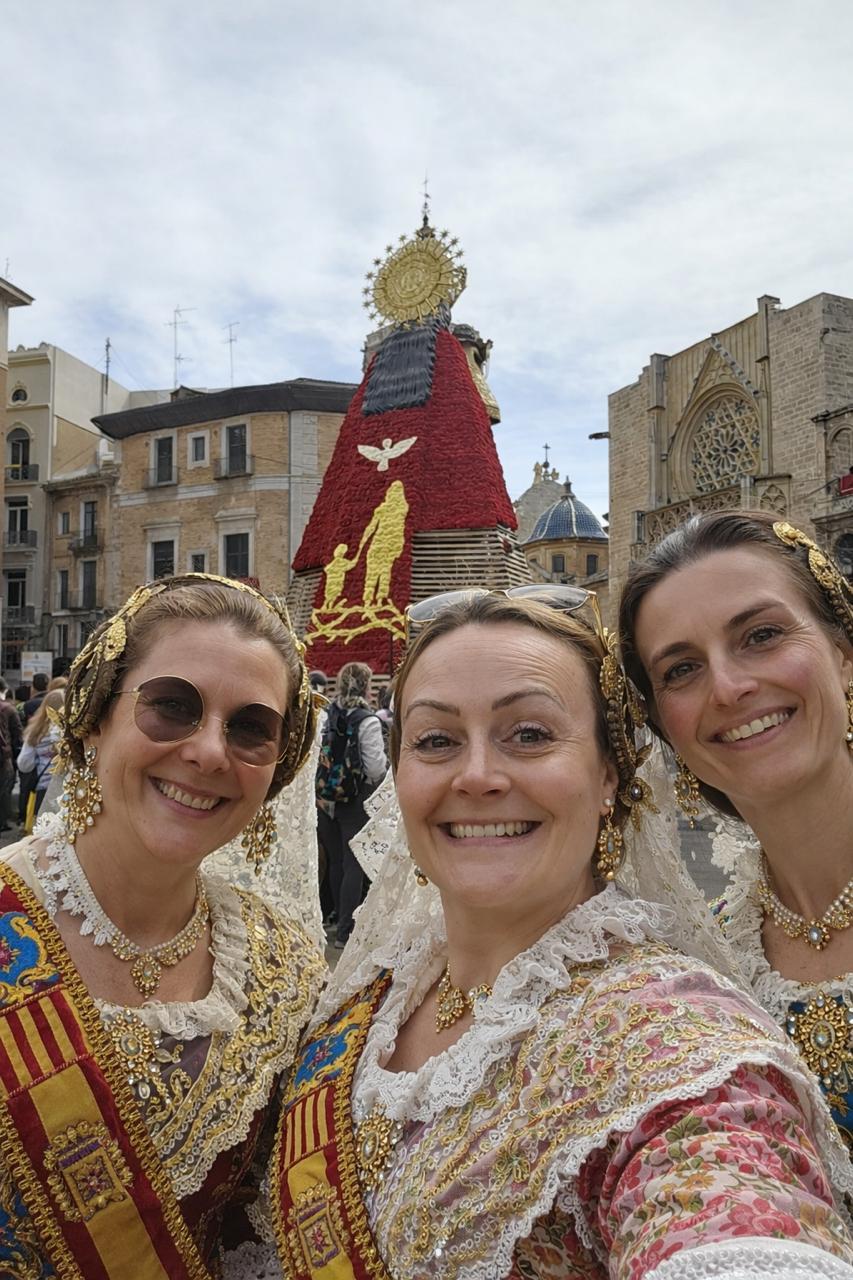
Meanwhile, the Plaza de la Virgen becomes the heart of devotion, where the Virgen de los Desamparados, also known as the Lady of the Forsaken, is honoured with a stunning offering of flowers and floral tribute.
Key Events of Las Fallas 2026
| Event Name | Date | Location | Description (SEO Optimized & Natural) |
|---|---|---|---|
| La Crida | Last Sunday of February | Torres de Serranos | La Crida, held on the last Sunday, officially opens the Fallas fiesta. The Fallera Mayor and Falleras Mayores invite the Valencian people to begin the festivities and welcome visitors to Las Fallas de Valencia. |
| La Despertà | Daily (1–19 March) | Streets across Valencia | Each morning starts with La Despertà, when loud firecrackers echo through the streets. This energetic tradition shows how the Valencian people celebrate from early morning during the festival. |
| Mascletà & Daily Shows | Daily (1–19 March, 14:00) | City centre | Daily fireworks shows fill the city with sound and rhythm. These powerful daytime displays are one of the most exciting parts of the festivities in Valencia. |
| La Plantà | 15–16 March | Across Valencia | During La Plantà, all the fallas are completed, including children’s fallas, main fallas, and large fallas placed across the city. Areas like Calle Sagunto, Calle Ruzafa, and Almirante Cadarso Conde Altea feature some of the best fallas, including the famous Falla Plaza del Pilar near Plaza del Pilar. |
| Ninot Exhibition | Until 15 March | Fallas Museum | The ninot exhibition allows visitors to vote for the only figure that will be saved. This last falla is preserved in the Fallas Museum, keeping a piece of the festival alive each year. |
| Flower Offering | 17–18 March | City centre | The traditional flower offering is one of the most emotional events, where participants wear traditional costumes and bring flowers in honour of local traditions. |
| Nit del Foc | Night of 18 March | Near Turia / Maestro Serrano | Nit del Foc is the highlight of the festival’s night, featuring spectacular fireworks and unforgettable firework displays along Maestro Serrano. |
| Evening Fireworks | 16–18 March (evenings) | Various locations | Several evening fireworks shows take place across the city, lighting up the sky and adding excitement to the ongoing festivities. |
| Fire Parade | 19 March (evening) | City centre streets | The famous fire parade fills the streets with performers, music, and flames, building energy before the final event of Las Fallas. |
| La Cremà | Night of 19 March | Throughout Valencia | On the feast day, all fallas are burned during La Cremà, with support from the fire brigade. This final night marks the emotional end of the festival as the monuments disappear in fire. |
Exploring Valencia During Las Fallas
Beyond the main events, visitors explore the City of Arts and Science, including the beautiful Turia Garden, local markets, and cultural landmarks. They enjoy traditional treats like pumpkin fritters while walking through decorated streets.
Every corner of the city offers something new, making Fallas in Valencia a complete cultural immersion.
Why Visitors Love Valencia Fallas
For our visitors, Valencia Fallas is not just a festival, it is an experience that combines:
- Culture and history
- Art and creativity
- Language and communication
- Community and connection
They walk through the streets, watch fireworks, admire monuments, and interact with locals. As a result, they gain confidence, cultural awareness, and unforgettable memories.
A Festival That Lives in Every Street
The beauty of Las Fallas is that it happens everywhere, not just in one place. From the Plaza del Ayuntamiento to the smallest neighbourhood corner, the entire city participates.
This is why the Fallas programme is so unique. It is not just organised events, it is a shared experience across the streets, squares, and communities of Valencia.
Ready to Experience Las Fallas Like a Local?
From my experience as a host teacher in Valencia, I have seen how powerful Las Fallas can be for visitors who want to learn beyond the classroom while fully immersing themselves in real Spanish culture.
In our Spanish Homestay Immersion Program (SHIP), we offer personalised experiences where visitors don’t just study Spanish, they live it. From attending the Fallas fiesta and exploring the city during March, to sharing daily life with local families, visitors gain confidence through authentic cultural immersion.

Our Spanish courses in Valencia combine structured lessons, cultural activities, and unforgettable experiences like Las Fallas, helping visitors connect language with real-life situations.
We also support learners preparing for exams such as IGCSE, A-Levels, SIELE, and DELE, helping them build confidence and develop lasting language skills.
In addition to our immersion programs in Valencia, we also offer online tuition for those who wish to continue their Spanish learning journey from anywhere in the world.
You can explore more real immersion journeys here:
👉 SHIP Stories of Our Previous Students
For personalised guidance and programme details, contact:
Mónica Romero
Founder and Director
📞 Phone / WhatsApp: +44 7903 867 894
📧 Email: monicaromero@spanishexpress.co.uk
FAQs
What are the dates of Las Fallas?
Las Fallas 2026 runs throughout March in Valencia, with the main celebrations taking place from 15 to 19 March. Daily events such as mascletàs begin on 1 March and build up to the final days.
What happens on Las Fallas?
During Las Fallas, the city hosts large artistic monuments, cultural parades, fireworks, and traditional ceremonies. The entire city becomes a lively space filled with music, food, and continuous celebrations.
Is Las Fallas worth visiting?
Yes, Las Fallas is one of Spain’s most unique cultural events, offering a mix of art, tradition, and energy. It is especially valuable for visitors looking for a deep and authentic cultural experience.
What is the main event of Las Fallas?
The main event is La Cremà on the night of 19 March, when the fallas monuments are burned. This powerful finale symbolises renewal and marks the official end of the festival.
What happens in Plaza del Ayuntamiento during Las Fallas?
Plaza del Ayuntamiento is the main gathering point during Las Fallas, where daily mascletàs take place. It becomes the centre of activity, attracting crowds who come to experience the energy and atmosphere of the festival.
What can you see at the Fallas Museum?
The Fallas Museum showcases preserved ninots that were saved from being burned during La Cremà. It offers insight into the artistic evolution of the festival and highlights some of the most creative figures from past years.
