


Barcelona reveals itself in layers, and few places capture that feeling better than Park Güell. This iconic park is not just another attraction. It is where nature, architecture, and imagination meet on a hillside above the city of Barcelona. As you walk through the gardens, climb the stairs, and pause on the terrace, you begin to understand why this site continues to inspire visitors from around the world.
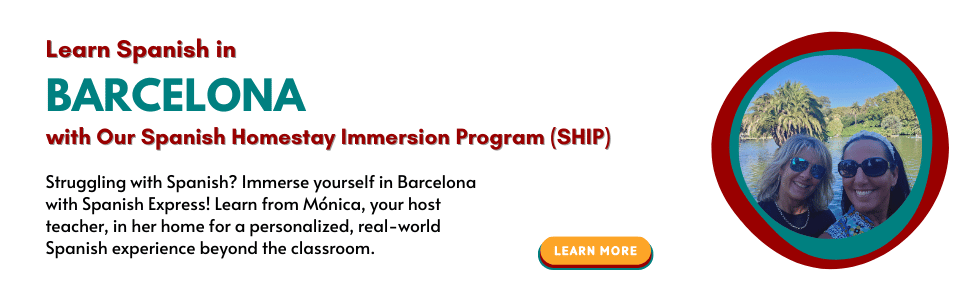
I’m Mónica, and through the Spanish Homestay Immersion Program (SHIP) with Spanish Express, I guide students through Park Güell to help them experience Barcelona in a deeper way. Together, we explore the monumental zone, uncover stories behind gaudí’s work, and connect language with real-life moments in the city.
Why Park Güell Is a UNESCO World Heritage Site
Park güell is a UNESCO World Heritage Site, officially declared in 1984 as part of the “Works of Antoni Gaudí.” This recognition highlights its importance not just in Spain but across the world.
The project began as a housing development commissioned by Eusebi Güell and designed by Antoni Gaudí. Inspired by the English garden city movement, the vision was to create a unique neighborhood blending nature and modernist architecture. However, the project failed commercially, and only a few houses were built.
Construction took place between 1900 and 1914, and the park opened to the public in 1926. Today, güell park reflects gaudí’s naturalist period, where architecture follows organic forms and integrates into the landscape.
Explore Antoni Gaudí’s Vision in Park Güell
Walking through Park Güell feels like stepping into a living piece of art. Gaudí rejected rigid lines and instead created flowing structures that mimic nature.
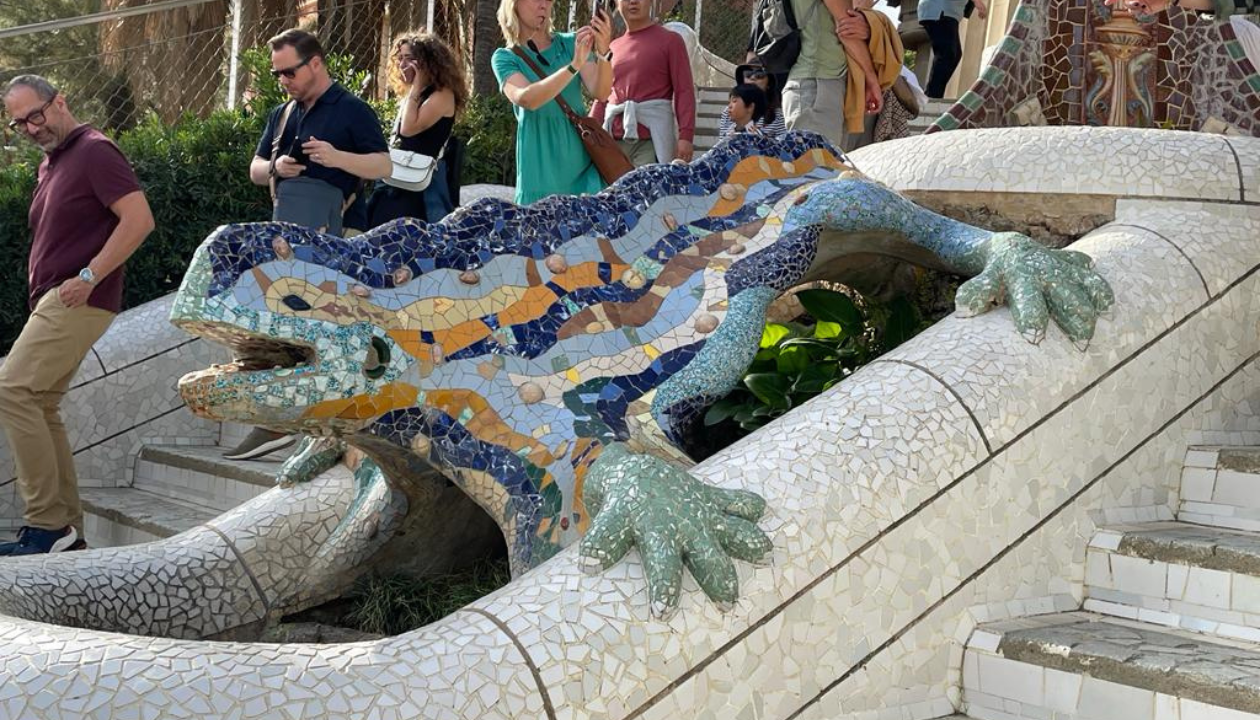
You will notice uneven paths, stone columns shaped like tree trunks, and spaces that feel both structured and wild. His use of trencadís, a technique using colorful mosaics made from broken ceramic, gives the park its vibrant identity.
At the entrance, the famous dragon known as El Drac welcomes visitors. This mosaic figure has become one of the most photographed attractions in Barcelona.
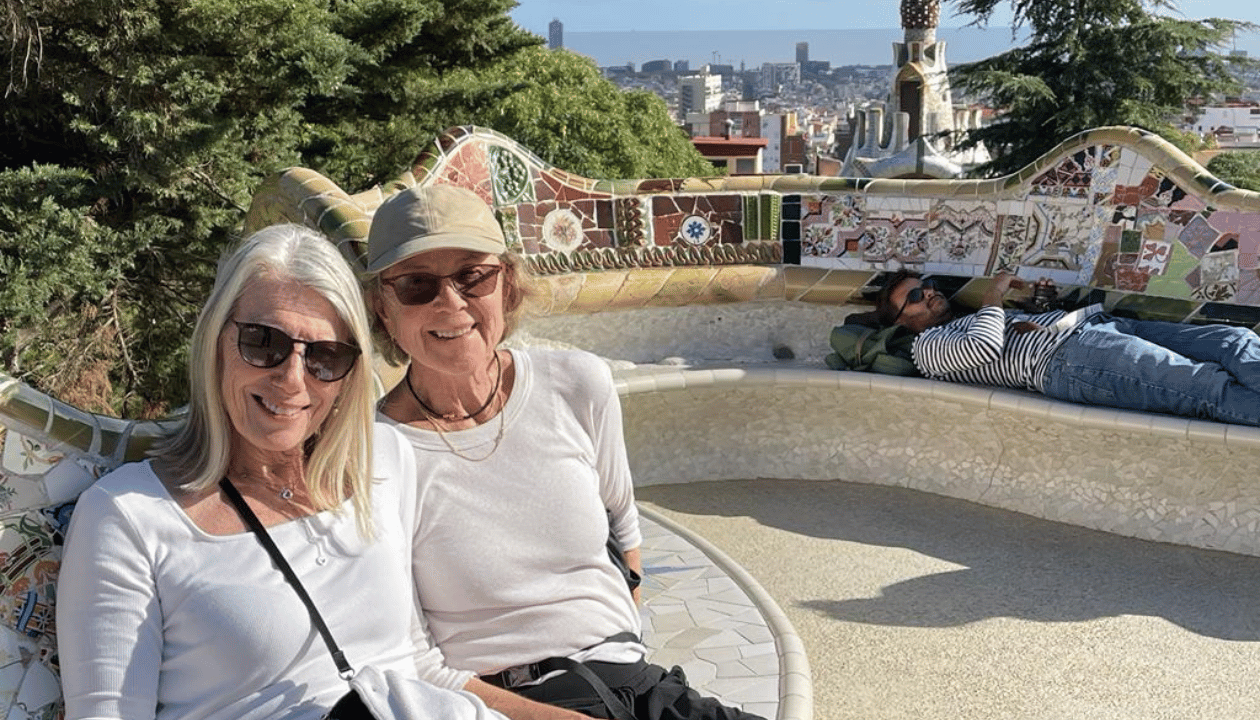
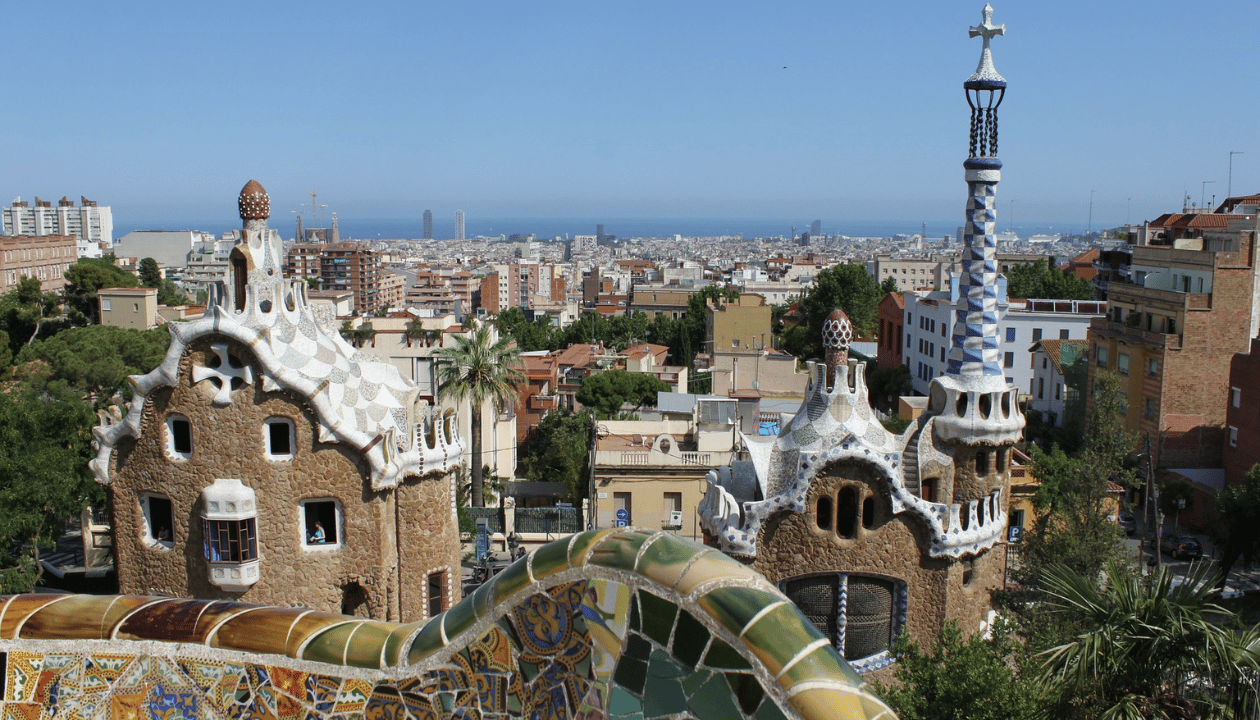
Above the hypostyle room, you reach the nature square, also called the main terrace. From here, the city views stretch across Barcelona, with La Sagrada Familia visible in the distance.
Visit the Gaudí House Museum in Park Güell
The Gaudí House Museum is one of the most personal parts of the park. This house is where gaudí lived from 1906 to 1925.
Today, the museum displays furniture, objects, and designs that reflect his daily life and creative mind. Visiting gaudí’s house allows you to understand the person behind the architecture.
The house stands within the gardens of the park, offering a quieter space away from the main monumental area. It is an essential stop if you want a complete view of gaudí’s work.
Plan Your Park Güell Tickets and Entry
Planning ahead is essential for a smooth visit. Tickets for Park Güell must be purchased online in advance, as they are no longer available on-site.
The entrance fee includes access to the monumental zone, where the most important architectural elements are located. This includes the terrace, hypostyle room, and iconic structures.
Visitors should check opening hours and schedule their entry time carefully. Each ticket is linked to a specific time slot, so arriving late may result in denied entry.
To enhance your experience, you can download the free official app, which provides maps and audio guides for exploring the site.
Best Time to Visit Park Güell in Barcelona
The best moment to visit Park Güell is early in the morning or later in the afternoon. During these hours, you avoid crowds and enjoy a more relaxed atmosphere.
Sunset is especially beautiful. The light over the terrace and colorful mosaics create one of the most memorable views in the city.
Weekends tend to be busier, so planning your visit during weekdays can improve your experience. Visitors should plan to spend at least half a day exploring the park and its surroundings.
How to Reach Park Güell from Plaça de Catalunya
Park Güell is located in the gràcia district, specifically in the La Salut neighborhood. It is situated on a hillside, which gives it its incredible views but also requires some effort to reach.
From Plaça de Catalunya, you can take the metro to Vallcarca or Lesseps. From there, expect at least a 20-minute walk, with the last section being a steep hill.
Buses and tour buses also serve the park, offering more convenient transport options. However, due to stairs and uneven paths, the park is not suitable for wheelchairs.
Wearing comfortable shoes and bringing sun protection is highly recommended, especially during summer.
Discover the Nature Square and Curving Bench
The nature square is the heart of the park. This large open terrace sits above the hypostyle room and offers some of the best city views in Barcelona.
Surrounding the square is the famous curving bench, designed like a sea serpent. It was created by Josep Maria Jujol and is both decorative and functional.
This space acts as a social center where visitors can rest, take photos, and enjoy the scenery. The combination of architecture and nature makes it one of the most unique places in the park.
What Not to Miss in Park Güell
There are several key attractions you should not miss during your visit:
The dragon at the entrance is one of the most iconic symbols of the park. The stairs leading up from the entrance create a dramatic and memorable arrival.
The hypostyle room, with its 86 columns, was originally designed as a marketplace. Its ceiling features intricate mosaic designs inspired by Roman architecture.
The gardens throughout the park are home to wildlife, including parrots and the hummingbird hawk moth. This adds another layer of life to the space.
Finally, take time to walk beyond the main monumental zone. The quieter paths allow you to discover a different side of the park, away from the main crowds.
And Now, Experience It Beyond a Visit
Park Güell is more than a place you check off your list. It is a space where you connect with the city, its history, and its creative spirit.
When you experience it through immersion, everything changes. You do not just visit. You understand, interact, and grow.
FAQs
Why is Park Güell so famous?
Park Güell is famous for its unique modernist architecture by Antoni Gaudí, colorful mosaics, and panoramic city views. Located above the city, it blends nature and design in a way that feels almost like a spiritual space, similar to an open-air church in the middle of nature.
How much does it cost to get into Park Güell?
The entrance fee depends on the ticket type, but visitors must purchase tickets online in advance for access to the Monumental Zone. Prices vary, so it is best to check before your visit to avoid long wait times at this popular location.
Can you enter Park Güell for free?
Yes, parts of the park are free to access, especially areas outside the Monumental Zone. However, the main attractions are located inside the paid area, so if you want the full experience, plan your visit in advance instead of waiting until the last moment.
Is Park Güell worth visiting?
Absolutely, Park Güell is one of the top attractions in Barcelona thanks to its views, architecture, and atmosphere. Its location near neighborhoods connected to Passeig de Gràcia makes it easy to include in your day, and exploring it feels like stepping into a different world above the city ground.
Ready to Experience Barcelona Like This?
With the Spanish Homestay Immersion Program (SHIP), you live with local hosts, practice Spanish daily, and explore places like Park Güell with real cultural context. You learn through experience, not just observation, and build a genuine connection with Barcelona that stays with you long after your visit.

You can also explore more cultural immersion stories here:
👉 Read Stories of Our Past Visitors Here
For personalised guidance and programme details, you can contact our founder directly:
Mónica Romero
Founder & Director, Spanish Express
📞 Phone / WhatsApp: +44 7903 867 894
📧 Email: monicaromero@spanishexpress.co.uk
