
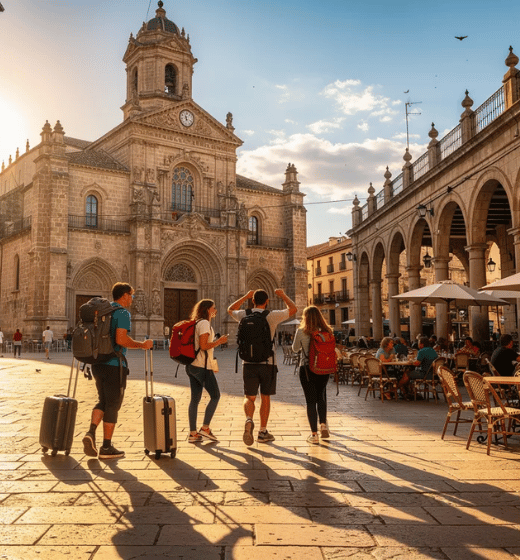
Planning a trip to Spain means understanding a few key entry rules before you pack your bags. The good news is that the process is straightforward for most travelers, and this guide covers everything from passport requirements to what border officers might ask when you arrive.
Quick Answer: Basic Requirements to Travel to Spain
Most travelers need a valid passport, proof of return or onward travel, enough money for their stay, and sometimes a Schengen visa which depends on nationality. The majority of visitors from the US, UK, Canada, Australia, and many other countries can visit Spain visa free for up to 90 days in any 180 day period.
Here is your quick checklist for entry requirements:
- Valid passport (issued within last 10 years, valid for at least 3 months beyond departure)
- Return ticket or onward ticket showing departure from the Schengen area
- Proof of accommodation (hotel booking or invitation letter)
- Sufficient financial means (around €100-120 per person per day)
- Travel insurance covering medical treatment and repatriation
- Schengen visa if your nationality requires one
Spain follows Schengen regulations as a member of the European Union, so these rules apply across all 29 Schengen countries. Always double check details with the nearest Spanish consulate or the official government website before departure, as requirements can change.
Who Can Enter Spain and for How Long?
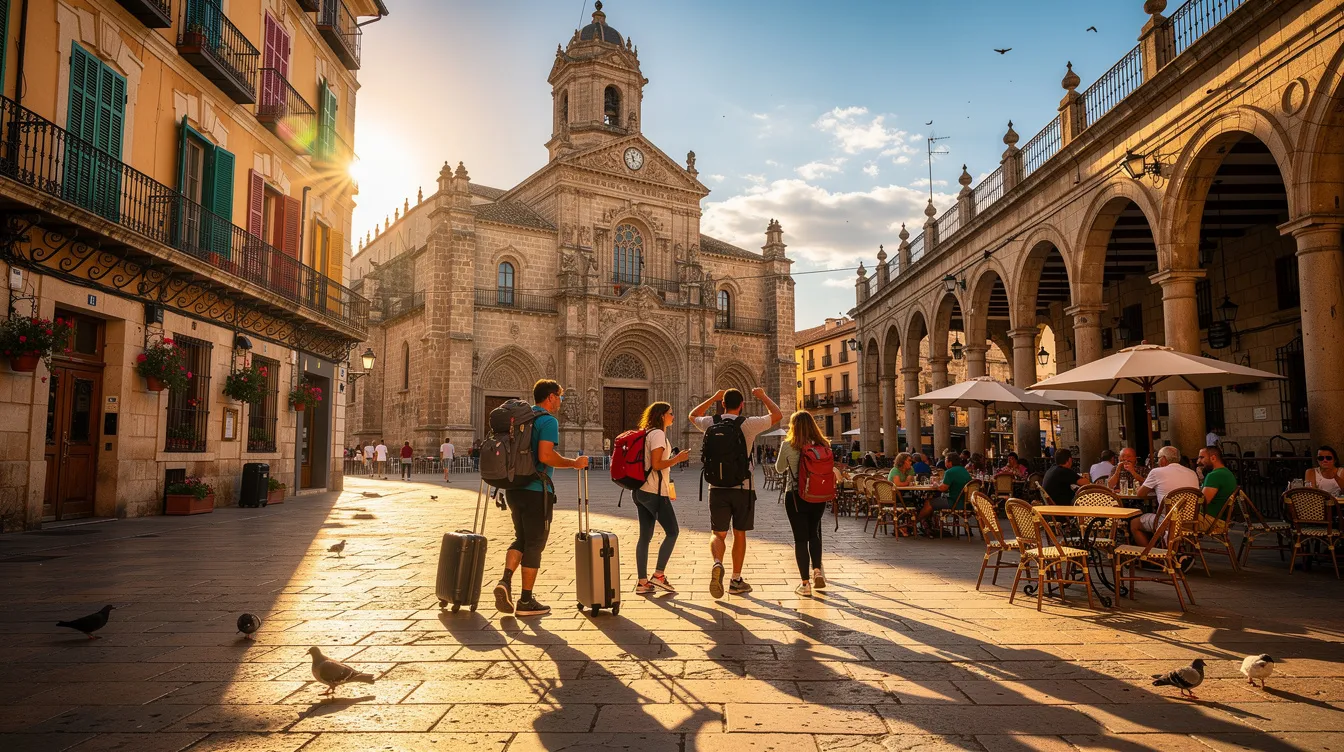
Spain is part of the Schengen area, which means it follows the standard 90 days in any 180 day period rule for short stays. This applies to tourism, business visits, family reunions, and non-paid activities.
Here are the main points about who can enter Spain:
- EU, EEA, and Swiss nationals can enter with a national ID card and stay without time limits for tourism purposes
- Non EU nationals from visa exempt countries (US citizens, UK, Canadian, Australian citizens, and over 60 other nationalities) can stay up to 90 days without a visa
- Time spent in other Schengen countries like France, Italy, or Portugal counts toward the same 90-day limit
- Citizens from third countries listed in Annex I of Regulation (EU) 2018/1806 must apply for a Schengen visa before travel
- Working, residing, or staying longer than 90 days always requires a long stay visa or residence permit obtained before arrival
The 90-day calculation works on a rolling window. If you spent 30 days in France and then travel to Spain, you only have 60 days remaining in your Schengen allowance.
Passport and Travel Document Rules
Your valid travel document is the foundation of entering any Schengen country. For non EU, EEA, and Swiss travelers, Spanish authorities have specific requirements.
Your passport must meet these conditions:
- Issued less than 10 years before your date of entry into the Schengen area
- Valid for at least 3 months after your intended departure date from Schengen member states
- Have at least one blank page for entry and exit stamps or EES annotations
- Be in good physical condition without damage, tears, or water marks
Dual nationals should enter and leave Spain with the same passport used for any visa application. Airlines pre-screen travel documents before boarding, and a damaged passport or incorrect expiry date can mean being denied entry or offloaded at check-in.
Do I Need a Visa to Go to Spain?
Understanding Spain visa requirements depends on your nationality and what you plan to do during your visit. There are two main categories: short-stay Schengen visas and national long stay visas.
Here is how visa requirements break down:
- US, UK, Canadian, Australian, and many other nationals can visit Spain visa free for up to 90 days for tourism or business, but must still meet all other entry conditions
- Citizens from countries in Annex I of Regulation (EU) 2018/1806 need a visa and must apply through the Spanish consulate if Spain is their main destination
- Stays longer than 90 days, or trips involving work, paid internships, or long-term study, require a long stay visa or residence permit approved before arrival
- Overstaying your visa or visa free allowance can lead to fines between €500-€10,000, removal, and multi-year re-entry bans
The Spanish authorities take overstays seriously. Data from 2024 shows Spain issued over 20,000 re-entry bans for visa violations. Always check with the nearest Spanish embassy for the most current list of visa-required countries.
Spain Visa Application Basics (If You Do Need One)
The application process for a Spain visa involves several steps. Start early because processing times can vary, especially those during busy travel seasons.
Typical steps and required documents include:
- Choose the right visa type (tourism, business, family visit, study)
- Complete the Schengen visa form and book an appointment at a Spanish consulate or external visa centre
- Prepare your documents: valid passport, two biometric photos, travel itinerary, proof of accommodation, and bank account statement showing sufficient funds
- Purchase travel insurance with at least €30,000 coverage for medical emergencies and repatriation
- Pay the application fee (typically €80 for adults)
Decisions usually take up to 15 calendar days but can extend to 45 days for complex cases. Long stay visa applications often require additional paperwork like police clearance certificates, medical exams, or proof of university enrollment. Apply at least 2-3 months before your planned travel date.
Border Checks: What You May Be Asked to Show on Arrival
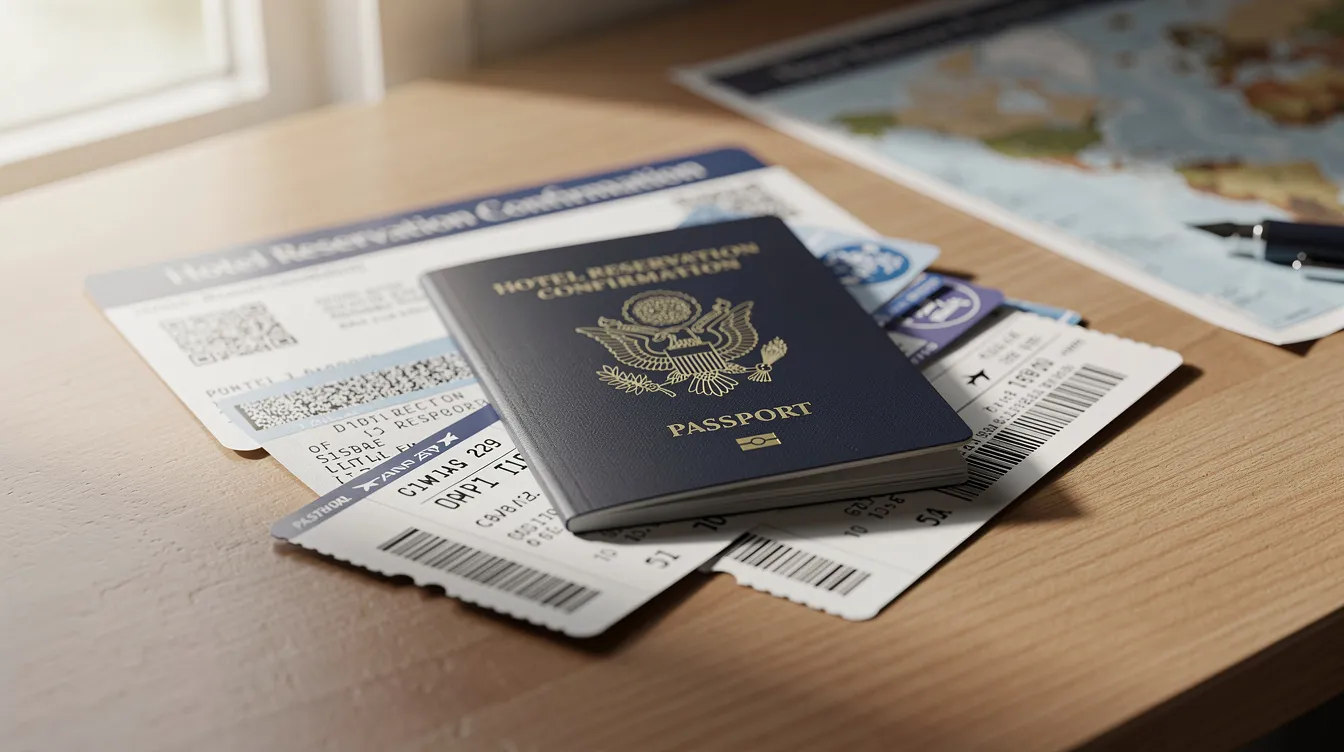
When you enter Spain through external borders, especially those at airports like Madrid-Barajas, non EU nationals can expect questions about their trip. Border officers have authority to verify your purpose and conditions of stay.
Typical documents you may need to present proof of:
- Return or onward travel ticket showing departure from Schengen within 90 days
- Accommodation details (hotel booking, rental agreement, or carta de invitación from a host, which costs €70-100 to process)
- Sufficient financial means (Spain references approximately €113.40 per person per day for 2026, though presenting cash is not required if you have bank statements)
- Travel insurance covering medical emergencies
- Students or volunteers may need enrollment letters confirming dates and non-paid nature of activities
Border officers can deny entry if documents are incomplete or if they suspect plans to overstay or work illegally. Being prepared and organized makes the process smoother for everyone.
Entry/Exit System (EES) and Passport Stamping
The EU Entry/Exit System started operating in October 2025 at Spanish airports, seaports, and land borders. This authorization system changes how non EU nationals are tracked during visits.
Here is what EES means for travelers:
- The system electronically records each entry and exit using biometric data (facial image and fingerprints)
- Date, time, location of crossing, and type of travel document are logged automatically
- No pre-registration or fee is required; data capture happens at border control kiosks
- EES gradually replaces manual passport stamping, so travelers must rely on electronic records to monitor their 90-day allowance
- Processing times may be slightly longer during implementation, so arrive at airports earlier than usual
The European Commission designed EES to screen approximately 300 million annual border crossings and reduce undetected overstays, which previously evaded manual tracking in about 40% of cases.
Health, Safety and Security Considerations
Health and safety rules may not affect entry eligibility directly, but they significantly impact trip preparation. As of early 2026, Spain does not impose COVID-19 specific health entry requirements, though checking the Spanish Ministry of Health for updates before departure is still wise.
Key health and safety points to consider:
- Ensure routine vaccinations are up to date and consider rabies precautions if hiking in rural areas or near wildlife
- Exercise caution due to the general terrorism threat across Europe (currently Level 3)
- Be aware of petty crime like pickpocketing in Madrid and Barcelona, especially those crowded tourist spots and hotel lobbies
- Take precautions against drink spiking and sexual assault, particularly in nightlife areas
- Demonstrations and strikes, especially those in Catalonia, can disrupt public transportation, airports, and ferries
- Climate change has increased heatwaves, wildfires, and storms; monitor local media and weather forecasts, particularly in coastal areas during summer
Air pollution can also spike during heat events, so travelers with respiratory conditions should monitor local authorities advisories.

Healthcare, Insurance and Emergencies
Spain has excellent healthcare that meets international standards, particularly in urban areas. However, visitors from outside the EU can face high out-of-pocket costs without proper insurance.
Essential healthcare preparation includes:
- Purchase comprehensive travel insurance before visiting Spain; some visa types require proof of at least €30,000 coverage for medical reasons and repatriation
- EU citizens should carry their European Health Insurance Card (EHIC) but understand it does not replace full travel insurance
- Emergency services can be reached by dialling 112 anywhere in Spain with multilingual support
- Some cities have specialised tourist police units (SATE) for assistance with theft or other incidents
- Keep digital and paper copies of passports, insurance policies, and emergency contacts separate from originals
For exceptional reasons requiring medical treatment, insurance ensures access to private facilities without delays.
Practical Rules and Local Regulations You Should Know
Understanding everyday rules in Spain helps avoid fines or problems during your stay. Local authorities can legally ask for identification at any time.
Important local regulations include:
- Carry your passport or a quality photocopy; failure to identify yourself may lead to temporary detention
- Avoid photography around military installations or areas where signs prohibit it
- Some municipalities like Barcelona fine people €120 for wearing beachwear away from beaches and seafront areas
- Buying counterfeit goods from street vendors is illegal in several regions and can result in on-the-spot fines
- Declare foreign currency amounts over €10,000 at customs, and follow EU rules restricting meat and dairy imports from non-EU countries
- Access cards and receipts should be kept for high-value purchases in case of customs questions
These rules apply to everyone, not just tourists, so locals expect visitors to follow them.
Driving, Road Rules and Transport
If you plan to drive while visiting Spain, preparation makes a significant difference. Requirements depend on your home country and length of stay.
Driving essentials for visitors:
- Carry a valid driving licence from your home country plus an international driving permit for non EU nationals
- Respect local traffic laws including speed limits and the 0.5g/l alcohol limit, which is stricter than many other countries
- Tourists can generally drive for up to 6 months before needing a Spanish licence
- Cars must carry mandatory safety equipment including reflective vests and warning triangles
- Police can issue on-the-spot fines for traffic offences, sometimes requiring immediate payment
- Crossing between Spain and Gibraltar may involve extra border controls and delays
Planning Your Trip: Timing, Packing and On-the-Ground Tips
Once entry conditions are understood, focus shifts to practical planning. Timing and preparation can make or break your experience.
Best time to visit considerations:
- Spring (April-June) and autumn (September-October) offer milder weather and fewer crowds
- Peak summer brings beaches but also higher prices, heatwaves, and 90 million visitors
- Winter suits city breaks and skiing in the Pyrenees or Sierra Nevada
Packing advice:
- Layers for changeable weather and 15°C temperature swings between day and night
- Comfortable walking shoes for cobblestone streets
- Modest clothing for churches and religious sites
- Sun protection (UV index reaches 9 in summer) and swimwear for coastal areas
Spanish culture runs on late schedules with lunches around 2pm and dinners at 9pm. Learning basic Spanish phrases goes a long way, and tapas culture is best experienced by embracing local customs.

Final Checklist Before You Go
Here is your pre-departure checklist to ensure you meet all entry requirements:
- Passport validity and physical condition confirmed
- Visa status checked; if required, visa granted and documents saved
- Travel insurance purchased with €30,000 minimum coverage
- Flights and accommodation booked with confirmations stored offline
- Proof of sufficient funds accessible (bank statements, credit cards)
- Return or onward ticket ready to show at border control
- Emergency numbers (112) and consular contact details noted
- Screenshots or printouts of key documents as backup
With these steps complete, most travelers will clear Spanish border controls smoothly and can focus on enjoying their trip. Safe travels!
Already Able to Travel to Spain? Turn Your Trip Into a Spanish Immersion Experience
If you are from a visa-free country, or already have a valid visa for Spain, why not go beyond tourism and use your time in Spain to truly improve your Spanish?
With our Spanish Homestay Immersion Program (SHIP), you can:
✅ Live and study Spanish in your teacher’s home in Spain
✅ Speak Spanish from Day 1 through daily interaction
✅ Experience Spanish culture from the inside, not as a tourist
✅ Build confidence in real-life Spanish naturally
This is not a conventional language course.
This is real immersion through shared life, conversation, and culture.
Important:
Spanish Express does not provide visas or immigration services.
We do not arrange visas.
We simply help eligible participants, those who can already travel to Spain, experience authentic Spanish immersion in a teacher’s home.
See How Past Visitors Experienced SHIP
👉 Read Past Students’ SHIP Stories Here
Thinking About Joining Us?
Speak directly with our founder and director to see whether SHIP may be right for you:
Mónica Romero
Founder & Director, Spanish Express
📞 WhatsApp: +44 7903 867 894
📧 monicaromero@spanishexpress.co.uk
Ready to make your time in Spain count?
Contact us today and discover how easy speaking Spanish can become when you live it from Day 1!