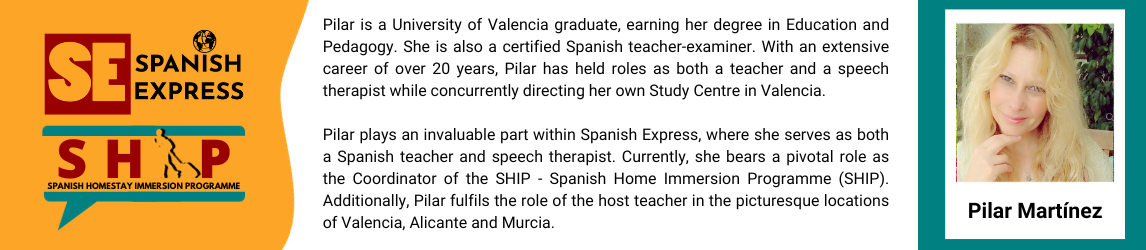
Our program is not a typical school or one of the bigger Spanish schools you might find in Madrid or Barcelona. Students live with certified, native Spanish teachers, which makes every meal, walk, and outing part of the learning. Accredited by Instituto Cervantes, our program upholds a standard of academic excellence and quality assurance.
As detailed in this article, which serves as a comprehensive guide for A Level Spanish preparation, we have extensive expertise in teaching Spanish, using innovative teaching methods to support our students. The program focuses on developing communication skills, including listening and speaking, to build confidence and fluency.
We also offer different activities such as excursions, debates, and social gatherings, providing immersive and enjoyable opportunities to practice Spanish in real-life contexts. This is the perfect program for any student who needs to learn Spanish for A Level with real depth.
Meet Rosie: A British A-Level Student Ready to Speak Spanish
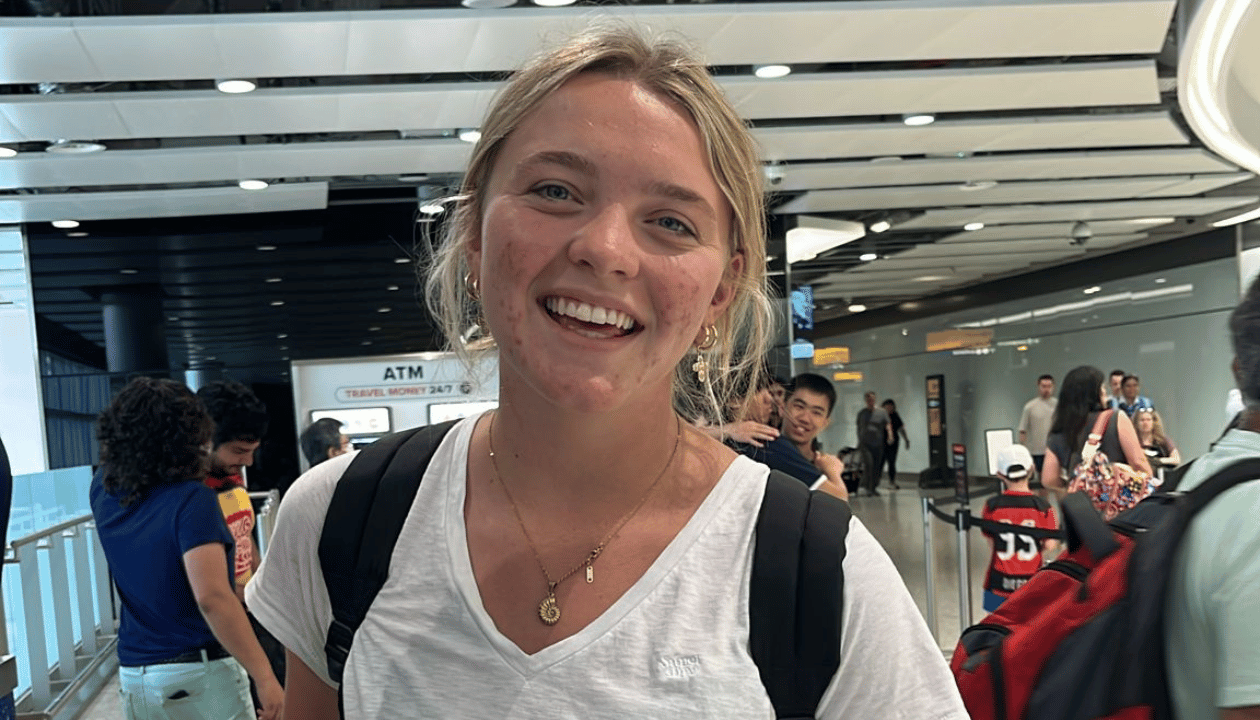
Rosie is a 17-year-old student from the UK who joined our SHIP (Spanish Homestay Immersion Program) in Gilet, Valencia, to sharpen her grammar and writing ahead of her A Level exam. Before starting, Rosie took a free Spanish language test to determine her proficiency level and identify her learning goals. As she put it herself, “Speaking only in Spanish for a week will be very helpful in building my confidence.”
Outside the classroom, Rosie is incredibly active. She plays rugby, tennis, and swims regularly, sings in two school choirs, and participates in Model United Nations conferences focused on environmental and geopolitical topics. Expanding her knowledge of Spanish words was a key part of her preparation for the program.
She also enjoys debating, watching films, and unwinding with TV series. Her curiosity about the world made her the ideal candidate to dive into Spain, practice the language daily, and meet new friends along the way.
Rosie’s Spanish Level and Academic Background
Rosie had just completed Year 12 (AS A Level) when she arrived in Valencia. Her Spanish level was a solid B1, which gave us a strong foundation to push her writing, fluency, and listening comprehension to the next stage.
Her objective was clear: revise systematically for her A Level exam while gaining the confidence to speak Spanish naturally with native speakers. She wanted to apply her existing knowledge in real conversations rather than only on paper.
Following a communicative approach aligned with the Common European Framework of Reference for Languages (CEFR), as well as the expectations of UK exam boards such as AQA, Edexcel, and OCR, our course was designed to help her develop language skills through context rather than isolated rules. Every activity had a clear purpose linked to her syllabus.
A Structured Course: Grammar, Writing, and Oral Practice
Rosie’s week followed an intensive course that combined systematic verb study with cultural and social experiences. We worked on the present, past, future, conditional, and subjunctive tenses, supported by focused exercises with irregular verbs.
Her weekly assignments included written presentations, texts about her daily routine, hobbies, personal biography, and future plans. We also did guided conversation, vocabulary review, and translation exercises tailored to her A Level syllabus.
Rosie described the class as “well-structured and clear,” which reflected her appreciation for the way each lesson connected grammar to real communication. She prepared for her A Level oral project with confidence, hard work, and consistent feedback throughout the week.
Welcoming Rosie to Valencia: Her Spanish Adventure Begins
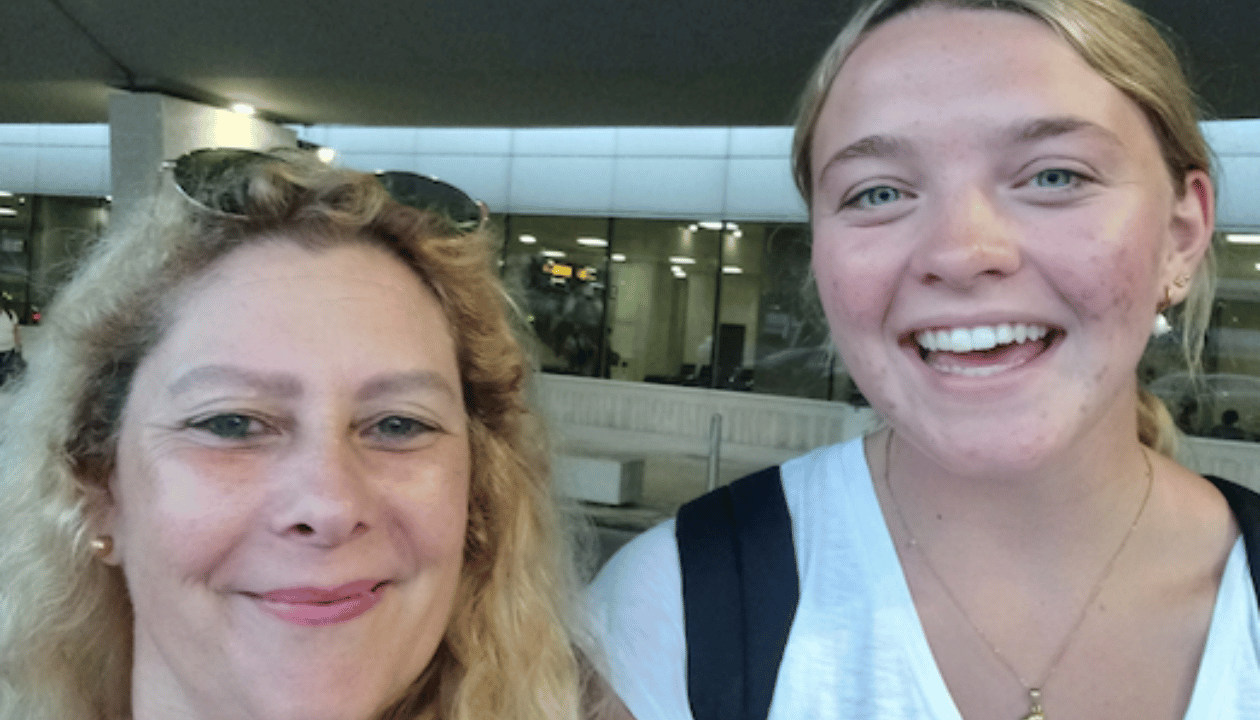
Rosie’s journey began the moment she stepped into sunny Valencia. The warm Mediterranean breeze, the welcoming homestay, and a friendly first conversation with my family set the tone for an unforgettable week in Spain. Participants in Spanish immersion programs can expect to spend up to 8 hours a day speaking Spanish, which greatly enhances fluency and confidence.
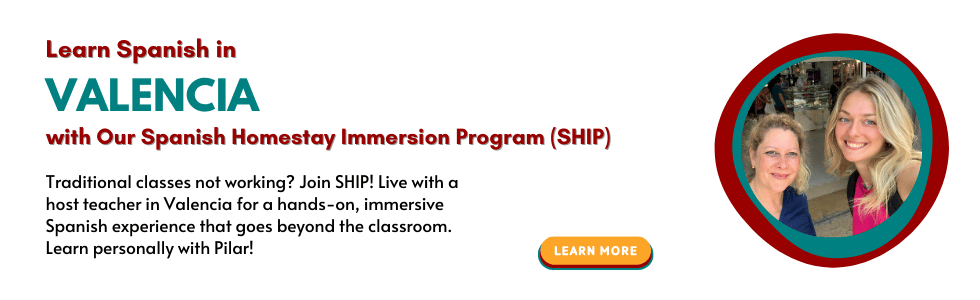
After a quick chat about her travel arrangements, we walked through the neighbourhood so she could begin to absorb the rhythm of Spanish life. From day one, every interaction became a chance to practice key phrases and listen to native speakers. A week of intensive Spanish immersion is often compared to 1-2 months of typical language learning in a classroom setting, highlighting just how effective this experience can be.
This first day matters more than people think. It helps the student feel safe, relaxed, and ready to commit to speaking Spanish in every context, even when making mistakes feels uncomfortable.
Spanish Classes: Building Fluency Through Focused Lessons
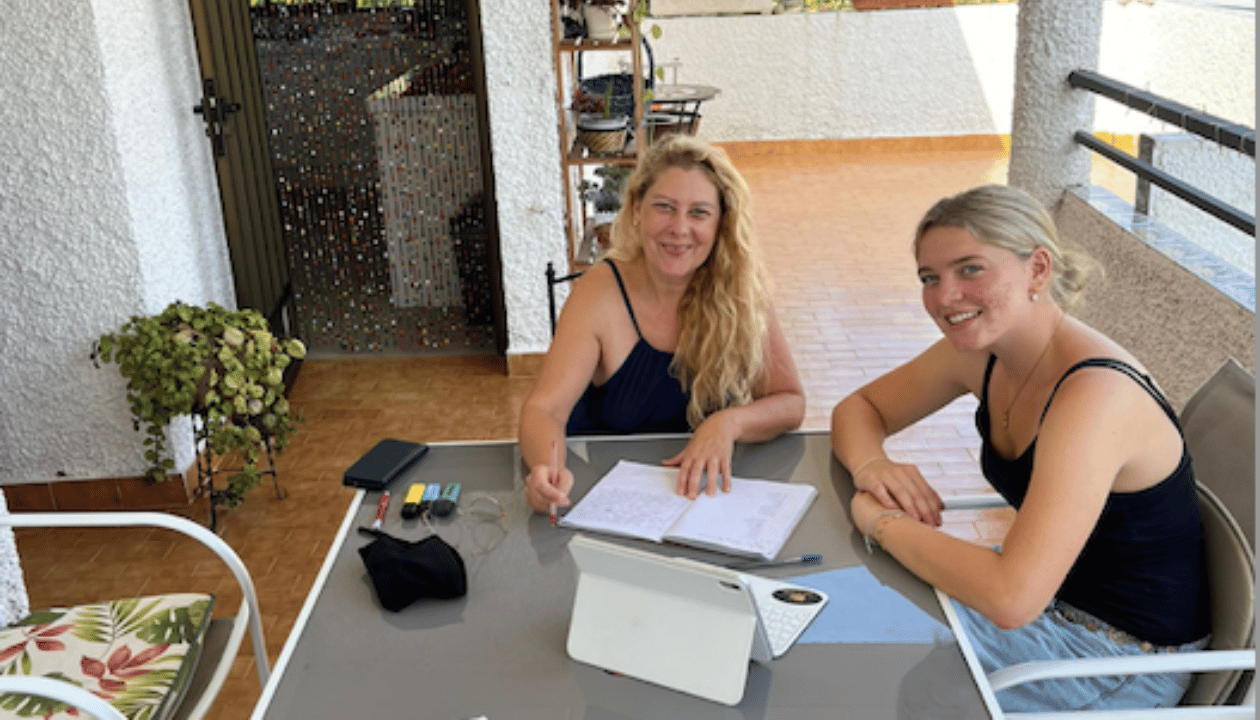
Our daily Spanish classes were the backbone of Rosie’s progress. We worked through grammar drills, written exercises, oral practice, and translating short texts that mirrored the type of writing required in her A-Level past papers.
Each morning, we reviewed her work from the previous day and prepared answers for new tasks, including focused listening activities and structured speaking exercises. She gradually moved from hesitation to clarity in her responses.
By midweek, Rosie was forming complex sentences with greater fluency and using new vocabulary in conversation. The combination of structured lessons and real-life practice gave her the ability to handle her test with much more confidence.
Paella Cooking with Friends: Language in Real Life
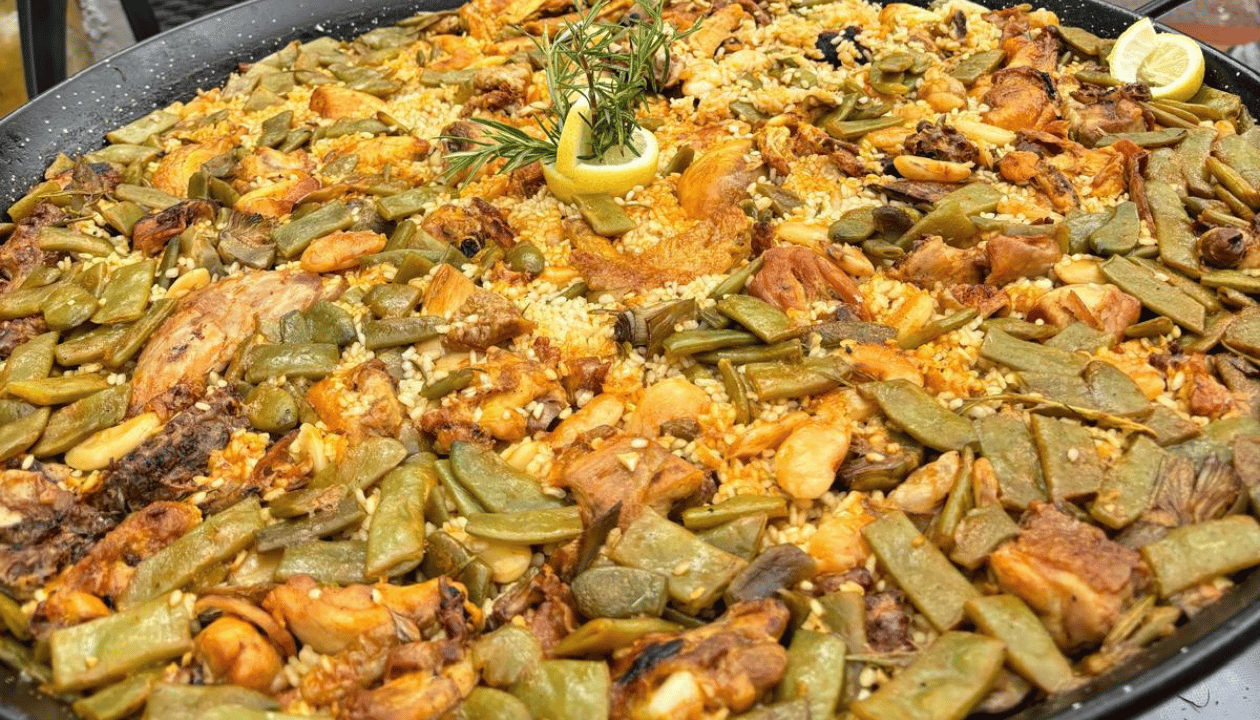
One of the most authentic experiences of the week was learning to cook a traditional Valencian paella with our neighbours, Héctor and Claire, and their daughters. Rosie joined the lively Spanish conversation in a warm, relaxed setting.
She picked up vocabulary related to ingredients, cooking techniques, and family traditions, all while interacting naturally with native speakers. This kind of activity is impossible to replicate in any classroom or online course.
Tasting an authentic, family-made paella was the perfect reward, and the laughter around the table proved that food and language go hand in hand. Rosie left the kitchen with new friends and a stronger ability to communicate.
Exploring Valencia’s Historic Centre
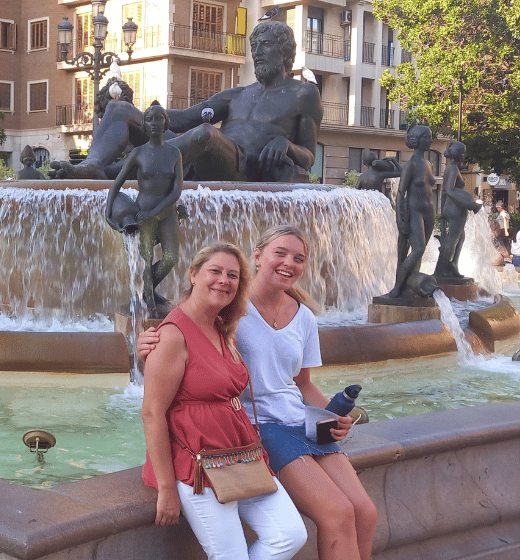
Walking through Valencia’s historic centre offered Rosie a full immersion in Spain’s rich cultural heritage. We visited La Lonja de la Seda, a UNESCO World Heritage site, the Cathedral, L’Almoina Museum, the Central Market, and Plaza de la Virgen.
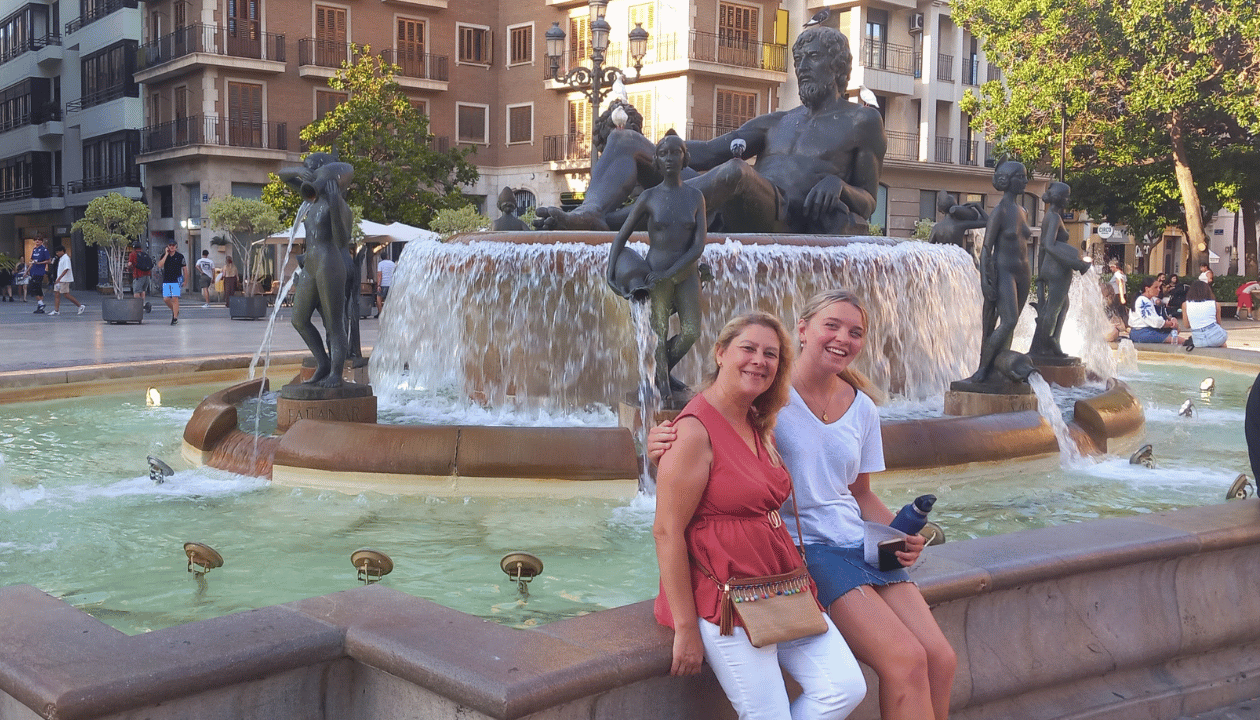
Along the way, we practiced descriptive language, made comparisons, and discussed history in Spanish. This kind of focus on real context helps students understand culture and language as one connected whole.
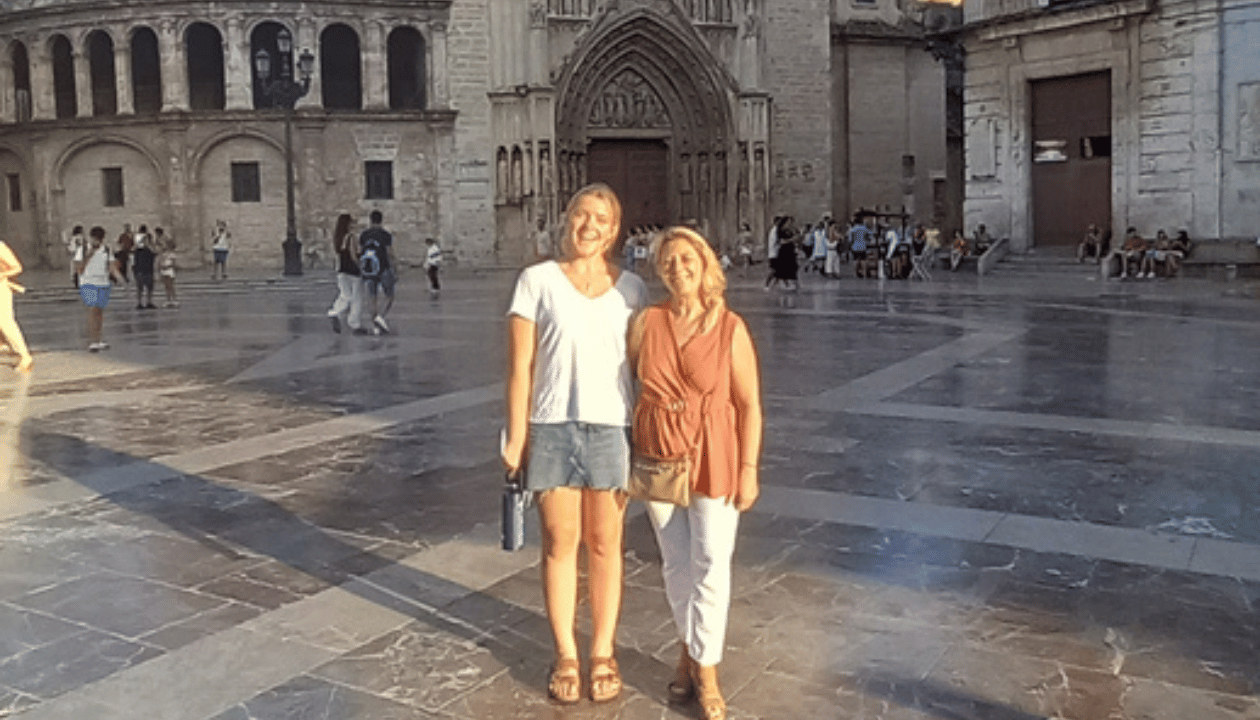
Rosie used her vocabulary in spontaneous ways, asking questions about Roman, Muslim, and Iberian influences. Each landmark became an opportunity to build her confidence, expand her knowledge, and create authentic memories of her week in Spain.
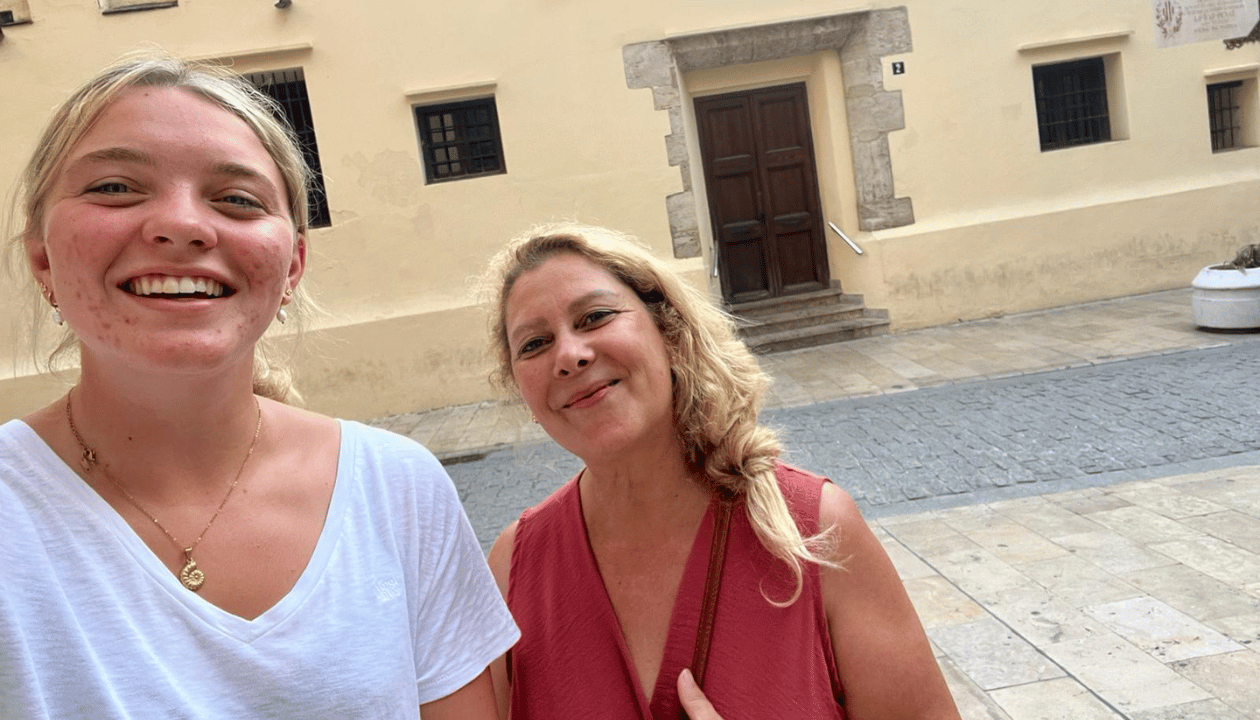
Horchata Tasting and Dinner by the Beach in Port Saplaya
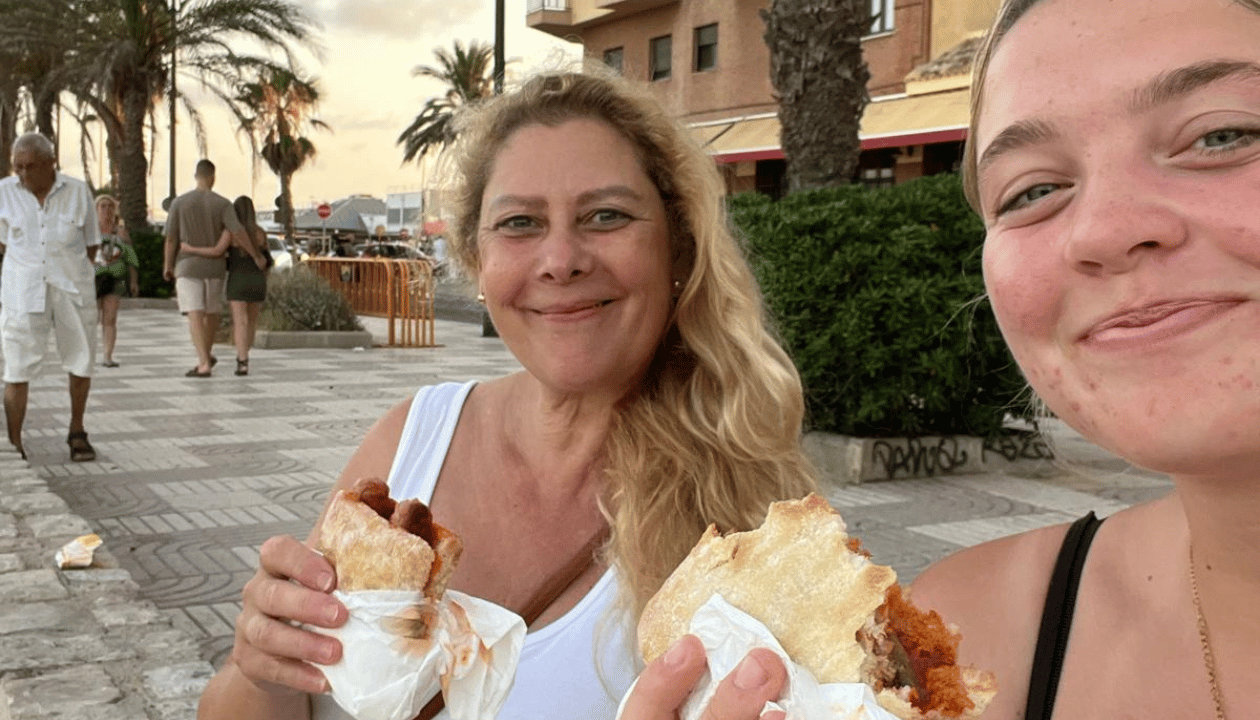
Port Saplaya gave Rosie a relaxed setting to enjoy local flavours while continuing to develop her Spanish. Over dinner by the sea, we discussed Mediterranean culture, Valencian flavours, and Spanish culinary traditions.
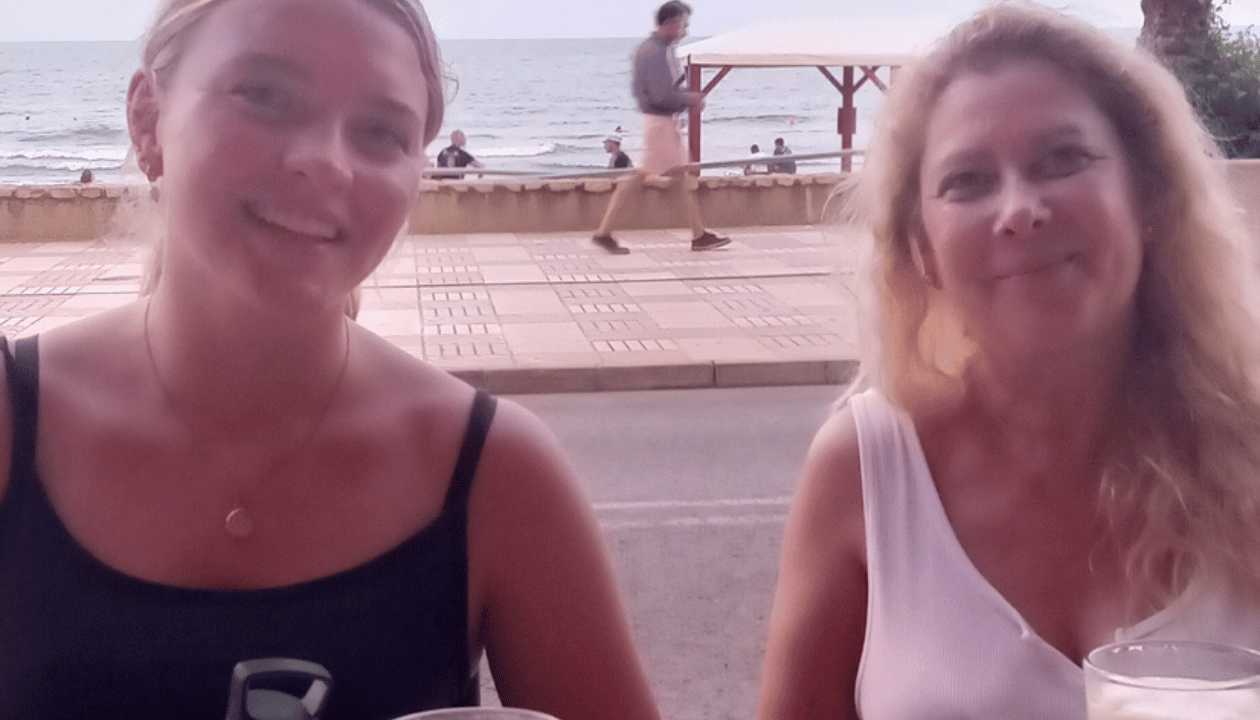
We also enjoyed a refreshing horchata, a traditional Valencian drink, savoured close to the chufa fields where its key ingredient grows. It was a memorable mix of culture, conversation, and coastline.
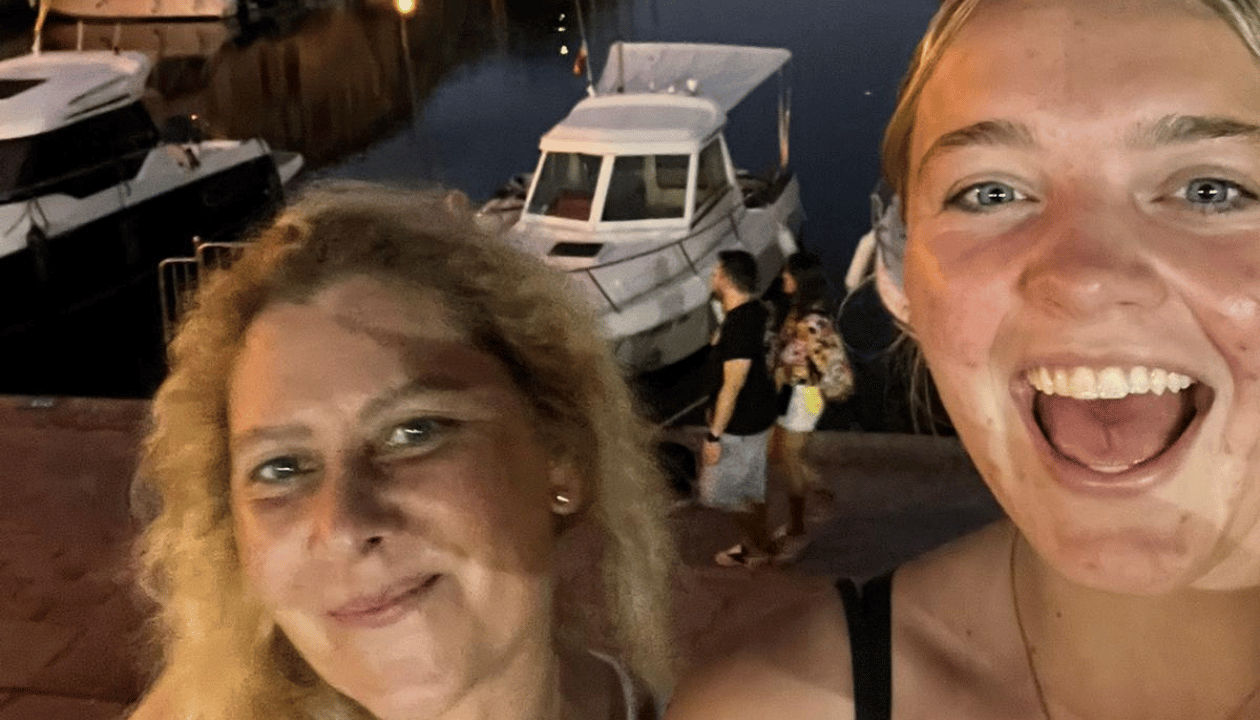
Rosie ordered confidently in Spanish, asked questions about ingredients, and held a meaningful conversation with locals. These small moments are where students truly stop translating in their heads and start thinking in the language.
Sunset Boat Ride at La Albufera
To round off the week, we visited La Albufera for a magical sunset boat trip. The reflection of the sky on the calm waters offered the perfect setting to reflect on everything Rosie had achieved.
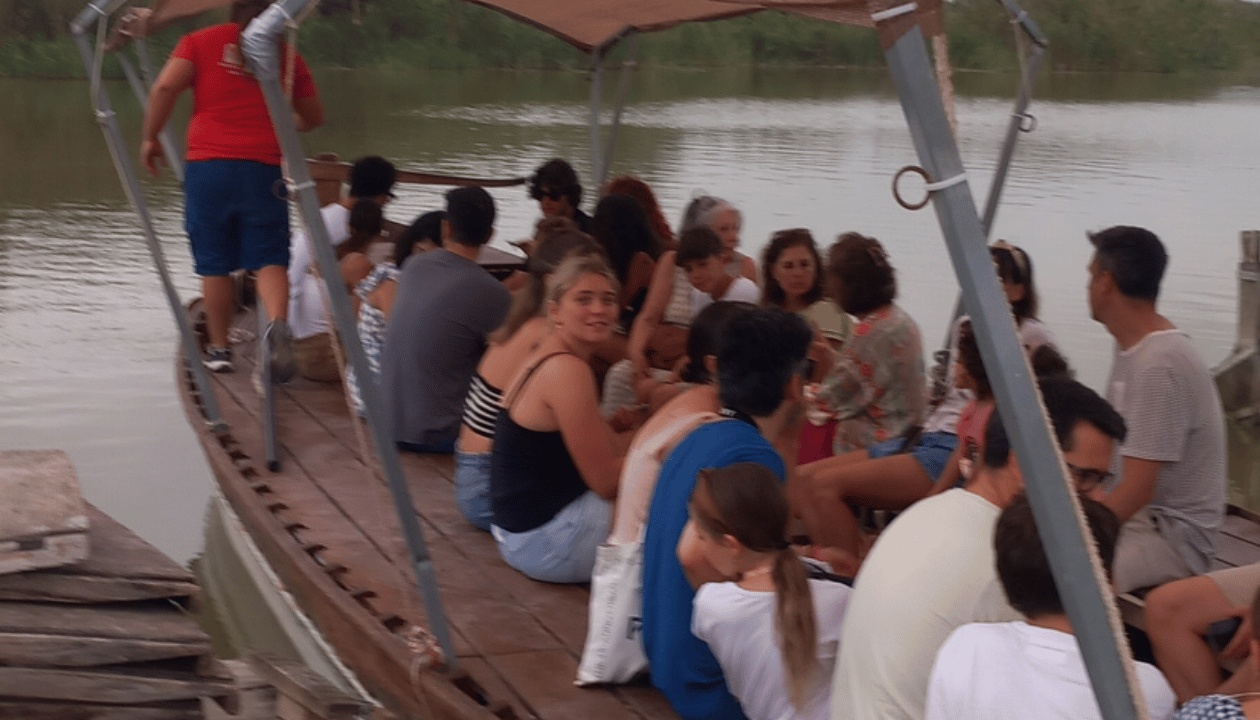
Surrounded by the natural beauty of the rice fields and lagoon, we talked about her progress, her favourite moments, and her future plans. The peaceful atmosphere encouraged longer, more thoughtful conversations.
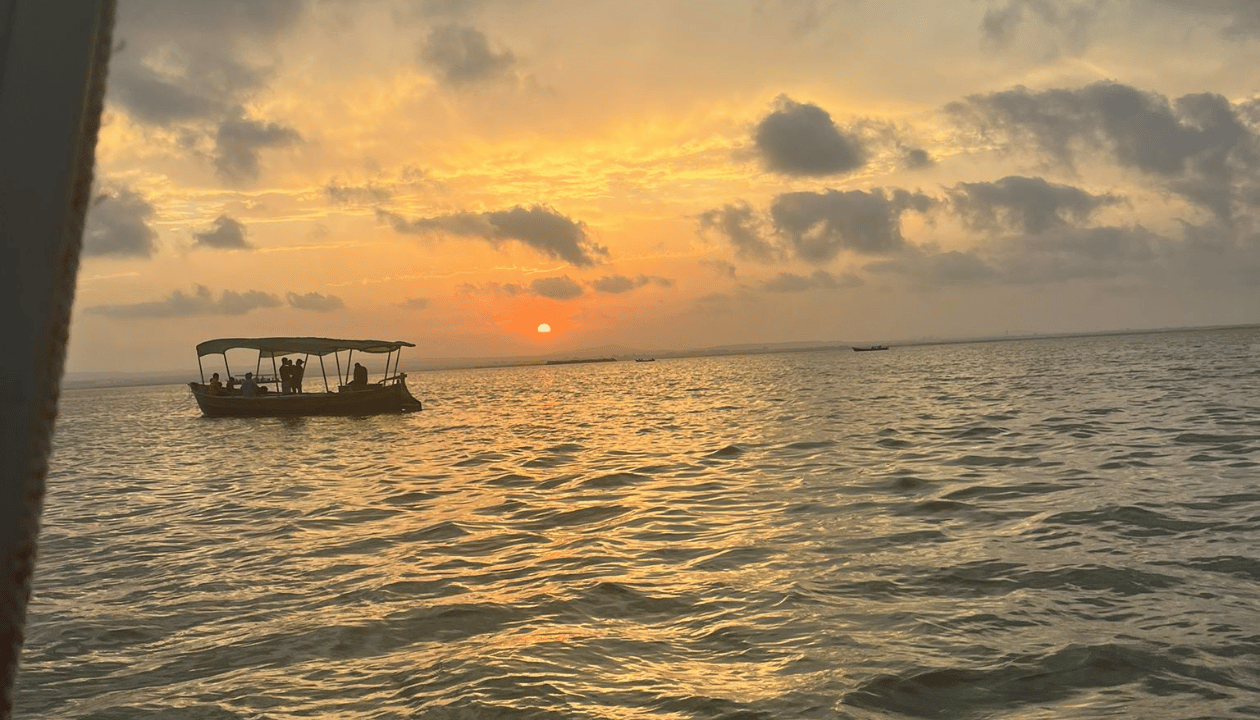
For Rosie, this was more than sightseeing. It was a moment to feel proud of how far she had come in just one week, and to imagine her next steps after the A Level exam.
Lunch on the Beach with Sea Views
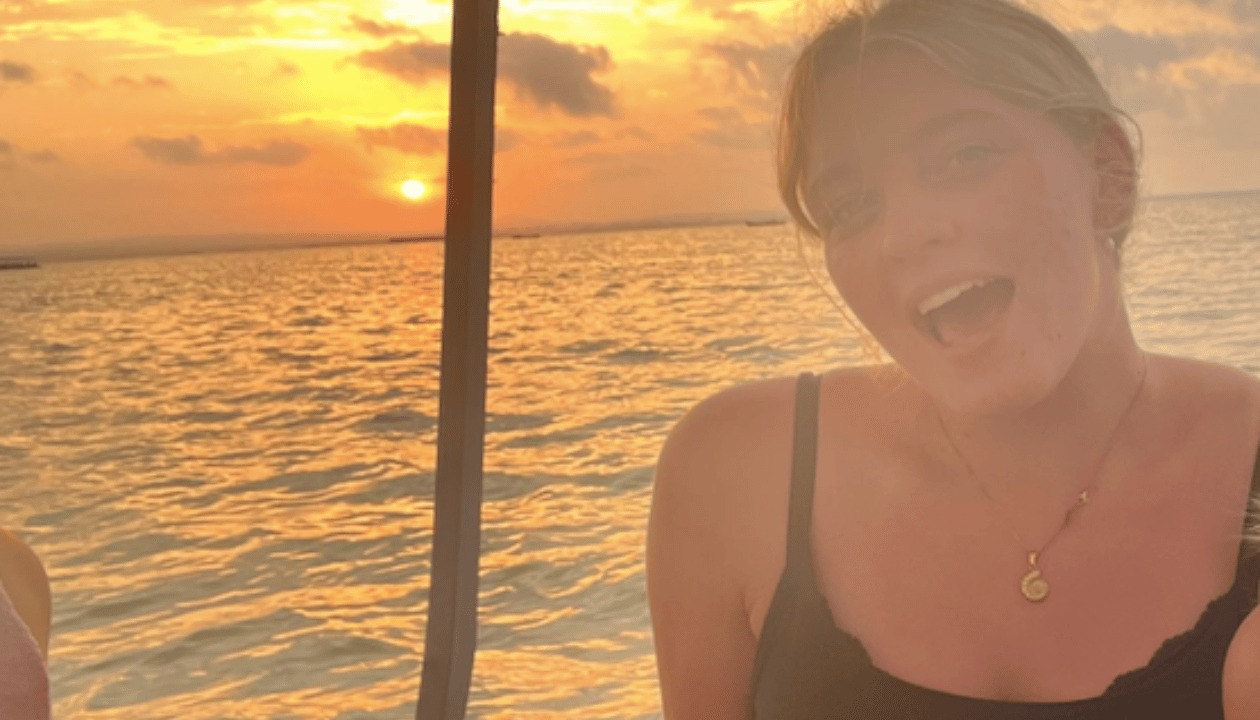
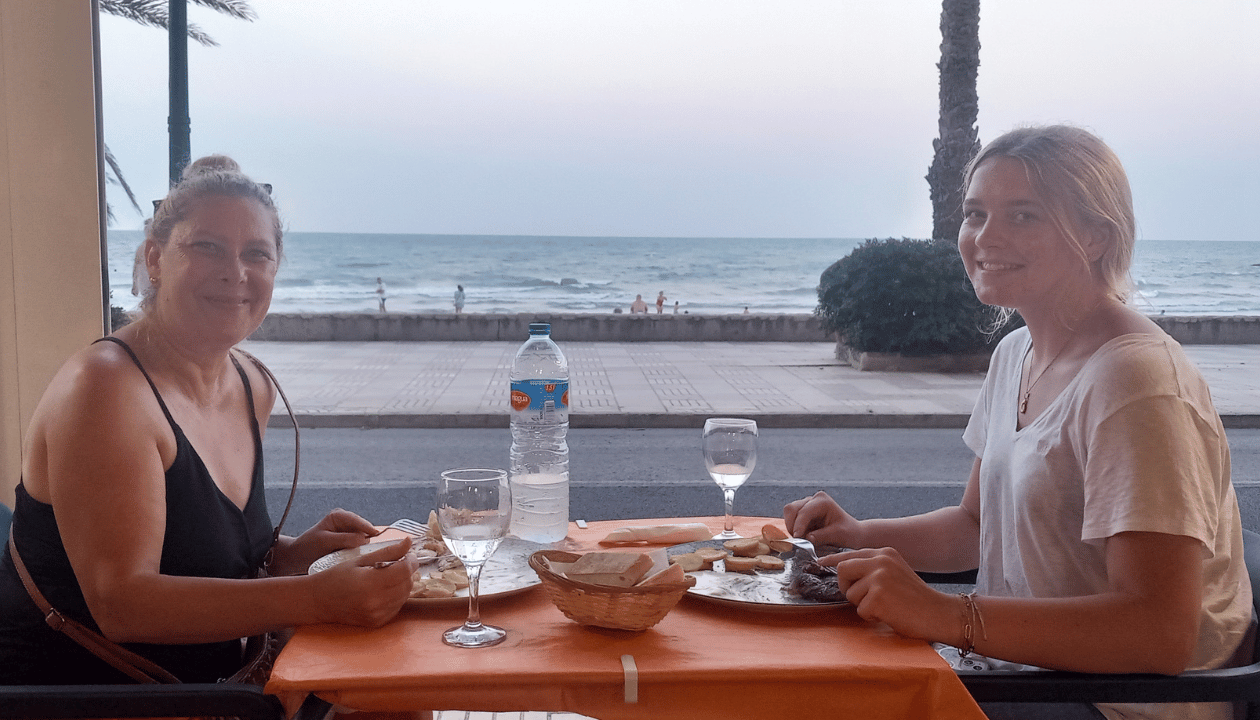
As the sun moved towards the horizon, Rosie enjoyed a magical lunch by the Mediterranean Sea. The setting was simple but unforgettable: good food, friendly conversation, and the sound of the waves.
We used this time to review key phrases, talk about her hobbies, and discuss her hopes for university. Casual settings like this often produce the most natural and confident Spanish.
It was a beautiful way to celebrate her hard work and progress throughout the week. Rosie ended the meal smiling, relaxed, and visibly more comfortable expressing herself spontaneously in Spanish.
A Week of Real Progress and Renewed Confidence
By the end of her stay, Rosie’s Spanish had improved not only in grammar but also in oral expression and public speaking. She had consolidated her grammatical knowledge, expanded her vocabulary, and gained genuine fluency.
She proved to be a responsible, enthusiastic, and motivated student who made the most of every moment. From structured exercises to spontaneous conversation, she gave the course her full focus.
We waved her off with a heartfelt buena suerte for her A Level exam. Rosie returned home with stronger writing, sharper listening comprehension, and the kind of confidence that only true immersion can create.
Ready to Start Your Own Spanish Immersion Journey?
Rosie’s story shows what is possible when a student commits to real practice in a real country. Whether you are revising for an A Level exam, preparing for university, or simply wanting to speak Spanish with confidence, our SHIP (Spanish Homestay Immersion Program) is designed for you and will help you improve your communication skills.

Our programs combine structured lessons, cultural immersion, and daily life with native Spanish teachers. Many of our previous students describe it as a fantastic experience that changed how they see language, travel, and learning forever.
Speak Spanish. Live the culture. Discover a new chapter of your life in Spain.
You can explore more real immersion journeys from our past visitors through SHIP Stories of Our Previous Students on our site, where you can read full reports, reviews, and articles—including detailed guides and tips for A Level Spanish—from students just like Rosie.
For personalised guidance and programme details, contact:
Mónica Romero Founder and Director
📞 Phone / WhatsApp: +44 7903 867 894
📧 Email: monicaromero@spanishexpress.co.uk