
Every time I walk into Casa Olivar with my students, I notice the same quiet reaction. They step through the grand entrance, look around at the elegant rooms, and immediately sense that this is not just another historic building. Casa Olivar is a selected cultural highlight in Ciutadella de Menorca, recognized for its unique historical and architectural value. Casa Olivar has a spectacular and perfectly symmetrical façade with a large entrance. Casa Olivar is located in Ciutadella’s iconic Plaça de la Catedral, right in front of the entrance.
I am Mónica Romero, Founder of Spanish Express and the host teacher in Menorca for our Spanish Homestay Immersion Programme. Welcoming students into my home and guiding them through places like Casa Olivar is one of the most meaningful parts of what I do.
One place I undoubtedly include in every cultural trip is Casa Olivar. This historical house is much more than a monument, it is a real home where generations of a noble family lived, offering a unique window into the past of Menorca. Casa Olivar is a stately home located in the center of Ciutadella.
Palacio Olivar is still owned and partly inhabited by the direct descendants of the Olivar family, which adds to its authenticity and historical significance. Casa Olivar preserves one of Menorca’s private artistic and historical heritage sites for over 400 years.

Casa Olivar: A Noble House with Deep Roots
Casa Olivar was built in the 17th century by the Olives family, an influential noble family in Menorca. The property has remained in the hands of the Olivar family for centuries, which explains why it is so exceptionally preserved. Walking through Casa Olivar feels like stepping back in time.
Unlike many museums designed for the public, this house still retains its original structure, furniture, and layout. The history of the Olives family is visible in every detail — from portraits to personal objects displayed throughout the rooms. My students often say that Casa Olivar feels calm, elegant, and real, not staged or artificial.
Palacio Olivar is centrally located next to the Cathedral of Santa Maria de Menorca in Ciutadella.
The Grand Entrance and Architectural Style
The visit begins at the impressive entrance hall. This space was carefully designed to reflect status and hospitality. As I guide students inside, they immediately notice the scale and proportions of the house. The central staircase, one of the most striking features, connects the lower floor with the noble rooms above.
The architectural style combines traditional Menorcan elements with European influences, particularly French and British touches that reflect Menorca’s historical connections. Every element of the property was designed to impress visitors while remaining a functional home for the family who lived there.

Exploring the Rooms of Casa Olivar
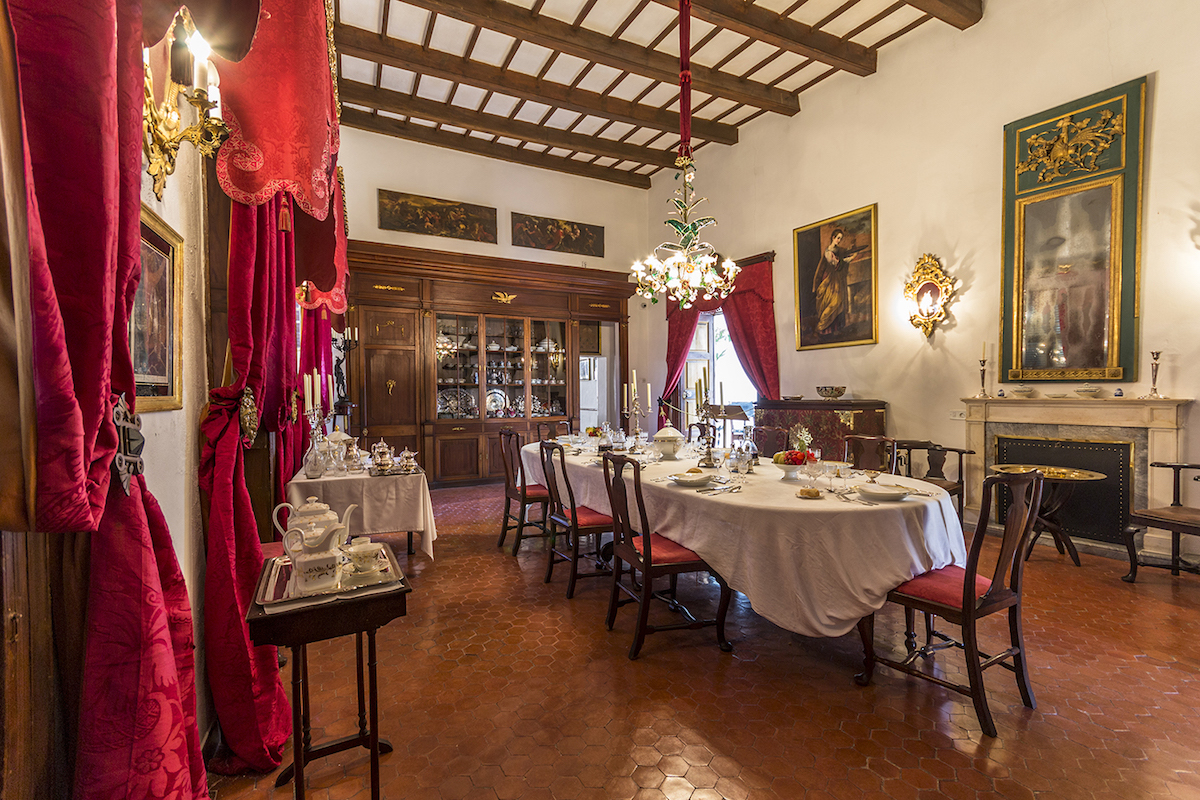
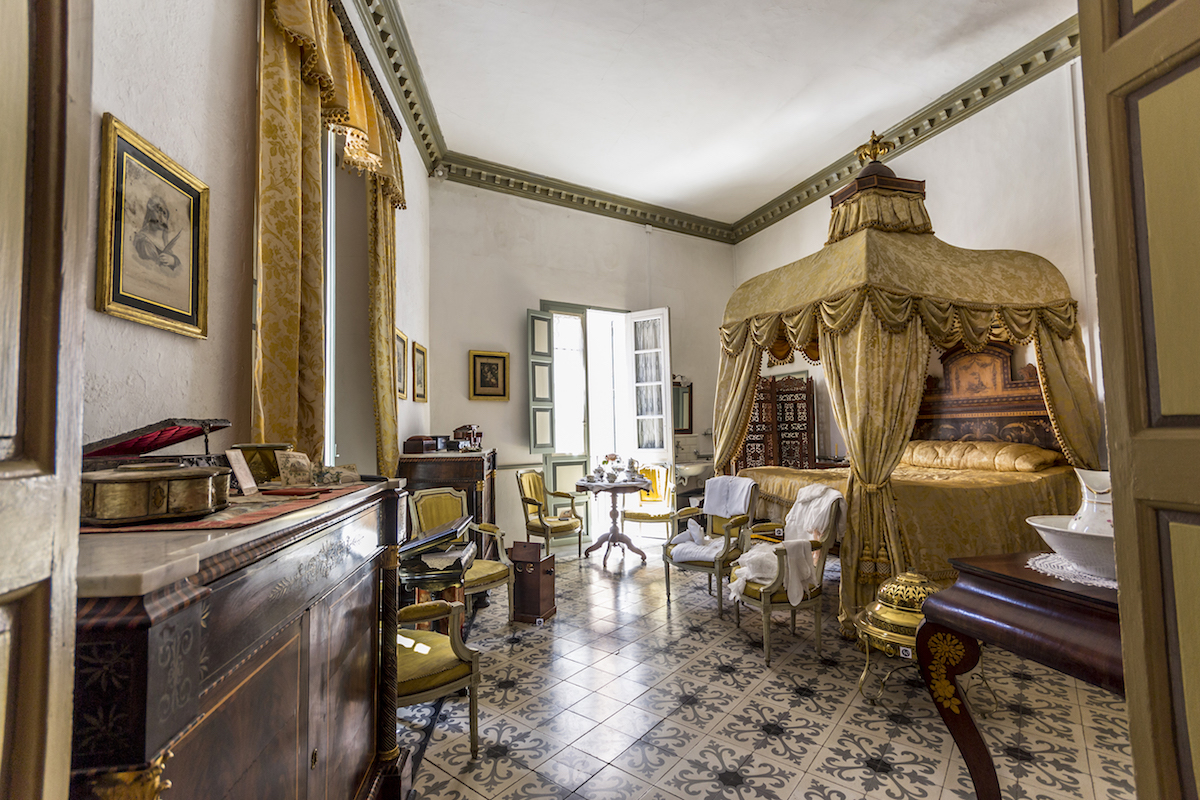
One of the reasons Casa Olivar is so popular with my students is the variety of rooms they can explore. Each room tells a different story about daily life centuries ago. Palacio Olivar was built in the 17th century for one of the wealthiest families in Menorca.

Inside the house you will find:
- Elegant salons with painted murals
- A formal dining room where the family gathered
- Bedrooms that show private domestic life
- A traditional pantry used for food storage
- Decorative objects and antique furniture
The pantry, in particular, fascinates students because it reveals how food was preserved and organised before modern refrigeration. Small details like this help them imagine how people lived in the past. The house is well-maintained and offers informative displays in each room.
Among the artworks displayed in the rooms is a religious painting of Santa Elisabet, which adds to the historical atmosphere of the home. These personal and religious elements show how family traditions shaped everyday life. Visitors can also explore opulent rooms adorned with antiques, frescoes, and family artifacts at Palacio Olivar.
The palace has been recently restored to showcase its original grandeur. The tour includes historical documentation detailing negotiations with Turkish captors from 1558, and an 18th-century wine cellar is part of the tour. Don’t miss the 18th-century wine cellar or the unique murals during your visit.
A Living Home, Not Just a Museum
Although Casa Olivar is open to the public for visits, part of the property remains private. This balance between public access and private home life gives the visit a special authenticity. It does not feel like a reconstructed space; it feels like a preserved home. Casa Olivar is designed with both beauty and sustainability in mind. Quality finishes throughout Casa Olivar include exposed wood beams, stone accents, and ceramic tile floors.
Because my students are already living in a Spanish home during their immersion stay, they naturally compare their own experience with how the Olives family once lived. This connection makes the visit more meaningful. Casa Olivar is known for its opulence and luxury, reflecting the lifestyle of the Olives family since the 16th century. The entrance fee for visiting Palacio Olivar is approximately €4-€5.

Why Casa Olivar Is an Excellent Cultural Activity
Casa Olivar is undoubtedly one of the most excellent cultural activities in Ciutadella. It offers:
- Real historical context
- Beautiful architectural views
- Insight into noble family life
- An immersive cultural experience
The visit usually lasts about one hour, making it easy to add to a full day in the old town. Casa Olivar is centrally located opposite the Cathedral, so it fits perfectly into a walking trip around the historic centre.

A Perfect Day in Ciutadella
After visiting Casa Olivar, I often continue the day with my students by exploring the Cathedral square, enjoying the views of the old streets, or walking down to the port. The location is ideal for combining culture and relaxation in one day.
Because Casa Olivar is located in the heart of Ciutadella, everything is within walking distance. The house is open most of the year, and children under a certain age can enter free, making it accessible for families and student groups alike.
Note: Learn A Brief History of Ciutadella de Menorca: From Ancient Roots to Noble Streets
How Casa Olivar Enriches Your Stay in Menorca
For students living and studying Spanish in Menorca, Casa Olivar provides context. It shows how a noble family lived centuries ago and how domestic life has evolved over time. Instead of simply reading about history, students walk through real rooms where people once lived, ate, celebrated, and managed daily responsibilities.
This experience does not feel academic. It feels natural. Students observe details, admire the views from the noble floor overlooking the square, and imagine conversations that once took place inside the house.
Casa Olivar is not just a historical monument, it is a preserved home that reflects the identity of Menorca. The authenticity of the property, the legacy of the Olives family, and the beauty of its rooms make it a highlight of every cultural visit I organise.
Experience Menorca with Spanish Express
Reading about Casa Olivar is inspiring. Experiencing it with me is unforgettable.
At the Spanish Homestay Immersion Program (SHIP), I take students beyond sightseeing, helping them connect with Menorca’s culture, noble history, and architectural heritage through meaningful guided visits in Ciutadella.

My programmes combine cultural immersion, daily Spanish practice, and authentic local living, all while staying and studying in my home here in Menorca.
Casa Olivar is just one of the many cultural highlights my students experience during their immersion week.
Read Our Student Experience Stories Here
If you would like to explore available immersion weeks in Menorca, discuss tailored cultural visit programmes, or discover whether my homestay immersion experience is the right fit for your students, you are warmly invited to contact me:
Mónica Romero
Founder & Host Teacher, Menorca
📞 Phone / WhatsApp: +44 7903 867 894
📧 Email: monicaromero@spanishexpress.co.uk