

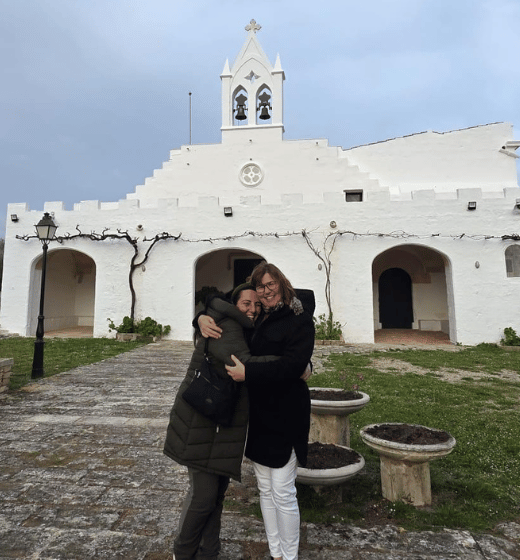
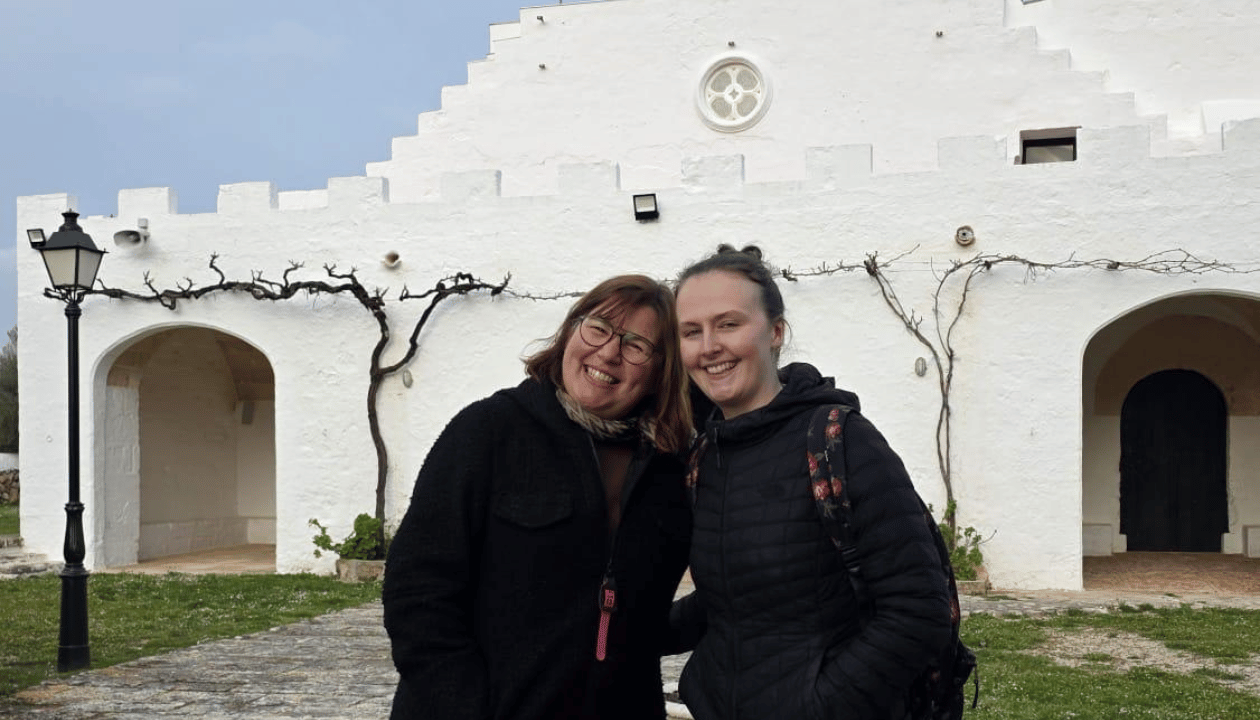
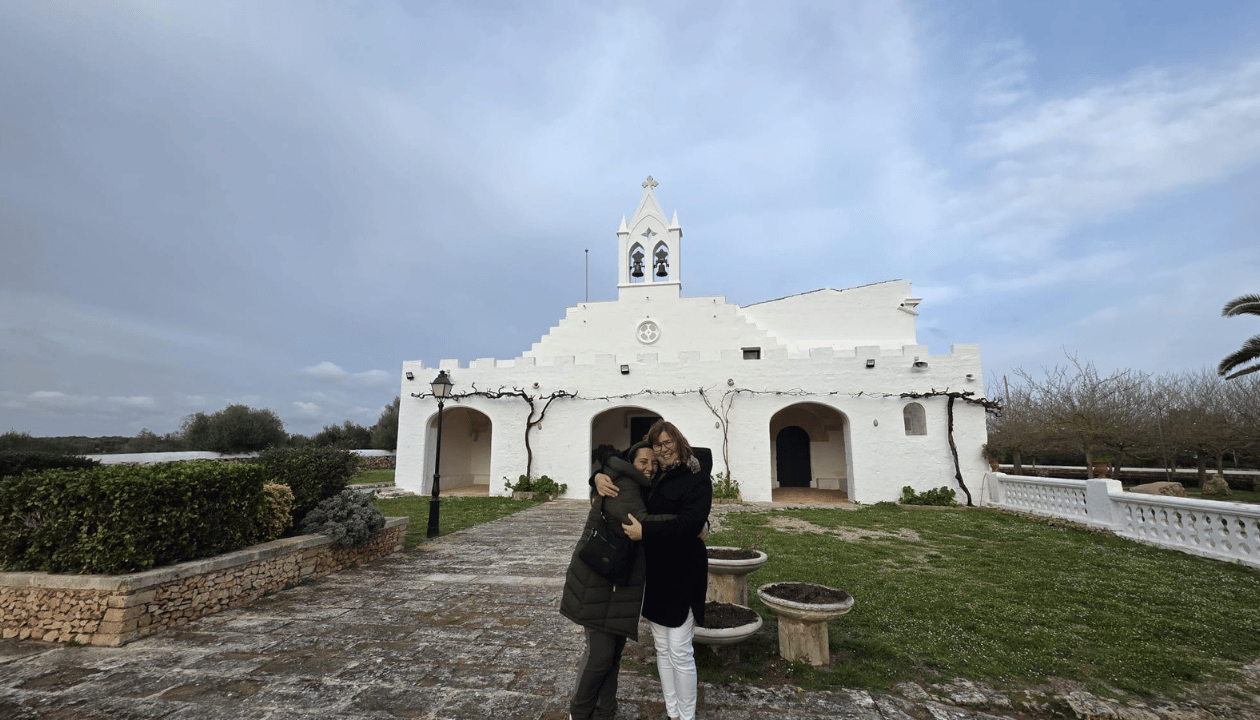
The ermita of Sant Joan de Missa is one of the most beloved places in Menorca, especially for the people of Ciutadella, because this is where the origins of the Sant Joan festivities begin. The Sant Joan de Missa celebration is a central pilgrimage to the Ermita de Sant Joan de Missa chapel, dating back to the 14th century.
Surrounded by cultivated countryside and traditional rural homes, the hermitage is located on Camí Sant Joan de Missa in Ciutadella, on the way to some of Menorca’s most beautiful beaches, including Macarella, Macarelleta, Son Saura, Cala’n Turqueta, and Es Talaier. Nearby, visitors can also explore the prehistoric settlement of Son Catlar, the ancient caves of Sant Joan Gran, and the notable geographical landmark of cabo, which adds to the scenic and historical significance of the area. The hermitage is documented in the Pariatge of James II from 1301 as one of the seven parishes into which Minorca was divided.
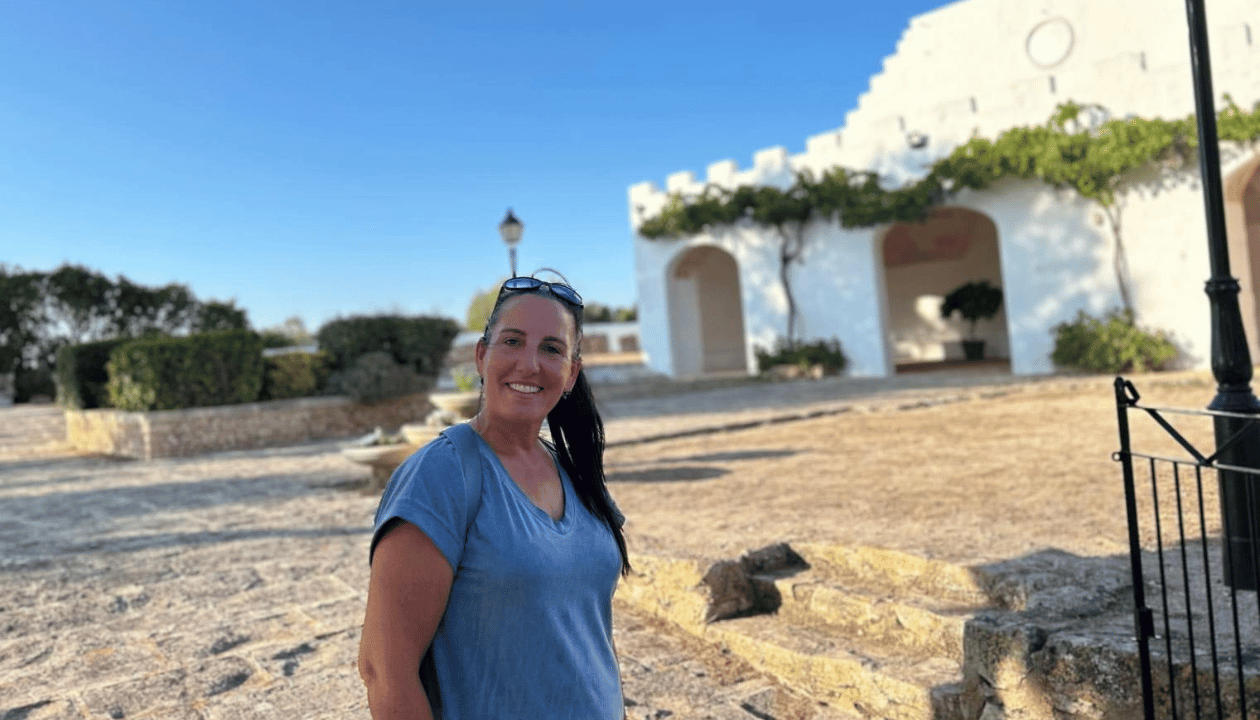
Each week, a group of dedicated volunteers gives their time to care for the hermitage, its gardens, and the surrounding environment. The hermitage is owned and managed by the Bishopric of Menorca and features a simple Gothic design with a single nave covered by two vaults. Thanks to the volunteers’ efforts, the area remains welcoming, peaceful, and beautifully preserved for everyone who visits.
Every June, Sant Joan de Missa becomes one of the most meaningful moments in Ciutadella de Menorca. Before the busy and vibrant days of the Sant Joan celebrations begin, this quieter and older tradition offers a deeper understanding of the spirit and history behind the festival.
I’m Mónica, and through the Spanish Homestay Immersion Program (SHIP) at Spanish Express, I help students experience Menorca by living with a local teacher, practicing Spanish in daily life, and joining real traditions in the town, the streets, and the community.
That is why Sant Joan de Missa is so special to share. It is not something you only read about. It is something you can walk, hear, and feel with the people who celebrate it.
A short history of Sant Joan de Missa
The origins of Sant Joan de Missa go back to the 14th century, when the hermitage was already an important religious point near Ciutadella de Menorca. In fact, Joan de Missa was documented in the early division of Menorca into seven parishes, which shows how deep this tradition runs in local history. Over time, the hermitage changed, but it kept its spiritual role. Today, this very simple hermitage still represents the beginning of the Sant Joan festivities.
The hermitage, or chapel, is modest in beauty, which is part of its charm. It is a simple hermitage with a single nave and two chapels added over time. Many people are surprised by how humble the chapel feels compared with the spectacular energy of the main festival in the city. Yet that contrast is exactly the point. Sant Joan de Missa reminds us that every big celebration begins with a quieter act of faith and community.
What happens on the Sunday before Sant Joan
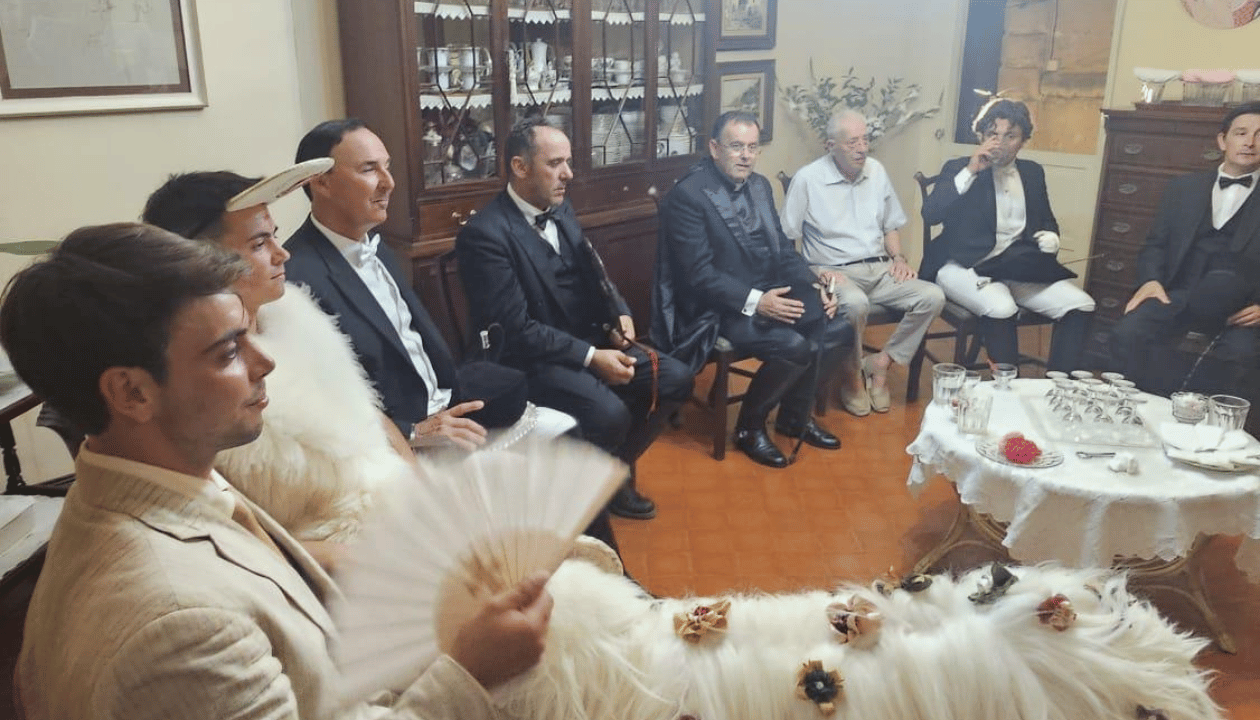
Sant Joan de Missa takes place on the Sunday before the main days of June 23 and 24. This day is tied to diumenge des be, also known as the day of the lamb. It marks the beginning of the festivities and brings the town together before the larger events unfold. The lamb, the music, and the ceremonial mood all help people remember the religious origins of Saint John, or Saint John the Baptist.
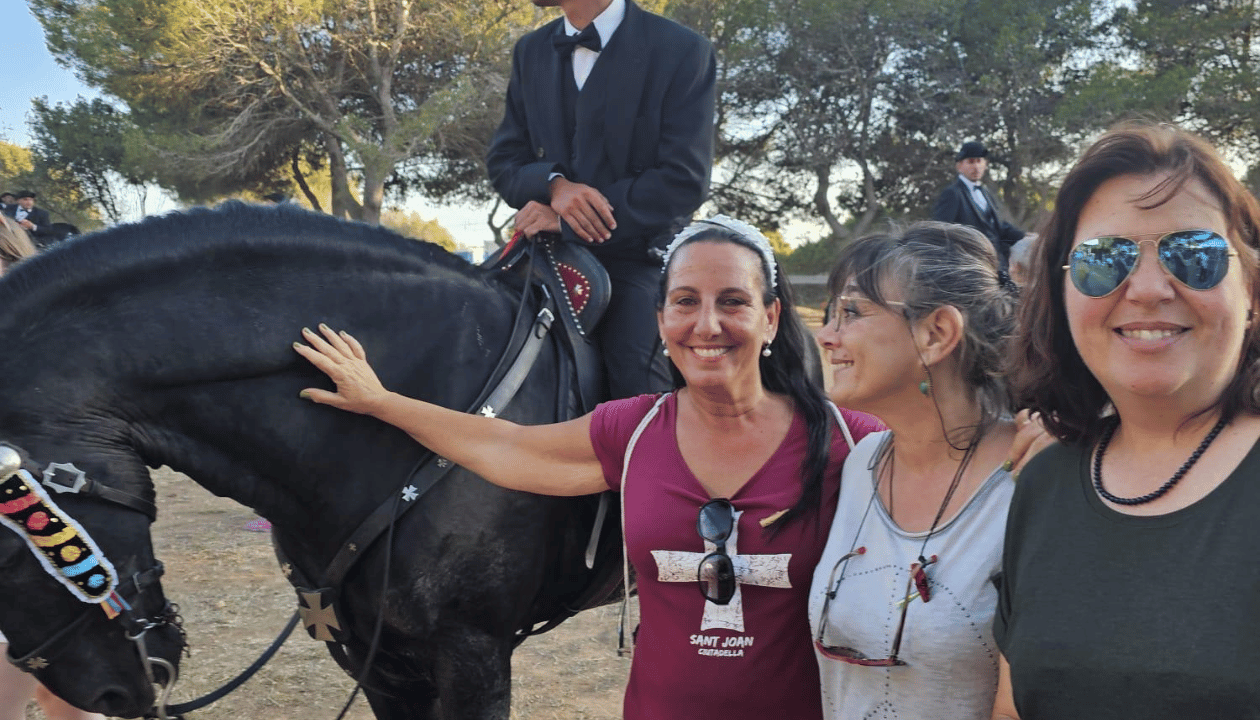
The pilgrimage begins in Ciutadella de Menorca and moves toward the hermitage. Pilgrims participate in an equestrian cavalcade, joining a traditional ride on horseback to reach the hermitage of Sant Joan de Missa, arriving from Sa Colcada. The caixers, who are horsemen representing different social estates, lead the procession and uphold the festival’s customs. Children also take part in the rituals and processions, often dressing up and joining the celebrations, which helps pass on the tradition to the younger generation. The sound of the fabiol and drum sets the rhythm of the morning and the group heads toward Sant Joan de Missa. This pilgrimage is not only symbolic. It is one of the clearest ways that Menorca keeps its tradition alive from one generation to the next.
The hermitage and why it matters
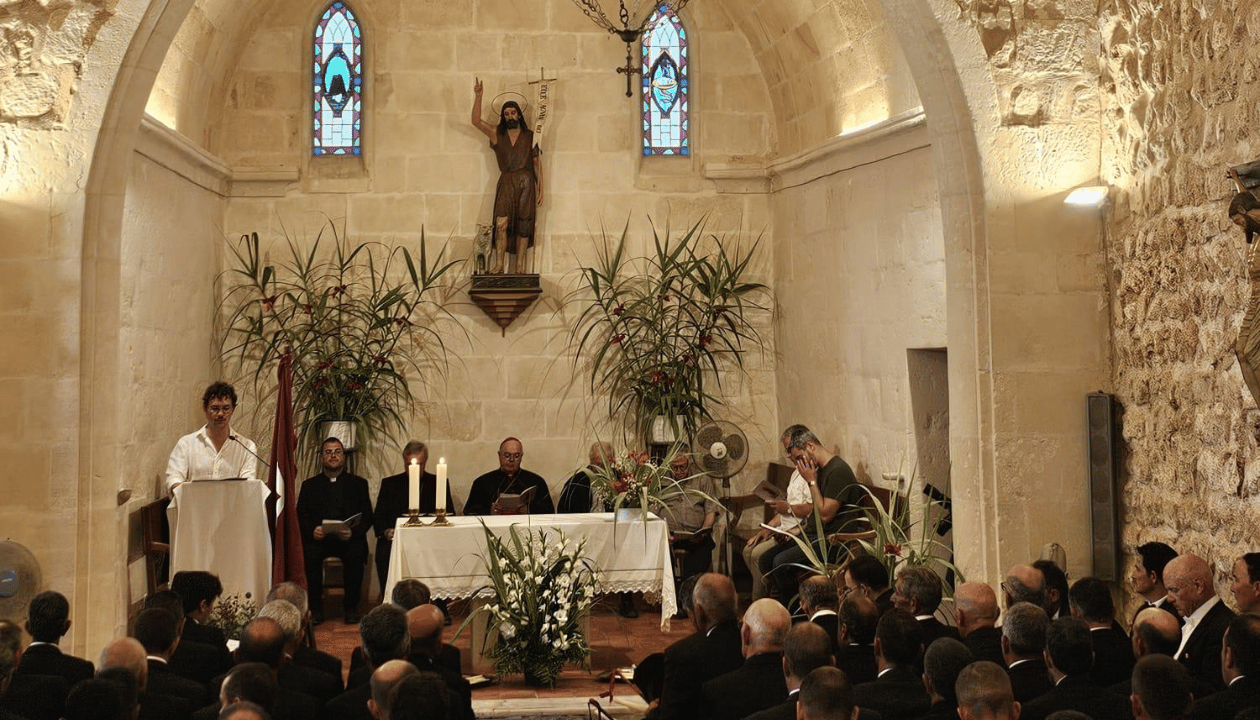
When you visit the hermitage of Sant Joan de Missa, you immediately see why locals value it so deeply. It is located outside the old town, on the road known as Camí de Sant Joan de Missa, and it feels peaceful compared with the crowded square and streets of the city center. The building is a very simple hermitage, yet it carries enormous meaning. For many people, it is the soul of the celebration.
Architecturally, the chapel is known for its single nave, simple Gothic character, and later additions, including two chapels. It was reformed over the centuries, but it still preserves the humble spirit of Joan of the Cross. For me, that simplicity matters. In a festival full of movement, riders, music, and public display, this quiet place gives balance. It reminds us that Sant Joan de Missa is not only about spectacle. It is also about memory, faith, and belonging.
From pilgrimage to the main festivities
After Sant Joan de Missa, the atmosphere in Ciutadella de Menorca changes. The town becomes more festive, and the main events move closer. The celebration is deeply structured and governed by the Junta de Caixers, which represents the historical social classes of Menorca. The annual celebration is characterized by medieval traditions and strict social protocols, with Caixers and Riders symbolizing nobility, artisans, and other groups. This system may surprise visitors, but it helps explain why the festival feels so old and so carefully preserved. Tradition here is not random. It has order, meaning, and history, merging ancient pagan fire traditions with the Christian celebration of Saint John the Baptist’s birth.
The festivities span about a week, with the busiest days arriving on June 23 and 24. This festival in Ciutadella de Menorca focuses on local traditions and equestrian displays. On the evening of June 23, the streets fill with music, horses, and people waiting for the famous Caragol des Born. This event features over 100 riders in a ceremonial procession through the streets of Ciutadella, culminating at Plaça des Born, where the crowd gathers as horses rear and riders move rhythmically to music in one of the most iconic images of Menorca. There is no doubt that this is one of the most spectacular moments of the festival.
Horses, riders, and the spirit of the town
If there is one image most visitors remember, it is the horses. During Sant Joan, the horses and their riders are at the center of the events. The jaleo, a unique equestrian tradition of the Festes de Sant Joan, features horses rearing while people try to touch their chests for luck. It is thrilling, loud, and emotional. The riders show remarkable control, and the animal becomes a powerful symbol of local identity. To see the horses break through the crowd with music all around them is unforgettable.
‘Diumenge des Be’ is another highlight, when the ‘homo des Be’ carries a decorated white lamb through the streets on his shoulders, symbolizing purity and faith. On June 24, the action continues with the Jocs des Pla, a medieval-style tournament, and other games and displays of skill. Riders gallop at speed and try to catch a ring with a lance, a medieval-style game that reflects the origins of the celebration. Throughout the festivities, the signature drink is Gin amb Llimonada, made from local Xoriguer gin and lemonade. These moments are exciting, but they also connect back to Sant Joan de Missa. The pilgrimage, the chapel, and the ritual opening of the festivities give meaning to everything that follows.
Local customs that visitors love
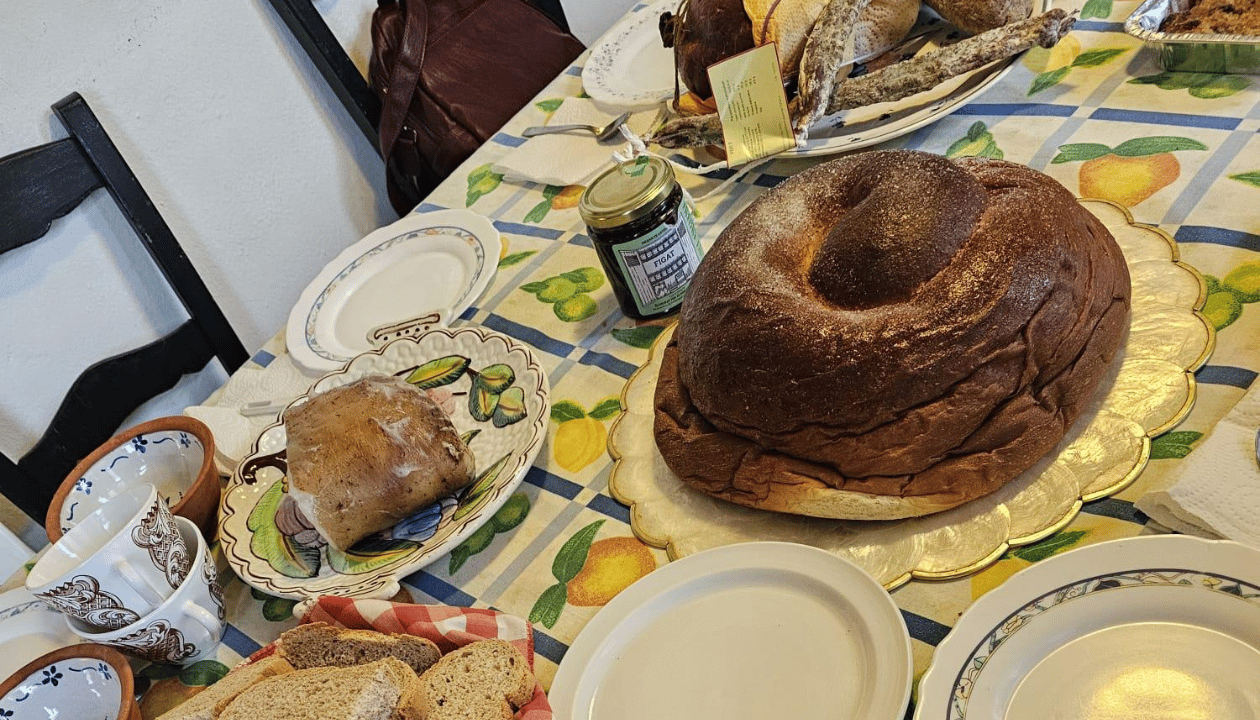
Another reason people love this festival is the atmosphere beyond the official events. In Ciutadella de Menorca, locals and visitors share food, stories, and long nights in the streets. Gin amb llimonada is the drink many people associate with Sant Joan, and it appears everywhere during the festivities. There is also ensaimada de Sant Joan, music in every corner, and a sense that summer has truly begun in Menorca. Activities include rituals like jumping over bonfires for good luck, enjoying local food, and children actively participate in these customs, making the celebration inclusive for all ages.
Some customs have a playful side, too. The hazelnut battle, where people throw empty husks, adds humor and energy to the celebration. Fire also plays a central role, symbolizing purification, renewal, and protection against evil spirits. In Ciutadella, the beauty of Sant Joan comes from how strongly the town keeps its own character, including the intimate ‘caragol de santa clara’—a ceremonial procession where horses enter people’s homes, showcasing traditional horsemanship and local customs.
Why I always recommend this visit
As a native of Menorca, as well as Spanish teacher, I think Sant Joan is one of the best ways to understand Menorca beyond its beaches, like Es Talaier or its summer postcards. Yes, the island is beautiful, but this celebration shows its deeper identity. You see how a town can carry history, faith, social memory, and joy all at once. You also see how local people represent their heritage with pride, from the chapel to Plaça des Born.
For students, this is an ideal moment to practice Spanish while learning something real. You can listen to conversations, ask questions, take photos, and understand how a local festival lives in everyday language. When you visit during Sant Joan, you are not just watching events. You are stepping into the story of Ciutadella de Menorca.
And if you want to experience it deeply
If you want to understand Sant Joan in a real and personal way, the best approach is to experience it through daily life in Menorca. Through SHIP, you do not just visit the festival. You live in the town, hear the stories behind the tradition, practice Spanish naturally, and discover why this pilgrimage, this chapel, and this celebration matter so much to the people here.

You can also explore more cultural immersion stories here:
👉 Read Stories of Our Past Visitors Here
For personalised guidance and tailored programme advice, you are welcome to contact:
Mónica Romero
Founder & Director, Spanish Express
📞 Phone / WhatsApp: +44 7903 867 894
📧 Email: monicaromero@spanishexpress.co.uk
