


There are places in Menorca where history is not behind glass. At Son Catlar, you walk directly on the ground where an ancient settlement once thrived. This large and well-preserved site invites you to slow down, look closely, and connect with the past of the island in a way that feels real.
I’m Mónica, and here in Menorca, I guide students through places like this as part of the Spanish Homestay Immersion Program (SHIP) with Spanish Express. Together, we explore history, speak Spanish naturally, and discover how culture, language, and daily life are deeply connected across the island.
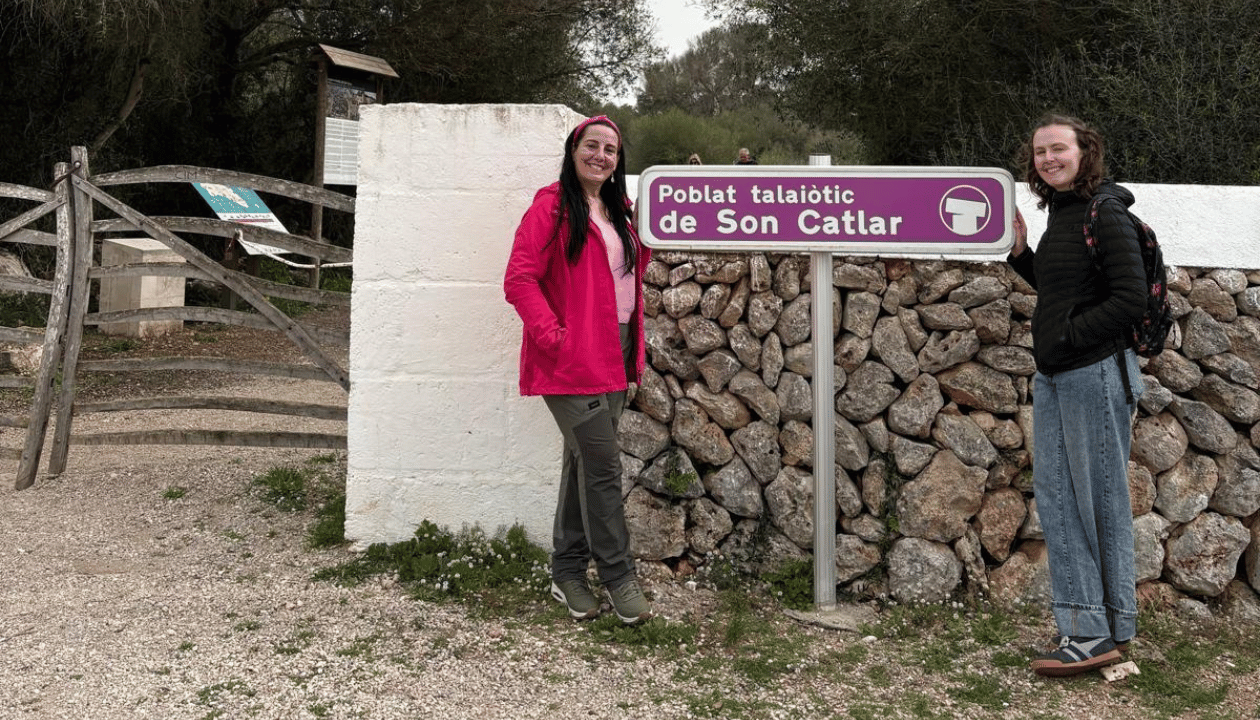
Discover Son Catlar in Menorca
Son Catlar is one of the most important archaeological sites in Menorca and across the Balearic Islands. This large talayotic settlement is located near Ciutadella, along the southern ring road. You take the Sant Joan de Missa exit and follow the road toward Son Saura.
The location is easy to reach, with parking available at the entrance, offering convenient access for visitors. The site has free access, making it an ideal place to explore without restrictions.
This site sits within a protected area, surrounded by natural vegetation, and forms part of Talayotic Menorca, which has gained recognition and is being considered as a UNESCO World Heritage site.
A Talayotic Settlement from the Bronze Age
The Son Catlar settlement dates back to the Bronze Age, a period when the talayotic people began building complex communities across the island. These settlements first emerged in the late second and early first millennium BCE.
Son Catlar was occupied for centuries, continuing through different phases until the Roman conquest in 123 B.C. This long period of occupation shows how the site served as a central hub for local life.
Like other important sites such as Torre d’en Galmés, Son Catlar helps us understand Talayotic Menorca and the development of early societies in Spain.
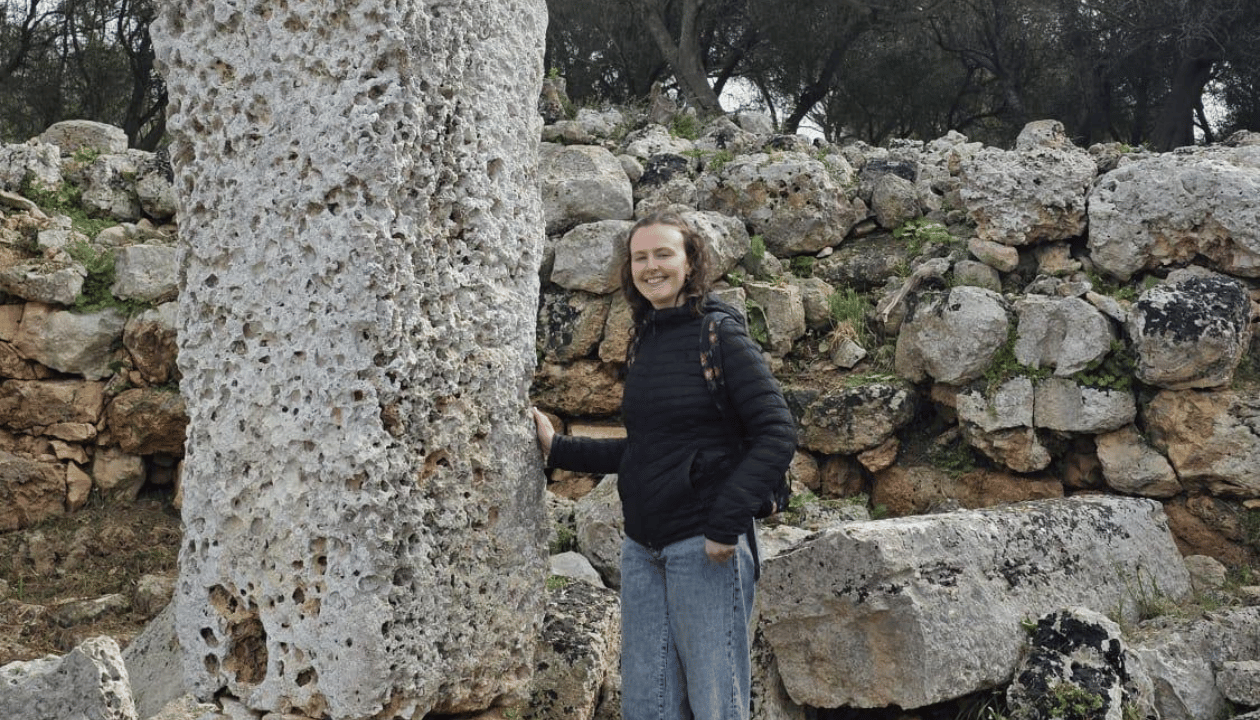
The Wall and Defensive Construction
One of the most impressive features of Son Catlar is its massive outer wall, stretching nearly 900 metres in length. In some sections, the wall stands over 3 metres high.
This defensive construction is the only fully preserved perimeter fortification from the Talayotic period in the Balearic Islands. The wall was built using Cyclopean techniques, meaning large stones were fitted together without mortar.
Alongside the wall, you can identify several stone towers, reinforcing the defensive design of the settlement. These structures were carefully planned and built to protect the community and define its boundaries.
Inside the Site: Structures and Daily Life
Walking inside the site, you will see the remains of houses, open areas, and underground spaces carved into the ground. The layout shows how the settlement was organized to support both daily life and community activities.
Among the key features is the taula enclosure, linked to ritual practices in Talayotic Menorca. The site also includes three talayots, which are central towers typical of this type of settlement.
These areas were not randomly placed. Each space served a purpose, from living areas to gathering zones. The settlement was occupied for generations, evolving over time.
Archaeology and Ongoing Study
Son Catlar has long been a subject of archaeology. The site was partially excavated in 1923, although the results of that early investigation remain unknown.
Modern research continues to investigate the site, with links to university studies exploring the origins and connection of the Talayotic people to other regions of Europe.
Archaeologists have identified different sections of the settlement and continue to study how these structures were used. Despite some broken areas, much of the site remains remarkably preserved.
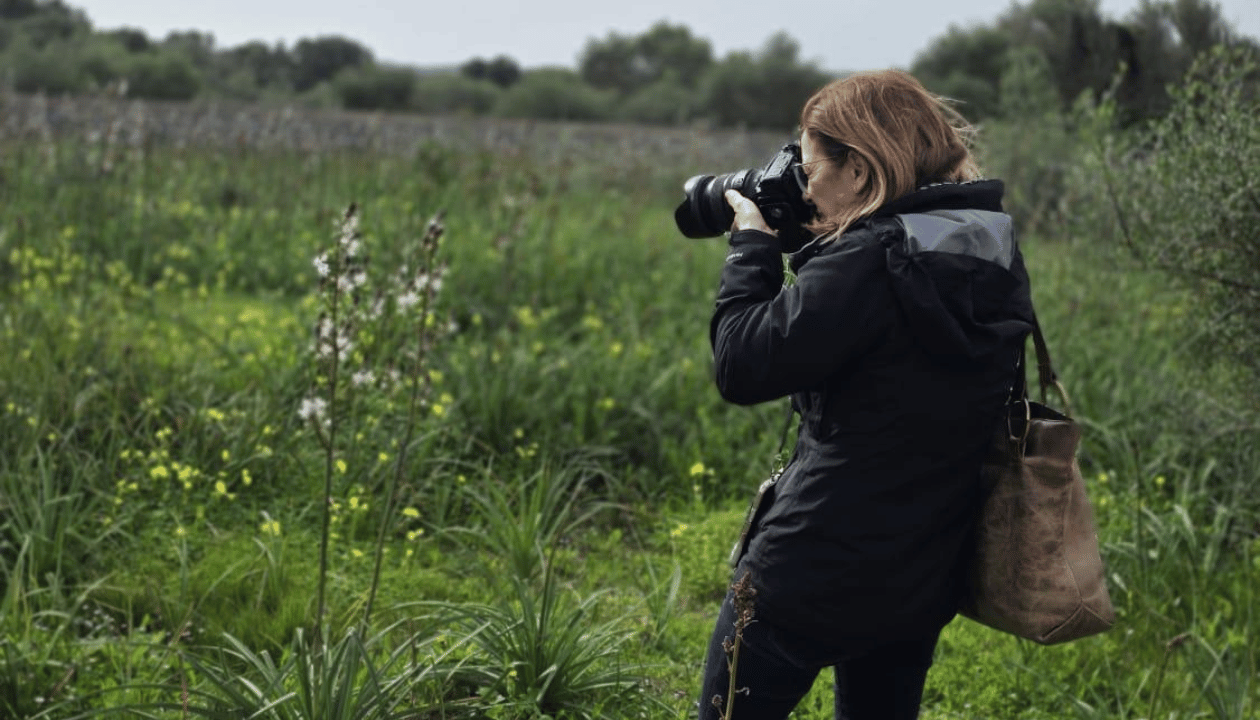
Walking the Site and Visitor Experience
A visit to Son Catlar is best experienced on foot. The path takes you alongside the wall, through open space, and across different parts of the settlement.
The terrain is mostly flat, though some areas can be slightly uneven. Comfortable footwear is recommended, especially if you plan extended walking.
There are no guided tours, but information panels are placed across the site to help you understand the content and history. Morning visits are recommended to avoid crowds and enjoy better light for photos.
Practical Access and Location Details
The road to Son Catlar is easy to follow, with clear signs along the way. The entrance is well marked, and the nearby parking area makes arrival simple.
The site offers free access, and visitors are free to explore at their own pace. The surrounding area is calm and open, allowing you to fully enjoy the experience.
This location is one of the most accessible archaeological sites in Menorca, making it a great stop alongside other places on the island.
Cultural Importance and Recognition
Son Catlar is not just another site. It is one of the best-preserved examples of a Talayotic settlement in the Balearic Islands.
Its importance lies in its scale, its construction, and its continuous use over centuries. The foundation of the settlement reflects early community planning and social organization.
Its inclusion in the Talayotic Menorca project highlights its importance for future UNESCO recognition. This adds to its value not just locally, but internationally.
Why Son Catlar Is Worth Visiting
Son Catlar offers something unique. It is not crowded, not overly restored, and not commercialized. Instead, it remains authentic.
You can walk along the wall, stand among ancient structures, and imagine life during the Bronze Age. It is a place where history feels present.
For anyone interested in archaeology, culture, and the history of Menorca, this site is absolutely worth the time.
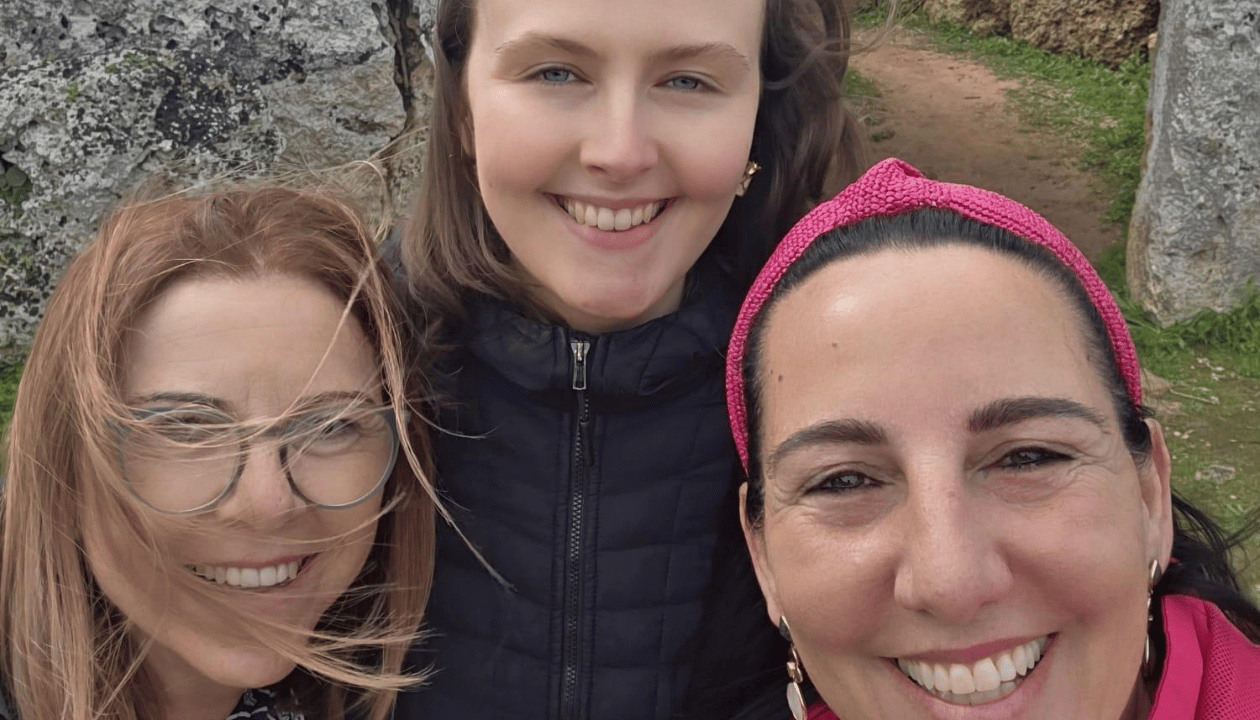
When I guide students here, we take time to observe, ask questions, and connect language with experience. By the end, they don’t just understand the place. They feel it.
FAQs
Is Son Catlar the only Talayotic settlement worth visiting?
While it is not the only Talayotic settlement, it stands out for its preserved wall and layout. In addition, you can admire how complete the site feels compared to others across the island.
Is there a museum connected to Son Catlar?
There is no municipal museum directly attached to the site, but you may find useful context on a dedicated page or official website that explains its history and discoveries in detail.
Can you compare Son Catlar to other sites in Spain?
Compared to other sites in Spain, Son Catlar feels less restored and more raw. This makes it slightly more difficult to interpret at first, but the experience is more authentic and immersive.
What should you do after visiting Son Catlar?
After your visit, take time to enjoy the open view and reflect on what you have seen. Many visitors conclude their trip by exploring nearby arreal-lifeeas, often heading left from the entrance to continue discovering Menorca.
Ready to Explore Menorca’s History Together?
If you want to go beyond simply visiting and truly explore places like Son Catlar, I would love to guide you.
Through the Spanish Homestay Immersion Program (SHIP), you live with a local teacher, speak Spanish daily, and experience Menorca through real-life moments. From ancient settlements to everyday culture, everything becomes part of your learning journey.

You can also explore more cultural immersion stories here:
👉 Read Stories of Our Past Visitors Here
For personalised guidance and programme details, you can contact our founder directly:
Mónica Romero
Founder & Director, Spanish Express
📞 Phone / WhatsApp: +44 7903 867 894
📧 Email: monicaromero@spanishexpress.co.uk
