In shortClaudia, a British gap-year student living in Singapore and heading to university to read International Relations, spent two weeks in Burgos with host teachers Alberto and Marisol. She arrived at B1 (IGCSE and IB Spanish B) wanting fast, natural listening and a firm grip on the past tenses and subjunctive; her days mixed grammar at the kitchen table with the cathedral, Atapuerca, four kilometres of the Camino de Santiago, pinchos, a family birthday lunch, a Picasso exhibition and the waterfalls of Las Merindades. She left barely using English, on course for the C1 her career will need.
StudentGap year, UK / Singapore
Length2 weeks
WhereBurgos, Castilla y León
LevelB1 → towards C1
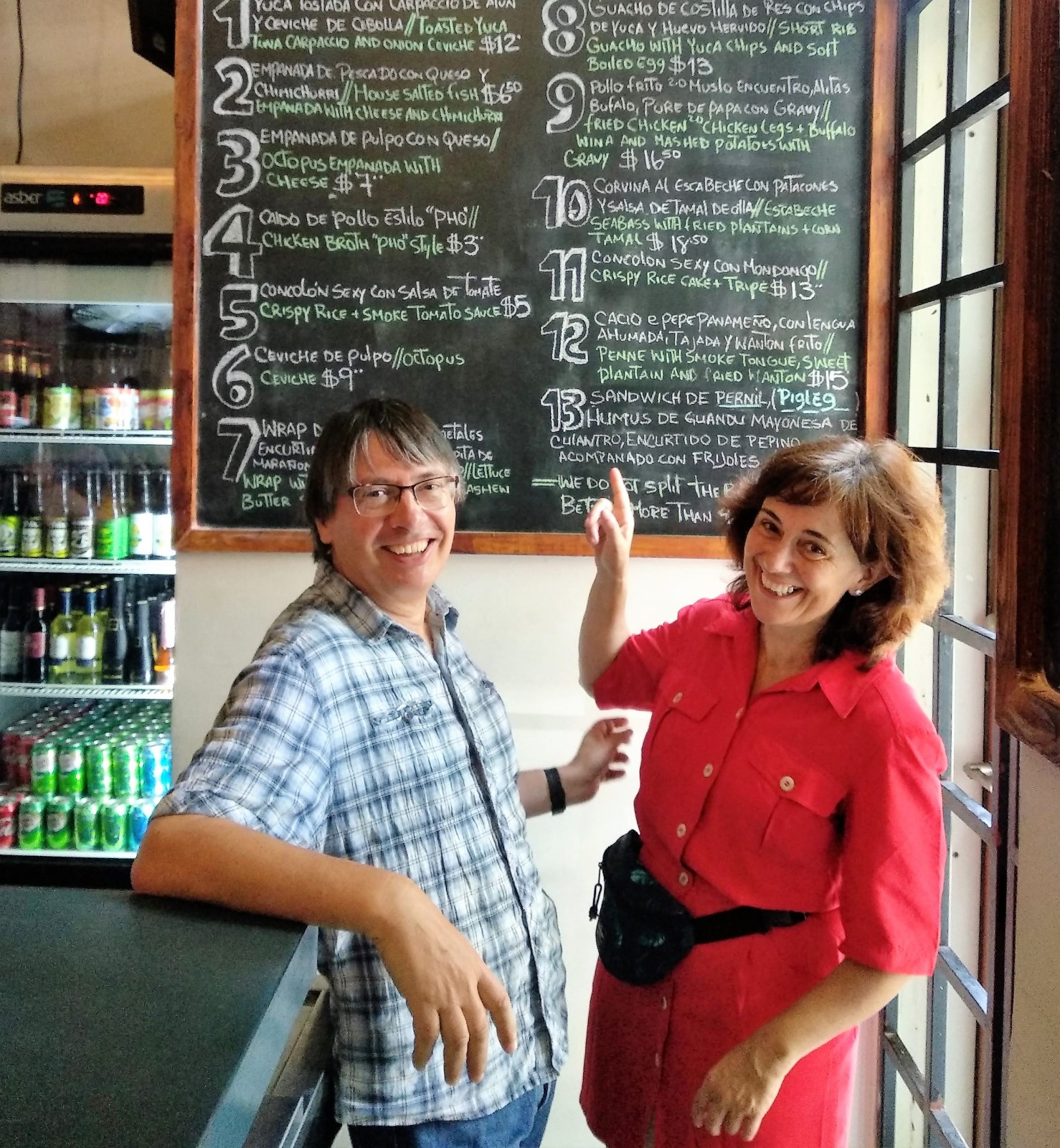
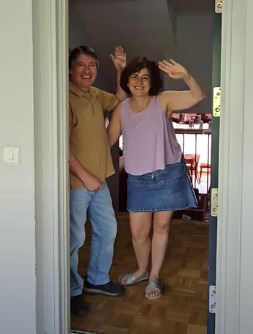
¡Hola! We're Alberto and Marisol. We are host teachers with the Spanish Homestay Immersion Programme (SHIP) here in Burgos. We open our home to learners and shape each day around real conversation, real culture and real life, never a fixed script. This is the story of Claudia's two weeks with us, from her late-night arrival at the bus station to a warm goodbye on her way to Madrid.
For some learners, Spanish is a hobby. For Claudia, it is part of a plan: a working tool for the diplomatic and international career she is preparing to build at university.
Why Claudia came to Burgos
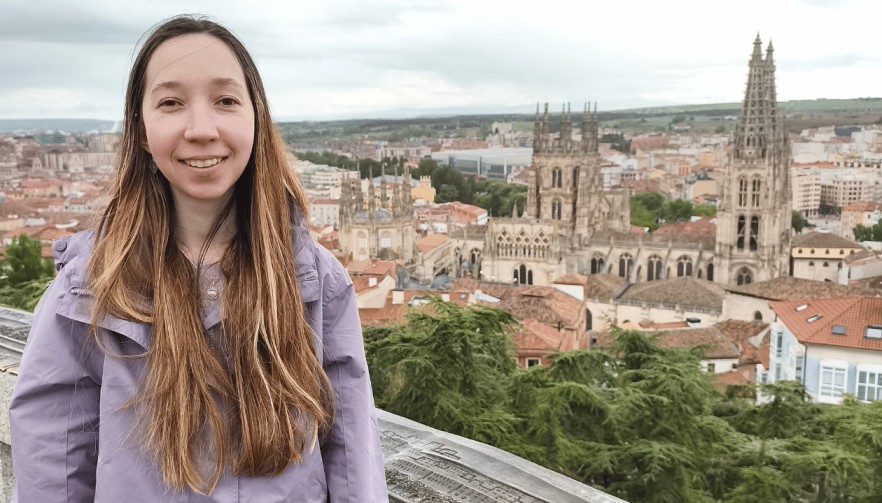
Claudia is a British student who currently lives in Singapore and is on a gap year before studying International Relations, a field where languages sit at the very centre of her future goals. She had studied Spanish at IGCSE level and completed IB Spanish B, placing at B1 on our test. After a short break from formal study, she came to us motivated to refresh and strengthen everything she knew.
Beyond languages, Claudia is creative and curious. She loves painting, drawing and photography, and enjoys dancing, reading, writing, hiking and time in nature.
A clear goal: fluency and fast, natural speech
From the first day, Claudia knew exactly what she wanted: conversational fluency and listening skills, especially understanding fast, natural speech the way locals really talk. She also wanted to revise key grammar with more confidence: the subjunctive, gerunds and the tricky balance of past tenses. Her long-term aim is C1 within a year, before her degree gets demanding. Because she is a quiet, thoughtful learner, we built lessons around gentle conversation, reading aloud and real situations, drawing her into speaking naturally rather than putting her on the spot.
A warm welcome after a long journey
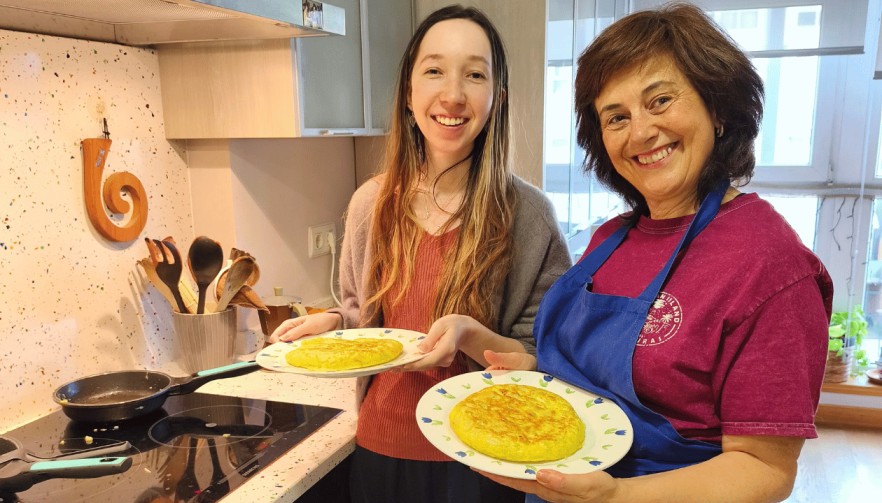
Claudia arrived at the Burgos bus station late in the evening, where we were waiting for her. The experience showed her from the start that in our home she would always be looked after like family.
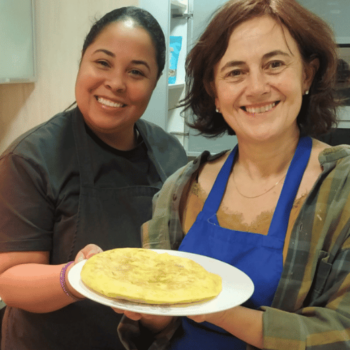
Our classes took place at home using the Gramática Básica del Estudiante de Español as our backbone, paired with plenty of exercises and conversation. Her comprehension was strong, but like many learners her biggest challenge was the Spanish past tenses, plus irregular verbs and the subjunctive.
Week 1 · grammar
- Pretérito perfecto vs. indefinido vs. imperfecto
- Ser and estar; irregular verbs
- The subjunctive, tied to real speech
Week 2 · grammar
- Pluscuamperfecto and relative pronouns
- Prepositions and verbal periphrasis
- Accents, and reading aloud for rhythm
Watch Claudia's highlight reel

The heart of Burgos, and the Camino through it
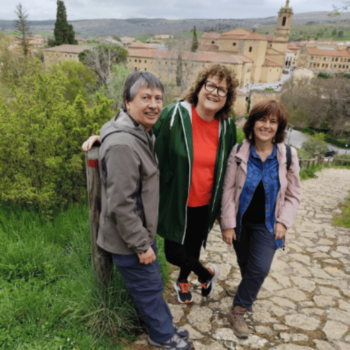
We explored the historic centre together: the Plaza Mayor, the Plaza de San Juan, the old city gates and walls, the castle, the Casa del Cordón and the statue of El Cid Campeador. The Camino de Santiago runs right through the city, so we followed its path and talked about the pilgrims who pass through every day, ending with a coffee on the Paseo del Espolón. Claudia loved the cathedral most of all, returning later to see its art up close.
Atapuerca: a journey to human origins
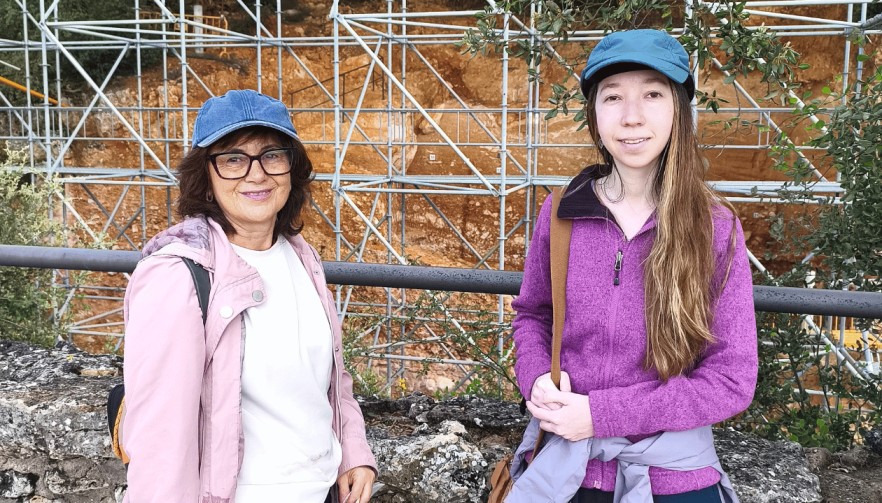
One of the highlights was our trip to the Atapuerca archaeological sites, a UNESCO World Heritage location Claudia had never heard of before arriving. We prepared with a presentation at home, then visited the CAYAC interpretation centre and the CAREX experimental archaeology centre, stopping for lunch among the ancient findings. We paired it with the Museo de la Evolución Humana in the city, where Claudia was especially drawn to the section on human evolution, reading the panels in Spanish and asking about every new word.
Walking the Camino de Santiago
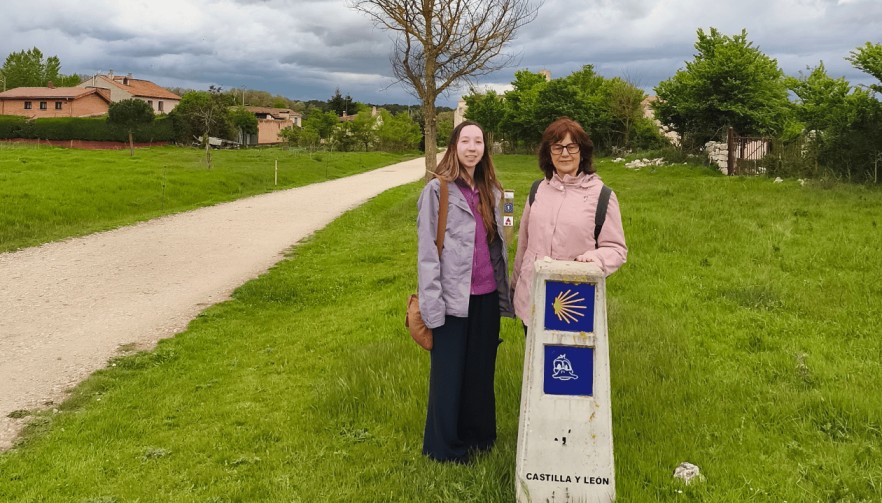
The Camino became a recurring thread of her stay. We walked a small stretch near San Juan de Ortega and paused for coffee beside the pilgrims resting there. Later we covered around four kilometres of the route as it crosses Burgos, stepping into the Monasterio de San Juan, the old pilgrims' hospital and the modern pilgrims' hostel, and returning along the peaceful Paseo de la Isla. These walks became some of our most natural Spanish conversations, language learned step by step.
Pinchos, a family birthday and Nacho Duato
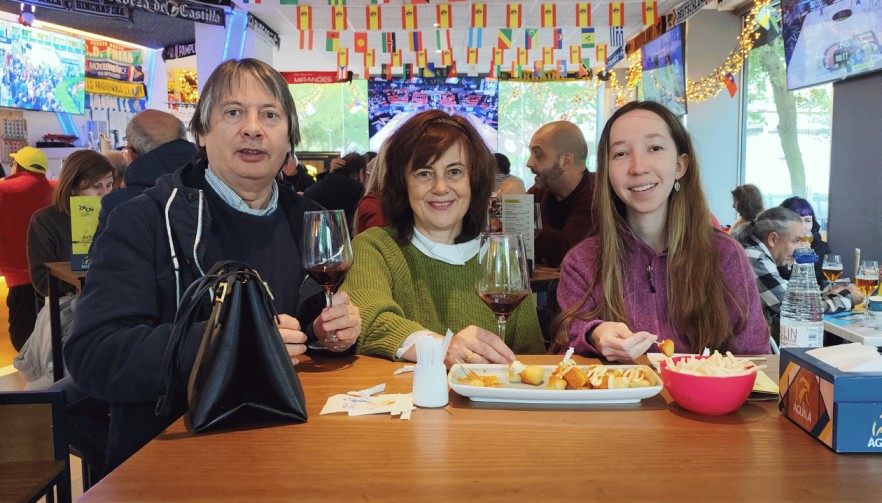
No stay in Burgos is complete without its evening ritual. On two different nights we went from bar to bar in the centre, sampling pinchos and soaking up the lively local atmosphere. The warmest moment came at a family lunch in a village to celebrate two birthdays. We introduced Claudia to our relatives, and she became part of a real slice of our family's social life. That same day we enjoyed a performance by the Nacho Duato dance company, which she loved.
She read the museum panels in Spanish and asked about every new word.Alberto and Marisol, host teachers
Art, markets and monasteries
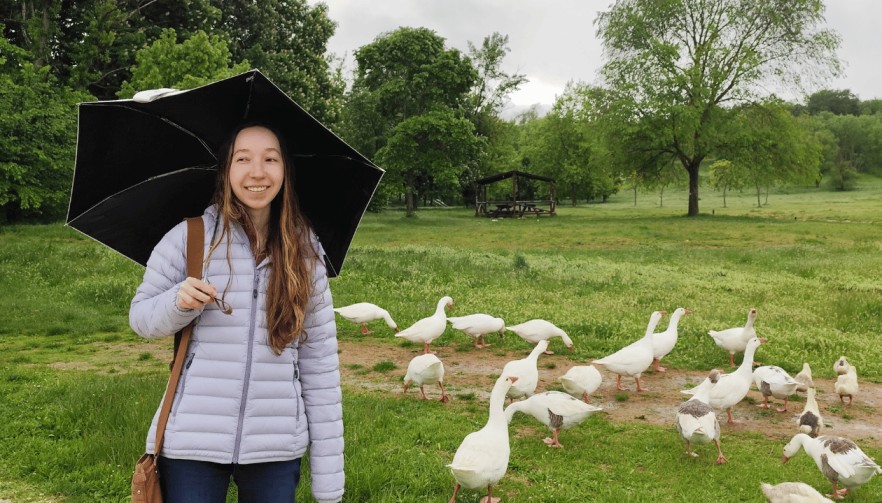
Claudia's love of art shaped our second week. We visited the Picasso. Raíces Bíblicas exhibition inside the cathedral, her first time seeing his paintings in person. We connected it to Velázquez, looking at a book of his work where she recognised Las Meninas, and discussed his influence on later artists. We also visited the Cartuja de Miraflores and the Monasterio de las Huelgas. Midweek we strolled the Wednesday market near the house, turning fresh fruit and vegetables into a real-world vocabulary lesson.
A day in the wild beauty of Las Merindades
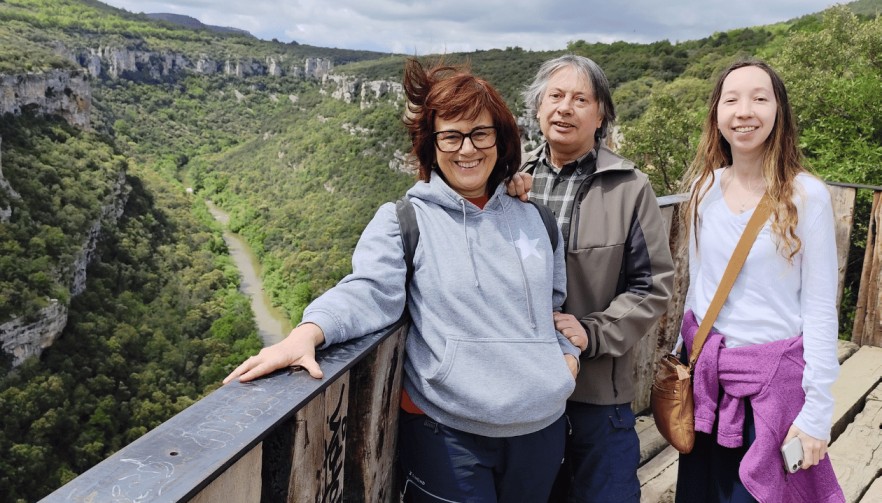
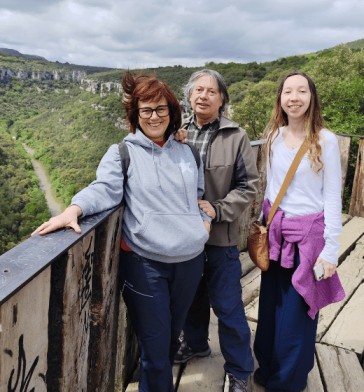
For our final big excursion we drove north into Las Merindades, a region of spectacular natural beauty in Burgos province. We started at Orbaneja del Castillo, where a waterfall tumbles right through the village centre, then saw the Cañón del Ebro and Puentedey, named one of Spain's most beautiful villages in 2022. After lunch we discovered the Mea waterfall, took a guided visit to the Ojo Guareña caves and the Ermita de San Bernabé, and finished in pretty Valdelateja. Claudia took countless photos and loved every minute.
Real progress in two weeks
Arrived with
- B1 after IGCSE and IB Spanish B
- Past tenses and subjunctive still uncertain
- Quiet, reluctant to speak aloud
→
Left with
- Barely any English used
- Museum panels read, explanations followed with ease
- Answering relatives at a busy family table
- On course for C1 before university
By the time she left, Claudia's communication and comprehension had clearly grown. Her vocabulary had expanded noticeably, and she grew more comfortable speaking aloud, answering relatives at the family gathering and asking confidently whenever a word was new. On her final Saturday, after one last evening of pinchos around the neighbourhood, we drove her to the bus station for her midday coach to Madrid, from where she would continue her immersion in Menorca. She arrived as a quiet, curious learner and left as someone who had lived Spanish, not just studied it.
If you're on a gap year and learning Spanish for your degree
- Two weeks beats one for grammar. Week one fixed the past tenses; week two had room for the pluscuamperfecto, relative pronouns and periphrasis.
- Bring your interests. Claudia's love of art turned a cathedral exhibition and a Velázquez book into some of her richest conversations.
- Prepare each visit. A short presentation at home before Atapuerca meant she could read the panels and follow the guide in Spanish.
- Say yes to the family lunch. Twenty relatives at one table is the fastest listening practice there is.
Frequently asked questions
Is a Spanish homestay suitable for a gap-year student?
Yes. Claudia, on a gap year before university, lived with Alberto and Marisol in Burgos for two weeks. The programme suits motivated 18-year-olds who want structured lessons plus real life in a Spanish family, with host teachers who look after them throughout.
How much Spanish can you gain in two weeks at B1?
Claudia consolidated the three past tenses, the subjunctive, the pluscuamperfecto and relative pronouns, and by the end barely used English, reading museum panels and following fast conversation. Two weeks gives time to fix grammar in week one and stretch it in week two.
What is there to do in Burgos during an immersion stay?
The cathedral, the Camino de Santiago through the city, the Museum of Human Evolution, the Atapuerca sites, pinchos in the centre, monasteries such as the Cartuja de Miraflores and Las Huelgas, and day trips to the waterfalls and villages of Las Merindades.
More student stories
Read other learners' weeks in Burgos and beyond, or browse more student stories.
Adult · BurgosAlong the Camino: Moyra's Week in Burgos
Adult · Valencia207 Steps to DELE A2: Fleur's Three Weeks in Gilet
Teen · ValenciaLearning to Speak Before Learning to Fly: Richard's Two Weeks in Gilet

Build the Spanish your future needs
Claudia's two weeks show what happens when a career goal meets real life in a Spanish home: grammar that finally clicks, listening that keeps up, and a city's history as your classroom. Programmes run from one to four weeks with dedicated host teachers.
Talk to our founder and host teacher in Menorca, Mónica Romero · WhatsApp +44 7903 867 894 · monicaromero@spanishexpress.co.uk